
Reviewed · COFFEE FARM TOURS
Arusha Coffee Tour and Buffet Lunch with Kingstone Asilia
Coffee tastes better when you help make it. This four-hour visit to Kingstone Asilia takes you from coffee seed to finished cup on a family-run farm near Arusha. I like the hands-on work, especially pulping, pounding, roasting, and tasting coffee you helped process. I also like the warm welcome from the family and children, which gives the visit a personal feel rather than a factory-tour feel.
The main consideration is getting there. Pickup and drop-off are not included in the $58 price, though the family can arrange transport from central Arusha or the clock tower for $15 total. You can also reach the farm by bus and motorbike, but you will need to find your own way to Kambi Ya Chupa Madukani first.
In This Review
- Key points to know before booking
- Arriving at the family farm near Moivaro
- A shaded farm walk with coffee seedlings and medicinal plants
- Turning red cherries into beans by hand
- Roasting over charcoal and tasting your own coffee
- A fresh vegetarian buffet after the farm work
- What the $58 price really covers
- Getting there and planning your four hours
- Who will enjoy this coffee tour most
- Buying coffee and supporting local work
- Should you book the Kingstone Asilia coffee tour?
- FAQ
- How long does the Kingstone Asilia coffee tour last?
- Is transportation from Arusha included?
- Can I reach Kingstone Asilia without arranging pickup?
- Is lunch included in the price?
- Will I make coffee during the tour?
- Is planting a coffee seedling guaranteed?
- What language is the tour offered in?
Key points to know before booking
- You process coffee from seed to cup: Plant a seedling when the season allows, pick ripe cherries, pulp them, dry the beans, hull, roast, pound, and drink the result.
- The setting is a family farm near Moivaro: The tour uses a shaded farm walk and a wooden nature hideaway built by the Kingstone Asilia family.
- Lunch is included: Expect a fresh vegetarian buffet made with market and farm ingredients.
- The farm walk goes beyond coffee: You will also learn about traditional Tanzanian medicinal plants and their uses.
- Transport needs planning: Collection from central Arusha costs an additional $15 total, paid in cash.
- The visit supports local work: Coffee, honey, paintings, bracelets, and other Tanzanian goods are available after the tour.
Arriving at the family farm near Moivaro
Kingstone Asilia sits in the green outskirts of Arusha, in the Moivaro area. The tour begins at the farm, not at a downtown café or commercial processing plant, so the first part of your visit is simply getting into the right setting. You pass through the farm on the way to a wooden hideaway where the coffee story begins.
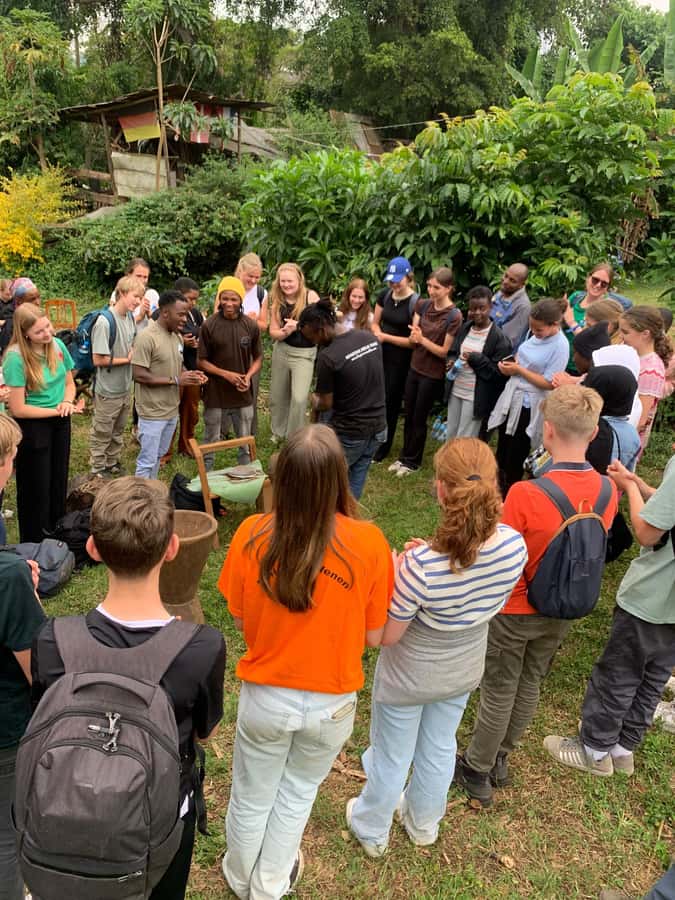
The welcome is one of the strongest parts of the experience. The family and children greet you, and the tone is open and informal. Oscar Octavio Martinez, who took the tour in January 2026, gave the team particular praise, noting that each person brought something important to the activity. That fits the character of this visit: it is built around meeting people and sharing daily work, not just looking at equipment.
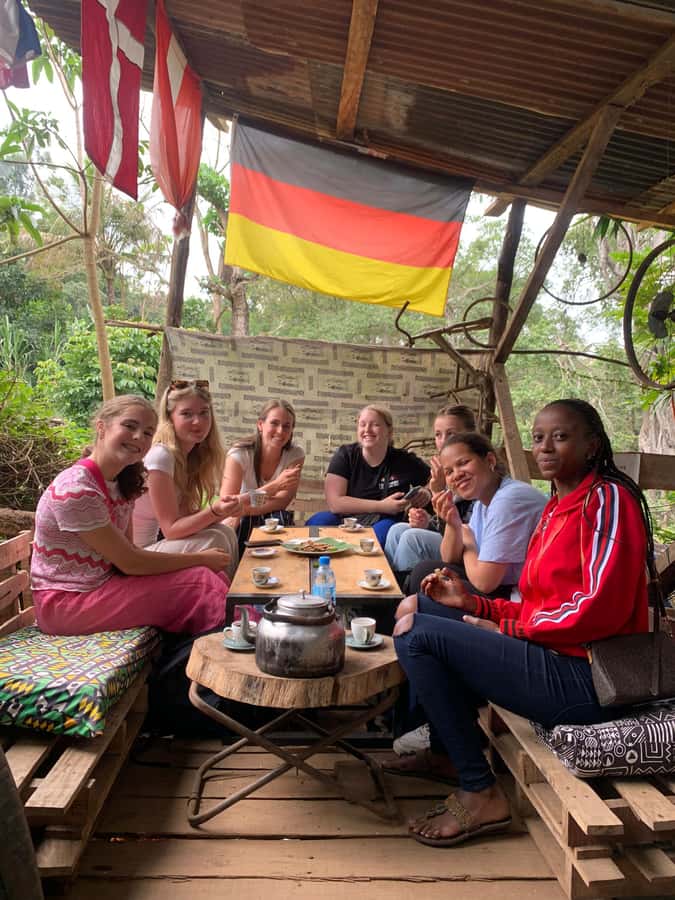
The hideaway provides a place to sit while your guide explains coffee’s history and how coffee reached Tanzania. You also learn about coffee as a seed before going into the plantation. This opening gives useful context to the physical work that follows. You are not simply handed a basket and told to pick beans. You understand what the plant is producing and why each step matters.
The tour is guided in English. You can ask questions before the walk begins, which is useful if you want a closer look at farming methods, local coffee, or the family’s work.
More Coffee Farm Tours in Arusha
- Materuni Waterfalls, coffee tour & Kikuletwa Hot Springs
★ 5.0 · 643 reviews - Materuni waterfalls coffee tour & Chemka hot springs Day trip
★ 5.0 · 131 reviews - Materuni Waterfalls & Coffee Tour from Moshi
★ 5.0 · 92 reviews
A shaded farm walk with coffee seedlings and medicinal plants
The walking portion lasts about three hours, followed by roughly 30 minutes for lunch. That makes this more active than a simple tasting, though the route is described as shaded and designed to avoid too much heat. You should still plan for outdoor conditions and wear sensible shoes.
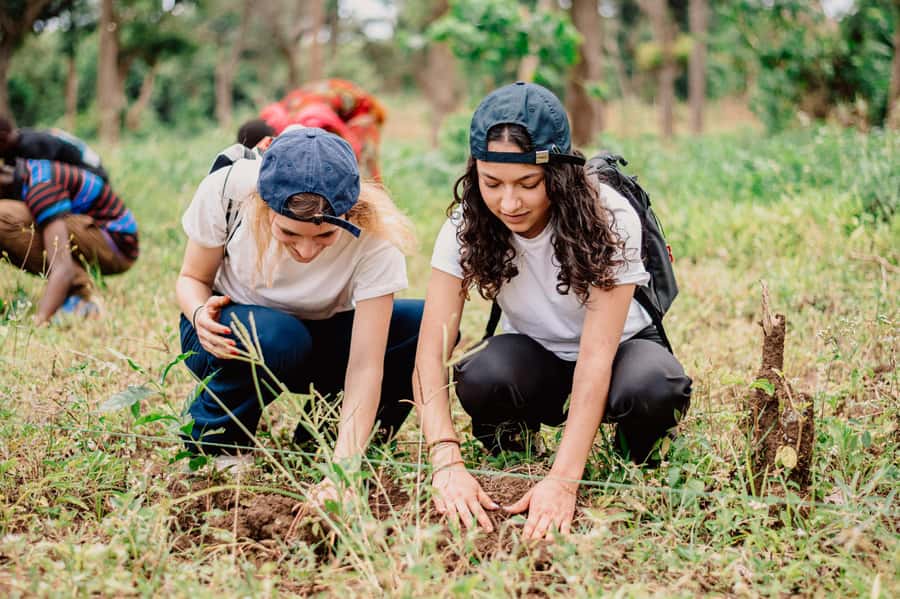
Depending on the season, you may plant a small coffee seedling. This is an appealing touch because it shows the slow beginning of the crop before you move on to mature plants. The planting opportunity is seasonal, so it should not be treated as guaranteed. Still, the larger coffee process remains available throughout the visit.
The farm walk also introduces traditional Tanzanian medicinal plants. The guide explains how different plants are used and shares stories connected to them. This is a welcome extra because it places coffee within a wider picture of farm life. You see the plantation as a source of several useful plants, not just an area devoted to export produce.
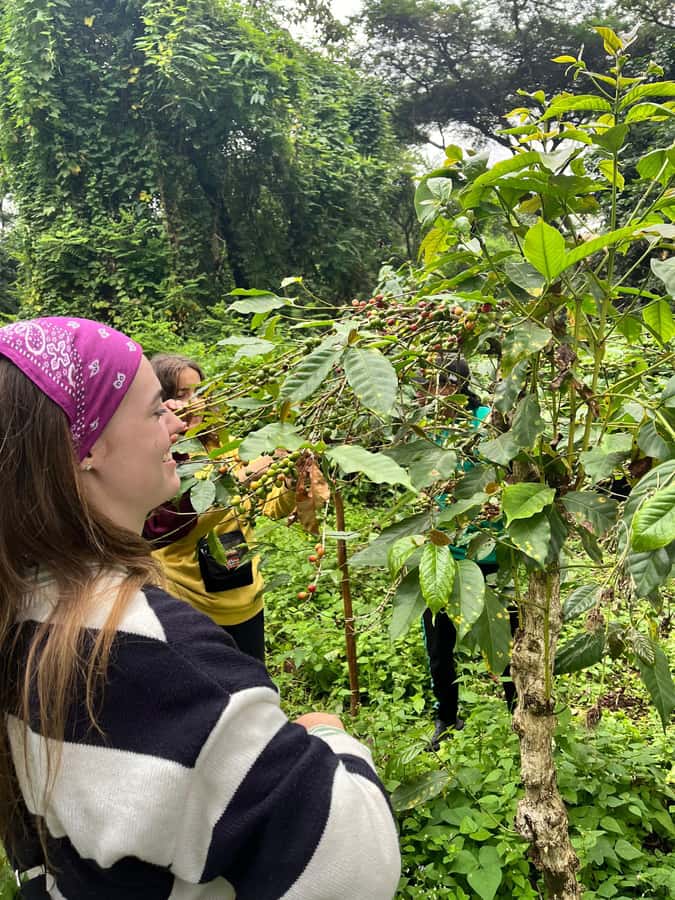
The coffee-picking section is straightforward and hands-on. You reach mature coffee trees, select ripe coffee cherries, and fill a basket for processing. The work helps you understand how much care goes into a product that often arrives in your kitchen as a neat bag of roasted beans.
One practical point: coffee harvest conditions change with the season. The opportunity to pick ripe cherries is part of the planned experience, but the amount of ripe coffee available can vary. The tour still uses prepared beans for later stages, so you can continue the process even if the farm is not at peak harvest.
Turning red cherries into beans by hand
After picking, you return toward the family’s working area, passing the farm workers’ houses. You then use a traditional hand-powered pulping machine to remove the outer pulp from the coffee cherries.
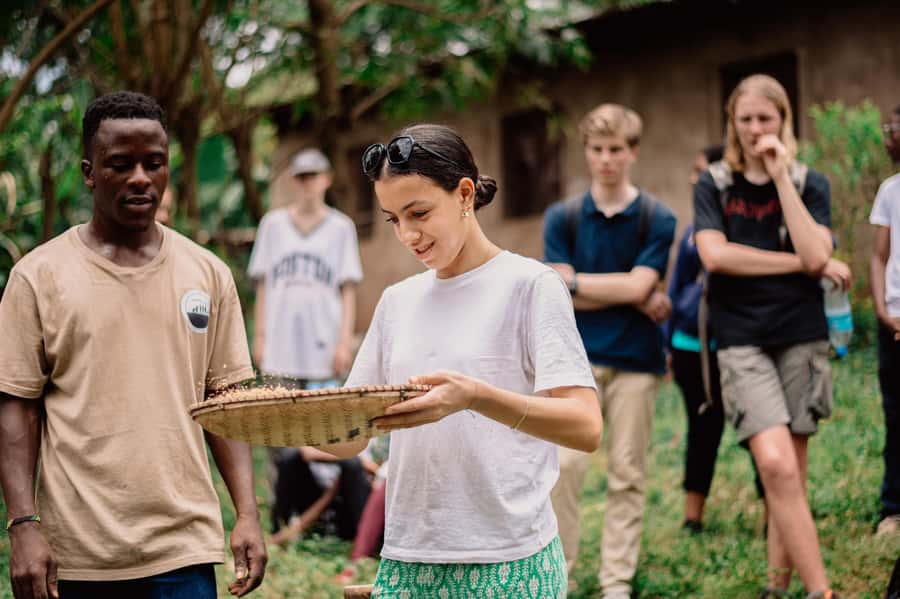
This is one of the most useful parts of the visit for anyone who usually buys coffee without thinking about its preparation. The machine is simple and physical. You operate it yourself and see the coffee bean emerge from the fruit. It makes the difference between a coffee cherry and a finished coffee bean easy to understand.
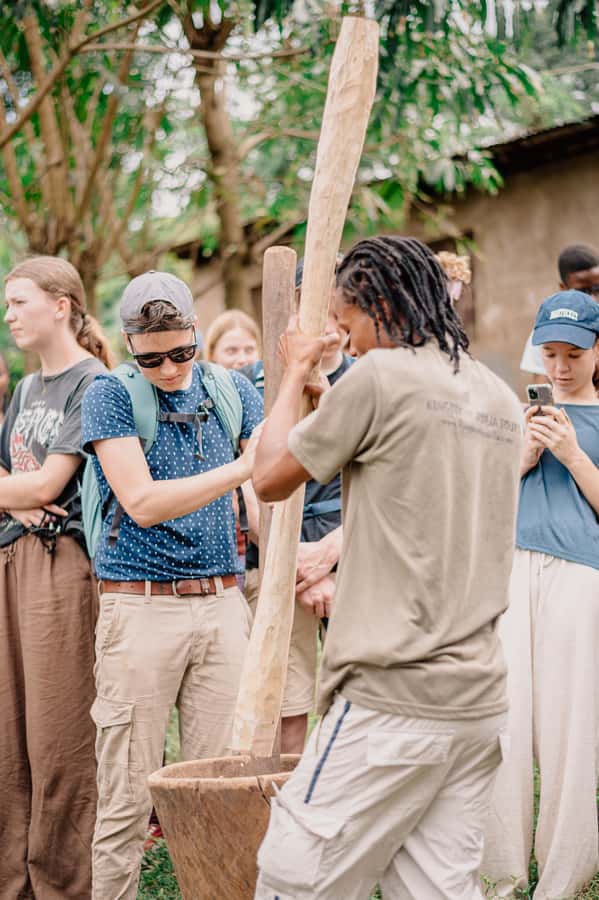
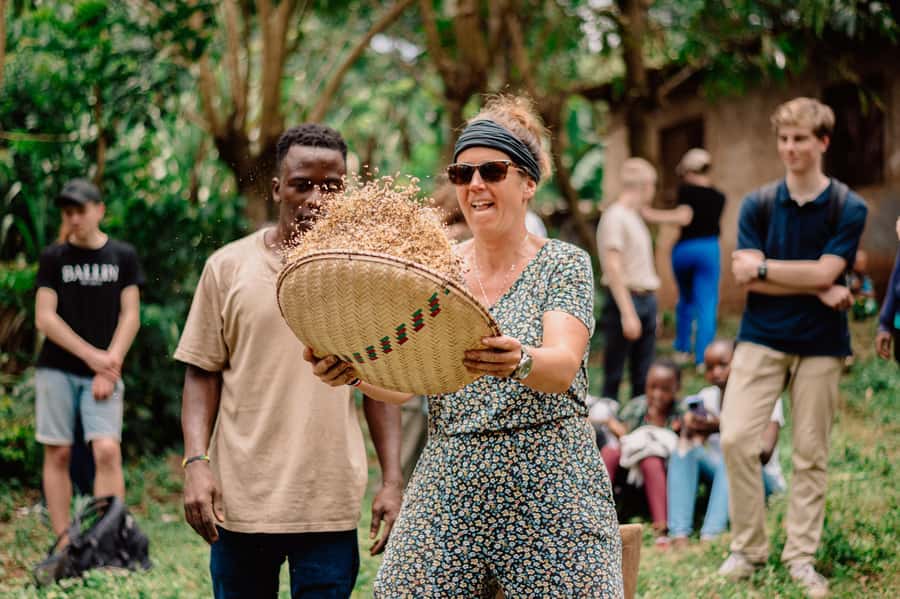
The beans are then left to dry in the sun. Since drying takes time, you work with beans that have already dried for the next step. Your guide demonstrates how to pound them to remove the outer layer, a process called hulling. This is done with a traditional rhythm, song, and dance, making the task feel like shared farm work rather than a staged demonstration.
The song and dance are important to the mood of the tour. They also make a repetitive job easier to understand. Coffee processing is not only about machinery and timing. It has a human rhythm, and the Kingstone Asilia team gives you a chance to take part in that rhythm.
You should expect to use your hands and participate. If you prefer a passive tasting with little activity, this may not be the right coffee experience for you. If you like learning by doing, it offers much more than a short explanation beside a coffee plant.
Roasting over charcoal and tasting your own coffee
The beans are roasted over a small charcoal fire. This is the point when the process starts to feel familiar: raw beans change color, develop aroma, and become ready for grinding. The roast takes place in a traditional setting rather than in a large commercial machine.
After roasting, you pound the beans again to make ground coffee. Then comes the best reward: a fresh cup made from coffee you helped process. A traditional Tanzanian sweet peanut snack accompanies the drink.
I like this final tasting because it closes the loop. You have seen the plant, picked the fruit, removed the pulp, dried and hulled beans, roasted them, and helped grind them. The cup is not just a sample. It is the final stage of a process you have physically followed.
The taste will depend on the beans and preparation, and the tour is not presented as a formal professional coffee cupping. You should come for the full farm experience, not for a technical tasting session with detailed scoring or several brewing methods.
Still, the simple cup has a strong sense of place. Tanzania’s coffee is an important export crop, and the visit gives you a clear picture of how local production connects the farm to the global coffee trade.
A different kind of day out entirely:
- Balloon Safari & Bush Breakfast in Serengeti – Miracle Experience
★ 5.0 · 1,646 reviews - Tanzania Classic – 7 Days
★ 5.0 · 1,151 reviews - 4 Days Group Camping Safari
★ 5.0 · 1,101 reviews - 5 Days Group Camping Safari
★ 5.0 · 730 reviews
A fresh vegetarian buffet after the farm work
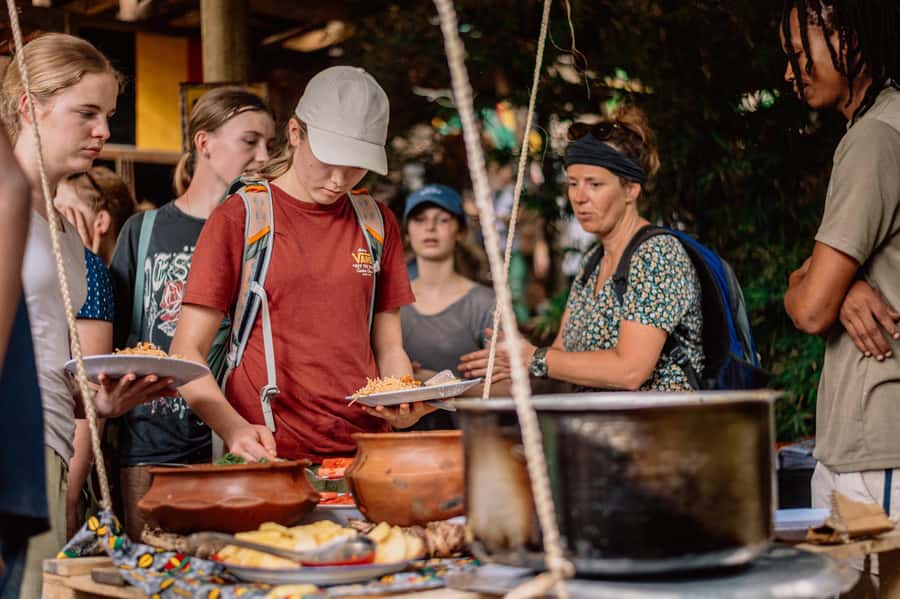
The tour ends with a home-cooked vegetarian buffet lunch. The chef prepares the food with ingredients bought at the market that day or harvested from the farm. After several hours outside and taking part in the coffee work, this is more than a convenient inclusion. It gives you another way to taste local life.
The menu is not specified, so you should not book expecting particular dishes. What is clear is the emphasis on fresh ingredients and food prepared by the family’s own chef. That makes lunch feel connected to the farm rather than added as a generic restaurant meal.
You may also have the chance to try local banana beer. The wording matters here: it is an optional possibility, not a promised part of every visit. Alcoholic drinks from the bar cost extra, and you need cash for purchases because the property currently accepts cash payments only.
The lunch lasts about 30 minutes, so it is a substantial pause but not a long afternoon meal. If you want to linger, Kingstone Asilia also has a restaurant and a bar in the bush for visits at other times.
What the $58 price really covers
At $58 per person, the value depends on what you want from a coffee outing. You are paying for a four-hour guided visit, a farm walk, the chance to plant and harvest when conditions allow, hands-on processing, your own cup of coffee, and a vegetarian buffet lunch.
That is a fair package for someone who wants an active cultural experience rather than a quick tasting. The family setting, guide time, food, and labor involved in preparing the coffee all add value. You are also supporting a local family operation and related community work.
The price does not include transport. Pickup and drop-off from a central Arusha hotel or the clock tower costs $15 total, or 45,000 Tanzanian shillings, paid in cash. If you are already comfortable finding Kambi Ya Chupa Madukani and arranging a motorbike ride from there, you can avoid that extra cost. For many people, though, the added transfer may be worthwhile for ease and time.
Coffee, ground coffee, honey, paintings, bracelets, and other souvenirs are also extra. The honey supports a female empowerment organization founded and supported by the family, so buying something can extend the value of your visit beyond the tour itself.
Getting there and planning your four hours
The meeting point is Kingstone Asilia: Coffee Tours, Restaurant, and Bar in the Bush. You can locate it on Google, take a bus to Kambi Ya Chupa Madukani, and then ask a motorbike driver to take you to Kingstone.
That route requires more independence than a standard hotel pickup. If you are unfamiliar with Arusha or prefer a direct start, arrange the $15 transfer in advance. The provider offers pickup from centrally located hotels or from the Arusha clock tower, and the same service can return you to town or your accommodation.
The activity lasts four hours, including about three hours of guided touring and 30 minutes of lunch. Starting times depend on availability, so check the schedule before you commit to other plans. The farm’s shaded areas help with the heat, but this remains an outdoor visit with walking and practical work.
The tour offers free cancellation up to 24 hours before the start time, and you can reserve now and pay later. At the property, however, cash is the rule. Bring Tanzanian shillings or enough cash for transport, drinks, souvenirs, and any coffee you want to take home.
Who will enjoy this coffee tour most
I would choose this experience for anyone who likes local food, working farms, and meeting the people behind a product. It suits couples, families, and small groups who want an easy cultural outing during a stay in Arusha.
It is also a good fit if you are curious about the full coffee chain. You do not need to be a coffee expert. In fact, the tour works best when you arrive with basic curiosity and a willingness to use the hand-powered equipment, join the pounding, and taste the result.
Families should note the warm welcome from the children and the mix of outdoor activity, food, music, and practical work. The exact suitability for very young children is not specified, so you should consider the walking and hands-on processing before booking.
I would not pick this if your main goal is a formal coffee education, a luxury meal, or a tightly scripted agricultural demonstration. The appeal is personal and participatory. The pace may feel less polished than a large commercial attraction, but that is part of its value.
Buying coffee and supporting local work
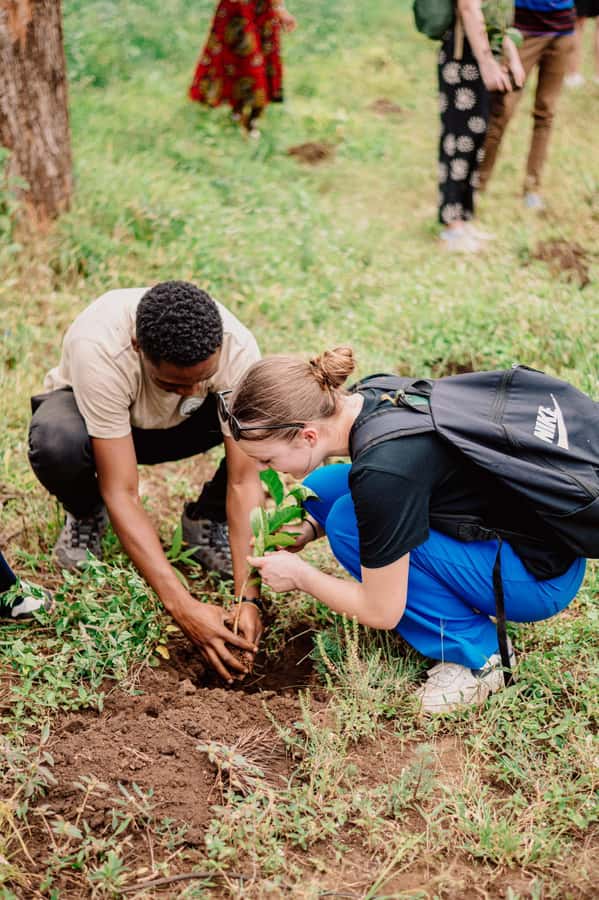
At the end, you can buy coffee beans or ground coffee as gifts. This gives you a useful souvenir with a direct link to what you did on the farm. You can also look for honey from the female empowerment organization connected to Kingstone Asilia, as well as paintings, bracelets, and other Tanzanian items.
The family’s work goes beyond the coffee tour. The property includes a hostel called Aroma Home next door, and you can return another day for the bar in the bush or restaurant. That makes Kingstone Asilia more than a single scheduled activity. It can also be a place to spend more time if you like the setting and the people.
One verified booking from Oscar Octavio Martinez praised the full chain from plantation to fresh coffee, along with the food, music, and welcome. That praise points to the experience’s central strength: the visit brings together work, family, cooking, and culture in one afternoon.
Should you book the Kingstone Asilia coffee tour?
Book it if you want to do more than look at coffee plants. The best reasons are the complete seed-to-cup process, the family welcome, the shaded farm walk, and the fresh vegetarian lunch.
Before booking, sort out your transport and carry cash. Also remember that planting and ripe-cherry picking depend on the season. If those details suit you, the $58 price offers a personal, useful, and tasty way to spend half a day near Arusha.
FAQ
How long does the Kingstone Asilia coffee tour last?
The full experience lasts four hours. About three hours are used for the guided tour, followed by approximately 30 minutes for lunch.
Is transportation from Arusha included?
No. Pickup and drop-off are an additional $15 total, or 45,000 Tanzanian shillings, from centrally located hotels or the Arusha clock tower.
Can I reach Kingstone Asilia without arranging pickup?
Yes. You can take a bus to Kambi Ya Chupa Madukani and then ask a motorbike driver to take you to Kingstone Asilia.
Is lunch included in the price?
Yes. A fresh vegetarian buffet lunch is included. It is prepared with ingredients bought at the market that day or harvested from the farm.
Will I make coffee during the tour?
Yes. You can help pick coffee cherries and process them through pulping, drying, hulling, roasting, and pounding. You then drink a cup made from the processed coffee.
Is planting a coffee seedling guaranteed?
No. Planting depends on the season. The tour includes the opportunity to plant a small coffee seedling when conditions allow.
What language is the tour offered in?
The live guided tour is offered in English.
More Lunch Experiences in Arusha
- Arusha:Canoeing/Kayaking &/or Cycling Adventure (with Lunch)
★ 4.9 · 28 reviews - Waterfall, coffee tour & hot springs – lunch and drinks included
★ 5.0 · 22 reviews - Private Chemka/Kikuletwa hotsprings with lunch & drinks
★ 4.8 · 4 reviews - Arusha: Arusha National Park Day Trip w/ Game Drives & Lunch
★ 5.0 · 4 reviews
More Coffee Experiences in Arusha
- Maasai village visit, Materuni waterfalls & coffee experience
★ 4.5 · 95 reviews - Arusha: Materuni Waterfalls, Coffee, and Hotsprings Tour
★ 4.8 · 78 reviews - Coffee tour and Buffet Lunch with Kingstone Asilia (Arusha)
★ 5.0 · 74 reviews - Materuni waterfalls,coffee tour & Kikuletwa(Chemka)Hot Springs
★ 5.0 · 49 reviews
Just added in Arusha
- Safari “Kifaru” – 5 days in the most famous Parks in the world★ 5.0 · 4 reviews
- Saadani Day Trip★ 5.0 · 13 reviews
- 3 Days Tanzania Short and Spicy★ 5.0 · 6 reviews
- 5 Day Tanzania Safari Camping Adventure Private Tour★ 5.0 · 2 reviews
- Day Trip to Ngorongoro Crater from Arusha★ 5.0 · 1 review
- SERENGETI NATIONAL PARK Tour★ 4.5 · 5 reviews
- 3 Days Serengeti Park & Ngorongoro Crater Adventure Safari★ 5.0 · 8 reviews
- 6 Days Tanzania Bush Experience Safari★ 5.0 · 6 reviews
Coffee Farm Tours, compared.
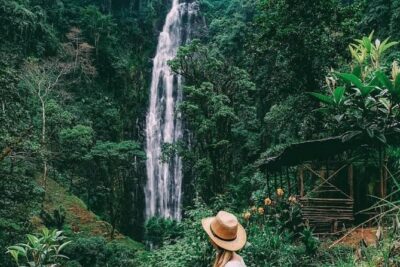
Materuni Waterfalls, coffee tour & Kikuletwa Hot Springs
Read our review →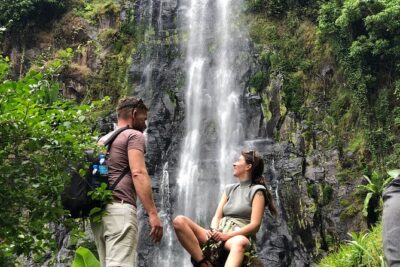
Materuni waterfalls coffee tour & Chemka hot springs Day trip
Read our review →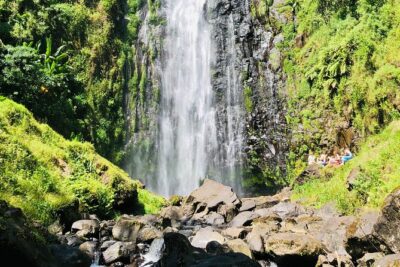
Materuni Waterfall, Coffee Tour and Picnic Hot Lunch
Read our review →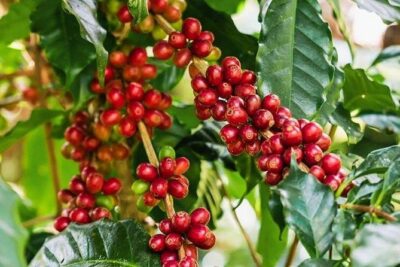
Arusha or Moshi : Hot Spring, Waterfall & Coffee Farm Tour
Read our review →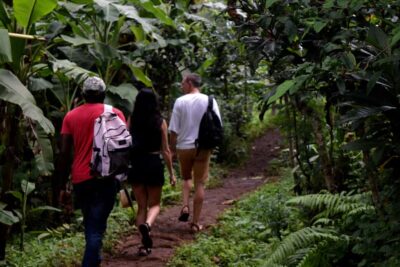
Materuni Waterfalls, Chemka Hot Springs, &/Or Coffee Tour
Read our review →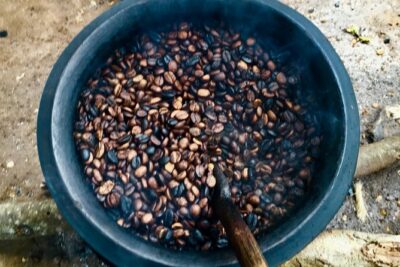
Coffee tour and Buffet Lunch with Kingstone Asilia (Arusha)
Read our review →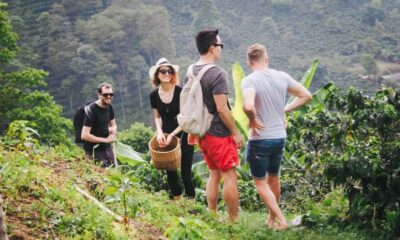
Kilimanjaro: Village Walk, Coffee Tour, Waterfall, and Lunch
Read our review →Browse the lists this tour appears in