
Reviewed · SPICE FARM TOURS
Discover Spice tour experience with Local lunch
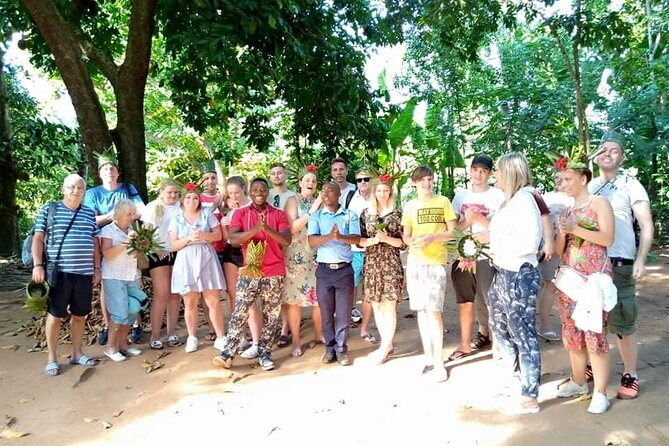
Zanzibar’s best stories grow in the soil. This four-hour outing takes you from Zanzibar City to a local spice farm, where you can smell, touch, and taste cloves, cinnamon, vanilla, turmeric, tropical fruit, and more. I like the hands-on farm visit, and I like that lunch shows how these ingredients work in Swahili cooking. The main consideration is timing: the experience is listed as about four hours, but one description also refers to a five-hour guided tour.
The private vehicle, bottled water, lunch, and admission are included in the $70 price. I also like the personal service from Ibrah, who is praised for giving useful tips and helping arrange other tours. The final spice stand is cash only, so bring money if you want to take Zanzibar’s aromas home.
In This Review
- Key points to know before you book
- Why Zanzibar became the Spice Island
- Walking through Jambo Spice Farm
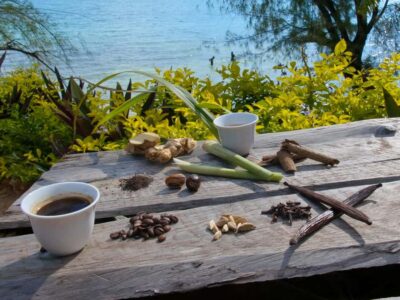
- The spices you smell, touch, and taste
- Lunch turns the lesson into a meal
- Finishing at the local spice stand
- Private transport and the meeting point
- The guide and the tone of the experience
- Is $70 a fair price?
- Who will enjoy this four-hour outing?
- Should you book the Discover Spice tour?
- FAQ
- Where does the tour start?
- How long does the experience last?
- Is lunch included?
- What is not included?
- Is the tour private?
- Can I cancel for a full refund?
Key points to know before you book

- Hands-on spice tasting: Smell and sample cloves, nutmeg, cinnamon, turmeric, vanilla, cardamom, chili, black pepper, lemongrass, and seasonal tropical produce.
- A local Swahili lunch is included: The meal gives you a practical sense of how Zanzibar’s spices are used in everyday cooking.
- Private transport keeps the outing simple: Your group travels in an air-conditioned vehicle, with pickup offered and private transportation included.
- The tour begins at 9:00 a.m.: The stated meeting point is Africa House Hotel on Shangani Street in Zanzibar City.
- The final spice stop is cash only: Plan ahead if you want packaged spices for home.
- Timing needs clarification: The main duration is approximately four hours, while another description mentions five hours.
Why Zanzibar became the Spice Island

Spices are not just souvenirs here. They help explain Zanzibar’s place in Indian Ocean trade and the way outside influences shaped local food.
Portuguese traders introduced many spices and herbs to Zanzibar in the 16th century, bringing crops from South America and India. Over time, the island became an important meeting point for cultures, faiths, cooking traditions, and trade routes. Cloves, cinnamon, pepper, nutmeg, and other crops helped give Zanzibar its famous nickname.
At Jambo Spice Farm, your guide connects those broad historical facts to living plants. That matters. It is one thing to see a jar of ground cinnamon in a shop. It is another to handle the bark, smell its warm scent, and understand that it grows as part of a tree.
The farm visit also explains why some spices once carried such high value. Cloves and pepper were not simply seasonings. They were valuable trade goods, and their demand helped shape Zanzibar’s economy and international connections.
More Spice Farm Tours in Zanzibar:
- Zanzibar: Stone Town, Spice Tour, Prison Island with Lunch
★ 4.4 · 1,219 reviews - Zanzibar: Prison Island, Stone Town, & Spice Farm Tour
★ 4.5 · 579 reviews - Zanzibar: Stone Town, Spice tour & Prison Island with Lunch
★ 4.6 · 453 reviews
Walking through Jambo Spice Farm
The central part of the experience is a guided walk through the shamba, the local Swahili word for a farm or cultivated plot. This is not a formal museum display. The focus is on plants growing in the ground, on trees, and among other crops.
You can expect to see and sample a wide range of ingredients:
- Cloves
- Nutmeg
- Cinnamon
- Turmeric
- Vanilla
- Cardamom
- Chili
- Black pepper
- Lemongrass
- Coconut
- Papaya
- Jackfruit
- Cassava
- Oranges
Each item gives the visit a different texture. Cloves and cardamom offer strong aromas. Turmeric brings its familiar color. Lemongrass adds a fresh, sharp scent. Coconut and cassava connect the spice lesson to staple foods rather than treating seasoning as a separate subject.
The guide explains how the plants are grown and harvested, along with their place in local cuisine. The value is in the small discoveries. You may know cinnamon from a kitchen cupboard, but you may not know what part of the plant it comes from. You may have eaten jackfruit without seeing it growing. This tour helps close that gap.
Nutmeg gets a particularly interesting explanation, including the nutmeg covering known as mace. That detail is easy to miss in a standard food tour, and it shows why the experience works best for curious eaters who want more than pretty photographs.
The farm section is also the reason to wear practical clothing. You are walking through a working agricultural setting, not simply sitting in a vehicle and looking out the window. The supplied details do not specify the exact ground conditions, so sensible walking shoes are a reasonable choice.
The spices you smell, touch, and taste

The sensory side of the tour is its strongest feature. A guide can tell you that Zanzibar produces spices, but smelling a fresh plant gives the information staying power.
Cinnamon is presented as more than a baking ingredient. The tour explains its healing properties as well as its familiar aroma. Black pepper and cloves receive attention for their past value. Vanilla, cardamom, and chili show how different spices can bring sweetness, warmth, fragrance, or heat to food.
You may also sample fruits and crops that make the experience feel like a farm visit rather than a spice lecture. Papaya, jackfruit, coconut, cassava, and oranges help show how broad local food production can be.
The exact order of the plants and tastings is not specified, and availability can vary with the farm. That is worth keeping in mind. This is a guided look at real crops, not a fixed stage show with every item guaranteed in the same condition all year.
I like that the experience gives you permission to use more than your eyes. Touching leaves, smelling bark, and tasting produce creates a clearer memory than hearing a list of ingredients. If you have a strong sensitivity to spice or certain foods, it is wise to tell the guide before sampling. The information provided does not set out a specific allergy procedure, so you should use your own judgment.
Lunch turns the lesson into a meal

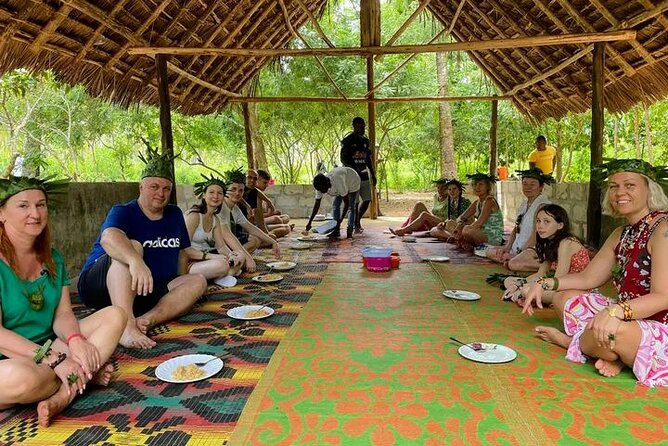
After the farm walk, you sit down to a traditional Swahili lunch at the farm. This is an important part of the outing, not an afterthought.
A spice tour can become a long list of names. Lunch gives those names a purpose. You can taste how spices combine in prepared food, rather than treating them as isolated samples. The meal shows the difference between smelling a spice on its own and meeting it as part of a complete dish.
The menu is not specified, so you should not book this expecting a named dish or a particular dietary arrangement. What is clear is that lunch is included and is intended to show the different ways spices are used in Swahili cooking.
Bottled water is included as well. Coffee, tea, breakfast, and alcoholic drinks are not included. That makes the morning schedule fairly easy to understand: meet at 9:00 a.m., take part in the farm visit, eat lunch, and finish with the spice stand.
The lunch also adds value to the $70 cost. You are not paying only for transportation and a walk through a farm. You receive a guided cultural experience, food, water, private transport, and admission fees. The price will still feel less attractive if you only want a quick stop for photographs, but it makes better sense if you want a guided outing with a meal.
A few more options to weigh up in Zanzibar
- Zanzibar: Prison Island and Nakupenda Boat Trip with Lunch
★ 4.1 · 882 reviews - Mnemba Island: Dolphin Swim & Snorkeling with Optional Lunch
★ 4.3 · 591 reviews - Zanzibar: Prison Island & Nakupenda Boat Tour with BBQ Lunch
★ 4.4 · 554 reviews - Zanzibar: Safari Blue Lagoon Trip with Snorkeling and Lunch
★ 4.5 · 336 reviews
Finishing at the local spice stand
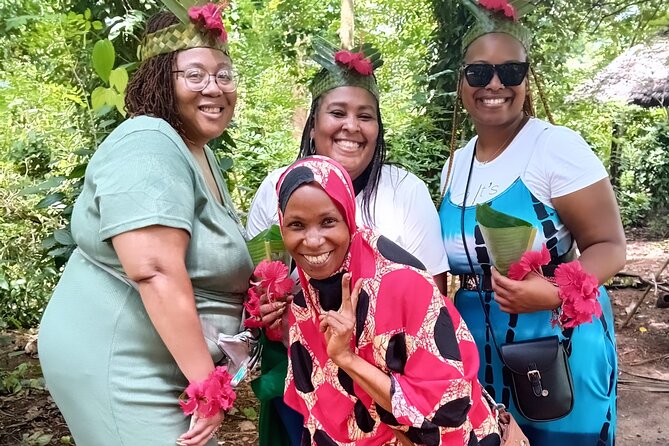
The final stop is a local spice stand selling fresh packaged spices. It gives you a chance to buy the ingredients you have just seen growing.
This is a useful ending because you can make your purchase with some context. Instead of choosing an unfamiliar packet at random, you have already learned about cloves, cinnamon, vanilla, pepper, turmeric, and other products. You can also ask Ibrah for guidance if you are unsure what to buy.
The stand accepts cash only. Treat that as a firm planning point. The tour information does not state the currency, prices, packaging sizes, or payment options, so you should bring suitable cash and avoid counting on a card.
A spice purchase is optional, but the stop adds a practical local touch. It also keeps the experience connected to working commerce, not only to sightseeing. If you prefer not to shop, you can still finish the tour without buying anything.
Private transport and the meeting point

The stated start point is Africa House Hotel, Shangani Street, Zanzibar City, at 9:00 a.m. Pickup is offered, but the details provided do not spell out the full pickup area or whether every hotel qualifies. If you want pickup away from Africa House Hotel, confirm the arrangement when booking.
The tour includes private transportation in an air-conditioned vehicle. That is useful in Zanzibar’s heat, especially after walking around a farm. It also means only your group takes part, rather than joining a large shared departure.
Private touring gives you more room to ask questions. You can spend more time on a plant that interests you, ask for clarification about a spice, or tell the guide if you need to slow the pace. The tradeoff is that private tours often offer less of a fixed group atmosphere, which some people enjoy and others do not mind.
The vehicle has no restroom on board. A restroom stop is not listed as part of the experience, so use facilities before departure when possible.
The guide and the tone of the experience

The available feedback gives Ibrah particular credit for excellent service, useful tips, and a strong effort to satisfy the group. That fits the private format well. A good guide can turn a farm walk into a conversation about food, trade, and daily life.
I would treat the guide’s help with other tours as a convenience, not a reason to book this particular experience. If you want to ask Ibrah about additional activities in Zanzibar, you can do so, but the spice tour should be judged on its own merits.
The personal approach is likely to suit you if you enjoy asking questions and learning through conversation. It may be less suitable if you want a silent, self-guided farm visit or a tightly timed attraction with a large group.
The current feedback base is very small, so the warm comments about service are encouraging but not enough to establish a broad pattern. Still, the praise is specific: the guide is described as helpful, committed to good service, and generous with tips. Those are the qualities that matter most on a private cultural tour.
Is $70 a fair price?
At $70 per person, this is not the cheapest possible way to buy spices in Zanzibar. It offers more than a market stop, though.
The price includes:
- A guided farm visit
- Admission fees
- Private transportation
- An air-conditioned vehicle
- Bottled water
- A traditional Swahili lunch
- All listed fees and taxes
That bundle makes the cost easier to justify. You get transport from the city meeting point, a guide, food, and access to the farm. You also avoid arranging separate transport and trying to identify plants without help.
The value is strongest for a first visit to Zanzibar, for people interested in food, and for anyone who wants a half-day activity with a clear start and finish. It is weaker for budget visitors who only want to purchase spices or for those already planning a longer farm visit elsewhere.
The experience is generally booked about 10 days ahead. That suggests you should not leave it until the last morning if the date matters to you. Confirmation is provided at booking, and free cancellation is available if you cancel at least 24 hours before the 9:00 a.m. start. Cancellations or changes within 24 hours are not accepted for a refund.
Who will enjoy this four-hour outing?
I would recommend this tour to you if you like food, agriculture, and local stories. It gives children and adults several ways to take part, since the experience includes tasting, smelling, touching, walking, and eating.
It also works well if you are staying in Zanzibar City and want a morning outside the stone streets. The private vehicle keeps the logistics straightforward, while the farm offers a change of setting.
You may want to choose another activity if you dislike shopping stops, although the spice stand is brief and optional to buy from. You should also check the timing if your day is tightly planned, since the main description says four hours while another section mentions five.
The tour is not presented as a luxury dining experience, a cooking class, or a full historical tour of Zanzibar. Its strength is simpler: you visit a working spice farm, learn what grows there, eat a local meal, and leave with the option to buy packaged spices.
Should you book the Discover Spice tour?
Book it if you want a personal, food-focused introduction to Zanzibar’s agricultural traditions. The farm walk, wide range of tastings, Swahili lunch, private air-conditioned transport, and helpful service from Ibrah make it a solid half-day choice at $70.
Before paying, confirm two points: the exact pickup arrangement and whether your schedule should allow four hours or closer to five. Bring cash for the final spice stand, and do not expect breakfast, coffee, tea, alcohol, or a restroom in the vehicle.
If those details fit your plans, this tour offers a useful lesson in how Zanzibar’s plants, trade, and cooking connect. It is a good choice for curious eaters who want to bring home more than a photograph of a spice tree.
FAQ
Where does the tour start?
The stated meeting point is Africa House Hotel on Shangani Street in Zanzibar City, Tanzania. The start time is 9:00 a.m., and pickup is offered.
How long does the experience last?
The tour is listed as approximately four hours. Another description refers to a five-hour guided tour, so confirm the expected finish time if you have plans afterward.
Is lunch included?
Yes. A traditional Swahili lunch at the farm is included, along with bottled water.
What is not included?
Alcoholic beverages, breakfast, coffee, and tea are not included. The vehicle does not have a restroom.
Is the tour private?
Yes. It is a private tour and only your group participates.
Can I cancel for a full refund?
Yes, if you cancel at least 24 hours before the experience’s start time. Cancellations or changes made less than 24 hours before the start are not accepted for a refund.
Just added in Zanzibar
- Zanzibar:Ngoma local culture workshop,The Knowledge of Ngoma★ 5.0 · 1 review
- ZANZIBAR:Mnemba island, Spice farm and Jozani Forest★ 5.0 · 1 review
- Zanzibar: Zipline Adventure At Masingini Forest★ 4.6 · 2 reviews
- Zanzibar Walking Tour: Unveiling the Secrets of Stonetown★ 4.8 · 11 reviews
- Zanzibar: Walking Spice Farm with Local Cooking Class★ 4.4 · 9 reviews
- Zanzibar: Walking Tour★ 4.0 · 1 review
- Zanzibar: Uzi Island Mangrove Kayak Tour with Guide★ 5.0 · 1 review
- Zanzibar: Unique Guided Mangrove Tour by SUP or Kayak★ 5.0 · 1 review
Spice Farm Tours, compared.

Stone Town, Spice Tour, Prison Island with Lunch
Read our review →

Stone Town, Spice tour & Prison Island with Lunch
Read our review →
Full-Day Private Stone Town +Spice Farm and Prison Island Tour
Read our review →

The Swahili Spice Experience – Spice Tour + Culinary Journey
Read our review →Browse the lists this tour appears in