
Reviewed · SPICE FARM TOURS
Private Zanzibar Spice Farm Tour
Spices tell Zanzibar’s story. This private outing brings cinnamon, cloves, pepper, vanilla, nutmeg, and tropical fruit to life in a way a shop shelf never can. I especially like the hands-on tasting and the chance to ask questions at your own pace. I also like that entrance, bottled water, private transport, and a professional guide are included.
The main catch is location. Hotel pickup is included only from Stone Town, while beach hotels require a $45 round-trip taxi charge. The advertised visit lasts about two to three hours, so it is a focused introduction rather than a full-day farm outing. Guides such as Alfa, Abdul, Khalfan, and Watermelon have each received warm praise, but your assigned guide may vary.
In This Review
- Key Things to Know Before You Go
- Why Zanzibar Is Called Spice Island
- Entering Jambo Spice Farm
- What You Actually Learn About the Plants
- Fresh Fruit, Photos, and Farm Shops
- Traditional Houses and Village Life
- A Private Tour Changes the Pace
- Pickup, Transport, and the Real Cost
- Lunch and Optional Extras
- Who Will Enjoy This Zanzibar Tour Most
- Timing, Cancellation, and Practical Notes
- Should You Book the Private Zanzibar Spice Farm Tour?
- FAQ
- How long does the private Zanzibar Spice Farm Tour last?
- Is hotel pickup included?
- Is this a private tour?
- What is included in the $65 price?
- Can I taste spices and fruit during the visit?
- Is lunch included?
- What is the cancellation policy?
Key Things to Know Before You Go

- Spices are tasted fresh: You can smell and sample cinnamon, cardamom, nutmeg, vanilla, black pepper, and seasonal fruit straight from plants or trees.
- It is a private experience: Only your own group takes part, giving you more freedom to ask questions and set the pace.
- Stone Town pickup is included: The round-trip transfer, waiting time, entrance fee, and bottled water are covered for hotels in the Stone Town area.
- Beach hotels cost extra: Pickup from a beach hotel requires a $45 two-way taxi payment, arranged in advance.
- Local village life is part of the setting: You may see traditional houses where people still live, adding a human side to the farm visit.
- Lunch is optional: Zanzibar local food with soft drinks costs $12 per person and must be arranged ahead of time.
Why Zanzibar Is Called Spice Island
Zanzibar’s connection with spices reaches back to the 18th century, when the sultanate of Oman took control of the island. Cloves, cinnamon, nutmeg, peppers, and other plants became central to trade and daily life.
That background gives the farm visit more meaning. You are not simply walking past plants with familiar names. You are seeing crops tied to Zanzibar’s economy, cooking, and contact with the wider Indian Ocean world.
I like this kind of historical setting because it stays practical. Instead of sitting through a long lecture, you learn by touching bark, smelling leaves, and tasting fruit. The guide explains where each spice comes from, including its roots, stems, branches, soil, and growing conditions.
The experience is also useful for anyone who cooks. You may already use cinnamon or black pepper at home, but seeing the plant changes your understanding of the ingredient. A spice that arrives in a small jar at home has a surprisingly physical life before it reaches the kitchen.
More Spice Farm Tours in Zanzibar:
- Zanzibar: Stone Town, Spice Tour, Prison Island with Lunch
★ 4.4 · 1,219 reviews - Zanzibar: Prison Island, Stone Town, & Spice Farm Tour
★ 4.5 · 579 reviews - Zanzibar: Stone Town, Spice tour & Prison Island with Lunch
★ 4.6 · 453 reviews
Entering Jambo Spice Farm
The main stop is Jambo Spice Farm, where the visit lasts roughly two hours. The farm setting gives the guide room to move from one plant to another, rather than presenting every spice as a separate display in a shop.
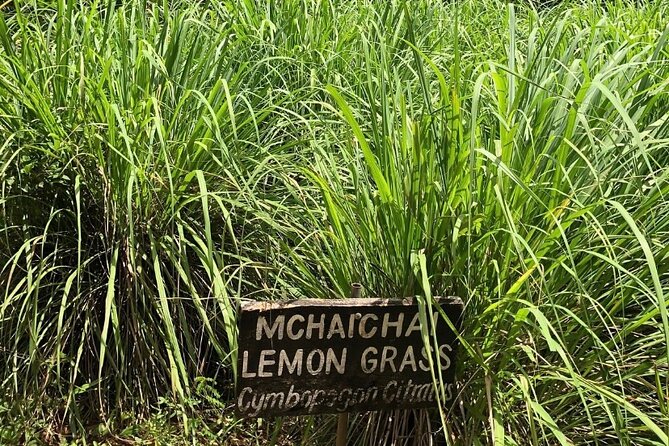
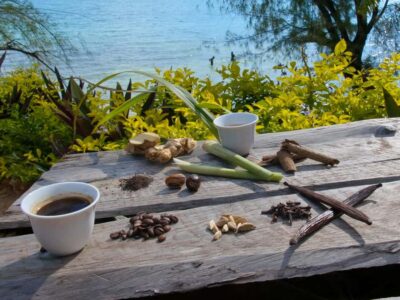
You can expect to encounter cinnamon, cardamom, nutmeg, Indian almonds, vanilla, black pepper, and other spices grown in Zanzibar villages and plantations. The exact seasonal selection may vary, so the visit is not a fixed display with every plant guaranteed at every time of year.
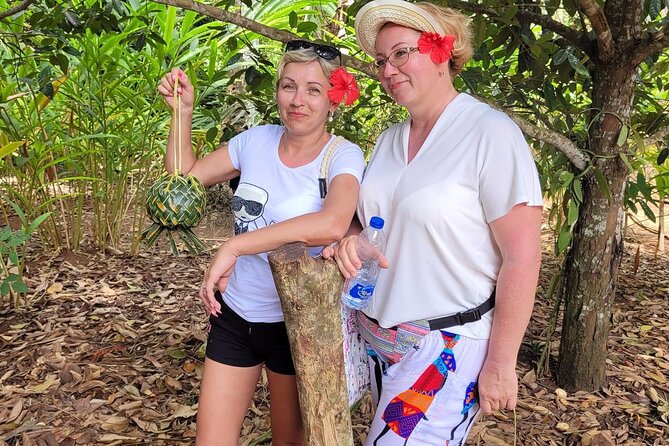
The strongest part of the tour is the sensory element. You can smell different spices, taste some of them, and sample seasonal fruit directly from the tree if you wish. That makes the visit more active than a standard sightseeing stop.
A guide may turn the walk into a guessing game. Abdul was praised for making guess that spice entertaining, which is a smart way to keep children and adults involved. You do not need to know anything about botany beforehand. Curiosity is enough.
The guide’s role matters here. Alfa has been praised for clear English, a cheerful manner, and adjusting the visit to suit a family group. Khalfan was also praised for explaining the connection between the farm and the period of Omani influence. Watermelon was noted for being friendly and speaking French well.
Those names are useful when you book, but they should not be treated as a guarantee. Alfa Tours & Safaris may assign a different guide on the day. The important point is that the experience depends heavily on the guide’s explanations, humor, and willingness to answer questions.
What You Actually Learn About the Plants
The tour description promises information from the plant’s origin through its soil, root, stem, and branches. That suggests a ground-level lesson in how spices grow, rather than a simple list of their names.
Cinnamon is a good example of why this matters. At home, you may picture a powder or a rolled stick. At the farm, you can see the plant itself and connect the familiar kitchen ingredient with its source.
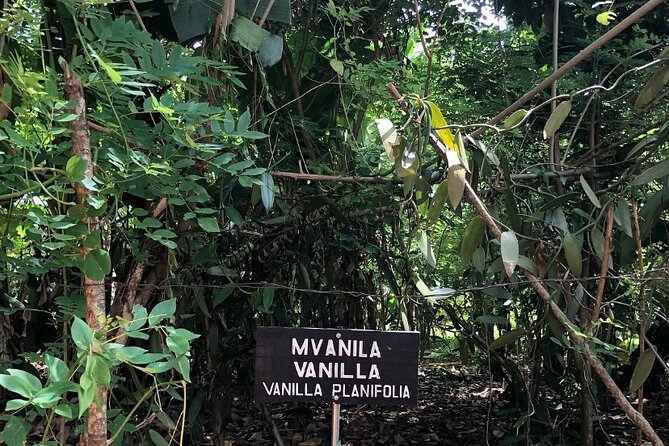
The same applies to black pepper and vanilla. These are common household flavors, yet their growth habits are not obvious from the finished product. A guide who explains the plant carefully can make the lesson memorable without needing technical language.
Nutmeg, cardamom, Indian almonds, and seasonal fruit broaden the visit beyond the most famous crops. You get a look at how several different plants fit into Zanzibari food and everyday life.
I would treat the tasting as an opportunity to compare familiar and unfamiliar flavors, not as a formal food tour. The amount of tasting and the specific fruit available can depend on the season and your interest. Still, sampling something directly from the plant is one of the most useful reasons to choose this outing.
Fresh Fruit, Photos, and Farm Shops
The experience allows you to taste seasonal fruit from the tree and take photographs. That gives the visit a relaxed rhythm. You can listen to the explanation, stop for a taste, and pause for a picture instead of rushing from one point to the next.
Some villagers operate spice shops in the area. You can buy spices and other souvenirs if you want to take a piece of the visit home.
This is where I would keep your spending in check. The $65 tour price does not include personal purchases, and the farm shop is an optional extra. Buying a small amount can be a pleasant way to support local sellers, but you do not need to purchase anything to take part in the tour.
One past outing ended with fresh coconut and banana decorations at an additional cost. That sounds like a playful photo opportunity, but it is another reminder to ask about prices before accepting extras. The basic farm visit and any add-on activity are not necessarily the same thing.
A few more options to weigh up in Zanzibar
- Full-Day Private Stone Town +Spice Farm and Prison Island Tour
★ 4.5 · 216 reviews - Zanzibar: Stone Town & Spice Farm Tour with Lunch
★ 4.5 · 97 reviews - Zanzibar:Stone Town & Spice Farm Private Tour Lunch Included
★ 4.2 · 94 reviews - Zanzibar full day Jozani forest + Spice farm and stone town
★ 4.7 · 90 reviews
Traditional Houses and Village Life
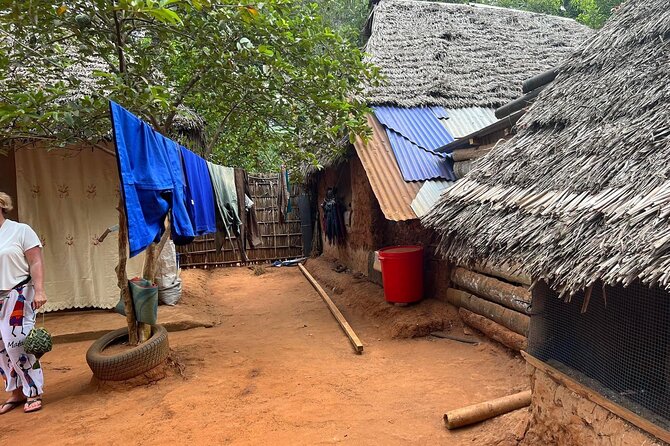
The outing also offers a look at old, traditional houses in a village where people still live. This part matters because it places the farm within ordinary Zanzibari life.
A spice plantation can feel like a self-contained attraction if you only focus on plants and souvenirs. Seeing traditional homes adds context. You get a sense that spices are connected to communities, food, work, and family life, not just to tourism.
The available details do not promise a long village walk or a formal home visit, so you should not expect an extensive architectural tour. Think of this as a local-life element that supports the farm visit.
I appreciate that balance. The experience gives you more than a commercial stop, but it does not pretend to be a full cultural program. Its main subject remains Zanzibar’s spices.
A Private Tour Changes the Pace
Because this is a private activity, only your group participates. That is a real advantage for families, couples, and small groups with different levels of interest.
If you want to ask how vanilla grows, stop for another photograph, or spend more time smelling spices, you do not have to fit into a large group’s schedule. Alfa was praised for tailoring the outing to a family of five, which shows how useful a private format can be.
The private setup also helps if children are coming along. A short walk with tasting and guessing games may hold their attention better than a long historical talk. Adults can still ask detailed questions about farming and Zanzibar’s past.
The tradeoff is price. At $65 per person, the outing is not the cheapest possible farm visit, especially for a solo participant. But the cost includes private transport, waiting time, entrance fees, bottled water, and a professional guide. For a couple or family that values a private pace, the package offers fair value.
Pickup, Transport, and the Real Cost
Hotel pickup and drop-off are included when your hotel is in the Stone Town area. Private transportation and transport waiting charges are also covered, which removes much of the usual negotiating and coordination involved in reaching a farm outside the city.
That convenience is a major part of the price. You are paying not only for the walk through the plantation, but also for a planned round trip and a guide who stays with your group.
The rules change for beach hotels. A two-way taxi transfer costs $45, and you need to message in advance to arrange it. This extra charge can significantly change the total cost, especially for one or two people, so confirm your pickup location before booking.
The meeting instructions have been described as clear, and hotel pickup has gone smoothly for some participants. Even so, I would give the operator your exact hotel name and location ahead of time. Stone Town and the beach resort areas are not treated the same under this package.
The tour is often booked about 13 days ahead. That is a useful planning clue, especially if your Zanzibar schedule is tight. You may find last-minute flexibility, but arranging it early is the safer choice.
Lunch and Optional Extras
Lunch is not included. If you want to add it, Zanzibar local food with soft drinks costs $12 per person in cash and must be arranged ahead of time.
That price can be reasonable if you want to extend the outing with a local meal, but the farm visit itself is short enough that lunch may not fit every schedule. If you have a Stone Town sightseeing plan afterward, check the timing before adding it.
Personal spending, souvenirs, tips, and medical insurance are also outside the price. Tipping is optional. The operator also mentions extra-cost activities such as coconut and banana decorations, so ask what is included before agreeing to anything additional.
These are small details, but they affect the final bill. The clearest value comes from the core package: transport from Stone Town, admission, water, and a private guide.
Who Will Enjoy This Zanzibar Tour Most
I would recommend this experience to you if you want a short, educational outing away from Stone Town’s lanes and waterfront.
It suits:
- Families who want a private pace and a hands-on activity
- Couples interested in food, farming, and local culture
- First-time visitors who want context for Zanzibar’s nickname
- Anyone curious about how everyday spices grow
- Small groups who prefer their own guide rather than a large shared departure
It may be less suitable if you want a full-day farm program, a long village visit, or a detailed study of every stage of spice production. The tour lasts about two to three hours, with roughly two hours at the farm, so keep your expectations focused.
It is also less attractive financially if you are staying at a beach hotel and do not want to pay the additional $45 transfer fee. In that case, compare the total price with other nearby activities before committing.
Timing, Cancellation, and Practical Notes
Confirmation is provided at booking, and most people can participate. The tour is private, but the supplied information does not give specific accessibility details, so ask the operator directly if you have mobility or medical concerns.
Wear something comfortable for a farm walk and bring a camera if you want photographs. Bottled water is included, but you may still want to carry sun protection and any personal items you normally need outdoors.
Free cancellation is available up to 24 hours before the local start time for a full refund. Cancelling or changing the booking within 24 hours is not accepted and is not refundable.
Because the farm visit depends on plants, fruit, and a guide’s explanations, your best experience will come from staying curious. Ask where a spice grows, how it is used, and what you are tasting. The more you engage, the more useful the short visit becomes.
Should You Book the Private Zanzibar Spice Farm Tour?
I would book it if you are staying in Stone Town and want a well-organized half-day activity with private transport and a strong sensory focus. The tasting, guide-led explanations, village setting, and chance to buy local spices give you a closer look at Zanzibar than a souvenir shop can.
The 4.9 rating from 11 reviews and 100 percent recommendation record fit the experience’s main strengths: friendly guides, clear arrangements, useful explanations, and good flexibility. Alfa, Abdul, Khalfan, and Watermelon are all praised for warmth, humor, language skills, or strong explanations.
Before booking, confirm three things: your hotel location, the $45 beach transfer surcharge if applicable, and whether you want the $12 cash lunch. If those costs work for you, this is a practical and enjoyable way to understand why Zanzibar is known as Spice Island.
FAQ
How long does the private Zanzibar Spice Farm Tour last?
The experience lasts approximately two to three hours. The main visit at Jambo Spice Farm is listed as two hours.
Is hotel pickup included?
Round-trip taxi transfer is included for hotels located in the Stone Town area. Beach hotels require an additional $45 two-way taxi transfer, arranged in advance.
Is this a private tour?
Yes. Only your group participates in the activity.
What is included in the $65 price?
The price includes private transportation, transport waiting charges, bottled water, entrance fees, and a professional certified guide based at the spice plantations. Stone Town hotel transfers are also included.
Can I taste spices and fruit during the visit?
Yes. You can taste different spices and seasonal fruit directly from the tree if you are interested. The available fruit may vary by season.
Is lunch included?
No. Zanzibar local food with soft drinks costs $12 per person in cash. You must arrange lunch in advance.
What is the cancellation policy?
You can cancel at least 24 hours before the experience start time for a full refund. Cancellations or changes made less than 24 hours before the start time are not accepted and are not refundable.
Just added in Zanzibar
- Zanzibar:Ngoma local culture workshop,The Knowledge of Ngoma★ 5.0 · 1 review
- ZANZIBAR:Mnemba island, Spice farm and Jozani Forest★ 5.0 · 1 review
- Zanzibar: Zipline Adventure At Masingini Forest★ 4.6 · 2 reviews
- Zanzibar Walking Tour: Unveiling the Secrets of Stonetown★ 4.8 · 11 reviews
- Zanzibar: Walking Tour★ 4.0 · 1 review
- Zanzibar: Walking Spice Farm with Local Cooking Class★ 4.4 · 9 reviews
- Zanzibar: Uzi Island Mangrove Kayak Tour with Guide★ 5.0 · 1 review
- Zanzibar: Unique Guided Mangrove Tour by SUP or Kayak★ 5.0 · 1 review
Spice Farm Tours, compared.

Stone Town, Spice Tour, Prison Island with Lunch
Read our review →

Stone Town, Spice tour & Prison Island with Lunch
Read our review →
Full-Day Private Stone Town +Spice Farm and Prison Island Tour
Read our review →

The Swahili Spice Experience – Spice Tour + Culinary Journey
Read our review →Browse the lists this tour appears in