
Reviewed · SPICE FARM TOURS
Spice Farm Tour -Half Day
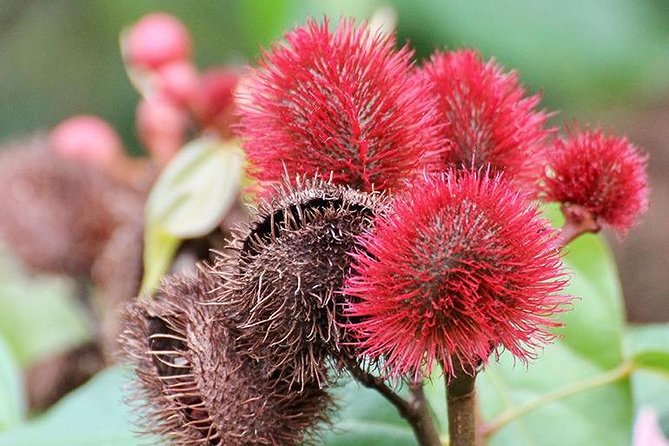
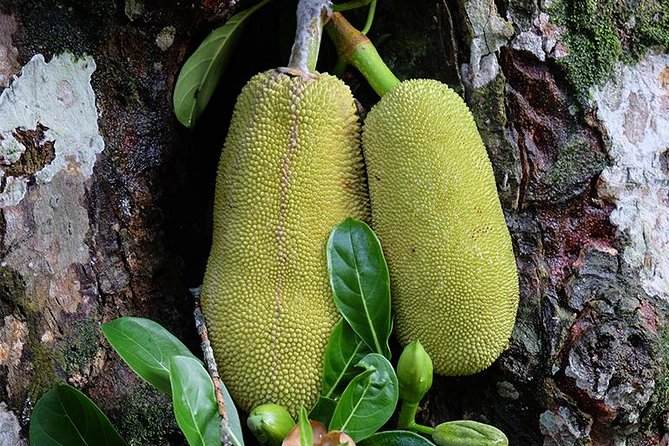
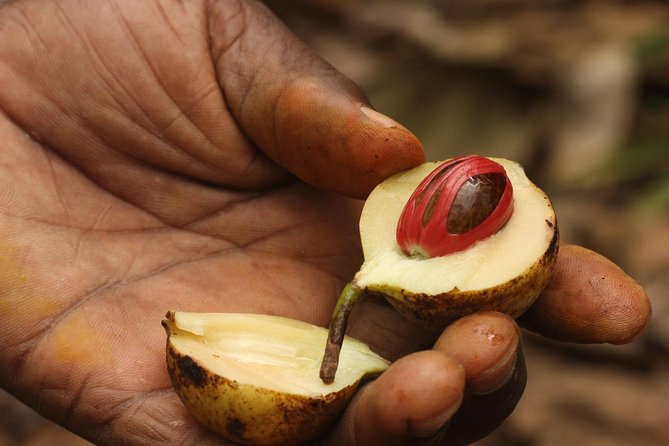
The scent of cloves tells Zanzibar’s story. I like the way this three-hour walking tour turns familiar kitchen spices into living plants, and I like that it includes the Kidichi Persian Baths rather than focusing only on farm tastings. You can smell, touch, and taste crops such as cinnamon, vanilla, turmeric, nutmeg, cardamom, coconut, and jackfruit while learning how local people use them.
The main consideration is that this is an outdoor walking experience, not a relaxed sightseeing drive. You need a moderate fitness level, and the tour depends on good weather. At $50 per person, the value is strongest if you want transport, a guide, cultural context, and a tasting experience in one compact outing.
In This Review
- Key points to know before booking
- Why Zanzibar’s spice farms are worth your morning
- Kidichi Persian Baths and the Sultan’s family story
- Walking through the farm instead of viewing it from a bus
- What the guide adds to the experience
- Transport, timing, and group size
- The cooking class option
- Walking comfort and what to bring
- Who will enjoy this half-day outing
- Is the Zanzibar spice farm tour worth $50?
- FAQ
- How long does the Spice Farm Tour take?
- How much does the tour cost?
- Is hotel pickup included?
- What is included in the tour price?
- Is lunch included?
- What can I see and taste at the spice farm?
- Can I add a cooking class?
- How large can the group be?
- What happens if I need to cancel?
Key points to know before booking
- Kidichi Persian Baths: Visit the 1850 baths built by Sultan Seyyid Said for his Persian wife, Princess Sheherezade.
- Spices in the soil: Walk through a working shamba and see crops growing rather than meeting spices only in jars.
- Tropical tastings: Try seasonal fruit, green coconut juice, herbs, and spices during the tour.
- Easy hotel transport: Pickup and drop-off are included in private air-conditioned transport.
- Optional cooking class: Ask in advance if you want to add a cooking session at the farm.
- Small-to-medium group size: The activity accepts a maximum of 20 people, with group discounts available.
Why Zanzibar’s spice farms are worth your morning
Zanzibar is often called the Spice Island, but that phrase means more when you see how the crops grow. On this tour, cloves are not simply a souvenir in a paper packet. You get to see the plants, smell the leaves, and hear how spices and herbs can be used in food and daily life.
That direct contact is the best reason to book. I like tours that help you understand something you may otherwise take for granted. Cinnamon, lemongrass, black pepper, turmeric, vanilla, and cardamom all become easier to remember once you have handled or tasted them in their natural setting.
The farm visit also gives you a look at rural Zanzibar. You walk through cultivated land rather than simply passing it from a vehicle window. The pace is slower, and the focus is on observation. You may notice how many different crops grow in one area, from coconut and cassava to papaya, oranges, chili, and jackfruit.
This is not a polished botanical garden presentation. The word shamba refers to a farm, and that matters. The appeal comes from seeing an active agricultural setting and learning how plants are cultivated and used. If you prefer a highly structured attraction with displays, signs, and fixed viewing points, the experience may feel informal.
More Spice Farm Tours in Zanzibar:
- Zanzibar: Stone Town, Spice Tour, Prison Island with Lunch
★ 4.4 · 1,219 reviews - Zanzibar: Prison Island, Stone Town, & Spice Farm Tour
★ 4.5 · 579 reviews - Zanzibar: Stone Town, Spice tour & Prison Island with Lunch
★ 4.6 · 453 reviews
Kidichi Persian Baths and the Sultan’s family story
The first listed stop is the Kidichi Persian Baths, built in 1850 by Sultan Seyyid Said. He had the baths made for his Persian wife, Princess Sheherezade, who was the granddaughter of Fatah Ali, the Shah of Persia.
The site sits on one of the highest points of Zanzibar Island. Its design differs sharply from a simple village bath. You can see ornamental Persian stucco work, domed bathhouses, deep stone baths, and large built-in seats. The structures are remarkably well preserved, so this short stop gives the farm visit a useful historical frame.
I appreciate the contrast between the baths and the nearby Kizimbani baths. The latter were built within the Sultan’s clove and coconut plantation and are described as much plainer. That difference helps you picture how royal comfort and plantation life existed side by side.
The baths are not the longest part of the excursion. The supplied timing gives about two hours for the main itinerary, while the overall experience is advertised at approximately three hours. Allow some flexibility, since transport and the walking portion are part of the half-day outing.
The stop is especially useful if you have already visited Stone Town and want to connect the island’s royal past with its agricultural economy. The site is not just an extra photo stop. It explains why plantations and spice production mattered to the Sultanate.
Walking through the farm instead of viewing it from a bus
After Kidichi, you continue by vehicle through the countryside to the farm area. The tour then becomes a walking experience, with the guide pointing out spices, herbs, and fruit as they grow.
This is where the activity earns its price. You are not merely told that Zanzibar produces cloves. You can see the farm setting and experience the smells and textures that make the island’s agriculture memorable. The guide explains possible uses for the crops, giving the walk a practical purpose.
The list of plants is unusually broad. You may encounter:
- Clove
- Lemongrass
- Nutmeg
- Cinnamon
- Turmeric
- Vanilla
- Chili
- Black pepper
- Cardamom
- Cassava
- Coconut
- Papaya
- Jackfruit
- Oranges
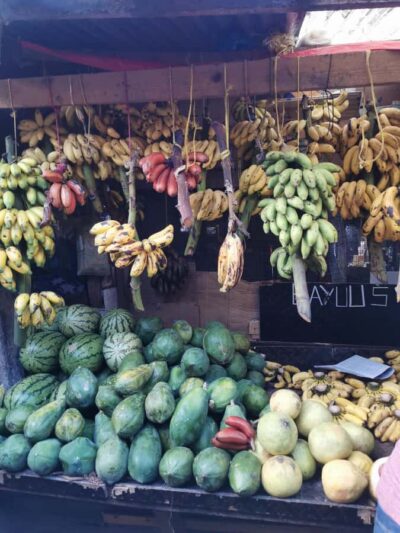
Seasonal fruit may also include pineapple, banana, durian, love apple, lychee, and sour fruit. The exact selection can change, since fruit availability depends on the season. That is worth keeping in mind if you book mainly for one particular item.
The tasting element gives the walk more energy. You might smell a sharp herb, taste a tropical fruit, then compare it with a familiar spice used in your own kitchen. Green coconut juice is also part of the described countryside tasting experience.
I would not treat this as a full meal. Lunch is not included, and coffee and tea are also excluded. The fruit and spice sampling is a feature of the tour, but you should still plan separate food if you expect to need lunch afterward.
What the guide adds to the experience
A spice farm can be confusing without explanation. Many plants look unfamiliar, and some spices come from parts of the plant you may not expect. The professional guide is there to connect the crop to its use, cultivation, and place in Zanzibar’s culture.
One past participant praised the guide’s calm, relaxed approach and said the tour created a greater appreciation for everyday spices and flavors. That is a useful clue about the tone. This is not promoted as a rushed checklist of plants. The guide’s explanations are meant to make the walk enjoyable as well as informative.
No individual guide’s name is provided, so you should not expect to request a particular person. The important point is the guide-led format. Ask questions as you walk. If you want to know how a spice is used, how a fruit grows, or why a crop matters locally, this is the time to ask.
The guide also helps place the farm in the wider story of Zanzibar. The island’s spices are not isolated products. They connect to trade, plantations, royal power, food, and household traditions. The tour offers a modest but useful introduction to that culture without requiring a full day away from Zanzibar City.
A few more options to weigh up in Zanzibar
- Full-Day Private Stone Town +Spice Farm and Prison Island Tour
★ 4.5 · 216 reviews - Zanzibar: Stone Town & Spice Farm Tour with Lunch
★ 4.5 · 97 reviews - Zanzibar:Stone Town & Spice Farm Private Tour Lunch Included
★ 4.2 · 94 reviews - Zanzibar full day Jozani forest + Spice farm and stone town
★ 4.7 · 90 reviews
Transport, timing, and group size
Hotel pickup and drop-off are included, which makes this easier to fit into a Zanzibar City stay. You travel in private, comfortable, air-conditioned transport. That is a meaningful benefit in a warm climate, particularly before and after the walking section.
The tour lasts about three hours. That makes it a good choice for a morning or afternoon plan, though you should leave extra room around it if you have another fixed booking. The itinerary describes about two hours for the main stop and countryside visit, while the overall duration is approximately three hours.
The maximum group size is 20 people. That is not an intimate private walk, but it is still limited enough for the guide to manage a proper group. Group discounts are offered, so the price may work better for families or friends booking together.
At $50 per person, you are paying for more than farm entry. The package includes a professional guide, private air-conditioned transport, hotel pickup and drop-off, and a bottle of water. For someone staying in Zanzibar City without a vehicle, that combination can be practical.
The price is less compelling if you only want to buy spices. You can find spice shopping without booking a three-hour excursion, but shopping alone will not give you the farm visit, fruit tasting, Persian Baths, or local explanation. The value depends on how much you want the full context.
The cooking class option
A cooking class is available at the spice farm on request. It is not automatically included, so you need to ask about it before booking or arrange it in advance.
This could be a good addition if food is your main interest. After seeing ingredients in the farm, preparing them would give the experience a hands-on finish. Still, the supplied details do not state the added price, class length, dishes, or minimum group size.
I would treat the class as an optional extra rather than assume it is part of the $50 price. Confirm the details before you rely on it as the main reason for booking.
Walking comfort and what to bring
The tour requires a moderate level of physical fitness. You will be walking through a farm, so this is not ideal if you want to avoid uneven ground or outdoor activity. The exact walking distance and surface are not specified, so ask the provider if those details matter to you.
Wear practical clothing for a warm outdoor setting. Comfortable walking shoes are more useful than dress shoes, and a hat or sun protection may make the farm portion easier. These are sensible preparations for any outdoor visit, but the tour information specifically confirms the walking format and the need for moderate fitness.
A bottle of water is included. Restroom facilities on board are not included, so plan to use facilities when available during the route rather than expect a toilet in the vehicle.
The tour requires good weather. If rain or other poor conditions force cancellation, you are offered a different date or a full refund. You can also cancel for a full refund if you do so at least 24 hours before the start time. Changes or cancellations made inside that window are not accepted for a refund.
Who will enjoy this half-day outing
I would recommend this tour to you if you want a short cultural activity with a clear focus. It suits people who enjoy food, farming, local history, and guided walking without committing an entire day.
Families may like the tasting element, especially if children are curious about fruit and plants. The group discount may also help if you are booking for several people. Still, younger children or anyone uncomfortable with farm walking may find the setting less easy than a paved attraction.
Food-focused visitors should give it serious thought. The chance to smell and taste cloves, vanilla, cinnamon, turmeric, coconut, chili, black pepper, and seasonal fruit makes the experience more memorable than a standard spice shop stop.
It also works well for first-time visitors who want a quick introduction to Zanzibar beyond Stone Town. Kidichi provides history, the farm provides local life, and the transport keeps the plan simple.
You may want to skip it if your schedule is packed with beach time, if you dislike guided walks, or if you expect a full lunch and a long cooking class to be included. Neither lunch nor tea and coffee are part of the package, and the cooking class must be requested separately.
Is the Zanzibar spice farm tour worth $50?
I think the tour is worth $50 if you value convenience and explanation. The included air-conditioned transport, hotel pickup, guide, water, farm walk, tastings, and Kidichi Persian Baths create a well-rounded half-day plan.
The strongest feature is the guide-led connection between plants and daily life. One past participant especially valued gaining a greater appreciation for the spices used every day, and that is exactly the kind of benefit this tour can provide. You leave with more than a bag of cinnamon. You understand where several ingredients come from and how they fit into Zanzibar’s culture.
Book it if you want an easy, compact introduction to the island’s agriculture and history. Ask about the cooking class before confirming, bring suitable walking shoes, and keep lunch plans separate. If that sounds like your kind of morning, this is a sensible choice through Zanzibar Treasure Tour & Safaris.
FAQ
How long does the Spice Farm Tour take?
The experience lasts approximately three hours. The main itinerary is described as taking about two hours, with transport forming part of the wider half-day outing.
How much does the tour cost?
The listed price is $50 per person. Group discounts are available.
Is hotel pickup included?
Yes. Hotel pickup and drop-off are included in private, air-conditioned transport.
What is included in the tour price?
The price includes an experienced professional tour guide, hotel pickup and drop-off, private air-conditioned transport, and a bottle of water.
Is lunch included?
No. Lunch is not included. Coffee and tea are also excluded.
What can I see and taste at the spice farm?
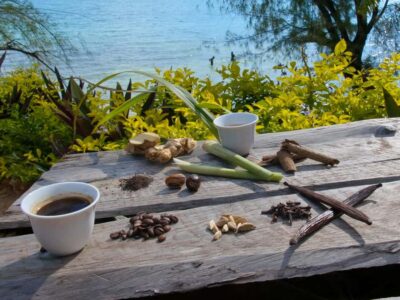
You may see, smell, and taste spices, herbs, and tropical fruit, including clove, lemongrass, nutmeg, cinnamon, turmeric, vanilla, coconut, papaya, chili, black pepper, jackfruit, cardamom, cassava, and oranges. Seasonal fruit may also include pineapple, banana, durian, love apple, lychee, and sour fruit.
Can I add a cooking class?
Yes. A cooking class at the spice farm is available on request. The supplied details do not state the extra cost or exact class format, so ask the provider before booking.
How large can the group be?
The tour accepts a maximum of 20 people.
What happens if I need to cancel?
You can receive a full refund if you cancel at least 24 hours before the experience start time. Cancellations or changes made less than 24 hours before the start time are not refunded or accepted. If poor weather causes the tour operator to cancel, you are offered another date or a full refund.
Just added in Zanzibar
- Zanzibar:Ngoma local culture workshop,The Knowledge of Ngoma★ 5.0 · 1 review
- ZANZIBAR:Mnemba island, Spice farm and Jozani Forest★ 5.0 · 1 review
- Zanzibar: Zipline Adventure At Masingini Forest★ 4.6 · 2 reviews
- Zanzibar Walking Tour: Unveiling the Secrets of Stonetown★ 4.8 · 11 reviews
- Zanzibar: Walking Tour★ 4.0 · 1 review
- Zanzibar: Walking Spice Farm with Local Cooking Class★ 4.4 · 9 reviews
- Zanzibar: Uzi Island Mangrove Kayak Tour with Guide★ 5.0 · 1 review
- Zanzibar: Unique Guided Mangrove Tour by SUP or Kayak★ 5.0 · 1 review
Spice Farm Tours, compared.
Stone Town, Spice Tour, Prison Island with Lunch
Read our review →

Stone Town, Spice tour & Prison Island with Lunch
Read our review →
Full-Day Private Stone Town +Spice Farm and Prison Island Tour
Read our review →

The Swahili Spice Experience – Spice Tour + Culinary Journey
Read our review →Browse the lists this tour appears in