
Reviewed · SPICE FARM TOURS
Spice Tour In Zanzibar
The forest smells better than any shop. This private Zanzibar spice tour takes you from your hotel into the island’s green countryside, where cloves, cinnamon, vanilla, cardamom, and black pepper grow among tropical plants. I like the air-conditioned pickup and the freedom to set your own pace, especially when the heat rises.
I also like that this is not limited to spice trees. You may see cocoa, coffee, cassava, turmeric, ylang-ylang, the lipstick tree, and unusual fruits such as rambutans and soursop. The main caution is reliability: one booking was canceled at lunchtime on the day of an afternoon tour without an explanation, so I would confirm the arrangement before setting your plans around it.
In This Review
- Key points at a glance
- From your hotel to Zanzibar’s spice country
- Walking among cloves, cinnamon, and vanilla
- The plants you may not expect
- A tasting stop filled with seasonal fruit
- Small touches that make the walk personal
- What the $70 price gets you
- Timing, cancellation, and practical planning
- Who will enjoy this Zanzibar spice tour?
- Should you book the spice tour?
- FAQ
- Where does the spice tour take place?
- How long does the experience last?
- Is hotel pickup available?
- Is the tour private?
- Can the tour be customized?
- Which spices might I see?
- What other plants might be included?
- Will I see tropical fruit?
- What is included in the price?
- What is the cancellation policy?
Key points at a glance

- Smell spices where they grow: Walk among cloves, cardamom, cinnamon, black pepper, vanilla, nutmeg, and turmeric rather than seeing them only in jars.
- More than a spice stop: The plantation also includes cocoa, coffee, cassava, cocoyam, ylang-ylang, heena, iodine plant, and lipstick tree.
- A private, flexible outing: Only your group participates, and the tour can be adjusted to match your interests and walking pace.
- Fresh tropical fruit included in the experience: Depending on what is in season, you may try jackfruit, pineapple, banana, green coconut, rambutan, soursop, and starfruit.
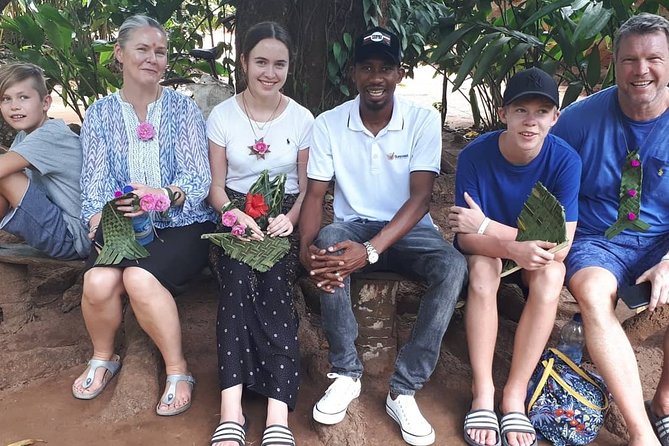
- Friendly guiding is a strong point: Mohamed received praise for explaining medicinal uses, while other guides allowed time for photographs and made plant crowns and bracelets.
- Allow roughly two to three hours: The listed plantation visit is about 30 minutes, but the complete outing is described as a half-day tour with driving and walking.
From your hotel to Zanzibar’s spice country
The tour begins with pickup from your hotel in an air-conditioned vehicle. That simple detail matters in Zanzibar, where a short ride in a cool car can make the rest of the outing more pleasant. Parking fees are included, and you avoid having to arrange your own transport to a plantation.
As you leave the built-up parts of the island, the route passes through thick greenery and countryside. The drive is part of the introduction: your guide can explain local plant life and how the spice farms became part of Zanzibar’s story. One account describes the guide discussing local history on the way to the farm, which adds useful context before the walk starts.
Because this is a private tour, you do not have to follow a large group’s pace. You can ask for more explanation about a particular plant, pause for photographs, or keep moving if you have another plan later in the day. The operator also describes the outing as customizable, though the supplied details do not spell out a fixed menu of alternative stops.
The timing deserves a little care. The experience is advertised as two to three hours, while the plantation portion is described as a half-day tour and gives a 30-minute admission estimate. I would treat two to three hours as the practical guide, but confirm the exact pickup and return time when booking, especially if you have a flight, cruise departure, or another scheduled activity.
More Spice Farm Tours in Zanzibar:
- Zanzibar: Stone Town, Spice Tour, Prison Island with Lunch
★ 4.4 · 1,219 reviews - Zanzibar: Prison Island, Stone Town, & Spice Farm Tour
★ 4.5 · 579 reviews - Zanzibar: Stone Town, Spice tour & Prison Island with Lunch
★ 4.6 · 453 reviews
Walking among cloves, cinnamon, and vanilla
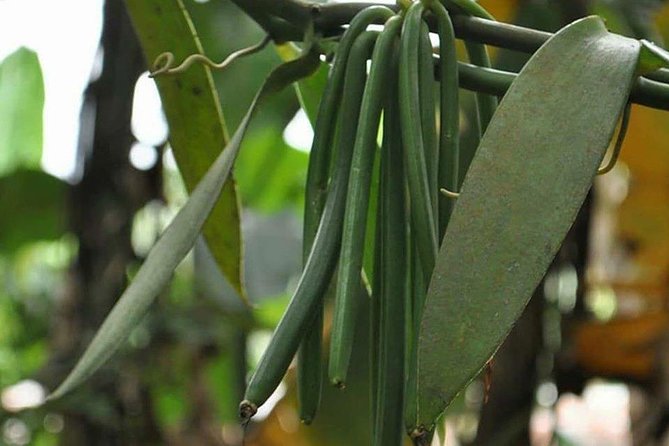
At the Zanzibar Spices and Heritage Centre, the focus shifts from vehicle to footpath. You walk through different types of spice plantation and learn how familiar kitchen ingredients appear as living plants. For many people, this is the point of the outing: cinnamon, pepper, cloves, and vanilla become more than labels on a supermarket shelf.
You can expect to encounter cloves, cardamom, cinnamon, black pepper, turmeric, vanilla, and nutmeg. The value is not simply in seeing each plant. Your guide can connect the plant to its scent, appearance, and everyday use, turning a short walk into a practical lesson about the island’s agriculture.
Mohamed was singled out for explaining the medicinal uses of herbs. If that subject interests you, ask about it directly, since the tour includes more plant knowledge than a basic spice tasting. Keep in mind that the available information does not provide a complete list of medicinal claims, so treat the explanations as cultural and educational information rather than medical advice.
The walk is described as easy enough for most participants, and most people can take part. Still, you are outdoors, walking through a plantation, so sensible shoes and light clothing make more sense than formal resort wear. The provided information does not state the exact walking surface or whether the route is suitable for wheelchairs, so anyone with mobility needs should ask the operator before paying.
The plants you may not expect
The plantation’s appeal grows when the tour moves beyond the usual spice list. You may see the iodine plant, heena bush, ylang-ylang, lipstick tree, cocoa, cassava, dasheen cocoyam, and coffee. These are the details that help the tour feel connected to daily life rather than like a simple shopping stop.
Ylang-ylang is especially interesting for anyone curious about scented plants, while the lipstick tree offers a memorable visual detail. Cocoa and coffee also help show how many useful crops can share the same tropical growing area. You may already know the finished products, but seeing the plants at ground level changes how you think about them.
Cassava and dasheen cocoyam add another layer. They are not spices, yet their presence shows that the farm is about food crops and plant traditions as well as exportable seasonings. The guide’s explanations are important here because many of these plants are not self-explanatory.
The tour does not promise that every plant will be at its best on every date. Plant growth and fruit availability change with the season, so you should see the list as a guide to what may appear, not a guarantee that every item will be flowering or producing fruit during your visit.
A tasting stop filled with seasonal fruit
Zanzibar’s tropical fruit is a major part of the experience. Depending on the season, you may encounter jackfruit, pineapple, bananas, green coconut known locally as madafu, durian, love apple called matufaa, rambutan called shoki-shoki, soursop called mabungo, and starfruit, also called carambola.
This is where the outing becomes more sensory. You are not only looking at plants. You may smell spices, taste fruit, and handle leaves or other plant material as the guide explains how each item is used. Several accounts praise the hospitality of the team, including fresh coconut and an assortment of fruit.
The fruit list is unusually broad, but do not book this as a guaranteed tasting menu. Seasonal produce changes, and the supplied tour details do not say which fruits are always served. If one fruit matters to you, ask what is available on the day rather than assuming it will be there.
Durian is worth mentioning because its powerful smell is part of the fun for some people and a challenge for others. Rambutan, soursop, and starfruit are more approachable introductions to local produce if you have not tried them before. A fruit stop can also be a welcome break from walking in the warm air.
A few more options to weigh up in Zanzibar
- From Zanzibar: Mikumi Safari Day Trip with Flights and Meal
★ 4.7 · 1,470 reviews - Zanzibar: Quad Bike Adventure departing from Kendwa or Nungwi
★ 4.9 · 1,233 reviews - From Zanzibar: Day Selous Game Reserve Safari with Flights
★ 4.7 · 1,025 reviews - Zanzibar: Prison Island and Nakupenda Boat Trip with Lunch
★ 4.1 · 882 reviews
Small touches that make the walk personal
The strongest part of this tour is the human scale. Your group receives personal attention, and the guide can stop for questions rather than rushing everyone from one plant to the next. That is useful when a plant is unfamiliar or when you want to take photographs and short videos.
One account praised the guides for being friendly, punctual, and ready to answer questions. It also described enough time for pictures and videos, plus plant crowns and bracelets made by the team. These are small touches, but they turn a standard farm visit into a more memorable cultural meeting.
I would ask before photographing people, especially if children or farm workers are nearby. The tour encourages photographs, but respectful travel still matters. You may also find opportunities to buy spices, although shopping is not listed as an included feature and the details do not say whether purchases are optional or how payment works.
The private format helps couples and families, as well as anyone who wants a quieter walk. A honeymoon account also praised the wider service from Suncoast Zanzibar Tours, including help with a beach resort booking. That does not change the spice tour itself, but it suggests the company may be useful if you are arranging several parts of a Zanzibar stay.
What the $70 price gets you
At $70 per person, the value depends on how much you would otherwise spend arranging transport, a guide, and a plantation visit separately. The price includes an air-conditioned vehicle and parking fees. Hotel pickup is offered, which saves you the time and uncertainty of finding the farm on your own.
The private format is the key value point. You are not paying only for entry to a field. You are paying for transport, a guide, and the ability to ask questions and set a comfortable pace with your own group. For a couple or small family, that can be a fair price, particularly if the hotel is not close to the plantation.
The cost is harder to justify if you mainly want a quick look at spice plants and already have reliable transport. The stated visit itself is short, and the tour does not include airport or departure tax. Those charges are separate, though the available details do not state the amount or when they would apply.
I would compare the $70 with your group size and schedule. Two people get a more personal outing but pay $140 total. A larger private group may find the per-person price easier to accept, provided everyone wants the same relaxed pace and plant-focused activity.
Timing, cancellation, and practical planning
Free cancellation is allowed when you cancel at least 24 hours before the start time. Changes or cancellations made less than 24 hours before the experience are not accepted for a refund, and the cut-off follows Zanzibar local time.
The more important practical concern is operator confirmation. One afternoon booking was canceled on the day of the tour without an explanation. That appears to be an isolated but serious warning, especially if you have arranged a taxi, dinner, or onward transport around the activity.
I would confirm the pickup time and meeting details shortly before the tour. If you are visiting during a tight itinerary, book the spice walk early enough in your stay to leave room for a replacement plan. The operator is Suncoast Zanzibar Tours, and confirmation is supposed to arrive when you book.
The activity is private, and most people can participate. The available information does not state a minimum age, maximum group size, child pricing, or detailed accessibility information. Ask those questions directly if they affect your decision.
Who will enjoy this Zanzibar spice tour?
I would recommend it to anyone who wants a break from the coast and a closer look at Zanzibar’s plant life. It suits couples, families, and small groups that prefer a private guide to a fixed large-group schedule.
It is also a good choice for curious cooks, gardeners, photographers, and people who like learning where everyday ingredients come from. The chance to smell spices, see cocoa and coffee, taste seasonal fruit, and ask about herbal uses gives the outing more substance than a quick farm photo stop.
You may want to skip it if you dislike walking outdoors, have very limited time, or want a formal museum-style presentation. The experience takes place in a working plantation setting, and the available description does not promise displays, indoor facilities, or a long structured talk.
I would also keep expectations sensible. The tour gives you a personal introduction to Zanzibar’s plants, not a full agricultural course. Its charm is in the close-up details, the guide’s explanations, the fruit, and the quiet countryside setting.
Should you book the spice tour?
I would book this tour if you want a short, private outing that adds variety to a Zanzibar beach holiday. The best reasons are the hotel pickup, air-conditioned transport, personal attention, and the wide range of plants and fruit. The guide can make the difference, and Mohamed’s explanations of herbal uses sound especially useful for anyone who likes practical local knowledge.
I would hesitate only if your schedule cannot absorb a possible last-minute change or if you need firm accessibility details. Confirm the booking near the date, ask what fruit and plants are likely to be available, and make sure the pickup time fits your plans.
For $70 per person, this is a reasonable choice when you value convenience and a private guide. It is less compelling as a simple plantation admission, but that is not really what you are buying. You are paying for the ride, the walk, the explanations, and a small window into Zanzibar’s countryside.
FAQ
Where does the spice tour take place?
The tour takes place in Zanzibar, Tanzania, at the Zanzibar Spices and Heritage Centre and its surrounding spice plantation area.
How long does the experience last?
The tour is described as lasting approximately two to three hours. The plantation visit is also described as part of a half-day tour, with a 30-minute admission estimate.
Is hotel pickup available?
Yes. Pickup from your hotel is offered, followed by transport in an air-conditioned vehicle.
Is the tour private?
Yes. Only your group participates in this private tour or activity.
Can the tour be customized?
Yes. The tour is described as customizable so you can adjust it to your interests and travel at your own pace.
Which spices might I see?
You may see cloves, cardamom, cinnamon, black pepper, turmeric, vanilla, and nutmeg growing at the plantation.
What other plants might be included?
The tour may include the iodine plant, heena bush, ylang-ylang, lipstick tree, cocoa, cassava, dasheen cocoyam, and coffee.
Will I see tropical fruit?
The experience includes the chance to explore seasonal tropical fruit such as jackfruit, pineapple, bananas, green coconut, durian, love apple, rambutan, soursop, and starfruit.
What is included in the price?
Parking fees and an air-conditioned vehicle are included.
What is the cancellation policy?
You can cancel at least 24 hours before the start time for a full refund. Cancellations or changes made less than 24 hours before the start time are not accepted for a refund.
Just added in Zanzibar
- Zanzibar:Ngoma local culture workshop,The Knowledge of Ngoma★ 5.0 · 1 review
- ZANZIBAR:Mnemba island, Spice farm and Jozani Forest★ 5.0 · 1 review
- Zanzibar: Zipline Adventure At Masingini Forest★ 4.6 · 2 reviews
- Zanzibar Walking Tour: Unveiling the Secrets of Stonetown★ 4.8 · 11 reviews
- Zanzibar: Walking Spice Farm with Local Cooking Class★ 4.4 · 9 reviews
- Zanzibar: Walking Tour★ 4.0 · 1 review
- Zanzibar: Uzi Island Mangrove Kayak Tour with Guide★ 5.0 · 1 review
- Zanzibar: Unique Guided Mangrove Tour by SUP or Kayak★ 5.0 · 1 review
Spice Farm Tours, compared.

Stone Town, Spice Tour, Prison Island with Lunch
Read our review →

Stone Town, Spice tour & Prison Island with Lunch
Read our review →
Full-Day Private Stone Town +Spice Farm and Prison Island Tour
Read our review →

The Swahili Spice Experience – Spice Tour + Culinary Journey
Read our review →Browse the lists this tour appears in