
Reviewed · SPICE FARM TOURS
Spice Tour Zanzibar
Spices tell Zanzibar’s story. This three-hour visit to a local farm lets you touch, smell, and taste vanilla, cardamom, cloves, nutmeg, and other crops where they grow. I like the small group of no more than nine people, and I like that air-conditioned transport and water are included.
The tour also has a warm, hands-on feel. A coconut harvesting demonstration, fresh fruit from the farm, and simple leaf crafts give the visit more life than a walk past labeled plants. The main drawback is that lunch is not included, and the experience depends on good weather.
In This Review
- The best parts of the Zanzibar spice tour
- Why Zanzibar is called the Spice Island
- Walking through Zanzibar Spices and Heritage Centre
- Why the hands-on approach works
- The coconut harvesting demonstration
- Meeting Salum and traveling in a small group
- What the $70 price includes
- Who will enjoy this experience most
- Timing, cancellation, and practical planning
- My verdict on this three-hour farm visit
- Should you book the Spice Tour Zanzibar?
- FAQ
- How long does the Spice Tour Zanzibar last?
- How much does the tour cost?
- Is pickup available from Stone Town hotels?
- Where is the listed meeting point?
- Where does the tour end?
- What is included in the price?
- Is lunch included?
- How large is the tour group?
- Can most people participate?
- Can I cancel for a full refund?
- What happens if bad weather cancels the tour?
The best parts of the Zanzibar spice tour
- Small groups keep the farm walk personal: With a maximum of nine people, you have a better chance to hear your guide and ask questions.
- You use all your senses: Touching bark, smelling crushed leaves, and tasting spices makes the lesson easier to remember.
- Salum adds a human touch: His caring approach and clear explanations helped turn the farm visit into an engaging afternoon.
- A coconut demonstration adds local flavor: You see more than spice plants, with a practical look at how coconuts are harvested.
- Fresh fruit and leaf crafts round out the visit: Depending on what is available, you may sample fruit and take home a handwoven crown or basket.
- Stone Town hotel transfers save time: Pickup is offered from Stone Town hotels, with the listed meeting point at Tembo House Hotel.
Why Zanzibar is called the Spice Island

Zanzibar’s spice trade began with plants brought from Asia and South America. The island’s tropical climate gave crops such as cloves, vanilla, nutmeg, and cardamom the heat and moisture they needed to grow.
That background matters because the tour is not simply a garden visit. It connects the plants in front of you with Zanzibar’s place in international trade, local cooking, drinks, and traditional medicine. You get a better sense of why spices became such a strong part of the island’s identity.
I like this kind of introduction because it gives purpose to the walk. Instead of seeing a leaf or vine as a pleasant bit of greenery, you begin to understand its use. The guide can explain where the plants came from, how they grow, and how people use them.
The tour takes place at Zanzibar Spices and Heritage Centre. The provided details do not promise a formal museum program or a long historical presentation, so you should expect the farm walk itself to be the main event.
More Spice Farm Tours in Zanzibar:
- Zanzibar: Stone Town, Spice Tour, Prison Island with Lunch
★ 4.4 · 1,219 reviews - Zanzibar: Prison Island, Stone Town, & Spice Farm Tour
★ 4.5 · 579 reviews - Zanzibar: Stone Town, Spice tour & Prison Island with Lunch
★ 4.6 · 453 reviews
Walking through Zanzibar Spices and Heritage Centre
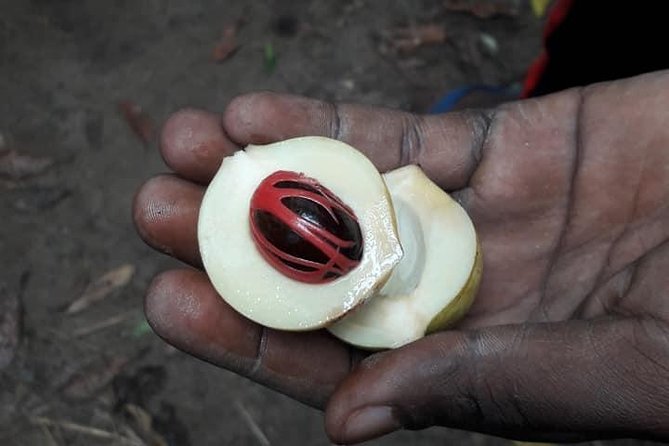
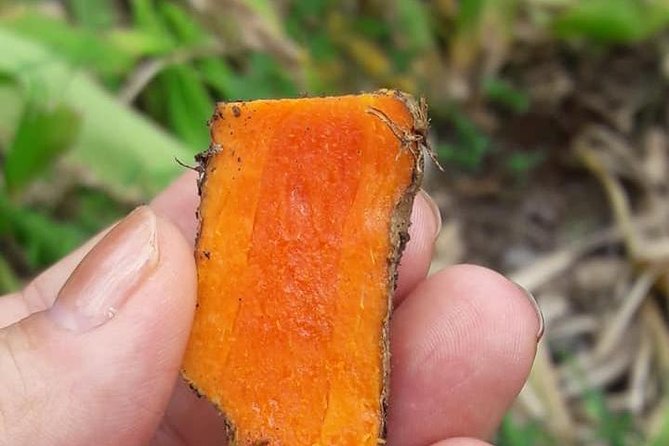
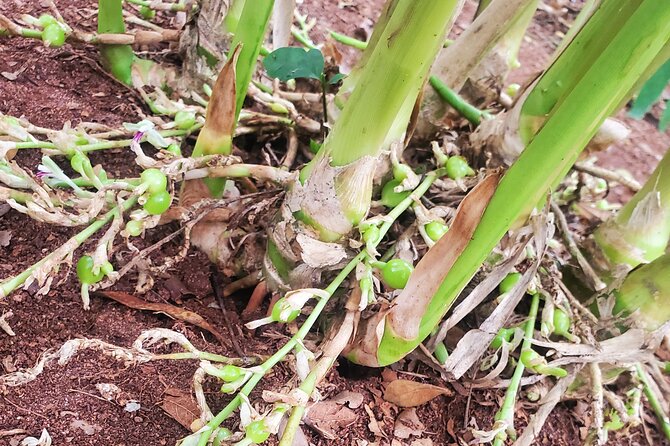
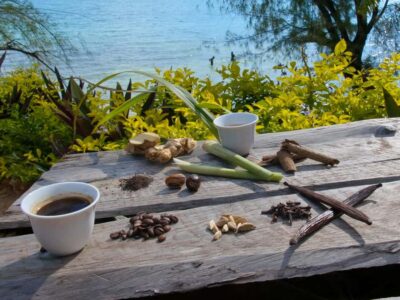
The central part of the experience is a guided walk through the plantation. You may encounter spices in several forms: leaves, bark, roots, vines, and creepers climbing or winding around trees.
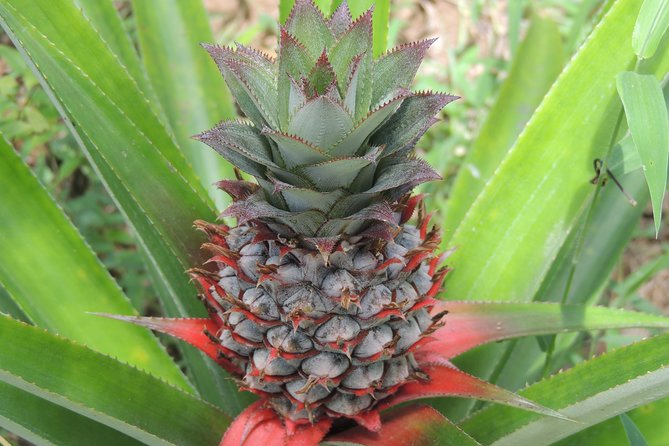
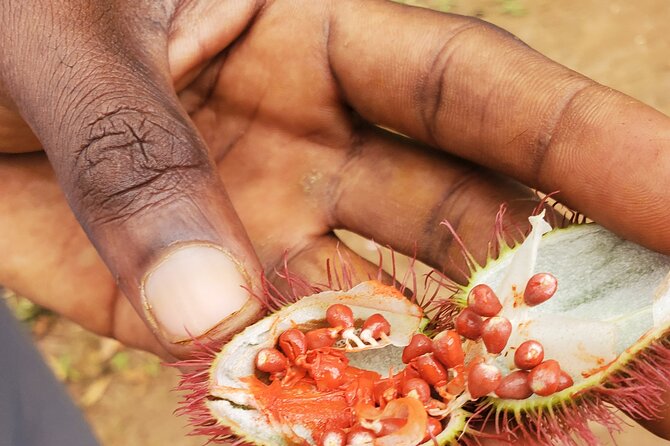
This makes the visit more interesting than simply seeing jars of dried seasoning. You can handle the plant material, smell it before it reaches a kitchen, and taste some items under the guide’s direction. The guessing element adds a little fun, especially when a familiar kitchen spice looks nothing like the finished product in your cupboard.
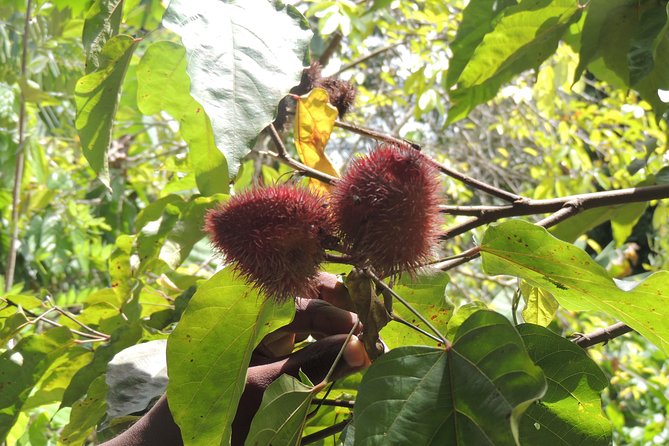
Possible crops include vanilla, cardamom, cinnamon, cloves, and nutmeg, though the exact selection depends on the season. That seasonal point is important. You should not expect every plant to be equally easy to find or ready for tasting on every visit.
The guide explains the origin and uses of the spices, including their role in food, drinks, and medicine. I would pay close attention here, since the value of the tour rests heavily on the guide’s explanations. A good guide turns the farm into a living classroom, and the small group size should make it easier to follow along.
Why the hands-on approach works
A spice tour can become dull if it consists only of names and dates. This experience avoids that problem by asking you to use your senses.
You might smell crushed leaves, examine rough bark, or follow a vine as it climbs. You can taste selected products and compare the raw plant with the spice you know from cooking. Those simple actions help you remember the lesson long after the farm walk ends.
I especially like the chance to guess what each plant is. It gives you a reason to look closely rather than simply wait for the next explanation. You also get a clearer idea of how much processing happens between a living plant and the spice sold in a shop.
The guide also covers how crops are harvested. The details provided do not specify a full demonstration for every spice, so the exact presentation may vary. Still, learning about harvesting gives the visit useful practical value and helps explain the work behind everyday ingredients.
The coconut harvesting demonstration
One of the most praised parts of the experience is the coconut harvesting demonstration. It breaks up the spice walk and adds a practical look at another important crop.
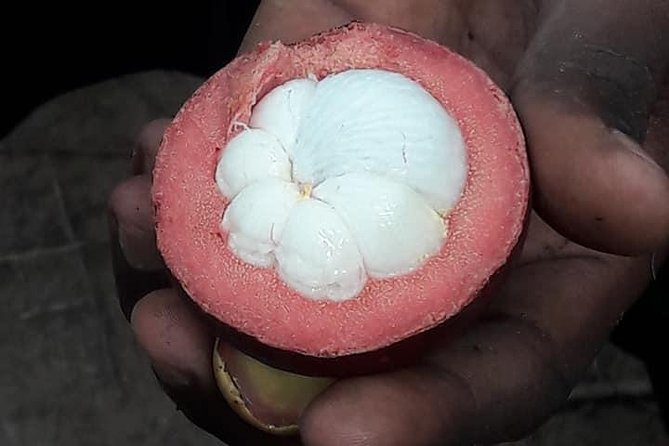
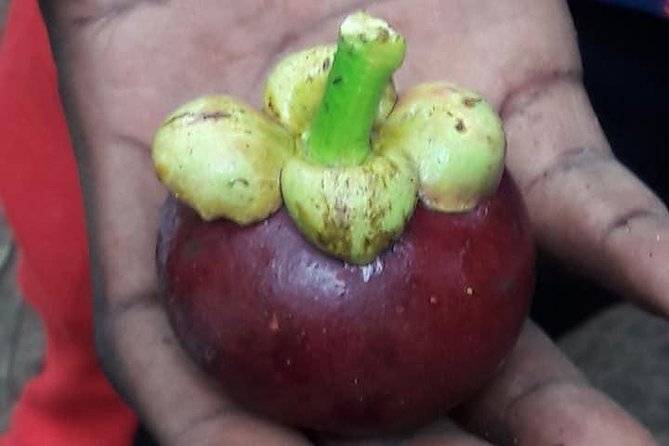
A demonstration like this is useful because it shows how the farm operates beyond small leaves and fragrant bark. You get to see a local skill rather than only hear a description of one. The review details also mention wonderful local fruit grown on the farm, which may be available depending on what is in season.
Do not treat the fruit tasting as a guaranteed meal. Lunch is not included, and the tour is only about three hours long. Think of the fruit as part of the farm experience, not a substitute for planning your main meal.
Another memorable touch is the handwoven crown and basket made from leaves. These simple items give you something tangible to take home. They also make the visit feel less commercial than a stop focused only on buying packaged spices, though the supplied details do not say whether additional purchases are offered.
A few more options to weigh up in Zanzibar
- From Zanzibar: Mikumi Safari Day Trip with Flights and Meal
★ 4.7 · 1,470 reviews - Zanzibar: Quad Bike Adventure departing from Kendwa or Nungwi
★ 4.9 · 1,233 reviews - From Zanzibar: Day Selous Game Reserve Safari with Flights
★ 4.7 · 1,025 reviews - Zanzibar: Prison Island and Nakupenda Boat Trip with Lunch
★ 4.1 · 882 reviews
Meeting Salum and traveling in a small group
A guide can make or break a plant-based tour. The guide named in the available experience feedback is Salum, who was described as caring and well informed. That combination matters. Clear information teaches you about the crops, while a considerate manner makes the walk easier to enjoy.
I would value the chance to ask Salum questions about a spice’s use, origin, or harvest. Since the group is capped at nine people, you are less likely to be lost in a crowd than on a large coach excursion.
The tour includes an air-conditioned vehicle, which is welcome in Zanzibar’s tropical climate. Transfers are offered from all Stone Town hotels, adding convenience if you are staying in the historic city area. The listed start point is Tembo House Hotel on Shangani Street, near Forodhani Street, in Zanzibar.
Because the details identify both hotel pickup and a meeting point, confirm your exact pickup arrangement when booking. The activity ends back at the meeting point, so you can plan the rest of your day from there.
What the $70 price includes
At $70 per person, this tour is not the cheapest possible way to see plants on Zanzibar. Its value comes from the package: about three hours of guided activity, transport in an air-conditioned vehicle, admission, taxes and fees, and mineral water.
The small group helps justify the price. A maximum of nine people gives the guide room to explain, demonstrate, and answer questions. You are paying for transport and instruction as well as access to the farm.
The price makes the most sense if you are staying in Stone Town and want a short organized outing without arranging separate transport. It may be less appealing if you already have a car, want a much longer farm visit, or prefer to explore at your own pace.
Lunch is not included, so budget separately for food. Tips are also excluded. Since the tour lasts roughly three hours, you can pair it with another Stone Town activity, but you should allow enough time for pickup and return before making a tight appointment.
Who will enjoy this experience most
I would recommend this tour to anyone curious about food, farming, and the everyday uses of plants. It suits couples, families, and small groups who prefer direct contact with a place rather than a long ride past scenery.
Children may enjoy the guessing game, smells, fruit, and coconut demonstration, although the provided information does not specify a minimum age or special children’s program. Most people can participate, according to the supplied conditions.
The tour also works well for first-time visitors who want an easy introduction to Zanzibar beyond Stone Town’s streets. You get a taste of the island’s agricultural side without committing to a full-day excursion.
You may want to skip it if you dislike outdoor walking, want a formal indoor museum, or need a guaranteed meal as part of the price. The weather requirement also matters. If poor weather forces a cancellation, you will be offered another date or a full refund.
Timing, cancellation, and practical planning
The experience lasts approximately three hours. Since it begins and ends at the listed meeting point, it is simple to fit into a day in Zanzibar, provided your schedule is not crowded with fixed appointments.
Confirmation is provided when you book, and a mobile ticket is available. Pickup is offered, with transfers from Stone Town hotels included. If you are not staying at one of those hotels, check the meeting instructions carefully before setting out.
Free cancellation is available up to 24 hours before the start time for a full refund. Cancellations or changes made less than 24 hours before the start are not accepted for a refund. The cut-off follows local time, so keep that in mind if you are arranging the tour from another time zone.
The activity requires good weather. If the operator cancels because conditions are poor, you can choose a different date or receive a full refund. That policy gives you useful protection, but it also means you should avoid scheduling the tour as the only activity on a day when weather may be uncertain.
My verdict on this three-hour farm visit
I like the balance here. You get a short, focused outing with transport, water, admission, and a guide-led walk, but the experience still feels connected to local farming. The best moments are the ones that involve your senses: smelling leaves, handling plant parts, tasting spices, and watching the coconut demonstration.
The main caution is to keep your expectations in line with the price and duration. This is not a full-day agricultural tour, a cooking class, or a meal experience. The exact plants and fruit may depend on the season, and lunch is your responsibility.
Should you book the Spice Tour Zanzibar?
Book it if you want a manageable Stone Town excursion with a personal guide, hands-on learning, and a small group. It is especially good for people who enjoy food culture and practical demonstrations more than grand sightseeing.
Skip it if you are looking for a long, strenuous adventure or a tour with lunch included. For most visitors with three free hours, the $70 price is reasonable because it covers transport, admission, water, and a focused guide experience. The coconut demonstration, seasonal fruit, and leaf crafts give it extra character.
FAQ
How long does the Spice Tour Zanzibar last?
The tour lasts approximately three hours.
How much does the tour cost?
The price is $70 per person.
Is pickup available from Stone Town hotels?
Yes. Transfers from all Stone Town hotels are included.
Where is the listed meeting point?
The listed start point is Tembo House Hotel on Shangani Street and Forodhani Street in Zanzibar.
Where does the tour end?
The activity ends back at the meeting point.
What is included in the price?
The price includes an air-conditioned vehicle, all fees and taxes, mineral water, and admission to the experience.
Is lunch included?
No. Lunch is not included.
How large is the tour group?
The tour has a maximum of nine people.
Can most people participate?
Yes. The activity information says most people can participate.
Can I cancel for a full refund?
Yes. You can cancel at least 24 hours before the start time for a full refund. Cancellations made less than 24 hours before the start are not refunded.
What happens if bad weather cancels the tour?
If poor weather causes a cancellation, you will be offered another date or a full refund.
Just added in Zanzibar
- Zanzibar:Ngoma local culture workshop,The Knowledge of Ngoma★ 5.0 · 1 review
- ZANZIBAR:Mnemba island, Spice farm and Jozani Forest★ 5.0 · 1 review
- Zanzibar: Zipline Adventure At Masingini Forest★ 4.6 · 2 reviews
- Zanzibar Walking Tour: Unveiling the Secrets of Stonetown★ 4.8 · 11 reviews
- Zanzibar: Walking Spice Farm with Local Cooking Class★ 4.4 · 9 reviews
- Zanzibar: Walking Tour★ 4.0 · 1 review
- Zanzibar: Uzi Island Mangrove Kayak Tour with Guide★ 5.0 · 1 review
- Zanzibar: Unique Guided Mangrove Tour by SUP or Kayak★ 5.0 · 1 review
Spice Farm Tours, compared.

Stone Town, Spice Tour, Prison Island with Lunch
Read our review →

Stone Town, Spice tour & Prison Island with Lunch
Read our review →
Full-Day Private Stone Town +Spice Farm and Prison Island Tour
Read our review →

The Swahili Spice Experience – Spice Tour + Culinary Journey
Read our review →Browse the lists this tour appears in