
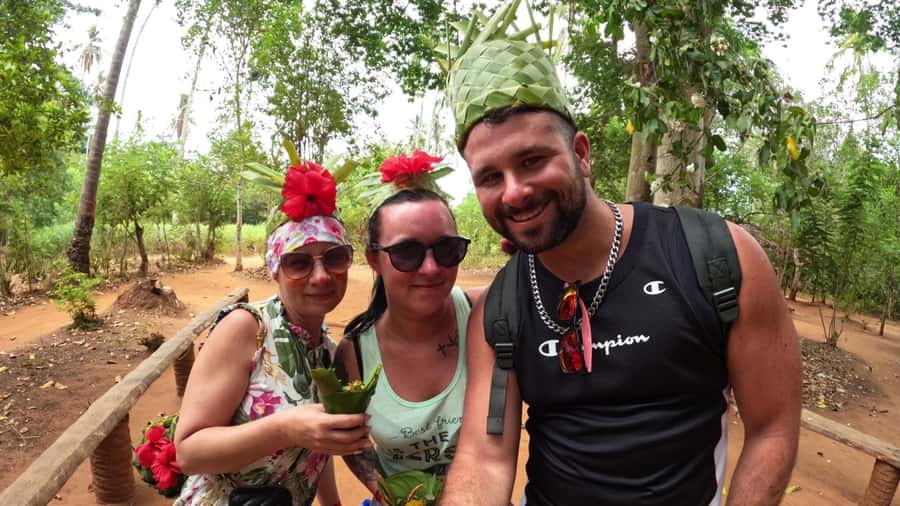
Reviewed · SPICE FARM TOURS
Spice tour
Zanzibar’s best souvenir may be a pinch of spice. This private 2.5-hour spice tour takes you into the countryside of Unguja South, where cloves, vanilla, nutmeg, cardamom, cinnamon, pepper, fruits, medicinal plants, and ornamental plants are grown. I like the direct contact with local farming and the chance to learn how spices connect with cooking, herbal medicine, and traditional ceremonies.
I also like the simple pricing: $65 per person includes transport, a bottle of water, and an English-speaking guide. The main consideration is the short time. This is a focused half-day visit, not a long farm stay, and lunch and shopping cost extra.
In This Review
- Key points before you book
- Why Zanzibar is called the Spice Island
- A 2.5-hour route from Zanzibar to the spice fields
- Seeing cloves, vanilla, nutmeg, and cardamom growing
- From kitchen seasoning to traditional ceremonies
- Tropical fruits add variety to the farm visit
- Is $65 per person a fair price?
- Who will enjoy this private Zanzibar tour?
- Practical details that affect your choice
- Should you book the Spice Tour?
- FAQ
- Where does the spice tour take place?
- How long does the tour last?
- What is included in the $65 price?
- Is the tour private?
- Is lunch included?
- Can I cancel or pay later?
Key points before you book
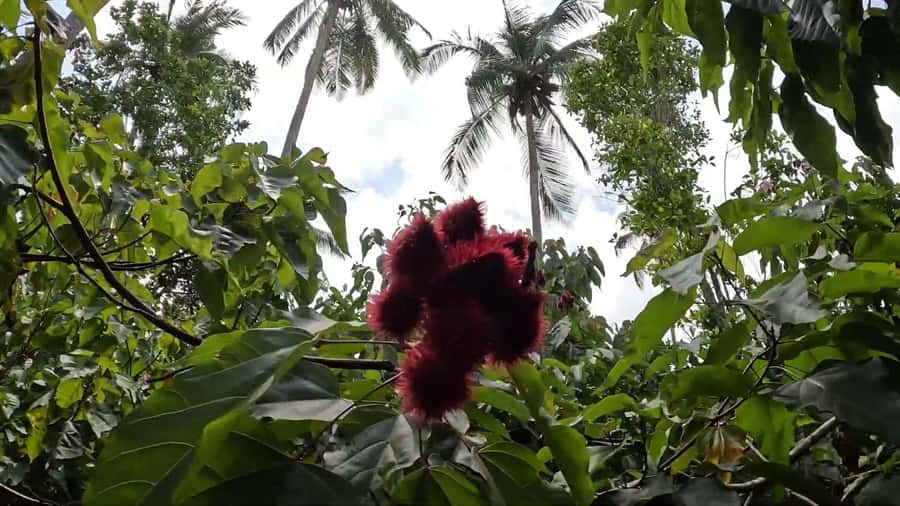
- Cloves, vanilla, cinnamon, and more: You will see several of Zanzibar’s best-known spices growing in small countryside farms.
- Private group format: You get a more personal outing than a large shared coach tour, with room to ask questions.
- Local uses matter: The guide explains how spices appear in food, herbal medicine, and traditional ceremonies.
- Tropical fruit is part of the visit: The experience is not limited to dried spice displays.
- Transport is included: Pickup and return are arranged from Zanzibar, with a bottle of water provided.
- A short, easy half-day plan: At 2.5 hours, it fits well before or after another Zanzibar activity.
Why Zanzibar is called the Spice Island

Zanzibar’s spice identity comes from centuries of local cultivation. On this outing, you are not simply looking at jars of powder in a shop. You are taken to small farms in the countryside and introduced to plants in their growing form.
That difference matters. Cinnamon is more interesting when you can connect the finished kitchen spice with the plant itself. Vanilla, cardamom, nutmeg, pepper, and cloves each have their own look and use, and the guide helps you link them to everyday life on Zanzibar.
The tour also covers tropical fruits, medicinal plants, and ornamental plants. That gives the visit a wider purpose. You are learning about the farm as a living part of local culture, not only collecting facts about seasoning.
The farm setting may feel modest rather than polished. That is part of the appeal for me, but it also means you should expect a straightforward countryside visit instead of a large visitor center with elaborate displays.
More Spice Farm Tours in Zanzibar:
- Zanzibar: Stone Town, Spice Tour, Prison Island with Lunch
★ 4.4 · 1,219 reviews - Zanzibar: Prison Island, Stone Town, & Spice Farm Tour
★ 4.5 · 579 reviews - Zanzibar: Stone Town, Spice tour & Prison Island with Lunch
★ 4.6 · 453 reviews
A 2.5-hour route from Zanzibar to the spice fields
Your day begins with pickup in Zanzibar, followed by transport to the spice-growing area in Unguja South. The exact pickup time depends on availability, so you should check the schedule when booking.
The transport is included in the $65 price, which makes the tour easier to plan. You do not need to arrange a separate taxi for the farm visit or work out your return trip. After the tour, you are brought back to Zanzibar.
The total duration is 2.5 hours. That is enough time for a clear introduction to the farms and their plants, but it leaves little room for a long meal, an extended walk, or several unrelated stops. I would treat this as one compact activity rather than a full day in the countryside.
Because the group is private, your pace may feel more relaxed than on a large shared excursion. You can ask about a particular spice, plant, or local use without waiting for a whole bus group to catch up.
Seeing cloves, vanilla, nutmeg, and cardamom growing
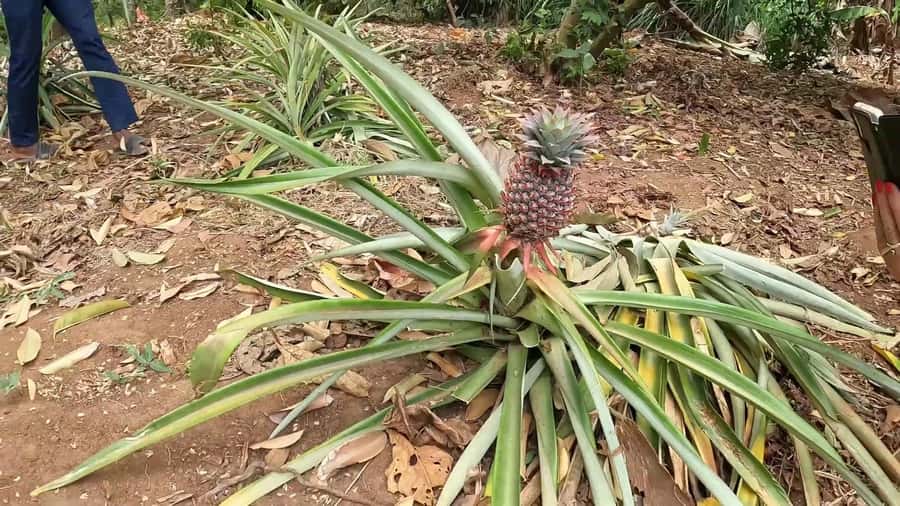
The central part of the experience is the spice field. You can expect to learn about cloves, vanilla, nutmeg, cardamom, cinnamon, pepper, and other spices grown in Zanzibar.
The value here is in the explanation. Many spices are familiar only after they have been dried, ground, or packaged. Seeing them as plants gives you a better sense of where food ingredients begin and how farming supports local life.
Cloves receive special attention in the tour description, along with vanilla. These are strong symbols of Zanzibar’s spice trade, but the visit is not limited to them. Cardamom, cinnamon, nutmeg, and pepper add variety, and the guide can explain their different uses.
The information provided does not promise a fixed list of individual farm stops or a specific demonstration. You should therefore expect a guided introduction to the spice field rather than a guaranteed hands-on workshop. If you want to buy products, keep in mind that shopping is not included in the price.
From kitchen seasoning to traditional ceremonies
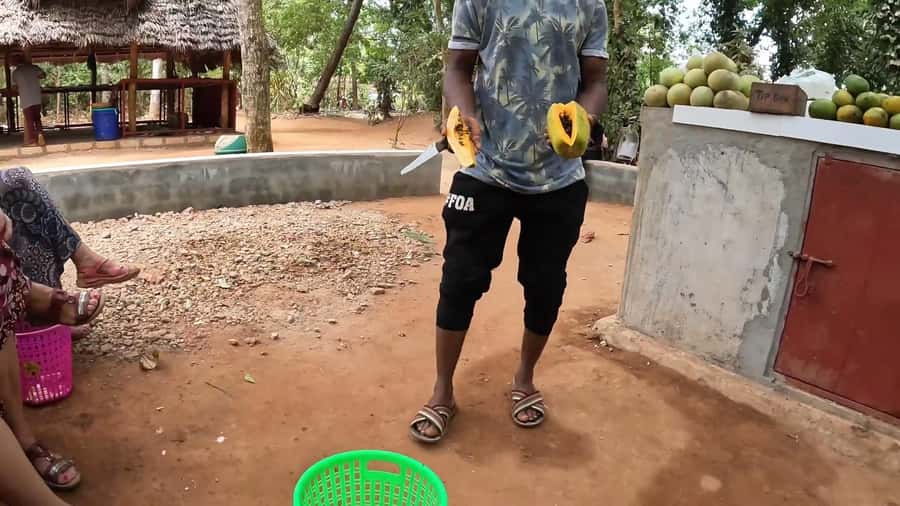
A good spice tour should explain more than flavor, and this one connects plants with three areas of local life: cooking, herbal medicine, and traditional ceremonies.
The cooking section is the easiest connection to make. Spices shape the flavor of local dishes, and learning about their uses can help you understand the food you eat elsewhere on Zanzibar. You may also come away with a better idea of why certain spices are prized beyond their smell or taste.
The medicinal section adds another layer. The tour introduces medicinal plants and explains traditional uses, but you should treat this as cultural information, not medical advice. The details supplied do not promise health treatments or clinical guidance.
Traditional ceremonies are also included as part of the cultural context. This is useful because it shows that spices are not only commercial crops or cooking ingredients. They can also carry meaning in community practices.
The guide is central to this part of the visit. The only published booking comment comes from Adrian of Germany, who gave the experience five out of five and singled out the guide for strong praise. No guide name is supplied, but that positive note gives the guiding a clear strength.
A few more options to weigh up in Zanzibar
- From Zanzibar: Mikumi Safari Day Trip with Flights and Meal
★ 4.7 · 1,470 reviews - Zanzibar: Quad Bike Adventure departing from Kendwa or Nungwi
★ 4.9 · 1,233 reviews - From Zanzibar: Day Selous Game Reserve Safari with Flights
★ 4.7 · 1,025 reviews - Zanzibar: Prison Island and Nakupenda Boat Trip with Lunch
★ 4.1 · 882 reviews
Tropical fruits add variety to the farm visit
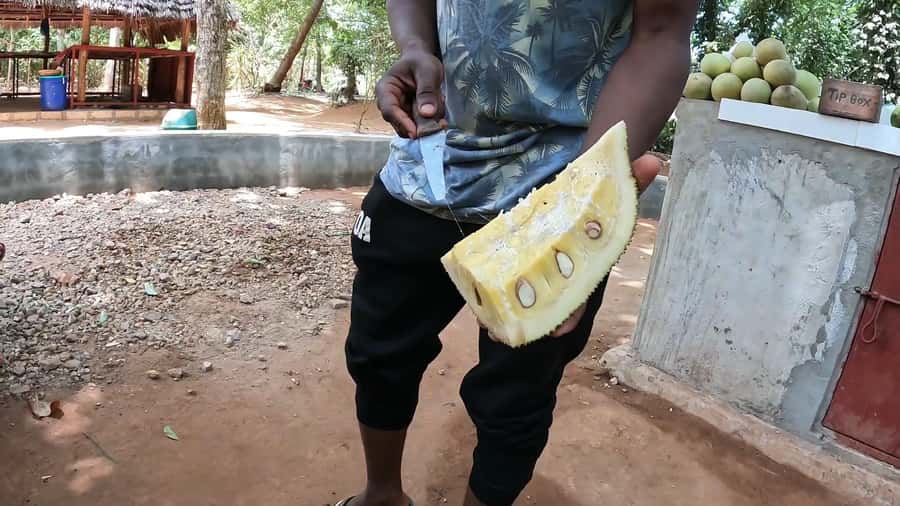
The tour includes tropical fruits as well as spices. That broadens the experience and keeps it from becoming a long list of similarly scented plants.
You will learn about fruit crops grown in the same countryside setting. The available information does not specify which fruits are included or promise tastings, so I would not book this expecting a particular fruit sample. Think of the fruit section as part of the farm introduction.
For you, the benefit is a fuller picture of what grows in Zanzibar. Spices get the headline, but tropical agriculture includes much more than the familiar cinnamon and cloves. The mix of fruit, medicinal plants, ornamental plants, and spices gives the visit useful variety within a short time.
Is $65 per person a fair price?
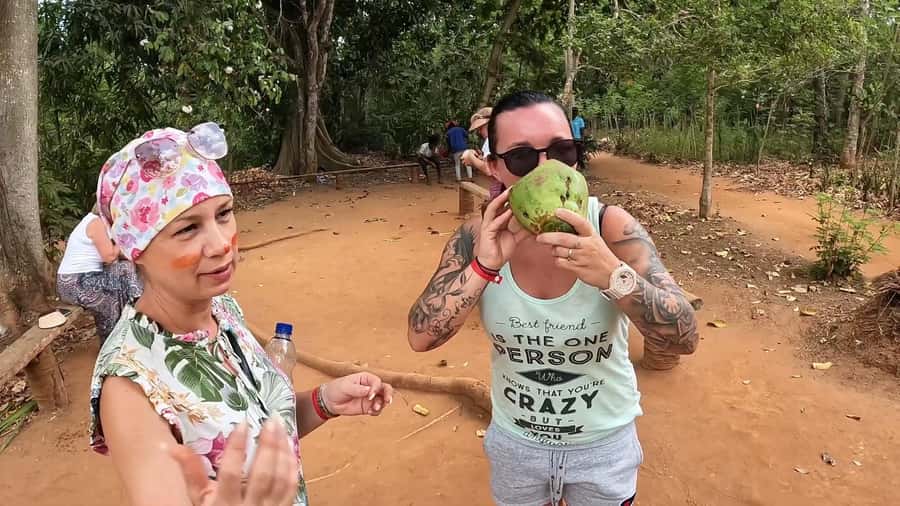
At $65 per person, the tour is priced as a private half-day experience. The value depends on how much you care about personal transport and a dedicated English-speaking guide.
The price includes pickup and return transfer, a bottle of water, and the live guide. Those inclusions remove several small costs and planning tasks. If you were arranging transport to a rural farm independently, the advertised price may compare well once you consider the convenience and private format.
Lunch is not included. Shopping is also separate, so set aside extra money if you want to purchase spices or related products. Since the outing lasts only 2.5 hours, I would not judge the price as a full-day tour rate. You are paying for a compact, guided introduction.
The single available rating is five out of five, from Adrian in Germany, with particular praise for the guide. That is encouraging, but it is still a small amount of public feedback. I would place more weight on the clear inclusions, the private group structure, and your interest in spice farming than on the rating alone.
Who will enjoy this private Zanzibar tour?
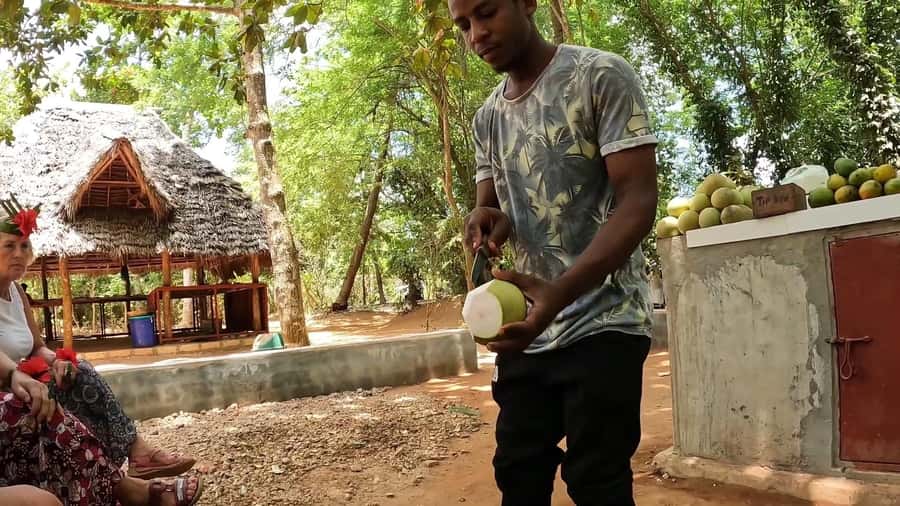
I would recommend this experience if you want a short cultural activity that fits around a beach day, a city visit, or another scheduled outing. The duration makes it practical for people who do not want to spend an entire day away from their hotel or other plans.
It should suit food lovers, gardeners, families, couples, and anyone curious about how everyday ingredients grow. The private format is also useful if you prefer asking questions at your own pace.
You may want to choose another activity if your main goal is a long farm walk, a substantial meal, or extensive shopping. Lunch is not included, and the description does not promise a cooking class or a full-day agricultural program.
The tour is conducted in English. If that works for you, the guide can explain the plants and their cultural uses directly as you walk through the fields.
Practical details that affect your choice
You can cancel up to 24 hours before the activity for a full refund. You can also reserve now and pay later, which helps if you are still arranging your Zanzibar schedule.
Check the available starting times before booking. Pickup and return are listed as Zanzibar, while the spice fields are in the Unguja South countryside. Confirm your exact pickup details so you know how the transfer will work for your accommodation.
Wear something suitable for a warm outdoor visit, although the provided information does not specify a dress code or trail conditions. Bring curiosity, and remember that a bottle of water is included.
The tour is private, but the exact group size is not given. Private means your party is not combined with other groups, yet you should still confirm the number of people allowed if that affects your plans.
Should you book the Spice Tour?
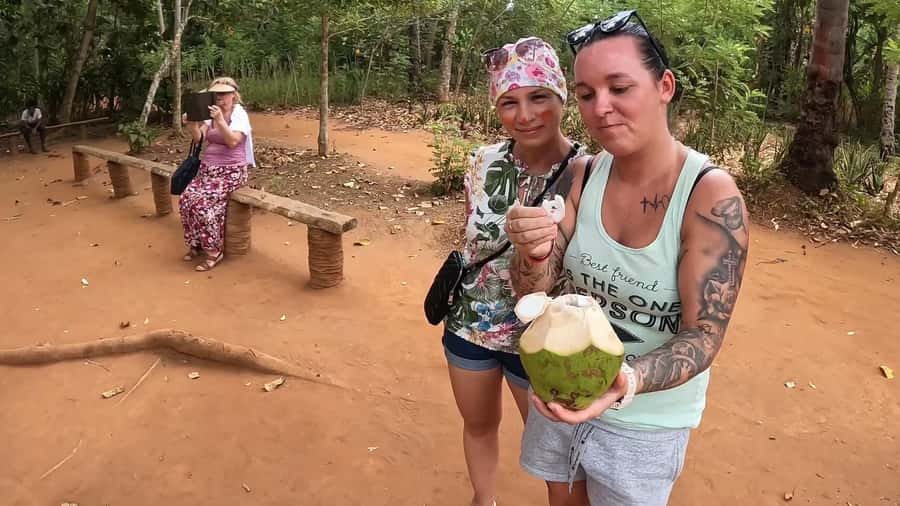
Book it if you want a focused, private introduction to Zanzibar’s farm culture, with transport and an English guide already arranged. The strongest reasons are the range of plants, the links to cooking and tradition, and the compact 2.5-hour schedule.
Skip it if you want a full-day countryside adventure, lunch, or guaranteed shopping and tastings. At $65 per person, it offers good value for a private half-day outing, especially when you value convenience and direct guidance. Adrian from Germany’s five-star rating and praise for the guide are positive signs, though the limited public feedback means you should make the final call based on the tour’s format and your own interests.
FAQ
Where does the spice tour take place?
The tour visits small spice farms in the countryside of Zanzibar, in the Unguja South Region of Tanzania.
How long does the tour last?
The tour lasts 2.5 hours and is described as a half-day spice tour.
What is included in the $65 price?
The price includes pickup and return transfer, one bottle of water, and an English-speaking live tour guide.
Is the tour private?
Yes. The experience is arranged for a private group.
Is lunch included?
No. Lunch is not included in the price.
Can I cancel or pay later?
You can cancel up to 24 hours in advance for a full refund. You can also reserve your place and pay later.
Just added in Zanzibar
- Best of Zanzibar: Spice Tour & Stone Town Visit★ 4.4 · 5 reviews
- THE GREEN TOUR: Jozani Forest & Mangrove Kayaking Experience★ 4.7 · 6 reviews
- Stone Town: Private Walking Tour in the Heart of Zanzibar.★ 5.0 · 1 review
- The rock restaurant and blue Lagoon★ 5.0 · 1 review
- Tea House, Zanzibar Coffee House, Spice Tour with Lunch★ 5.0 · 1 review
- Swimming with sea turtles in salaam cave★ 5.0 · 1 review
- Swim with Turtles at The Lagoons Zanzibar & Stone Town Tour★ 4.8 · 4 reviews
- Stonetown & Prison island Cultural Tour★ 5.0 · 2 reviews
Spice Farm Tours, compared.
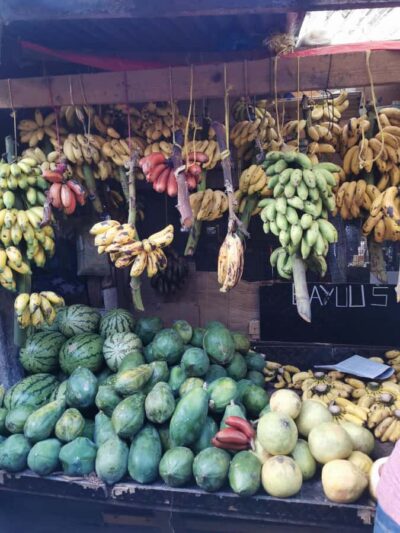
Stone Town, Spice Tour, Prison Island with Lunch
Read our review →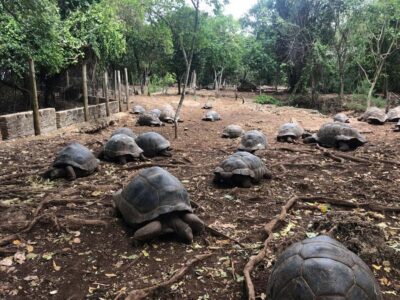

Stone Town, Spice tour & Prison Island with Lunch
Read our review →
Full-Day Private Stone Town +Spice Farm and Prison Island Tour
Read our review →

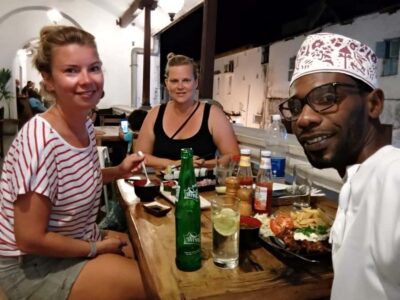
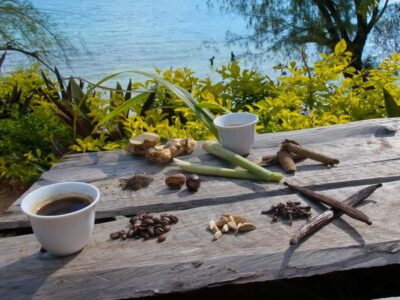
The Swahili Spice Experience – Spice Tour + Culinary Journey
Read our review →Browse the lists this tour appears in