Reviewed · WILDLIFE
Tanzania Wildlife Cultural Safari from Arusha.
The wild heart of Tanzania is a long way from the airport. This 11-day safari from Arusha links four major northern parks with visits to the Hadzabe and Iraqw communities, plus an optional Maasai or Olduvai Gorge stop. I like the small-group format, with no more than six people per vehicle and a window seat for everyone. I also like the mix of game drives, walking, birdwatching, and cultural visits. The main caution is the amount of time spent on the road, and the trip description has one confusing detail: its opening summary mentions four days, while the detailed program runs for 11 days.
The price is $4,999 per person, with meals, accommodation, park fees, airport transfers, and a custom 4×4 included. That makes it a substantial but understandable package price, especially since it covers the Serengeti and Ngorongoro, two of Tanzania’s most sought-after safari areas. Still, you should confirm the exact hotels, room arrangements, and what is included before paying, since several stays are listed as or similar.
In This Review
- Key points to know before booking
- Starting gently at Springlands Hotel in Arusha
- Mount Meru and the quieter side of Arusha National Park
- Lake Manyara’s forest, lake, and tree-climbing lions
- Karatu, the Ngorongoro Forest, and Iraqw culture
- Meeting the Hadzabe beside Lake Eyasi
- Choosing between Maasai culture and Olduvai Gorge
- Two full days in the Serengeti
- Ngorongoro Crater, a compact wildlife theater
- Tarangire’s elephants and giant baobabs
- What the $4,999 price really covers
- Who will enjoy this safari most
- FAQ
- How long is the Tanzania Wildlife Cultural Safari?
- What parks are included?
- How many people can share one safari vehicle?
- Are meals, lodging, and park fees included?
- Can I visit a Maasai village or Olduvai Gorge?
- What is the cancellation policy?
- Should you book it?
Key points to know before booking
- Six people maximum per vehicle: Every person gets a window seat, and the open roof is useful for wildlife viewing and photography.
- Four major parks included: The route covers Arusha National Park, Lake Manyara, Serengeti, Ngorongoro Crater, and Tarangire.
- Two full Serengeti days: This gives you more time than a quick one-night visit and improves your chance of seeing different habitats and animal behavior.
- Culture is part of the plan: You visit the Hadzabe near Lake Eyasi, an Iraqw cultural center near Karatu, and may choose a Maasai village or Olduvai Gorge.
- Accommodation varies by location: Springlands Hotel, Highview Coffee Lodge, and Serengeti Safari Lodge or similar properties are named in the program.
- The schedule is active: Most park days are around seven hours, with long drives between regions and an airport transfer on the final day.
Starting gently at Springlands Hotel in Arusha
Your trip begins with an airport pickup in Arusha. A driver is scheduled to meet you with a sign bearing your name, then take you to Springlands Hotel for a meal and a pre-safari briefing.
That first evening matters. You can rest, swim, sit in the garden, or have a drink at the hotel bar before the early starts begin. The briefing is your chance to ask about the route, vehicle, meals, and daily timing. I would use it to confirm the departure time for Day 2 and check which accommodation has been assigned for each night.
The meeting time is listed as 8:30 am, but airport arrivals can vary. If you are arriving on the same day as the safari, make sure your flight lands with enough time for the transfer and briefing. The pickup service is a useful feature if you do not want to arrange your first night in Arusha separately.
More wildlife trips in Arusha:
- Tanzania Wildlife Encounters – 6 Days
★ 5.0 · 277 reviews - 6 Day Tanzania Wildlife Mid range Safari
★ 5.0 · 54 reviews - 5 Days 4 Nights Tarangire, Serengeti , Ngorongoro & Manyara Wildlife Safari
★ 5.0 · 40 reviews
Mount Meru and the quieter side of Arusha National Park
Day 2 takes you to Arusha National Park, dominated by Mount Meru at 4,565 meters. This is not usually the park people picture first when they think of Tanzania, but it provides a good opening day because it offers varied scenery and a broad selection of animals.
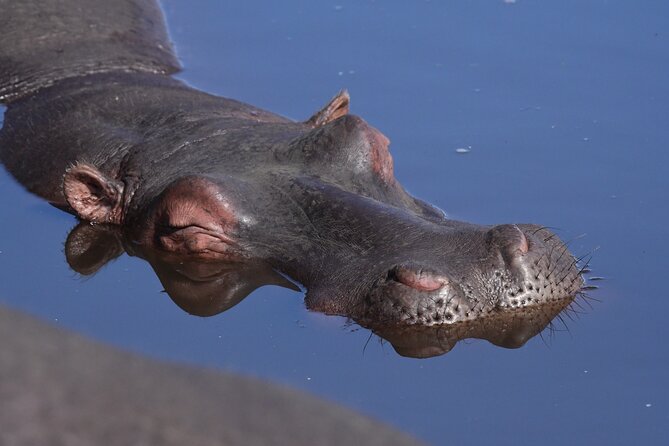
You might see giraffes, zebras, hippos, warthogs, waterbucks, bushbucks, and flamingoes. Leopard and hyena sightings are possible but much less dependable. The alkaline lakes offer flamingoes a year-round breeding area, so this is also a worthwhile stop if you enjoy birds.
The day is planned for about seven hours, followed by a night at Highview Coffee Lodge or a similar property. The benefit here is variety rather than a promise of constant predator sightings. If lions and cheetahs are your top priorities, the Serengeti and Ngorongoro Crater later in the trip are more central to that goal.
Lake Manyara’s forest, lake, and tree-climbing lions
The next morning you drive to Lake Manyara National Park. The park sits below the Rift Valley escarpment and packs several habitats into a relatively compact area: groundwater forest, acacia woodland, grassy plains, swamp, and the lake itself.
This variety gives you plenty to look for. Elephants often move near the lake, while buffalo, impala, giraffe, bushbuck, waterbuck, hippos, blue monkeys, vervet monkeys, and olive baboons are all possible sightings. Lake Manyara is also associated with rare tree-climbing lions, although wildlife sightings are never guaranteed.
I especially like this day for the change of pace. The forest can feel very different from the open grasslands of the Serengeti, and the monkeys and baboon troops add movement when larger animals are resting. Birdwatchers have good reason to pay attention here, too.
Another seven-hour day is followed by a night at Highview Coffee Lodge or a similar accommodation. The schedule is full, so bring patience for the drive and do not expect every park visit to be a slow, relaxed outing.
Karatu, the Ngorongoro Forest, and Iraqw culture
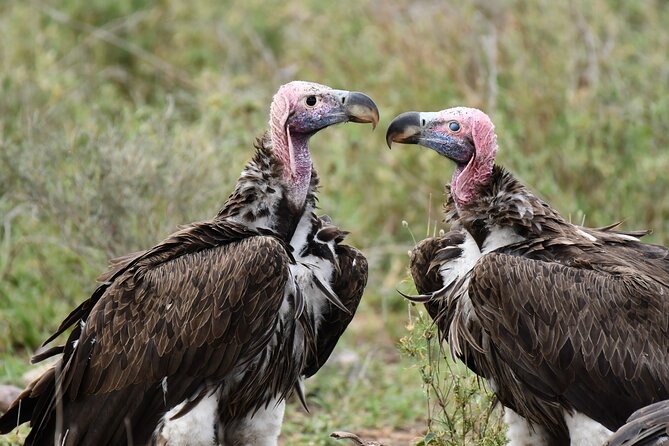
Day 4 is based around Karatu, the town between Lake Manyara and Ngorongoro. Instead of another full game-drive day, you take a two-hour hike through the forested slopes of the Ngorongoro Conservation Area.
The walk leads to a waterfall and the unusual elephant caves. These are places where elephants have dug into the earth to reach mineral-rich soil. Buffalo, bushbuck, waterbuck, and baboons may also appear around the trail.
This is one of the most valuable parts of the program for anyone who wants more than vehicle-based sightseeing. You get to use your legs, notice smaller details, and see how animals shape their surroundings. The description gives the visit about two hours, but the listed duration is unclear, so ask your operator how much time is allowed for the hike and cultural stop.
In the afternoon, you visit an Iraqw cultural center. The Iraqw homeland around Karatu is known for intensive cultivation techniques developed for local conditions. This stop gives you a better sense of daily life in the area, rather than treating the region as a corridor between famous parks.
You spend another night at Highview Coffee Lodge or a similar property. Karatu is also a place to buy souvenirs, though you should treat shopping as an optional extra, not the main reason for the day.
A few more options to weigh up in Arusha
- Balloon Safari & Bush Breakfast in Serengeti – Miracle Experience
★ 5.0 · 1,646 reviews - Tanzania Classic – 7 Days
★ 5.0 · 1,151 reviews - 4 Days Group Camping Safari
★ 5.0 · 1,101 reviews - 5 Days Group Camping Safari
★ 5.0 · 730 reviews
Meeting the Hadzabe beside Lake Eyasi
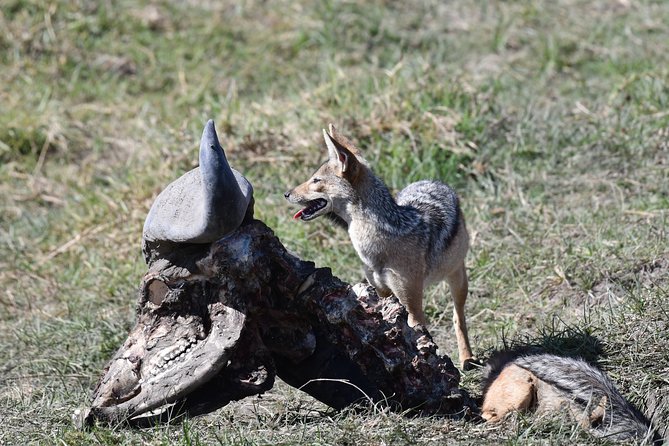
Lake Eyasi is a mildly alkaline lake about 55 kilometers long and a strong choice for birdwatching. Flamingoes, pelicans, spoonbills, weavers, spurfowls, storks, barbets, and egrets may be seen around the water and surrounding areas.
The cultural focus is a visit with the Hadzabe, an Indigenous hunter-gatherer community. You learn about their homes, hunting with bows and arrows, and plant-based medicine. This can be a powerful experience, but it deserves a respectful attitude. Listen carefully, ask before taking photographs, and remember that the visit is about real people and their lives, not a staged performance for your camera.
The day description is brief and has been shortened in places, so you should ask for a clear schedule before departure. It is also worth confirming whether the lake visit, cultural visit, meals, and any local fees are all covered by the quoted price. The program specifically lists admission as included for Lake Eyasi, while other park entries are part of the overall package.
Choosing between Maasai culture and Olduvai Gorge
On the drive toward the Serengeti, you can choose an additional cultural or archaeological stop. One option is a Maasai village, where you can learn about Maasai culture and take part in tribal activities. The other is Olduvai Gorge, often called the Cradle of Humanity, with a museum focused on human origins in East Africa.
These options appeal to different interests. Choose the Maasai visit if you want direct cultural contact and group activities. Choose Olduvai Gorge if archaeology and human evolution interest you more than community interaction.
The program does not clearly state whether either option costs extra or how much time each takes. Ask before the trip so the choice does not create a surprise on a long transfer day.
Two full days in the Serengeti
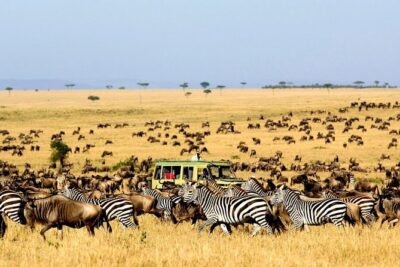
The Serengeti is the centerpiece of the safari. Its name comes from the Maasai language and means endless plain. The park is famous for the Great Wildebeest Migration, but its appeal is broader than migration timing.
You may see large groups of wildebeest, zebra, and antelope, along with lions and cheetahs near the rocky kopjes. The park changes from open southern plains to acacia savanna, wooded grassland, and black clay plains. That variety is one reason two full game-drive days are valuable.
A quick Serengeti visit can leave you feeling as if you spent most of your time getting there and leaving again. This schedule gives your guide more room to search different areas and lets you enjoy the park without rushing every sighting.
You stay at Serengeti Safari Lodge or a similar property. Some accommodation is described as being inside the parks, while other hotels are outside. That distinction matters: a property inside or near the park can reduce driving at the start and end of a game drive, but you should confirm its exact location and facilities.
The strongest praise for this operator centers on the guides. Names associated with especially positive experiences include Yusuph, Isdory, Marck, Baraka, Swai, and Moses. Yusuph is praised for his warm manner and safari skills, while Marck and Baraka are described as friendly and helpful. Swai is noted as an excellent guide, and Moses is associated with a family safari that had comfortable rooms and good meals. Guide quality can shape an entire safari, so ask who is likely to lead your vehicle and what languages are available.
Ngorongoro Crater, a compact wildlife theater
Day 9 begins with a morning game drive toward Ngorongoro Crater, followed by a descent to the crater floor. The crater is about 600 meters deep, 16 kilometers across, and 265 square kilometers in area.
The enclosed setting gives you a strong chance of seeing a wide range of wildlife in one day. The crater floor is home to lion, cheetah, eland, zebra, gazelle, and many other animals. Black rhino may also be seen on the open grassland, though sightings are never certain. Flamingoes and other birds often gather at Makat Soda Lake.
Ngorongoro can feel busy because it is one of Tanzania’s best-known sights. Even so, the scale of the crater and the concentration of wildlife make it an essential stop. I would bring binoculars and a light jacket for the rim and remember that much of the day is spent inside a vehicle on uneven park roads.
After the crater visit, you return to Highview Coffee Lodge or a similar property. The program lists the crater admission as included, which is important because conservation and park charges can make a major difference to the overall value of a safari.
Tarangire’s elephants and giant baobabs
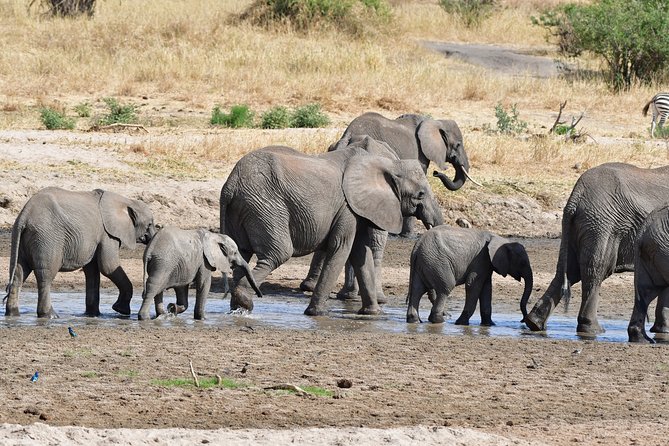
The final major park day takes you to Tarangire National Park. The Tarangire River is a key feature because it does not dry up, making it an important water source during the dry season.
The result can be excellent animal viewing, especially when wildlife gathers near water. The park also has grassy savannah, swamps, hills, and striking baobabs. Elephants are a major attraction, while the birdlife adds another reason to keep your eyes open.
Tarangire is a fitting final park because it feels distinct from both the Serengeti and Ngorongoro. You are not simply repeating the same scenery. A full day allows time to appreciate the park’s trees, birds, and water-dependent wildlife instead of treating it as a short stop on the way back to Arusha.
The night is again at Highview Coffee Lodge. Since the itinerary includes several nights at the same property or similar lodging, confirm whether the actual hotel changes and what room type is included.
What the $4,999 price really covers
At $4,999 per person, this is not a budget safari. But the price includes the costly core of a northern Tanzania itinerary: airport pickup, accommodation, meals, park entry fees, a custom 4×4 vehicle, and a maximum group size of six.
The small vehicle limit is important. On a crowded safari, you may spend time leaning across other people to see an animal or photograph through a narrow gap. Here, everyone is promised a window seat, and the open roof gives you a better view when the vehicle is stopped.
The package also combines several styles of travel. You get classic game drives, a forest hike, birdwatching, archaeological or cultural options, and time with the Hadzabe and Iraqw. That variety helps justify the price if you want a broad introduction to northern Tanzania rather than a simple park-to-park trip.
The unknowns are the exact lodging standard and any extras attached to the optional stops. The description uses or similar several times, so ask for the confirmed hotel list. Also clarify whether drinks, tips, visas, flights, and personal purchases are excluded, since they are not specified here.
Who will enjoy this safari most
I would recommend this trip to you if you want a complete northern Tanzania route and do not want to arrange transfers, park fees, hotels, meals, and guides on your own. It suits first-time safari visitors who want the major parks plus meaningful cultural stops.
Families and small groups may appreciate the six-person limit. The spacious Land Cruiser and window seating are also useful for photographers and anyone who wants a clear view without fighting for space.
You should think twice if you dislike long drives, repeated early starts, or several nights in simple lodge-style accommodation. The itinerary is active, and the detailed plan does not offer much free time until the final morning in Arusha.
Pickup is offered, a mobile ticket is available, and confirmation is provided at booking. Most people can participate, and the tour is near public transportation. Cancellation is free if you cancel at least 24 hours before the local start time. Changes or cancellations inside that window are not accepted for a refund.
FAQ
How long is the Tanzania Wildlife Cultural Safari?
The detailed program lasts approximately 11 days, beginning in Arusha and ending with a transfer to Kilimanjaro Airport. The short tour summary mentions four days, so confirm the duration when booking.
What parks are included?
The route includes Arusha National Park, Lake Manyara National Park, Serengeti National Park, Ngorongoro Crater, and Tarangire National Park.
How many people can share one safari vehicle?
The maximum is six people per vehicle. Each person is promised a window seat, and the vehicles have open roofs for game viewing.
Are meals, lodging, and park fees included?
The package description includes meals, accommodation, and park entry fees. The named or similar properties include Springlands Hotel, Highview Coffee Lodge, and Serengeti Safari Lodge.
Can I visit a Maasai village or Olduvai Gorge?
The route offers a choice of visiting a Maasai village or Olduvai Gorge while traveling toward the Serengeti. Confirm the timing and any extra cost before the trip.
What is the cancellation policy?
You can receive a full refund if you cancel at least 24 hours before the experience start time. Cancellations or changes made less than 24 hours before the start are not accepted for a refund.
Should you book it?
Book this safari if you want Tanzania’s major northern parks in one organized trip, with cultural visits and a small vehicle rather than a large coach. The strongest reasons are the two Serengeti days, included Ngorongoro and park fees, window seating, and the guide-focused service associated with people such as Yusuph, Marck, Baraka, Swai, and Moses.
Before you commit, get the confirmed hotel list, clarify the four-day versus 11-day discrepancy, and ask exactly what the Maasai or Olduvai option includes. If those details suit you and long road days do not bother you, the $4,999 price buys a substantial, varied safari with far more than a quick wildlife checklist.
Just added in Arusha
- Safari “Kifaru” – 5 days in the most famous Parks in the world★ 5.0 · 4 reviews
- Saadani Day Trip★ 5.0 · 13 reviews
- 3 Days Tanzania Short and Spicy★ 5.0 · 6 reviews
- 5 Day Tanzania Safari Camping Adventure Private Tour★ 5.0 · 2 reviews
- Day Trip to Ngorongoro Crater from Arusha★ 5.0 · 1 review
- SERENGETI NATIONAL PARK Tour★ 4.5 · 5 reviews
- 3 Days Serengeti Park & Ngorongoro Crater Adventure Safari★ 5.0 · 8 reviews
- 6 Days Tanzania Bush Experience Safari★ 5.0 · 6 reviews
Wildlife, compared.

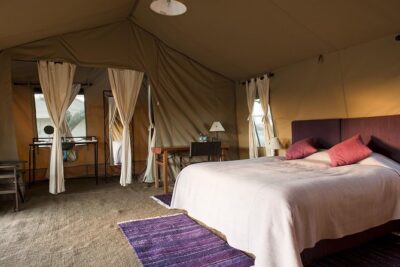
5 Days 4 Nights Tarangire, Serengeti , Ngorongoro & Manyara Wildlife Safari
Read our review →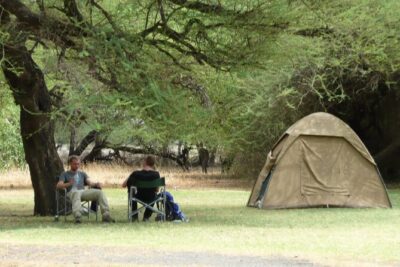
4 Days Wildlife Safari and Cultural Experience in Tanzania
Read our review →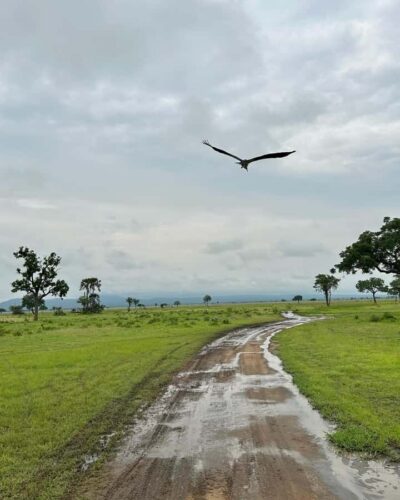
SAFARI WILDLIFE 3 DAYS 2 NIGHT FROM ZANZIBAR TO MIKUMI
Read our review →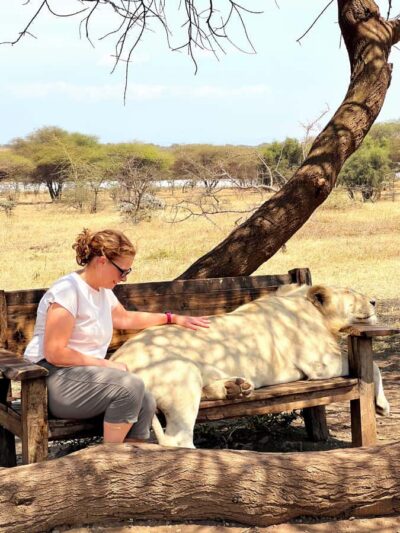
From Moshi or Arusha: Serval Wildlife Sanctuary Trip
Read our review →