
Reviewed · STONE TOWN TOURS
Zanzibar: 3 Hours Private Stone Town walking Tour with Guide
Stone Town rewards curious walkers. This three-hour private tour brings together Zanzibar’s Swahili culture, Arab and Indian influences, European traces, striking carved doors, old palaces, markets, and the difficult story of the East African slave trade. At $24 per person, it is a good-value way to make sense of a city that can feel confusing when you first arrive.
I especially like the small private format, which lets you ask questions and adjust the pace. I also like the mix of major sights and ordinary places, including Darajani Market and a local coffee stop. The main consideration is that Stone Town’s streets are uneven, crowded in places, and sometimes tight, so this is not a comfortable choice for anyone with back problems.
The tour has earned a strong 4.6 out of 5 rating from 301 bookings. Guides such as Khameez, Mau, Kassim, Mao, and Sahin receive repeated praise for clear explanations, humor, patience, and a willingness to adapt the route.
In This Review
- Key points to know before you book
- Why a guide helps in Stone Town
- Starting among Stone Town’s narrow lanes
- The former slave market and Anglican Cathedral
- Darajani Market: spices, fish, and daily commerce
- Coffee at Jaws Corner or Zanzibar Coffee House
- Sultan Palace and the story of Zanzibar’s rulers
- House of Wonders and the waterfront landmarks
- Freddie Mercury and Notre Dame of Zanzibar
- Guides, languages, and the private format
- Is $24 per person good value?
- Who should book this walk?
- Final verdict: book it for context, not just sights
- FAQ
- How long does the Stone Town walking tour last?
- Where does the tour begin and end?
- Is the tour private?
- What languages are available?
- Are admission fees included?
- Is water provided?
- Can I cancel the booking?
Key points to know before you book
- Three hours on foot: You cover a lot of ground through Stone Town, with stops for history, photographs, shopping, and questions.
- A serious look at slavery: The former slave market, now home to the Anglican Cathedral, is an important and emotional part of the route.
- Markets with real local life: Darajani Market offers spices, produce, fish, meat, coffee, and a glimpse of daily commerce.
- Private attention: Your guide can adjust the timing, route, language, and focus to suit your interests.
- Many major landmarks: Expect the Sultan Palace, House of Wonders, Old Fort, Forodhani Gardens, Freddie Mercury’s birthplace area, and Notre Dame of Zanzibar.
- Extra fees apply: The Freddie Mercury Museum costs about $8 per person, and the former slave market costs about $10 per person.
Why a guide helps in Stone Town
Stone Town is not a city you understand by simply ticking off buildings. Its narrow lanes twist between homes, shops, mosques, churches, cafés, and old commercial buildings. A guide helps you see how the pieces fit together.
The city reflects Swahili culture shaped by Arabia, India, Europe, and Portugal. That mix appears in the architecture, trade routes, language, food, religious buildings, and carved wooden doors. A good guide points out details you might otherwise walk past, then explains what they reveal about Zanzibar’s past and present.
This tour is especially useful at the beginning of a Zanzibar stay. It gives you a practical orientation, so you can later return to the market, waterfront, cafés, and shops with more confidence. Several guests used the walk as a first look at the city before exploring on their own.
The private setup matters. You are not trying to keep up with a large group, and you can stop for a photograph or ask about a detail that catches your eye. Guides have adjusted their pace for families, made time for ice cream stops, and altered routes for visitors with limited schedules.
More Walking Tours in Zanzibar
- Stone Town Private Walking Tour
★ 5.0 · 371 reviews - Zanzibar: Stone Town Historical Cultural Walking Guided Tour
★ 4.5 · 179 reviews - Stonetown: Food Markets and Street Food Walking Tour
★ 4.7 · 151 reviews
Starting among Stone Town’s narrow lanes
The walk begins in Stone Town, with free pickup available from locations within the town. Pickup outside Stone Town can be requested, but it is not part of the standard included service.
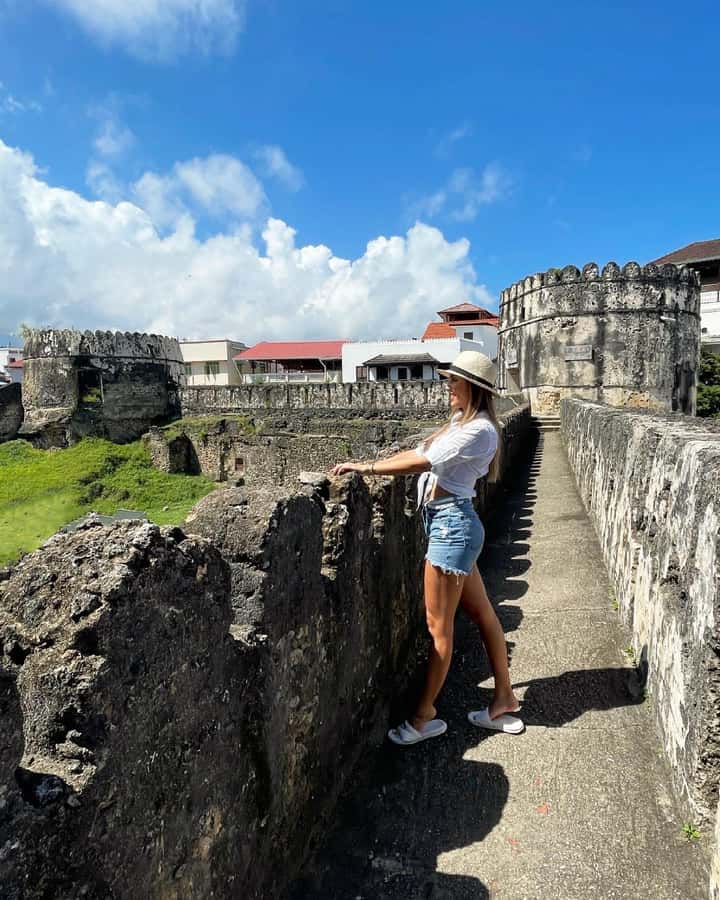
You quickly leave the broad idea of a city tour behind and enter the lanes that give Stone Town its character. The streets can be surprisingly narrow, and the route gives you a close view of doorways, balconies, walls, small stores, and daily movement through the old center.
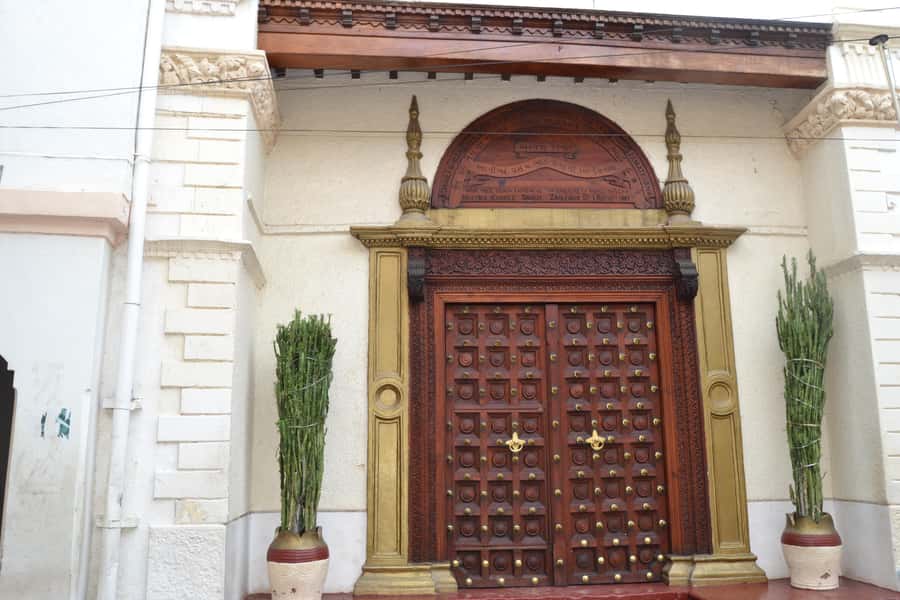
The architecture is one of the tour’s strongest features. Zanzibar’s famous doors are not just pretty photo subjects. Their carvings, metal studs, and shapes reflect the owners’ tastes, status, and cultural connections. The guide can place these details within the wider Swahili and Indian Ocean story.
Do not expect every building to look freshly restored. Some stops are visibly worn or dilapidated, which can be disappointing if you expect a polished open-air museum. That condition is also part of the city’s reality, and the contrast between grand former buildings and ordinary modern life is impossible to miss.
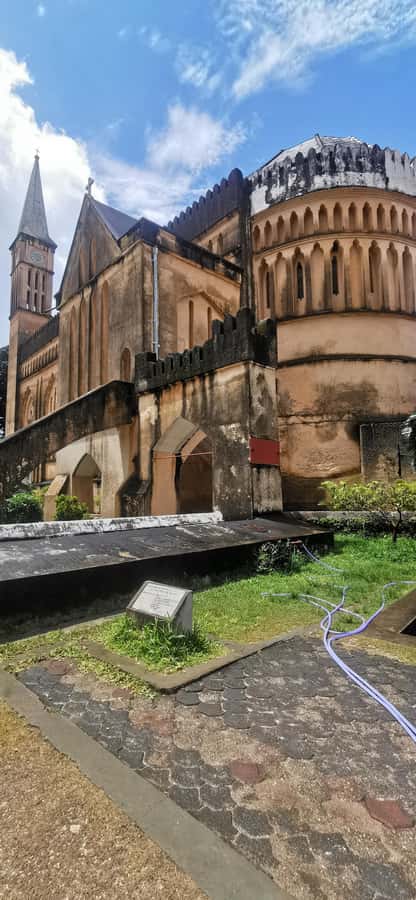
The former slave market and Anglican Cathedral
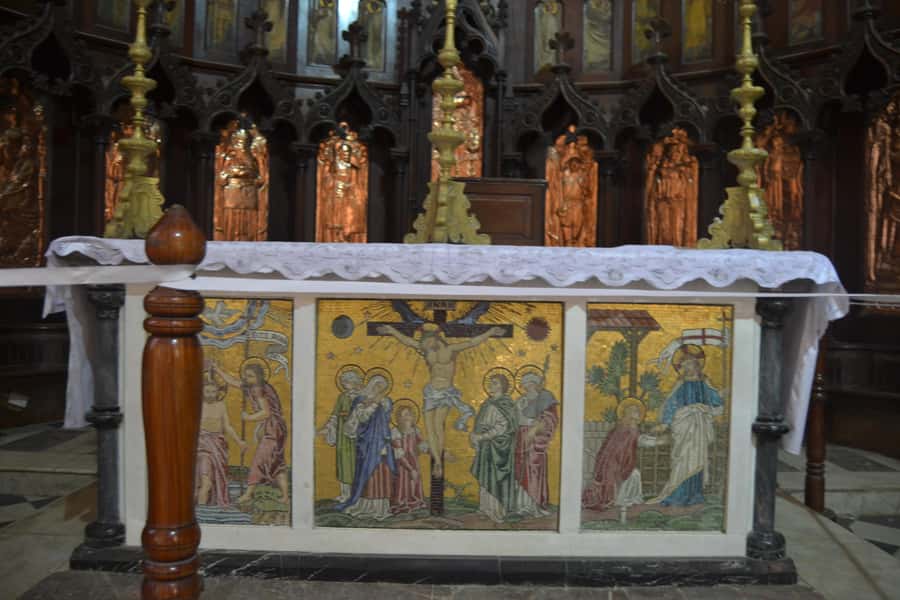
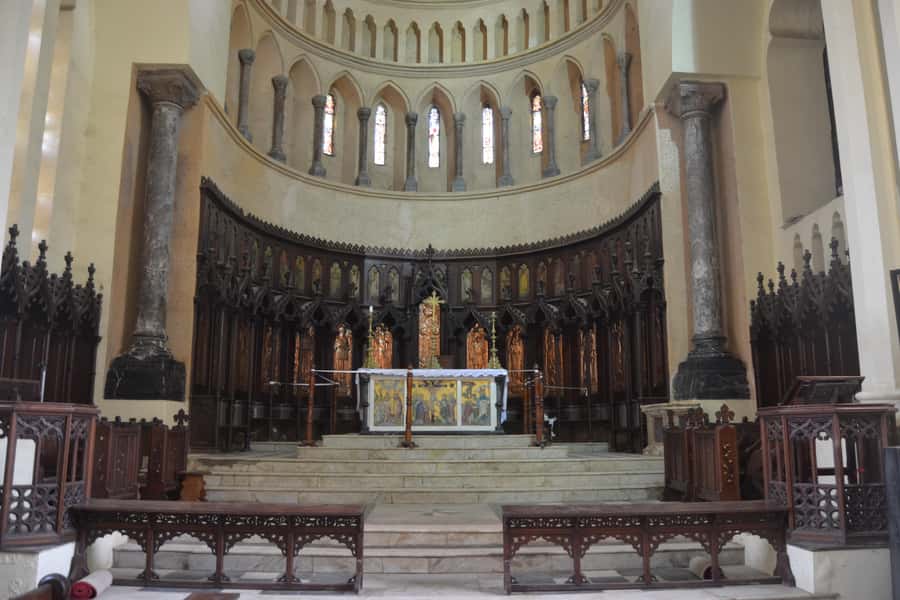
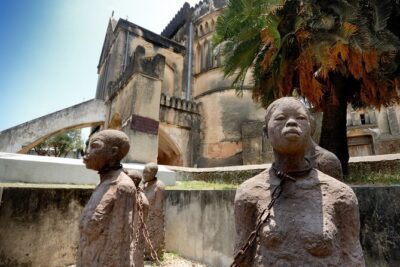
The former slave market is the most serious stop on the route. It is now associated with the Anglican Cathedral, built on the site of the old market. Entry costs about $10 per person and is not included.
This visit deals with the East African slave trade in direct, difficult terms. You may see the spaces connected with the market and exhibits that explain how enslaved people were held and sold. The subject is painful, but it is central to understanding Zanzibar’s place in regional and international trade.
A guide adds needed context here. Without one, you may see a church and a few preserved areas without grasping the scale of what happened at this location. Guides on this tour have been praised for explaining the subject respectfully, while allowing time to look at the exhibits and absorb the information.
This part may not suit every child or visitor, especially if you prefer to avoid harsh historical subjects. Still, I would not skip it simply because it is uncomfortable. The tour handles it as an essential part of Zanzibar’s story rather than a spectacle.
Darajani Market: spices, fish, and daily commerce
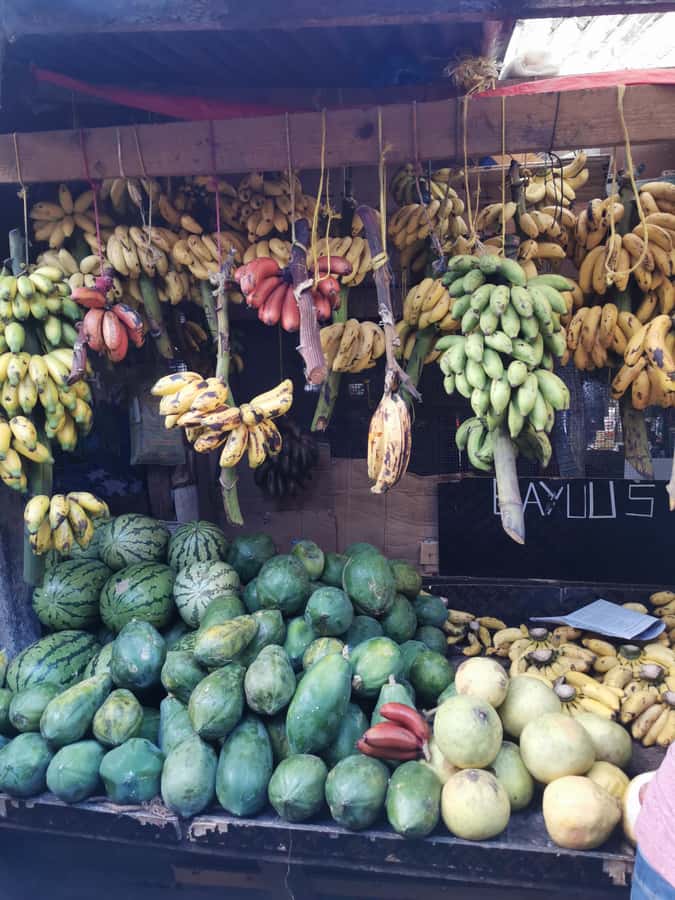
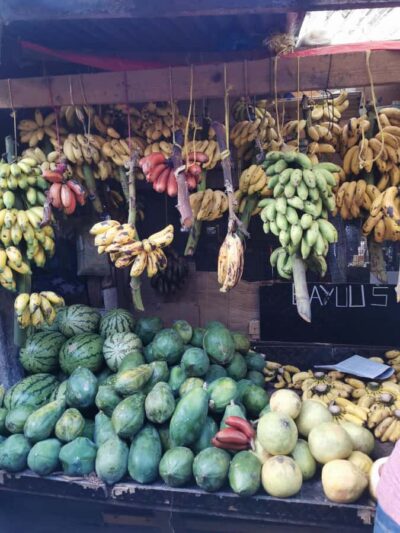
From the old market site, the route continues toward Darajani Market, one of the most useful stops for seeing present-day Stone Town. Here you can look at fruit, vegetables, spices, meat, fish, and other goods used by local residents.
The market is a sensory stop. You may smell coffee and spices, see the day’s catch from the Indian Ocean, and watch vendors handle produce from Zanzibar’s farms. The information provided for the tour also highlights shopping and photographs, so this is a good place to ask about items before buying them.
Some people enjoy market visits more than formal monuments because they show how a place works now. Others may find the meat and fish sections confronting. Go with an open mind, stay respectful, and follow your guide’s advice about where to walk and what to photograph.
The route may include spice shopping, coffee, or a look at a fish auction area. It is worth telling your guide in advance if you are looking for a particular spice, coffee, or souvenir. Mau, one of the frequently praised guides, has taken time to help people find specific items in the market.
More Stone Town walking tours:
- Zanzibar: Stone Town, Spice Tour, Prison Island with Lunch
★ 4.4 · 1,219 reviews - Zanzibar: Prison Island, Stone Town, & Spice Farm Tour
★ 4.5 · 579 reviews - Zanzibar: Stone Town, Spice tour & Prison Island with Lunch
★ 4.6 · 453 reviews - Full-Day Private Stone Town +Spice Farm and Prison Island Tour
★ 4.5 · 216 reviews
Coffee at Jaws Corner or Zanzibar Coffee House
The tour includes a coffee pause, described in the route as a stop at Zanzibar Coffee House, with some visitors also enjoying coffee with locals at Jaws Corner. This is a welcome break in a walking tour that packs a lot into three hours.
The value is not only the drink. A café or street-corner pause gives you time to ask questions about modern Zanzibar, local customs, and the places you have just seen. One guest particularly enjoyed having coffee with locals at Jaws Corner.
The break also shows why a private guide can be useful. You can ask for more time, keep moving, or pause for a snack depending on your energy and interests. If you have a young child, mention that at the start. One family appreciated a guide who happily stopped for ice cream along the way.
Sultan Palace and the story of Zanzibar’s rulers
The Sultan Palace introduces the island’s ruling dynasty. The palace provides a setting for learning about the sultans of Zanzibar and the political connections that shaped the island.
This stop helps connect the city’s architecture with its history. Zanzibar was not simply a port with attractive old buildings. Its rulers were involved in regional trade and maintained links with Arabia and the wider Indian Ocean world.
The palace can also be a quieter contrast to the market streets. You get a chance to slow down, look at the building, and consider how power was displayed in Stone Town. Ask your guide to explain the people connected with the palace, since the human stories often make the building easier to remember.
House of Wonders and the waterfront landmarks
The House of Wonders, also called Bait el-Ajab, is one of Stone Town’s best-known buildings. It was built as a ceremonial palace and is described as the tallest building in East Africa in the tour material.
The building carries plenty of stories, but its condition may not match the grand name. Some guests felt that several historic sites were worn and less impressive than expected. Go for the location, scale, and history rather than expecting every interior to be fully restored or open in perfect condition.
Nearby, Forodhani Gardens face the waterfront. The gardens are especially known as an evening food area, with seafood, barbecue, sugarcane juice, Zanzibar pizza, and other local dishes. On a daytime walking tour, you may learn how the space changes after sunset, then return later if you want to try the food stalls yourself.
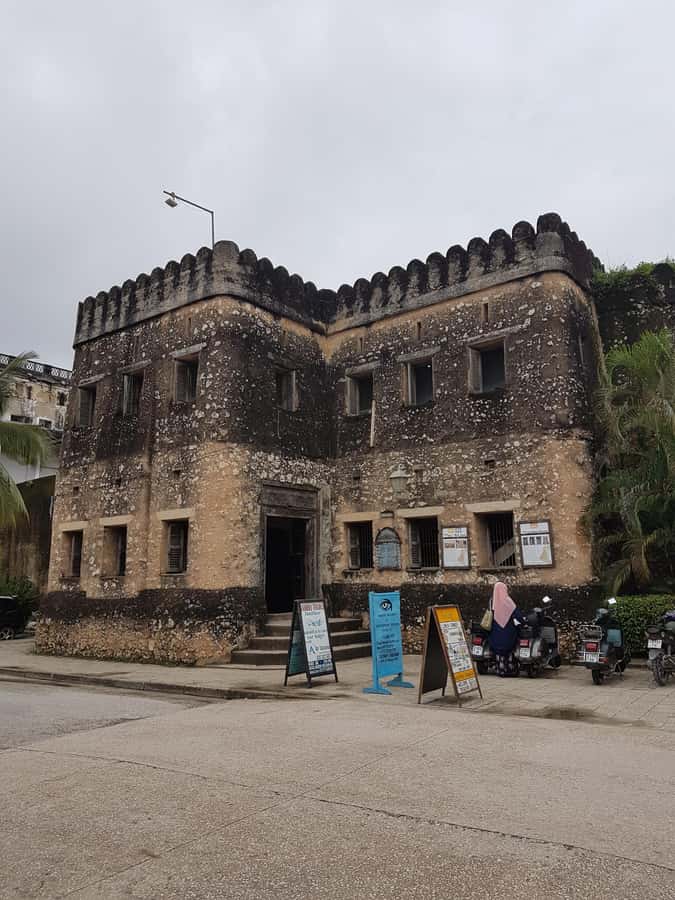
The Old Fort is another major landmark. This sturdy Arabic fort was built quickly and later served different purposes, including a battle arena and a primitive railway station. Its changing use reflects the way Stone Town’s buildings have been adapted across generations.
Freddie Mercury and Notre Dame of Zanzibar
The route continues to the area associated with Freddie Mercury, the lead singer, songwriter, front man, and guitarist of Queen. The tour focuses on his connection to Zanzibar and provides time for photographs near his birthplace.
Entry to the Freddie Mercury Museum costs about $8 per person. That fee is separate, so decide before booking whether you want the interior visit or only the exterior stop and explanation from your guide.
This is a lighter cultural note after the former slave market and palace history. It also shows Zanzibar’s connection to a global music figure. If Freddie Mercury is important to you, the museum may be worth the added cost. If not, you can still appreciate the local connection without spending extra.
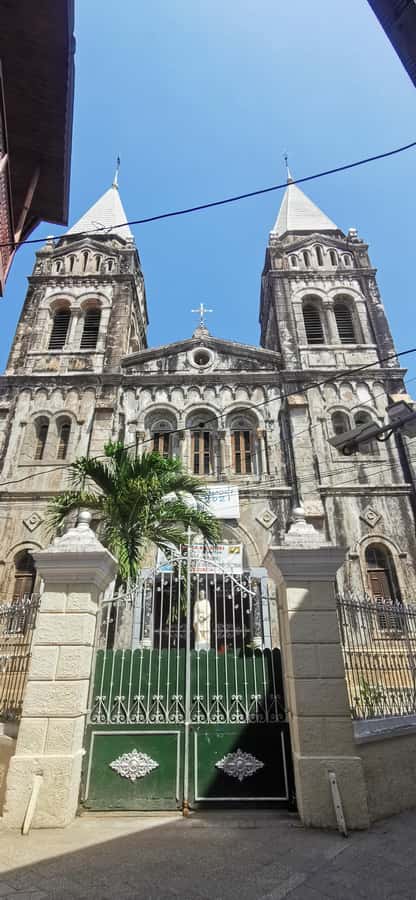
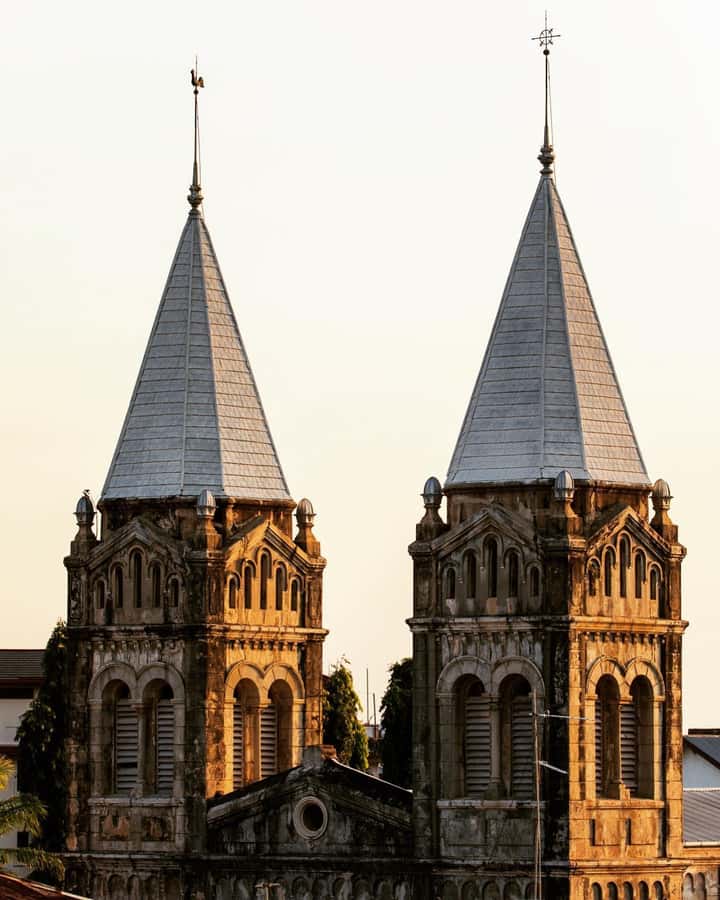
Notre Dame of Zanzibar, the French Catholic cathedral, is another distinctive stop. The church is described as finely sculpted and located in the heart of Stone Town. Its presence adds another layer to the city’s religious and architectural mix.
The tour also points out Tip Tip House and other historic buildings. You will not fully master Stone Town in three hours, but you will gain a useful map of its key places and a better sense of which ones deserve a return visit.
Guides, languages, and the private format
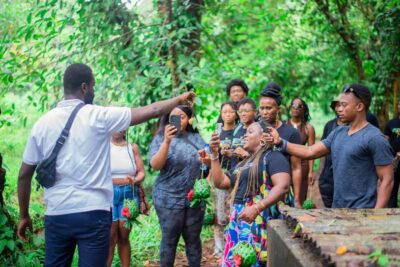
The guide is the heart of this experience. Khameez receives repeated praise for his English and French, historical explanations, warmth, and ability to make difficult subjects understandable. Mau, also called Maulid or Mao, is praised for humor, local pride, patience, and a strong grasp of architecture, culture, and history.
Kassim is noted for flexibility with timing, location, route, and personal interests. Other guides named by visitors include Amis, Kasim, Sahin, Suleman, Hassan, and Marley. The names vary because the experience uses a team rather than one fixed guide, so you should not assume you will receive a particular person unless that can be arranged.
Tours are available in German, English, French, Italian, Spanish, Arabic, Polish, Portuguese, and Chinese. Clear communication matters in a history walk, and several people specifically appreciated guides who spoke slowly, answered questions, and explained complex subjects in an easy-to-follow way.
The private group format gives you more control than a standard group outing. It also means the quality of your experience depends heavily on the individual guide. The strong praise for several guides is encouraging, but it is sensible to confirm the meeting time clearly. One person received the pickup information quite late, even though the tour itself went well.
Is $24 per person good value?
At $24 per person, the tour offers strong value if you want context rather than a simple stroll. Guiding, a bottle of mineral water for each person, and pickup within Stone Town are included.
The entry fees change the total cost. The former slave market is about $10 per person, and the Freddie Mercury Museum is about $8. If you visit both, your practical total becomes roughly $42 per person before any extra transport or shopping.
That is still reasonable for a private three-hour introduction, particularly if you are traveling with a partner or family and want the guide’s attention. If you only want to see the main buildings from outside, you may decide that the added admissions are not necessary.
The tour also offers free cancellation up to 24 hours before the start and reserve-now, pay-later booking. Those terms are useful if your Zanzibar plans may shift, but check the available starting times before committing to a tight schedule.
Who should book this walk?
I would choose this tour if you are visiting Stone Town for the first time, enjoy architecture, want a clear explanation of Zanzibar’s past, or prefer a local guide to wandering alone. It works well for couples, families who can manage three hours on foot, solo visitors, and anyone with a short stay in the city.
It is also a good fit if you want flexibility. You can ask for more market time, focus on doors and buildings, spend longer at the slave market, or pause for coffee and photographs.
I would think twice if walking is difficult, if you have back problems, or if you dislike narrow streets and uneven urban areas. The tour is wheelchair accessible according to the activity details, but the old lanes themselves may still require careful discussion with the provider before booking.
Final verdict: book it for context, not just sights
Book this Stone Town tour if you want the city’s buildings, markets, and lanes to make sense. The strongest feature is the guide’s personal attention, especially on the slave-trade history, Swahili culture, architecture, and market life.
Choose the extra museum entries only if they match your interests, and confirm your pickup time and guide language in advance. For $24 per person, this is a practical first-day walk that gives you both a historical foundation and a useful feel for modern Stone Town.
FAQ
How long does the Stone Town walking tour last?
The tour lasts three hours. Some past tours have run slightly longer, but the stated duration is three hours.
Where does the tour begin and end?
Pickup is available from locations in Stone Town. The walk returns to Stone Town, where you can be dropped at your pickup point or hotel if arranged.
Is the tour private?
Yes. The experience is offered for a private group, allowing the route and pace to be adjusted to your interests.
What languages are available?
Guides may conduct the tour in German, English, French, Italian, Spanish, Arabic, Polish, Portuguese, or Chinese.
Are admission fees included?
No. Entry to the Freddie Mercury Museum costs approximately $8 per person, and entry to the former East African Slave Market costs approximately $10 per person.
Is water provided?
Yes. Each person receives one bottle of mineral water during the tour.
Can I cancel the booking?
You can cancel up to 24 hours in advance for a full refund. The activity also offers reserve-now, pay-later booking.
Just added in Zanzibar
- Best of Zanzibar: Spice Tour & Stone Town Visit★ 4.4 · 5 reviews
- THE GREEN TOUR: Jozani Forest & Mangrove Kayaking Experience★ 4.7 · 6 reviews
- Stone Town: Private Walking Tour in the Heart of Zanzibar.★ 5.0 · 1 review
- The rock restaurant and blue Lagoon★ 5.0 · 1 review
- Tea House, Zanzibar Coffee House, Spice Tour with Lunch★ 5.0 · 1 review
- Swimming with sea turtles in salaam cave★ 5.0 · 1 review
- Swim with Turtles at The Lagoons Zanzibar & Stone Town Tour★ 4.8 · 4 reviews
- Stonetown & Prison island Cultural Tour★ 5.0 · 2 reviews
Stone Town Tours, compared.
Stone Town, Spice Tour, Prison Island with Lunch
Read our review →
Stone Town, Spice tour & Prison Island with Lunch
Read our review →
Full-Day Private Stone Town +Spice Farm and Prison Island Tour
Read our review →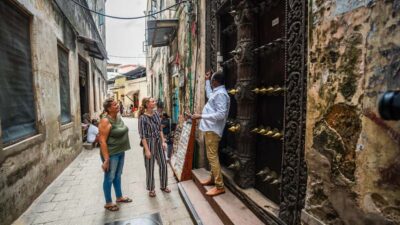
Stone Town Historical Cultural Walking Guided Tour
Read our review →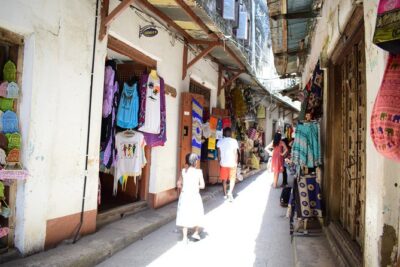
Browse the lists this tour appears in