
Reviewed · STONE TOWN TOURS
Zanzibar: Stone Town Historical Cultural Walking Guided Tour
Stone Town rewards slow walking. This tour makes the old city easier to read, guiding you through narrow lanes, historic houses, markets, and places of worship where Arabic, African, Indian, and European influences meet. I especially like the local guide’s personal view and the chance to see major sights such as the Old Fort, Palace Museum area, slave market, and Darajani Market. I also like the flexible morning or afternoon start. The main drawback is heat: much of the experience is outdoors, and the pace can feel warm and tiring in humid weather.
At about $21 per person, this is a strong-value introduction to Zanzibar’s old capital. Guides such as Ali, Diamond, Abdalla, Ammar, Haidara, and Naseer have been praised for clear English, patience, humor, and strong knowledge of the city. Still, the route can change with weather, construction, and the day’s conditions, so you should treat the listed stops as a useful plan rather than a fixed promise.
In This Review
- Key points to know before walking Stone Town
- Why Stone Town works best with a guide
- Starting with pickup and the ride into town
- Entering the old city through its narrow lanes
- Old Fort: a strong first landmark
- The slave market and Anglican Cathedral
- Freddie Mercury Museum and modern Zanzibar
- Darajani Market: the city at full volume
- What the cultural mix looks like on the ground
- Timing, heat, and the real pace of the tour
- What the $21 price really includes
- Who should book this Stone Town walk?
- Should you book it?
- FAQ
- How much does the Stone Town walking tour cost?
- How long does the tour last?
- Is hotel pickup included?
- Where do I meet the driver?
- Can I choose a morning or afternoon departure?
- Is the tour private?
- What language does the guide speak?
- Is entry to the slave market included?
- Are food and shopping included?
Key points to know before walking Stone Town
- The best orientation comes on foot: Narrow lanes, markets, doorways, and local neighborhoods are much easier to appreciate while walking than from a vehicle.
- The slave market visit is included: The entry ticket gives the tour a serious historical focus, not just a sightseeing circuit.
- You can choose morning or afternoon: This helps you fit Stone Town around beach time, meals, or other Zanzibar plans.
- The route joins famous sights with daily life: You see the Old Fort and Freddie Mercury Museum, but also markets, shops, side streets, and places used by local residents.
- Pickup depends on the option you book: Hotel pickup and return are available when selected, including transfers from outside Stone Town.
- Expect a flexible two to five hours: Some people finish in about two hours, while a fuller route may take longer.
Why Stone Town works best with a guide

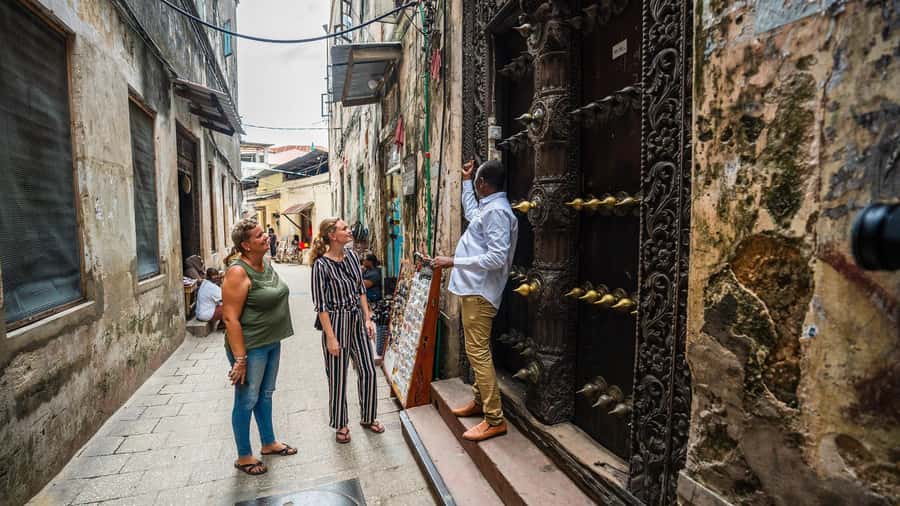
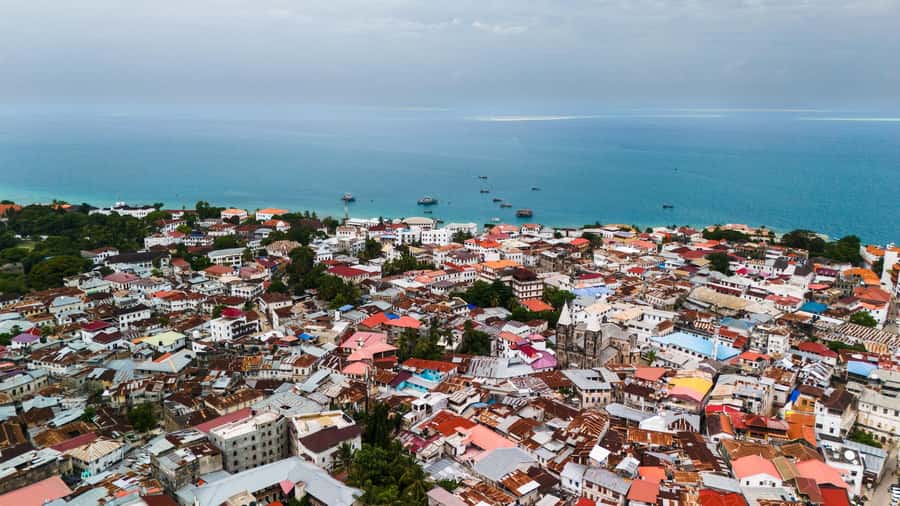
Stone Town is not a city you understand by ticking off buildings. Its narrow streets twist between old stone houses, religious buildings, small shops, markets, and courtyards. A guide gives those details meaning and helps you find your way without spending half your time checking a map.
The city was designated a UNESCO World Heritage Site in 2000. Its importance comes from the way several cultures shaped one compact urban center. Arabic and Swahili traditions are visible in the architecture and religious life. Indian influence appears in trade, shops, food, and ornate doors. European powers left their own political and architectural marks.
I like that this tour does not treat Stone Town as a collection of pretty facades. It also addresses trade routes, political change, and the painful history of slavery. That balance matters. You get the lively streets and market scenes, but you also learn why the town developed as it did and why some sites require a quiet, respectful visit.
The guides are a major part of the experience. Ali, also known as Diamond, is repeatedly praised for his easy conversation, strong English, humor, and historical explanations. Haidara has a particularly personal connection to the city, having been born and raised there, while Ammar and Naseer have been praised for patience and clear explanations.
More History Tours in Zanzibar
- Stone Town Historical Walking Tour
★ 5.0 · 143 reviews - Stone Town’s Hidden History: Private Guided Walking Tour
★ 4.6 · 94 reviews - Private Historic Stone Town Tour
★ 5.0 · 79 reviews
Starting with pickup and the ride into town
You can meet the guide in Stone Town, or select an option with hotel pickup. Pickup is available from hotels outside Stone Town, including resorts farther away such as Nungwi, but you need to choose the correct transfer option when booking.
If pickup is included, meet the driver at your hotel reception five minutes before departure. The vehicle carries the Beach & Safari Holidays logo, which helps you identify it. A driver handles the transfer into town and returns you to your hotel after the walking portion.
The stated itinerary includes about an hour in a van at the beginning and another hour at the end. That timing will depend on where you are staying. From a nearby Stone Town hotel, the transfer may be much shorter, while a beach resort farther away takes longer.
The transfer is useful if you are staying outside the old city, but it also affects the total length of your day. If your schedule is tight, check the starting time and expected return carefully. The walking tour itself can last around two hours for a quick introduction or up to four hours for a fuller visit.
Entering the old city through its narrow lanes

The heart of the experience is a walking circuit through Stone Town. You pass old stone houses, busy lanes, shops, mosques, churches, and temples. The close spacing of these buildings helps you see how different communities have shared the city over time.
This is where a local guide earns the fee. A guide can point out architectural details you might pass without noticing, explain how streets connect, and lead you through side lanes that are easy to miss. You also get a sense of how people use the old city today, rather than seeing it only as a museum district.
The pace is generally a casual stroll. That is a benefit in Zanzibar’s heat, and one visitor specifically appreciated the relaxed speed during hot weather. It also means the tour is not built around rushing from one photo stop to another.
You should wear comfortable walking shoes and bring water. The tour information does not promise air-conditioned stops or a fixed indoor schedule, so plan for sun, humidity, and occasional rain. The route may change because of weather or conditions at individual sites.
Old Fort: a strong first landmark
The Old Fort is one of the main stops and a natural anchor for the tour. You have time for photos and a guided visit, giving you a clear sense of Stone Town’s defensive and political past.
The fort also helps you understand the city’s layout. From here, the surrounding streets lead toward markets, waterfront areas, shops, and historic buildings. Your guide can connect the fort to the wider story of Zanzibar rather than presenting it as an isolated ruin.
Allow some patience at this stop. The appeal is not only the stone walls or the photo opportunity. It is the chance to ask how power shifted in Zanzibar and how the old city changed as different rulers and trading interests shaped it.
One useful point to keep in mind is that buildings can be under repair. Construction affected some of the most impressive sights for at least one tour participant, so access and views may not always match your expectations. The guide can usually adjust the route, but this is not a perfectly controlled museum visit.
More Walking Tours in Zanzibar
- Stone Town Private Walking Tour
★ 5.0 · 371 reviews - Zanzibar: 3 Hours Private Stone Town walking Tour with Guide
★ 4.6 · 301 reviews - Stonetown: Food Markets and Street Food Walking Tour
★ 4.7 · 151 reviews - Zanzibar Stone Town Walking Tour
★ 5.0 · 145 reviews
The slave market and Anglican Cathedral

The former slave market, now associated with the Anglican Cathedral, is the most emotionally serious part of the tour. An entry ticket is included, and the visit gives the history of slavery a physical setting rather than leaving it as a short paragraph in a guidebook.
You should take your time here. The site is not just another photo stop, and the experience can feel heavy. One visitor specifically advised allowing enough time for the slavery exhibition because it was worth every minute.
The tour places this history within Zanzibar’s wider connections to trade routes. That is important context, but the subject deserves care. You may hear about how people were captured, sold, and transported, along with the effects this trade had on the island and beyond.
This part of the walk may be less comfortable than the market or museum stops, but it is one of the reasons the tour has real value. You leave with a more honest understanding of Stone Town, not just memories of attractive doorways and colorful stalls.
Freddie Mercury Museum and modern Zanzibar
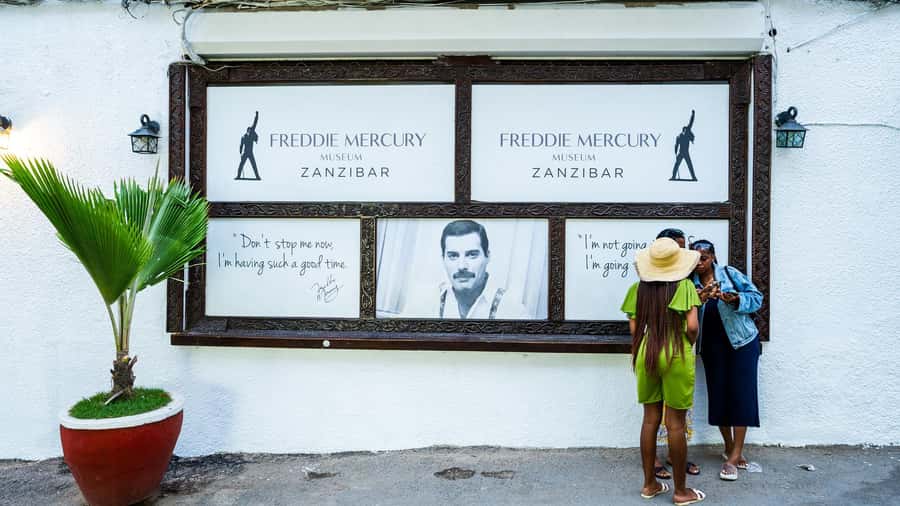
The Freddie Mercury Museum adds a more recent and personal layer to the day. The stop offers photos, a guided visit, and a change of tone after the older historical sites.
It also shows that Stone Town is not frozen in the past. The city continues to connect with international culture, music, migration, and modern identity. For many people, the museum becomes a highlight because it links Zanzibar to a famous global figure through a local setting.
The stop is relatively focused, so do not expect it to replace a full museum day. Instead, it works well as one part of a broader walk. Your guide can place Freddie Mercury’s story alongside the older cultural mix of the city.
If you have a strong interest in his life, you may want to ask how much time is available inside. The tour includes a guided visit, but the exact length can vary with the day’s route and timing.
Darajani Market: the city at full volume
Darajani Market is where the tour shifts from monuments to everyday commerce. You can walk through the market, stop for photos, hear local activity around you, and shop for souvenirs.
This is often one of the most useful stops for getting a feel for present-day Stone Town. Markets show what people buy, sell, cook, and carry. You may see produce, spices, drinks, and other goods, though the exact experience changes with the day.
One particularly memorable detail from the tour experience was a sugar cane drink. If your guide suggests trying one and you are comfortable with it, this can be a refreshing local taste during a hot walk. Food and personal expenses are not included, so carry money if you want to shop or buy drinks.
The market is also a good place to ask your guide about prices and souvenirs. Several people used the tour as a chance to buy gifts, and the guide can help you understand where to look. Keep your purchases practical, since you may still have more walking ahead.
What the cultural mix looks like on the ground

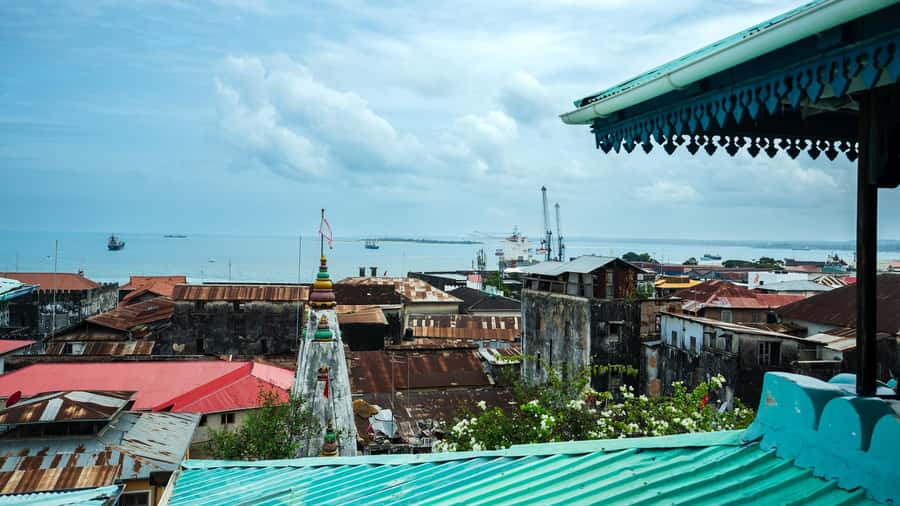
The phrase cultural crossroads can sound abstract until you see a mosque, church, and temple standing near one another. In Stone Town, the mix is visible in buildings, food, commerce, religion, language, and family connections.
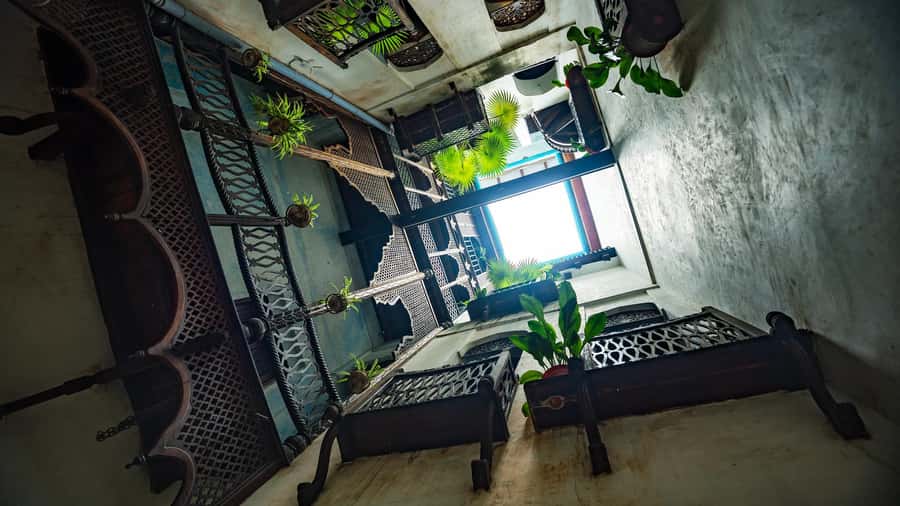
The old houses are especially important. Their stone construction and carved doors show the city’s links to the Indian Ocean trade world. Your guide may point out Arabic influences, Indian design elements, African traditions, and European changes in the same neighborhood.
This is also where the walking format beats a bus tour. From a vehicle, you see the broad outline. On foot, you notice the scale of the lanes, the worn surfaces, the shopfronts, the sounds, and the way residents move through the old city.
The tour is not designed as an academic lecture, and the amount of detail depends on your guide and your questions. If you want more about specific ruling powers or the role of different nations, ask directly. One visitor wanted more information on that topic, so it is worth making your interests clear at the beginning.
Timing, heat, and the real pace of the tour
The advertised duration is two to five hours. That range is wide because the tour can be a short overview or a longer route with more time at the main sites. Some people have completed the core walk in about two hours, while the fuller itinerary is described as roughly four hours.
You can choose a morning or afternoon departure. Morning is likely the easier choice if you want cooler conditions, though the exact weather is not guaranteed. Afternoon works well if you are staying at the beach in the morning or want to combine the tour with another activity.
Heat is the main practical concern. The walk is mostly outdoors, and Stone Town’s lanes do not turn the day into a cool indoor museum visit. Wear light clothing suitable for local religious and cultural settings, use sun protection, and bring water.
Rain can affect the route too. The tour can continue in some wet conditions, but stops and timing may change. One tour went ahead despite rain and was still considered worthwhile, though you should keep your plans flexible.
What the $21 price really includes
At $21 per person, the tour offers good value if you want a guided introduction rather than a self-guided stroll. The price includes the walking guide, the Old Slave Market entry ticket, and an experienced driver. Hotel pickup and drop-off are included only when you select the relevant option.
That matters because Stone Town’s best parts are spread across history, culture, and daily life. You are paying not just for transport, but for explanations that connect the Old Fort, slave market, Freddie Mercury Museum, Darajani Market, and side streets.
Food and personal purchases are not included. Budget extra for a sugar cane drink, market snacks, or souvenirs if those appeal to you.
A private group is available, which can improve the experience if you want to ask many questions or set a slower pace. If you prefer a quick orientation before exploring independently, the standard format may be enough.
Who should book this Stone Town walk?
I would choose this tour if you are visiting Stone Town for the first time, have limited time, or want a local guide to handle the route. It suits couples, families, solo visitors, and people staying at beach resorts who want a structured day in the old city.
It is also a good choice for anyone who wants more than photographs. The combination of architecture, markets, slavery history, religion, and modern culture gives you a useful first picture of Zanzibar.
You may want a different format if you prefer long, quiet museum visits or a tightly fixed itinerary. Construction, weather, and the day’s conditions can change the route. The guide’s style also matters, though the repeated praise for Ali, Diamond, Ammar, Haidara, Abdalla, and Naseer suggests that the company has several strong guides.
Should you book it?
Book this Stone Town tour if you want a well-priced first look at the city, especially with hotel pickup from outside Stone Town. The strongest parts are the walking route, the local explanations, the included slave market entry, and the mix of major sights with ordinary streets.
I would book a morning departure if heat worries you, allow extra time for the slave market, and tell your guide what interests you most. If you want a serious but approachable introduction to Stone Town, this is a sensible choice. If you already know the city well and want only specialist architecture or museum time, you may find the flexible overview too broad.
FAQ
How much does the Stone Town walking tour cost?
The tour costs $21 per person.
How long does the tour last?
The stated duration is two to five hours. Some tours take about two hours, while a fuller route can take longer.
Is hotel pickup included?
Hotel pickup and drop-off are included only if you select the option that includes transfer. Pickup is available from hotels outside Stone Town through the relevant transfer choice.
Where do I meet the driver?
If pickup is selected, meet the driver at your hotel reception. You should be ready five minutes before departure, and the vehicle can be identified by the Beach & Safari Holidays logo.
Can I choose a morning or afternoon departure?
Yes. Morning and afternoon departure options are available, with exact starting times depending on availability.
Is the tour private?
A private group option is available.
What language does the guide speak?
The live tour guide speaks English.
Is entry to the slave market included?
Yes. The slave market entry ticket is included in the tour.
Are food and shopping included?
No. Food, drinks, souvenirs, and other personal expenses are not included.
More Stone Town Walking Tours
- Zanzibar: Stone Town, Spice Tour, Prison Island with Lunch
★ 4.4 · 1,219 reviews - Zanzibar: Prison Island, Stone Town, & Spice Farm Tour
★ 4.5 · 579 reviews - Zanzibar: Stone Town, Spice tour & Prison Island with Lunch
★ 4.6 · 453 reviews - Full-Day Private Stone Town +Spice Farm and Prison Island Tour
★ 4.5 · 216 reviews
Just added in Zanzibar
- Best of Zanzibar: Spice Tour & Stone Town Visit★ 4.4 · 5 reviews
- THE GREEN TOUR: Jozani Forest & Mangrove Kayaking Experience★ 4.7 · 6 reviews
- Stone Town: Private Walking Tour in the Heart of Zanzibar.★ 5.0 · 1 review
- The rock restaurant and blue Lagoon★ 5.0 · 1 review
- Tea House, Zanzibar Coffee House, Spice Tour with Lunch★ 5.0 · 1 review
- Swimming with sea turtles in salaam cave★ 5.0 · 1 review
- Swim with Turtles at The Lagoons Zanzibar & Stone Town Tour★ 4.8 · 4 reviews
- Stonetown & Prison island Cultural Tour★ 5.0 · 2 reviews
Stone Town Tours, compared.

Stone Town, Spice Tour, Prison Island with Lunch
Read our review →

Stone Town, Spice tour & Prison Island with Lunch
Read our review →
3 Hours Private Stone Town walking Tour with Guide
Read our review →
Full-Day Private Stone Town +Spice Farm and Prison Island Tour
Read our review →
Browse the lists this tour appears in