
Reviewed · SPICE FARM TOURS
Zanzibar: Half-Day Spice Farm Tour,the flavours of Zanzibar
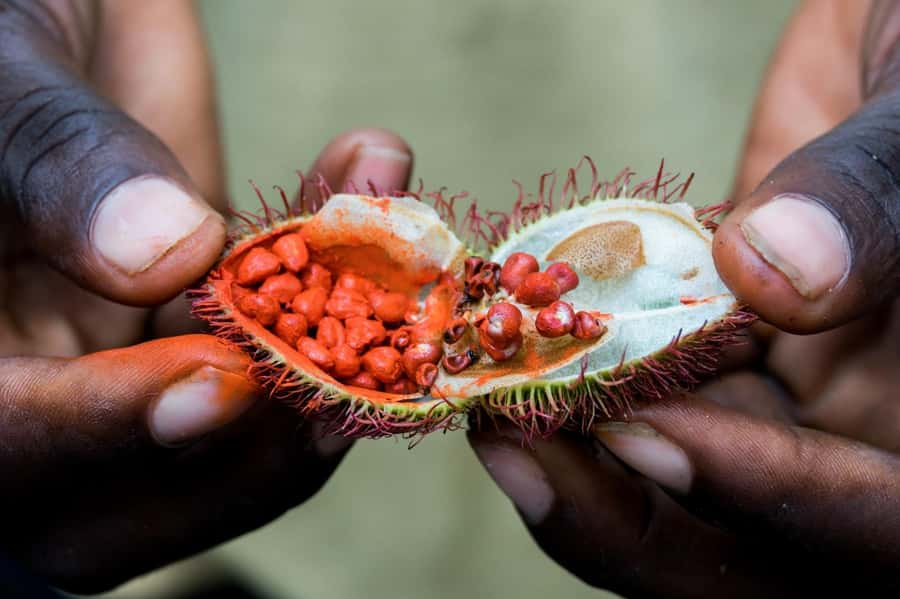
Spices grow on trees here. This private tour gives you a practical look at why Zanzibar is called Spice Island, with time to smell cinnamon, cloves, nutmeg, black pepper, and other plants in their fresh form. I like the hotel pickup and drop-off, and I also like the fruit tasting, especially the chance to try fresh jackfruit.
The main drawback is timing. The advertised activity lasts four hours, but the drive to and from the farm may take a large share of that time. I also think the $55 price deserves a careful look, since buying local products may be part of the visit and one past booking found the price much higher than arranging a similar outing locally.
In This Review
- Key points at a glance
- Why Zanzibar is called Spice Island
- The drive from your hotel to the farm
- Walking through the private spice farm
- Fresh smells, familiar spices, and new discoveries
- Jackfruit tasting and the farm’s playful side
- The shopping stops and how to handle them
- Is four hours enough for the experience?
- Who will enjoy this Zanzibar tour?
- What the $55 price really buys you
- Practical advice before you leave
- Should you book the Spice Farm Tour?
- FAQ
- Where does the Zanzibar Spice Farm Tour take place?
- How long does the tour last?
- Is hotel pickup included?
- What language is the tour conducted in?
- Is this a private tour?
- Are food and drinks included?
Key points at a glance

- Fresh spices on the plant: See and smell cloves, cinnamon, nutmeg, black pepper, and other crops before they reach a shop shelf.
- Jackfruit tasting: Try fresh jackfruit, a very large tropical fruit with a taste and texture many first-time visitors have not encountered.
- Private group format: You travel with your own group rather than joining a large shared party.
- Hotel-to-hotel transport: A driver collects you at your accommodation reception and returns you there afterward.
- A personal touch: The farm experience may include flower and leaf crowns, face painting, and fruit tasting.
- Check the time carefully: The stated four-hour duration may include transport, and the drive can be roughly an hour each way.
Why Zanzibar is called Spice Island
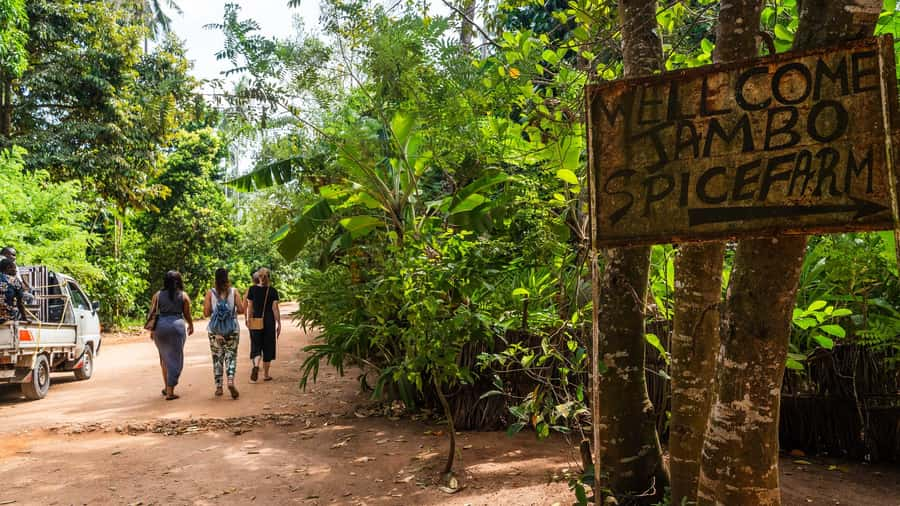
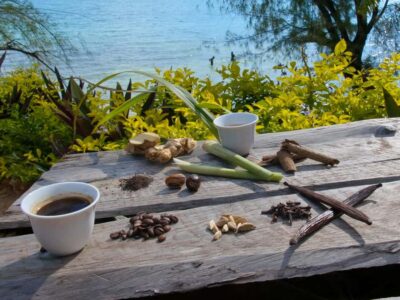
Zanzibar’s spice reputation is not just a souvenir-shop slogan. The island is known for crops such as cloves, cinnamon, nutmeg, and black pepper, and this tour lets you connect those familiar kitchen smells with living plants.
That connection is the real value. Most of us know cinnamon as a powder, cloves as small brown buds, and black pepper as tiny dried grains. At the farm, you learn what these products look and smell like before processing. You also learn what herbs and spices were originally used for, which gives the visit some useful context beyond simple plant identification.
I find farm visits most worthwhile when they answer ordinary questions. Where does the spice come from? What part of the plant is used? Why does the fresh plant smell different from the jar in your kitchen? This outing is designed around those questions.
The focus is not a grand museum or formal historic site. It is a guided walk through a working private spice farm, with sightseeing, plant explanations, and tasting. You should come expecting an outdoor educational visit, not a polished theme park.
More Spice Farm Tours in Zanzibar:
- Zanzibar: Stone Town, Spice Tour, Prison Island with Lunch
★ 4.4 · 1,219 reviews - Zanzibar: Prison Island, Stone Town, & Spice Farm Tour
★ 4.5 · 579 reviews - Zanzibar: Stone Town, Spice tour & Prison Island with Lunch
★ 4.6 · 453 reviews
The drive from your hotel to the farm
Pickup takes place at your hotel reception, and you are asked to be ready five minutes before departure. Look for the Beach & Safari Holidays logo on the safari vehicle. The driver handles the transport, and an English-speaking guide leads the farm visit.
The published route allows about an hour for the van ride to the farm and another hour for the return. That matters because the experience is sold as a four-hour half-day tour, while the detailed route also lists four hours at the farm. A previous booking found that the driving time was counted within the overall activity period, so I would confirm the exact schedule before paying.
The transfer can still be useful. You do not need to find the farm yourself, arrange a taxi, or negotiate a return ride after the visit. One guest particularly appreciated having a friendly driver and enjoying a good conversation between the hotel and the farm.
The quality of the day depends partly on the guide assigned to you. The tour is offered in English, and one past guide was still learning German while conducting the rest of the visit in English. If you need another language, do not assume it is available. English is the stated language.
Walking through the private spice farm
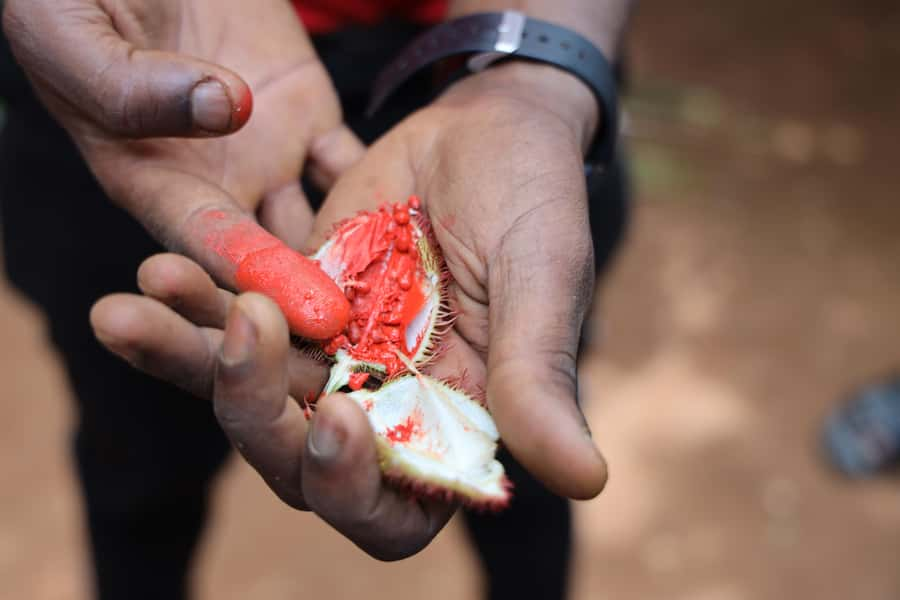
The farm visit is the heart of the outing. You walk with a guide through planted areas and stop to learn about fruits, herbs, and spices grown on the island.
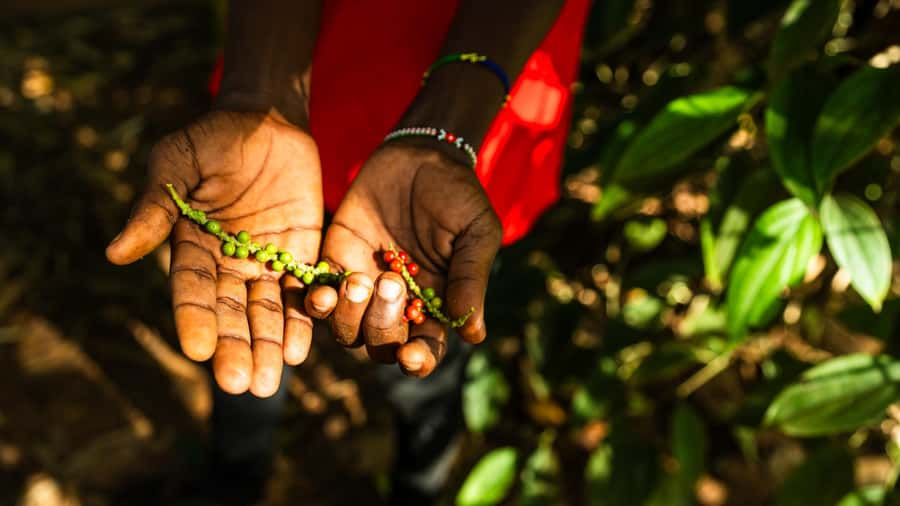
You should expect a hands-on sensory experience. Smelling a spice in fresh plant form is different from reading its name on a menu. The guide can point out the plants connected with cloves, nutmeg, cinnamon, black pepper, and more, then explain how they relate to the dried products you already know.
The tour’s strength is its simple focus. You are not rushed through a list of monuments. Instead, the subject stays close to the island itself: its crops, scents, and food. That makes it a good choice early in your Zanzibar stay, when you are still learning what makes Unguja different from a generic beach destination.
The farm is also a useful stop for families and curious food lovers. Children can connect a familiar spice with a real plant, while adults may enjoy seeing how much processing sits between a tropical crop and a supermarket container.
Still, keep your expectations sensible. The provided details do not promise a cooking class, a full meal, or a long agricultural lecture. Food and drinks are not included. You receive the farm admission and guiding, but you should budget separately for anything you eat or drink.
Fresh smells, familiar spices, and new discoveries
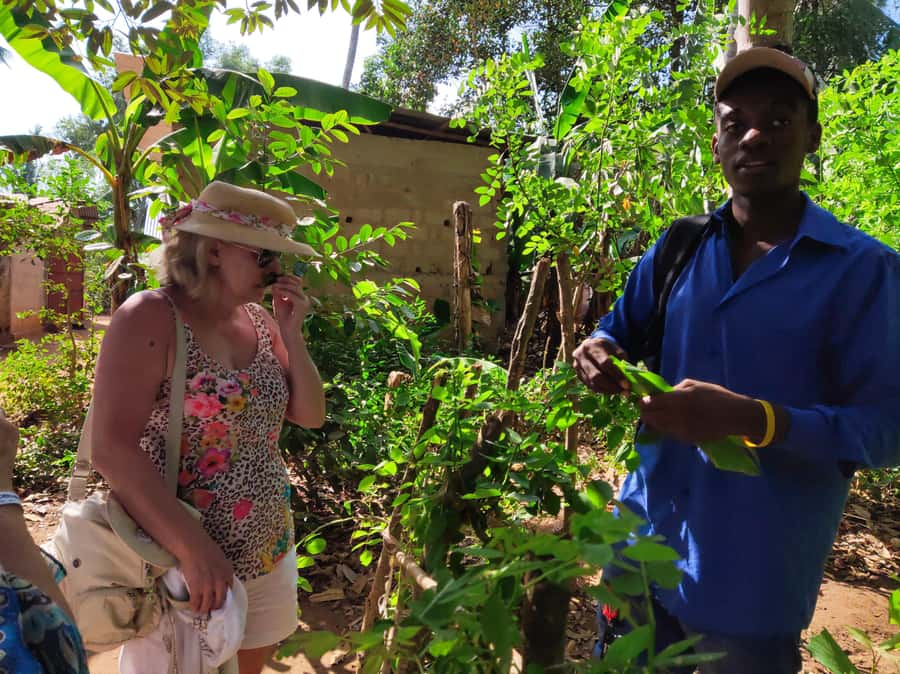
The most satisfying section should be the spice identification walk. You may recognize the scent of cinnamon quickly, while other plants can be less obvious in their fresh form.
Cloves are especially important to Zanzibar’s spice identity, and nutmeg, black pepper, and cinnamon help show the range of crops associated with the island. The guide explains what these herbs and spices were originally used for, so the tour links farming with everyday life and older practical uses.
I like this part because it makes the island easier to understand. After the tour, you may notice the difference between a spice’s scent, texture, and final dried form when you see it again in a market or restaurant.
The visit also gives you a reason to slow down. Zanzibar is often sold through beaches and water activities, but the spice farm offers a different side of the island. You are looking at plants, asking questions, and paying attention to smells that are easy to miss when you are simply passing through.
Do not expect every guide to deliver the same energy. One past booking described the guide as able to answer questions but not especially motivated. Another described a young guide as engaged and interesting. That difference suggests that the guide can shape the experience more than the farm itself.
A few more options to weigh up in Zanzibar
- Full-Day Private Stone Town +Spice Farm and Prison Island Tour
★ 4.5 · 216 reviews - Zanzibar: Stone Town & Spice Farm Tour with Lunch
★ 4.5 · 97 reviews - Zanzibar:Stone Town & Spice Farm Private Tour Lunch Included
★ 4.2 · 94 reviews - Zanzibar full day Jozani forest + Spice farm and stone town
★ 4.7 · 90 reviews
Jackfruit tasting and the farm’s playful side
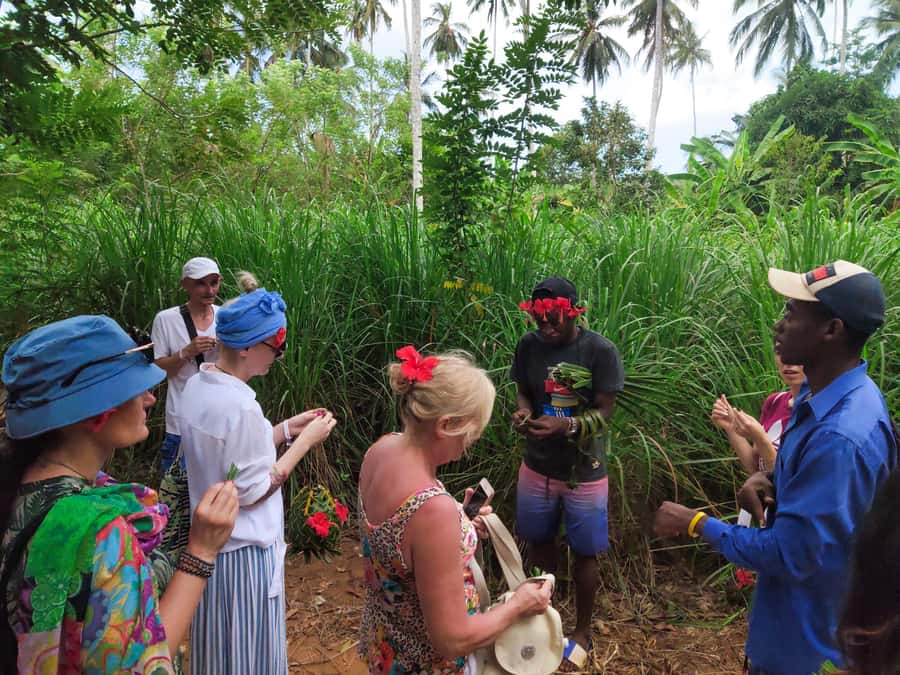
Fruit tasting adds variety to what could otherwise be a walking lesson. Fresh jackfruit is specifically included among the highlights, and it is worth trying if you have not eaten it before.
Jackfruit is often described as the largest fruit in the world. The important point for you is not the record itself, but the chance to taste it where it grows. A fresh tropical fruit can be more memorable than another explanation of a dried spice.
The tasting may include other fresh fruits as well. One particularly positive account described the fruit tasting as a genuine experience that led to new discoveries. That is a good reason to arrive with an open mind and try unfamiliar items rather than sticking only to the fruit you already recognize.
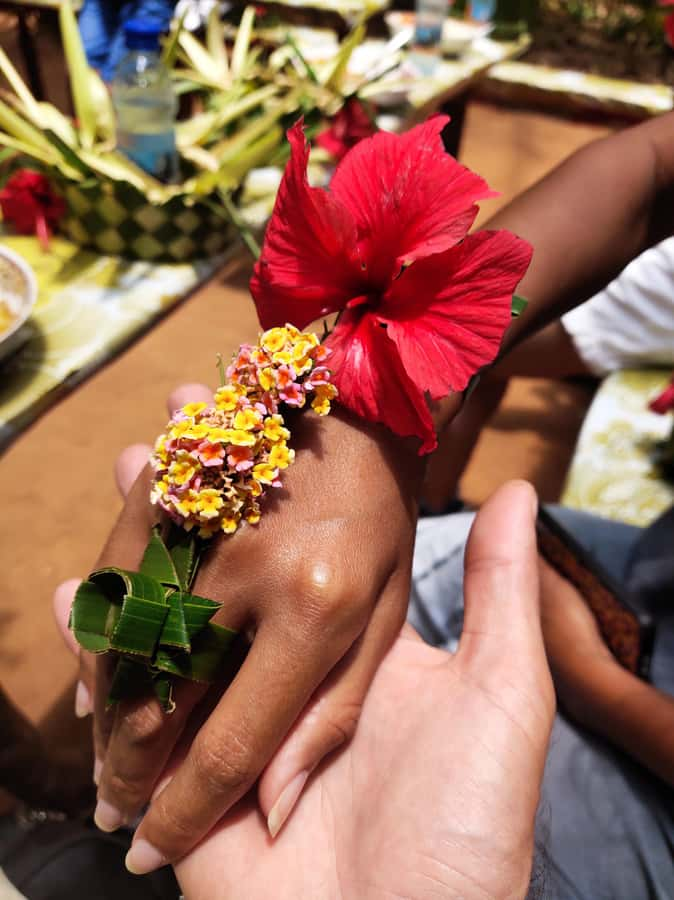
The farm may also add a light cultural and playful element. A past visit included flower and leaf crowns, along with face painting. That is not the main reason to book, but it can make the stop more enjoyable for children, couples, and anyone who likes a little ceremony in a photo.
Because these details may depend on the specific guide and farm routine, I would not treat crowns or face painting as guaranteed features. The reliable part is the farm tour, plant information, and jackfruit tasting.
The shopping stops and how to handle them
This is the area where I would pay closest attention. A past booking found several points where visitors were encouraged to buy local products. There was no claim that the purchases were compulsory, but the repeated sales requests created an uncomfortable surprise.
That is fairly common on organized farm visits, and it does not automatically make the tour a bad choice. Local spice products can be useful gifts, and you may genuinely want cinnamon, cloves, or other island products. The issue is knowing in advance that shopping may be part of the rhythm.
I suggest deciding before pickup how much, if anything, you want to spend. You can enjoy the explanations and tastings without feeling pressured to fill your suitcase. Ask your guide which products are part of the farm visit and which are optional purchases.
Price also matters here. At $55 per person, the tour includes private transport, an experienced driver, a tour guide, entry to the farm, and hotel return. That is a fairer deal if you value door-to-door service and a private group.
It is less attractive if you are comfortable arranging local transport and comparing prices in person. One past booking felt the organized price was more than twice what could have been paid per person through local guides. I cannot treat that as a universal rate, but it is a clear reminder to compare before booking.
Is four hours enough for the experience?

The answer depends on what the four hours includes. If you receive a full four hours at the farm, the half-day label makes sense and the visit should feel unhurried. If the transfer time is included, your actual time among the plants may be much shorter.
The detailed route lists a van ride of about one hour, a four-hour farm visit, and another one-hour van ride. At the same time, the activity is described as four hours, and a previous booking specifically warned that the travel time was included. That mismatch is the biggest practical weakness in the description.
You should ask the operator for three details before confirming:
- Is the four-hour duration total door-to-door time?
- How long will you spend inside the farm?
- Are the shopping stops part of the planned visit?
Those answers will help you judge the price. A private half-day outing with a long farm visit is one thing. A four-hour round trip with a brief stop is another.
The morning or afternoon departure also gives you some flexibility. A morning start may fit well before a beach afternoon, while an afternoon visit may work better if you prefer a slower hotel morning. Starting times depend on availability.
Who will enjoy this Zanzibar tour?
I would recommend this experience to you if you want a gentle introduction to Zanzibar’s food and agriculture. It suits first-time visitors, families, couples, and anyone who likes learning through smell and taste rather than only through sightseeing.
It is also a good fit if you value convenience. Hotel pickup and drop-off remove the work of finding the farm, and the private group format gives you more room to ask questions than a large shared bus normally allows.
The tour may be less suitable if you dislike sales stops, want a strictly timed four-hour experience, or are focused mainly on beaches and wildlife. It is also not the right choice if you expect lunch, drinks, or a cooking workshop, since those are not included.
Language is another practical point. The live guide is in English. If you are comfortable with English, that is straightforward. If you need a German-speaking guide or another language, request confirmation before booking rather than relying on an assumption.
What the $55 price really buys you
The $55 fee is not simply an entrance ticket. It covers a private outing with transport from your accommodation, an experienced driver, an English-speaking guide, and entry to the spice farm.
That package can be good value when you are staying far from the farm or want a simple, prearranged day. The return transfer is especially helpful because you do not need to find a taxi after walking around in the heat.
The value drops if you are traveling on a tight budget and can arrange transport locally. The past price comparison is worth taking seriously, even though local rates can vary by location, season, and service.
Food and drinks are extra, and tips are optional. I would bring some money only if you want refreshments or local products, not because buying is required by the information provided.
The free cancellation policy gives you a little protection: you can cancel up to 24 hours ahead for a full refund. You can also reserve and pay later, which is handy when your Zanzibar plans are still shifting.
Practical advice before you leave
Wear something comfortable for walking and choose clothing suitable for a farm visit. The supplied information does not specify a dress code, but you should be ready to spend time outdoors among plants.
Arrive at reception five minutes early. That small buffer matters when the vehicle is collecting people from hotels and the farm is a distance away.
Bring water money and a phone or camera if you want to record the plants, fruit, crowns, or face painting. Food and drinks are not included, so do not leave your hotel expecting a meal at the farm.
Most important, ask about the actual schedule. The duration information needs clarification, and this is the one detail that can change your view of the whole experience.
Should you book the Spice Farm Tour?
Book it if you want a private, easy way to understand Zanzibar’s spice culture, especially if fresh plants, unusual fruit, and a relaxed guided walk appeal to you. The strongest parts are the sensory stops, jackfruit tasting, hotel transport, and the chance to see familiar spices in a form you rarely encounter at home.
I would be more cautious if you are price-sensitive or dislike shopping pressure. Before booking, confirm how much time you will spend at the farm and ask how product purchases are handled.
For many visitors, this is a pleasant change from the beach and a useful way to connect Zanzibar’s crops with its kitchens and markets. Just make sure the four-hour promise matches the schedule you actually receive.
FAQ
Where does the Zanzibar Spice Farm Tour take place?
The tour takes place in Zanzibar’s Unguja South Region, at a private spice farm.
How long does the tour last?
The activity is advertised as four hours, with morning and afternoon starting times available. The detailed route also lists about one hour by van each way, so confirm whether the transport time is included in the four-hour total.
Is hotel pickup included?
Yes. Pickup and drop-off are included. You should meet the driver at your hotel reception five minutes before departure.
What language is the tour conducted in?
The live guided tour is conducted in English.
Is this a private tour?
Yes. The tour is offered for a private group.
Are food and drinks included?
No. Food and drinks are not included. Tips are optional.
Just added in Zanzibar
- Zanzibar:Ngoma local culture workshop,The Knowledge of Ngoma★ 5.0 · 1 review
- ZANZIBAR:Mnemba island, Spice farm and Jozani Forest★ 5.0 · 1 review
- Zanzibar Walking Tour: Unveiling the Secrets of Stonetown★ 4.8 · 11 reviews
- Zanzibar: Zipline Adventure At Masingini Forest★ 4.6 · 2 reviews
- Zanzibar: Walking Spice Farm with Local Cooking Class★ 4.4 · 9 reviews
- Zanzibar: Walking Tour★ 4.0 · 1 review
- Zanzibar: Uzi Island Mangrove Kayak Tour with Guide★ 5.0 · 1 review
- Zanzibar: Unique Guided Mangrove Tour by SUP or Kayak★ 5.0 · 1 review
Spice Farm Tours, compared.

Stone Town, Spice Tour, Prison Island with Lunch
Read our review →

Stone Town, Spice tour & Prison Island with Lunch
Read our review →
Full-Day Private Stone Town +Spice Farm and Prison Island Tour
Read our review →

The Swahili Spice Experience – Spice Tour + Culinary Journey
Read our review →Browse the lists this tour appears in