

Reviewed · SPICE FARM TOURS
Zanzibar: Spice Farm Guided Tour with Lunch
Follow the scent of Zanzibar. This three-hour visit to a spice farm gives you a close look at turmeric, cardamom, cinnamon, cloves, black pepper, and nutmeg, with an expert local guide explaining how these plants shaped the island’s trade. I especially like the hands-on tasting and smelling, plus the included spiced rice lunch with fruit. The main drawback is that the two-hour walk may not suit anyone with mobility limits.
I also like the private-group format, which should make it easier to ask questions and set a comfortable pace. The French-language guiding can be a real help, too: Bright received specific praise for speaking French very well. Just remember that hotel transport is not included, and you will need to arrange your own way to the farm.
In This Review
- Key points at a glance
- Why Zanzibar is called the Spice Island
- Starting with a two-hour farm walk
- Turmeric, cardamom, cinnamon, and other scents
- The local guide makes the difference
- Spiced rice and fruit after the walk
- Shopping for spices at the farm
- Is $40 per person good value?
- Who should book this spice farm experience?
- Practical advice before you go
- Should you book the Zanzibar spice farm tour?
- FAQ
- How long does the Zanzibar spice farm tour last?
- What spices will I see and taste?
- Is lunch included?
- Is hotel transportation included?
- What languages are available?
- Is the tour suitable for people with mobility impairments?
Key points at a glance

- A two-hour walk through tropical plants: You will see and smell common Zanzibar spices in the setting where they grow.
- Spices you can taste: Turmeric, cardamom, cinnamon, black pepper, cloves, and nutmeg are all part of the visit.
- A local guide adds context: The tour connects the plants to Zanzibar’s long-running spice trade.
- Lunch is part of the price: Expect spiced rice with fruit after the walk.
- Private groups and five guide languages: English, German, Italian, Polish, and French are available.
- Good value at $40 per person: The price includes guiding, tastings, lunch, and time to shop for spices, but not hotel transfers.
Why Zanzibar is called the Spice Island

Zanzibar’s spice reputation is not just a slogan for souvenir shops. Spices are part of the island’s identity, food, farming, and trade. On this visit, you get to see the plants instead of only seeing dried packets in a market.
That difference matters. A cinnamon stick on a kitchen shelf tells you very little about the tree it comes from. At the farm, your guide can connect the finished spice with its living plant and explain how it is used. You will also have the chance to smell and taste several products, which makes the visit more memorable than a standard sightseeing stop.
The tour also gives a short introduction to the history of the spice trade in Zanzibar. The supplied details do not give a full historical timeline, so you should not expect a museum-style lecture. Instead, the history appears to be part of the walking commentary, tied to what you are seeing around you.
That approach suits the setting. You are not sitting indoors looking at old displays. You are walking among tropical plants and learning as you go.
More Spice Farm Tours in Zanzibar:
- Zanzibar: Stone Town, Spice Tour, Prison Island with Lunch
★ 4.4 · 1,219 reviews - Zanzibar: Prison Island, Stone Town, & Spice Farm Tour
★ 4.5 · 579 reviews - Zanzibar: Stone Town, Spice tour & Prison Island with Lunch
★ 4.6 · 453 reviews
Starting with a two-hour farm walk
The main part of the experience lasts about two hours. That is long enough to cover a good range of plants, but not so long that the tour becomes an all-day commitment. The total activity lasts three hours, leaving time for lunch, fruit, and spice shopping.
Wear light clothing and comfortable walking shoes. A hat, sunscreen, and water bottle are sensible choices because the information specifically warns you to protect yourself from the sun and stay hydrated. The farm is described as a rainforest-style natural setting, with tropical trees, plants, and spices, so practical clothing is more useful than anything stylish.
Your guide leads the walk and points out the plants as you go. You may see parts of the farm that look ordinary at first, then learn that they provide an ingredient familiar from your kitchen. This is one of the pleasures of the visit: everyday spices become easier to understand when you see their source.
You are asked not to touch the plants. That rule is worth taking seriously. It protects the crops and keeps the visit respectful, especially when you are walking through a working farm rather than a decorative garden.
Because the group is private, you should have more freedom to ask questions than you would in a large group. The exact pace still depends on the guide and your party, but a private format is useful if you want to focus on cooking, farming, plant identification, or local trade.
Turmeric, cardamom, cinnamon, and other scents

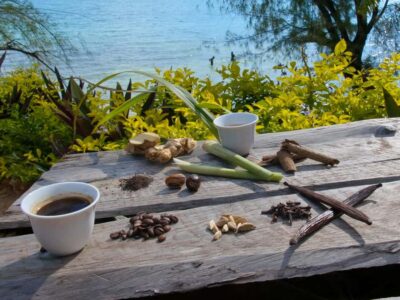
The spice selection is one of the strongest parts of the visit. You will be introduced to turmeric, cardamom, cinnamon, black pepper, cloves, and nutmeg. Each has a different smell and use, so the tasting section gives the walk plenty of variety.
Turmeric is familiar in powdered form, but seeing the plant helps explain why it has such a strong color and earthy scent. Cardamom offers a very different fragrance, while cinnamon gives you a chance to compare the farm-grown product with the sticks or powder you may use at home.
Black pepper is especially useful to see as a plant because many people know it only as a shaker on the dining table. Cloves and nutmeg add still more contrast. The guide’s job is not simply to name them, but to help you connect scent, appearance, and use.
The tasting is not a full meal during the walk. It is a series of small chances to sample or smell different spices. Keep your expectations in check: the value is in comparing them and learning how they fit into Zanzibar’s food culture, not in receiving a large tasting menu.
A camera is recommended, and the tropical setting should give you plenty to photograph. Still, take pictures without handling the plants. The best approach is to let the guide identify what you are seeing before you move closer or raise your camera.
The local guide makes the difference

A farm visit can be either fascinating or fairly ordinary, depending on the explanations. Here, the experience is built around a live local guide, with English, German, Italian, Polish, and French available.
Bright, the French-speaking guide, received particular praise for communicating very well in French. If you are booking in French, asking for that language may be worthwhile. The available guide language should be confirmed at booking because the activity offers several options, but not every guide will necessarily speak every language.
I like that this is not presented as a self-guided walk. Plants can be difficult to identify, and the trade story would lose much of its meaning without a person connecting the farm to Zanzibar’s past and present.
You should also use the private-group setting to ask direct questions. Ask about how the spices are used in local cooking, what grows during different seasons, or how the products reach the market. The supplied details do not promise a set question-and-answer session, but a private format is well suited to conversation.
One verified booking gave the French-language guiding a five-star assessment, along with strong praise for the lunch. Another rating gave the tour four stars and found the spice walk interesting without being too long. That combination tells me the timing is a real strength: you get the subject without giving up half your day.
A few more options to weigh up in Zanzibar
- Zanzibar: Prison Island and Nakupenda Boat Trip with Lunch
★ 4.1 · 882 reviews - Mnemba Island: Dolphin Swim & Snorkeling with Optional Lunch
★ 4.3 · 591 reviews - Zanzibar: Prison Island & Nakupenda Boat Tour with BBQ Lunch
★ 4.4 · 554 reviews - Zanzibar: Safari Blue Lagoon Trip with Snorkeling and Lunch
★ 4.5 · 336 reviews
Spiced rice and fruit after the walk

The included lunch is spiced rice with fruit, described as typical Zanzibar cooking. This is more than a convenient snack. It lets you taste the kind of flavors the farm visit has been explaining.
Do not expect a long restaurant meal with a wide choice of dishes. The information only promises spiced rice and fruit, so anyone with strict dietary needs should ask for details before booking. Still, having lunch included makes the $40 price easier to judge, especially when you add the guide, tastings, and private-group structure.
The meal also gives the walking portion a natural finish. You begin with plants and scents, learn about their uses, then sit down to eat a spice-centered dish. The connection between the farm and the plate is simple, but it is exactly what makes the activity feel worthwhile.
One visitor specifically praised the lunch as typical of Zanzibar cuisine. That is the sort of detail I value more than a polished presentation. You are getting a local food component rather than only a talk about spices.
Fruit is included as well, which provides a lighter finish after the seasoned rice. No specific fruits are listed, so the selection may vary.
Shopping for spices at the farm
At the end, you have the opportunity to shop for spices at the farm. This can be useful if you want to take home products tied directly to the visit, rather than buying anonymous packets later.
Treat shopping as optional, not as the reason to book. The tour’s strongest value comes from the walk, guiding, tasting, and lunch. You should also budget separately for purchases because personal expenses are not included in the $40 price.
Ask about the products before buying. You may want to know how they should be stored, how long they keep, and how best to use them in cooking. The details provided do not specify product sizes, prices, packaging, or payment methods, so you should not assume that every spice or souvenir will be available on every visit.
The farm shop can still make the day feel complete. You learn about the spice, smell it in its growing environment, taste it in a local meal, then have the option to bring some home.
Is $40 per person good value?
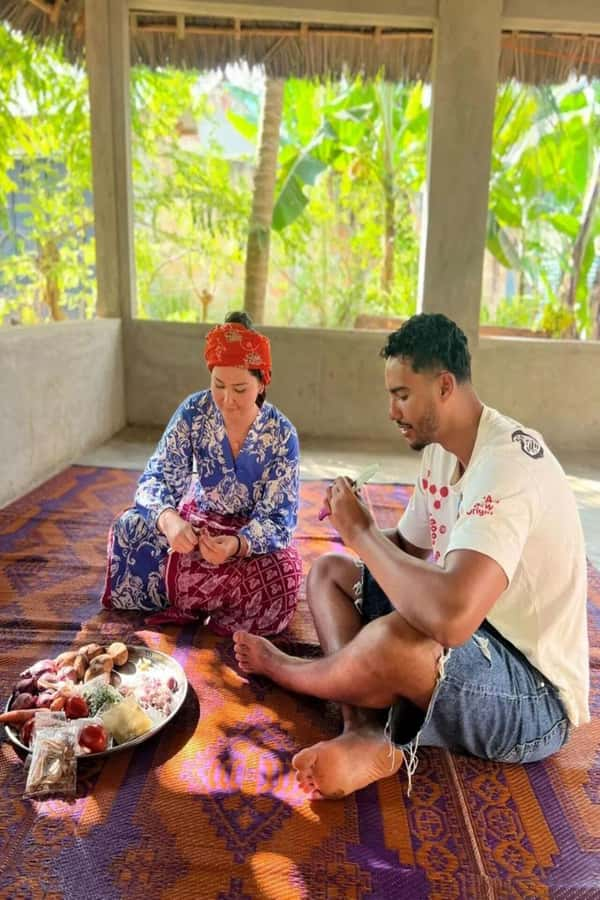
At $40 per person, this is a fair price if you want a guided cultural activity rather than only a quick farm photo stop. The fee includes a two-hour guided walk, a local guide, spice tastings, spiced rice with fruit, and the chance to shop.
The price looks stronger because the group is private. A private booking can cost more than a basic shared tour, but it may provide a calmer pace and better access to the guide. If you are traveling as a small party, the ability to focus on your own interests adds practical value.
The missing hotel pickup and drop-off are the main cost consideration. You will need to arrange transportation to and from the farm, and that expense is separate. If you are comparing this with a tour that includes transfers, compare the total day cost rather than the advertised tour price alone.
The three-hour duration also helps. You can fit the activity into a busy Zanzibar schedule without surrendering a whole day. The walking portion is substantial enough to feel like the main event, while lunch and shopping round it out.
Who should book this spice farm experience?

I would recommend it to anyone who enjoys food, plants, local trade, or short cultural outings. It is particularly well suited to people who want something different from beaches and old-town sightseeing.
Families with older children may also find the tasting element engaging, though the tour requires walking and the rules prohibit touching plants. People who enjoy photography should bring a camera, but they need to respect the farm and avoid damaging crops.
The activity is not suitable for pregnant women or people with mobility impairments. The booking information also labels it wheelchair accessible, which does not fully match the warning about mobility limitations. If accessibility matters to you, contact the provider before paying and ask exactly what surfaces, walking distance, and seating arrangements are involved.
The language choice makes it useful for international groups. French speakers in particular may want to request a French-speaking guide, given the positive experience with Bright.
Practical advice before you go

Plan for heat, walking, and outdoor conditions. Comfortable shoes, light clothing, a hat, sunscreen, and water are the right basics. You do not need to dress for a formal meal.
Keep your hands off the plants, even when something looks interesting or familiar. Let the guide show you what is safe to smell or taste. This protects the farm and avoids confusion about which parts of a plant are suitable for sampling.
Bring room in your luggage if you expect to shop. Since the farm offers spice purchases but does not include them in the tour cost, decide in advance how much you want to spend.
The activity offers free cancellation up to 24 hours before the start time, and you can reserve now and pay later. Those terms are useful if your Zanzibar plans may shift, but check the exact starting time when you select your date because several departure times may be available.
Should you book the Zanzibar spice farm tour?
Book it if you want a short, food-focused cultural experience with a private guide, real spice tastings, and a local lunch. The two-hour walk is long enough to be worthwhile but short enough to fit neatly into a larger itinerary.
Skip it if you dislike walking outdoors, cannot manage farm paths, or are mainly looking for a major historical site. This is a sensory farm visit, not a large museum or full-day excursion.
For most visitors who want to understand why Zanzibar is called the Spice Island, the $40 price is reasonable. Just add your own transport costs, wear proper shoes, and confirm accessibility or dietary questions before booking.
FAQ
How long does the Zanzibar spice farm tour last?
The activity lasts three hours in total, including a two-hour guided walking tour, lunch, and time for spice shopping.
What spices will I see and taste?
The tour includes turmeric, cardamom, cinnamon, black pepper, cloves, and nutmeg. You will have opportunities to smell and taste different spices grown on Zanzibar.
Is lunch included?
Yes. The tour includes spiced rice with fruit. The meal is described as typical of Zanzibar cuisine.
Is hotel transportation included?
No. Hotel pickup and drop-off are not included, so you must arrange transportation separately.
What languages are available?
Live guiding is available in English, German, Italian, Polish, and French. A French-speaking guide named Bright has been specifically praised for communicating very well in French.
Is the tour suitable for people with mobility impairments?
The activity information says it is not suitable for people with mobility impairments or pregnant women. It also lists wheelchair accessibility, so anyone with access needs should confirm the exact conditions with the provider before booking.
More Farms in Zanzibar
- Full-Day Private Stone Town +Spice Farm and Prison Island Tour
★ 4.5 · 216 reviews - Zanzibar: Stone Town & Spice Farm Tour with Lunch
★ 4.5 · 97 reviews - Zanzibar:Stone Town & Spice Farm Private Tour Lunch Included
★ 4.2 · 94 reviews - Zanzibar full day Jozani forest + Spice farm and stone town
★ 4.7 · 90 reviews
Just added in Zanzibar
- Zanzibar:Ngoma local culture workshop,The Knowledge of Ngoma★ 5.0 · 1 review
- ZANZIBAR:Mnemba island, Spice farm and Jozani Forest★ 5.0 · 1 review
- Zanzibar: Zipline Adventure At Masingini Forest★ 4.6 · 2 reviews
- Zanzibar Walking Tour: Unveiling the Secrets of Stonetown★ 4.8 · 11 reviews
- Zanzibar: Walking Spice Farm with Local Cooking Class★ 4.4 · 9 reviews
- Zanzibar: Walking Tour★ 4.0 · 1 review
- Zanzibar: Uzi Island Mangrove Kayak Tour with Guide★ 5.0 · 1 review
- Zanzibar: Unique Guided Mangrove Tour by SUP or Kayak★ 5.0 · 1 review
Spice Farm Tours, compared.

Stone Town, Spice Tour, Prison Island with Lunch
Read our review →

Stone Town, Spice tour & Prison Island with Lunch
Read our review →
Full-Day Private Stone Town +Spice Farm and Prison Island Tour
Read our review →

The Swahili Spice Experience – Spice Tour + Culinary Journey
Read our review →Browse the lists this tour appears in