
Reviewed · STONE TOWN TOURS
Zanzibar: Spice Farm & Stone Town Tour with Lunch
The Spice Island earns its name. This 7-hour trip pairs Zanzibar’s fragrant farm gardens with Stone Town’s old lanes, markets, forts, and layered past. I like the way it combines two very different sides of Unguja in one day, and I especially like that lunch and hotel transport are included. The main caution is timing: long van rides can take up much of the day, and pickup arrangements need careful checking.
The strongest part is the human touch. Guides such as Samir, praised for his humor, German skills, and strong knowledge of local history, can make Stone Town far more meaningful than a quick photo stop. At the farm, expect a hands-on visit with tastes, smells, tropical fruit, a traditional meal, and even playful touches such as leaf-and-flower crowns.
In This Review
- Key points to know before booking
- Why this Zanzibar pairing works
- The road from the beach to the farm
- Inside the private spice farm
- Lunch among the spice plants
- Stone Town through markets and old lanes
- What makes the guide important
- Timing, transport, and comfort
- The drawbacks to weigh honestly
- Who will get the most from this day
- Should you book the Spice Farm and Stone Town Tour?
- FAQ
- How long does the Zanzibar spice farm and Stone Town tour last?
- What is included in the price?
- Which places offer hotel pickup?
- What spices can you see at the farm?
- How long is the spice farm visit?
- How long is the Stone Town visit?
- Is lunch included?
- Is the former slave market ticket included?
- Is the tour private or shared?
- What language is the tour offered in?
- Can you cancel the tour?
- What is not allowed on the tour?
Key points to know before booking
- Two major Zanzibar experiences in one day: You visit a working spice farm and explore Stone Town’s old streets, markets, and historic buildings.
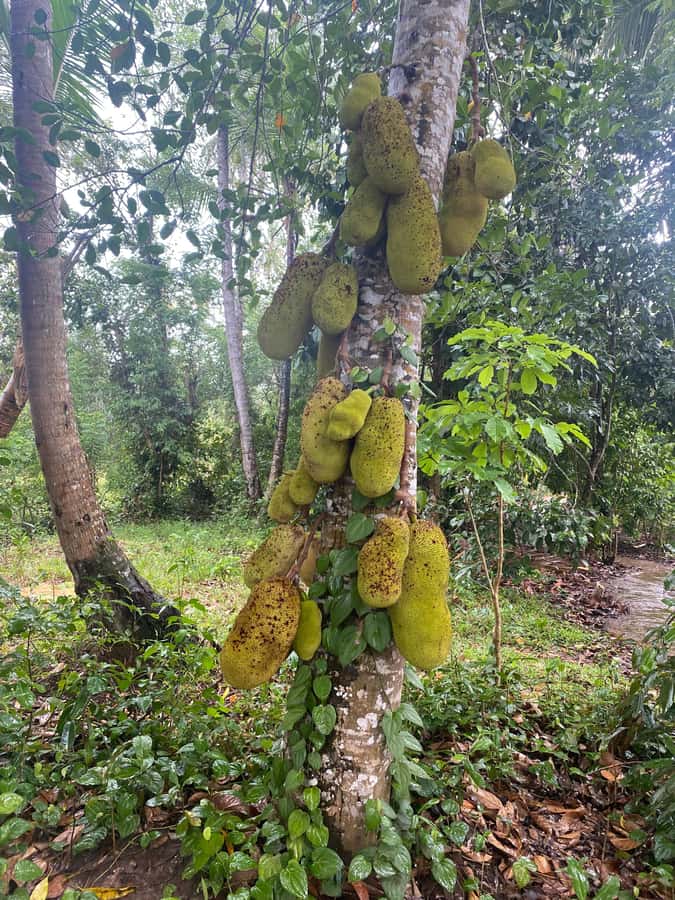
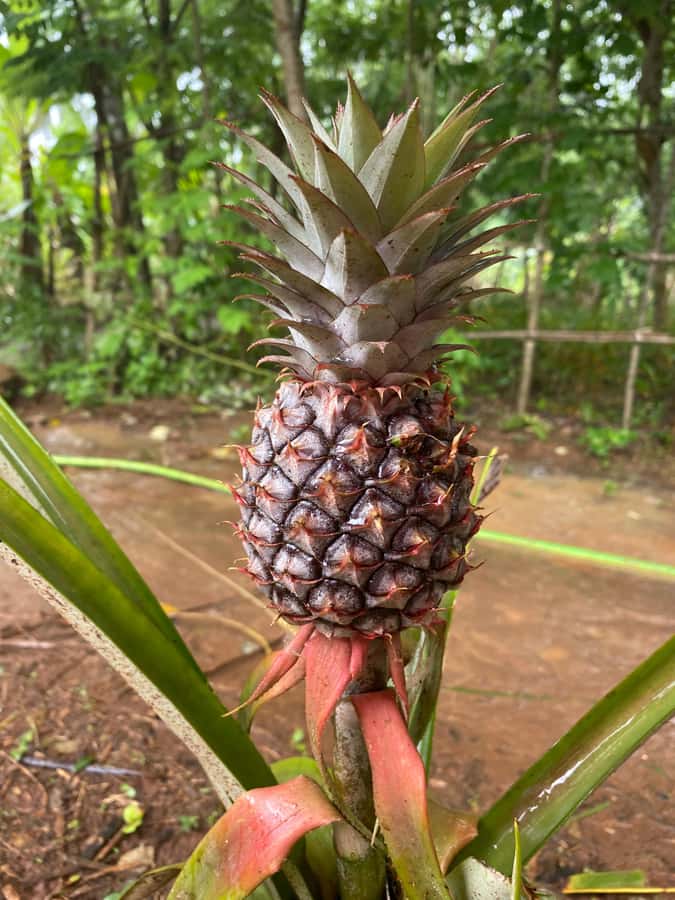
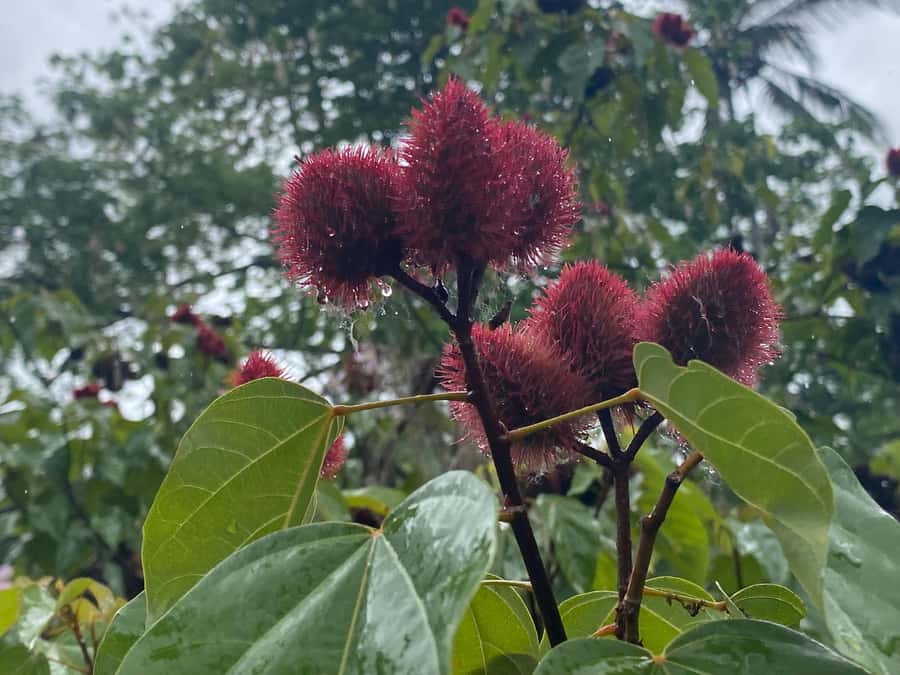
- A sensory farm visit: Turmeric, cardamom, cinnamon, black pepper, cloves, nutmeg, fruits, and other plants are introduced through sight, smell, and taste.
- About four hours of guided walking: The farm takes roughly two hours, followed by about two hours in Stone Town.
- Lunch is served at the spice farm: The setting and meal are part of the experience, though the food may be simple and seating can be on the floor.
- Hotel pickup covers many beach areas: Pickup and drop-off are offered from places including Nungwi, Kendwa, Paje, Kiwengwa, Matemwe, Uroa, Pwani Mchangani, and Kizimkazi Mtendeni.
- Allow for a long day on the road: The listed transfers total about two hours and 45 minutes, before adding the tour stops.
Why this Zanzibar pairing works
Zanzibar is easiest to understand when you connect its countryside with its oldest city. The spice farm shows the island through plants, farming, food, and scent. Stone Town shows it through trade, religion, architecture, markets, and difficult chapters of history.
I like this pairing because neither stop has to carry the whole day. A farm visit alone can feel short, while a Stone Town walk in the heat can become tiring. Together, they create a fuller picture of Zanzibar, with lunch as a useful break between them.
The price is $50 per person. For that amount, you receive hotel pickup and drop-off, a guide, spice farm admission, and lunch. That is good value if you are staying outside Stone Town and would otherwise need to arrange transport to both places. The value is less clear if you already have a car and only want a brief city walk.
This is listed as a private or small-group activity. That matters at the spice farm, where a smaller group should make it easier to ask questions and follow explanations. It also helps in Stone Town’s narrow streets, where a guide can keep the walk moving without turning it into a large procession.
More Stone Town walking tours:
- Zanzibar: Stone Town, Spice Tour, Prison Island with Lunch
★ 4.4 · 1,219 reviews - Zanzibar: Prison Island, Stone Town, & Spice Farm Tour
★ 4.5 · 579 reviews - Zanzibar: Stone Town, Spice tour & Prison Island with Lunch
★ 4.6 · 453 reviews
The road from the beach to the farm
The day begins with pickup from one of several resort areas. The listed drive to the spice farm takes about 75 minutes, so you should think of this as a full-day outing, not a quick morning excursion.
Pickup details deserve attention. The driver identifies you through your room number, but one pickup problem caused a serious delay when the hotel was outside the stated pickup zone. The group walked about 20 minutes to a restaurant as arranged, yet the driver waited at the hotel. The lesson is simple: confirm the exact meeting point before departure, especially if your accommodation is not directly in one of the named areas.
The long transfer is not necessarily a flaw. It gives you access to a farm visit from beach resorts across Unguja. Still, you will want water, sun protection, and comfortable shoes. The day includes roughly four hours of walking and time outdoors.
Inside the private spice farm
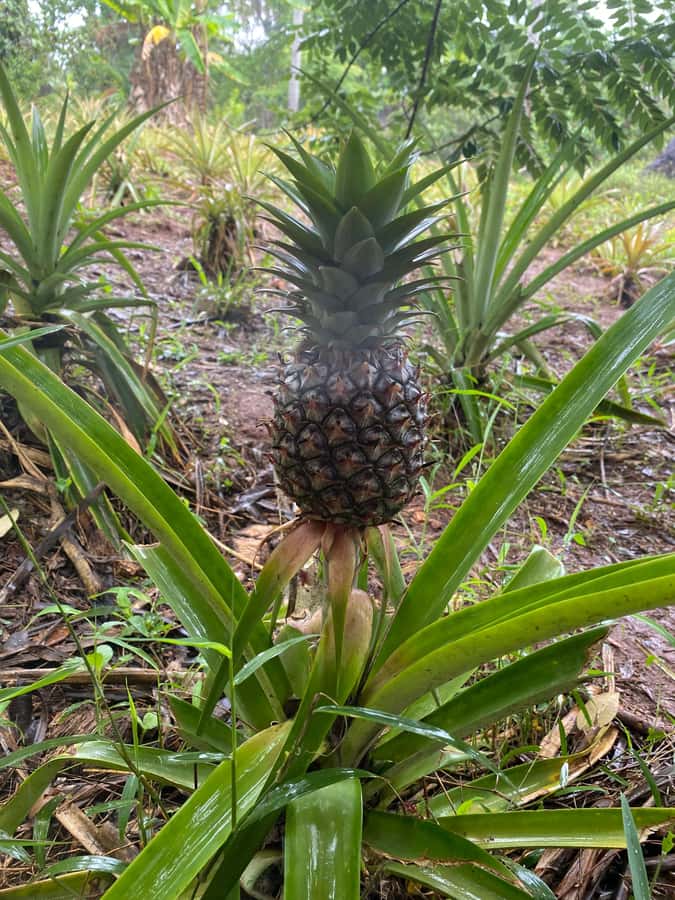
The farm visit lasts about two hours and is the most sensory part of the day. Instead of viewing spices as jars in a shop, you see the plants and learn how familiar kitchen ingredients grow.
The tour features turmeric, cardamom, cinnamon, black pepper, cloves, and nutmeg. The guide introduces the plants and lets you smell or taste different spices. That direct contact gives the visit its value. Cinnamon is no longer just a brown stick in a supermarket, and black pepper becomes a plant rather than a shaker on a dining table.
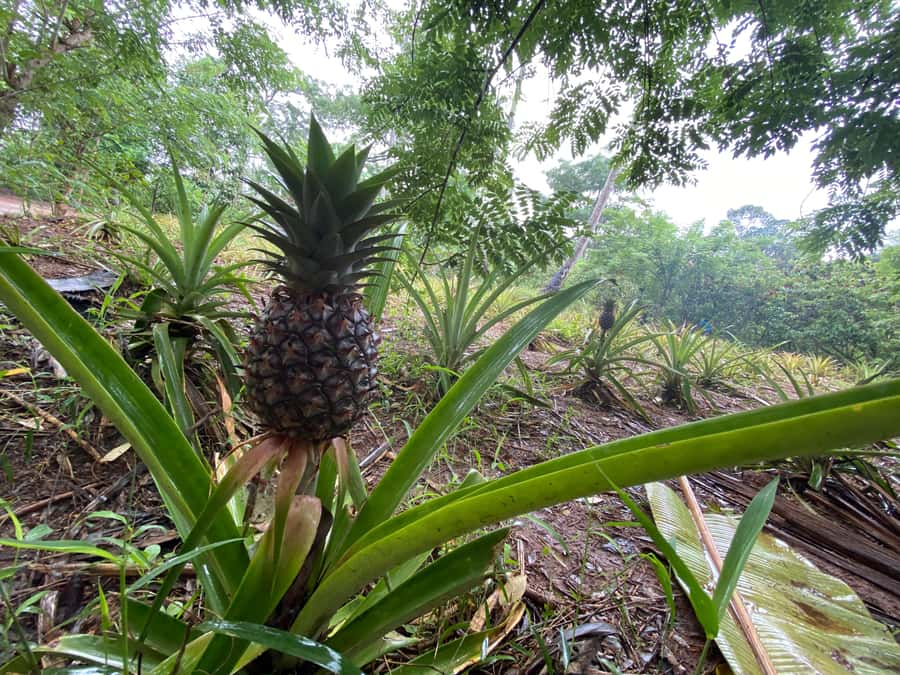
Tropical fruits are also part of the farm stop. The exact selection can vary, but the experience includes tasting fruit as well as spices. This keeps the visit from feeling like a single-subject garden tour.
You might also see plenty of tropical trees and plants in a rainforest-like setting. The information provided does not promise a formal agricultural lecture, so I would expect a friendly, practical introduction rather than a highly technical farming lesson. Your guide’s skill will shape how much you learn.
Several small details add charm. The farm experience can include crowns made from flowers and leaves, followed by singing together. That will not suit everyone, especially if you prefer a quiet, strictly educational tour, but it gives the visit a relaxed local character.
Shopping is part of the farm stop. Take your time before buying souvenirs. Prices may begin higher than expected, so ask the cost clearly and compare items before handing over money. The farm is a pleasant place to buy spices, but it is not a reason to stop thinking like a careful shopper.
Lunch among the spice plants
Lunch is included and served at the spice farm. This is a practical advantage, since the farm and Stone Town portions leave little time for finding your own restaurant.
The meal is described as traditional and was praised as delicious in one detailed account. At the same time, another person found the lunch fairly basic and ate it on the floor. Both descriptions can be true: the food may be enjoyable while the setting remains simple.
You should approach lunch as part of a local farm visit, not as a polished restaurant meal. Floor seating can be uncomfortable if you have mobility concerns, and the provided information does not describe seating arrangements in detail. If a formal dining room matters to you, this is worth keeping in mind before booking.
The meal also creates a natural pause after the farm walk. You can eat, cool down, and prepare for the city portion rather than rushing directly from plants to busy streets.
More Spice Farm Tours in Tanzania:
- Full-Day Private Stone Town +Spice Farm and Prison Island Tour
★ 4.5 · 216 reviews - Spice Tour + Stone Town Tour + Prison Island
★ 4.5 · 130 reviews - Zanzibar: Spice Tour & Stone Town Walking Tour
★ 4.8 · 115 reviews - Zanzibar: Stone Town & Spice Farm Tour with Lunch
★ 4.5 · 97 reviews
Stone Town through markets and old lanes
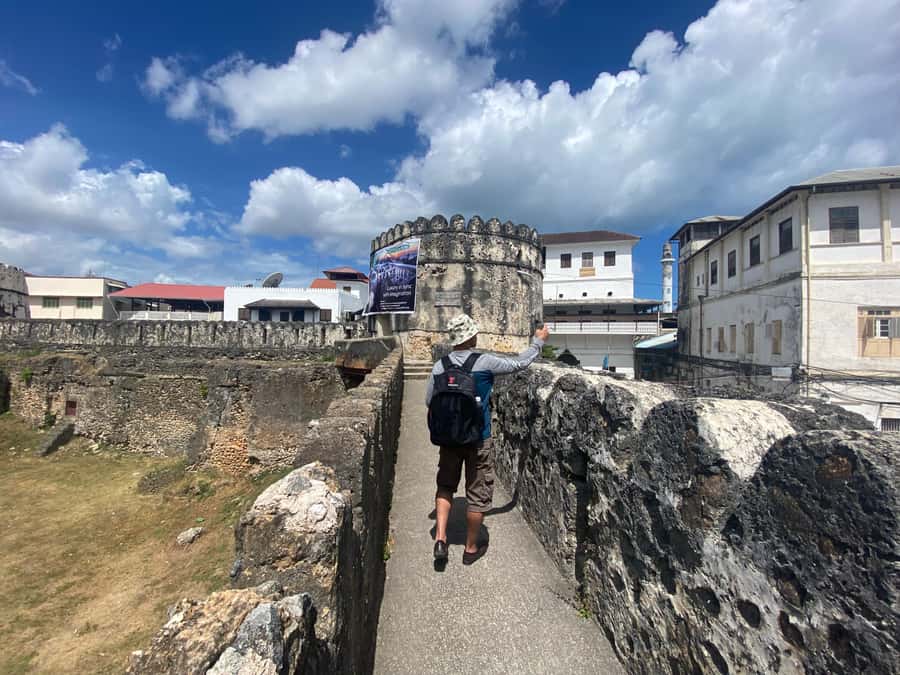
After the farm, the van ride to Stone Town takes about 15 minutes. The city walk lasts roughly two hours and covers several of the places that give Zanzibar its distinctive character.
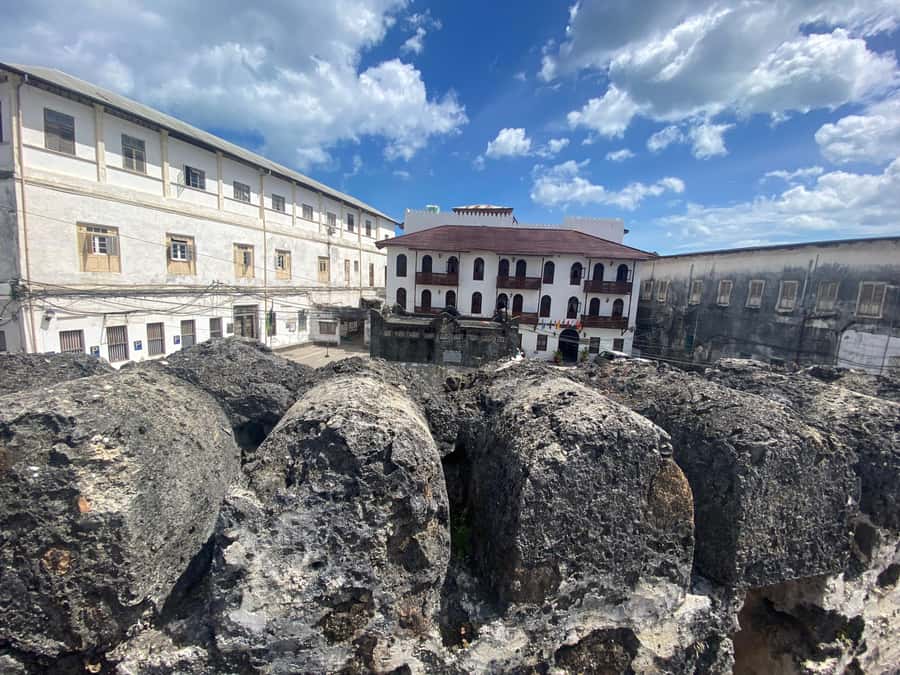
You walk through old streets shaped by Arab design and by the different dynasties and outside influences that have ruled or traded here. The appeal is not just one grand building. It is the way doorways, lanes, markets, and fortifications fit together into a city with many layers.
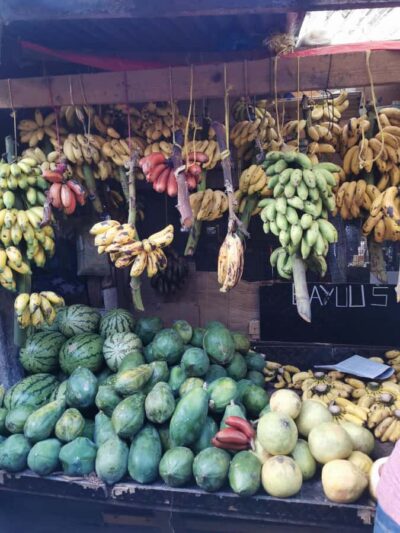
Darajani Market is a major stop. The tour may take you through fish, meat, vegetable, and spice sections. This is a working market, so expect strong smells, close quarters, and plenty of activity. It is useful for seeing daily commerce rather than a staged cultural display, but it may feel intense if you dislike crowds or food-market odors.
The Old Fort provides another piece of the city’s past. It is one of the named sights on the walk and helps anchor the tour in Stone Town’s political and defensive history. You also have the chance to see the former slave market. A separate ticket may be required if you choose that add-on, so check whether it is included in your booking.
The former slave market is not a light sightseeing stop. It gives the city tour moral weight and helps explain the painful history tied to Zanzibar’s trading past. A guide can provide context that you would miss by simply passing the site on your own.
The walk also includes the house associated with Freddie Mercury. This is a quick cultural marker rather than a full museum visit, but music fans will appreciate seeing the place connected with his early life.
What makes the guide important

Stone Town is much better with a guide who can explain what you are seeing. Old walls and narrow lanes can look attractive on their own, but the meaning comes from knowing how Arab, African, Indian, and other influences shaped the city.
Samir received especially warm praise for his good humor, German language skills, and detailed explanations. He also helped someone feel safe during a small incident involving a person trying to take advantage of them near the spice market. That is a useful reminder that a local guide is not only a source of facts. A good guide also helps you handle the city with confidence.
Other guides, including Salum and Izaac, were thanked warmly as well. Since guide assignment can vary, you should not assume you will have one particular person. The important point is that the experience depends heavily on who leads your group and how much time they allow for questions.
The strongest city portion should feel like a conversation while walking, not a list of dates. Ask about the buildings, the markets, the slave trade, and the different architectural influences. You will get more from the tour if you treat the guide as a local interpreter rather than simply following behind.
Timing, transport, and comfort

The advertised duration is seven hours. The listed schedule includes a 75-minute ride to the farm, two hours there, a 15-minute transfer to Stone Town, two hours in the city, and a 75-minute return trip. That adds up to about six hours and 45 minutes, leaving little spare time for delays or a slow pickup.
This is why the tour works best when you are willing to give the whole day to it. It is not ideal for a tightly packed schedule, a late flight, or a day when you want several hours at the beach.
Hotel transport is included from the named pickup and drop-off zones. The available areas cover much of the island’s main resort belt, including Nungwi and Kendwa in the north, Paje and Kizimkazi in the south, and Matemwe, Kiwengwa, Uroa, and Pwani Mchangani on the east coast.
A van is used for the transfers. Group size can be private or small, but the exact arrangement should be confirmed when you book. You will spend a good amount of time in the vehicle, so the convenience of door-to-door transport is balanced by the distance between resort areas and the attractions.
Wear shoes suitable for walking and clothes that work for warm outdoor conditions. Stone Town includes markets and old streets, while the farm includes a two-hour walk among plants. Alcohol and drugs are not allowed on the activity.
The drawbacks to weigh honestly
The first concern is pickup communication. The included transport is valuable, but an unclear meeting point can create a frustrating start. Confirm the hotel name, room number, and exact pickup location before the day begins.
The second is the amount of time spent in the van. If you are based in the north or south of the island, 75 minutes each way is a real part of the experience. You are paying for access to two major sights, not for a quick local outing.
The third is the simple lunch arrangement. A traditional meal at the farm can be a pleasant change from hotel dining, but floor seating and basic surroundings may not suit everyone.
Finally, shopping requires care. Souvenirs and spices can be priced high at first. You can enjoy the shopping without feeling obliged to buy, and you should ask about prices before agreeing to an item.
These points do not cancel out the tour’s strengths. They simply show what kind of day this is: active, social, educational, and practical rather than polished and slow-paced.
Who will get the most from this day
I would recommend this tour to a first-time Zanzibar visitor who wants a broad introduction in one outing. It suits people who like food, markets, local history, architecture, and guided walking more than people who want a quiet beach day.
It is also a good choice if you are staying far from Stone Town and do not want to plan several taxi rides. The included transport, guide, farm entry, and lunch make the $50 price easy to understand.
Families and small groups may appreciate the mix of tasting, plants, markets, and stories. The farm’s fruit tasting and leaf-and-flower crowns add a lighter element, while Stone Town provides more serious history.
You may want another option if you dislike informal meals, have difficulty walking for several hours, or prefer to explore one attraction slowly. You may also want to arrange a shorter Stone Town visit if the long return drive would leave you tired.
Should you book the Spice Farm and Stone Town Tour?
Book it if you want two sides of Zanzibar in one organized day and value included transport. The best reasons are the spice tasting, the farm lunch, the market walk, and the chance to hear Stone Town explained by a local guide such as Samir.
Before paying, confirm your pickup point and ask whether the former slave market ticket is included or requires the add-on. Bring patience for the long drives, sensible expectations for the simple lunch, and caution when shopping.
For $50 per person, this is a strong value for a first look at Zanzibar’s plants, food, streets, and past. It is not a perfect choice for every schedule, but it gives you a useful and memorable introduction to the island beyond the beach.
FAQ
How long does the Zanzibar spice farm and Stone Town tour last?
The activity lasts seven hours, including transportation, the spice farm visit, lunch, and the Stone Town walking tour.
What is included in the price?
The $50 price includes hotel pickup and drop-off, a guide, spice farm entrance fees, and lunch.
Which places offer hotel pickup?
Pickup and drop-off are available from Pwani Mchangani, Matemwe, Kizimkazi Mtendeni, Paje, Uroa, Kiwengwa, Nungwi, and Kendwa.
What spices can you see at the farm?
The farm visit features turmeric, cardamom, cinnamon, black pepper, cloves, and nutmeg, along with tropical fruits and other plants.
How long is the spice farm visit?
The guided spice farm visit lasts about two hours and includes walking, tasting, smelling, and shopping.
How long is the Stone Town visit?
The guided Stone Town portion lasts about two hours and includes walking, sightseeing, shopping, and a food market visit.
Is lunch included?
Yes. Lunch at the spice farm is included. The meal may be traditional and simple, and floor seating may be used.
Is the former slave market ticket included?
The former slave market ticket is not included unless you select the add-on.
Is the tour private or shared?
Private or small-group arrangements are available. Check the option shown when booking.
What language is the tour offered in?
The listed live tour language is English. Individual guide language skills can vary.
Can you cancel the tour?
You can cancel up to 24 hours in advance for a full refund. A reserve-now-and-pay-later option is also available.
What is not allowed on the tour?
Alcohol and drugs are not allowed.
More Farms in Tanzania
- Zanzibar:Stone Town & Spice Farm Private Tour Lunch Included
★ 4.2 · 94 reviews - Zanzibar full day Jozani forest + Spice farm and stone town
★ 4.7 · 90 reviews - Arusha or Moshi : Hot Spring, Waterfall & Coffee Farm Tour
★ 4.8 · 80 reviews - Zanzibar: Spice Farm Tour with Traditional Cooking Lesson
★ 4.8 · 77 reviews
More Lunch Experiences in Tanzania
- Zanzibar: Prison Island and Nakupenda Boat Trip with Lunch
★ 4.1 · 882 reviews - Mnemba Island: Dolphin Swim & Snorkeling with Optional Lunch
★ 4.3 · 591 reviews - Zanzibar: Prison Island & Nakupenda Boat Tour with BBQ Lunch
★ 4.4 · 554 reviews - Zanzibar: Safari Blue Lagoon Trip with Snorkeling and Lunch
★ 4.5 · 336 reviews
Just added in Tanzania
- Safari “Kifaru” – 5 days in the most famous Parks in the world★ 5.0 · 4 reviews
- 5 Day Tanzania Safari Camping Adventure Private Tour★ 5.0 · 2 reviews
- Saadani Day Trip★ 5.0 · 13 reviews
- 3 Days Tanzania Short and Spicy★ 5.0 · 6 reviews
- Day Trip to Ngorongoro Crater from Arusha★ 5.0 · 1 review
- SERENGETI NATIONAL PARK Tour★ 4.5 · 5 reviews
- 3 Days Serengeti Park & Ngorongoro Crater Adventure Safari★ 5.0 · 8 reviews
- 6 Days Tanzania Bush Experience Safari★ 5.0 · 6 reviews
Stone Town Tours, compared.
Stone Town, Spice Tour, Prison Island with Lunch
Read our review →

Stone Town, Spice tour & Prison Island with Lunch
Read our review →
3 Hours Private Stone Town walking Tour with Guide
Read our review →
Full-Day Private Stone Town +Spice Farm and Prison Island Tour
Read our review →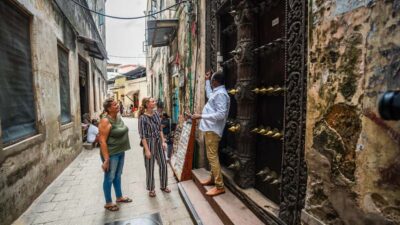
Stone Town Historical Cultural Walking Guided Tour
Read our review →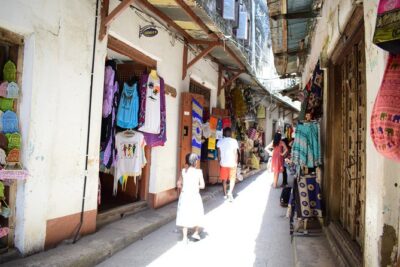
Browse the lists this tour appears in