
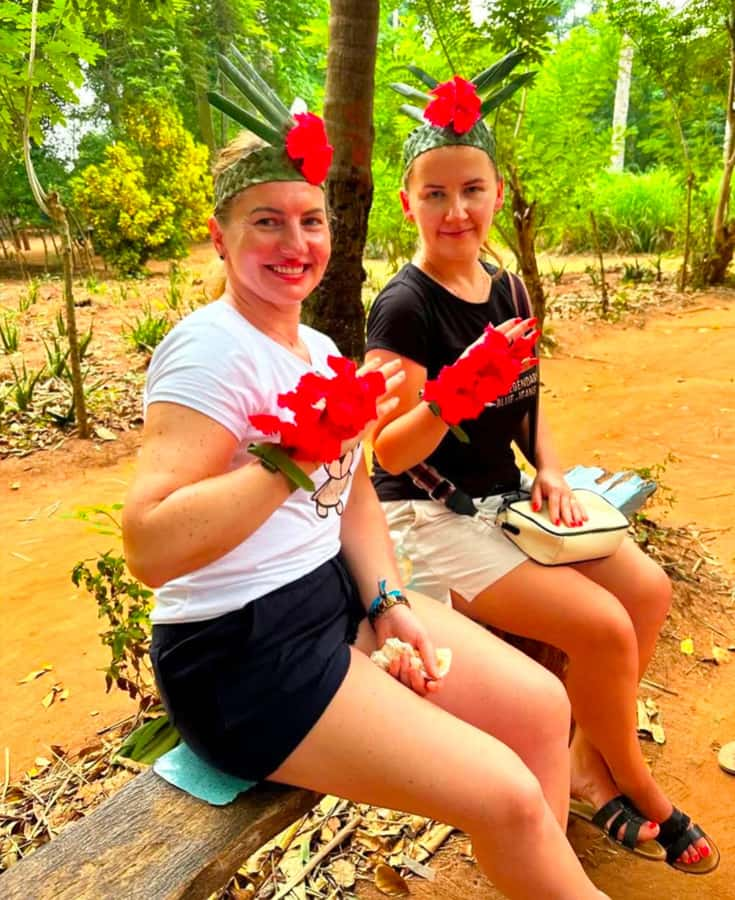
Reviewed · SPICE FARM TOURS
Zanzibar: Spice Farm Tour with free testing fruit and Spice
Follow the scent of cloves. This four-hour tour takes you into Unguja South’s spice-growing countryside, where you can smell, taste, and touch spices and tropical fruit at their source. I like the direct contact with local farmers, and I like that the tour connects cloves, cinnamon, nutmeg, and turmeric with both cooking and traditional medicine.
The chance to add a Swahili cooking experience with a local family is another strong point, especially if you arrange it in advance. Patrick from the United Kingdom singled out cooking with his guide Duhall’s mother as a major highlight, while a Danish guest praised the friendly guide and authentic cooking workshop. The main consideration is that the basic $32 price does not clearly include the cooking class or a full meal, so you should confirm that extra arrangement before booking.
In This Review
- Six Details That Make This Zanzibar Spice Tour Worth Considering
- Why Zanzibar Is Called the Spice Island
- Pickup in Zanzibar and the Four-Hour Schedule
- Walking Through the Farm’s Spices
- Meeting Local Farmers and Seeing Traditional Methods
- The Optional Swahili Cooking Experience
- What the $32 Price Really Covers
- Practical Clothing and Health Advice
- Who Will Enjoy This Tour Most
- Booking Advice for the Best Experience
- Should You Book the Zanzibar Spice Farm Tour?
- FAQ
- Where does the Zanzibar Spice Farm Tour take place?
- How long does the activity last?
- What is included in the $32 price?
- Is the cooking class included?
- Can I have a Swahili meal with a local family?
- What language does the guide speak?
- What should I bring?
- Can I touch the plants during the farm visit?
- Can I cancel the booking?
Six Details That Make This Zanzibar Spice Tour Worth Considering

- Clove, cinnamon, nutmeg, and turmeric are introduced through smell, taste, and practical stories.
- Fresh tropical fruit and spice tasting are included in the tour price.
- Duhall’s family cooking experience can add a personal Swahili food connection, but it may need separate organization.
- A local guide in English leads the approximately three-hour farm visit within a four-hour outing.
- Traditional farming methods help explain how Zanzibar’s spice trade shaped local life and income.
- The $32 price offers good value for a guided farm visit, tastings, and fruit, though cooking appears to be optional.
Why Zanzibar Is Called the Spice Island
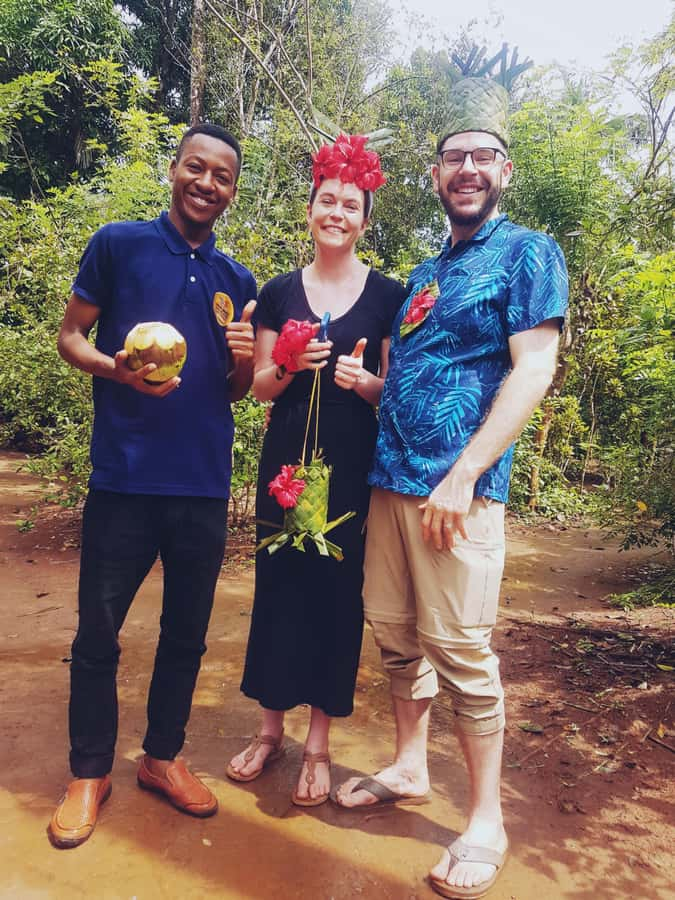
Zanzibar’s spice identity is not just a label for souvenir shops. Spices have played an important part in the island’s economy, food, and culture, and this tour gives you a way to understand that connection outside the city.
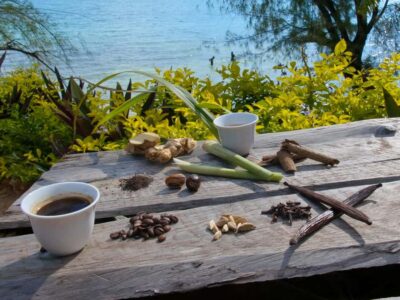
At the farm, the subject becomes physical. You are not simply looking at jars of powdered spice. You can smell different plants, taste fruit, and hear how crops are used in cooking and traditional remedies. That makes the experience more memorable than a standard sightseeing stop.
Cloves receive particular attention. Their culinary use is easy to understand, but you also learn about their medicinal role. Cinnamon, nutmeg, and turmeric broaden the picture, showing that Zanzibar’s spice tradition is not built around one crop alone.
The farm setting also gives you a closer look at traditional agriculture. The information provided does not promise a large commercial plantation or a museum-style display, so you should expect a working farm experience guided by conversation and observation. That is part of the appeal, but it also means the exact plants and activities may depend on the season and the farm conditions that day.
More Spice Farm Tours in Zanzibar:
- Zanzibar: Stone Town, Spice Tour, Prison Island with Lunch
★ 4.4 · 1,219 reviews - Zanzibar: Prison Island, Stone Town, & Spice Farm Tour
★ 4.5 · 579 reviews - Zanzibar: Stone Town, Spice tour & Prison Island with Lunch
★ 4.6 · 453 reviews
Pickup in Zanzibar and the Four-Hour Schedule
The activity begins with pickup in Zanzibar and returns you to Zanzibar after the visit. The total duration is listed as four hours, with about three hours devoted to the guided tour itself.
That timing makes the outing fairly easy to fit into a busy holiday schedule. You get enough time to walk around the farm and take part in tastings without committing most of your day. The extra hour presumably allows for transport and the transition between pickup, the farm, and your return, though exact transfer times are not provided.
You should check the available starting times when booking. This matters in Zanzibar’s warm weather, since a morning departure may feel more comfortable than a later start. Wear light, practical clothing and shoes that can handle walking around a farm rather than polished sandals meant only for the beach.
The group size is not specified. If you care about a private visit, ask the provider directly. A smaller group could make it easier to ask questions and speak with the farmers, while a larger group may feel less personal during tasting and demonstrations.
Walking Through the Farm’s Spices

The central part of the experience is a guided walk through the spice farm. The focus is sensory: you smell spices, touch what the guide permits, and taste selected products and fruit.
The instruction not to touch plants is important. Although the tour describes hands-on sensory activities, you should wait for the guide to tell you what is safe and appropriate. Some plants may be delicate, and the farm may have clear rules about handling crops.
Cloves are one of the most useful examples because they connect farming, trade, cooking, and traditional medicine. You can expect an explanation of how spices are used in food and why certain plants have a place in local remedies. The tour does not promise medical advice, so treat those explanations as cultural and agricultural information rather than treatment recommendations.
Cinnamon, nutmeg, and turmeric add variety to the walk. Each has a familiar place in kitchens around the world, but seeing them in a farm setting helps you understand that the finished spice in your cupboard begins as a plant with a particular growing process.
The fruit tasting is a welcome part of the visit. Fresh tropical fruit gives your palate a break from the sharper smells of spice, and it adds a simple pleasure to the tour. The exact fruit selection is not specified, so expect the offering to depend on what is available at the farm.
Bring water. Tasting fruit and spices is enjoyable, but it does not replace hydration during a warm outdoor walk.
Meeting Local Farmers and Seeing Traditional Methods
The farm visit is strongest when the guide connects you with the people who work the land. You get a chance to learn how local farmers approach cultivation and why spice farming matters to Zanzibar.
The information provided does not list individual farming techniques in detail, so do not expect a formal agricultural lesson with a fixed sequence of demonstrations. Instead, think of it as an informative walk with explanations shaped by the farm and the guide.
That personal contact gives the outing more value than a quick stop at a spice stall. You can ask about the plants in front of you and understand their place in daily life. If you are interested in food, agriculture, or local culture, this part will likely be more rewarding than simply buying packaged spices.
A camera is worth bringing, but use it respectfully. Ask before photographing people, private areas, or parts of the farm that may not be open to visitors. The stated rules specifically prohibit touching plants, so follow the guide’s instructions throughout the walk.
A few more options to weigh up in Zanzibar
- Full-Day Private Stone Town +Spice Farm and Prison Island Tour
★ 4.5 · 216 reviews - Zanzibar: Stone Town & Spice Farm Tour with Lunch
★ 4.5 · 97 reviews - Zanzibar:Stone Town & Spice Farm Private Tour Lunch Included
★ 4.2 · 94 reviews - Zanzibar full day Jozani forest + Spice farm and stone town
★ 4.7 · 90 reviews
The Optional Swahili Cooking Experience

The cooking element may be the most memorable addition, but it needs careful clarification. The standard experience includes a guided farm tour, spice tasting, fruit, and the guide’s presence. A cooking class and Swahili meal are described as optional arrangements with a local family.
This means you should not assume the cooking class is part of the $32 price. Ask whether it is available on your chosen date, how much extra it costs, how long it adds to the outing, and what meal is included.
The strongest detail here is the family setting. Patrick specifically praised cooking a traditional dish at Duhall’s family home with Duhall’s mother. That gives the food portion a personal touch that a hotel cooking demonstration cannot easily match.
The second verified booking also gave full marks to the cooking workshop and the warm welcome from the family. Those comments suggest that the cooking option can turn a good farm visit into a more personal cultural experience.
Still, keep expectations practical. The available information does not name the dish, list the ingredients, or describe the kitchen facilities. If you have allergies, dietary restrictions, or foods you avoid, discuss them before confirming the meal.
What the $32 Price Really Covers
At $32 per person, this is reasonably priced for a four-hour outing that includes pickup in Zanzibar, a guided farm visit, spice tasting, and tropical fruit.
The value comes from the combination of activities. You are paying for more than transport to a farm. The guide provides context about spice farming, explains culinary and medicinal uses, and helps you make sense of what you are seeing.
The price is less attractive if you mainly want a long cooking class or a substantial meal. Those features are not clearly included in the basic package. For that reason, I would judge the price as good for the farm tour and tastings, but I would calculate the cooking experience separately.
The tour currently has a 5 out of 5 rating based on two verified bookings. That is encouraging, and both highly positive comments praised the guide and cooking experience. It is still a very small sample, so I would treat the rating as a useful signal rather than a guarantee of every detail.
Practical Clothing and Health Advice
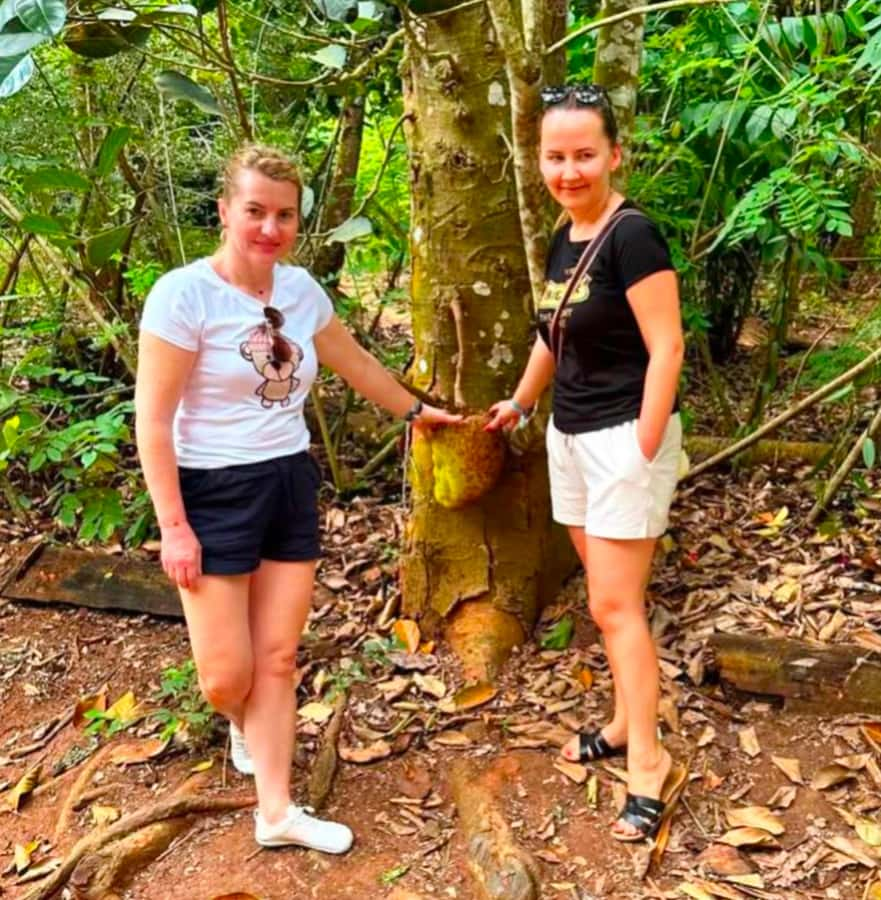
Wear comfortable clothing and shoes suitable for walking. A hat, sunscreen, insect repellent, and water are sensible choices for a warm farm visit.
The activity information lists people with insect allergies as unsuitable. That is worth taking seriously because the tour takes place outdoors. If you have a serious allergy, ask the provider about conditions on the farm before reserving.
It also lists people with altitude sickness as unsuitable. Zanzibar’s tour setting is not described in terms of high elevation, but this restriction is part of the activity information. If it applies to you, contact the provider for clarification rather than assuming the listing is using the term in a casual way.
A camera can help you remember the plants and farm scenes, but the main attraction is sensory. You will get more from the outing if you listen, smell, taste, and ask questions instead of treating it as a quick photo stop.
Who Will Enjoy This Tour Most

I would recommend this outing to anyone who wants a short cultural experience beyond Zanzibar’s beaches. It suits food lovers, gardeners, families interested in plants, and anyone curious about how spices reach the kitchen.
It is also a good choice if you prefer a guided activity with a clear time limit. Four hours is long enough to feel worthwhile but short enough to leave room for another plan later in the day.
The optional family cooking session makes the tour especially appealing to people who want a closer connection with local food. If that is your main reason for booking, organize the cooking portion before arrival and confirm the price.
This may be less suitable if you dislike warm outdoor walks, insects, or informal farm conditions. It is not a polished restaurant event, and the basic package does not promise a full meal.
Booking Advice for the Best Experience

I would ask four questions before paying:
- Is pickup included from your exact location in Zanzibar?
- Is the cooking class available on your date?
- What is the additional price for the family meal?
- How large will the group be?
The activity offers free cancellation up to 24 hours before the start time, with a full refund, and you can reserve now and pay later. Those terms help if your Zanzibar schedule is still changing.
The live guide language is English. If you want the family cooking experience, make that request clearly rather than assuming it will be added automatically.
Because the tour involves plants and food, mention any dietary needs or allergies in advance. The available information does not list a specific menu, so you should get those details directly from Tesoro Africa Tours.
Should You Book the Zanzibar Spice Farm Tour?
Book it if you want an affordable, easy half-day introduction to Zanzibar’s spice culture, especially if you enjoy tasting food and meeting local people. The farm walk, fresh fruit, spice explanations, and English-speaking guide offer solid value at $32.
I would book the cooking addition only after confirming its cost and contents. The two full-score bookings place strong emphasis on Duhall, his family, and the traditional meal, so that extra could be the part you remember most.
Skip it if you want a formal plantation museum, guaranteed private transport details, or a cooking class included in the advertised price. For most people, though, this is a pleasant way to trade a few beach hours for the smells, flavors, and farming traditions that give Zanzibar its Spice Island identity.
FAQ
Where does the Zanzibar Spice Farm Tour take place?
The tour takes place in the Unguja South Region of Tanzania, on Zanzibar.
How long does the activity last?
The total activity lasts four hours. About three hours are allocated to the guided farm tour.
What is included in the $32 price?
The price includes a guided spice farm tour, spice tasting, eating fruit, and the presence of a guide.
Is the cooking class included?
The cooking class is described as optional. You should confirm availability and any additional cost before booking.
Can I have a Swahili meal with a local family?
Yes, a Swahili dishes experience with a local family can be organized. The cooking experience may take place with a local family, including Duhall’s family, but you should arrange and confirm it in advance.
What language does the guide speak?
The live tour guide speaks English.
What should I bring?
Bring comfortable shoes, a hat, a camera, sunscreen, and water. Insect repellent is also recommended.
Can I touch the plants during the farm visit?
No. Touching plants is not allowed, so follow the guide’s instructions about what you may handle.
Can I cancel the booking?
You can cancel up to 24 hours in advance for a full refund. The reserve-now, pay-later option also lets you delay payment while keeping your plans flexible.
Just added in Zanzibar
- Zanzibar:Ngoma local culture workshop,The Knowledge of Ngoma★ 5.0 · 1 review
- ZANZIBAR:Mnemba island, Spice farm and Jozani Forest★ 5.0 · 1 review
- Zanzibar: Zipline Adventure At Masingini Forest★ 4.6 · 2 reviews
- Zanzibar Walking Tour: Unveiling the Secrets of Stonetown★ 4.8 · 11 reviews
- Zanzibar: Walking Tour★ 4.0 · 1 review
- Zanzibar: Walking Spice Farm with Local Cooking Class★ 4.4 · 9 reviews
- Zanzibar: Uzi Island Mangrove Kayak Tour with Guide★ 5.0 · 1 review
- Zanzibar: Unique Guided Mangrove Tour by SUP or Kayak★ 5.0 · 1 review
Spice Farm Tours, compared.

Stone Town, Spice Tour, Prison Island with Lunch
Read our review →

Stone Town, Spice tour & Prison Island with Lunch
Read our review →
Full-Day Private Stone Town +Spice Farm and Prison Island Tour
Read our review →

The Swahili Spice Experience – Spice Tour + Culinary Journey
Read our review →Browse the lists this tour appears in