
Reviewed · SPICE FARM TOURS
Zanzibar: Spice Farm Tour with Lunch & Tropical Fruits
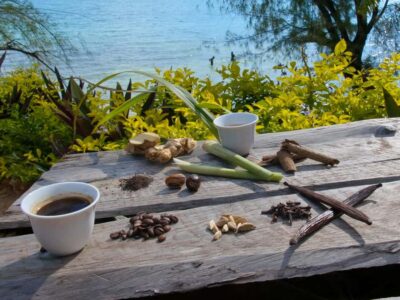
Spices grow closer than your kitchen shelf. This 2.5-hour visit to Jambo Spice Farm in Dole village gives you a clear look at cloves, cinnamon, vanilla, nutmeg, ginger, and pepper as living plants rather than jars in a shop. I like the mix of practical food knowledge and local plant lore, and I like that tropical fruit tasting and a traditional lunch are included. The main catch is that you must make your own way to the farm, and the tour is offered in English.
You will walk through a small plantation with a guide, tasting and smelling plants along the way. Expect a friendly, informal outing rather than a grand agricultural attraction. The farm shop adds a useful final stop, but it also means you should decide in advance how much room you have in your luggage for spices, soaps, and oils.
In This Review
- Key points to know before you book
- Why Zanzibar is called the Spice Island
- A 2.5-hour walk through the plantation
- Cloves, vanilla, cinnamon, and the kitchen cupboard
- Neem, the iodine tree, and traditional plant uses
- Tropical fruit tasting and the included lunch
- The spice shop at the end
- The people and the pace
- Is $27 good value?
- Who will enjoy this farm visit?
- Should you book the Jambo Spice Farm tour?
- FAQ
- Where does the spice farm tour begin?
- Where does the activity end?
- How long does the tour take?
- What language is the tour offered in?
- Is lunch included?
- Are tropical fruits included?
- Can I cancel for a full refund?
Key points to know before you book
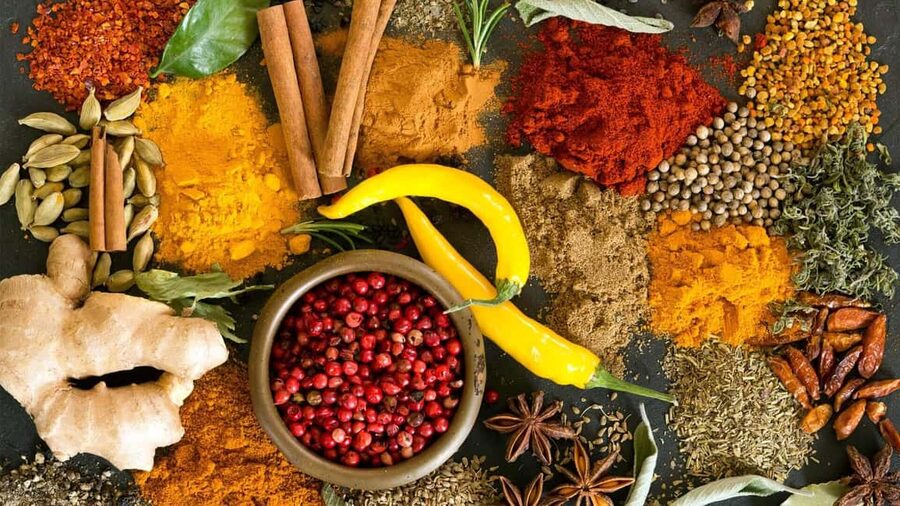
- A close look at famous Zanzibar spices: See cloves, cinnamon, vanilla, nutmeg, cardamom, pepper, turmeric, ginger, and curry plants in their growing environment.
- Fruit is part of the tour: Papaya, mango, jackfruit, tamarind, and other tropical produce help turn the walk into a tasting experience.
- A traditional lunch is included: The meal makes the $27 price more useful than a simple garden visit.
- Plant lore goes beyond cooking: Learn about neem leaves, the iodine tree, and traditional uses for local herbs.
- The visit begins and ends at Jambo Spice Farm: You need to arrive at the entrance in Dole village and arrange your own way there.
- The pace is friendly and relaxed: The tour normally takes about two and a half hours, with plenty of time for tasting, smelling, and questions.
Why Zanzibar is called the Spice Island
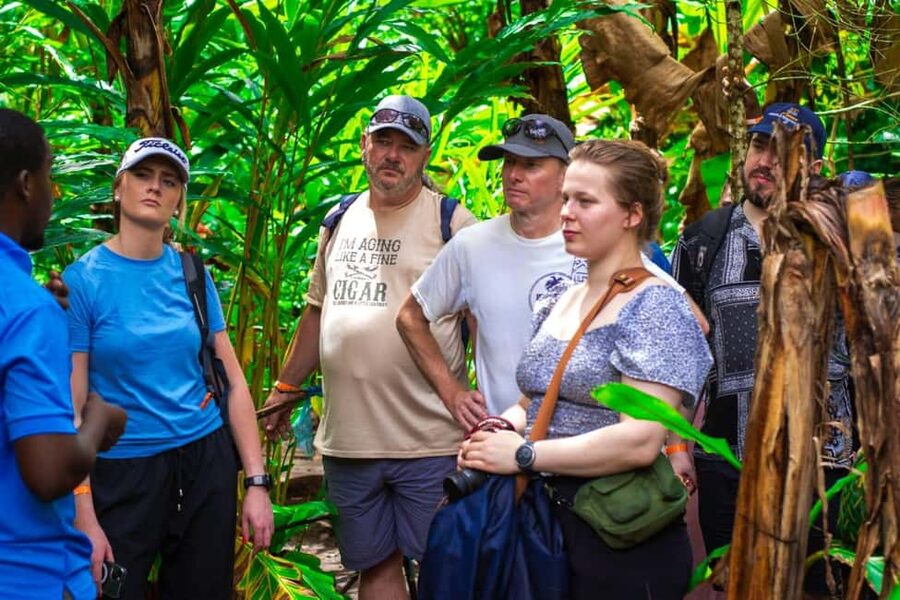
Zanzibar’s spice reputation is not just a souvenir-shop slogan. On this farm, the name starts to make sense because familiar kitchen ingredients appear as trees, vines, roots, leaves, and pods.
Cloves are one of the key plants to look for. You may use cloves in baking or warm drinks at home, but seeing the plant gives the spice a useful bit of context. Cinnamon, too, is more interesting when you learn that the spice comes from tree bark rather than from a seed or fruit.
The guide also points out vanilla, nutmeg, cardamom, curry, menthol, pepper, tamarind, and ginger. The value here is not only in naming each plant. You get a better sense of how different spices grow and how they move from plantation to kitchen.
I especially like this kind of tour for visitors who cook. You can connect the smells and textures you encounter on the farm with dishes you already know. It turns a packet of Zanzibar spice from a generic holiday purchase into a reminder of a particular plant and place.
More Spice Farm Tours in Zanzibar:
- Zanzibar: Stone Town, Spice Tour, Prison Island with Lunch
★ 4.4 · 1,219 reviews - Zanzibar: Prison Island, Stone Town, & Spice Farm Tour
★ 4.5 · 579 reviews - Zanzibar: Stone Town, Spice tour & Prison Island with Lunch
★ 4.6 · 453 reviews
A 2.5-hour walk through the plantation
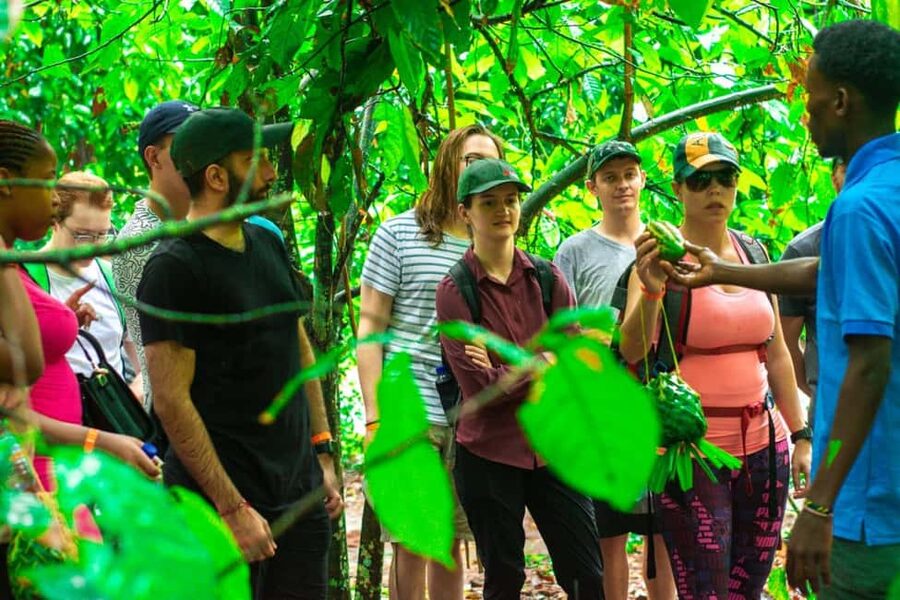
The tour begins at the entrance to Jambo Spice Farm in Dole village. From there, your guide leads you through the plantation and introduces the plants in a practical, conversational way.
The exact order may vary, but you can expect the walk to move between spice plants, herbs, and fruit trees. Some stops are about flavor, while others explain traditional plant use. That changing focus keeps the visit from feeling like a simple list of names.
Bring your attention to your senses. This is a place where you are encouraged to look closely, smell leaves, and taste fruit. The experience works best when you take your time instead of treating it as a quick photo stop.
The walk lasts around 2.5 hours, which is long enough to cover a good range of plants without taking up an entire day. It also leaves room in your Zanzibar schedule for another activity before or after the farm. Since no transport is listed as part of the experience, plan your route to Dole village carefully and arrive in front of the farm entrance.
Cloves, vanilla, cinnamon, and the kitchen cupboard
The most satisfying part of the visit is seeing ordinary cooking ingredients in an unfamiliar form. Pepper and lemongrass are among the plants you might encounter, along with coffee beans and less familiar produce.
The guide explains local culinary uses, so you are not left with botanical names and little else. You learn how spices and fruits fit into food traditions on Zanzibar. That makes the tour useful even if you have no interest in farming.
The range of plants also helps you compare them. Vanilla has a very different presence from pepper. Ginger and turmeric point toward roots and rhizomes, while cardamom and nutmeg bring you back to seeds and pods. You do not need a background in botany to follow along.
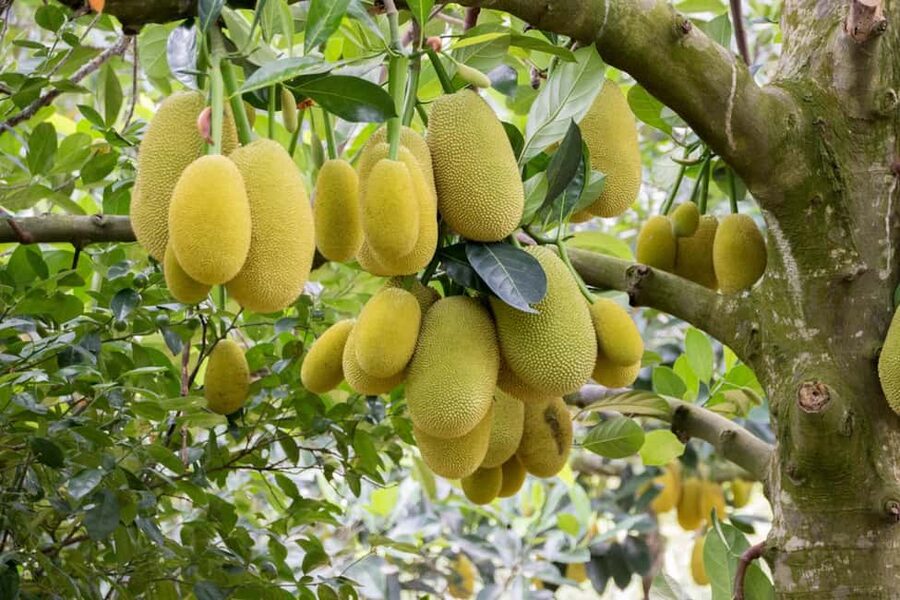
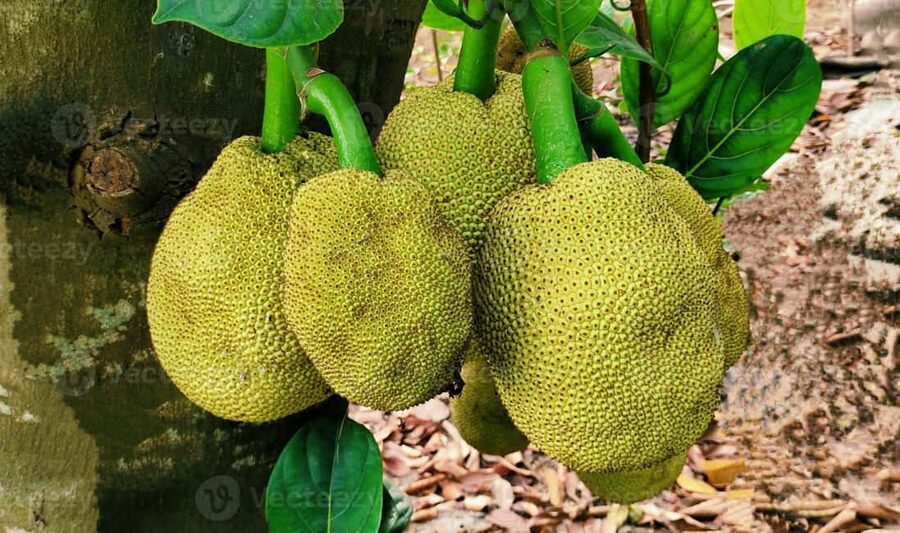
One memorable feature is the chance to see and taste unusual fruit. The experience includes papayas, mangoes, and jackfruit, and the wider farm selection may include tamarind and stink fruit. Jackfruit can be especially fun for first-time tasters because its size and texture are unlike the fruit most people find in supermarkets.
The fruit tasting adds a welcome break to the plant walk. It also gives you a better feel for the farm as a working food garden, not only a display of export spices.
Neem, the iodine tree, and traditional plant uses
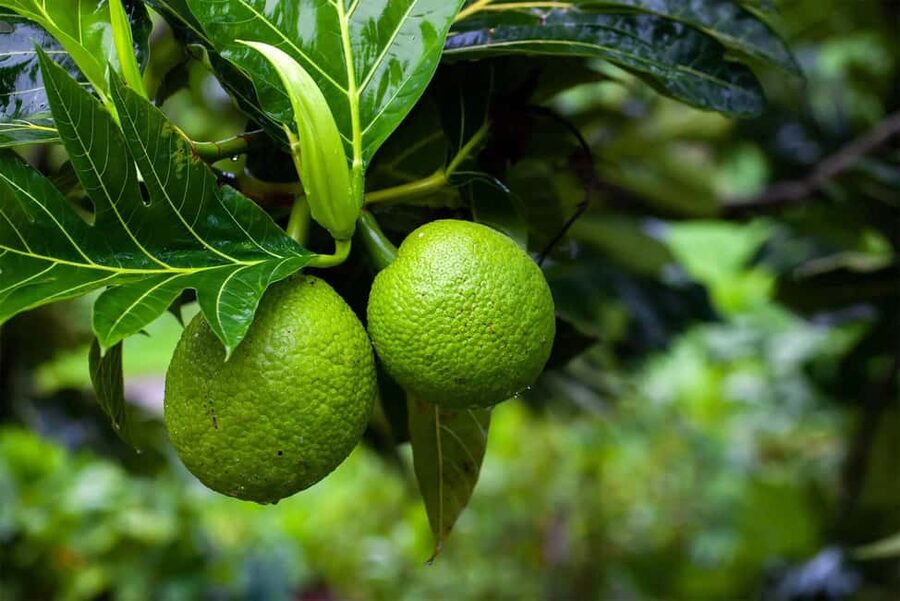
The tour is not limited to ingredients used in cooking. Your guide also explains traditional uses for local plants and herbs.
Neem leaves are traditionally used to treat malaria and indigestion. The iodine tree is known locally for wound-healing properties. These details offer a glimpse into how plants have been used in daily life and local health practices.
You should treat this part as cultural and historical information, not as medical advice. The tour describes traditional uses, but it does not replace guidance from a qualified medical professional.
This section gives the farm visit extra depth. Without it, the experience might be only a pleasant walk with snacks. With it, you begin to see how plants can serve several purposes at once: seasoning food, providing fragrance, or forming part of long-standing home remedies.
The guide’s role matters here. Clear English is important because plant names and uses can be easy to confuse. The English-language service is suitable for visitors who can follow a conversational explanation, but this may not be the right choice if you need another language.
A few more options to weigh up in Zanzibar
- Zanzibar: Prison Island and Nakupenda Boat Trip with Lunch
★ 4.1 · 882 reviews - Mnemba Island: Dolphin Swim & Snorkeling with Optional Lunch
★ 4.3 · 591 reviews - Zanzibar: Prison Island & Nakupenda Boat Tour with BBQ Lunch
★ 4.4 · 554 reviews - Zanzibar: Safari Blue Lagoon Trip with Snorkeling and Lunch
★ 4.5 · 336 reviews
Tropical fruit tasting and the included lunch
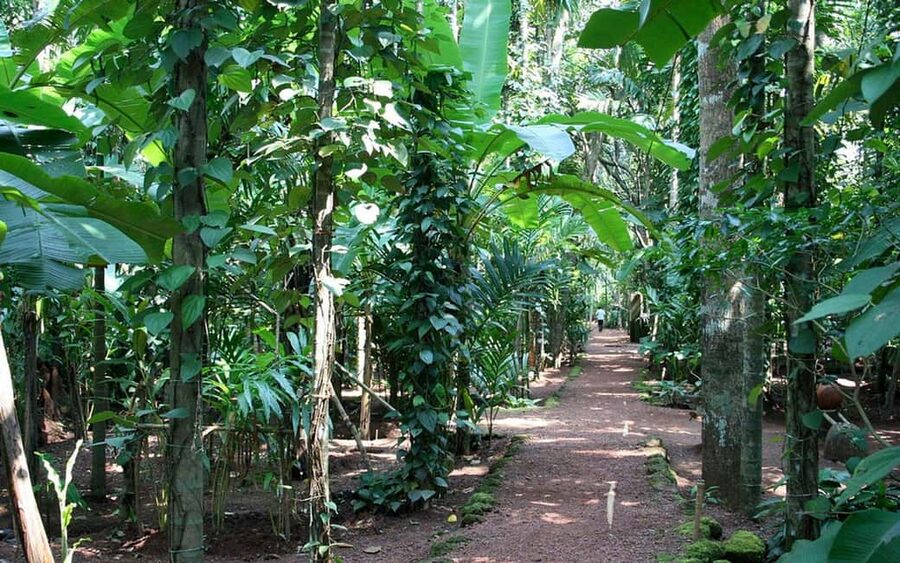
The fruit portion is one of the strongest reasons to choose this tour instead of a short spice-shop visit. You may taste papaya, mango, jackfruit, and other tropical produce while learning where it grows and how it is used.
The included drinking water is a small but useful touch, especially during a warm plantation walk. You do not need to add the cost of water and a meal to the advertised price.
A traditional lunch follows as part of the experience. The available information does not specify the exact dishes, so you should not book expecting a particular menu. What you can count on is that food is included, along with tropical fruit and water.
I see the lunch as more than a bonus. It gives you another way to connect the plants to local cooking. After smelling spices and tasting fruit, sitting down to eat helps bring those ingredients back into focus.
The meal also improves the value of the $27 price. A farm walk alone could feel brief for that amount, but a guide, entrance, lunch, fruit tasting, water, and government fees are all included. You should still remember that your transport to and from Dole village is not listed among the inclusions.
The spice shop at the end
The final stop is the plantation’s spice shop. This is where you can buy freshly harvested spices to take home, along with products such as soaps and oils.
Shopping is optional, but it can be useful if you want a practical souvenir. Small packets of spices are easier to pack than bulky crafts, and they have a direct connection to the farm visit. You may find pepper, cinnamon, cloves, or other ingredients that you saw growing earlier in the walk.
Check how much luggage space you have before buying. It is easy to collect several small items because spices, soaps, and oils are inexpensive-looking souvenirs with real use at home.
The shop also changes the tone slightly. The first part of the tour feels focused on plants and culture, while the ending has a clear sales element. That is not unusual for a plantation visit, but you should feel free to browse without treating the shop as a required part of the experience.
A tip for the guide or farm staff is appreciated, but it is not stated as part of the price. Carry a little extra cash if you want to show thanks after a good tour.
The people and the pace
The strongest part of this outing is the human side. The guides and staff are described as friendly, helpful, and welcoming, and the English is reported to be clear. One guide was also able to use many German terms, which could help some German-speaking visitors, though English is the listed tour language.
The atmosphere appears relaxed rather than formal. You might meet people involved in the farm work, including a coconut picker known as Mr. Butterfly. Coconut harvesting adds a memorable bit of action to a walk that otherwise centers on plants and tasting.
The small-plantation setting is another advantage. You are not being rushed past a large number of exhibits. You can ask about a leaf, smell a spice, or pause over an unfamiliar fruit.
Still, this is not a luxury food tour or a polished cooking class. The appeal is its simple, local format. If you want precise recipes, a set menu, or a long lecture on Zanzibar’s trade history, you may find the experience modest. If you want a friendly introduction to local crops, it fits well.
Is $27 good value?
At $27 per person, the price is fair for the amount included. Your fee covers the guide, entrance, traditional lunch, tropical fruit, drinking water, and government charges.
The tour also gives you about two and a half hours of activity. That works out well for a half-day plan, especially if you want something educational without committing to a full-day excursion.
The biggest value comes from the combination of parts. A short farm walk might not justify the price on its own. Add the guide’s explanations, plant tastings, fruit, lunch, and the chance to shop for fresh spices, and the package becomes more convincing.
The missing piece is transportation. You must arrive at Jambo Spice Farm, Dole village, and the activity ends at that same meeting point. If you are already arranging a car or staying nearby, this is easy to fold into your plans. If you need a fully organized pickup tour, check that point before paying.
The booking terms are flexible. You can reserve and pay later, and cancellation is available up to 24 hours before the start time for a full refund. Those terms help if your Zanzibar schedule is still moving around.
Who will enjoy this farm visit?

I would suggest this tour to you if you want a gentle cultural outing with food built in. It suits first-time visitors who want a simple introduction to Zanzibar’s spice traditions without spending a full day on the road.
It is also a good match for cooks, food lovers, families, and anyone curious about tropical plants. Children may enjoy the fruit tasting and the chance to see spices growing, though the provided information does not specify a child age policy.
You may want to choose another activity if you dislike walking outdoors, want a highly structured museum-style presentation, or need a language other than English. The tour is centered on the plantation, so its appeal depends on your interest in plants, food, and local uses.
Bring a comfortable attitude and a little patience. The fun comes from stopping to smell and taste things, not from racing through a checklist of plants.
Should you book the Jambo Spice Farm tour?
You should book it if you want an affordable, easy-to-understand look at why Zanzibar is linked with spices. The combination of cloves, cinnamon, vanilla, tropical fruit, traditional lunch, and plant lore gives the visit more substance than a quick souvenir stop.
I would make the call based on transport. If reaching Dole village is convenient, $27 is a sensible price for a 2.5-hour guided experience with food and tastings included. If you need hotel pickup or a more polished culinary program, confirm those details before booking.
For a friendly introduction to Zanzibar’s crops, flavors, and everyday plant traditions, this is a strong choice. Just arrive ready to walk, taste, ask questions, and leave a little space in your bag for spices.
FAQ
Where does the spice farm tour begin?
The tour begins in front of the entrance to Jambo Spice Farm in Dole village, Zanzibar.
Where does the activity end?
The activity ends back at the same meeting point at Jambo Spice Farm.
How long does the tour take?
The guided plantation visit takes approximately 2.5 hours.
What language is the tour offered in?
The listed tour language is English.
Is lunch included?
Yes. A traditional lunch is included in the tour price.
Are tropical fruits included?
Yes. Tropical fruits are included, with examples such as papaya, mango, and jackfruit.
Can I cancel for a full refund?
Yes. You can cancel up to 24 hours in advance for a full refund. You can also reserve your place and pay later.
More Farms in Zanzibar
- Full-Day Private Stone Town +Spice Farm and Prison Island Tour
★ 4.5 · 216 reviews - Zanzibar: Stone Town & Spice Farm Tour with Lunch
★ 4.5 · 97 reviews - Zanzibar:Stone Town & Spice Farm Private Tour Lunch Included
★ 4.2 · 94 reviews - Zanzibar full day Jozani forest + Spice farm and stone town
★ 4.7 · 90 reviews
Just added in Zanzibar
- Zanzibar:Ngoma local culture workshop,The Knowledge of Ngoma★ 5.0 · 1 review
- ZANZIBAR:Mnemba island, Spice farm and Jozani Forest★ 5.0 · 1 review
- Zanzibar: Zipline Adventure At Masingini Forest★ 4.6 · 2 reviews
- Zanzibar Walking Tour: Unveiling the Secrets of Stonetown★ 4.8 · 11 reviews
- Zanzibar: Walking Spice Farm with Local Cooking Class★ 4.4 · 9 reviews
- Zanzibar: Walking Tour★ 4.0 · 1 review
- Zanzibar: Unique Guided Mangrove Tour by SUP or Kayak★ 5.0 · 1 review
- Zanzibar: Uzi Island Mangrove Kayak Tour with Guide★ 5.0 · 1 review
Spice Farm Tours, compared.

Stone Town, Spice Tour, Prison Island with Lunch
Read our review →

Stone Town, Spice tour & Prison Island with Lunch
Read our review →
Full-Day Private Stone Town +Spice Farm and Prison Island Tour
Read our review →

The Swahili Spice Experience – Spice Tour + Culinary Journey
Read our review →Browse the lists this tour appears in