
Reviewed · SPICE FARM TOURS
Zanzibar Spice Farm Tour
Spice leaves tell Zanzibar’s story. This private outing from Stone Town takes you into Tangawizi Spice Farm, where you can smell, touch, and taste crops rather than simply hear a lecture about them. I like the private format, which lets you ask questions about Zanzibar and move at your own pace. I also like the fruit and spice tasting, especially the chance to pair local flavors as you walk.
The setting is simple, not polished. There may be no washroom at the farm, and the small spice stall can feel expensive, with some products priced at roughly twice what you might expect. If you enjoy a basic working farm and can treat the shop as optional, this is a useful three-hour outing. If you want a refined attraction with clear facilities and bargain shopping, adjust your expectations.
In This Review
- Key things to know before you go
- From Stone Town to Tangawizi Spice Farm
- Walking through the shamba
- Tasting fruit, spices, and coconut
- What the private format is worth
- The spice stall: buy carefully
- The history behind Zanzibar’s spices
- Who will enjoy this farm walk?
- Timing, tickets, and cancellation
- Should you book the Zanzibar Spice Farm Tour?
- FAQ
- Where does the Zanzibar Spice Farm Tour start?
- Where does the activity end?
- How long does the tour last?
- Is the tour private?
- Is hotel pickup included?
- What will I see at Tangawizi Spice Farm?
- Is tasting included?
- Can I buy spices at the end?
- Can I cancel for a full refund?
Key things to know before you go
- Portuguese-era spice routes: Your guide explains how Portuguese traders brought spices to Zanzibar from India and South America in the 16th century.
- Tangawizi Spice Farm: You walk through a shamba, the Swahili term for a cultivated farm, seeing crops growing in the ground, on trees, and on climbing plants.
- Tasting is part of the tour: Expect fruit and spice samples that may include coconut milk, bananas, mango, oranges, papaya, jackfruit, and more.
- A private guide changes the pace: You can stop for questions and focus on the plants that interest you most.
- A small community-run farm: The atmosphere is local and modest, with fewer visitor facilities than a large commercial attraction.
- The shop is optional: Bring cash if you want to buy packaged spices, but compare prices and inspect the packaging before paying.
From Stone Town to Tangawizi Spice Farm

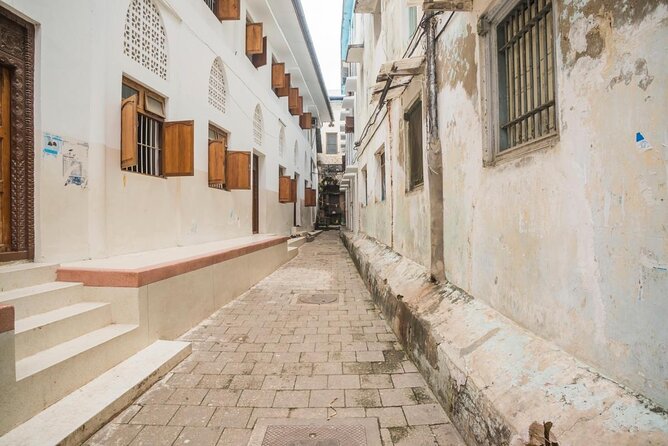
The tour begins at 6 Degrees South, Plot 60 on Waterfront Shangani Street in Zanzibar. The meeting point is in Stone Town and is described as easy to find. Hotel pickup and drop-off are included, though you should confirm the exact pickup arrangement when booking, since the stated start point is also the Stone Town meeting location.
The trip is designed as a private activity, so only your group joins the guide. That matters more than it might at first seem. On a farm walk, you often want to stop when you smell something unusual or ask why a plant is used in a certain dish. A private guide gives you room to do that without holding up a large group.
The full experience is advertised at about three hours, while the farm visit itself is listed at two hours. Think of the extra time as covering transport and the arrival or departure process. If you have a flight, ferry, meal reservation, or another tour afterward, leave a generous buffer rather than planning around an exact end time.
Bottled water is included. You should still wear comfortable walking shoes and clothing suited to warm weather, since this is a walking tour through a working farm rather than a paved indoor exhibit.
More Spice Farm Tours in Zanzibar:
- Zanzibar: Stone Town, Spice Tour, Prison Island with Lunch
★ 4.4 · 1,219 reviews - Zanzibar: Prison Island, Stone Town, & Spice Farm Tour
★ 4.5 · 579 reviews - Zanzibar: Stone Town, Spice tour & Prison Island with Lunch
★ 4.6 · 453 reviews
Walking through the shamba
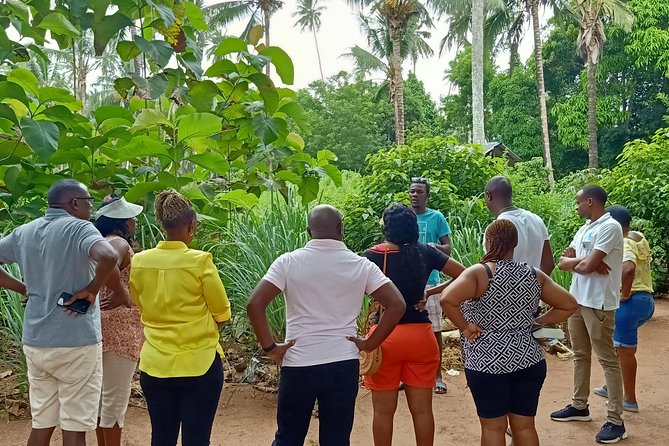
At Tangawizi Spice Farm, the guide introduces the crops as they grow. This is the strongest part of the outing. Instead of seeing cinnamon, turmeric, or black pepper in a jar, you learn what the living plant looks like and how it is cultivated.
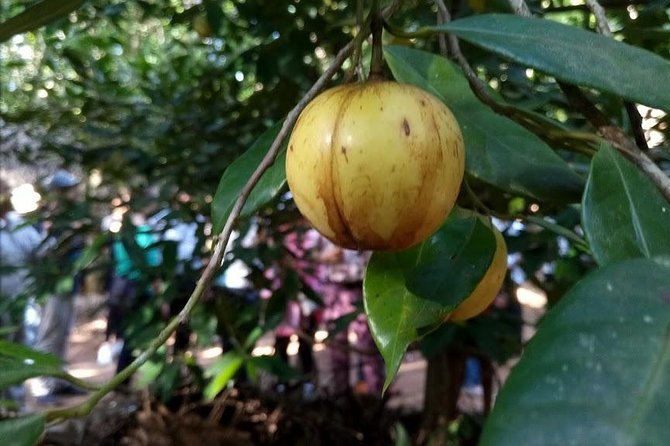
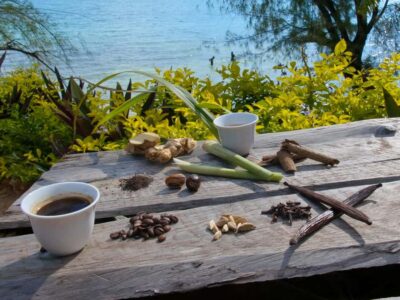
You may encounter cloves, lemongrass, nutmeg, cinnamon, turmeric, vanilla, chili, black pepper, cardamom, cassava, coconuts, papaya, jackfruit, and oranges. The exact order and timing of the stops can vary, but the walk is built around seeing, smelling, and tasting these plants.
The guide also explains how the crops are used in home cooking. That practical link makes the tour more useful than a list of plant names. You can ask about Zanzibar, local food, and the role of spices in everyday meals. Since the tour is private, you can spend more time on questions that match your interests, from baking with vanilla to using turmeric or cinnamon in savory dishes.
I would pay attention to the difference between a spice that is ready for use and the plant part from which it comes. The farm setting helps you connect the final kitchen ingredient with its source. For children, this can make the walk especially engaging. A spice is no longer just something in a cupboard, and the fruit samples give them something familiar to look forward to.
The farm is basic. That is not a flaw if you come prepared for a simple agricultural visit, but it is important to know what you are buying. You should not expect a visitor center, elaborate displays, or a row of modern facilities. One account specifically noted the lack of a washroom, so plan accordingly.
Tasting fruit, spices, and coconut

The tasting portion adds a welcome change of pace. You may sample tropical fruit such as banana, mango, papaya, jackfruit, and orange, along with spices and coconut. A particularly appealing part of the experience is trying flavors together, rather than tasting every item in isolation.
Fresh coconut is one of the memorable possibilities. The tasting can include coconut milk, and the combination of fruit and coconut gives you a direct sense of Zanzibar’s everyday produce. The visit is not only about dried spice packets. It also shows how much of the farm’s food is fresh, sweet, fragrant, and ready to eat.
Some experiences at the farm include a palm-leaf hat made by the guide. This is a small detail, but it reflects the hands-on character of the visit. A guide may also demonstrate how a coconut is harvested, including a climb up a coconut palm. These touches depend on the guide and conditions, so treat them as possible parts of the visit rather than guaranteed performances.
The tasting is a good reason to avoid rushing through the farm. Give yourself time to smell a leaf, taste a fruit, and ask how an ingredient is used. If you have dietary restrictions or allergies, raise them with the guide before sampling anything. The supplied information does not specify an allergy protocol, so you should take responsibility for deciding what you eat.
What the private format is worth
The price is $140 per person. That is a serious cost for an experience lasting about three hours, especially when the farm itself is modest. The value rests in the package: private guiding, hotel transport, bottled water, farm admission, and fruit and spice tasting.
For a couple or family that wants a flexible outing from Stone Town, the price can make sense. You are paying for personal attention and transport as much as for the farm entry. A private guide is especially useful if you want to ask many questions or have children who need a slower pace.
For a solo visitor, the cost may feel harder to justify. The experience is not built around expensive equipment, a long expedition, or a major historic site. If you are mainly looking for spices to take home, the shop alone is unlikely to provide the best value.
The fair way to judge the price is to ask what you want from the day. If you want context, conversation, local produce, and an easy private trip beyond Stone Town, the outing offers more than a quick market stop. If you want a low-cost walk and a cheap supply of cinnamon or cloves, you may prefer to skip the private package.
A few more options to weigh up in Zanzibar
- Full-Day Private Stone Town +Spice Farm and Prison Island Tour
★ 4.5 · 216 reviews - Zanzibar: Stone Town & Spice Farm Tour with Lunch
★ 4.5 · 97 reviews - Zanzibar:Stone Town & Spice Farm Private Tour Lunch Included
★ 4.2 · 94 reviews - Zanzibar full day Jozani forest + Spice farm and stone town
★ 4.7 · 90 reviews
The spice stall: buy carefully
The tour ends at a spice stall selling fresh packaged spices. Purchases are cash only, so carry cash if shopping is part of your plan. Buying something is not required, and you should feel free to look without committing.
I would compare prices before opening your wallet. Some products at the stall have been described as costing about twice what buyers expected. There have also been concerns about packaging and the freshness or appeal of the products. The farm operator has indicated that local communities manage the spice farms and that the tour company has limited control over the shop, but that does not change your responsibility as a buyer.
Ask what is in each package, check the seal, and decide if you really want it for the price. You may find a small purchase worthwhile as a souvenir, but do not assume the stall is automatically a bargain simply because it is attached to a farm.
This is also where the private format helps. You can take a few minutes to browse without a bus group waiting. You can also tell your guide politely if you do not want to shop.
The history behind Zanzibar’s spices
The farm visit has a useful historical thread. Spices were introduced to Zanzibar by Portuguese traders in the 16th century, with crops brought from Portuguese colonies in India and South America. Your guide connects that movement of plants to the island’s food and farming traditions.
The story is brief and practical rather than an extended museum lecture. That suits the setting. You hear the background while standing among the crops, then see how the ingredients are grown and used in cooking.
Ask questions if you want more detail about Zanzibar. The guide is available for questions related to the island, not just the plants in front of you. Since no individual guide names are supplied, you should not book this expecting a particular named guide. The quality of the conversation will depend on the person assigned to your group.
Who will enjoy this farm walk?
I would recommend the tour most strongly to families, couples, and first-time visitors who want an easy introduction to Zanzibar’s food culture. Children can touch and smell the plants, try fruit, and watch simple demonstrations. Adults get the historical context and a chance to ask questions without being tied to a large group.
It also suits anyone who likes low-key local experiences. The farm is not polished, and that is part of its character. You see a community-run agricultural setting rather than a purpose-built attraction.
You may want to choose another activity if you need reliable facilities, dislike walking in a basic farm environment, or mainly want inexpensive spices. The missing washroom is a real practical issue, not a minor footnote. The shop’s prices may also frustrate you if you arrive expecting wholesale rates.
The walk is described as suitable for most people, and it takes place near public transportation. Still, the provided details do not give a precise accessibility assessment, surface description, or information about seating. If mobility is a concern, ask the operator about the route before booking.
Timing, tickets, and cancellation
Your confirmation is provided at booking, and the activity uses a mobile ticket. The experience ends back at the meeting point, though included hotel drop-off may also apply depending on your arrangement.
Free cancellation is available if you cancel at least 24 hours before the local start time. Cancellations made inside that window are not refunded, and changes made less than 24 hours before departure are not accepted. This is worth noting if your Zanzibar plans depend on ferry or flight schedules.
The tour is operated by Samsons Safaris. The published overall rating is 4 out of 5 from three ratings, which suggests a generally positive but limited record. With such a small number of ratings, I would place more weight on the practical conditions: private guiding, farm simplicity, tasting, and the optional shop.
Should you book the Zanzibar Spice Farm Tour?
Book it if you want a private, question-friendly introduction to Zanzibar’s spices and tropical fruit, and you are comfortable with a modest farm setting. The best parts are the guided walk, the chance to see crops growing, and the tasting of fruit, coconut, herbs, and spices.
Skip it if your priority is modern facilities or cheap shopping. Bring water, expect no washroom at the farm, and treat the spice stall as optional rather than the reason for the trip. At $140 per person, the experience earns its value through private transport and personal guiding, not through luxury. For the right kind of visitor, that is a fair trade.
FAQ
Where does the Zanzibar Spice Farm Tour start?
It starts at 6 Degrees South, Plot 60, Waterfront Shangani Street, Zanzibar, Tanzania.
Where does the activity end?
The activity ends back at the meeting point.
How long does the tour last?
The overall experience lasts approximately three hours. The farm walking portion is listed as two hours.
Is the tour private?
Yes. Only your group participates in this private activity.
Is hotel pickup included?
Hotel pickup and drop-off are included. The listed meeting point is in Stone Town, so confirm the exact pickup details when booking.
What will I see at Tangawizi Spice Farm?
You can see spices, herbs, and fruits growing and being cultivated, including clove, lemongrass, nutmeg, cinnamon, turmeric, vanilla, chili, black pepper, cardamom, cassava, coconut, papaya, jackfruit, and oranges.
Is tasting included?
Yes. Fruit and spice tasting is included, along with bottled water.
Can I buy spices at the end?
Yes. The tour finishes at a spice stall selling fresh packaged spices. The stall accepts cash only.
Can I cancel for a full refund?
Yes, if you cancel at least 24 hours before the experience start time. Cancellations or changes made less than 24 hours before the start are not accepted for a refund.
Just added in Zanzibar
- Zanzibar:Ngoma local culture workshop,The Knowledge of Ngoma★ 5.0 · 1 review
- ZANZIBAR:Mnemba island, Spice farm and Jozani Forest★ 5.0 · 1 review
- Zanzibar: Zipline Adventure At Masingini Forest★ 4.6 · 2 reviews
- Zanzibar Walking Tour: Unveiling the Secrets of Stonetown★ 4.8 · 11 reviews
- Zanzibar: Walking Spice Farm with Local Cooking Class★ 4.4 · 9 reviews
- Zanzibar: Walking Tour★ 4.0 · 1 review
- Zanzibar: Uzi Island Mangrove Kayak Tour with Guide★ 5.0 · 1 review
- Zanzibar: Unique Guided Mangrove Tour by SUP or Kayak★ 5.0 · 1 review
Spice Farm Tours, compared.

Stone Town, Spice Tour, Prison Island with Lunch
Read our review →

Stone Town, Spice tour & Prison Island with Lunch
Read our review →
Full-Day Private Stone Town +Spice Farm and Prison Island Tour
Read our review →

The Swahili Spice Experience – Spice Tour + Culinary Journey
Read our review →Browse the lists this tour appears in