
Reviewed · SPICE FARM TOURS
Zanzibar Spice Tour
Smell your way through Zanzibar’s countryside. This three-hour private tour takes you to a local farm where you can see, touch, smell, and taste the plants that made Zanzibar famous. You’ll encounter cloves, cinnamon, nutmeg, vanilla, cardamom, ginger, pepper, curry, tamarind, menthol, and tropical fruit, with a guide explaining how each plant is used.
I like the private format, since your group can ask questions and move at a comfortable pace. I also like the mix of food, medicine, and local tradition. This is not only a shopping stop with a few spice jars on a table. The guide explains how plants grow and what people have used them for. The main consideration is the price: at $76.93 per person, it offers good value for a private outing with transport, but it costs more than a basic group farm visit.
The tour is operated by Mody Zanzibar Tours & Safaris, with guides such as Barak and Mody praised for friendly, personal service. Past visitors also enjoyed small hands-on touches, including grass bags and hats made during the visit. If you want a gentle morning activity with plenty of smells, tastes, and photographs, this is a good fit.
In This Review
- Key points at a glance
- Why Zanzibar is called the Spice Island
- A three-hour walk through a local farm
- From fresh plant to kitchen spice
- Plants used for medicine and everyday care
- The personal touch from Mody and Barak
- What the $76.93 price includes
- How it fits with Stone Town and other Zanzibar plans
- Who will enjoy this tour most
- Practical tips before you book
- Should you book the Zanzibar Spice Tour?
- FAQ
- Where does the Zanzibar Spice Tour take place?
- How long does the tour last?
- Is hotel pickup included?
- Is this a private tour?
- What spices can I expect to see?
- Are tropical fruits included?
- Does the guide explain medicinal plant uses?
- Is bottled water included?
- Are entrance fees and taxes included?
- Can I cancel for a full refund?
Key points at a glance
- Cloves and sultans from Oman: Learn how spices brought across the Indian Ocean helped shape Zanzibar’s identity as the Spice Island.
- More than a food tour: See plants used for cooking, medicine, wound care, and traditional remedies.
- Private attention: Only your group joins the activity, making it easier to ask questions or request a slower pace.
- Hotel pickup and drop-off: Transport, fuel surcharges, entrance fees, taxes, and waiting charges are included.
- A hands-on morning: Expect to smell spices, taste some of them, and possibly make simple grass bags or hats.
- Flexible planning: Free cancellation is available up to 24 hours before the start time, subject to the weather policy.
Why Zanzibar is called the Spice Island

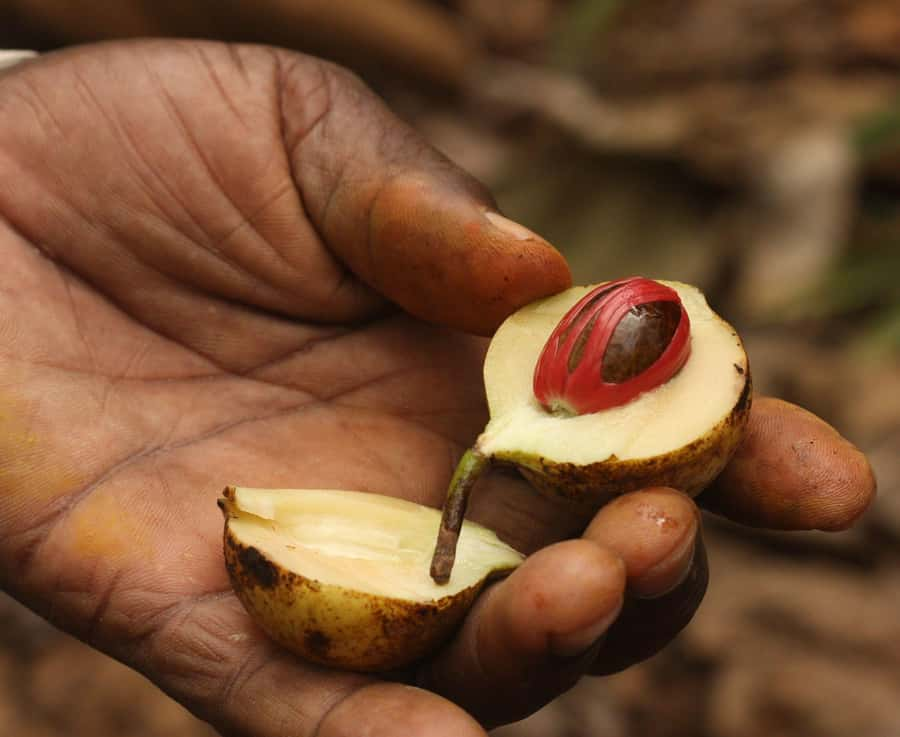
Zanzibar’s spice identity comes from trade, farming, and the movement of plants across the Indian Ocean. On this tour, your guide explains that many spices now associated with Zanzibar were brought from other lands. Sultans of Oman helped introduce plants such as cloves, cinnamon, nutmeg, vanilla, and cardamom.
That context gives the farm visit more meaning. You are not simply checking off a list of familiar kitchen ingredients. You are seeing how Zanzibar became linked with fragrant crops and overseas trade.
Cloves receive special attention because they are one of the island’s best-known spices. Cinnamon, nutmeg, vanilla, pepper, ginger, curry, tamarind, and menthol add variety to the walk. Some plants may be easy to recognize from their smell or taste, while others are less familiar because you normally meet them only after they have been dried, ground, or packaged.
I find that this type of tour works best when you slow down. A spice farm is not a grand monument. Its interest comes from small discoveries: the shape of a leaf, the scent released when a plant is rubbed, or the difference between a fresh ingredient and the powder in your kitchen cupboard.
More Spice Farm Tours in Zanzibar:
- Zanzibar: Stone Town, Spice Tour, Prison Island with Lunch
★ 4.4 · 1,219 reviews - Zanzibar: Prison Island, Stone Town, & Spice Farm Tour
★ 4.5 · 579 reviews - Zanzibar: Stone Town, Spice tour & Prison Island with Lunch
★ 4.6 · 453 reviews
A three-hour walk through a local farm
The experience is planned as a three-hour guided visit in the Zanzibar City area. Your hotel pickup removes one of the main hassles of getting to a rural farm, especially if you are unfamiliar with local roads or are arranging several activities during a short stay.
Once at the farm, the guide introduces the plants and explains their uses. The exact order can vary, but you should expect a steady walk through tropical vegetation rather than a formal museum-style presentation. This makes the outing feel more connected to daily life.
The pace should suit most people because the activity is private. You can ask for more detail about a particular spice, pause to take photographs, or spend more time tasting and smelling. The supplied information says most people can participate, though no detailed accessibility notes are provided. If you have mobility concerns, ask the operator about the walking surface and route before booking.
The tour includes bottled water. That is a small but useful inclusion in Zanzibar’s warm climate, particularly if you have already spent the morning moving between your hotel and the farm.
From fresh plant to kitchen spice
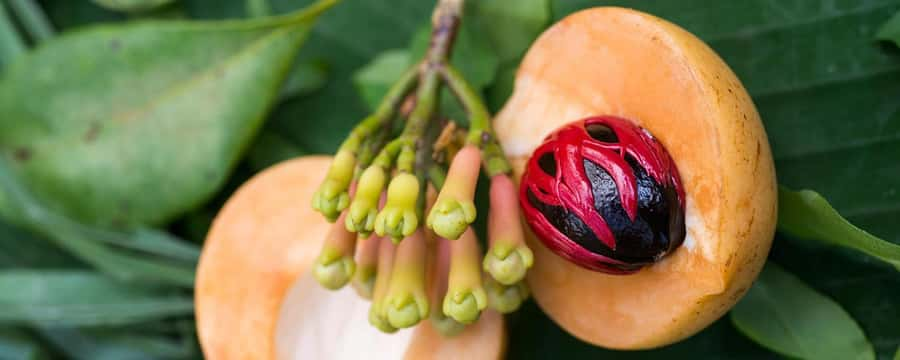
One of the best parts of the visit is seeing ingredients before they become familiar jars in a shop. Cinnamon, for example, is not simply a brown powder. The guide can connect the finished spice with the plant itself and explain its culinary role.
The same applies to vanilla, nutmeg, cardamom, pepper, and ginger. You can compare their smells and learn how they are used in cooking. Tropical fruits add a sweeter side to the visit, giving you a break from the sharper scents of cloves, menthol, and pepper.
The tasting element is worth paying attention to. One past visitor bought chicken masala and black pepper after the tour, with plans to use them in chicken pilau. That is a useful reminder to leave room in your luggage if you enjoy cooking. Personal purchases are not included in the tour price, so treat any spice shopping as an optional extra.
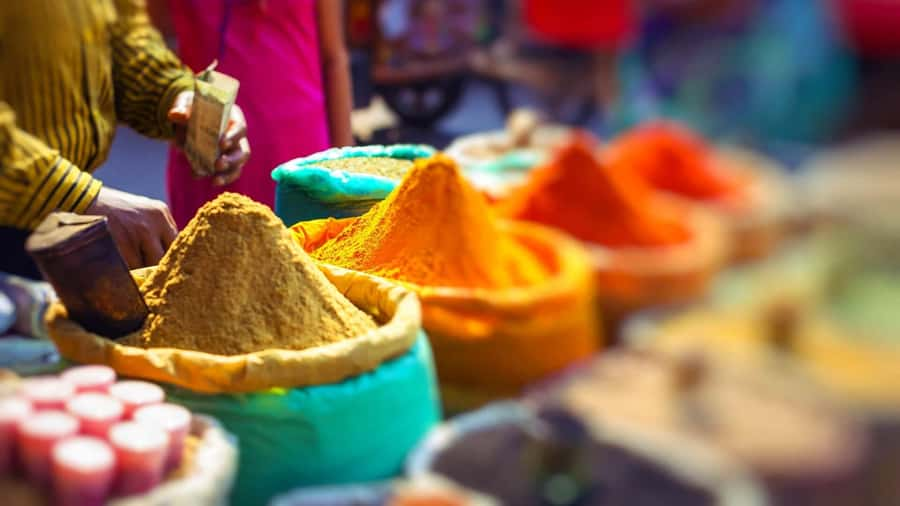
The farm setting also gives you a better sense of scale. In a market, spices are often displayed in neat piles or sealed packets. At a farm, you get a clearer idea of how many different plants can grow in the same tropical setting.
Plants used for medicine and everyday care

The guide does not limit the talk to recipes. Some plants are presented in connection with traditional medicine and household care.
The neem tree is one example. Its leaves were traditionally used as a remedy for malaria and indigestion. The iodine tree produces a deep red sap that was used to help fight infection and treat wounds. These examples show why the farm is also a lesson in local plant knowledge.
You should treat these explanations as cultural and historical information, not as medical advice. The tour does not include medical insurance, and nothing in the experience replaces professional treatment. Still, the medicinal section adds a useful layer to the visit. It shows that plants can have several roles at once: food, fragrance, medicine, and trade goods.
This is also where a good guide matters most. Mody and Barak are praised for making the experience friendly and engaging, and that personal delivery can turn a list of plant names into a memorable morning. The private setup gives you room to ask sensible follow-up questions instead of trying to hear a guide over a large crowd.
A few more options to weigh up in Zanzibar
- From Zanzibar: Mikumi Safari Day Trip with Flights and Meal
★ 4.7 · 1,470 reviews - Zanzibar: Quad Bike Adventure departing from Kendwa or Nungwi
★ 4.9 · 1,233 reviews - From Zanzibar: Day Selous Game Reserve Safari with Flights
★ 4.7 · 1,025 reviews - Zanzibar: Prison Island and Nakupenda Boat Trip with Lunch
★ 4.1 · 882 reviews
The personal touch from Mody and Barak
The strongest praise centers on the service. Mody is described as friendly, reliable, and willing to help with wider Zanzibar plans. One account describes him keeping in touch before arrival and meeting a visitor at the ferry terminal. That suggests an operator who pays attention to coordination, not only the farm visit itself.
Another visitor booked Mody more than once for different Zanzibar activities. That is useful if you are building a custom day around the spice farm, Stone Town, Prison Island, or a sandbank trip. The operator also works with solo visitors and can adjust tours to individual needs.
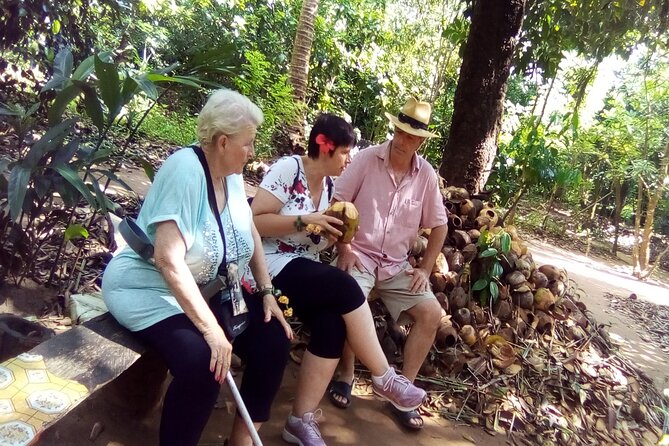
Barak is specifically praised for making the spice visit fun and engaging. Another guide created grass bags and hats during the morning. These details are not guaranteed for every departure, but they show the kind of simple, local activity that can make the tour feel less like a lecture.
The service is personal rather than polished in a luxury-resort sense. If you want a large visitor center, printed botanical labels, or a highly staged presentation, this may feel informal. If you prefer a warm guide who explains things directly and helps the morning run smoothly, that informality is a strength.
What the $76.93 price includes

The listed price is $76.93 per person. That is not the cheapest way to see spices, but the price covers more than admission to a farm.
Included features are:
- Professional tour guide
- Hotel pickup and drop-off
- Bottled water
- Entrance fees
- Taxes and service charges
- Fuel surcharges
- Transport waiting charges
The private format is the key value point. You are paying for a reserved experience for your own group, rather than joining a standard shared departure. For a couple, family, or small group that values privacy and direct attention, the cost can make sense.
Group discounts are offered, though the exact saving is not provided. Ask for the group price before confirming if you are booking for several people. The tour is often reserved around 27 days ahead, so advance planning is sensible during busy holiday periods.
The price does not cover flights, visa costs, airport taxes, medical insurance, or personal spending. Spices and other items you choose to buy at the farm are also personal expenses. Keep that distinction clear when planning your budget.
How it fits with Stone Town and other Zanzibar plans
The spice tour works well as a half-day activity. Its three-hour length leaves time for Stone Town, a beach afternoon, or another organized trip. One itinerary combined a spice farm with Stone Town, while other outings with the same operator included Prison Island and the Nakupenda sandbank.
I would avoid cramming too many major stops into the same morning. The farm walk is most enjoyable when you have time to listen, taste, and take photographs without watching the clock every few minutes.
Pickup and drop-off make the timing easier, but confirm the exact pickup point and start time when booking. The tour includes a transport waiting charge, which is helpful if your group needs a little time to gather, though the allowed waiting period is not specified.
The experience requires good weather. If poor weather cancels the tour, you can receive a full refund or choose another date. That policy is useful in Zanzibar, where a sudden downpour can affect an outdoor farm visit.
Who will enjoy this tour most
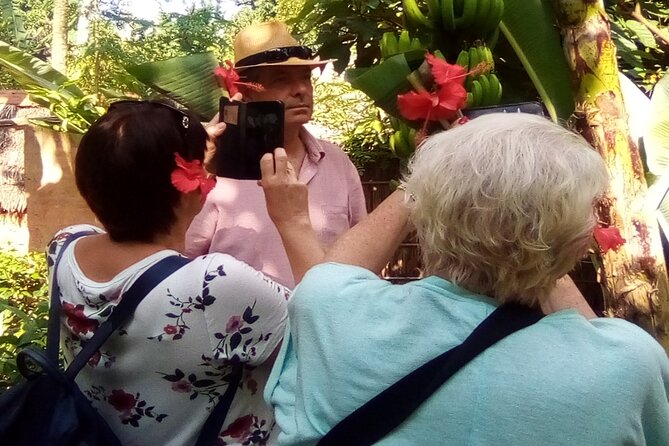
I would recommend the experience to several types of visitors:
- First-time visitors to Zanzibar: You get a simple introduction to one of the island’s defining products.
- Food lovers: The tasting and spice explanations connect directly with cooking.
- Families: The smells, fruit, and hands-on elements can hold children’s attention better than a long historical talk.
- Solo visitors: A private guide can make the outing feel more comfortable and easier to personalize.
- Photographers: Tropical plants, spice displays, handmade grass items, and farm scenes offer plenty of subjects.
- Visitors with a short stay: Three hours is long enough for substance without taking a full day.
It may be less suitable if your main goal is wildlife, swimming, or major historic sights. The tour does not replace Stone Town sightseeing, a marine trip, or a beach day. Its appeal is slower and more sensory.
The additional information refers to snorkeling with guides, but the main experience described here is the spice farm tour. If snorkeling is important to your plans, confirm whether that activity is part of your booking or a separate tour.
Practical tips before you book
Wear comfortable clothing for a warm outdoor walk. The tour is only about three hours, but you will be moving around a farm rather than sitting in an air-conditioned room.
Bring space for small purchases if you want spices such as chicken masala or black pepper. Since personal purchases are not included, carry a payment method that works for the operator or farm, though the accepted methods are not specified.
Tell the operator in advance if you have special timing needs, mobility concerns, or a preference for a particular focus such as cooking or traditional plant uses. The private format makes requests more realistic, but no specific customization is guaranteed.
The tour has a mobile ticket and confirmation is provided at booking. Free cancellation applies when you cancel at least 24 hours before the start time. Changes or cancellations made later are not refunded, and late changes are not accepted. The cut-off follows Zanzibar’s local time.
Should you book the Zanzibar Spice Tour?
Book it if you want a friendly, low-pressure introduction to Zanzibar’s farming traditions and famous spices. The combination of hotel transport, a private guide, bottled water, entrance fees, and a three-hour visit gives the $76.93 price reasonable value for couples, families, and small groups.
I especially like it for visitors who want something more personal than a standard sightseeing loop. The strongest points are the warm service associated with Mody and Barak, the chance to taste and smell fresh ingredients, and the explanation of medicinal as well as culinary plants.
Skip it if you dislike outdoor walking, have no interest in food or plants, or want a major landmark every hour. For everyone else, this is a pleasant way to understand why Zanzibar earned its Spice Island nickname, with enough local detail to make the morning worthwhile.
FAQ
Where does the Zanzibar Spice Tour take place?
The tour takes place at a local spice farm in the Zanzibar City area, with pickup and drop-off from your hotel.
How long does the tour last?
The guided spice tour lasts approximately three hours.
Is hotel pickup included?
Yes. Pickup and drop-off from your hotel are included in the tour.
Is this a private tour?
Yes. Only your group participates in the private tour or activity.
What spices can I expect to see?
The tour may include cloves, cinnamon, nutmeg, vanilla, cardamom, curry, pepper, tamarind, ginger, menthol, and other spices and herbs.
Are tropical fruits included?
Yes. Tropical fruits are part of the plants and produce explored during the farm visit.
Does the guide explain medicinal plant uses?
Yes. The guide explains that some plants are used for medicine as well as cooking, including traditional uses of neem leaves and iodine tree sap.
Is bottled water included?
Yes. Bottled water is provided during the tour.
Are entrance fees and taxes included?
Yes. Entrance fees, taxes, fuel surcharges, service fees, and transport waiting charges are included.
Can I cancel for a full refund?
Yes, if you cancel at least 24 hours before the experience start time. Cancellations made less than 24 hours in advance are not refunded. If poor weather causes the operator to cancel, you can receive a full refund or select another date.
Just added in Zanzibar
- Zanzibar:Ngoma local culture workshop,The Knowledge of Ngoma★ 5.0 · 1 review
- ZANZIBAR:Mnemba island, Spice farm and Jozani Forest★ 5.0 · 1 review
- Zanzibar: Zipline Adventure At Masingini Forest★ 4.6 · 2 reviews
- Zanzibar Walking Tour: Unveiling the Secrets of Stonetown★ 4.8 · 11 reviews
- Zanzibar: Walking Spice Farm with Local Cooking Class★ 4.4 · 9 reviews
- Zanzibar: Walking Tour★ 4.0 · 1 review
- Zanzibar: Uzi Island Mangrove Kayak Tour with Guide★ 5.0 · 1 review
- Zanzibar: Unique Guided Mangrove Tour by SUP or Kayak★ 5.0 · 1 review
Spice Farm Tours, compared.
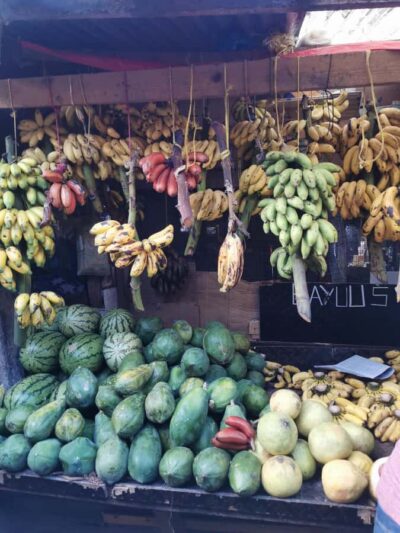
Stone Town, Spice Tour, Prison Island with Lunch
Read our review →

Stone Town, Spice tour & Prison Island with Lunch
Read our review →
Full-Day Private Stone Town +Spice Farm and Prison Island Tour
Read our review →

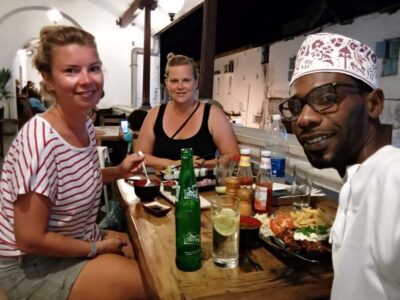
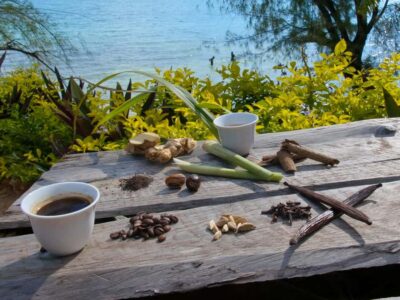
The Swahili Spice Experience – Spice Tour + Culinary Journey
Read our review →Browse the lists this tour appears in