
Reviewed · SPICE FARM TOURS
Zanzibar Spice tour
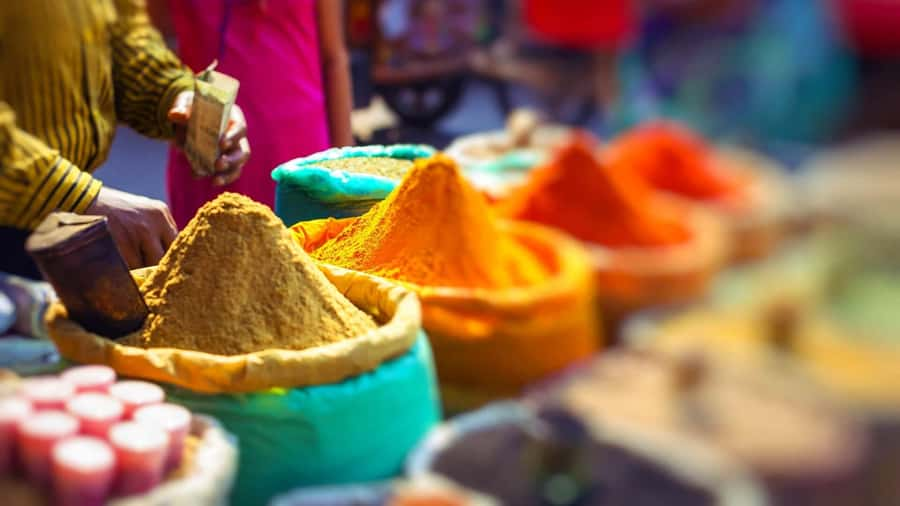
Spices grow in surprising places. This Zanzibar farm visit takes you from Stone Town into village paths and working plantations, where you can smell, touch, taste, and watch spices being harvested. I especially like the hands-on format and the generous traditional lunch served by local cooks. The main consideration is the three-hour schedule, which includes transport, walking, tasting, and lunch, so the farm visit may feel brisk.
I also like that pickup and drop-off are included, and that the guide adds context about Zanzibar rather than simply pointing at plants. Guides named Mohamed Ali, Mo, and Ally receive repeated praise for clear explanations, punctual service, and friendly company. Bring comfortable shoes, long clothing, and mosquito repellent, since this is a real outdoor walk rather than a polished indoor exhibit.
In This Review
- Key points before you book
- Leaving Stone Town at 9:00 am
- Walking through Zanzibar’s spice plants
- Fruit tasting in the shade
- Palm-leaf rings, glasses, and other small surprises
- A local Swahili lunch at the farm
- Why the $70 price can make sense
- What to wear and pack for the farm
- Who will enjoy this Zanzibar spice tour
- How the guide shapes the morning
- Booking and cancellation details
- Is this Zanzibar spice tour worth booking?
- FAQ
- Where does the Zanzibar spice tour take place?
- What time does the tour start?
- How long does the tour last?
- Is hotel pickup included?
- What is included in the $70 price?
- Is lunch provided?
- Will I taste spices and fruit?
- What should I wear?
- Is the tour private?
- Can I cancel for a full refund?
Key points before you book
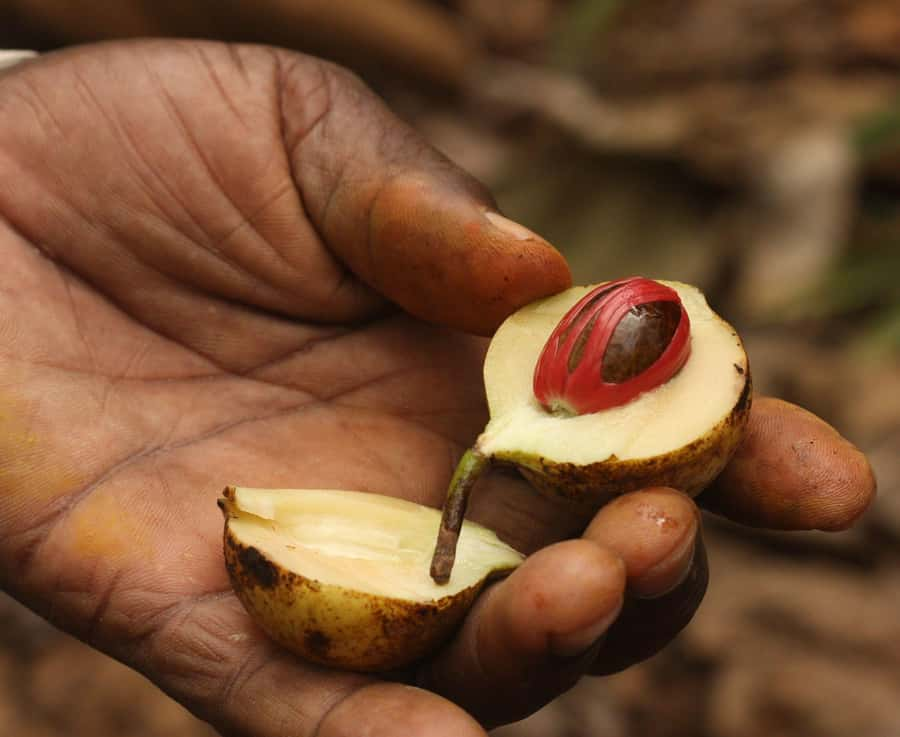
- A working spice farm near Stone Town: Walk through village paths and plantation plots while seeing how spices are grown and collected.
- You use more than your eyes: Touch bark, smell cloves, taste herbs, and sample tropical fruit during the visit.
- A Swahili lunch is included: Local cooks serve a traditional meal prepared with the spices you have just encountered.
- Palm-leaf decorations are part of the fun: Farm workers make simple ties, rings, bracelets, and glasses for you.
- Private activity with a stated cap of 15 people: The booking information describes the tour as private, while also listing a maximum group size of 15, so confirm the arrangement for your party.
- Hotel pickup starts at 9:00 am: Transport, guide services, farm admission, taxes, and lunch are included in the $70 price.
Leaving Stone Town at 9:00 am
The tour begins with pickup from your hotel at 9:00 am. That simple detail matters in Zanzibar, where arranging transport can otherwise take time and create uncertainty. You are collected, driven to Jambo Spice Farm, and returned after the experience.
The drive is part of the transition. Stone Town is dense and urban, while the farm visit takes you into villages and cultivated plots. The tour is not only about buying a packet of cloves. It gives you a chance to see the rural setting behind Zanzibar’s long association with spices.
The schedule lasts about three hours. One part of the visit is listed as a two-hour farm stop, with the remaining time covering pickup, transfer, and the meal. You should not expect a full-day agricultural program. This is a compact morning outing that fits neatly into a longer Zanzibar itinerary.
The guides are one of the strongest parts of the experience. Mohamed Ali, also called Mo, is described as the owner of the tour company and as a guide who explains both Zanzibar and its spices. Ally is also praised for explaining plantation practices and herbal uses. If having a particular guide matters to you, ask about availability when booking.
More Spice Farm Tours in Zanzibar:
- Zanzibar: Stone Town, Spice Tour, Prison Island with Lunch
★ 4.4 · 1,219 reviews - Zanzibar: Prison Island, Stone Town, & Spice Farm Tour
★ 4.5 · 579 reviews - Zanzibar: Stone Town, Spice tour & Prison Island with Lunch
★ 4.6 · 453 reviews
Walking through Zanzibar’s spice plants

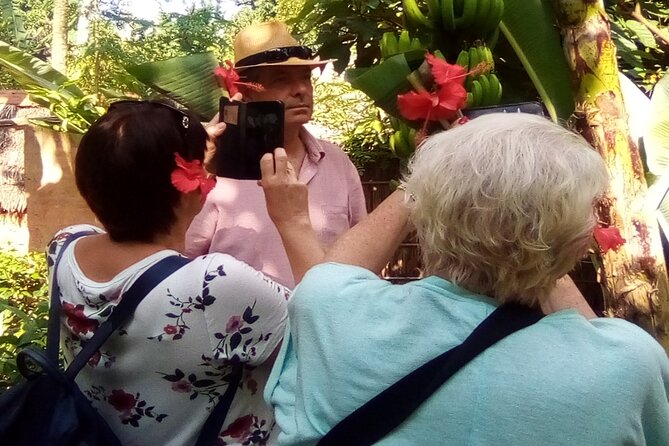
At Jambo Spice Farm, you walk through plantation areas and village surroundings with a guide. The appeal is the direct contact. Instead of seeing dried spices in market bowls, you can encounter plants where they grow and learn how farm workers collect them.
The tour description specifically includes workers climbing trees, identifying plants, and cutting bark. That gives the visit a working-farm feel. You may see the process at close range, then feel and taste selected items as the guide explains their uses.
Cloves are a memorable part of the experience. The smell of clove trees is singled out as a first-time surprise by one visitor, and it is easy to see why. Cloves are familiar in kitchens, but encountering the scent at the plant changes your understanding of the spice. The same applies to other herbs and bark products. A kitchen ingredient becomes something physical and living.
The guide’s role is important here. A good explanation connects the plant to food, herbal remedies, and daily use. The strongest feedback about this tour centers on clear, fluent storytelling and practical explanations. That makes the visit useful for cooks, gardeners, and anyone who wants more than a photo stop.
You will want to walk slowly enough to notice the smells and textures. Still, remember that you are on a group excursion with a set duration. The tour covers many plants, so the guide cannot give every item a long lesson. If a particular spice interests you, ask questions as you go.
Fruit tasting in the shade
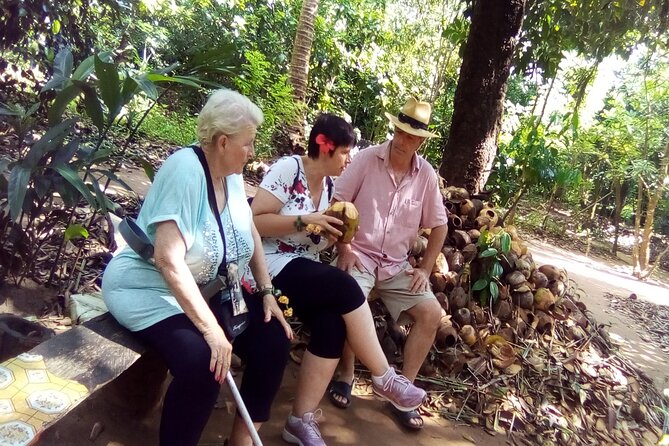
Zanzibar’s fruit is part of the farm experience. Tropical fruit is served during the visit, including a generous selection used as dessert after lunch. The fruit adds color and sweetness to a tour that otherwise focuses on bark, seeds, roots, and fragrant leaves.
This is also one of the more social parts of the morning. You can pause after the walk, taste unfamiliar fruit, and compare flavors with the people in your party. Several comments point to the quantity of fruit served, so you should not treat this as a token sample.
The exact fruit selection is not fixed in the tour details. That is sensible for a farm visit, since availability can change. You might find a mix of familiar and less familiar tropical varieties. The important point is that fruit tasting is included, not an extra purchase.
If you have food allergies or dietary restrictions, tell the operator before departure. The provided information does not list specific substitutions or allergy arrangements, so you should not assume every item will suit you.
Palm-leaf rings, glasses, and other small surprises

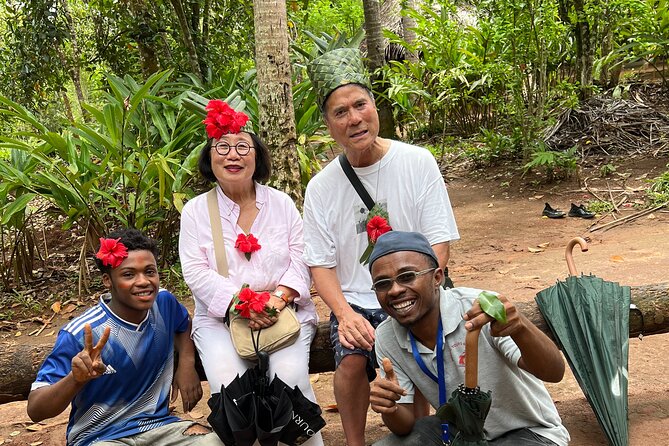
During the farm walk, you may be decorated with accessories made from palm leaves. The listed items include ties, rings, bracelets, and glasses. These are simple, handmade touches, but they give the tour a playful quality and help break up the plant lessons.
The craft element also shows how local materials can be used creatively. One account describes gifts being made in front of visitors, while the tour details mention the palm-leaf accessories. You may have an opportunity to buy spices or perfumes at the exit as well.
That final shopping stop is worth handling with a clear budget. Purchasing products is optional, and personal expenses are not included in the $70 price. I would treat the shop as a chance to buy something useful, not as a required part of the experience.
The accessories are not the reason to book this tour, but they are a nice fit for families and couples. Children may enjoy the hands-on side more than a long explanation of plantation methods. Adults who like food, plants, or local crafts will find the small details memorable.
A few more options to weigh up in Zanzibar
- From Zanzibar: Mikumi Safari Day Trip with Flights and Meal
★ 4.7 · 1,470 reviews - Zanzibar: Quad Bike Adventure departing from Kendwa or Nungwi
★ 4.9 · 1,233 reviews - From Zanzibar: Day Selous Game Reserve Safari with Flights
★ 4.7 · 1,025 reviews - Zanzibar: Prison Island and Nakupenda Boat Trip with Lunch
★ 4.1 · 882 reviews
A local Swahili lunch at the farm

After the walk, local cooks serve a traditional Swahili lunch at the farm. This is a major part of the value. You are not simply taken back to Stone Town after a short demonstration. The meal lets you taste how the spices are used in cooking.
The description calls the lunch generous, and the included services specifically list a meal served by locals at the farm. The fruit follows as dessert. In practical terms, this means you can plan the morning without adding a separate restaurant stop immediately afterward.
The meal also gives the guide’s explanations a useful finish. You have just smelled and handled spices, and now you can notice them in prepared food. I like that connection because it turns a lesson into something you can understand with your own senses.
The menu is not specified, so you should not book this expecting a particular dish. If you need a special diet, ask ahead. The tour includes lunch, but no detailed dietary policy is provided.
Lunch may also affect the pace. A three-hour tour that includes a farm walk and a full meal leaves limited time for lingering. If you want extended photography, detailed plant study, or a long market visit, you may prefer a longer private arrangement.
Why the $70 price can make sense
The price is $70 per person. That is not the cheapest way to spend a morning in Zanzibar, but the cost covers several separate pieces: hotel pickup and return, transport, a professional guide, farm fees, taxes, and lunch.
If you arranged each part alone, you would need to find the farm, organize transport, pay admission, arrange a guide, and locate a meal. The bundled price is most useful for visitors staying in or near Stone Town who want a straightforward outing without managing those details.
The value improves for a small private party. The activity is described as private, with only your group participating, although the information also says group sizes are capped at 15. Because those two details can sound different, confirm whether your booking is fully private and how the maximum applies.
Group discounts are available. That makes the excursion more appealing for families or friends traveling together. A couple also benefits from the small-group feel, especially since the schedule and transportation are already organized.
I would judge the price by what you want from the morning. If your priority is a quick plantation visit and local lunch with transport included, the package is reasonably complete. If you only want to buy spices, a market stop will be cheaper. If you want a serious agricultural workshop, this three-hour tour may not go far enough.
What to wear and pack for the farm
Wear comfortable walking shoes. The route passes through farms and villages, so sensible footwear matters more than beach sandals or formal shoes.
Long clothing is recommended. It offers protection from sun, insects, and rough vegetation, and it is respectful for a visit that includes local communities. Bring mosquito repellent as well.
The provided details do not list water, sunscreen, or a hat as included items. You may want to carry what you normally need for a warm outdoor morning, but do not confuse personal supplies with tour inclusions.
A phone or camera is useful for recording plant details and the palm-leaf crafts. Ask before photographing farm workers or local residents. The tour is built around direct contact, and a little courtesy keeps that contact comfortable for everyone.
Most people can participate, according to the activity information. Still, you should be ready for walking on a farm path and standing during demonstrations. Specific accessibility details are not provided, so ask the operator if you have mobility concerns.
Who will enjoy this Zanzibar spice tour
I would recommend this outing to anyone who wants a break from Stone Town’s streets and beaches. It suits food lovers particularly well because the guide connects plantation ingredients with Swahili cooking.
It is also a good choice for first-time visitors. The guide can add background about Zanzibar on the journey, then introduce the farm in a way that links local agriculture with the island’s identity. The result is more useful than a simple photo opportunity.
Families may appreciate the fruit, crafts, and manageable length. Couples can enjoy the private format if that arrangement is confirmed. Small groups should ask about the available discount before booking.
The tour may be less suitable if you dislike outdoor walking, insects, or informal farm conditions. It also may not satisfy you if you want a long, technical lesson on cultivation. The visit is designed to be active, friendly, and accessible, not academic.
How the guide shapes the morning
The repeated praise for Mo, Mohamed Ali, and Ally focuses on punctuality, fluent communication, friendly manners, and clear explanations. Those qualities matter because the farm itself does not tell you what you are seeing. The guide turns ordinary-looking plants into useful discoveries.
Mo is also described as helping organize other Zanzibar excursions, including Stone Town and Prison Island visits. That suggests he may be a useful contact if you are arranging several activities, though this specific booking covers the spice farm experience.
You should still set your expectations carefully. Guide quality can vary by date and assignment, and the listing identifies more than one guide. Ask who will lead your tour if you have a strong preference for Mo or Ally.
Booking and cancellation details
Confirmation is provided when you book. Pickup begins at 9:00 am, and the tour includes hotel pickup and drop-off.
You can cancel for a full refund up to 24 hours before the start time. Cancellations or changes made within 24 hours are not accepted for a refund. The cut-off uses Zanzibar’s local time.
The experience requires a minimum number of participants. If the operator cancels because that minimum is not reached, you are offered another date or experience, or a full refund.
Is this Zanzibar spice tour worth booking?
Yes, I would book it if you want a well-organized half-morning that combines local agriculture, tasting, crafts, and lunch. The strongest reasons are the hands-on farm walk, the clear local guiding, and the fact that transport and a meal are already covered.
I would hesitate only if your schedule is tight, you need detailed accessibility information, or you want a long specialist tour. Before paying, confirm the exact pickup location, the guide assigned to your date, and whether your booking is private or part of a group capped at 15.
For most first visits to Zanzibar, this is a useful way to understand why the island is called the Spice Island. You leave with more than a bag of cinnamon or cloves. You have seen where the ingredients grow, learned how people use them, tasted them in a local meal, and met the people who make the visit work.
FAQ
Where does the Zanzibar spice tour take place?
The tour visits Jambo Spice Farm near Stone Town and includes walking through villages and spice plantation areas.
What time does the tour start?
Pickup begins at 9:00 am.
How long does the tour last?
The full experience lasts about three hours. The farm visit itself is listed as approximately two hours.
Is hotel pickup included?
Yes. Pickup and drop-off are included in the tour price.
What is included in the $70 price?
The price includes pickup and drop-off, a professional guide, farm fees, taxes, and lunch served by locals at the farm.
Is lunch provided?
Yes. A traditional Swahili lunch is served at the farm, followed by tropical fruit.
Will I taste spices and fruit?
Yes. The walking visit includes opportunities to smell, feel, and taste selected spices, as well as taste exotic Zanzibar fruit.
What should I wear?
Comfortable walking shoes and a long outfit are recommended. You should also bring mosquito repellent.
Is the tour private?
The activity is described as private, with only your group participating. The information also gives a maximum group size of 15, so confirm the exact arrangement when booking.
Can I cancel for a full refund?
Yes. You can cancel at least 24 hours before the start time for a full refund. Cancellations or changes within 24 hours are not refunded.
Just added in Zanzibar
- Zanzibar:Ngoma local culture workshop,The Knowledge of Ngoma★ 5.0 · 1 review
- ZANZIBAR:Mnemba island, Spice farm and Jozani Forest★ 5.0 · 1 review
- Zanzibar: Zipline Adventure At Masingini Forest★ 4.6 · 2 reviews
- Zanzibar Walking Tour: Unveiling the Secrets of Stonetown★ 4.8 · 11 reviews
- Zanzibar: Walking Spice Farm with Local Cooking Class★ 4.4 · 9 reviews
- Zanzibar: Walking Tour★ 4.0 · 1 review
- Zanzibar: Uzi Island Mangrove Kayak Tour with Guide★ 5.0 · 1 review
- Zanzibar: Unique Guided Mangrove Tour by SUP or Kayak★ 5.0 · 1 review
Spice Farm Tours, compared.

Stone Town, Spice Tour, Prison Island with Lunch
Read our review →

Stone Town, Spice tour & Prison Island with Lunch
Read our review →
Full-Day Private Stone Town +Spice Farm and Prison Island Tour
Read our review →

The Swahili Spice Experience – Spice Tour + Culinary Journey
Read our review →Browse the lists this tour appears in