
Reviewed · SPICE FARM TOURS
Zanzibar Spice tour
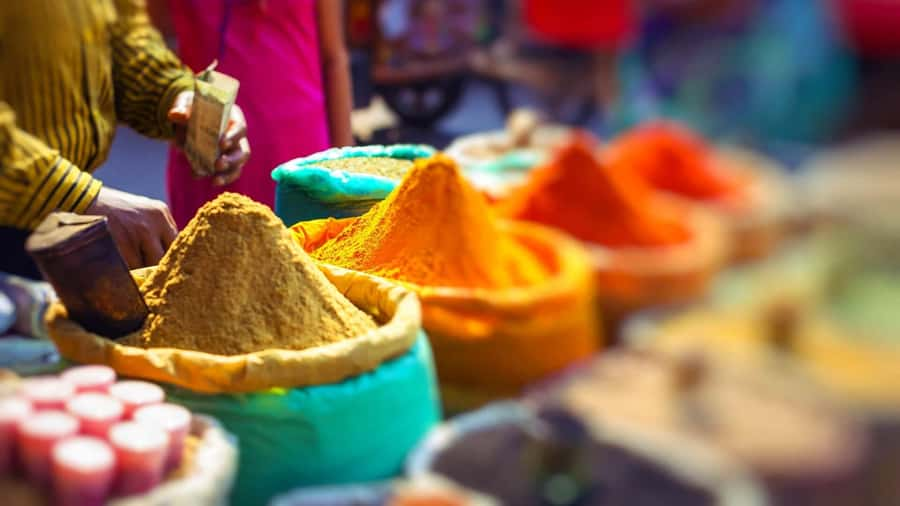
Spices tell Zanzibar’s story. This three-hour private outing from Stone Town takes you into the island’s green countryside, where you can smell, taste, and see the crops behind Zanzibar’s famous nickname, The Spice Island. You’ll visit Kidichi Persian Baths, walk through a spice farm, sample tropical fruit, and learn how cloves, cinnamon, cardamom, turmeric, nutmeg, and black pepper fit into local life.
I like the hands-on tasting and the chance to see plants such as ylang-ylang, cocoa, coffee, the lipstick tree, and the henna bush. I also like that the tour includes the Kidichi Persian Baths, adding history to what could otherwise be a simple farm visit. The main consideration is that no meal is served, and the walking can be uncomfortable for anyone with serious medical or mobility concerns.
The price is $40 per person, including a guide, entrance fees, water, taxes, and pickup from Stone Town hotels. That is a fair price if you want a private introduction to Zanzibar’s countryside without arranging transport and farm entry yourself. Beach hotel pickup costs extra, so check that charge before booking.
In This Review
- Key points at a glance
- Leaving Stone Town for Zanzibar’s spice country
- Walking through Kidichi Spice Farm
- Tasting Zanzibar’s tropical fruit
- The 1850 Kidichi Persian Baths
- Why Zanzibar became known as The Spice Island
- A private format with several language choices
- Timing, comfort, and what to pack
- The optional cooking class
- Who will enjoy this tour most?
- Is the $40 price good value?
- Should you book the Zanzibar Spice Tour?
- FAQ
- How long does the Zanzibar Spice Tour last?
- Where does the tour start?
- Is hotel pickup included?
- What is included in the price?
- Is food included?
- What languages are available?
- Is the tour private?
- Can I request a cooking class?
- What should I bring?
- Can I cancel the booking?
Key points at a glance
- Kidichi Persian Baths date to 1850: See the historic baths built by Seyyid Said bin Sultan for his Persian connection.
- Tasting is part of the experience: Try seasonal fruit such as jackfruit, pineapple, banana, green coconut juice, durian, lychee, soursop, and love apple.
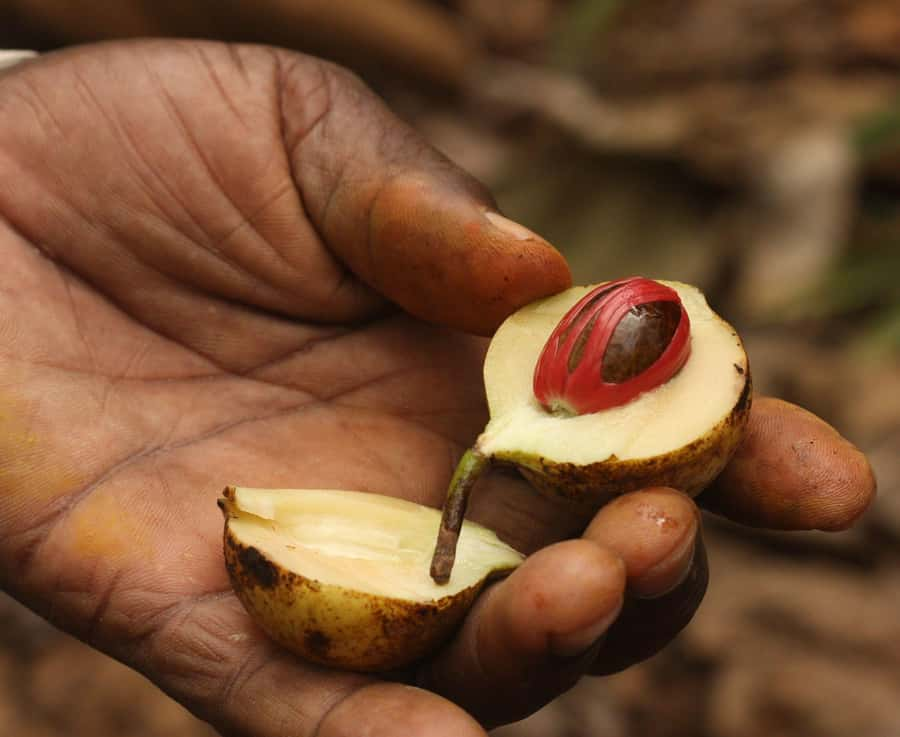
- Spices grow alongside other useful plants: Look for cloves, cardamom, cinnamon, black pepper, turmeric, nutmeg, cocoa, coffee, henna, and ylang-ylang.
- Stone Town hotel pickup is included: The guide meets you at your hotel reception lounge and returns you there afterward.
- The tour is private: You receive a guide in English, French, German, or Spanish for your own group.
- Ask about the cooking class: A cooking class at the spice farm is available on request, but it should be arranged in advance.
Leaving Stone Town for Zanzibar’s spice country

The tour begins at Tembo House Hotel in Stone Town, or with pickup from another Stone Town hotel. Your guide is due to meet you in the reception lounge, holding your name. That simple arrangement matters in Stone Town, where narrow streets and busy hotel entrances can make meeting points less obvious.
The drive takes you away from the old town and into the countryside. The supplied schedule allows about 30 minutes for the van portion, although the total activity is described as three hours, so confirm the exact timing when you book. The outing is private, which gives you more freedom to ask questions and spend time on plants that interest you.
You should wear closed-toe walking shoes. The farm visit is on foot, and comfortable shoes will make the experience much easier. Insect repellent is also a smart item to pack, along with a camera, cash, and the bottle of water provided by the operator.
More Spice Farm Tours in Zanzibar:
- Zanzibar: Stone Town, Spice Tour, Prison Island with Lunch
★ 4.4 · 1,219 reviews - Zanzibar: Prison Island, Stone Town, & Spice Farm Tour
★ 4.5 · 579 reviews - Zanzibar: Stone Town, Spice tour & Prison Island with Lunch
★ 4.6 · 453 reviews
Walking through Kidichi Spice Farm
The main stop is Kidichi Spice Farm Zanzibar. Here, the guide introduces the crops that helped shape the island’s trade and identity. This is not just a stop for looking at jars of powder. You get to encounter spices as living plants, then smell and taste some of them in their fresh form.
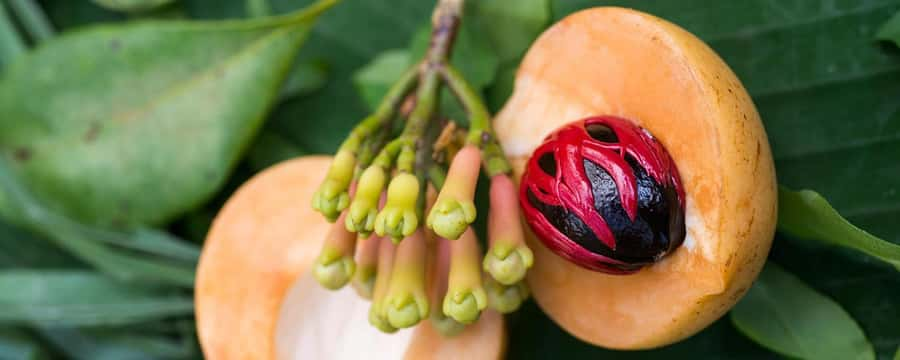
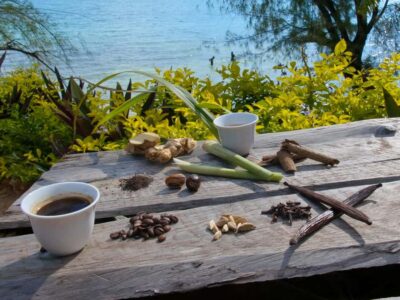
Cloves, cardamom, cinnamon, black pepper, turmeric, and nutmeg are the familiar stars. Their names may be common in your kitchen, but seeing how they grow gives them a new meaning. You can connect the finished spice in your cupboard with the plant in the soil, bark on a tree, seed, or pod in front of you.
The guide also points out plants that many visitors would not expect on a spice tour. These can include the iodine plant, henna bush, ylang-ylang, lipstick tree, cocoa, and coffee bean trees. The variety is one of the best reasons to choose this outing. You are learning about farming, scent, cosmetics, food, and local plant use at the same time.
I would pay close attention to the guide’s explanation of how each plant is used. The most worthwhile part is not collecting a long list of spice names. It is understanding why Zanzibar’s plant life affected its culture, trade, and daily routines.
Tasting Zanzibar’s tropical fruit
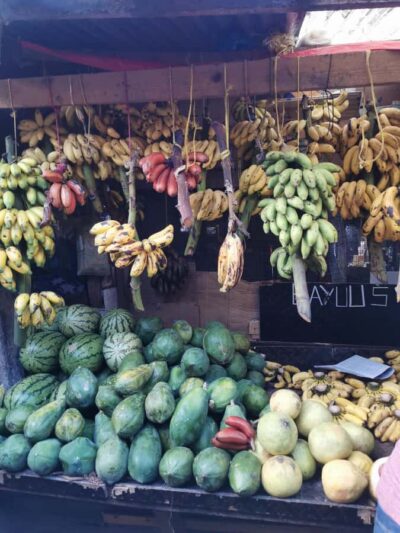
The tasting portion adds sweetness and surprise to the walk. Depending on the season, you may try jackfruit, pineapple, banana, green coconut juice, durian, love apple, lychee, and soursop.
Seasonality matters here. You should not expect every fruit to appear on every visit, but that is part of the appeal. The available fruit depends on what is ready at the farm. A fruit tasting also gives the tour a stronger connection to ordinary island life than a quick display of dried spices would.
Some flavors may be familiar, while others may take more courage. Durian, for example, is known for its strong smell, while green coconut juice is light and refreshing. Soursop and jackfruit have their own textures and flavors, and the guide can help explain what you are trying.
One practical point is important: tasting fruit and spices does not mean a meal is included. No food is served on this tour. Eat beforehand if you need a proper breakfast or lunch, and do not book this as a substitute for a restaurant stop.
The 1850 Kidichi Persian Baths
Kidichi Persian Baths give the tour a historical stop beyond agriculture. The baths were built in 1850 by Seyyid Said bin Sultan for his Persian connection. Their presence helps explain the wider cultural links that shaped Zanzibar during the sultanate period.
The visit is listed as part of the guided stop, along with sightseeing, walking, tasting, and break time. You can expect the guide to provide context about the baths and Zanzibar’s past rather than simply showing you the structure and moving on.
This stop is especially useful if you have already spent time in Stone Town and want to connect the old city’s history with the countryside beyond it. The spice farms explain the island’s agricultural identity. The baths point toward its royal and Persian connections. Together, they make the outing feel more complete.
Do not expect a large museum visit or a full historical tour. The activity is built around the farm, with the baths included as one part of a three-hour program. If your main goal is detailed architectural study, you will want to allow separate time for Stone Town’s historic sites.
A few more options to weigh up in Zanzibar
- From Zanzibar: Mikumi Safari Day Trip with Flights and Meal
★ 4.7 · 1,470 reviews - Zanzibar: Quad Bike Adventure departing from Kendwa or Nungwi
★ 4.9 · 1,233 reviews - From Zanzibar: Day Selous Game Reserve Safari with Flights
★ 4.7 · 1,025 reviews - Zanzibar: Prison Island and Nakupenda Boat Trip with Lunch
★ 4.1 · 882 reviews
Why Zanzibar became known as The Spice Island
The tour’s main purpose is to explain why Zanzibar is called The Spice Island. Spices are not a side subject here. They are central to the way the island is presented, and the walk gives you a practical way to understand that identity.
The guide can show you how several different plants fit into everyday use. Some are used in cooking. Others connect to scent, traditional products, or plant-based color. The lipstick tree and henna bush, for example, broaden the picture beyond the seasonings you already know.
This variety also keeps the tour from becoming repetitive. You move from spice plants to fruit trees, then to other crops and useful bushes. For me, that mix is more interesting than a narrow tour focused only on cloves and cinnamon.
The experience is also a gentle way to see local life outside Stone Town. You are walking rather than looking through a van window the entire time. That gives you a closer view of the farm setting and the plants that make the countryside different from the stone lanes and waterfront of the old town.
A private format with several language choices
This is a private group tour, so you are not placed with a large mixed party. That can be valuable on a short visit because you can ask questions at your own pace. Families, couples, and small groups may find the arrangement more comfortable than a crowded group departure.
Guiding is available in English, French, German, and Spanish. A language match can make a real difference on a tour built around plant names, history, and cultural details.
The package includes an experienced professional guide, entrance fees, a bottle of water, and all taxes and service fees. Pickup and drop-off from Stone Town hotels are also included. Those inclusions make the $40 price easier to judge. You are paying for transport, interpretation, access, and a private format, not merely a walk through a farm.
Beach hotel transport is separate. Pickup and drop-off from beach hotels costs $45 per vehicle for one to six seats, one way. That can change the value of the tour quickly, especially for a small party staying far from Stone Town. Ask the provider for the exact cost before you reserve.
Timing, comfort, and what to pack
The activity lasts three hours, with a 30-minute van segment noted in the schedule. Since the farm portion includes a guided walk, sightseeing, a break, and tasting, keep your morning or afternoon reasonably open. Confirm the start time when you check availability.
Closed-toe shoes are required in the practical sense, even if they are not described as a strict rule. The operator recommends comfortable walking or hiking shoes, and that is good advice. Sandals can leave your feet exposed to plants, uneven ground, and insects.
Bring insect repellent, a camera, cash, and a water bottle if you prefer having extra water beyond the bottle supplied. Smoking is not allowed in the vehicle, indoors, or during the activity. Drones, plastic bags, alcohol, drugs, and military-style clothing are also not allowed.
The tour is not suitable for wheelchair users, and it is not recommended for people with back problems, respiratory issues, heart complaints, high blood pressure, recent surgery, or insect allergies. It is also not suitable for people with visual impairment, altitude sickness, babies under one year, or people over 95 years. These limits are unusually broad, so read them carefully rather than assuming a short outing will be easy for everyone.
The optional cooking class
A cooking class at the spice farm is available on request. This could be a good addition if you want to move from identifying spices to using them in food.
Do not assume the class is part of the standard $40 package. The available information only says it can be arranged on request, so ask what it includes, how long it takes, and whether there is an additional charge. This is particularly important because the regular tour does not provide a meal.
If you are mainly interested in food, request the cooking option before your visit. If you prefer plants, history, and fruit tasting, the standard tour may be enough.
Who will enjoy this tour most?
I would recommend this outing to anyone staying in Stone Town who wants a short trip into the countryside. It works well early in a Zanzibar visit because it introduces the island’s crops, food, history, and local setting in one compact experience.
It also suits visitors who prefer a private guide and a clear structure. The walk is active but not described as a long trek, and the visit combines several subjects without requiring a full-day commitment.
You may want to skip it if you have serious health concerns, insect allergies, mobility limitations, or difficulty walking on farm ground. You should also choose another activity if your priority is a full meal, a long cooking session, or an extensive historical tour.
Is the $40 price good value?
At $40 per person, the tour offers reasonable value for a private three-hour experience. You receive hotel pickup in Stone Town, transport, a guide, admission, water, and tastings. The private format is the biggest value point because you are not simply joining a large group for a basic farm visit.
The price is less attractive if you are staying at a beach hotel and must add $45 per vehicle each way for transport. For one or two people, that extra charge can make the total notably higher. For a group of up to six sharing the vehicle, the added cost may be easier to justify.
Remember that personal expenses, medical insurance, and meals are not included. Bring cash for anything extra, and plan food separately.
Should you book the Zanzibar Spice Tour?
Book it if you want a compact, private introduction to Zanzibar’s plants and culture, especially from a Stone Town hotel. The strongest parts are the fresh fruit and spice tasting, the wide range of plants, and the added visit to Kidichi Persian Baths.
Before booking, confirm the exact schedule, ask about the optional cooking class, and check the beach pickup charge if you are staying outside Stone Town. Pack closed shoes and insect repellent, and do not arrive expecting lunch.
For the right visitor, this is a useful three hours. It connects the smells in Zanzibar’s markets with the plants growing outside the city, and it gives the island’s nickname a real meaning.
FAQ
How long does the Zanzibar Spice Tour last?
The advertised duration is three hours. The schedule also notes a 30-minute van segment, so confirm the exact timing when checking available start times.
Where does the tour start?
The listed starting point is Tembo House Hotel in Stone Town. The guide meets you at the hotel reception lounge while holding your name.
Is hotel pickup included?
Pickup and drop-off from Stone Town hotels are included. Pickup from beach hotels is not included and costs $45 per vehicle for one to six seats, one way.
What is included in the price?
The $40 per person price includes a professional tour guide, Stone Town hotel pickup and drop-off, entrance fees, a bottle of water, taxes, and service fees.
Is food included?
No meal is served on the standard tour. Fruit and spice tasting is included in the farm experience, but you should arrange your own meal separately.
What languages are available?
The tour can be provided in English, French, German, or Spanish.
Is the tour private?
Yes. The activity is offered as a private group tour.
Can I request a cooking class?
Yes. A cooking class at the spice farm is available on request. Ask the provider for details before booking.
What should I bring?
Bring a camera, insect repellent, cash, and comfortable closed-toe walking or hiking shoes.
Can I cancel the booking?
You can cancel up to 24 hours in advance for a full refund. The tour also offers a reserve-now-and-pay-later option.
Just added in Zanzibar
- Zanzibar:Ngoma local culture workshop,The Knowledge of Ngoma★ 5.0 · 1 review
- ZANZIBAR:Mnemba island, Spice farm and Jozani Forest★ 5.0 · 1 review
- Zanzibar: Zipline Adventure At Masingini Forest★ 4.6 · 2 reviews
- Zanzibar Walking Tour: Unveiling the Secrets of Stonetown★ 4.8 · 11 reviews
- Zanzibar: Walking Spice Farm with Local Cooking Class★ 4.4 · 9 reviews
- Zanzibar: Walking Tour★ 4.0 · 1 review
- Zanzibar: Uzi Island Mangrove Kayak Tour with Guide★ 5.0 · 1 review
- Zanzibar: Unique Guided Mangrove Tour by SUP or Kayak★ 5.0 · 1 review
Spice Farm Tours, compared.
Stone Town, Spice Tour, Prison Island with Lunch
Read our review →

Stone Town, Spice tour & Prison Island with Lunch
Read our review →
Full-Day Private Stone Town +Spice Farm and Prison Island Tour
Read our review →

The Swahili Spice Experience – Spice Tour + Culinary Journey
Read our review →Browse the lists this tour appears in