
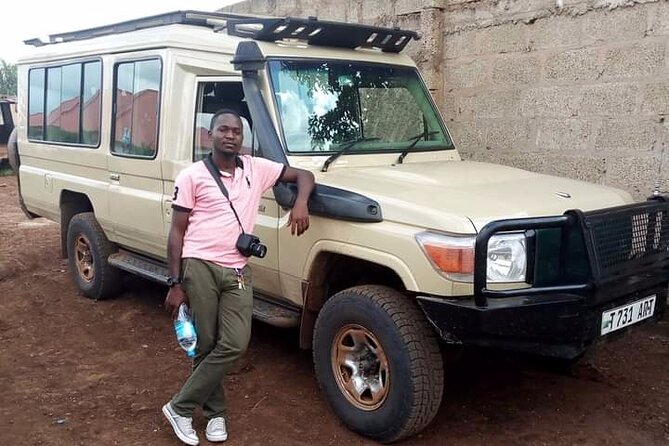
Reviewed · 2-DAY EXPERIENCES
2 Days Tanzania Safaris
Wildlife comes thick and fast here. This two-day trip from Arusha links Tarangire National Park with the Ngorongoro Crater, giving you two very different safari settings without a long northern circuit schedule. I like the included hotel transfers and meals, and I also like the small-group format, capped at 15 people.
The main thing to consider is the pace. Day one can run about 10 hours, followed by an eight-hour crater visit on day two. You will see a lot in a short time, but this is not a slow, leisurely safari. The non-refundable booking terms also call for care when setting your plans.
In This Review
- The most important details at a glance
- Why this short safari works
- Starting from Arusha at 8:30 a.m.
- Tarangire National Park: a strong first day
- Ngorongoro Crater: the big second-day payoff
- What the $600 price really covers
- The guide can make or break the day
- Group size, comfort, and the pace
- Booking cautions worth knowing
- Who should book this safari?
- Should you book the 2-day Tanzania safari?
- FAQ
- Where does the safari start?
- Which parks are visited?
- How long is the Tarangire visit?
- How long is the Ngorongoro visit?
- Is accommodation included?
- Are meals included?
- What is the maximum group size?
- Can I cancel for a refund?
The most important details at a glance
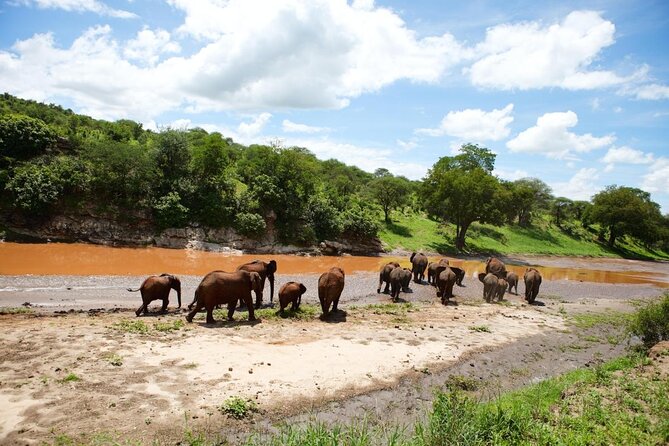
- Two famous wildlife areas in two days: Tarangire offers strong birding and seasonal game viewing, while Ngorongoro brings dense wildlife into a dramatic volcanic setting.
- Hotel pickup from Arusha: The tour begins at about 8:30 a.m., with round-trip transfers from your Arusha hotel included.
- One night in a tented camp: Accommodation is part of the package, giving you a simple overnight safari experience rather than returning to Arusha.
- Meals are included: Food is provided on both days, which makes the $600 price easier to assess.
- Small groups are part of the plan: The stated maximum is 15 people, though some bookings have been private or had six people.
- A guide matters here: The strongest praise goes to the driver-guides, especially for animal spotting, route choices, park knowledge, and clear answers to questions.
Why this short safari works
A two-day safari cannot cover every major park in northern Tanzania. It can, however, give you a useful taste of two places that feel quite different from one another. Tarangire is known for its birds, seasonal wildlife concentration, and quieter atmosphere compared with the Serengeti and Ngorongoro. The crater then gives you a compact wildlife area with a powerful sense of place.
I like that the trip does not spend both days in one park. You get the open feel of Tarangire on the first day, then the enclosed volcanic setting of Ngorongoro on the second. That contrast helps the trip feel fuller than the short duration suggests.
The package also removes several practical chores. Pickup, park admission, meals, accommodation, and transport are included in the quoted $600 per person. You do not need to arrange separate transfers from Arusha, and you do not lose time returning to the city after the first park day.
Still, you should set realistic expectations. This is a compact safari with long days in a vehicle. If you want extended time at camp, flexible departure hours, or several days in one park, choose a longer program. If your schedule is tight, the efficiency is a major advantage.
A few more options to weigh up in Arusha
- Balloon Safari & Bush Breakfast in Serengeti – Miracle Experience
★ 5.0 · 1,646 reviews - Tanzania Classic – 7 Days
★ 5.0 · 1,151 reviews - 4 Days Group Camping Safari
★ 5.0 · 1,101 reviews
Starting from Arusha at 8:30 a.m.
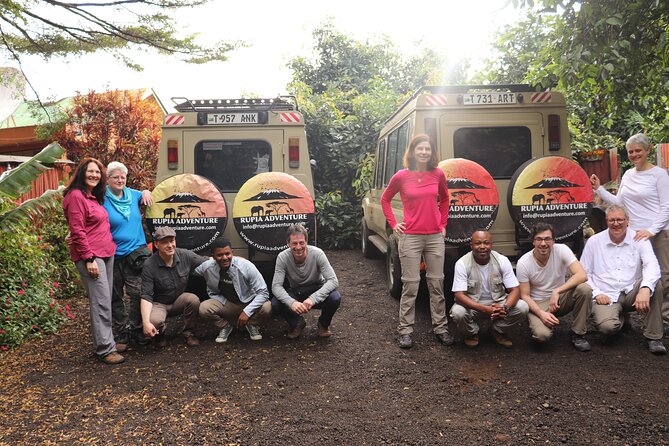
The tour begins with pickup at your Arusha hotel at around 8:30 a.m. The guide meets you, gives a briefing, and then leads the journey toward Tarangire. Round-trip hotel transfers are included, but you should give accurate hotel details when booking, especially if you are staying somewhere outside the main city area.
One booking account describes a punctual pickup from a more remote hotel, followed by a transfer to the starting point. That is useful reassurance, but it also shows why clear communication matters. Confirm the pickup arrangement before the morning of departure if your hotel is distant or difficult to find.
The first briefing is more important than it may sound. You should use it to ask about the day’s timing, the camp, meals, the expected group size, and how the vehicle will handle breaks. Since day one is listed at about 10 hours, a clear plan helps you settle in for a long stretch on the road and in the park.
The advertised maximum is 15 people. That is still a manageable number for a safari, though the quality of your viewing depends on the vehicle layout and how easily you can see from your seat. Some bookings have been private, and one group had six people in total. If a small group is important to you, ask Rupia Adventure to confirm the arrangement rather than assuming every departure will be private.
Tarangire National Park: a strong first day
Tarangire is often passed over by people rushing toward the Serengeti or Ngorongoro. That is a mistake if you enjoy birds, varied wildlife, and a park with a different feel from the crater. The tour describes Tarangire as a surprise package on Tanzania’s northern route, and that is a fair way to think about it.
The park is especially strong from July through October, when game viewing is described as superb. During peak months, wildlife can gather in large numbers, while the park still receives fewer visitors than the best-known northern destinations. That combination gives you a better chance of seeing animals without feeling surrounded by vehicles at every stop.
Birding is another major reason to value this day. Tarangire is considered one of Tanzania’s finest birding areas, so bring patience and pay attention beyond the larger animals. You might find that the guide spends time pointing out smaller or less obvious species, not just searching for the biggest mammals.
The park’s unusual prizes include dwarf mongoose, oryx, and gerenuk. Sightings of these animals are rare, so they should be treated as lucky finds rather than promised highlights. A good guide will help you understand the difference between a realistic possibility and a guaranteed stop.
The guide’s role is central here. Several accounts praise the driver-guides for spotting animals, answering questions, and choosing routes that were less crowded when possible. One guide was credited with finding a leopard, along with other animals that are difficult to see. That kind of sharp observation can change a game drive from a pleasant ride into a memorable one.
You should also remember that wildlife is never scheduled for your convenience. Even in a strong season, you may see some animals clearly and miss others entirely. Tarangire rewards attention, so avoid treating the day as a checklist of rare species.
After the park visit, you spend the night in a tented camp. The available information does not specify the camp’s exact location, room setup, or bathroom arrangements, so ask before booking if those details matter to you. The phrase tented camp can cover a range of comfort levels, and you should not assume a particular standard without confirmation.
What is clear is the value of staying overnight rather than returning to Arusha. You remain within the rhythm of the safari, have accommodation included, and begin the second day without adding a separate city transfer. Meals are also included on both days, which helps control costs and simplifies the evening.
Ngorongoro Crater: the big second-day payoff
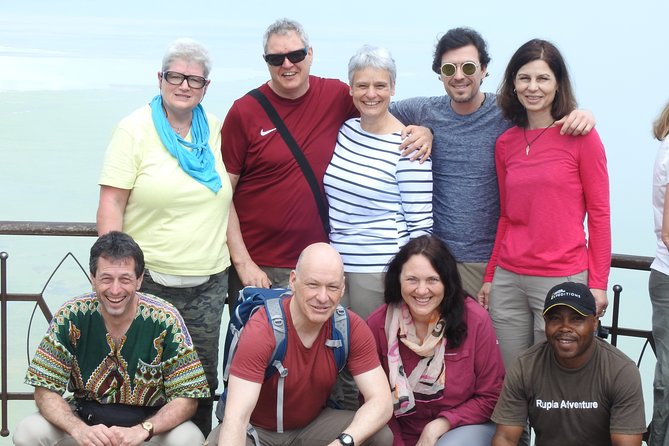
After breakfast, you depart for Ngorongoro Crater. The crater is a UNESCO World Heritage site and one of northern Tanzania’s defining stops. Its appeal comes from the mix of scale and concentration: a huge intact volcanic caldera containing fertile grazing areas and a high density of wildlife.
The setting changes the experience. Tarangire feels more open and spread out, while Ngorongoro places you within a dramatic volcanic bowl. The crater walls create a clear sense of enclosure, and the surrounding highlands add depth to the views. Even before you focus on animals, the physical setting makes this an important day.
The crater is listed as an eight-hour stop, so you have substantial time for game viewing. That does not mean eight hours of uninterrupted animal sightings. Driving, entry procedures, route choices, and pauses all take time. Still, compared with a rushed morning visit, this schedule gives the guide room to search carefully.
Ngorongoro is famous for its concentration of wildlife, which makes it a sensible choice for a short safari. You have a better chance of seeing a broad mix of animals in one compact area than you might in a larger park where sightings are more spread out. That does not guarantee a particular species, but it gives the second day strong odds of feeling rewarding.
The area also offers a connection with Maasai culture. The tour description presents the crater and highlands as a place where you can interact with Maasai people. Ask your operator what form that interaction takes and if it is included in your schedule, since the supplied details do not set out a specific village visit or cultural activity.
One possible drawback is that Ngorongoro can feel busy, especially around well-known sightings. Your guide’s route choices matter. The strongest accounts praise guides who tried to avoid crowded routes when practical, so ask about this during the opening briefing. You may not be able to escape every busy area, but a good driver can help you make better use of the day.
A different kind of day out entirely:
- 5 Days Group Camping Safari
★ 5.0 · 730 reviews - Materuni Waterfalls, coffee tour & Kikuletwa Hot Springs
★ 5.0 · 643 reviews - 3 Days Serengeti & Ngorongoro Group Camping Safari
★ 5.0 · 574 reviews - 7-Day Premium Luxury Tanzania Safari All-Inclusive
★ 5.0 · 426 reviews
What the $600 price really covers
At $600 per person, this safari is not a bare transport-and-drive package. The stated price includes the two-day experience, park admission for Tarangire and Ngorongoro, hotel pickup and return transfers from Arusha, meals on both days, and one night in a tented camp.
That bundle gives the price real value, especially if you would otherwise need to arrange a transfer, accommodation, meals, and two park entries separately. The included guide and vehicle are also crucial parts of the experience, not minor extras. A strong animal spotter can make more difference than a cheaper room or a longer list of stops.
The value depends on the final group arrangement. A private safari at this price has a different appeal from a departure with 15 people. A six-person group offers a useful middle ground: enough people to share the cost, but fewer bodies competing for views and conversation space.
Before paying, confirm what kind of vehicle and accommodation are included. The information gives you the key package items but does not specify vehicle model, tent facilities, or camp name. Those are fair questions, particularly if comfort is important to you.
Meals are included, but exact menus are not provided. If you have dietary needs, ask the company before departure rather than waiting until the first meal. The tour is designed to keep your basic costs simple, but special requests should be handled in advance.
The guide can make or break the day
The clearest strength of this experience is the guiding. The available feedback repeatedly praises professional driver-guides who explain the animals and surrounding areas, answer questions well, and spot creatures that are easy to miss.
That matters because a safari vehicle is only as useful as the person directing it. A guide with many years of experience can read animal behavior, listen for information from other vehicles, and decide when it is worth waiting. One account credits a guide with 20 years of experience, while another describes a leopard sighting along with several harder-to-find animals.
The exact guide assigned to you is not identified in the supplied information. Rupia Adventure is the provider, and the positive comments focus on the company’s guides as a group rather than giving a dependable name for every departure. If you have heard about a particular guide, request that person, but do not assume availability.
I would also ask how the group will communicate during the day. The guide is expected to brief you at the start and respond to questions throughout the trip. That is especially useful for first-time safari visitors who need help understanding animal behavior, park rules, and the difference between a distant shape and a worthwhile sighting.
Group size, comfort, and the pace
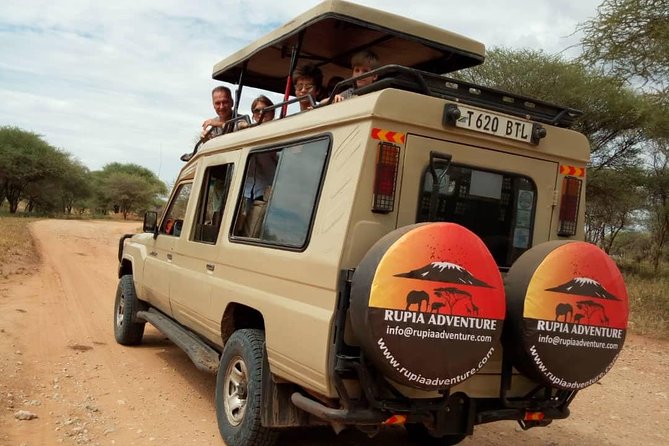
The maximum group size is 15. That limit supports a more personal experience than a large coach tour, but the phrase small group can mean different things. A six-person departure is likely to feel more open and easier for questions than a full 15-person vehicle.
The two-day schedule is the bigger comfort issue. Day one takes about 10 hours, and day two takes about eight. You should be ready for long stretches of sitting, repeated road travel, and a full day focused on wildlife viewing. The reward is coverage of two major parks in a short period, not relaxation.
The tented overnight stop adds character but may not suit everyone. Since the exact facilities are not described, ask about sleeping arrangements and amenities if you prefer a particular level of comfort. The tour is best for someone who sees camping as part of the safari experience, not as a hotel substitute.
Most people can participate, according to the provided details. No special fitness requirement is stated. Even so, you should consider your own tolerance for long vehicle days and outdoor accommodation. The most demanding part is likely the duration and road time rather than strenuous walking.
Booking cautions worth knowing
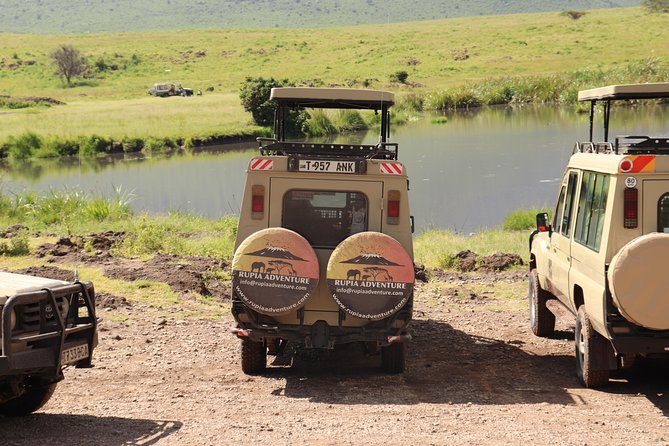
Confirmation is provided when you book. The experience is non-refundable and cannot be changed for any reason, so check your dates, hotel, and group plans carefully before making payment.
The tour requires good weather and a minimum number of participants. If poor weather cancels the departure, you are offered another date or a full refund. If the minimum number is not reached, you are offered a different date or experience, or a full refund.
One booking situation involved a trip initially being canceled through a travel agent before the safari was still arranged to operate. That unusual case is a reminder to keep all messages from both your agent and Rupia Adventure. If you book through an intermediary, confirm directly with the operating company that the safari is active.
Who should book this safari?
I would recommend this trip to you if you have only two days available in northern Tanzania and want both Tarangire and Ngorongoro. It also suits first-time safari visitors who value included transfers, meals, park admission, and a guide who handles the practical details.
It is a good fit for bird lovers, too, especially if your dates fall between July and October and you want to combine birding with large-animal viewing. You should also consider it if you prefer smaller groups and are willing to confirm the actual group size before departure.
I would hesitate to recommend it to you if you dislike long days in a vehicle, need highly specified accommodation, or want a slow schedule with plenty of time at camp. A longer safari would offer more breathing room and more flexibility when wildlife sightings take time.
Should you book the 2-day Tanzania safari?
Yes, if your time is short and your priority is seeing two major northern Tanzania parks with the main costs included. Tarangire supplies strong birding, seasonal wildlife, and a less crowded feel, while Ngorongoro delivers dense wildlife in an unforgettable volcanic setting.
Book with care. Confirm the tented camp, vehicle, group size, pickup details, and any dietary needs before payment. If Rupia Adventure assigns you a capable guide and the group stays small, the $600 price offers a solid way to turn two days from Arusha into a proper safari rather than a rushed park visit.
FAQ
Where does the safari start?
The safari starts with pickup from your Arusha hotel at about 8:30 a.m.
Which parks are visited?
The tour visits Tarangire National Park on day one and Ngorongoro Crater on day two.
How long is the Tarangire visit?
The first day is listed as approximately 10 hours, including the Tarangire National Park visit and related travel.
How long is the Ngorongoro visit?
The second day is listed as approximately eight hours, including the Ngorongoro Crater visit and related travel.
Is accommodation included?
Yes. The package includes one night in a tented camp.
Are meals included?
Yes. Meals are included on both days.
What is the maximum group size?
The maximum group size is 15 people. Some departures have operated as private trips or with six people, so confirm the arrangement when booking.
Can I cancel for a refund?
The experience is non-refundable and cannot be changed for any reason. If the operator cancels because of poor weather or because the minimum number of participants is not met, you are offered another date, another experience, or a full refund, depending on the situation.
Just added in Arusha
- Zanzibar: Prison island half day tour★ 5.0 · 3 reviews
- Zanzibar: 4-Day Tarangire, Serengeti & Ngorongoro Safari★ 5.0 · 1 review
- Walking Safari Arusha National Park★ 5.0 · 1 review
- Two Days Shared Safari to Tarangire & Ngorongoro Crater★ 5.0 · 2 reviews
- 8 Days Serengeti Migration safari★ 5.0 · 11 reviews
- tarangire, ngorongoro & lake manyara park 3 days private tour★ 5.0 · 11 reviews
- tarangire & ngorongoro 2 days tour★ 5.0 · 14 reviews
- mount meru 4 days hike★ 5.0 · 2 reviews
2-Day Experiences, compared.
2 Day Serengeti Safari Experience from Mwanza
Read our review →
2 Days Tarangire and Ngorongoro Group Camping Safari
Read our review →
2 Days 1 Night Mikumi National Park from Dar es salaam
Read our review →
2 Day Safari To Mikumi National Park + transfers from Dar Es Salam
Read our review →
2-Day Private Mikumi National Park Tour with Pickup
Read our review →
2 Days Group Joining Camping Safari Tarangire Park and Ngorongoro Crater
Read our review →Browse the lists this tour appears in