
Reviewed · SERENGETI & NGORONGORO SAFARIS
3-Day / 2 Nights Group Safari Serengeti & Ngorongoro Crater
Wild Africa fits into three busy days. This small-group safari links the Serengeti with Ngorongoro Crater, giving you a long first day, a sunrise game drive, and a final half-day among some of Tanzania’s best-known animals. I like the maximum group size of four, which should make the open-roof 4×4 more comfortable, and I like that park fees, camping gear, meals, water, and transfers are already covered.
The main tradeoff is time. You spend a large part of the first day reaching the Serengeti, then travel back through the Serengeti and Ngorongoro Conservation Area on the second day. At $1,080 per person, the package offers a lot for the price, but you should expect long road hours and a fast schedule rather than a leisurely safari.
In This Review
- Quick Points Before You Book
- What This Safari Really Packs Into Three Days
- Day One: From Arusha Through Ngorongoro to Seronera
- Day Two: Serengeti Sunrise and the Long Return
- Day Three: Inside the Ngorongoro Crater
- Wildlife Viewing: What You Might See
- Camping Equipment and Daily Comfort
- The Guide Can Make or Break the Experience
- Is $1,080 a Fair Price?
- Who Should Choose This Safari?
- Should You Book It?
- FAQ
- Where does the safari start?
- What time does the safari begin?
- How many people can join the safari?
- Where do I sleep during the safari?
- Are meals and drinking water included?
- What is included in the price?
Quick Points Before You Book
- Sunrise in the Serengeti: Day two begins with an early game drive, giving you a chance to see the park before the main heat of the day.
- Seronera campsite stay: Your Serengeti night is at a campsite in the Seronera area, with camping equipment, a mattress, sleeping bag, mosquito net, and tent provided.
- Ngorongoro on the final morning: The third day takes you into the crater for a half-day drive among lions, zebras, buffalo, hippos, hyenas, birds, and the crater’s remaining black rhinos.
- Small group format: The tour has a maximum of four people, a useful detail when you are sharing a safari vehicle and trying to reach the best viewing side.
- Meals are included: You receive breakfast three times, lunch three times, and dinner twice, along with soft drinks and drinking water.
- Guides can shape the experience: Guides named in past bookings include Blessing and Lucas. Blessing was praised for his calm manner and help with local purchases, while Lucas was praised for his driving and understanding of wildlife and habitats.
What This Safari Really Packs Into Three Days
This is a compact wildlife trip from Arusha or Moshi, not a slow country journey. You leave early, cover major distances, and use game drives to make the travel days count. That approach lets you visit two major protected areas without committing to a week-long safari.
The route is also logically arranged. You reach the Serengeti first, spend the main wildlife time there, then return through the Ngorongoro Conservation Area before entering the crater on day three. It gives you two different settings: the wide plains of the Serengeti and the enclosed bowl of Ngorongoro.
I especially like the balance between a full Serengeti day and the crater visit. The Serengeti offers the chance to see animals spread across broad open ground, while Ngorongoro often brings wildlife closer to the vehicle. Still, the schedule leaves little room for delays, long stops, or personal downtime.
The advertised departure time is 6:00 a.m., while the day-one description says 6:30 a.m. Confirm the exact pickup time when you book. Pickup is offered from Arusha or Moshi, and hotel pickup and drop-off in Arusha town are included in the tour details.
More Serengeti and Ngorongoro safaris:
- Balloon Safari & Bush Breakfast in Serengeti – Miracle Experience
★ 5.0 · 1,646 reviews - 3 Days Serengeti & Ngorongoro Group Camping Safari
★ 5.0 · 574 reviews - 5-Day Highlights mid-Range Crater, Serengeti, Tarangire
★ 5.0 · 296 reviews
Day One: From Arusha Through Ngorongoro to Seronera
Your first day begins early with the drive toward Serengeti National Park. The route passes through the Ngorongoro Conservation Area, and you may begin seeing wildlife along the way rather than waiting until you reach the Serengeti gate.
That matters because the first day is also your longest transport day. The route takes you from the Arusha area through one protected region and into another, so you should not picture a quick transfer followed by an entire afternoon in the park. The supplied schedule allows about six hours for the day’s listed activity, with arrival in the Serengeti in the early afternoon.
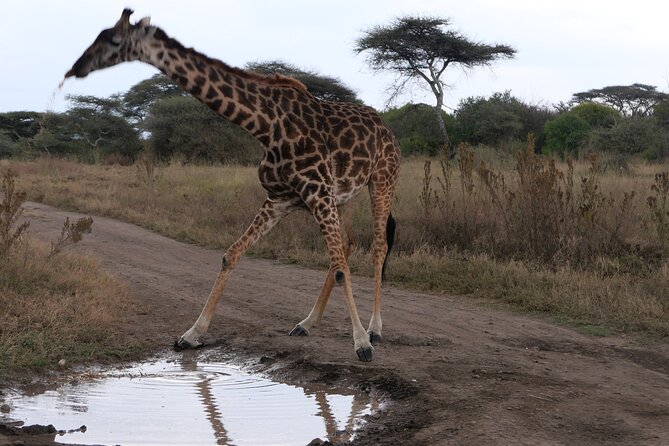
Once inside the Serengeti, you continue with a game drive until sunset. This gives you a useful first look at the park and a chance to spot large herds of buffalo and wildebeest, along with elephants, giraffes, eland, impala, and Grant’s gazelle.
Predators are also part of the appeal. Lions, leopards, and other wildlife may appear during the drive, though no safari can promise a particular animal or sighting. The guide’s ability to read the area and respond to sightings will matter greatly here. Lucas, one guide associated with the tour, was praised for his understanding of animal habitats and his driving.
Your overnight stay is at Seronera campsite on a full-board basis. Camping gear is supplied, including a tent, mattress, sleeping bag, and mosquito net. That keeps the cost lower than a lodge-based safari and gives you a more direct connection to the park after sunset, though you should choose this trip because you are comfortable with camping rather than expecting hotel comforts.
Dinner is included, as are the other scheduled meals. Drinking water is provided on all days, and soft drinks are also included. Personal items are not covered, so bring anything you need beyond the stated equipment and meals.
Day Two: Serengeti Sunrise and the Long Return
Day two is the heart of the safari. You get up early for a sunrise game drive, then continue through the morning until early afternoon. The early start is worth noting. Wildlife viewing often feels more rewarding at the beginning of the day, and the cooler hours make an open-roof vehicle more pleasant.
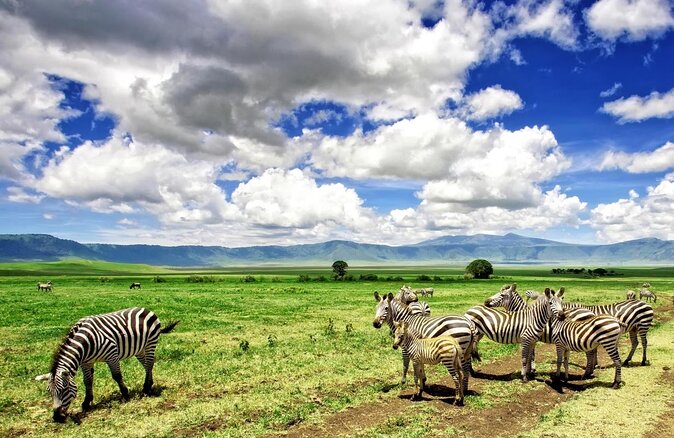
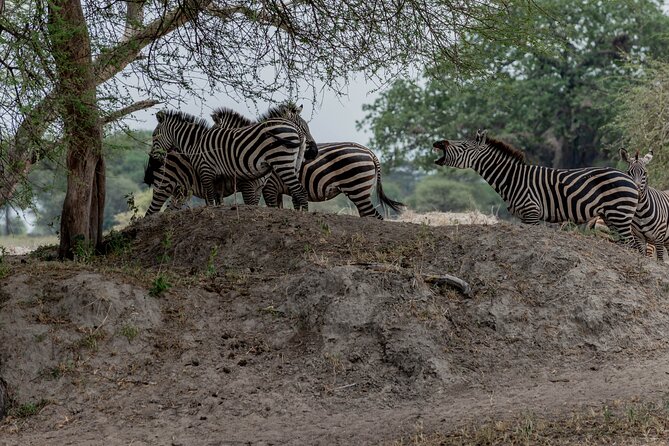
The morning drive may bring lions, leopards, cheetahs, zebras, wildebeest, gazelles, and hyenas into view. Again, the order and quality of sightings depend on conditions and animal movement. The value here is the amount of time spent in the Serengeti, rather than any guarantee of a particular big cat.
Lunch is either served back at the accommodation or provided as a packed meal. This flexibility helps the guide keep the day moving. If you return to camp, you gain a short break and a hot meal. If you take a lunch pack, you can spend more time out in the park, but the day may feel more tiring.
After lunch, you drive back through the Serengeti and the Ngorongoro Conservation Area, with game viewing along the route. This is an important detail. Day two is not simply a morning drive followed by a transfer. You may continue looking for animals during the journey, but you should also prepare for a long vehicle day.
Accommodation on the second night is in the Ngorongoro area, with the category described as your choice. The available information does not specify the exact property or lodging level, so ask what accommodation category is included before paying. The first night is clearly described as camping at Seronera, while the second night needs more clarification.
The schedule lists breakfast, lunch, and dinner for this portion of the trip. Since the overall package includes three breakfasts and two dinners, the meal plan covers the two nights and all three days.
Day Three: Inside the Ngorongoro Crater
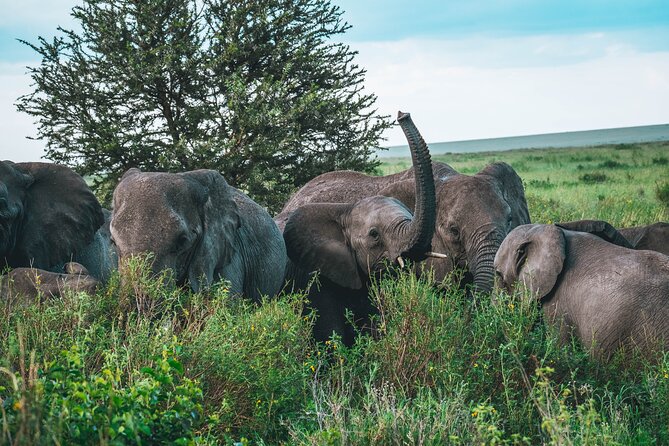
After breakfast, you leave with a packed picnic lunch for the Ngorongoro Crater. The drive focuses on the crater floor, a remarkable enclosed setting where many large mammals live in a relatively concentrated area.
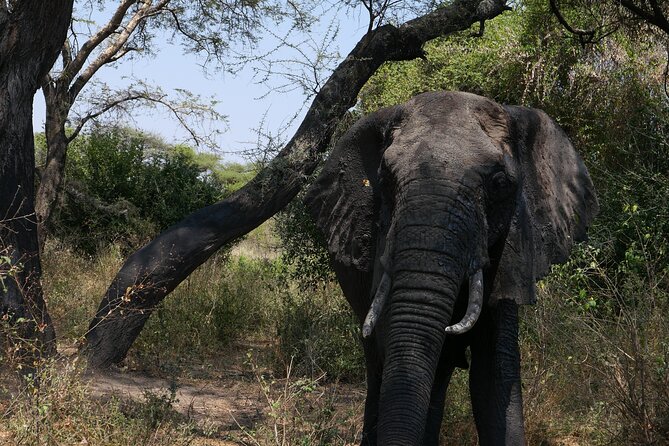
The crater is described as supporting more than 25,000 large mammals. You may see zebras, wildebeest, gazelles, buffalo, lions, hippos, elephants, eland, hyenas, and aquatic birds. The remaining black rhinos are another major reason for the visit, although sightings are never guaranteed.
The crater’s shape changes the feeling of the safari. In the Serengeti, animals can be scattered over huge distances. In Ngorongoro, wildlife may be closer to the vehicle and easier to see within the crater floor. That makes this half-day especially useful if you have limited time.
You explore until late afternoon and then return to Moshi or Arusha. The day is listed at about six hours, but the drive back still means a long finish after the crater visit. If you have a flight, train, or other fixed appointment that evening, check the expected return time carefully before booking.
The picnic lunch is practical. It avoids breaking up the crater drive and lets you use the available hours for wildlife viewing. You will want to carry only what you need in the vehicle, since this is a packed schedule with repeated road travel.
A few more options to weigh up in Arusha
- Tanzania Classic – 7 Days
★ 5.0 · 1,151 reviews - 4 Days Group Camping Safari
★ 5.0 · 1,101 reviews - 5 Days Group Camping Safari
★ 5.0 · 730 reviews - Materuni Waterfalls, coffee tour & Kikuletwa Hot Springs
★ 5.0 · 643 reviews
Wildlife Viewing: What You Might See
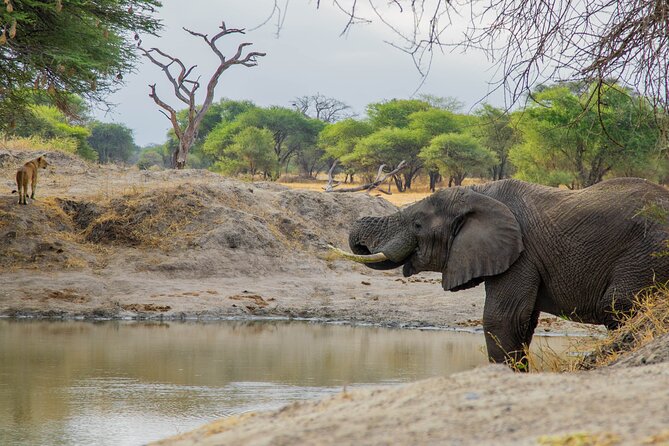
The animal list is impressive, but the best way to think about this safari is by habitat and timing. The Serengeti may offer large herds of wildebeest and buffalo, giraffes moving across open country, and antelope such as impala and Grant’s gazelle.
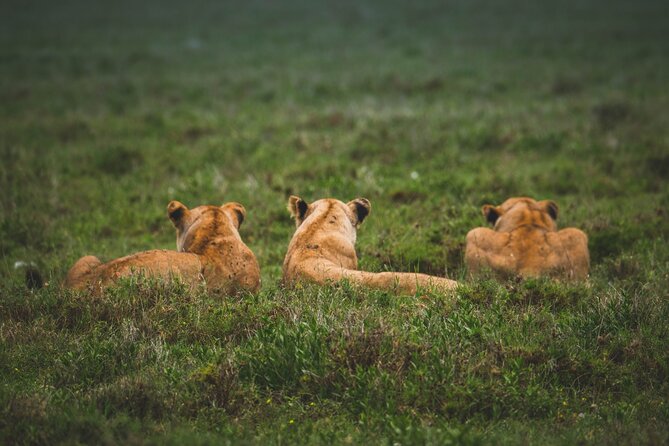
It also offers the possibility of big-cat sightings. Lions, leopards, and cheetahs are specifically included in the expected wildlife list, along with hyenas. The guide’s experience can help with positioning and identification, but nature sets the timetable.
Ngorongoro adds a different set of viewing opportunities. The crater floor may bring you near buffalo, hippos, elephants, lions, hyenas, and many birds. Its remaining black rhinos are a special draw, but you should treat them as a possibility rather than a promise.
Your vehicle is a 4×4 with a pop-up roof. That design lets you stand or look out above the vehicle for wider views and better photographs. With only four people maximum, you should have a better chance of finding a comfortable viewing position than in a crowded vehicle.
Camping Equipment and Daily Comfort
The included gear makes this safari easier for first-time campers. You receive a mattress, sleeping bag, mosquito net, and tent, so you do not need to bring a full camping setup. Park fees and taxes are also included, which prevents several large costs from appearing later.
The tradeoff is that the information does not describe bathroom facilities, shower arrangements, tent size, or the exact standard of the campsite. Ask those questions if comfort matters to you. The phrase full board covers the main meals, but it does not mean every personal snack or extra purchase is included.
Three lunches are provided, and lunch on day two may be served at camp or packed for the drive. Breakfast is provided each morning, and dinner is included on both nights. Drinking water is supplied on all days, with soft drinks also listed as included.
You should pack for long days in a vehicle and cool early mornings. The tour provides a sleeping bag and mosquito net, but personal items remain your responsibility. Tips are not included, so budget for that separately if you feel the guide and driver have served you well.
The Guide Can Make or Break the Experience
A safari guide does much more than drive. The guide watches the road, identifies animals, explains habitats, manages the day’s pace, and helps you get the most from short viewing opportunities.
Blessing is associated with especially strong praise for patience, calm behavior, safety, and practical help. He was also described as willing to negotiate purchases and suggest good choices. That last detail is useful if you plan to shop during the wider Tanzania trip, though shopping help is not a stated feature of the safari itself.
Lucas was praised for his driving and understanding of nature and habitats. If you have a guide preference, ask the operator if a named guide is available, but do not assume a specific person will lead your departure.
The operator is Budget Safaris Tanzania. The available rating is 5 out of 5 from four published ratings, which is encouraging but still a small sample. I would view the strong feedback as a positive sign, not as a guarantee that every departure will feel identical.
Is $1,080 a Fair Price?
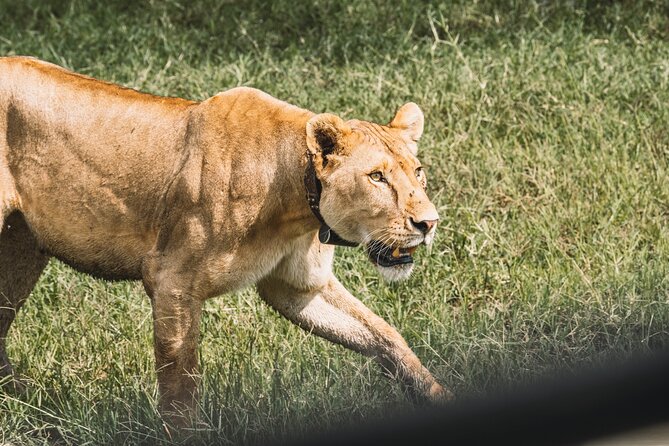
At $1,080 per person, the value comes from how many major costs are bundled together. You receive park fees, a professional driver-guide, camping equipment, a 4×4 pop-up-roof vehicle, meals, water, sleeping gear, taxes, and stated airport transfers.
You also get three days across the Serengeti and Ngorongoro, with two nights included. Park fees alone can be a major part of a safari budget, so an all-in price makes planning easier and reduces unpleasant surprises.
The price makes the most sense for someone who wants a short, active safari and does not need lodge luxury. The maximum of four people is another value point. A small vehicle group gives you more space and may make long drives easier, even though the schedule itself remains demanding.
Before booking, confirm the exact accommodation category for the Ngorongoro night, the pickup location, and the difference between the stated 6:00 a.m. start and the 6:30 a.m. departure description. Also confirm what is meant by all airport transfer if your arrival or departure is outside Arusha town.
Who Should Choose This Safari?
I would recommend this trip to you if your Tanzania visit is short and you want both the Serengeti and Ngorongoro Crater. It suits people who value wildlife time, included meals, and a small group more than a relaxed pace or upscale lodging.
It also fits first-time safari visitors who want the major planning handled. The park fees, guide, vehicle, camping equipment, food, water, and transfers are included, so you do not need to arrange each part separately.
You may want a longer safari if you dislike early starts, extended drives, or changing accommodation. Three days gives you a strong introduction, but it leaves little spare time. A longer trip would allow more time in the Serengeti and less pressure on the return route.
Families can participate because most travelers can take part and service animals are allowed. The maximum group size of four is also practical for a family or a small set of friends. Still, the early departures and long drives make it important to consider everyone’s stamina before booking.
Should You Book It?
Book this safari if you want a compact route through two exceptional wildlife areas, appreciate an included-cost package, and are happy with camping and long road days. The Serengeti sunrise drive and Ngorongoro Crater visit are the strongest reasons to choose it.
I would hesitate only if you want guaranteed luxury, a slow schedule, or a full day in each park without substantial driving. For an active three-day safari, the combination of a four-person limit, supplied gear, meals, park fees, and strong guide feedback makes $1,080 a reasonable package price.
Free cancellation is available when you cancel at least 24 hours before the local start time. Cancellations within 24 hours are not refunded, so check your plans before that deadline.
FAQ
Where does the safari start?
The safari starts from Arusha or Moshi. Pickup is offered, and hotel pickup and drop-off in Arusha town are included in the tour details.
What time does the safari begin?
The stated start time is 6:00 a.m. The day-one schedule also describes departure at 6:30 a.m., so confirm your exact pickup time when booking.
How many people can join the safari?
The tour has a maximum of four travelers.
Where do I sleep during the safari?
The first night is at Seronera campsite in the Serengeti. Camping equipment, including a tent, mattress, sleeping bag, and mosquito net, is provided. The second night is in the Ngorongoro area, with the accommodation category to be confirmed.
Are meals and drinking water included?
Yes. The package includes three breakfasts, three lunches, two dinners, soft drinks, and drinking water on all days. Day-two lunch may be served at the accommodation or provided as a packed meal.
What is included in the price?
The price includes park fees, camping equipment, airport transfers, a professional driver-guide, meals, soft drinks, sleeping gear, taxes and VAT, and drinking water. International flights, personal expenses, and tips are not included.
Just added in Arusha
- Safari “Kifaru” – 5 days in the most famous Parks in the world★ 5.0 · 4 reviews
- Saadani Day Trip★ 5.0 · 13 reviews
- 3 Days Tanzania Short and Spicy★ 5.0 · 6 reviews
- 5 Day Tanzania Safari Camping Adventure Private Tour★ 5.0 · 2 reviews
- Day Trip to Ngorongoro Crater from Arusha★ 5.0 · 1 review
- SERENGETI NATIONAL PARK Tour★ 4.5 · 5 reviews
- 3 Days Serengeti Park & Ngorongoro Crater Adventure Safari★ 5.0 · 8 reviews
- 6 Days Tanzania Bush Experience Safari★ 5.0 · 6 reviews
Serengeti & Ngorongoro Safaris, compared.
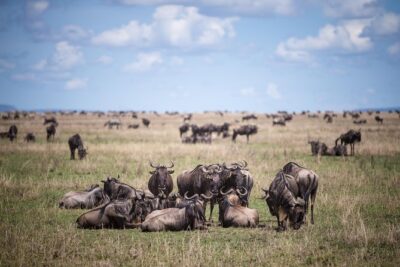
Serengeti Balloon Safari and authentic bush breakfast
Read our review →
Balloon Safari & Bush Breakfast in Serengeti – Miracle Experience
Read our review →
3 Days Serengeti & Ngorongoro Group Camping Safari
Read our review →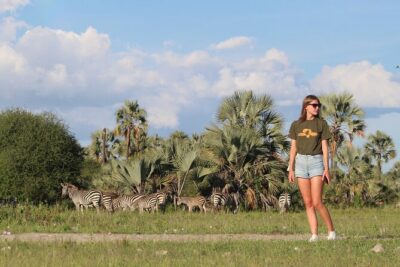
5-Day Highlights mid-Range Crater, Serengeti, Tarangire
Read our review →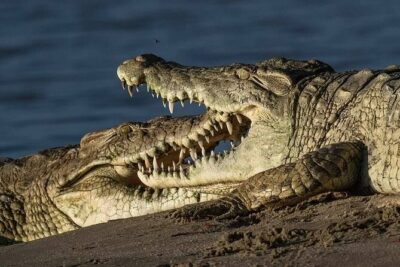
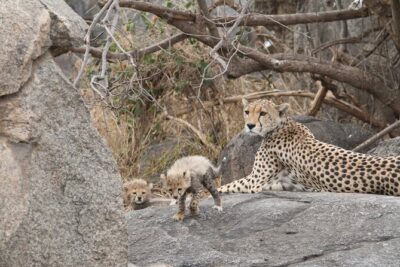
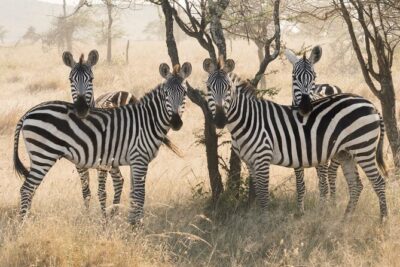
Private 6-Day Tarangire Manyara Crater and Serengeti with Mid-Range Lodges
Read our review →
5 Days Camping Tarangire, Serengeti & Ngorongoro crater & Visiting Maasai
Read our review →Browse the lists this tour appears in