
Reviewed · SERENGETI & NGORONGORO SAFARIS
3 Day Private Serengeti Safari Tour with One Way Flight
At first light, the plains come alive. This private three-day safari pairs a scenic one-way flight from Arusha with serious wildlife time in the Serengeti and Ngorongoro area. I like the fast start in the Serengeti, which saves hours on the road, and the private vehicle, which lets your group set the pace for photos and animal sightings. The main catch is the tight schedule: you cover a lot of ground in three days, and the published day-by-day description is not perfectly clear about Tarangire.
This is a strong choice if you want a concentrated safari after climbing Kilimanjaro or while staying in Arusha. Guides including Simon, Carlos, Victor, Benny, and Kimanbo have been praised for spotting animals, explaining Tanzania’s wildlife and culture, and waiting patiently while people take photographs. At $1,477, the flight and private setup help justify the price, but you should confirm the exact parks, lodges, and return arrangements before paying.
In This Review
- Key points before you book
- Why the Arusha to Serengeti flight matters
- Day 1: A full Serengeti game drive
- Day 2: Morning Serengeti, then toward Ngorongoro
- Day 3: Ngorongoro Crater’s wildlife bowl
- What a private safari changes
- Comfort, meals, and the pace
- Is $1,477 fair value?
- Who should book this safari?
- Should you book the Climb Kili three-day safari?
- FAQ
- How long is the safari?
- Where does the safari start?
- How do I reach the Serengeti?
- Is the tour private?
- Which parks and conservation areas are described?
- Is Tarangire National Park included?
- Are meals included?
- What accommodations are used?
- Can most people participate?
- What is the cancellation policy?
Key points before you book
- A one-way flight puts you into the Serengeti quickly: You fly from Arusha Airport after breakfast, then meet your guide at a Serengeti airstrip.
- Private means your group controls the pace: You can ask to stop longer for wildlife and photographs instead of following a fixed bus schedule.
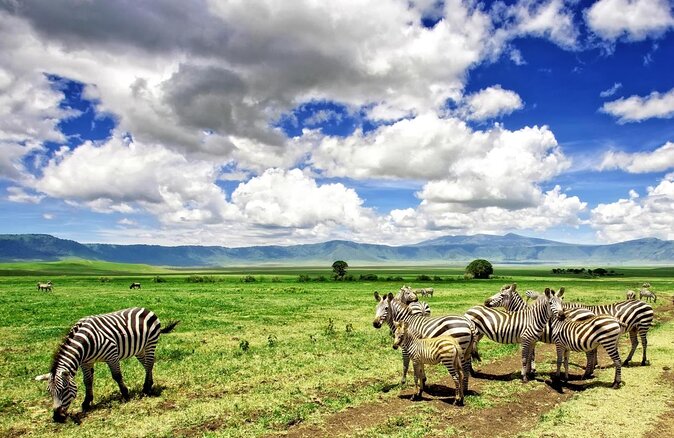
- The Serengeti is the main event: Expect broad plains and the possibility of wildebeest, zebra, gazelles, lions, hyenas, cheetahs, elephants, and other animals.
- Ngorongoro brings a different kind of safari: The crater is a compact wildlife area with steep walls, open grassland, and a high chance of seeing predators.
- The trip is busy but efficient: Each day is listed at about nine hours, so this suits you if you want three full safari days rather than a slower, longer trip.
- Accommodation can vary: Past arrangements have included a hot-shower tented camp in the Serengeti and Farm of Dreams Resort near Ngorongoro.
Why the Arusha to Serengeti flight matters
The trip begins after breakfast at your hotel in Arusha. Climb Kili transports you to Arusha Airport, where you take a scenic flight across Tanzania toward the Serengeti. You then land at a Serengeti airstrip and meet your guide, who starts the morning game drive.
That flight is more than a glamorous extra. Tanzania’s parks are huge, and a road transfer from Arusha can consume much of a day. Flying gives you more time among the animals on the first day, which is valuable on a three-day schedule. You also get a fine view of the plains from above, an experience that a road transfer cannot offer.
The practical detail is that this is a one-way flight. The advertised tour does not promise a return flight to Arusha, so you should confirm where the safari ends and how your onward transport is handled. The meeting and ticket redemption point is listed as Arusha, but the itinerary also says the activity ends back at the meeting point. That wording deserves clarification before booking, since the safari itself begins in the Serengeti after the flight.
The ticket is described as a paper ticket. Keep your booking details handy, and allow time for the hotel pickup and airport transfer. Confirmation is provided within 48 hours, subject to availability.
More Serengeti and Ngorongoro safaris:
- Balloon Safari & Bush Breakfast in Serengeti – Miracle Experience
★ 5.0 · 1,646 reviews - 3 Days Serengeti & Ngorongoro Group Camping Safari
★ 5.0 · 574 reviews - 5-Day Highlights mid-Range Crater, Serengeti, Tarangire
★ 5.0 · 296 reviews
Day 1: A full Serengeti game drive
The Serengeti is Tanzania’s largest and most famous wildlife area, and the first day gives you a proper introduction rather than a short afternoon outing. You meet your Climb Kili guide at the airstrip, then head into the park for a morning safari followed by more time among the plains. The day is listed at about nine hours.
The scale is the first thing you notice. The Serengeti is not a small animal park where one sighting follows another on demand. It is an enormous open region, and the pleasure comes from reading the ground, watching distant movement, and letting your guide find the action.
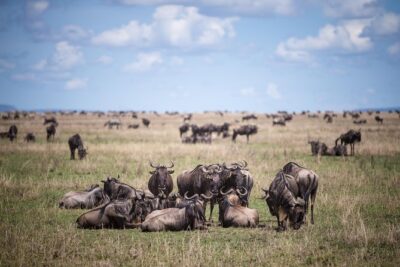
The numbers help explain the place. The area supports an estimated two million wildebeest, around half a million zebra, and large numbers of Thompson’s gazelle, impala, Grant’s gazelle, topi, hartebeest, eland, and other antelope. These herds support the predators that make the Serengeti so compelling.
You might see lions resting near the road, hyenas moving through the grass, or cheetahs scanning the open country. You could also find elephants and many other species, but no safari can promise a particular animal on a particular morning. Your guide’s ability to spot movement matters greatly here.
Several guides receive especially warm praise in the supplied feedback. Simon is described as sharp-eyed and strong on animals, birds, vegetation, people, and local culture. Carlos is praised for explaining both the animals and the different national parks. Victor is noted for his knowledge of wildlife, Tanzanian history, and culture, while Benny is praised for stopping as often and as long as the group wanted. Kimanbo is described as patient with photographers and good at finding animals.
Those details matter more than fancy wording in a brochure. A good safari guide does not simply drive toward a crowd of vehicles. The guide helps you understand what you are seeing, watches your interests, and gives you time with a sighting when conditions allow.
The first night may be in a tented camp or glamping-style accommodation inside the Serengeti. One past arrangement included a hot shower within the tent, which is a welcome comfort after a dusty day. Do not assume the same property for every departure, though. Ask what accommodation category and location apply to your dates.
Day 2: Morning Serengeti, then toward Ngorongoro
Day two begins with breakfast and an early drive through the Serengeti. Early hours are useful for wildlife activity, and the plan gives you a final full morning in the park before heading toward the Ngorongoro Highlands.
The route includes a picnic lunch. That keeps you out in the field instead of sending you back to a lodge during the middle of the day. It also means you should be ready for a long day in a safari vehicle, with dust, uneven roads, and stretches where the view is wide but animal sightings are not immediate.
The scenery changes as you leave the open Serengeti plains and move toward the higher, greener country around Ngorongoro. This transition is one of the trip’s pleasures. You are not simply visiting one wildlife zone three times. The setting shifts from broad grasslands to highland scenery, and the next day brings the crater itself.
The written schedule labels this day Ngorongoro Conservation Area and describes the afternoon route from the Serengeti into the highlands. It also discusses lions, hyenas, and cheetahs on the crater floor, although the actual crater descent is described under day three. That mismatch is important. Before booking, ask whether day two includes only the transfer and overnight stay, or whether there is any crater viewing that afternoon.
Dinner and overnight accommodation are provided at a lodge. One arrangement used Farm of Dreams Resort, described as a comfortable and more deluxe stay with a buffet dinner featuring local food. That sort of lodging is a useful counterpoint to the tented night in the Serengeti. Still, accommodation can be subject to availability, so get the specific property in writing if it matters to you.
Day 3: Ngorongoro Crater’s wildlife bowl
The final day is described as a drive to Ngorongoro Crater, a descent into the crater, and a full-day game drive with a picnic lunch. The crater is an extinct volcano that collapsed long ago, leaving a broad natural enclosure with walls about 610 meters high and a diameter of roughly 19 kilometers.
It is a very different safari setting from the Serengeti. The crater floor is largely flat, open, and covered in nutritious grasses. Zebra and wildebeest gather there, and the enclosed geography can make animal viewing feel more concentrated.
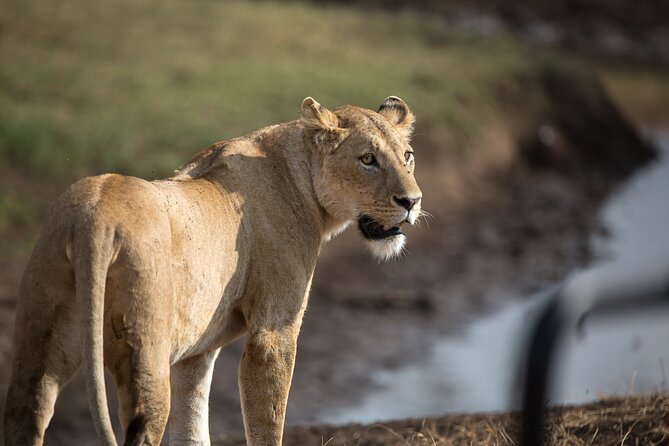
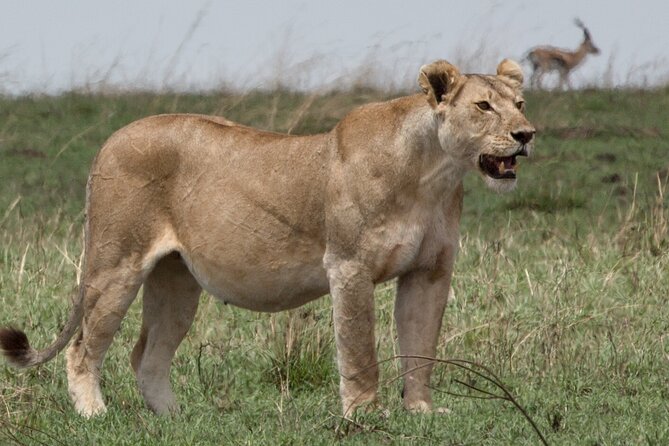
Predators are a major draw. Lions here are highly accustomed to safari vehicles, and they may hunt close to the road or rest in the shade beside a vehicle. Spotted hyenas are common and often compete with lions. Cheetahs are present in smaller numbers. The chance to see these animals in such a contained setting is one reason Ngorongoro works well as the final major stop.
The day is listed at about nine hours, and the picnic lunch keeps the focus on the crater rather than a long return to the lodge. You should expect a full day of sitting, watching, waiting, and taking photographs. The schedule is efficient, but it is not leisurely.
The heading for day three says Tarangire National Park, while the description itself is about Ngorongoro Crater. No separate Tarangire activities are explained. Treat this as a question to ask, not a minor typo to ignore. If Tarangire is important to you, confirm whether it is included at all. The stated descriptions clearly focus on the Serengeti and Ngorongoro.
A few more options to weigh up in Arusha
- Tanzania Classic – 7 Days
★ 5.0 · 1,151 reviews - 4 Days Group Camping Safari
★ 5.0 · 1,101 reviews - 5 Days Group Camping Safari
★ 5.0 · 730 reviews - Materuni Waterfalls, coffee tour & Kikuletwa Hot Springs
★ 5.0 · 643 reviews
What a private safari changes
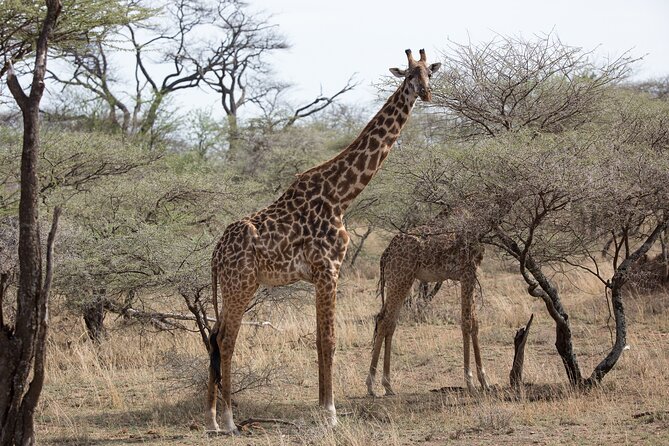
A private safari means only your own group participates. That gives you a useful amount of control, particularly when one person wants to photograph a lion for ten minutes and another is ready to move on.
The feedback highlights patient guiding. Benny is praised for stopping whenever the group wanted, and Kimanbo is praised for never rushing photography. Those are meaningful advantages for anyone carrying a serious camera, watching birds, or simply wanting time to observe rather than collect sightings.
Private does not mean the park belongs to you. You still follow park rules, roads, and the guide’s judgment. Wildlife is unpredictable, and another vehicle may be near a popular sighting. But you avoid the social compromises of a shared vehicle, where everyone must agree on the next stop.
The guide also shapes the trip’s educational value. Simon, Carlos, Victor, Benny, and Kimanbo are each singled out for different strengths, from wildlife identification to cultural explanation and sharp animal spotting. You can request a guide if the company allows it, but guide assignments are not guaranteed by the information provided.
Comfort, meals, and the pace
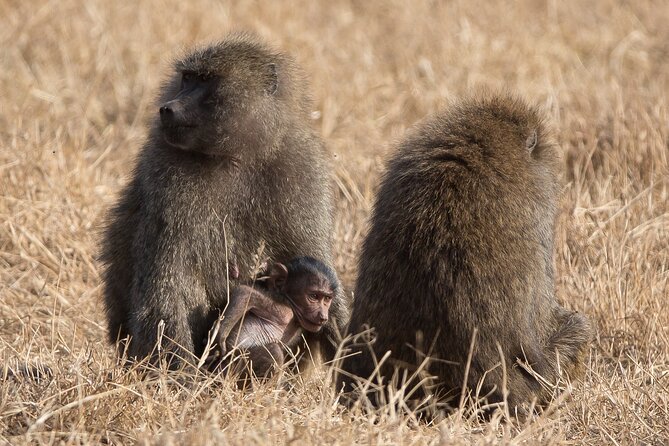
This safari includes breakfast-based starts, picnic lunches during the long park days, and dinner at the overnight lodge. Special meal preferences and dietary restrictions can be accommodated if you tell the operator in advance.
The combination of tented accommodation and lodge accommodation gives you two different versions of safari travel. The Serengeti night may feel closer to the park experience, while the lodge near Ngorongoro offers a more conventional night with a buffet dinner and greater comfort.
The schedule is the tradeoff. All three days are listed at around nine hours, and the itinerary covers two major safari areas in a short time. That is good news if you have limited time or are adding this after a Kilimanjaro climb. It may be tiring if you want long rests between drives.
Several people have used the safari immediately after a Kilimanjaro expedition. The operator’s transfers and coordination were praised, including support from a liaison named Rick who was available in person and by phone. If you are connecting this trip to a climb, confirm the rest time, luggage plan, and exact pickup details. The tour may be organized well, but your own legs may still be voting for a quiet day.
Is $1,477 fair value?
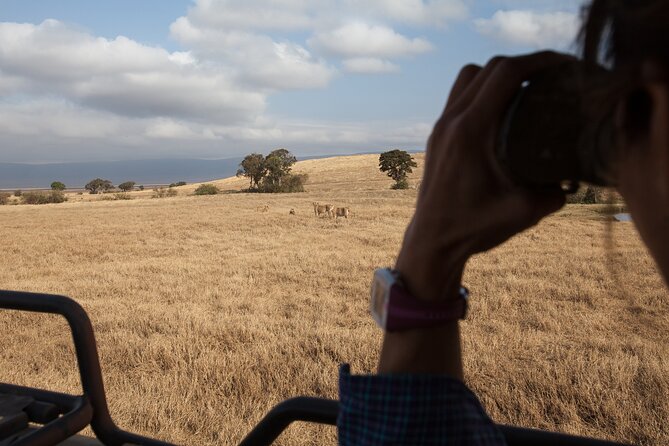
At $1,477, this is not a budget park outing. The price needs to be judged against what it combines: private touring, airport transport from Arusha, a one-way flight into the Serengeti, a guide, several long game drives, picnic lunches, dinners, and overnight accommodation.
The flight is the biggest value point. It turns the first day into a real Serengeti safari instead of a transfer day. The private vehicle is another strong reason for the cost, especially if your group values flexible stops and direct attention from the guide.
The price is harder to assess if you are comparing it with a longer road safari or a shared group trip. Three days gives you intensity, not a slow survey of northern Tanzania. You also need clarity about what is included in the flight, park fees, lodging level, and return transport, since those details are not fully itemized here.
I would ask four direct questions before booking:
- Which exact lodges or tented camps are planned?
- Is Tarangire included, or is the third-day heading incorrect?
- Where does the safari finish after the Ngorongoro visit?
- Are park fees, meals, the one-way flight, and airport transfers all included in the $1,477?
The answers will tell you if the price fits your plans.
Who should book this safari?
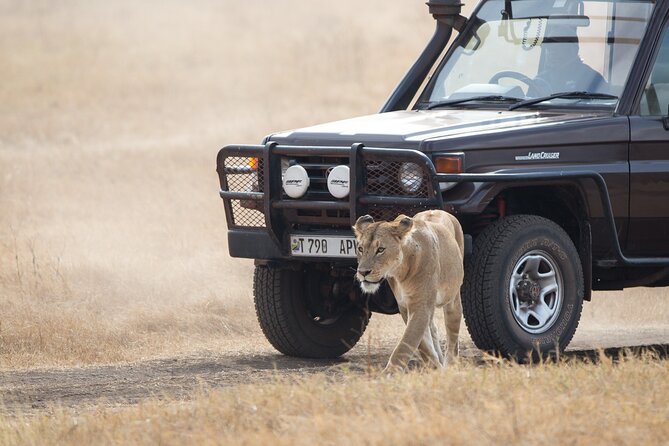
I would choose this trip if you have only three days, want the Serengeti early, and prefer a private vehicle. It also fits well after a Kilimanjaro climb, when you may want a carefully coordinated transfer rather than arranging each piece yourself.
Photographers should pay attention to the guide comments. The ability to wait at a sighting can matter more than adding another park to the route. Families and couples may also appreciate having the vehicle to themselves.
I would hesitate if you want a relaxed pace, a guaranteed Tarangire visit, or a long stay in one park. The current schedule is packed, and the wording about day two, day three, and the finish point needs confirmation.
Cancellation terms are strict near departure. You receive a full refund if you cancel at least six full days before the start time, 50 percent if you cancel two to six full days ahead, and no refund within two days. The cut-off uses local Tanzanian time.
Should you book the Climb Kili three-day safari?
Book it if your priority is maximum wildlife time in a short window, especially with the convenience of flying into the Serengeti. The mix of open plains, predator country, Ngorongoro’s crater floor, private guiding, and two different accommodation styles offers a lot in three days.
I would make the booking conditional on written clarification about Tarangire, the final meeting point, and the exact lodging. Once those details are settled, $1,477 can be sensible value for a private safari that avoids spending the first day on a long road transfer. If you want unhurried mornings and fewer hours in the vehicle, add days rather than squeezing more parks into this itinerary.
FAQ
How long is the safari?
The experience lasts approximately three days. Each itinerary day is listed at about nine hours.
Where does the safari start?
The tour starts in Arusha, Tanzania. After breakfast, transportation takes you to Arusha Airport.
How do I reach the Serengeti?
You take a scenic one-way flight from Arusha Airport to a Serengeti airstrip. A Climb Kili guide meets you there and begins the safari.
Is the tour private?
Yes. Only your group participates in the private tour or activity.
Which parks and conservation areas are described?
The detailed schedule describes Serengeti National Park and the Ngorongoro Conservation Area, including Ngorongoro Crater.
Is Tarangire National Park included?
The third-day heading names Tarangire National Park, but the description explains a Ngorongoro Crater game drive. Ask Climb Kili to confirm whether Tarangire is part of your departure.
Are meals included?
The schedule includes breakfast starts, picnic lunches during the park days, and dinner at a lodge. Special meal preferences and dietary restrictions can be requested.
What accommodations are used?
Accommodation can include a tented or glamping-style camp in the Serengeti and a lodge near Ngorongoro. One named example is Farm of Dreams Resort, but properties may depend on availability.
Can most people participate?
Yes. The tour information states that most people can participate.
What is the cancellation policy?
Cancel at least six full days before the start time for a full refund. Cancelling two to six full days ahead provides a 50 percent refund. Cancellations within two days are not refunded.
Just added in Arusha
- Safari “Kifaru” – 5 days in the most famous Parks in the world★ 5.0 · 4 reviews
- Saadani Day Trip★ 5.0 · 13 reviews
- 3 Days Tanzania Short and Spicy★ 5.0 · 6 reviews
- 5 Day Tanzania Safari Camping Adventure Private Tour★ 5.0 · 2 reviews
- Day Trip to Ngorongoro Crater from Arusha★ 5.0 · 1 review
- SERENGETI NATIONAL PARK Tour★ 4.5 · 5 reviews
- 3 Days Serengeti Park & Ngorongoro Crater Adventure Safari★ 5.0 · 8 reviews
- 6 Days Tanzania Bush Experience Safari★ 5.0 · 6 reviews
Serengeti & Ngorongoro Safaris, compared.
Serengeti Balloon Safari and authentic bush breakfast
Read our review →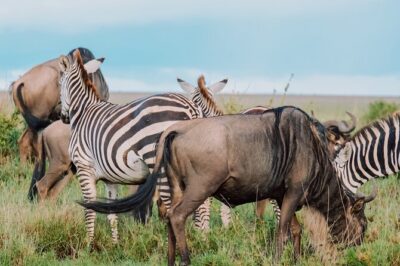
Balloon Safari & Bush Breakfast in Serengeti – Miracle Experience
Read our review →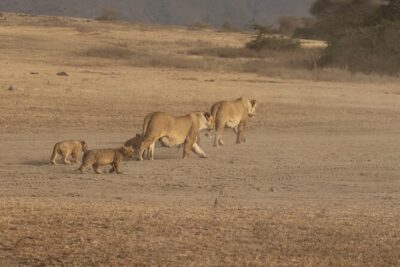
3 Days Serengeti & Ngorongoro Group Camping Safari
Read our review →
5-Day Highlights mid-Range Crater, Serengeti, Tarangire
Read our review →
Private 6-Day Tarangire Manyara Crater and Serengeti with Mid-Range Lodges
Read our review →
5 Days Camping Tarangire, Serengeti & Ngorongoro crater & Visiting Maasai
Read our review →Browse the lists this tour appears in