
Reviewed · SERENGETI & NGORONGORO SAFARIS
3 Days 2 Nights Group Joining Serengeti and Ngorogoro Safari
Wildlife begins before breakfast. This three-day group safari links Serengeti National Park with the Ngorongoro Crater, using a top-open Land Cruiser with charging ports and window seats for everyone. I like the early start, the full game-drive schedule, and the fact that meals, water, camping gear, accommodation, and transport are included.
I also like the small group limit of seven people, which gives you a better chance of a clear view during a sighting. The main caution is the price level and camping setup: at $900 per person, you get a lot, but the basic option is still basic. Rain, cold, shared toilets, and limited bathroom supplies can make the night rough if you arrive expecting lodge comfort.
In This Review
- Key things to know before booking
- What the $900 safari really includes
- Leaving Arusha at 6:00 am
- Why Serengeti deserves the longest game drive
- Camping: useful equipment, limited comfort
- Ngorongoro Crater on the final day
- The Land Cruiser and group size
- Meals, water, and the rhythm of the days
- Who will enjoy this safari most
- Booking details that affect your decision
- Should you book the Serengeti and Ngorongoro safari?
- FAQ
- Where does the safari start?
- What time does the safari begin?
- How long is the experience?
- Which parks and protected areas are included?
- Does the route include Manyara and Tarangire?
- How many people can join the group?
- What type of vehicle is used?
- Are meals included?
- Is camping equipment supplied?
- What is not included?
- Can I cancel for a full refund?
Key things to know before booking
- The first day is a long road to Serengeti: You leave Arusha at 6:00 am, stop near Karatu for breakfast, cross the Ngorongoro Conservation Area, and reach the Serengeti in the early afternoon.
- The open-roof 4×4 matters: All window seats and charging sockets make long game drives more comfortable and practical.
- You get two major wildlife settings: Serengeti offers broad game-viewing country, while Ngorongoro packs many animals into a smaller crater floor.
- Camping is part of the value equation: Equipment is supplied, but budget camping may mean cold nights, shared toilets, no paper, and no hot water.
- The group is capped at seven: That is a useful limit for an organized safari, especially when several people want photographs.
- The schedule favors wildlife over sleep: Sunrise drives and long transfers mean you should be ready for early mornings and full days.
What the $900 safari really includes
At $900 per person, this is not a cheap day trip. It is a three-day, two-night safari with park access costs, a professional English-speaking guide, a 4×4 vehicle, accommodation, food, mineral water, and camping equipment included.
That bundled price can be good value because safari costs rise quickly once you add park fees, transport, meals, and overnight stays separately. You are also paying for a vehicle built for game viewing rather than an ordinary car, and the open roof gives you a better upward view for giraffes, birds, and distant animals.
Still, I would not book this expecting a polished lodge holiday. The experience is built around long drives, early departures, shared arrangements, and time outside. The accommodation category matters a great deal. The plan allows a choice of accommodation category, but the simple lodge option becomes camping in the Ngorongoro area because there is no accommodation of that standard there.
That detail deserves attention before you pay. A low-cost safari can be excellent when you understand the deal. It becomes disappointing when you expect private bathrooms, constant hot water, and hotel-style service.
More Serengeti and Ngorongoro safaris:
- Balloon Safari & Bush Breakfast in Serengeti – Miracle Experience
★ 5.0 · 1,646 reviews - 3 Days Serengeti & Ngorongoro Group Camping Safari
★ 5.0 · 574 reviews - 5-Day Highlights mid-Range Crater, Serengeti, Tarangire
★ 5.0 · 296 reviews
Leaving Arusha at 6:00 am
Day one starts early, and the start time is not decorative. Arusha to the Serengeti is a substantial road journey, so the morning departure helps preserve useful time inside the park.
The route passes through the Ngorongoro Conservation Area. A breakfast stop near Karatu breaks up the drive, then the road continues toward the conservation area and Serengeti. You get some game viewing along the way, but you should see this first day as a transfer combined with a safari, not as a full day spent entirely inside Serengeti.
You reach Serengeti in the early afternoon and continue with a game drive until sunset. That late-day period can be rewarding because the park opens up into a huge setting where herds and predators may appear far from the road.
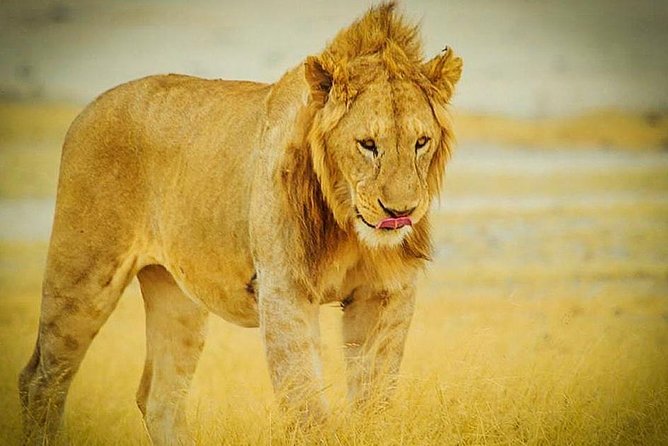
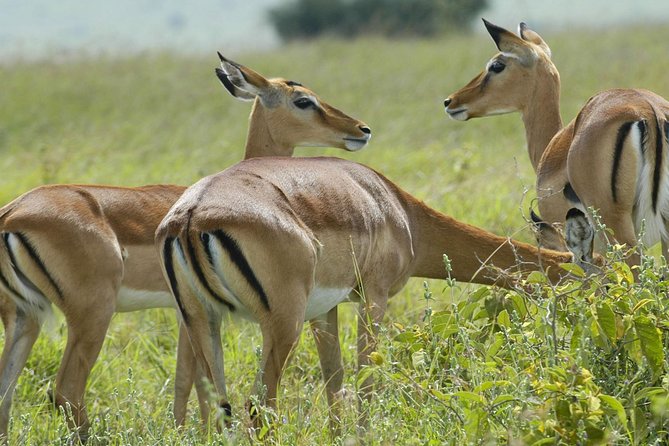
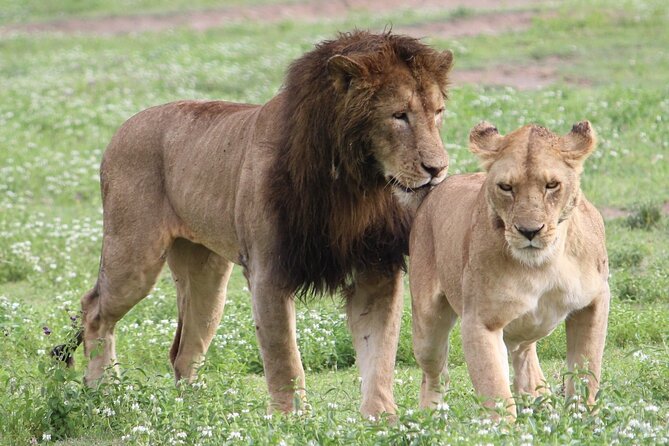
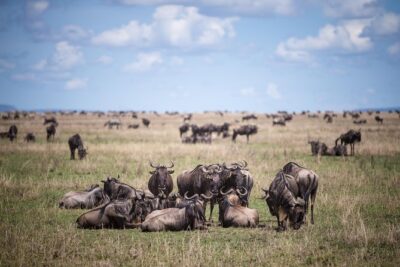
The Serengeti is known for large groups of buffalo and wildebeest, as well as elephants, giraffes, eland, impala, and Grant’s gazelle. Lions, leopards, and other predators are also possible. The important point is that sightings are not arranged like a zoo visit. You may see a great deal, but the guide must work with distance, animal movement, and the time available.
Dinner follows at the accommodation chosen for your category. After a day that began before sunrise, do not underestimate the value of a simple meal and a place to sleep.
Why Serengeti deserves the longest game drive
The Serengeti portion gives you the feeling of a large, working wildlife area rather than a compact viewing zone. The scale is part of the experience. Herds can spread across the open country, and predators may be close to prey or hidden from view.
Day two begins with an early game drive for sunrise. I consider this one of the strongest parts of the trip because you see the park at a quieter, cooler hour, and the light adds shape to the open country. The schedule keeps you out until the early afternoon.
Depending on the day’s arrangement, you either return to the accommodation for a hot lunch or eat a packed lunch during the drive. A hot meal gives you a proper break, while a lunch pack allows more time in the park. The plan does not guarantee which option you will receive, so prepare for either.
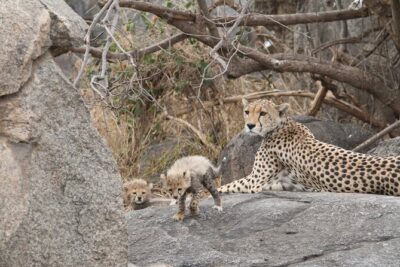
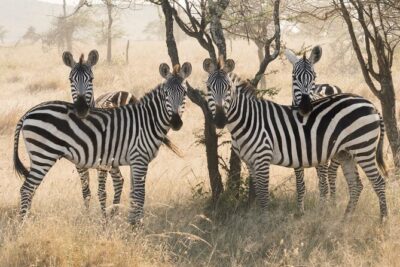
After lunch, you drive back through Serengeti and the Ngorongoro Conservation Area, with more game viewing along the route. This return journey is not wasted travel. It gives you another chance to see lions, leopards, cheetahs, zebras, wildebeest, gazelles, and hyenas.
The route ends with accommodation in the Ngorongoro area. Here the difference between categories becomes important. The simple lodge rate includes camping for this night, so check the category wording carefully rather than assuming that every option means a permanent room.
Camping: useful equipment, limited comfort
Camping equipment is supplied, which removes the need to carry a tent and the main sleeping gear yourself. That helps keep luggage manageable, particularly when you are joining a group and moving between areas.
But supplied equipment does not mean luxury camping. A poor night can happen if rain gets into the tent or temperatures drop. One account describes water and cold conditions, along with no hot water and no paper in the first camp. Those are not minor details if you are unprepared.
Bring your own toiletries and do not assume shared facilities will supply paper products. Pack warm clothing for the evening and early morning, and keep rain protection accessible. The supplied mineral water is useful during long drives, but it does not solve every comfort issue at camp.
I would choose this option if I care more about time in the parks and the total safari cost than private facilities. If you need reliable hot showers and a private bathroom every night, select a higher accommodation category if available and confirm exactly what the option includes.
A few more options to weigh up in Arusha
- Tanzania Classic – 7 Days
★ 5.0 · 1,151 reviews - 4 Days Group Camping Safari
★ 5.0 · 1,101 reviews - 5 Days Group Camping Safari
★ 5.0 · 730 reviews - Materuni Waterfalls, coffee tour & Kikuletwa Hot Springs
★ 5.0 · 643 reviews
Ngorongoro Crater on the final day
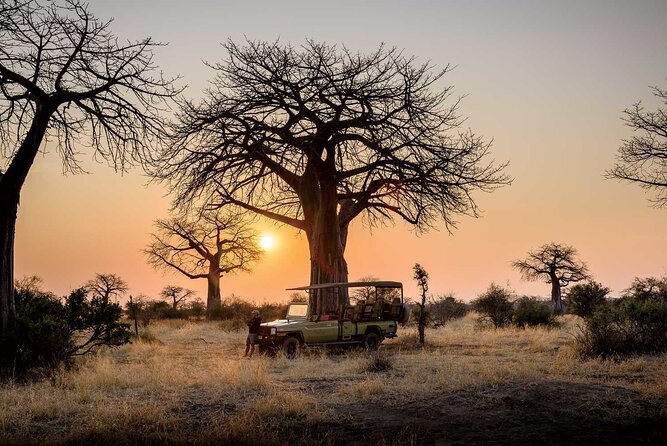
Day three begins after breakfast with a picnic lunch packed for the drive into Ngorongoro Crater. The crater is the trip’s most concentrated wildlife setting.
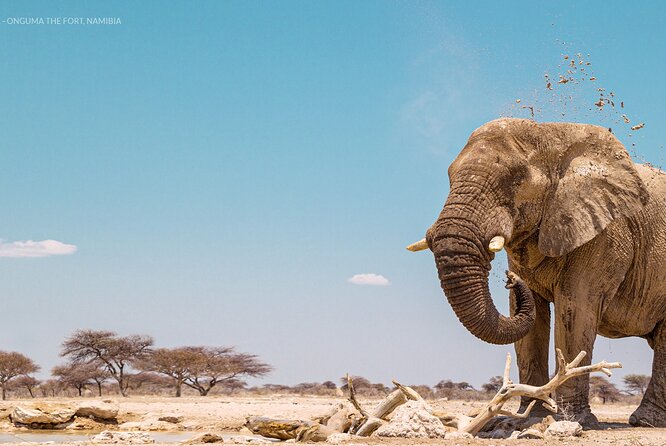
The crater floor supports more than 25,000 large mammals, including black rhinos, zebras, wildebeest, gazelles, buffalo, lions, hippos, elephants, eland, and hyenas. Aquatic birds add another layer to the view, particularly around the crater’s water areas.
What makes Ngorongoro different from Serengeti is the sense that animals are closer together. The crater walls create a contained setting, and wildlife can appear surprisingly near the vehicle. That makes it a strong place for first-time safari visitors who want several species in one day.
You continue exploring until late afternoon, then drive back to Arusha. This is another long day, but the picnic lunch means you do not have to leave the crater for a restaurant. The trade-off is a tiring final return, especially after two nights and several early starts.
The itinerary names Serengeti, Ngorongoro Conservation Area, and Ngorongoro Crater. It does not include a separate visit to Manyara or Tarangire, despite those parks appearing in the general description. If those parks are important to you, ask the operator to confirm the exact route before booking.
The Land Cruiser and group size
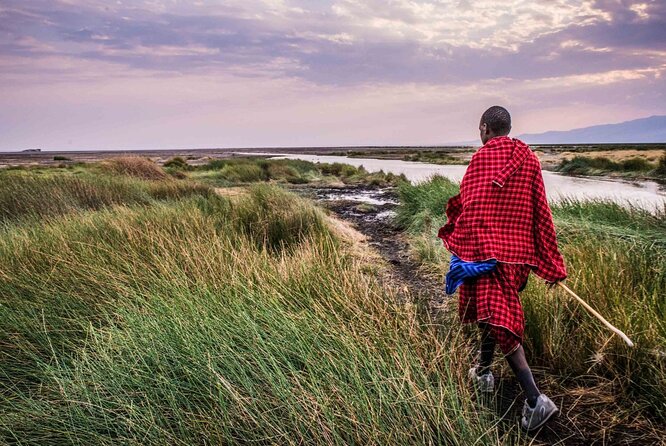
The vehicle is a 4×4 Land Cruiser with a top-open roof, all window seats, and charging sockets. Those details are practical rather than decorative.
A roof opening gives you a clear view above the vehicle, which is helpful when watching tall giraffes or birds. Window access also matters when an animal appears on one side of the road. Nobody wants to spend a rare sighting looking at another person’s shoulder.
Charging ports are welcome on a safari because phones and cameras work hard during long drives. I would still bring a power bank, since the listing only confirms sockets in the vehicle and does not explain how often they are available or whether every device can use them at once.
The maximum group size is seven people. That is small enough to feel manageable, though it is not private. You share the vehicle, meal arrangements, and guide with the rest of the group. The benefit is a lower cost than a private safari, while keeping the group more controlled than a large coach.
An English-speaking professional guide leads the trip and handles safety, timing, and wildlife spotting. The guide’s effort can shape the whole experience, especially when deciding how long to wait at an animal sighting and when to move on.
Meals, water, and the rhythm of the days
The package includes three lunches, two dinners, and two breakfasts. Mineral water is also provided. That means you do not need to organize every meal during the route, which is especially useful during the long drives between Arusha, Serengeti, and Ngorongoro.
The day usually follows a demanding rhythm: early breakfast, a morning drive, lunch at camp or from a packed box, more game viewing, then dinner and sleep. You should not expect a slow holiday pace.
A chef prepares the included meals, adding comfort after hours outside. Still, food arrangements can change with the schedule. On day two, for example, lunch may be hot at the accommodation or packed for the road. If you have dietary needs, the supplied information does not confirm how those are handled, so ask before booking.
The best approach is to keep your personal luggage simple and your day bag accessible. Warm layers, toiletries, rain protection, camera equipment, and any medication should not be buried under camping gear.
Who will enjoy this safari most
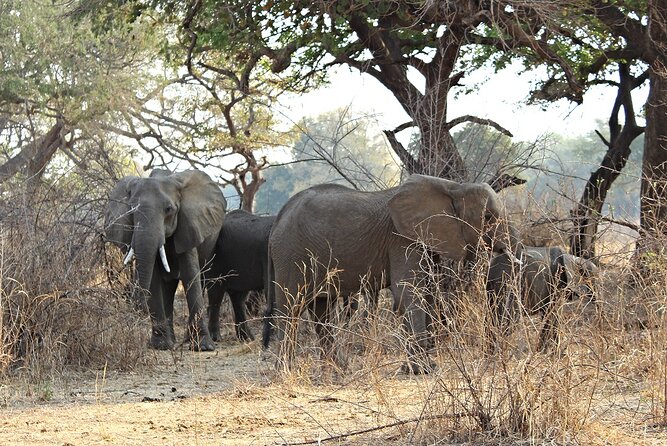
I would recommend this trip to someone who wants the major northern Tanzania wildlife areas in a short period and accepts long road days. It suits first-time safari visitors who value a guided route, included meals, and a controlled group size.
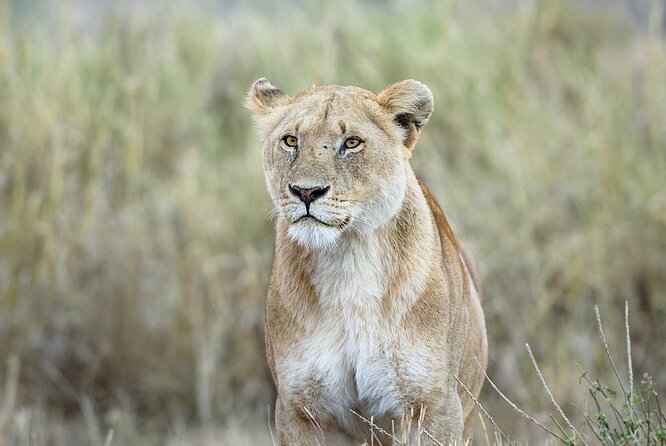
It also suits people who want a chance to see a wide range of animals without paying for a private vehicle. The planned sightings include lions, leopards, cheetahs, elephants, giraffes, zebras, wildebeest, gazelles, buffalo, hyenas, hippos, and possibly black rhinos.
You should think twice if you dislike camping, early mornings, shared toilets, or lengthy transfers. The itinerary is tightly packed, so it offers breadth rather than a relaxed pace.
The experience has a 4.8 rating from 56 reviews and a 96 percent recommendation rate, which suggests strong overall satisfaction. One especially positive account describes a highly engaged guide and a successful chance to see the Big Five. Since no guide name is supplied, I would not assume a particular person will lead your departure, but guide quality clearly matters here.
Booking details that affect your decision
Pickup is offered, and the stated start time is 6:00 am. Confirmation arrives when you book, and the tour can handle most participants. It is also near public transportation, though the early departure means you should confirm the precise pickup point and allow enough time to reach it.
The tour is often booked well ahead, with an average booking lead time of 71 days. That is a useful signal for planning, especially if you have fixed dates or want a particular accommodation category.
Free cancellation applies when you cancel at least 24 hours before the start time. Inside that window, the payment is not refunded, and changes are not accepted. The cut-off follows local time.
Should you book the Serengeti and Ngorongoro safari?
Book it if you want a tightly scheduled, wildlife-focused safari with a small group, an open-roof 4×4, included meals, and camping equipment. The strongest parts are the sunrise drive in Serengeti, the broad range of possible wildlife, and the close viewing conditions in Ngorongoro Crater.
Do not book it on the assumption that $900 buys lodge luxury. Confirm your accommodation category, prepare for shared facilities, and pack for cold or wet camping conditions. Also confirm the route if you expected Manyara or Tarangire, because the detailed three-day plan centers on Serengeti and Ngorongoro.
For the right person, this is a practical way to reach two of Tanzania’s most famous wildlife areas without managing every transfer and park fee yourself. Go for the animals and the open views, not for long sleep-ins or hotel comforts.
FAQ
Where does the safari start?
The safari starts in Arusha, Tanzania, with pickup offered.
What time does the safari begin?
The stated start time is 6:00 am.
How long is the experience?
The safari lasts approximately three days and includes two nights.
Which parks and protected areas are included?
The detailed route includes Serengeti National Park, the Ngorongoro Conservation Area, and Ngorongoro Crater.
Does the route include Manyara and Tarangire?
The general description names Manyara and Tarangire, but the detailed three-day route describes Serengeti and Ngorongoro. Confirm the exact route before booking if those parks matter to you.
How many people can join the group?
The maximum group size is seven people.
What type of vehicle is used?
The safari uses a 4×4 vehicle with a top-open roof, window seats for everyone, and charging sockets.
Are meals included?
Yes. The package includes three lunches, two dinners, and two breakfasts. Mineral water is also provided.
Is camping equipment supplied?
Yes. Camping equipment is included. If you select the simple lodge option, the second night is spent camping in the Ngorongoro area.
What is not included?
Tips are not included in the price.
Can I cancel for a full refund?
Yes, if you cancel at least 24 hours before the experience start time. Cancellations within 24 hours are not refunded, and changes within that period are not accepted.
Just added in Arusha
- Safari “Kifaru” – 5 days in the most famous Parks in the world★ 5.0 · 4 reviews
- Saadani Day Trip★ 5.0 · 13 reviews
- 3 Days Tanzania Short and Spicy★ 5.0 · 6 reviews
- 5 Day Tanzania Safari Camping Adventure Private Tour★ 5.0 · 2 reviews
- Day Trip to Ngorongoro Crater from Arusha★ 5.0 · 1 review
- SERENGETI NATIONAL PARK Tour★ 4.5 · 5 reviews
- 3 Days Serengeti Park & Ngorongoro Crater Adventure Safari★ 5.0 · 8 reviews
- 6 Days Tanzania Bush Experience Safari★ 5.0 · 6 reviews
Serengeti & Ngorongoro Safaris, compared.
Serengeti Balloon Safari and authentic bush breakfast
Read our review →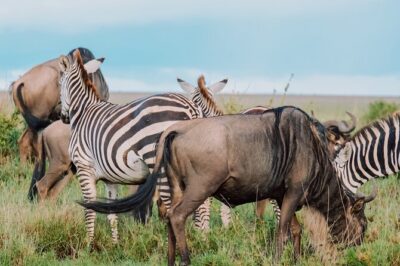
Balloon Safari & Bush Breakfast in Serengeti – Miracle Experience
Read our review →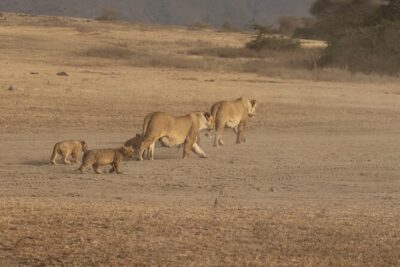
3 Days Serengeti & Ngorongoro Group Camping Safari
Read our review →
5-Day Highlights mid-Range Crater, Serengeti, Tarangire
Read our review →
Private 6-Day Tarangire Manyara Crater and Serengeti with Mid-Range Lodges
Read our review →
5 Days Camping Tarangire, Serengeti & Ngorongoro crater & Visiting Maasai
Read our review →Browse the lists this tour appears in