
Reviewed · SERENGETI & NGORONGORO SAFARIS
3 Days /2 nights Serengeti and Ngorongoro crater
Africa gets big fast here. This three-day safari links the Serengeti and Ngorongoro Crater from Arusha, giving you sweeping plains, dense wildlife viewing, and a compact taste of northern Tanzania. I like the efficient route through Karatu and the Ngorongoro Conservation Area, and I like that meals, park fees, taxes, and camping are built into the $820 price.
The strongest praise goes to the guides, especially Mandela on one reported departure, for spotting animals and explaining their behavior. The main concern is reliability: one serious complaint describes broken vehicles, darkness, and disputed park-fee arrangements, so I would confirm the vehicle, permits, campsite plan, and group size before paying.
In This Review
- Key points to know before booking
- Why this short safari works
- Arusha pickup and the early start
- Day one: from Karatu farmland to Seronera
- Day two: leaving the Serengeti for Ngorongoro
- Day three: the Ngorongoro Crater floor
- What the guide can add to the experience
- Camping, food, and comfort
- Is $820 a fair price?
- Who should book this safari?
- Should you book the three-day route?
- FAQ
- Where does the safari start and finish?
- What time does the tour start?
- How many people can join the safari?
- Are meals included?
- Are park fees included?
- What does the price exclude?
Key points to know before booking
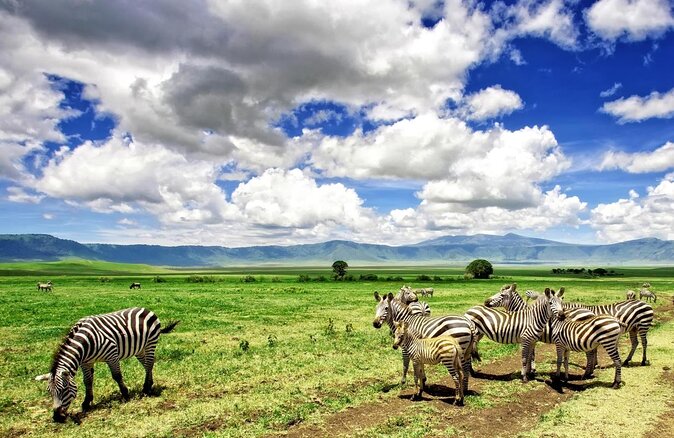
- Seronera is the wildlife heart of the Serengeti: The central area has the Seronera River, which draws animals and gives you a strong chance of varied sightings.
- Ngorongoro packs animals into a smaller setting: The crater floor can offer lions, hyenas, buffalo, elephants, hippos, zebra, wildebeest, and perhaps a black rhino.
- The tour uses camping: Two nights are listed at campsites, with breakfast, lunch, and dinner included.
- The $820 price covers the main safari costs: Taxes, park fees, six meals, and camping are included, while insurance, flights, personal items, and tips are extra.
- The advertised group limit is six: One account describes a group of seven, so confirm the final number before departure.
- The schedule is tight: You spend roughly six hours on each listed day, with long drives between Arusha, the Serengeti, Ngorongoro, and back to Arusha.
Why this short safari works
Three days is not enough to see every corner of northern Tanzania, but it is enough to reach two of the region’s headline sights. That makes this trip useful if you have limited time in Arusha or want to add a safari before or after another Tanzanian activity.
I like the basic design. The route begins with the cultivated highlands around Karatu, crosses the Ngorongoro Conservation Area, reaches the Serengeti, then returns toward the crater before finishing in Arusha. You get changing scenery in a short period, from high farmland to open grassland and then the enclosed bowl of the crater.
The trip is also built around the right kind of safari days. You are not simply driving to a lodge and back. The first afternoon brings a game drive in central Serengeti, the second day includes more wildlife viewing before the move toward Ngorongoro, and the third day gives you a full crater visit with a picnic lunch.
The tradeoff is time. Road travel takes up a large share of the experience, especially on the first and final days. You should book this knowing that the reward comes from reaching remarkable wildlife areas, not from having long periods at one camp.
More Serengeti and Ngorongoro safaris:
- Balloon Safari & Bush Breakfast in Serengeti – Miracle Experience
★ 5.0 · 1,646 reviews - 3 Days Serengeti & Ngorongoro Group Camping Safari
★ 5.0 · 574 reviews - 5-Day Highlights mid-Range Crater, Serengeti, Tarangire
★ 5.0 · 296 reviews
Arusha pickup and the early start

The stated meeting point is Shoppers Supermarket in Arusha, with departure between 6:00 and 7:00 in the morning. Pickup is offered, but you should confirm the exact arrangement because the listed starting point remains the supermarket.
An early start matters. The route to the Serengeti is long, and reaching the central Seronera area in time for lunch leaves some daylight for an afternoon game drive. If you are staying elsewhere in Arusha, ask the operator to confirm the pickup time, vehicle, and meeting instructions in writing.
The tour has a mobile ticket and booking confirmation is provided at the time of booking. Public transportation is nearby, and the activity is described as suitable for most people. Those details make the start fairly simple, but the long drives still require patience.
The advertised maximum is six people. That is a good size for a safari vehicle because you have a better chance of seeing out both sides and do not feel lost in a large convoy. One account connected with a departure describes seven people, however, so I would ask how many seats will be occupied on your specific date.
Day one: from Karatu farmland to Seronera
After breakfast, you travel through the high farmland around Karatu and across the Ngorongoro Conservation Area. This first section gives you a useful sense of how quickly northern Tanzania changes. Cultivated highlands give way to more open country as you head toward the Serengeti.
The road eventually drops into the Serengeti, where the plains stretch far into the distance. The scale is the first major attraction. Even before animals appear, the open views make the drive feel like a change of world.
The destination is the Seronera area in central Serengeti. Its river supplies water and helps attract a broad mix of wildlife. That is important on a short safari because you want a location where several species may be found within the same general area, rather than spending all afternoon reaching a remote corner of the park.
You arrive around lunchtime, then take an afternoon game drive. This is the first proper chance to search for animals, and the quality of the guide matters greatly. A guide who can read animal behavior and locate wildlife can turn an ordinary stretch of grass into a rewarding sighting.
The strongest praise connected with this trip focuses on that skill. Mandela is named as an especially capable guide on one departure, with particular credit for explaining animal behavior and finding animals. Guides can change, so I would not assume Mandela will lead your trip, but his reported performance shows what you should expect from a good guide: clear explanations, alert observation, and patience at sightings.
Dinner and overnight accommodation are listed at a campsite. The description does not specify the campsite name or whether tents are permanent or carried equipment, so ask before booking if comfort details matter to you. One positive account describes good tents and equipment, while another raises a practical warning about a rented sleeping bag with a faulty zipper. If you get cold easily, bringing your own sleeping bag is sensible if the operator permits it.
Day two: leaving the Serengeti for Ngorongoro
The second day begins after breakfast with more morning wildlife viewing. The schedule then includes lunch, departure with a packed lunch, and a drive toward Ngorongoro with game viewing along the way.
This is a useful transition day rather than a single fixed attraction. Morning light can be a good time for wildlife watching, and the route gives you another chance to see animals instead of using the whole day only for transport. The exact timing may shift with road conditions, animal sightings, and the guide’s plan.
The move from the Serengeti to Ngorongoro also changes the feel of the safari. In the Serengeti, the view is broad and open. Near Ngorongoro, the surroundings become more dramatic and enclosed, with high ground and a clear sense that you are approaching a huge natural bowl.
Dinner and a second campsite night follow. Since both nights are camping nights, this trip suits you best if you care more about being close to the parks than about hotel comforts. The included meals are a real help. Breakfast, three lunches, and two dinners are listed, so you do not need to budget separately for the main food during the safari.
Still, ask what the camping package includes. The information confirms tents and equipment through the feedback, but it does not give a full packing list, shower details, toilet arrangements, or sleeping-bag terms. Those are reasonable questions before you commit to two nights outdoors.
A few more options to weigh up in Arusha
- Tanzania Classic – 7 Days
★ 5.0 · 1,151 reviews - 4 Days Group Camping Safari
★ 5.0 · 1,101 reviews - 5 Days Group Camping Safari
★ 5.0 · 730 reviews - Materuni Waterfalls, coffee tour & Kikuletwa Hot Springs
★ 5.0 · 643 reviews
Day three: the Ngorongoro Crater floor
After breakfast, you descend into Ngorongoro Crater with a lunch box and spend the day on a game drive. The crater is the most concentrated wildlife stop on this route. Its year-round water and grazing areas support a large number of animals in a relatively compact setting.
The stated estimate is about 30,000 animals, including some of Tanzania’s last remaining black rhinos. Seeing a rhino is never guaranteed, and one account specifically notes seeing almost every expected animal except the rare rhino. That is a useful reminder to treat wildlife sightings as possibilities, not promises.
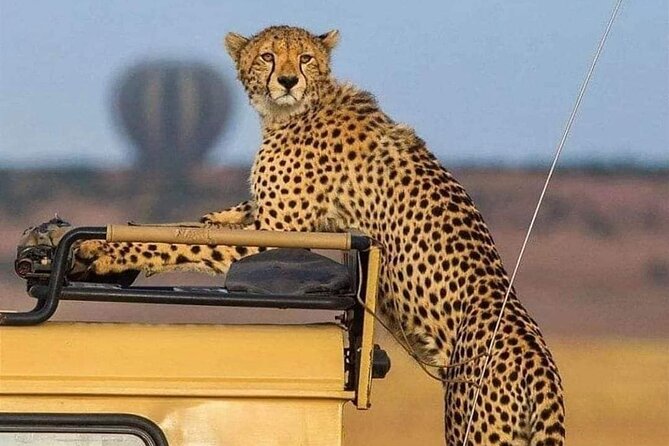
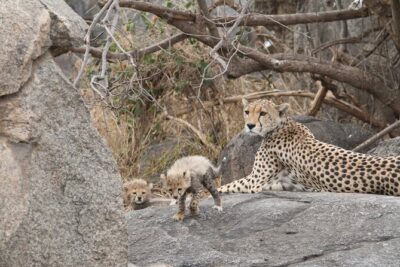
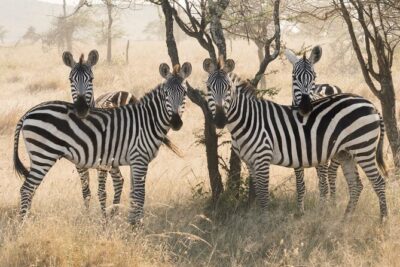
You may encounter wildebeest, zebra, buffalo, eland, warthog, hippo, and large African elephants. The crater is also known for predators, including lions, hyenas, jackals, cheetahs, and the elusive leopard. The range is impressive, but the guide still has to find the animals, position the vehicle, and explain what you are seeing.
The picnic lunch takes place on the crater floor. That keeps you in the viewing area rather than sending you away to eat at a distant facility. Follow the guide’s instructions closely around animals and at the picnic stop.
Late in the afternoon, you drive back to Arusha. This final return makes day three a long one in practical terms, even though each day is described as approximately six hours. The reward is that you finish in Arusha instead of needing an additional hotel night near Ngorongoro.
What the guide can add to the experience
A safari guide is more than a driver. You need someone who can identify tracks, understand animal movement, communicate with other drivers, and explain behavior without turning every sighting into a rushed checklist.
The most praised part of this experience is the guiding. The guide named Mandela receives especially warm attention for locating animals and explaining why they behave as they do. Another account praises friendly staff, good cooking, and clear explanations of animals.
That is the standard I would use when judging the trip. Seeing a lion is exciting, but understanding why it is lying under a tree, watching a herd, or reacting to another vehicle makes the moment far more memorable.
At the same time, you should keep the praise in perspective. Guide quality can vary by departure, and the operator may assign a different person. Ask for the guide’s name and confirm who will lead your group if that matters to you.
Camping, food, and comfort
The price includes breakfast, lunch, and dinner for the two nights, along with all fees and taxes. That gives the package a clear advantage over a low headline price that adds park fees and meals later.
Camping is the main comfort compromise. The available feedback includes praise for the tents and equipment, which suggests that some departures are well supplied. The sleeping-bag complaint is worth taking seriously, especially if you are sensitive to cold. Check whether a sleeping bag is included, rented, or optional, and inspect the zipper before leaving camp.
The information does not promise luxury facilities. You should expect a practical safari camp rather than a resort. The appeal is location and access, not polished rooms or a long list of amenities.
Food appears to be another positive part of the package. The cook receives praise for preparing very good meals, and the included meal plan removes one common source of uncertainty. You can still ask about dietary needs before departure, since no special-meal policy is provided.
Is $820 a fair price?
At $820 per person, this is not a budget day trip, but the cost covers the main structure of a northern Tanzania safari: park access, taxes, camping, transport during the tour, and six meals. For a three-day route reaching both Serengeti and Ngorongoro, that can be reasonable value if the vehicle and permits are handled properly.
The small group limit improves the value. Six people is much better than being packed into a large vehicle, especially during long drives and wildlife stops. But the conflicting group-size information means you should confirm the number of passengers.
The price does not include airfares, travel insurance, personal expenses, or tips. Those extras are normal, but they still affect your total budget. You should also set aside money for gratuities if the guide, cook, and camp staff provide good service.
The biggest value question is dependability. One highly negative account alleges broken vehicles, being stranded in the forest after dark, and park fees not being paid. The operator responded with an apology and a renewed statement of commitment, but that response does not replace practical checks before departure.
Ask for written confirmation of park permits, the vehicle condition, emergency support, the campsite names, and the final group size. A low price is not good value if a mechanical problem ruins your limited safari time or creates a safety concern.
Who should book this safari?
I would recommend this trip to you if you have only three days, want both Serengeti and Ngorongoro, and are comfortable with basic camping. It also suits people who want meals and major park costs bundled into one price.
You will get the most from it if you enjoy long road journeys as part of the experience. The route offers changing scenery and several game drives, but it is not a relaxed lodge holiday with late mornings and spare afternoons.
This is less suitable if you want private accommodation, a slow schedule, or a guaranteed rhino sighting. It may also disappoint you if you expect every detail to be clearly specified in advance. The camping setup, guide assignment, vehicle arrangements, and group size deserve direct confirmation.
The overall rating is 4.3 from six ratings, with praise for animal spotting, guiding, food, tents, and organization. That is encouraging, but the severe vehicle and permit complaint is too serious to ignore. I would book only after receiving clear answers to the operational questions above.
Cancellation is free if you cancel at least 24 hours before the start time. Cancellations made inside that window are not refundable, and changes are not accepted within 24 hours.
Should you book the three-day route?
Book it if your priority is seeing two of Tanzania’s greatest wildlife areas in a short, organized trip from Arusha. The Seronera game drive, Ngorongoro crater floor, included meals, and small advertised group make the package appealing.
Before you pay, confirm four things: the assigned vehicle, current park-fee payment, campsite equipment, and the exact number of people in the vehicle. If those answers are clear, the $820 price can offer a practical way to reach the Serengeti and Ngorongoro without arranging each piece yourself.
FAQ
Where does the safari start and finish?
The stated meeting point is Shoppers Supermarket in Arusha, Tanzania. The activity ends back at the meeting point.
What time does the tour start?
The listed start window is between 6:00 AM and 7:00 AM, Monday through Sunday. Confirm your exact pickup time with the provider.
How many people can join the safari?
The advertised maximum is six participants. One account describes a group of seven, so confirm the final group size for your departure.
Are meals included?
Yes. The price includes two breakfasts, three lunches, and two dinners.
Are park fees included?
All fees and taxes are listed as included. You should still ask for confirmation that the required park payments have been made before departure.
What does the price exclude?
The price excludes airfares, travel insurance, personal items, and tips or gratuities.
Just added in Arusha
- Safari “Kifaru” – 5 days in the most famous Parks in the world★ 5.0 · 4 reviews
- Saadani Day Trip★ 5.0 · 13 reviews
- 3 Days Tanzania Short and Spicy★ 5.0 · 6 reviews
- 5 Day Tanzania Safari Camping Adventure Private Tour★ 5.0 · 2 reviews
- Day Trip to Ngorongoro Crater from Arusha★ 5.0 · 1 review
- SERENGETI NATIONAL PARK Tour★ 4.5 · 5 reviews
- 3 Days Serengeti Park & Ngorongoro Crater Adventure Safari★ 5.0 · 8 reviews
- 6 Days Tanzania Bush Experience Safari★ 5.0 · 6 reviews
Serengeti & Ngorongoro Safaris, compared.
Serengeti Balloon Safari and authentic bush breakfast
Read our review →
Balloon Safari & Bush Breakfast in Serengeti – Miracle Experience
Read our review →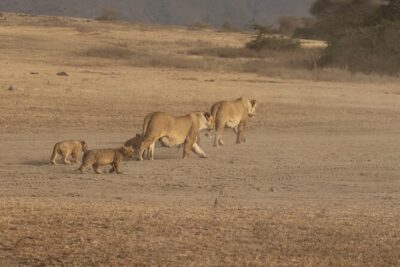
3 Days Serengeti & Ngorongoro Group Camping Safari
Read our review →
5-Day Highlights mid-Range Crater, Serengeti, Tarangire
Read our review →
Private 6-Day Tarangire Manyara Crater and Serengeti with Mid-Range Lodges
Read our review →
5 Days Camping Tarangire, Serengeti & Ngorongoro crater & Visiting Maasai
Read our review →Browse the lists this tour appears in