
Reviewed · LAKE MANYARA SAFARIS
3 Days Safari Tour in Lake Manyara and Ngorngoro
Wildlife comes in many shapes here. This three-day safari pairs Lake Manyara’s varied habitats and birdlife with the huge open bowl of Ngorongoro Crater, giving you two very different wildlife settings in a short trip. I like the contrast between Manyara’s forests, hot springs, swamps, and lake shore, and Ngorongoro’s concentrated game viewing.
I also like that the tour uses a 4×4 safari vehicle, includes meals, and limits the group to a maximum of 14 people. The main consideration is the pace: the schedule includes long drives, a seven-hour rim walk, and a half-day crater safari, so this is active touring rather than a slow lodge holiday.
In This Review
- Key points at a glance
- Why the Manyara and Ngorongoro pairing works
- Day one: forests, hot springs, and Lake Manyara
- Day two: a seven-hour walk around the crater rim
- Day three: descending more than 600 meters into Ngorongoro
- The guide can shape the whole experience
- Vehicle, group size, and time on the road
- What the $1,960 price covers
- Who should book this safari?
- Practical details before you reserve
- Final verdict: Is this three-day safari worth booking?
- FAQ
- Where does the safari begin?
- How long is the safari?
- Which parks and conservation areas are included?
- Is transport included?
- Are airport transfers available?
- How many people can join the tour?
- Are meals included?
- Is the walking safari included?
- What is not included in the price?
Key points at a glance
- Two very different parks: Lake Manyara offers woodland, water forest, cliffs, hot springs, swamps, and seasonal flamingos, while Ngorongoro provides dense wildlife viewing in a compact crater.
- A walking safari on the crater rim: Day two is not simply another drive. You spend about seven hours walking around the rim with a picnic lunch.
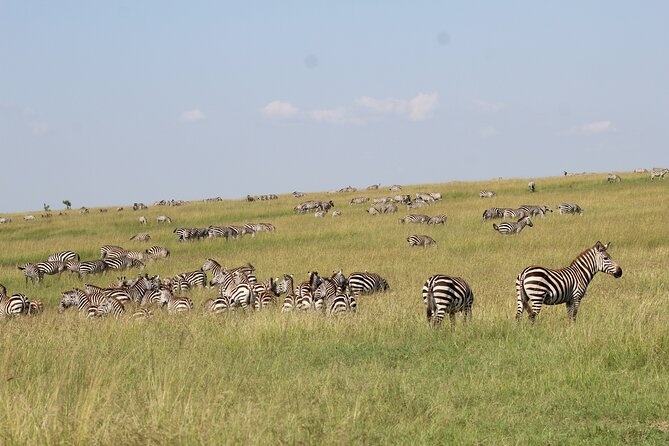
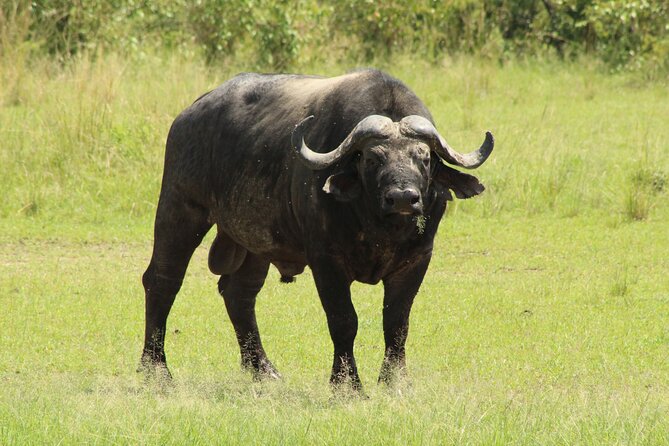
- Good chances for classic African wildlife: Elephants, baboons, lions, wildebeest, zebra, buffalo, hippos, hyenas, jackals, cheetahs, and possibly leopard are all part of the expected wildlife range.
- Small enough for a social safari: The vehicle can carry up to 14 people, though the exact number in your vehicle should be confirmed before booking.
- Three meals are listed each day: Breakfast, lunch, and dinner are included, along with parking fees and transport in a 4×4.
- Guiding is a major strength: Guides named in the feedback include David and Michael, with praise for clear English, animal knowledge, patience, and good judgment about where to go.
Why the Manyara and Ngorongoro pairing works
If you have only three days, this route makes good sense. Lake Manyara and Ngorongoro are close enough to combine, but they do not feel like copies of one another. Manyara is a small park with striking changes in scenery. Ngorongoro is famous for its enclosed crater, where water and grazing areas support animals throughout the year.
That contrast gives the safari a useful rhythm. You begin with forest and lake habitats, then move into the highlands around Karatu and the crater rim, before finishing with a concentrated game drive below the rim.
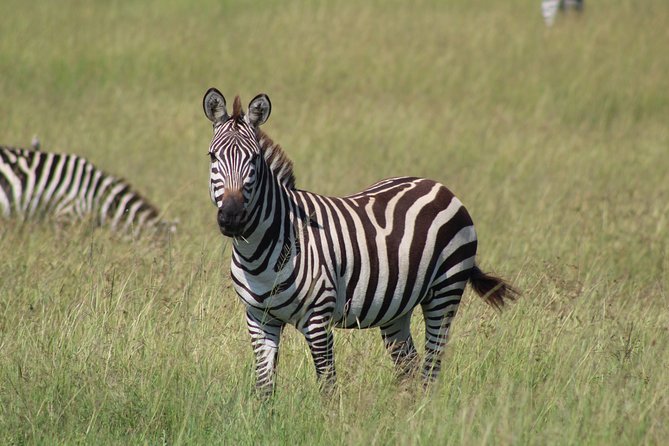
The wildlife list is strong. Lake Manyara is known for large troops of baboons and for lions that sometimes climb trees. In the right season, flamingos gather around the lake. Ngorongoro supports wildebeest, zebra, buffalo, eland, warthog, hippo, and large African elephants, along with predators such as lions, hyenas, jackals, cheetahs, and leopard.
No safari can promise every animal. Leopards, in particular, may require time and a sharp eye. Still, the two parks offer a good mix of large mammals, birds, and changing scenery for a short trip.
More Lake Manyara safaris:
- Private 6-Day Tarangire Manyara Crater and Serengeti with Mid-Range Lodges
★ 5.0 · 238 reviews - 3 Days Tarangire, Ngorongoro & Lake Manyara Group Camping Safari
★ 5.0 · 102 reviews - 3 Days Private Safari – manyara, Ngorongoro & Tarangire
★ 5.0 · 94 reviews
Day one: forests, hot springs, and Lake Manyara
The tour begins in Arusha at 8:30 in the morning. The drive to Lake Manyara National Park covers about 140 kilometers and takes roughly two and a half hours, with a picnic lunch arranged for the day.
That morning drive matters when you are planning your trip. The safari does not begin with an early pre-dawn departure, but you still reach the park in time for a substantial game drive. You should expect much of the day to be spent in the vehicle, so comfortable clothing and patience are more useful than fancy safari accessories.
Lake Manyara is small, yet its habitats change quickly. You may pass through acacia woodland, water forest, swamps, and areas near the lake itself. The park also includes baobab-strewn cliffs and algae-streaked hot springs, giving the drive more visual variety than a simple grassland route.
The park’s baboons are one of its signature sights. Large troops can be especially entertaining because you may see adults, young animals, and individuals moving through the forest together. The tree-climbing lions are another reason Manyara earns its place on this route, though sightings are never guaranteed.
Birdlife adds another layer. Flamingos appear in season, and the lake and wet areas support many other birds. If birds matter to you, tell the guide early. The guide’s attention can make the difference between simply passing a bird and stopping long enough to identify it.
After the game drive, you continue toward Karatu for dinner and the night. The accommodation is listed as either Kudu Campsite or Bougainvillea Safari Lodge, so you should confirm which option applies to your booking. The two names suggest different levels of lodging, and that difference could affect your expectations about comfort.
Day two: a seven-hour walk around the crater rim
Day two changes the pace. After breakfast, you depart for a walking safari around the rim of Ngorongoro Crater, with a picnic lunch. The listed duration is about seven hours, making this the most physically demanding part of the tour.
The rim gives you a different view of Ngorongoro than the crater floor. From above, you can take in the immense volcanic bowl and see how sharply the interior differs from the surrounding highlands. The appeal is not just wildlife. It is the sense of scale and the chance to experience the area on foot rather than through a vehicle window.
You should assess this day honestly. Seven hours of walking is a serious outing, even if the exact route and difficulty are not stated. The tour information says most people can participate, but it does not provide details about distance, elevation changes, walking speed, or trail conditions. Ask for those details before booking if you have knee, heart, breathing, or mobility concerns.
The picnic lunch keeps you from returning to the lodge midday, but it also means you should be ready to spend most of the day outdoors. Bring practical walking clothes, sun protection, and sturdy footwear. Those are sensible preparations based on the length of the activity, not promises about specific trail conditions.
This day may be the highlight for anyone who wants more than standard game drives. It gives you time to look across the crater, notice the relationship between the rim and the floor, and experience the conservation area at a slower pace.
Day three: descending more than 600 meters into Ngorongoro
After breakfast at the lodge, you return to the Ngorongoro Conservation Area. The plan is to arrive in time for lunch, then descend more than 600 meters into the crater for a half-day safari.
The descent is the dramatic part of the route. Once below the rim, the crater’s permanent water supply and grazing areas help support a high concentration of animals. You are not covering a vast region in search of one distant sight. Instead, you are visiting a contained area where many species share the same broad setting.
The game drive includes a visit to Lake Magadi. The lake is an important stop within the crater and adds a water-based setting to the day’s viewing. The schedule does not promise a specific amount of time there, so your actual stop will depend on the guide and conditions.
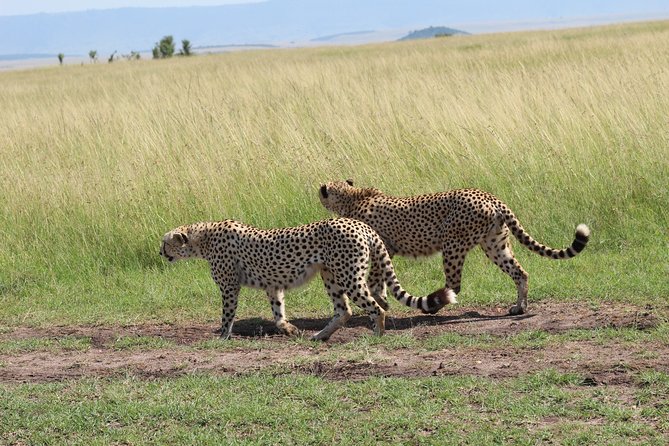
Ngorongoro is a strong place to look for herds of wildebeest and zebra, along with buffalo, eland, warthog, hippo, and elephants. The predator population is another major draw. Lions, hyenas, jackals, cheetahs, and leopard are all listed as possible sightings.
The word possible matters. Wildlife is free to move, and the crater does not turn a safari into a checklist. A skilled guide can help by reading animal behavior, choosing routes carefully, and explaining what you are seeing. The feedback about David and Michael points to this being one of the tour’s strongest features. Both were praised for clear English, warmth, professionalism, and an ability to understand what their group wanted.
After the half-day drive, the experience ends back at the meeting point. The published schedule does not give an exact arrival time in Arusha, so keep your final evening flexible.
A few more options to weigh up in Arusha
- Balloon Safari & Bush Breakfast in Serengeti – Miracle Experience
★ 5.0 · 1,646 reviews - Tanzania Classic – 7 Days
★ 5.0 · 1,151 reviews - 4 Days Group Camping Safari
★ 5.0 · 1,101 reviews - 5 Days Group Camping Safari
★ 5.0 · 730 reviews
The guide can shape the whole experience
A safari vehicle gets you into the parks, but the guide shapes what you notice. The strongest comments about this experience focus on the driver-guides, not just the animals.
David is praised for being warm, professional, and responsive to the group’s interests. Michael is described as a driver, guide, and friend, with strong knowledge of the animals and places along the route. Another detailed account highlights a guide with fluent English who explained animals and locations clearly.
That matters in Manyara and Ngorongoro because both parks reward attention. A baboon troop may be easy to spot, while a leopard may be much harder. A guide who explains behavior and habitat gives you more than a quick photograph.
You should still communicate your priorities. If elephants are your main goal, say so. If birds, photography, predators, or learning about the parks matter most, mention that before and during the drive. The feedback suggests the guiding team is willing to respond to individual needs, but clear communication helps any guide do that well.
Vehicle, group size, and time on the road
Transport is provided in a 4×4 safari vehicle, and parking fees are included. This is the right kind of vehicle for the route, since the tour includes park roads, the crater descent, and long transfers between Arusha, Manyara, Karatu, and Ngorongoro.
The maximum group size is 14. That is smaller and more personal than a large coach tour, but 14 people in one safari vehicle can still feel busy, especially when everyone wants a clear view at an animal sighting. Ask whether your booking will be placed in a full vehicle or a smaller group.
The schedule is fairly full. Day one includes the transfer to Manyara and a game drive. Day two involves seven hours of walking. Day three combines travel, lunch, the crater descent, and a half-day game drive. You get a lot in three days, but you do not get much unstructured time.
That makes this a good choice if you want to make efficient use of a short stay in northern Tanzania. It is less suitable if you prefer late mornings, long lodge breaks, or a single park explored at a leisurely pace.
What the $1,960 price covers
At $1,960 per person, this is a serious purchase. Its value depends on what you want from a short safari and how much planning you would otherwise need to handle yourself.
The price includes transport in a 4×4 vehicle, parking fees, breakfast, lunch, and dinner. Airport transfers are also included if applicable. Those items remove several common costs from the trip and make budgeting easier.
The package also combines two national park areas with a crater descent and a long walking experience. If you value a guide, organized transport, meals, and a structured route, the price may be reasonable for the convenience.
There are limits to what is included. Visa fees, travel insurance, personal purchases, alcoholic drinks, and tips are extra. Accommodation also needs clarification because the overnight is described as Kudu Campsite or Bougainvillea Safari Lodge. Confirm the exact property, room arrangement, and whether all three listed breakfasts, lunches, and dinners match the final schedule.
The price is easiest to justify for a couple or small group that wants a ready-made safari from Arusha. If you are comparing several operators, ask each one about vehicle occupancy, lodging standards, guide language, park fees, and the exact number of game-drive hours. A lower headline price may not include the same services.
Who should book this safari?
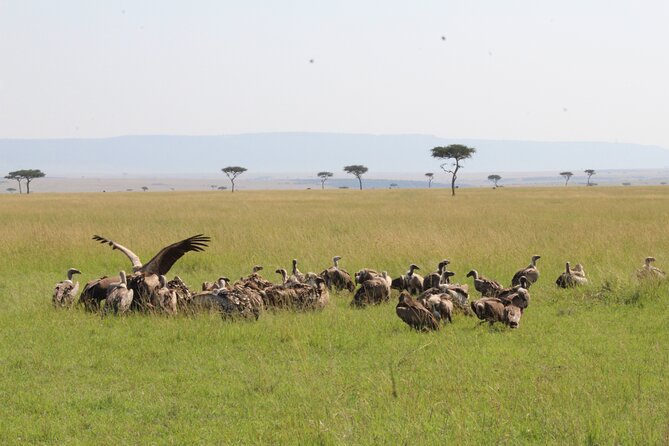
I would point this tour toward first-time safari visitors with three days available and a strong interest in variety. You get forest, lake, crater, woodland, open grazing areas, birds, big mammals, and predators without adding several extra travel days.
It also suits active people who like the idea of a crater-rim walk. The seven-hour walking day is not a minor add-on. It is central to the experience, so anyone wanting a gentle, vehicle-only safari should look closely at another option.
Couples may appreciate the private-feeling rhythm of a small 4×4, especially after the honeymoon account praised the planning help and the single-jeep arrangement. Families and mixed-age groups should discuss the walking day and vehicle capacity before committing.
Practical details before you reserve
Pickup begins in Arusha Urban at 8:30 in the morning, and the activity ends back at the meeting point. Airport pickup and drop-off are available if applicable, but you should confirm how that fits with your flight schedule.
Confirmation is provided at booking, and the activity is described as suitable for most people. That does not replace asking about the crater-rim walk if you have health or mobility concerns.
Free cancellation is available when you cancel at least 24 hours before the local start time. Cancellations or changes made inside that window are not accepted for a refund.
Tips are not included. Carry some local currency or confirm the preferred tipping method with the operator. Alcoholic drinks and personal purchases are also outside the package.
Final verdict: Is this three-day safari worth booking?
I would book this safari if you want a compact route with strong wildlife potential and you are comfortable with an active schedule. Lake Manyara supplies variety and birdlife, while Ngorongoro brings the big crater setting and a good chance of seeing several major species in one day.
The main points to confirm are the exact lodge, the number of people in your vehicle, the details of the rim walk, and the final meal schedule. If those answers suit you, the combination of capable guides, included meals, 4×4 transport, and two very different park experiences gives the $1,960 price a fair case.
Skip it if you want a slow, luxury-focused stay or if a seven-hour walk is not realistic for you. For everyone else, this is a busy but rewarding introduction to northern Tanzania.
FAQ
Where does the safari begin?
The safari begins in Arusha Urban, Tanzania, with a stated start time of 8:30 am.
How long is the safari?
The experience lasts approximately three days.
Which parks and conservation areas are included?
The route includes Lake Manyara National Park and the Ngorongoro Conservation Area, including a safari inside Ngorongoro Crater.
Is transport included?
Yes. Transport is provided in a 4×4 safari vehicle, and parking fees are included.
Are airport transfers available?
Airport pickup and drop-off are included if applicable. Confirm the arrangements with the operator before booking flights.
How many people can join the tour?
The maximum group size is 14 people.
Are meals included?
Yes. Breakfast, lunch, and dinner are listed as included, with three of each shown in the package details.
Is the walking safari included?
Yes. Day two includes a walking safari around the rim of Ngorongoro Crater and lasts about seven hours, with a picnic lunch.
What is not included in the price?
Visa fees, travel insurance, personal items, alcoholic drinks, and tips are not included.
Just added in Arusha
- Safari “Kifaru” – 5 days in the most famous Parks in the world★ 5.0 · 4 reviews
- Saadani Day Trip★ 5.0 · 13 reviews
- 3 Days Tanzania Short and Spicy★ 5.0 · 6 reviews
- 5 Day Tanzania Safari Camping Adventure Private Tour★ 5.0 · 2 reviews
- Day Trip to Ngorongoro Crater from Arusha★ 5.0 · 1 review
- SERENGETI NATIONAL PARK Tour★ 4.5 · 5 reviews
- 3 Days Serengeti Park & Ngorongoro Crater Adventure Safari★ 5.0 · 8 reviews
- 6 Days Tanzania Bush Experience Safari★ 5.0 · 6 reviews
Lake Manyara Safaris, compared.
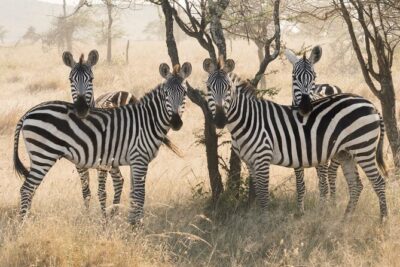
Private 6-Day Tarangire Manyara Crater and Serengeti with Mid-Range Lodges
Read our review →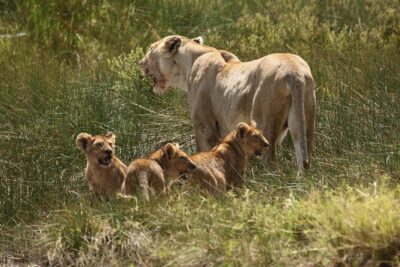
3 Days Tarangire, Ngorongoro & Lake Manyara Group Camping Safari
Read our review →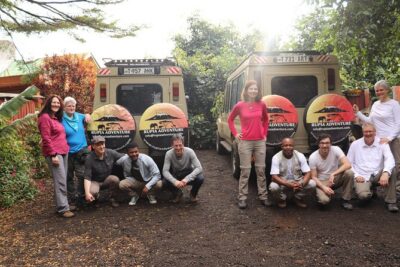
3 Days Private Safari – manyara, Ngorongoro & Tarangire
Read our review →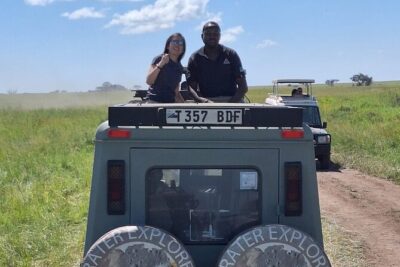
05 Days Tarangire, Serengeti, Ngorongoro and Lake Manyara
Read our review →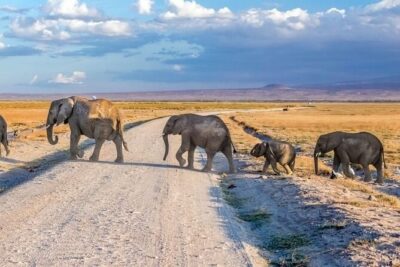
3-Day Ngorongoro Crater Manyara and Tarangire Safari from Arusha
Read our review →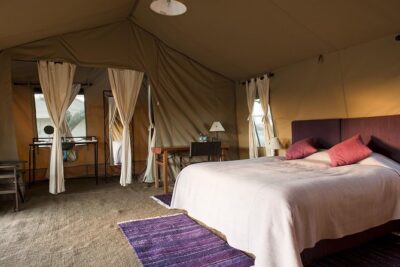
5 Days 4 Nights Tarangire, Serengeti , Ngorongoro & Manyara Wildlife Safari
Read our review →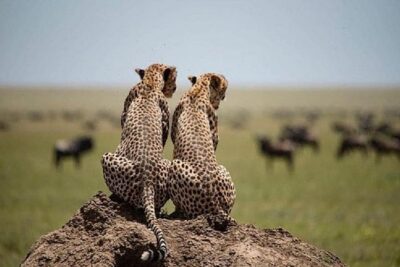
5 days serengeti, ngorongoro, tarangire & manyara lodge tour
Read our review →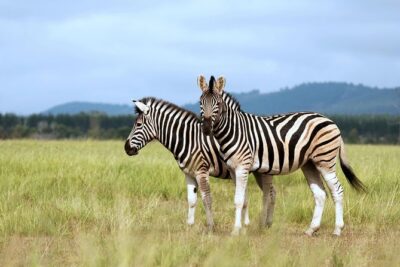
4 Days / 3 Nights Lake Manyara, Ngorongoro and Serengeti
Read our review →Browse the lists this tour appears in