
Reviewed · SERENGETI & NGORONGORO SAFARIS
3 Days Serengeti & Ngorongoro Group Camping Safari
Wild Africa comes with very little padding. This three-day trip with Suricata Safaris takes you from Arusha into the Serengeti and Ngorongoro Crater, with game drives, camp nights, and a small group capped at six people. I like the chance to sleep in the Serengeti itself, and I like that park fees, meals, water, transport, and a guide are included in the $900 price. The tradeoff is simple: this is real camping, not a polished lodge holiday, and the long drives and cold nights can test your patience.
I also like the personal scale of the trip. Guides such as Adam and Gerald have earned strong praise for animal knowledge, careful driving, and looking after the group, while cooks including Tito and Puis have helped make the food a major part of the experience. Limited luggage, basic facilities, and early starts mean you should pack with care and arrive ready for a demanding three days.
In This Review
- The safari in six useful points
- Why this three-day route works
- Starting from Arusha and reaching the Serengeti
- What makes Serengeti camping memorable
- The sunrise game drive and road to Ngorongoro
- Into Ngorongoro Crater on the final morning
- Guides, cooks, and the human side of the trip
- Is $900 good value?
- What to pack for comfort
- Who should book this safari?
- Booking advice and final verdict
- FAQ
- How long is the safari?
- How many people are in the group?
- Which parks and conservation areas does the safari visit?
- What is included in the $900 price?
- What should I bring for the camping nights?
- Can I cancel the booking?
The safari in six useful points
- Six-person maximum: A small vehicle group gives you more room for viewing and fewer people competing for every photo.
- Two famous wildlife areas: You visit the Serengeti and Ngorongoro Crater in one compact itinerary.
- Serengeti camping is basic: Expect an out-of-comfort-zone night, with no hot water reported at the camp and wildlife sounds after dark.
- Ngorongoro brings a different camp experience: The camp near the crater has been praised for views, hot showers, and even a zebra visit.
- The $900 includes the main costs: Transport, park fees, meals, accommodation, mineral water, and an English-speaking guide are covered.
- Pack for cold nights: Temperatures can fall to about 5°C, so a warm sweater, socks, and jacket matter more than extra outfits.
Why this three-day route works
This is a short safari, but it focuses on two of Tanzania’s biggest names. The Serengeti gives you broad plains and long wildlife drives. Ngorongoro offers a more enclosed setting, where many animals gather within the walls of an ancient volcanic crater.
That contrast is the main reason to choose this route. You are not seeing the same type of scenery for three days. One day brings open grassland and moving herds. Another brings highland views on the way to the crater. The final morning places you in a compact wildlife area before the return to Arusha.
The itinerary begins and ends in Arusha, which makes it practical if you are using the city as your safari base. Still, three days is tight. Much of the first day involves reaching the Serengeti, and the second day combines a morning drive, lunch, and the trip toward Ngorongoro. You get a good introduction, but not the slow pace of a week-long safari.
More Serengeti and Ngorongoro safaris:
- Serengeti Balloon Safari and authentic bush breakfast
★ 5.0 · 2,480 reviews - Balloon Safari & Bush Breakfast in Serengeti – Miracle Experience
★ 5.0 · 1,646 reviews - 3 Days Serengeti & Ngorongoro Group Camping Safari
★ 5.0 · 574 reviews
Starting from Arusha and reaching the Serengeti
Day one begins early in Arusha. A company representative meets you at your hotel reception with a sign bearing your name, provides a short introduction, and gets the departure moving.
The drive toward the Serengeti is part of the price, but it is also part of the physical challenge. You are crossing a large stretch of northern Tanzania before the afternoon game drive begins. The 4×4 vehicle is the right tool for the job, yet you should expect a long road day and bring only the luggage you need inside the vehicle.
The stated luggage limit is 10 kilograms per person. A soft duffel is better than a hard suitcase, and extra bags can be left in hotel storage. Pack a warm layer, toiletries, mosquito repellent with a high mint concentration, a towel, and toilet paper. Those are not glamorous items, but they are the ones you will notice when you need them.
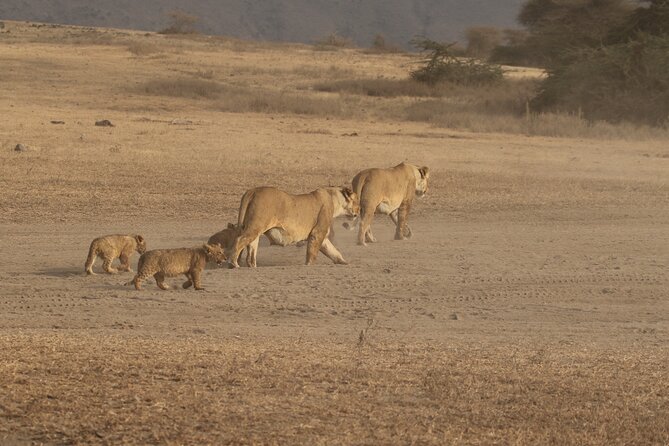
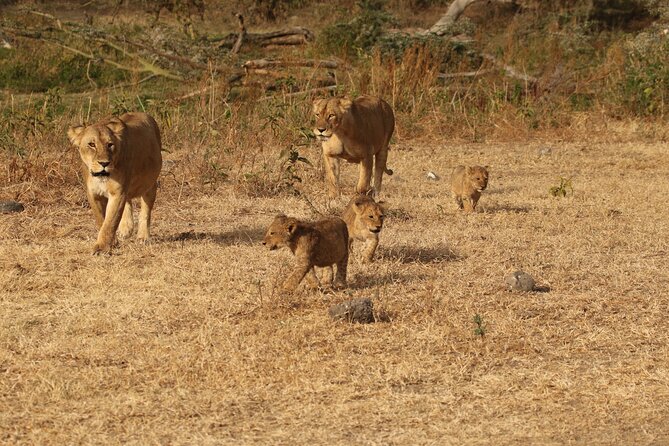
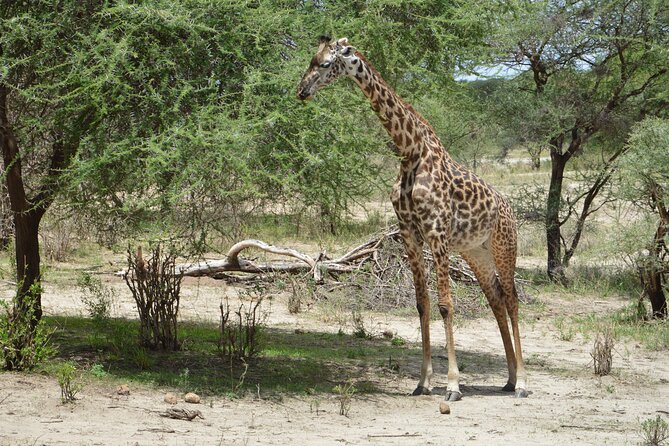
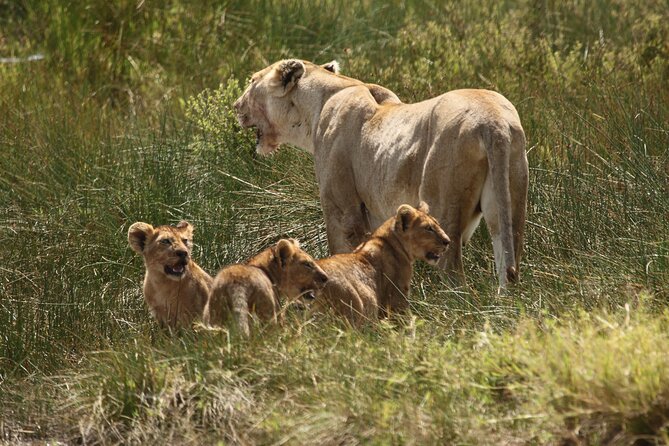
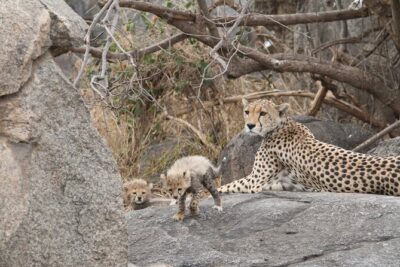
After lunch, the Serengeti portion begins with an afternoon game drive. This timing gives you a first look at the plains and a chance to search for lions, elephants, buffalo, leopards, rhinoceros, and smaller animals. No safari can promise every sighting, but the route is built around the Big Five and a wide range of other wildlife.
The small group matters here. With a maximum of six participants, you should have a better chance of getting a clear view from the vehicle than you would in a crowded group. It also helps when the guide needs to position the vehicle carefully without disturbing the animals.
What makes Serengeti camping memorable
The first night is spent camping in the Serengeti. This is the part that separates the trip from a standard lodge safari.
You are closer to the sounds of the park, and the night can feel wonderfully exposed. It can also feel a little rough. One detailed account described the Serengeti camp as an out-of-comfort-zone experience with no hot water and lions heard roaring at night. That is useful information, not a complaint. You should book this trip because that kind of closeness appeals to you, not because you expect hotel service.
The food appears to be one of the bright spots. Puis received warm praise for cooking, with meals creating genuine anticipation about what would come next. Tito was also praised for preparing delicious food. Since meals are included, a good camp cook adds real value to the $900 price, especially after a long drive and an early game drive.
Nighttime temperatures can drop to around 5°C. A warm sweater alone may not be enough for everyone, so bring a jacket, socks, and clothing that can be layered. Neutral colors such as beige, green, and white are recommended. Bright colors are not allowed, along with drones, feeding animals, and touching wildlife.
The sunrise game drive and road to Ngorongoro
Day two begins with an early morning Serengeti game drive. This is one of the best uses of limited time because the plains look and feel different in the first light. You will be searching for animals while the sun rises, with the guide reading the area and watching for movement.
An early start also means another cold morning, so keep warm clothing accessible rather than buried in your duffel. Binoculars will help you follow distant animals. The guide carries one binocular for sharing in the vehicle, but your own pair will save you from waiting.
After lunch, you leave the Serengeti for the Ngorongoro Conservation Area. The drive gives you time to rest after the morning viewing, and the changing scenery is part of the appeal. You are moving from the wide Serengeti plains toward the high country around the crater.
The overnight camp is near Ngorongoro Crater. This night may feel more comfortable than the Serengeti camp. A detailed account praised the views, hot showers, and a zebra that visited the camp. A zebra wandering near camp is exactly the kind of small, unscripted moment that makes a camping safari feel different from a hotel-based tour.
Do not assume the two camps offer identical facilities. The contrast is part of the trip. Serengeti camping is more basic and more exposed, while the Ngorongoro stop has been described as more comfortable. If hot showers matter to you, this difference is worth knowing before you book.
More Camping Safaris in Tanzania:
- 4 Days Group Camping Safari
★ 5.0 · 1,101 reviews - 5 Days Group Camping Safari
★ 5.0 · 730 reviews - 2 Days Tarangire and Ngorongoro Group Camping Safari
★ 5.0 · 146 reviews - 6 Days Tanzania Budget Camping Safari
★ 5.0 · 145 reviews
Into Ngorongoro Crater on the final morning
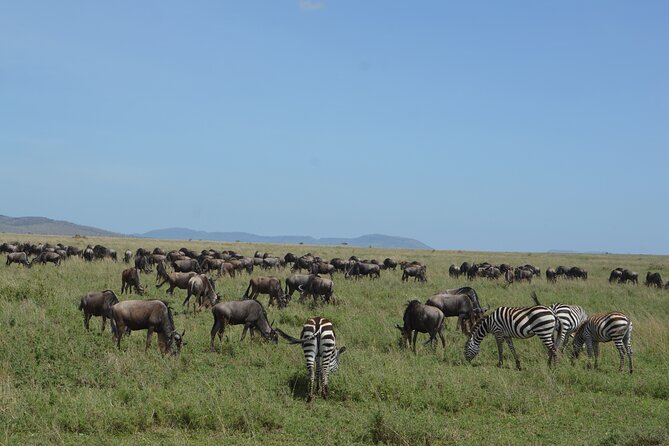
Day three starts early again, with a descent into Ngorongoro Crater for a morning game drive. The crater is a UNESCO World Heritage site and holds a remarkable concentration of wildlife within a contained area.
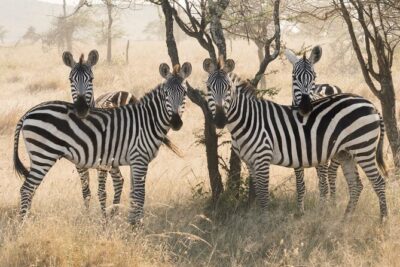
You may see elephants, lions, zebras, and flamingos, along with other species. The crater gives you a different viewing experience from the Serengeti because the setting feels more enclosed. Instead of looking across huge open plains, you are watching animals in a dramatic volcanic basin.
The morning schedule is important. You get a focused wildlife drive before beginning the return to Arusha in the afternoon. This is a strong final act for a short safari, but it also makes the day long. If you struggle with rough roads, extended vehicle time, or early mornings, this is not the easiest tour format.
The trip ends in Arusha during the afternoon. That timing may suit you if you have an onward plan, although the exact arrival time can vary with road conditions, wildlife stops, and the pace of the group. It is sensible not to schedule an important flight too tightly after returning.
Guides, cooks, and the human side of the trip
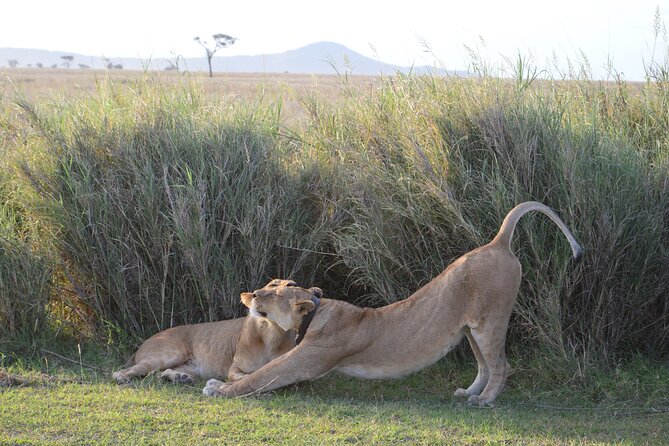
A safari vehicle is only as good as the people inside it. The strongest praise here centers on the team.
Adam was singled out for taking care of the group and getting close to animals without disturbing them. Gerald was praised for smooth transport and for explaining animal behavior and facts along the way. The names Ayman and John also come up in the trip’s organization, with Ayman handling reservations and John helping with planning, meeting arrangements, taxis, and follow-up support.
You may not be assigned these exact people, but the pattern is encouraging. The experience depends on more than spotting animals. It depends on a guide who can position the vehicle respectfully, explain what you are seeing, manage camp details, and keep the day moving.
The cook matters just as much. Three days of drives and camping can make a plain meal feel like a banquet, and the praise for Puis and Tito suggests that food is treated as part of the experience rather than an afterthought. Meals are included, so this is an area where the tour can deliver strong value.
The overall rating is 4.8 from seven reviews, with the available feedback giving full marks. That is a small sample, so I would not treat it as a guarantee. Still, the praise is consistent in the areas that matter most: guides, food, animal sightings, transport, and personal care.
Is $900 good value?
At $900 per person, this is not a budget bus ride. It is also not priced like a luxury safari, and the comparison matters.
The price includes a 4×4 safari vehicle, an English-speaking guide, park entrance fees, mineral water, accommodation, and meals during the safari. Those inclusions cover the major costs that can quickly add up on a Tanzania trip. You are paying for access to two major conservation areas, the vehicle, staff, camping, food, and the permits needed for the parks.
The small group improves the value. A six-person limit gives you a more personal setup than a large departure, and it should make wildlife viewing less crowded inside the vehicle. If you care about space, guide attention, and a quieter group dynamic, that limit is worth money.
The cost does not include visas, flights, travel insurance, or tips for the driver, guide, and chef. Budget for those separately. You should also plan for personal items such as repellent, a towel, toilet paper, and binoculars if you want your own pair.
The value is strongest for someone who wants a genuine camping safari and does not need polished facilities every night. If you want private rooms, reliable hot water, and a slow schedule, the price may not feel like a bargain because the basic camping conditions remain part of the deal.
What to pack for comfort
Keep your packing simple. The 10-kilogram limit is generous enough for three days if you avoid bulky clothing and hard luggage.
I would bring:
- A soft duffel bag rather than a suitcase
- Warm sweater, jacket, and several pairs of socks
- Neutral-colored clothing in white, beige, or green
- High-mint-concentration mosquito repellent
- Towel and toilet paper
- Binoculars if you have them
- Comfortable clothing for long vehicle rides
Bright colors are not allowed, and drones are also prohibited. You must not feed animals or touch them. These rules protect both wildlife and the people on the trip, so follow them without trying to negotiate.
The physical demands are worth taking seriously. The tour is not suitable for people with back problems or wheelchair users. It is also not suitable for babies under one year or people over 95. Those limits reflect the rough roads, camping conditions, and long days more than the wildlife viewing itself.
Who should book this safari?
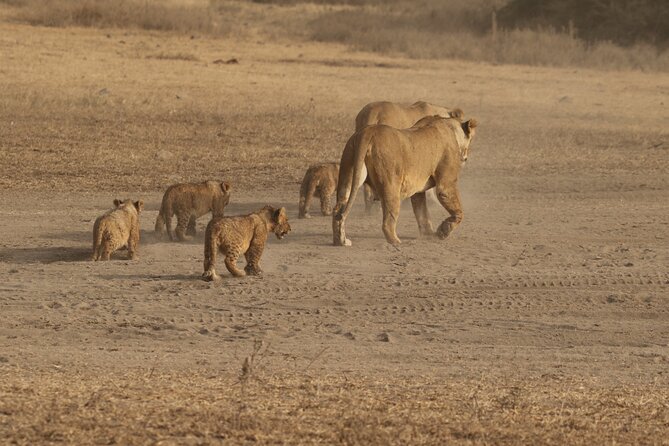
I would recommend it to you if you want a short, active introduction to Tanzania’s best-known wildlife areas. It suits first-time safari visitors who want the Big Five, early game drives, camp nights, and a small group without committing to a longer itinerary.
It is especially good for people who see camping as part of the point. Hearing lions at night and waking in the cold may be memorable highlights for you. If those details sound worrying rather than exciting, look for a more comfortable lodge-based trip.
The route also suits wildlife photographers and keen animal watchers. Bring binoculars, keep your camera ready, and listen to the guide. You may spend long periods searching before a sighting, then find that the careful positioning of the vehicle makes the wait worthwhile.
This is less suitable if you need a relaxed holiday with late mornings. The first day begins early, day two starts before sunrise, and the final day includes a crater drive followed by the return to Arusha. The schedule packs a lot into three days.
Booking advice and final verdict
I would book this safari if I wanted the Serengeti and Ngorongoro in a short window, and if I was comfortable with basic camping. The strongest reasons are the six-person group, included park fees and meals, the chance to camp in the Serengeti, and the care shown by guides such as Adam and Gerald.
I would pause before booking if I needed dependable hot water, more luggage, or a gentler pace. The Serengeti camp can be basic, temperatures can fall to about 5°C, and the driving days are long.
For the right person, $900 is a fair price for a compact safari with major park access, an experienced team, and a real camping feel. Reserve it if you want close contact with Tanzania’s wild places rather than a soft-edged version of them. Free cancellation up to 24 hours before departure and the option to reserve now and pay later also make planning less risky.
FAQ
How long is the safari?
The safari lasts three days, beginning and ending in Arusha.
How many people are in the group?
The group is limited to six participants.
Which parks and conservation areas does the safari visit?
The itinerary includes Serengeti National Park and the Ngorongoro Conservation Area, including a game drive inside Ngorongoro Crater.
What is included in the $900 price?
The price includes 4×4 safari transport, a professional English-speaking guide, park entrance fees, mineral water, accommodation, and meals during the safari.
What should I bring for the camping nights?
Bring neutral-colored clothing, a warm sweater, socks, a jacket, mosquito repellent with a high mint concentration, a towel, toilet paper, and binoculars if you have them. The luggage limit is 10 kilograms per person, and soft duffel bags are recommended.
Can I cancel the booking?
Yes. You can cancel up to 24 hours in advance for a full refund. You can also reserve your place and pay later, subject to availability.
Just added in Tanzania
- Safari “Kifaru” – 5 days in the most famous Parks in the world★ 5.0 · 4 reviews
- Saadani Day Trip★ 5.0 · 13 reviews
- 3 Days Tanzania Short and Spicy★ 5.0 · 6 reviews
- 5 Day Tanzania Safari Camping Adventure Private Tour★ 5.0 · 2 reviews
- Day Trip to Ngorongoro Crater from Arusha★ 5.0 · 1 review
- SERENGETI NATIONAL PARK Tour★ 4.5 · 5 reviews
- 3 Days Serengeti Park & Ngorongoro Crater Adventure Safari★ 5.0 · 8 reviews
- 6 Days Tanzania Bush Experience Safari★ 5.0 · 6 reviews
Serengeti & Ngorongoro Safaris, compared.
Serengeti Balloon Safari and authentic bush breakfast
Read our review →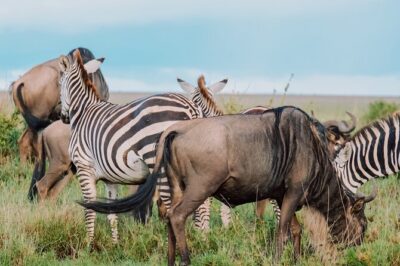
Balloon Safari & Bush Breakfast in Serengeti – Miracle Experience
Read our review →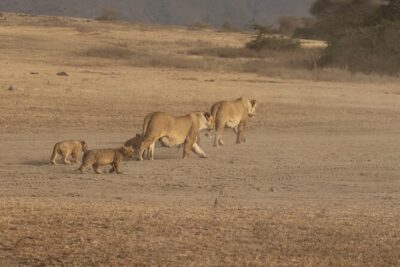
3 Days Serengeti & Ngorongoro Group Camping Safari
Read our review →
5-Day Highlights mid-Range Crater, Serengeti, Tarangire
Read our review →
Private 6-Day Tarangire Manyara Crater and Serengeti with Mid-Range Lodges
Read our review →
5 Days Camping Tarangire, Serengeti & Ngorongoro crater & Visiting Maasai
Read our review →Browse the lists this tour appears in