
Reviewed · SERENGETI & NGORONGORO SAFARIS
3 Days Serengeti & Ngorongoro Group Mid-range Safari
Two famous parks, one very short safari. This three-day route packs the Serengeti and Ngorongoro Crater into a compact trip from Arusha, with game drives, lodge accommodation, meals, and transport in a 4×4 vehicle. I like the small maximum of six people and the chance to catch both a Serengeti sunrise drive and a morning inside Ngorongoro Crater.
I also like that the price of $1,700 per person covers park fees, meals, water, a guide, and accommodation instead of leaving the main costs scattered across add-ons. The trade-off is simple: this is an ambitious schedule, with long travel stretches and little spare time for lingering.
In This Review
- Key points at a glance
- What this three-day safari is really offering
- Day one: leaving Arusha for the Serengeti
- Day two: sunrise wildlife and the road to Karatu
- Day three: the Ngorongoro Crater morning
- The vehicle, guide, and small-group setup
- Lodge comfort and what mid-range means here
- Is $1,700 a fair price?
- Packing for cold mornings and a 10-kilogram limit
- Who will enjoy this safari most?
- Should you book the Serengeti and Ngorongoro trip?
- FAQ
- How long is the safari?
- What parks does the tour visit?
- How many people are in the group?
- Is hotel pickup included?
- What language does the guide speak?
- What is included in the $1,700 price?
- What should I pack?
- Can I cancel the booking?
Key points at a glance
- Small group of six: The limited vehicle size gives you more room and a better chance to ask your guide questions.
- Two major wildlife areas: You visit the wide Serengeti plains and the enclosed wildlife setting of Ngorongoro Crater.
- Sunrise game drive included: Day two begins at one of the best times for active wildlife viewing.
- Mid-range lodge comfort: You sleep in lodges rather than basic camping, with the evening set aside for rest.
- $1,700 includes core safari costs: Park entry, meals, mineral water, transport, accommodation, and an English-speaking guide are included.
- Pack light and warm: The limit is 10 kilograms per person, and nighttime temperatures can fall to about 5°C.
What this three-day safari is really offering
Suricata Safaris has built this trip for people who want Tanzania’s two biggest wildlife names in a short window. You begin and end in Arusha, travel in a 4×4 safari vehicle, and spend most of your sightseeing time on game drives rather than cultural visits or long lodge breaks.
That focus matters. The Serengeti is known for its huge open plains and broad animal-viewing opportunities. Ngorongoro offers a different setting, with a crater floor that gathers many species into one dramatic natural bowl. Seeing both gives you more variety than spending three days in only one park.
I would not choose this schedule if you want slow mornings, long walks, or several nights at one property. I would choose it if you have limited time in northern Tanzania and want a practical route that covers the headline wildlife areas without dropping below a mid-range level of comfort.
The tour is limited to six participants. That is a useful number for safari. You are not dealing with a large coach, and the guide can keep the group together without making every stop feel like a committee meeting. A small group also makes it easier to share viewing space and discuss animal behavior during the drive.
The only written rating available for this experience is a verified five-star rating dated July 10, 2025, though it contains no useful comments about the guide, lodge, or wildlife sightings. So I would treat the strong score as encouraging but limited evidence. The practical strengths of the trip are clearer from its structure: small group travel, a professional English-speaking guide, and a clear list of included costs.
More Serengeti and Ngorongoro safaris:
- Balloon Safari & Bush Breakfast in Serengeti – Miracle Experience
★ 5.0 · 1,646 reviews - 3 Days Serengeti & Ngorongoro Group Camping Safari
★ 5.0 · 574 reviews - 5-Day Highlights mid-Range Crater, Serengeti, Tarangire
★ 5.0 · 296 reviews
Day one: leaving Arusha for the Serengeti
Day one begins with an early departure from Arusha. The route takes you through changing Tanzanian scenery toward Serengeti National Park, with lunch along the way before an afternoon game drive.
The day has two distinct parts. First comes the transfer from Arusha to the park. Then, once you reach the Serengeti, the safari shifts into wildlife viewing. That afternoon timing is helpful because you do not spend the entire day sitting in the vehicle without a park activity at the other end.
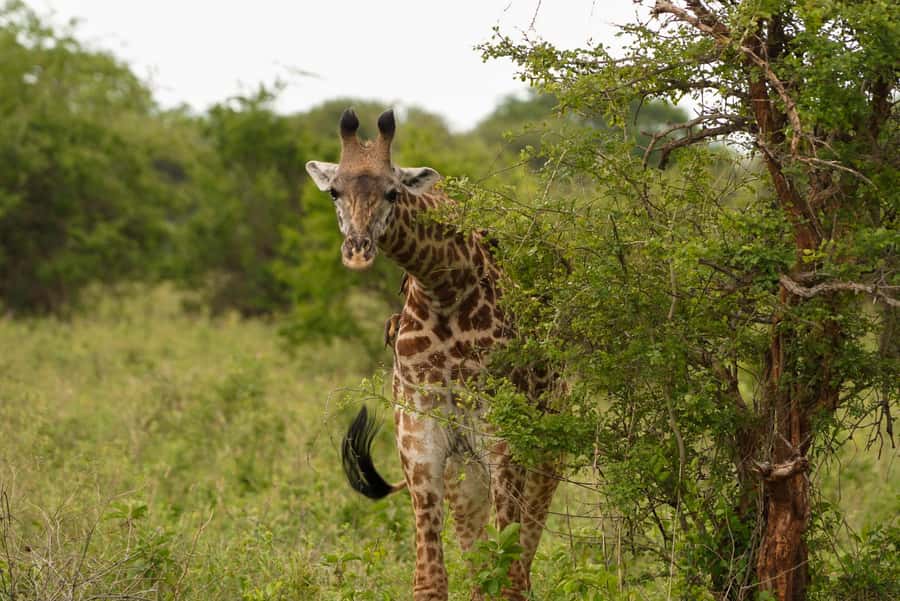
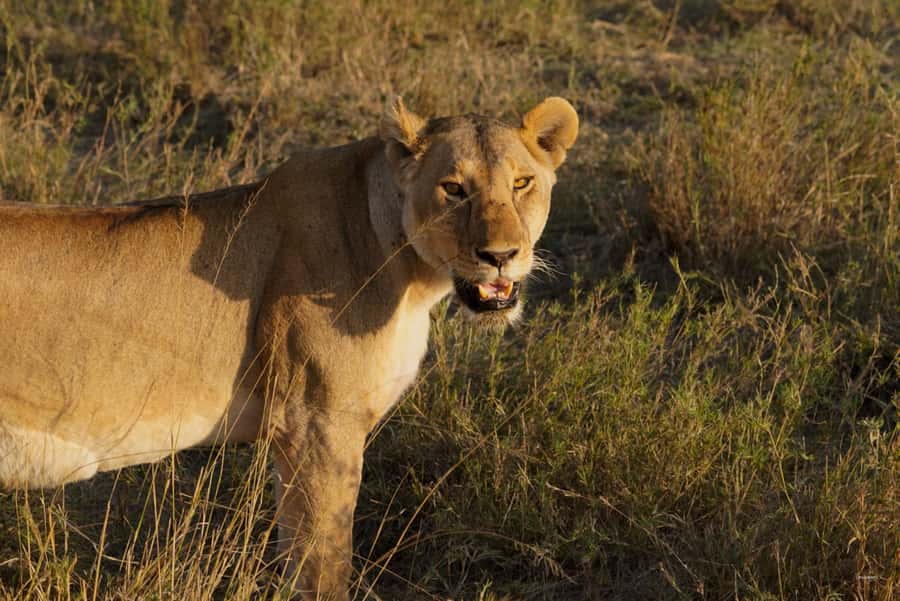
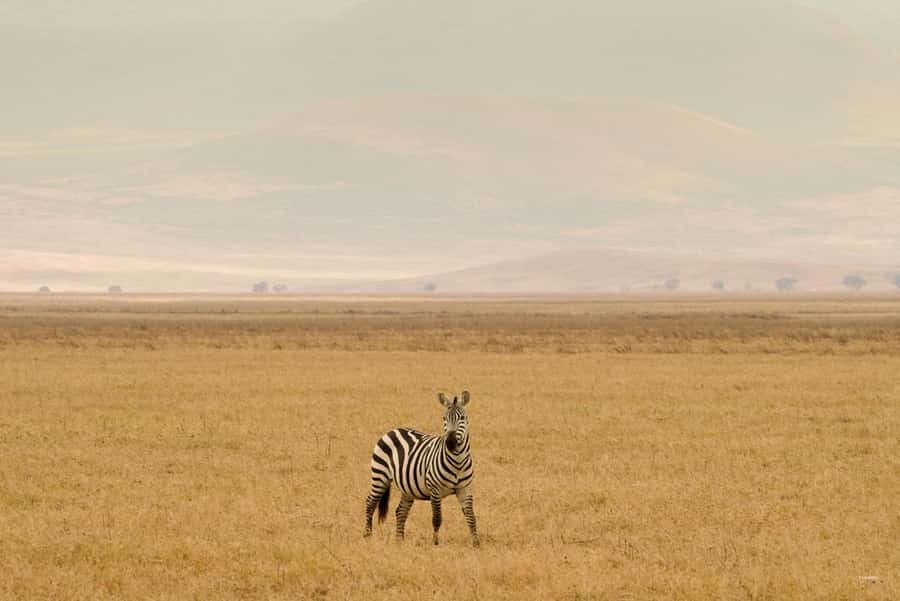
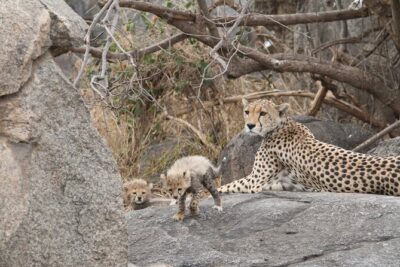
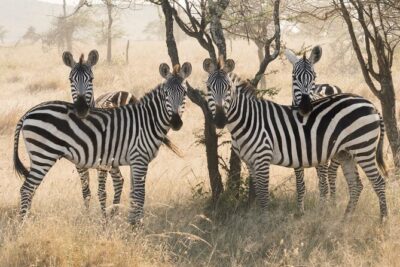
Your guide will look for the Big Five: lion, elephant, buffalo, leopard, and rhino. You may also see zebra, giraffe, and other species across the plains. The wording of the itinerary promises opportunities to look for these animals, not guaranteed sightings. Wildlife is free to move where it pleases, so no honest safari can promise every animal.
The Serengeti setting is part of the reward. Its open plains can give you wide views and a strong sense of distance. In a vehicle, that space also helps your guide scan for movement, tracks, or clusters of other safari vehicles that may point toward an animal sighting.
The drawback is the amount of time spent traveling on the first day. Because this is a three-day tour from Arusha, the Serengeti portion is not a leisurely multi-night stay. Your afternoon drive is valuable, but you should expect the first day to feel full from start to finish.
After the drive, you return to your lodge for the evening. The plan provides a comfortable base and time to relax, rather than adding another scheduled activity at night. That is a sensible choice after an early start and a full day on the road.
Day two: sunrise wildlife and the road to Karatu
Day two starts with a sunrise game drive in the Serengeti. This is one of the most appealing details in the schedule. Early morning gives you a chance to see the park before the day’s heat builds, when many animals are active and the light changes quickly across the plains.
You then have breakfast before continuing to explore the park. That order works well for anyone who wants a serious wildlife session before settling into a meal. It also means the morning is not reduced to a quick photo stop followed by an immediate departure.
After more game viewing, you leave the Serengeti for the Ngorongoro Highlands Area. The drive brings a change in scenery and takes you toward the Karatu area, where your lodge is located.
Karatu serves as a useful stopping point between the Serengeti and Ngorongoro Crater. You are not sleeping inside the crater itself, but you are positioned for the next morning’s descent. The evening is left open for rest, which is welcome after two days that begin early and involve substantial driving.
This is also the day when the schedule may feel most compressed. You are combining a sunrise drive, breakfast, more park time, a transfer out of the Serengeti, and a lodge stay near Karatu. I like the range of experiences, but you should not expect extended free time.
The accommodation is described as mid-range, with comfortable lodges, good amenities, and premium views. The exact properties are not named, so you should confirm the lodge details before booking if the standard of the room matters greatly to you. The description supports a comfortable stay, but it does not provide room categories, pool information, Wi-Fi details, or a specific meal plan.
Day three: the Ngorongoro Crater morning
The final day begins early with a descent into Ngorongoro Crater. The crater is a UNESCO World Heritage site and one of northern Tanzania’s most concentrated wildlife areas. Its enclosed geography gives the morning a different feel from the open Serengeti.
You may look for lions, zebras, elephants, and flamingos during the crater drive. The list is not limited to those animals, and the appeal lies in the mix of species within a relatively contained setting. The crater also gives you a strong visual moment as you travel down into the basin and begin the game drive below.
The early start is important. It gives you the best use of the final morning and leaves time to ascend, stop for lunch, and return to Arusha in the late afternoon. Again, the schedule is efficient rather than relaxed.
After lunch, you travel back to Arusha. That return journey ends the safari in the late afternoon, so this is not a trip that leaves you with a full extra day in town. If you have an onward flight, train, or separate activity, check the timing carefully and allow a generous buffer.
Ngorongoro is the strongest reason to accept the fast pace. It adds a completely different wildlife environment to your itinerary. If this is your only visit to northern Tanzania, the crater can feel like a fitting final morning because it brings several major safari themes together in one place.
A few more options to weigh up in Arusha
- Tanzania Classic – 7 Days
★ 5.0 · 1,151 reviews - 4 Days Group Camping Safari
★ 5.0 · 1,101 reviews - 5 Days Group Camping Safari
★ 5.0 · 730 reviews - Materuni Waterfalls, coffee tour & Kikuletwa Hot Springs
★ 5.0 · 643 reviews
The vehicle, guide, and small-group setup
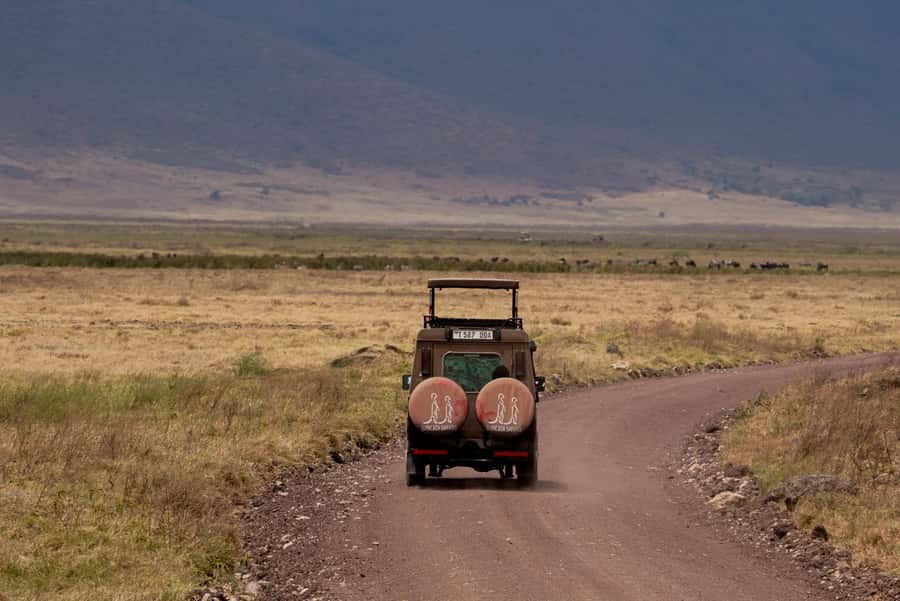
Transport is provided in a 4×4 safari vehicle, the standard format for game viewing in these parks. You will be picked up at your accommodation in Arusha, where a company representative will meet you at reception with a sign or board showing your name. The welcome includes a brief introduction before the trip begins.
The guide speaks English and leads the game drives. The tour description calls for a professional guide, but no guide’s name is provided. That means I cannot assess an individual guide’s style or animal knowledge. Before departure, I would ask how the six-person group will be arranged and whether the vehicle has enough viewing space for everyone.
A small group helps with more than comfort. You can ask questions about animal behavior, stop to watch a sighting without negotiating with a large crowd, and communicate more easily when the guide is explaining what to look for. It does not guarantee a private safari, however. You are still sharing the vehicle with other participants.
Mineral water is included throughout the safari. Bring your own refillable bottle if you prefer to reduce plastic use, but the listed provision means you do not need to plan for every bottle before leaving Arusha.
Binoculars are worth packing. The guide will have one available to share in the vehicle, but a shared pair may not be in your hands when a distant animal appears. Your own binoculars can make a real difference when viewing wildlife at a distance.
Lodge comfort and what mid-range means here
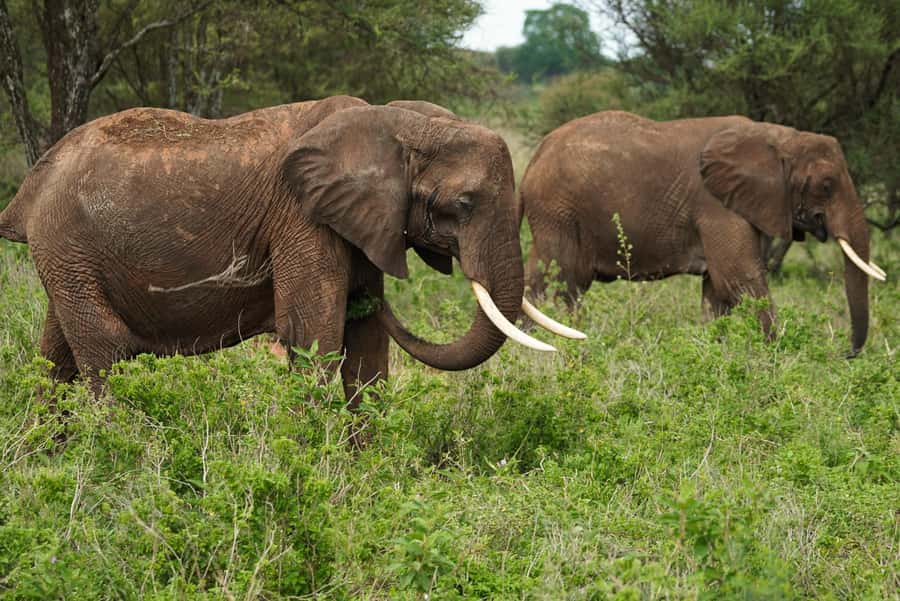
This is not advertised as a luxury safari, but it is also not a bare-bones camping trip. You stay in comfortable lodges, with accommodation and meals included during the safari. The lodges are positioned in the Serengeti and the Karatu area, giving you a proper bed and a place to rest between game drives.
That level of comfort is valuable on a compact schedule. You will have early starts, long road sections, and several hours in a vehicle. A lodge room and an evening without another activity can help you recover for the next morning.
The phrase premium views is used in the tour description, but the exact view depends on the property assigned. I would ask for the names of the lodges, the meal format, and whether drinks beyond mineral water are included. Those details affect the real value of a $1,700 package.
Meals are included, but the information does not specify breakfast, lunch, and dinner menus or whether dietary needs can be accommodated. If you have food restrictions, tell the operator before booking and get confirmation.
Is $1,700 a fair price?
At $1,700 per person, this safari is a significant purchase. Its value comes from what is bundled into the price: 4×4 transport, park entry fees, an English-speaking guide, mineral water, accommodation, and meals. Park fees alone can make northern Tanzania safaris costly, so an all-in structure is easier to understand than a low headline price followed by many mandatory charges.
The small group also supports the price. You are paying for a limited shared experience rather than a large vehicle. The mid-range lodges add comfort, and the route includes both the Serengeti and Ngorongoro rather than only one park.
Still, three days is a short period for this pair of destinations. A large part of your time will be spent moving between Arusha, the Serengeti, Karatu, Ngorongoro, and Arusha again. You are paying for access and convenience, but not for a slow safari with several full days in the same park.
The price does not include visas, international or domestic flights, travel insurance, or tips for the driver, guide, and chef. Those costs need to sit outside your safari budget. Since tipping is excluded, ask the operator about customary amounts before departure so you are not guessing at the end.
I see the strongest value here for a first-time safari visitor with a limited schedule. If you already have time for a longer private trip, you may prefer a slower plan that adds nights in the parks. If your priority is to reach the Serengeti and Ngorongoro with comfortable lodging and a small group, the package is easier to justify.
Packing for cold mornings and a 10-kilogram limit
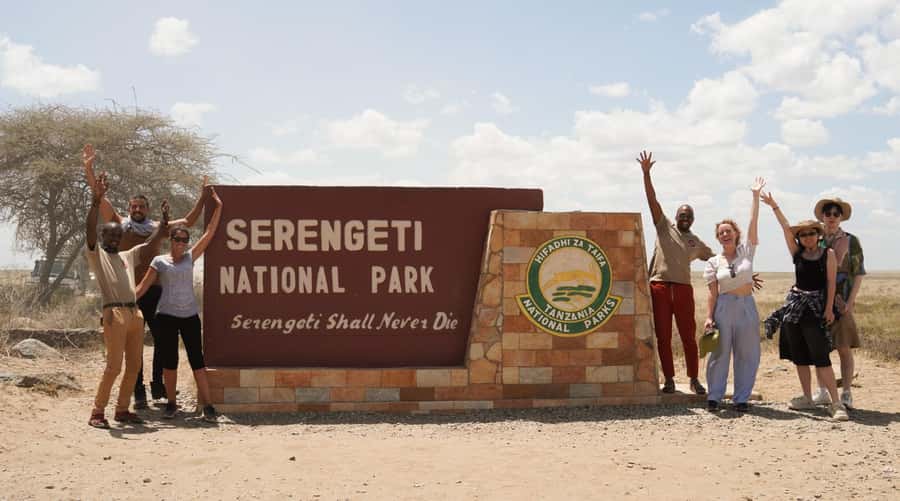
Pack for temperature changes, not just warm daytime weather. Nighttime temperatures can fall to around 5°C, so bring a warm sweater, socks, and a jacket. Neutral colors such as white, beige, and green are recommended, which are sensible choices for a safari setting.
The luggage limit is 10 kilograms per person. Use a soft duffel bag rather than a hard suitcase if possible. Extra luggage can be stored in the hotel’s storage room, so you do not have to carry every item into the parks.
A high-mint-concentration mosquito repellent is recommended. Add binoculars if you have them, since the vehicle’s shared pair may not be enough for every sighting.
Do not bring bright colors if you can avoid them, and follow the rules against feeding or touching animals. These are not decorative guidelines. The aim is to keep your behavior predictable around wildlife and protect both you and the animals.
The trip is not suitable for people with back problems, wheelchair users, babies under one year, or people over 95. The information does not give a detailed medical assessment, so anyone with mobility or health concerns should ask Suricata Safaris for a clear description of vehicle access and road conditions before paying.
Who will enjoy this safari most?
I would recommend this trip to you if you want:
- A short northern Tanzania safari from Arusha
- The Serengeti and Ngorongoro Crater in one package
- A small shared group with no more than six participants
- Lodge accommodation instead of camping
- A guide who speaks English
- Park fees, meals, water, and transport bundled into one price
I would hesitate if you need a relaxed pace, have serious back problems, or want certainty about specific lodges before booking. I would also think twice if your budget cannot stretch beyond the $1,700 tour price, since flights, visa costs, insurance, and tips are separate.
The trip works best when you accept that every day has a job. Day one gets you into the Serengeti. Day two gives you a sunrise drive and moves you toward Karatu. Day three uses the crater for a final wildlife morning before the return to Arusha.
Should you book the Serengeti and Ngorongoro trip?
Book it if you want a focused three-day introduction to Tanzania’s best-known wildlife areas and value a small group, included park fees, and lodge comfort. The sunrise Serengeti drive and morning in Ngorongoro Crater are the most appealing parts of the plan.
Do not book it expecting a leisurely holiday. This is a compact safari with long transfers and early starts. Ask for the exact lodge names, clarify meal arrangements, and budget separately for tips, insurance, visas, and flights. If those points fit your plans, Suricata Safaris offers a practical way to see two major parks without arranging every detail yourself.
FAQ
How long is the safari?
The safari lasts three days and begins and ends in Arusha, Tanzania.
What parks does the tour visit?
The route visits Serengeti National Park and Ngorongoro Crater.
How many people are in the group?
The group is limited to six participants.
Is hotel pickup included?
Yes. Pickup is included from your accommodation in Arusha. A representative will wait at reception with a sign or board showing your name.
What language does the guide speak?
The live guide speaks English.
What is included in the $1,700 price?
The price includes 4×4 safari vehicle transport, an English-speaking guide, park entrance fees, mineral water, accommodation, and meals during the safari.
What should I pack?
Bring neutral-colored clothing, a warm sweater, socks, a jacket, mosquito repellent with a high mint concentration, and binoculars if you have them. The luggage limit is 10 kilograms per person, and soft duffel bags are recommended.
Can I cancel the booking?
Yes. You can cancel up to 24 hours in advance for a full refund. The tour also offers reserve now and pay later booking.
Just added in Arusha
- Safari “Kifaru” – 5 days in the most famous Parks in the world★ 5.0 · 4 reviews
- Saadani Day Trip★ 5.0 · 13 reviews
- 3 Days Tanzania Short and Spicy★ 5.0 · 6 reviews
- 5 Day Tanzania Safari Camping Adventure Private Tour★ 5.0 · 2 reviews
- Day Trip to Ngorongoro Crater from Arusha★ 5.0 · 1 review
- SERENGETI NATIONAL PARK Tour★ 4.5 · 5 reviews
- 3 Days Serengeti Park & Ngorongoro Crater Adventure Safari★ 5.0 · 8 reviews
- 6 Days Tanzania Bush Experience Safari★ 5.0 · 6 reviews
Serengeti & Ngorongoro Safaris, compared.
Serengeti Balloon Safari and authentic bush breakfast
Read our review →
Balloon Safari & Bush Breakfast in Serengeti – Miracle Experience
Read our review →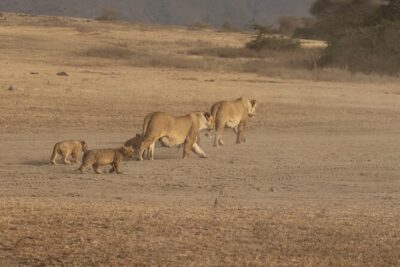
3 Days Serengeti & Ngorongoro Group Camping Safari
Read our review →
5-Day Highlights mid-Range Crater, Serengeti, Tarangire
Read our review →
Private 6-Day Tarangire Manyara Crater and Serengeti with Mid-Range Lodges
Read our review →
5 Days Camping Tarangire, Serengeti & Ngorongoro crater & Visiting Maasai
Read our review →Browse the lists this tour appears in