
Reviewed · SERENGETI & NGORONGORO SAFARIS
3 Days Serengeti & Ngorongoro Tour
The wild heart of Tanzania fits into three days. This compact safari links the endless plains of Serengeti National Park with the wildlife-filled Ngorongoro Crater, giving you a quick but powerful introduction to northern Tanzania. I especially like the small-group limit of six and the chance to sleep in tents rather than spend the whole trip behind hotel walls.
I also like that full board and camping are included, which keeps the $800 price easier to judge. Guides such as Francis, Bakarai, Hassan, Amani, and Dio have been praised for careful driving, strong animal-spotting skills, and warm personal service. The main drawback is the pace: long drives and only two nights in the bush leave little room for rest or schedule changes.
In This Review
- Key things to know before booking
- Why this three-day route works
- Day 1: Entering the Serengeti and reaching Seronera
- Day 2: Serengeti wildlife, picnic lunch, and the crater rim
- Day 3: Wildlife inside Ngorongoro Crater
- Camping, meals, and the practical comfort level
- Guides, drivers, and the value of personal service
- Is $800 a fair price?
- Who should choose this safari?
- Should you book the three-day Serengeti and Ngorongoro tour?
- FAQ
- Where does the safari start?
- Where does the safari end?
- What time does the tour start?
- How long is the safari?
- How many people can join the tour?
- Which parks and protected areas are included?
- Are accommodation and meals included?
- Where are the two camping nights?
- Can I see the Big Five?
- Can I fly home after the safari?
- Can I cancel for a full refund?
Key things to know before booking
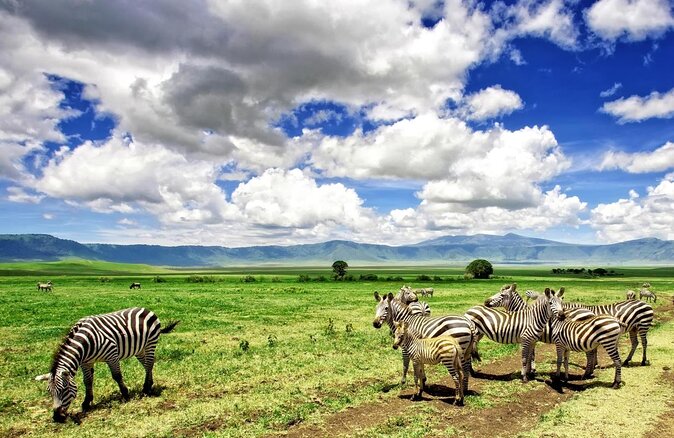
- Two major wildlife areas in three days: You visit Serengeti National Park and the Ngorongoro Conservation Area, both UNESCO World Heritage sites.
- A maximum of six people: The small vehicle group gives you more room and more direct time with your guide than a large coach-style safari.
- Two very different nights outdoors: You camp in the Seronera Valley, then at Simba Campsite on the crater rim.
- Full board is included: Meals are provided throughout the safari, and several past guests singled out the cooking as a high point.
- The early start matters: The listed meeting time is 12:30 am at Kilimanjaro International Airport, so confirm the exact pickup arrangement before you go.
- The wildlife list is strong but never guaranteed: Lions, elephants, zebras, wildebeests, giraffes, leopards, cheetahs, buffalo, and rhinos may all be seen, but animal sightings depend on nature and timing.
Why this three-day route works
This is a safari for someone who wants the main event without committing to a week in the bush. You get one full day in the Serengeti, another morning and part of an afternoon there, then a crater visit on the third day. It is a lot of ground in a short time, but the route has a clear rhythm.
Serengeti offers open grassland and classic big-cat viewing. Ngorongoro offers a contained caldera where many animals can be found within a relatively small area. Put simply, the Serengeti gives you grand scale, while the crater gives you concentrated wildlife and dramatic scenery.
The tour begins and ends at Kilimanjaro International Airport, with the final return to a hotel in Arusha after the crater visit. That makes the trip useful if you are building a longer Tanzania plan around Arusha, though you should not schedule a tight same-day flight without allowing for delays.
The experience is designed for a maximum of six participants. That number matters. In a small group, you can ask more questions, hear the guide’s explanation of animal behavior, and avoid the impersonal feel of a large vehicle. The group size can still vary, so confirm the final arrangement if you want a private vehicle.
More Serengeti and Ngorongoro safaris:
- Balloon Safari & Bush Breakfast in Serengeti – Miracle Experience
★ 5.0 · 1,646 reviews - 3 Days Serengeti & Ngorongoro Group Camping Safari
★ 5.0 · 574 reviews - 5-Day Highlights mid-Range Crater, Serengeti, Tarangire
★ 5.0 · 296 reviews
Day 1: Entering the Serengeti and reaching Seronera
The first day takes you into Serengeti National Park, whose name comes from the Maasai word Siringitu, meaning endless plains. The description is not hard to understand once the grassland opens out. The horizon stretches far, with kopjes breaking up the view.
Kopjes are weathered granite rock formations that rise from the flat plain. They give animals higher ground and create striking places to stop during a game drive. They also help you read the Serengeti. Instead of one unbroken field, you begin to notice how rock, grass, and water shape animal movement.
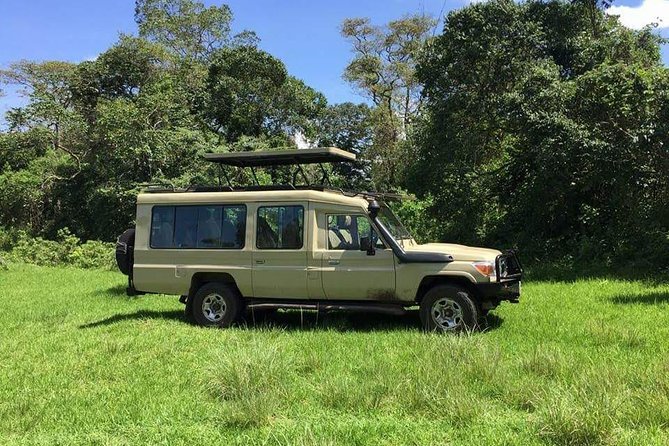
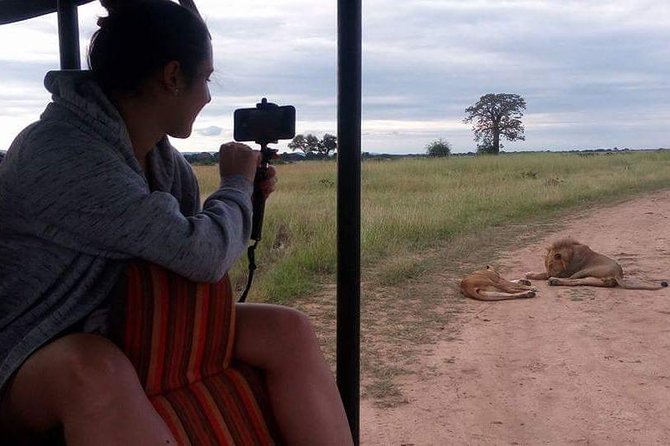
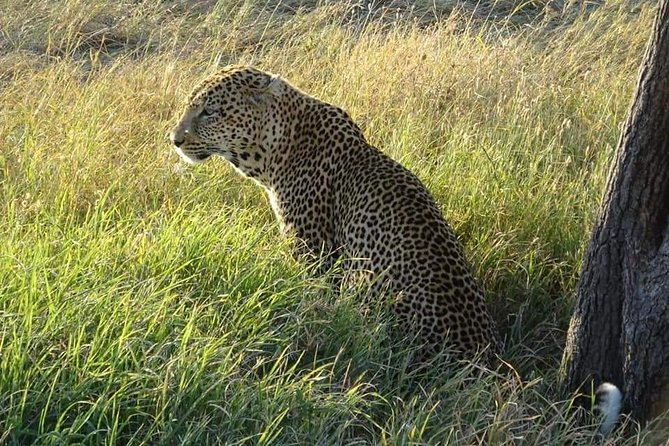
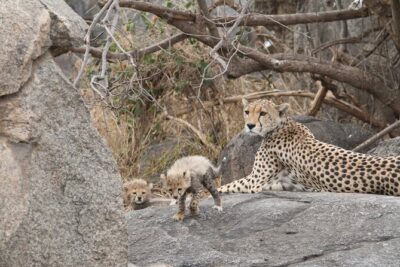
The route is especially promising for big cats. The open terrain gives leopards and other predators room to hunt, and the vehicle’s open roof lets you look out without glass between you and the scene. That does not mean you will automatically see a leopard. It means the habitat and viewing setup give you a fair chance.
The day is listed at about six hours. That figure should be read as active safari time, not a relaxed sightseeing outing. Roads and park tracks can make the journey tiring, and the first day includes reaching the central Serengeti. Bring patience, water, sun protection, and clothing that can handle dust.
By afternoon, you reach the Seronera Valley in the central Serengeti and camp for the night. Seronera is a useful base because the area is associated with wildebeests, zebras, lions, leopards, and cheetahs. You are not simply stopping at a campsite after a long transfer. You are sleeping close to one of Tanzania’s best-known wildlife areas.
The camping is part of the point. You trade a private room for a more direct connection with the setting. If you want polished accommodation and long evenings indoors, this will feel basic. If you like the sound and atmosphere of sleeping in a tent after a day outside, it adds real character to the trip.
Day 2: Serengeti wildlife, picnic lunch, and the crater rim
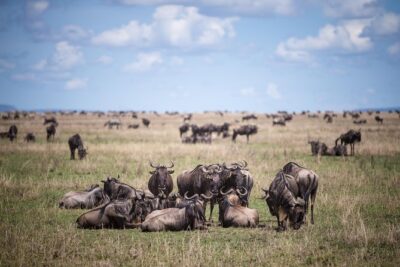
Day two begins with breakfast and another game drive through the Serengeti. The Seronera Valley is the day’s main wildlife focus, and the route is suited to seeing large herds of wildebeests and zebras.
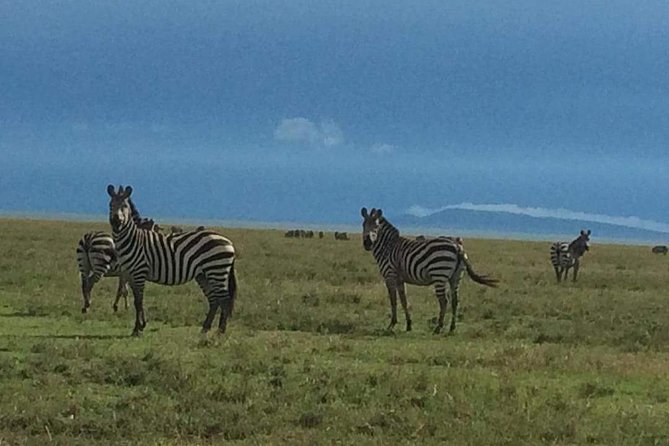
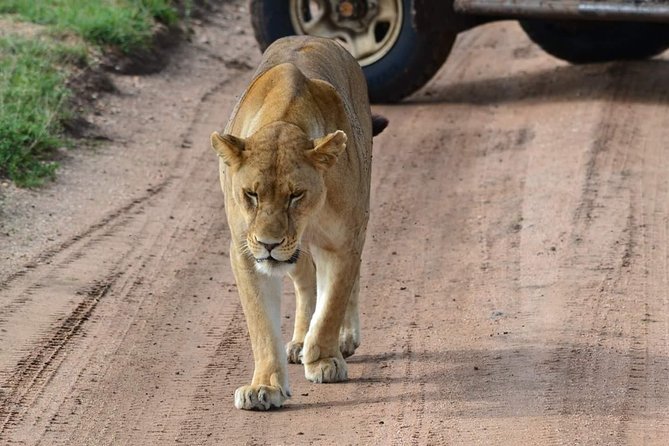
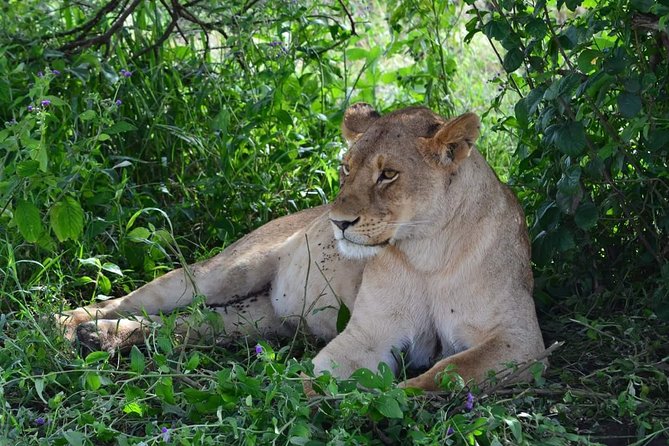
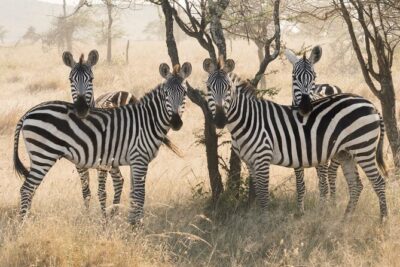
These animals are not just items on a checklist. A mass of wildebeests moving across the grass gives you a sense of the scale of the Serengeti. Zebras add a different pattern and behavior to the scene. Around the herds, you may also spot lions and other big cats, including leopards and cheetahs.
After a picnic lunch, the route turns toward Ngorongoro. This is where the tour begins to feel like two separate safari experiences joined together. You leave the broad plains and travel toward the crater edge, where the view changes sharply.
At the crater rim, the caldera opens below you. The crater is a huge collapsed volcanic basin, and the viewpoint gives you an immediate sense of its size and shape. The change from open plain to elevated rim is one of the most memorable parts of the route, even before you reach the wildlife area itself.
You camp at Simba Campsite on the crater edge. The sunset view is a major reason this overnight stop works. After the long day, you can look out over the caldera as the light changes, then prepare for an early start.
The second day is another six-hour day, and it can feel full. You spend part of it in the Serengeti, eat outdoors, travel toward the crater, and set up near the rim. If you want leisurely meals or extra time at camp, this schedule may feel rushed. If your priority is seeing both parks, the packed plan is the trade-off.
Food is one area where this safari receives particularly strong praise. Past participants have described the meals as excellent, and named cooks such as Dadri, Safiri, and Raymond. The exact crew may vary, but the inclusion of a cook and full board adds value to a camping trip, especially when you are spending long days on the road.
Day 3: Wildlife inside Ngorongoro Crater
The third day starts early, at daybreak, with breakfast before driving down into the Ngorongoro Crater. This early departure is not a minor detail. It gives you the best chance to use the morning well before the return journey to Arusha.
Ngorongoro is the world’s largest unbroken caldera. Inside the crater, grass steppe and acacia woodland support a wide mix of East African species. The enclosed setting helps explain why wildlife viewing here can feel concentrated. You may see several major species within a few hours, though nature never follows a timetable.
The area is known for possible sightings of the Big Five: lion, elephant, buffalo, rhino, and leopard. The tour description also points out that topis, giraffes, and impalas are exceptions among the common savannah species found in the crater. That is useful information for anyone arriving with a long animal wish list. You may see an impressive range of wildlife, but not every familiar Serengeti species belongs to this particular setting.
The crater’s strongest feature is variety. You can move from grassland to acacia trees and encounter different animals in each habitat. You should also expect the experience to be shared with other vehicles in the area. The tour gives you a small group, but the parks themselves are not private.
Later, you drive to a hotel in Arusha. The listed itinerary allows for a flight home that night or the following day, but I would treat the same-night option carefully. The day begins early, includes a crater game drive, and then requires the return to Arusha. If your flight timing is fixed, confirm the transfer plan and leave a generous buffer.
A few more options to weigh up in Arusha
- Tanzania Classic – 7 Days
★ 5.0 · 1,151 reviews - 4 Days Group Camping Safari
★ 5.0 · 1,101 reviews - 5 Days Group Camping Safari
★ 5.0 · 730 reviews - Materuni Waterfalls, coffee tour & Kikuletwa Hot Springs
★ 5.0 · 643 reviews
Camping, meals, and the practical comfort level
Camping is included for both nights, along with full-board meals. The tents are not described as luxury accommodation, but one past participant specifically praised the tent size and comfortable mattresses. That gives you a useful expectation: this appears to be organized camping rather than simply sleeping rough.
You should still pack for a basic outdoor stay. The supplied details do not specify tent facilities, bedding, showers, or electrical access, so ask the operator what is provided before departure. That question is more useful than guessing from the price.
The food appears to be a real strength. Several named cooks received warm praise, and meals were described as excellent or great. Full board also means fewer decisions during a demanding trip. You can concentrate on the game drives instead of finding meals between park visits.
The small group helps here as well. A six-person maximum allows the guide to respond to dietary questions or explain the daily plan more easily. It does not guarantee a private experience, since the group may be combined with people booked through another company. One past arrangement paired two sisters with a separate group of five, so confirm who operates the vehicle and how the group will be assembled.
Guides, drivers, and the value of personal service
A safari guide can shape the entire experience. The strongest praise attached to this tour focuses on the human side of the operation: helpful communication from Humphrey, friendly guides, skilled drivers, and staff who adjusted plans when flight timing changed.
Francis is repeatedly singled out for safe driving, attention, and effort in finding requested animals. Bakarai, Hassan, Amani, and Dio are also named positively, along with cooks Dadri, Safiri, and Raymond. These names give you useful points of reference when discussing your booking, but a specific guide cannot be guaranteed unless the company confirms it.
The guide’s role goes beyond spotting animals. You are promised explanations of the local ecosystem, and the route is much more rewarding when someone explains why herds gather in one area, how predators use the plains, or why the crater supports such varied wildlife. Ask questions. A small group gives you a better chance to have a real conversation.
Service has not been perfect for everyone. One account describes poor service and concerns about communication, so I would not book on enthusiasm alone. Get the pickup time, vehicle plan, camping details, and final itinerary in writing. The overall rating is 4.9 from 22 reviews, with 95 percent recommending the experience, but a balanced decision should still allow for occasional operational problems.
Is $800 a fair price?
At $800 per person, this is not a budget day trip, but a three-day safari covering Serengeti and Ngorongoro includes major park access, transport, game drives, camping, and full board. The value improves if you want the two most famous wildlife areas in a short period and do not want to organize each part yourself.
The price also includes the benefit of a small group, capped at six. That is more meaningful than a low headline price with a crowded vehicle. A good driver and guide can affect how much you see, how safe you feel on rough roads, and how much you learn.
The main value limit is time. You are paying for access to two enormous areas but spending only a short period in each. A longer safari would give you more flexibility and a better chance of adjusting to animal movement. This three-day version is best understood as a concentrated introduction, not the last word on Tanzania’s parks.
Full board helps control extra costs, and camping keeps the package below many lodge-based safaris. Before comparing prices, check what other operators include. Ask specifically about park fees, airport pickup, Arusha hotel arrangements, camping equipment, and meals, since the supplied information confirms some inclusions but not every possible extra.
Who should choose this safari?
I would recommend it to you if time is tight and you want the classic northern Tanzania route. It suits first-time safari visitors, solo participants comfortable joining a small group, couples, and families who want a strong wildlife trip without a week-long commitment.
It also fits people who value personal service. Humphrey is praised for answering questions before arrival and helping when plans changed. That kind of communication matters when you are flying into Tanzania and coordinating a remote park trip.
You should think twice if you dislike early mornings, long drives, camping, or changing conditions. The schedule is active, and the listed start time of 12:30 am at Kilimanjaro International Airport is unusually early. Confirm whether that is your actual pickup time or a booking-system placeholder before paying.
You should also avoid promising yourself the Big Five. The route gives you a genuine chance, and several people saw all five, but no ethical safari can guarantee a leopard or rhino. Go for the full experience: the plains, kopjes, herds, crater rim, changing habitats, and the chance encounters.
Should you book the three-day Serengeti and Ngorongoro tour?
Book it if you want maximum wildlife variety in minimum time, value a small group, and are happy with camping. The combination of Seronera, the crater rim, and an early crater drive gives you a lot for three days, while full board keeps the package practical.
I would book after confirming four details: the exact airport pickup time, the vehicle and group arrangement, what camping equipment is supplied, and the return plan to Arusha. If those answers suit you, the $800 price looks reasonable for a compact safari with strong praise for its guides, cooks, and personal support.
If you have more time, choose a longer itinerary instead. If three days is all you can spare, this is a sensible route that gives you a real taste of Tanzania’s great wildlife country rather than a hurried visit to only one park.
FAQ
Where does the safari start?
The activity starts at Kilimanjaro International Airport on Kilimanjaro Airport Road in Tanzania.
Where does the safari end?
The activity ends back at the meeting point after the final return to Arusha.
What time does the tour start?
The listed start time is 12:30 am. Confirm the pickup details with Wild Life Oasis Tours before departure.
How long is the safari?
The safari lasts approximately three days.
How many people can join the tour?
The maximum group size is six participants.
Which parks and protected areas are included?
The route includes Serengeti National Park and the Ngorongoro Conservation Area.
Are accommodation and meals included?
Camping accommodation and full-board meals are included.
Where are the two camping nights?
The first night is in the Seronera Valley in central Serengeti. The second night is at Simba Campsite on the Ngorongoro Crater rim.
Can I see the Big Five?
The route offers the possibility of seeing lion, elephant, buffalo, rhino, and leopard. Sightings are not guaranteed.
Can I fly home after the safari?
The itinerary allows for a flight back on the same night after returning to Arusha or on the following day. Confirm timing before booking a flight.
Can I cancel for a full refund?
You can cancel up to 24 hours before the experience start time for a full refund. Cancellations or changes made less than 24 hours in advance are not accepted for a refund.
Just added in Arusha
- Safari “Kifaru” – 5 days in the most famous Parks in the world★ 5.0 · 4 reviews
- Saadani Day Trip★ 5.0 · 13 reviews
- 3 Days Tanzania Short and Spicy★ 5.0 · 6 reviews
- 5 Day Tanzania Safari Camping Adventure Private Tour★ 5.0 · 2 reviews
- Day Trip to Ngorongoro Crater from Arusha★ 5.0 · 1 review
- SERENGETI NATIONAL PARK Tour★ 4.5 · 5 reviews
- 3 Days Serengeti Park & Ngorongoro Crater Adventure Safari★ 5.0 · 8 reviews
- 6 Days Tanzania Bush Experience Safari★ 5.0 · 6 reviews
Serengeti & Ngorongoro Safaris, compared.
Serengeti Balloon Safari and authentic bush breakfast
Read our review →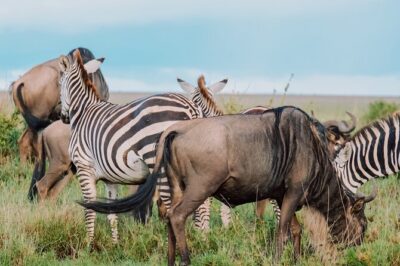
Balloon Safari & Bush Breakfast in Serengeti – Miracle Experience
Read our review →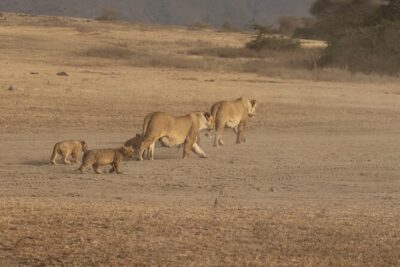
3 Days Serengeti & Ngorongoro Group Camping Safari
Read our review →
5-Day Highlights mid-Range Crater, Serengeti, Tarangire
Read our review →
Private 6-Day Tarangire Manyara Crater and Serengeti with Mid-Range Lodges
Read our review →
5 Days Camping Tarangire, Serengeti & Ngorongoro crater & Visiting Maasai
Read our review →Browse the lists this tour appears in