
Reviewed · SERENGETI & NGORONGORO SAFARIS
3 Days Serengeti Park & Ngorongoro Crater Adventure Safari
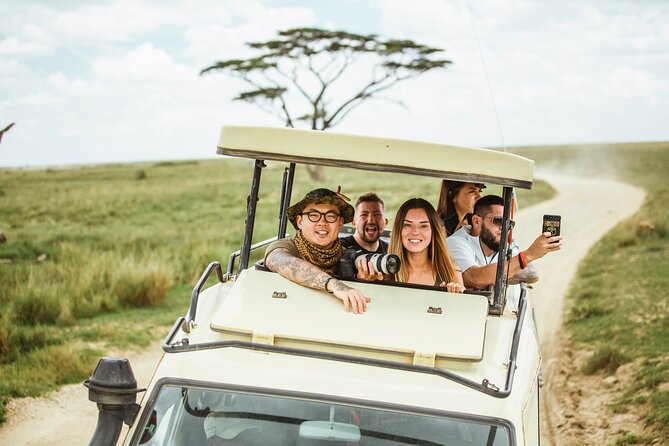
Wildlife comes first here. This three-day private camping safari links Tanzania’s Serengeti National Park with Ngorongoro Crater, giving you two of the country’s most famous wildlife areas without the cost of a luxury lodge trip. I especially like the private itinerary, which lets your group adjust the pace, and the fact that camping equipment, meals, water, park fees, and transport are included.
The price is $1,432.44 per person, VAT included. That is a serious amount, but it covers a great deal: two nights of accommodation, three lunches, two breakfasts, two dinners, private transport, activities, taxes, and airport transfers. The main thing to consider is time. You spend much of the first two days driving between Arusha, Serengeti, and Ngorongoro, so this suits you best if you value access to major parks more than a slow, restful schedule.
The camping is practical rather than polished. Public campsites provide solar electricity, built toilets, bathrooms, and hot or cold showers, while the company supplies the camping equipment. Past guests have praised the cooks, guides, organization, and personal service, with names including Rickson, Richard, Suleyman, Samwel, and Stanley appearing in company feedback. Still, one account points to late starts and limited animal explanation, so I would confirm your departure time and guide arrangements before setting off.
In This Review
- The safari at a glance
- What $1,432.44 buys you
- Day 1: Arusha to the Serengeti by way of the crater rim
- Day 2: Early Serengeti viewing and the road to Ngorongoro
- Day 3: Into the 19.2-kilometer Ngorongoro Crater
- Camping, meals, and daily comfort
- The guides and the human side of the trip
- Who should book this safari?
- Booking details worth checking
- Should you book it?
- FAQ
- Where does the safari begin?
- How long is the safari?
- Is the safari private?
- Is airport transfer included?
- Is camping equipment provided?
- What facilities are available at the public campsites?
- Are meals included?
- Is drinking water included?
- Is Olduvai included?
- What is not included in the price?
- Can I cancel for a full refund?
The safari at a glance
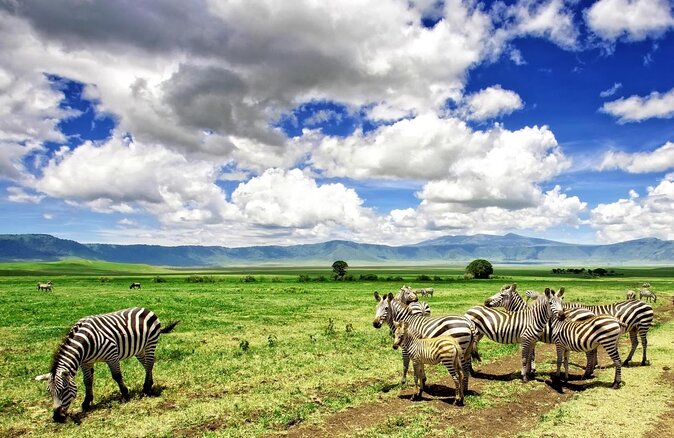
- Two major parks in three days: You see the wide Serengeti plains and the enclosed wildlife world of Ngorongoro Crater.
- Private travel for your own group: There is no mixed public group, and the itinerary can be adjusted more easily.
- Camping gear is supplied: You do not need to arrange the tent and core equipment yourself.
- Public campsite facilities are included: Expect solar electricity, toilets, bathrooms, and hot or cold showers.
- Optional Olduvai visit: You can add a stop connected with early human archaeology on Day 2.
- A strong food and service record: The cook and support staff receive especially warm praise, with tasty meals and thoughtful care often noted.
What $1,432.44 buys you

At first glance, $1,432.44 per person may not sound like a budget safari. The value becomes clearer when you separate the park experience from the hotel bill. Your price includes private transportation, all listed accommodation, all scheduled activities, park-related fees and taxes, drinking water, meals, and roundtrip airport transfer.
The meal plan is generous for a three-day trip. You receive three lunches, two breakfasts, and two dinners. The itinerary also specifies packed picnic lunches on the first and second days, which is useful because game drives and long transfers do not always fit neatly around restaurant hours.
You also avoid paying separately for camping equipment. That matters if you are flying into Tanzania and do not want to carry a tent or sleeping kit across continents. The public campsites are not described as luxury camps, but they do have basic services that make the trip easier: solar power, toilets, bathrooms, and hot or cold showers.
The price is strongest for a small group that wants privacy. Since only your group participates, you are not paying for a seat in a large shared vehicle while following someone else’s timetable. If you are alone or traveling as a couple, the per-person cost may feel heavier. A larger private group can make the arrangement more attractive, especially if you split the vehicle and guide costs across several people.
More Serengeti and Ngorongoro safaris:
- Balloon Safari & Bush Breakfast in Serengeti – Miracle Experience
★ 5.0 · 1,646 reviews - 3 Days Serengeti & Ngorongoro Group Camping Safari
★ 5.0 · 574 reviews - 5-Day Highlights mid-Range Crater, Serengeti, Tarangire
★ 5.0 · 296 reviews
Day 1: Arusha to the Serengeti by way of the crater rim
The day begins early. Breakfast is scheduled for 6:30 a.m., followed by hotel pickup in Arusha at around 7:00 a.m. You travel with a packed picnic lunch and head toward Serengeti National Park, passing via the Ngorongoro Crater rim.
This is not a quick transfer. The Serengeti covers about 14,763 square kilometers, or roughly 5,700 square miles. That figure tells you something important: reaching the park is part of the adventure, but it also consumes a large section of your day. The listed stop lasts about six hours, though the full drive and game-viewing schedule can feel longer.
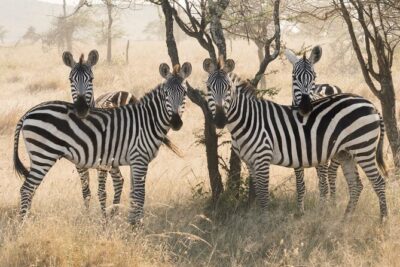
The reward is the first look at one of Africa’s most famous wildlife areas. The Serengeti is known for open plains and large animal movements. The timing of your visit affects what you may see. From December through March, large herds of wildebeest and zebra occupy the southern Serengeti and nearby conservation areas. In April and May, activity shifts toward the Western Corridor. June and July are associated with the northern Serengeti, while October and November may bring action around Lobo and the Loliondo controlled area.
These are useful seasonal guideposts, not guarantees. Wildlife moves according to rain, food, and local conditions. Even outside the main migration periods, the Serengeti remains a major game-viewing destination, and the tour description makes clear that the park is not dependent on one event alone.
The crater rim route adds scenery and a sense of place before you reach the plains. You should expect the day to be physically tiring, particularly if you have flown into Tanzania or spent the previous night in Arusha. Keep your expectations realistic: this is an ambitious safari schedule, not a gentle first afternoon.
Day 2: Early Serengeti viewing and the road to Ngorongoro
Day 2 begins with very early morning game drives in the Serengeti. That timing is well chosen for a safari. You get your first drive before breakfast, then eat at about 9:00 a.m. The plan includes another packed lunch before continuing to the Ngorongoro Crater rim, with game viewing along the way.
The exact number of hours spent watching animals depends on conditions and the guide’s decisions, but the early start gives you a better chance to use the cool morning period productively. It also means you should be comfortable with basic camping routines and early breakfasts. If you prefer slow mornings and long hotel breakfasts, this schedule may feel demanding.
The drive toward Ngorongoro changes the character of the trip. The Serengeti offers distance and open space. Ngorongoro feels more concentrated, with the crater rim setting up the next day’s experience. The route also gives you two optional additions.
The first is Olduvai, now commonly written as Oldupai. The gorge is linked with Louis and Mary Leakey’s excavation work, and early archaeological deposits connected with human evolution were found there in the 1960s. A small museum documents these discoveries. This is a worthwhile choice if you want more than animal sightings, but it is optional and may add time to a day that already involves driving and game viewing.
The second option is the shifting sands. The supplied information does not give a duration or a separate price, so ask how the stop fits into your schedule before choosing it. With a private trip, that conversation should be easier than on a fixed group departure.
Dinner and overnight camping take place at the campsite. This is where the tour’s camping style becomes clear. You are not staying in a private safari tent with lodge-style service. You are using a public campsite with basic facilities, solar electricity, toilets, bathrooms, and hot or cold showers. For many people, the reward is the direct connection with the bush. One company account describes camping in the Serengeti with hyenas nearby as an exciting part of the trip. That also tells you to respect campsite rules and follow staff instructions closely.
Day 3: Into the 19.2-kilometer Ngorongoro Crater
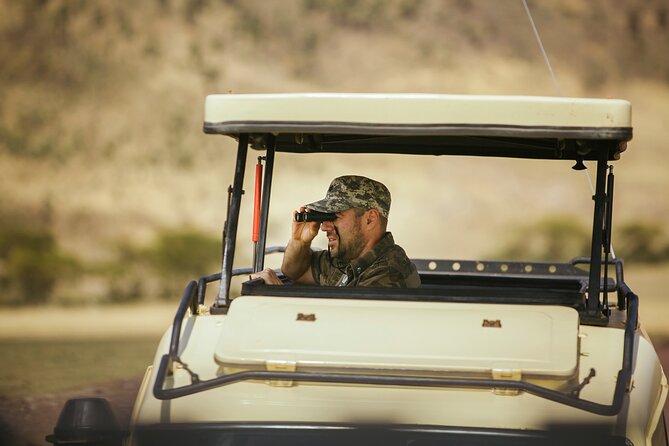
Breakfast is scheduled for 6:00 a.m., followed by the descent into Ngorongoro Crater. The crater measures about 19.2 kilometers across, reaches 610 meters deep, and covers approximately 304 square kilometers.
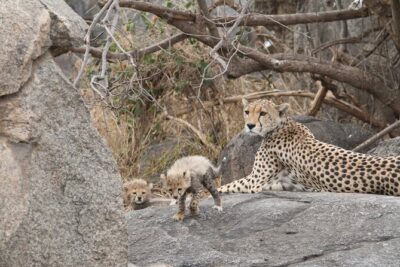
The crater is famous for the density of wildlife on its floor. A year-round water supply and available fodder support wildebeest, zebra, buffalo, eland, warthog, hippopotamus, and large African elephants. Predators include lions, hyenas, jackals, and cheetahs. The area is also home to some of Tanzania’s last remaining black rhinos.
This part of the trip differs from the Serengeti in a useful way. In the Serengeti, the setting is vast and sightings may involve long stretches of open plain. In Ngorongoro, the crater walls create a contained wildlife area. You may find the game viewing more concentrated, though no guide can promise a particular animal.
The early breakfast matters. It gives you more time on the crater floor during the planned game drive and avoids wasting the coolest part of the morning. Take the word descent literally: the crater rim and floor are separate environments, and the route down is one of the defining moments of the day.
The itinerary lists about six hours for the Ngorongoro stop. You should ask the operator how that time is divided between the descent, game drive, meals, and onward arrangements, since the supplied plan does not spell out the final return schedule. That is especially important if you have a flight or another booking after the safari.
A few more options to weigh up in Arusha
- Tanzania Classic – 7 Days
★ 5.0 · 1,151 reviews - 4 Days Group Camping Safari
★ 5.0 · 1,101 reviews - 5 Days Group Camping Safari
★ 5.0 · 730 reviews - Materuni Waterfalls, coffee tour & Kikuletwa Hot Springs
★ 5.0 · 643 reviews
Camping, meals, and daily comfort
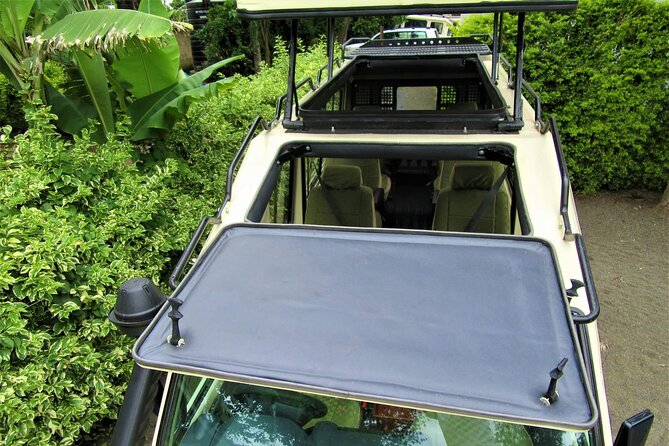
The camping setup is one of the strongest practical features. Equipment is provided, and the public sites have built bathrooms rather than purely basic field facilities. Solar electricity is available, which should help with small charging needs, though the information does not promise unlimited power or a private electrical outlet.
Food receives some of the warmest praise connected with this company. The cook is described as caring and attentive, and meals are repeatedly described as tasty. One account specifically praises the cook’s personality and willingness to look after the group. That support can make a real difference after a long drive and an early game drive.
Drinking water is included on all days. Dinner is provided on two nights, breakfast on two mornings, and lunch on all three days. The first two lunches are packed for the road and game drives, so you can keep moving instead of returning to a fixed dining area.
The main compromise is comfort. Public camping is a budget choice, even with showers and toilets. You should book this with the right mindset: expect useful facilities and support, but not a lodge room, private bathroom, or polished hotel service.
The guides and the human side of the trip
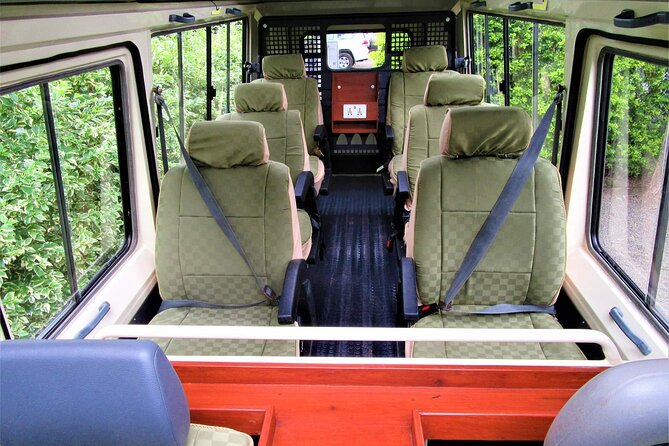
The company’s strongest personal feedback centers on its staff. Rickson, identified as the owner of World Tours and Safaris Tanzania, is praised for being professional, friendly, and easy to communicate with. Suleyman, Samwel, Stanley, and Richard are also connected with positive safari experiences in the company’s broader feedback.
That feedback covers trips of different lengths, so you should not assume every named person will lead this exact three-day departure. Still, it gives you a useful point for pre-trip communication. Ask who your guide and cook will be, how much natural history explanation is included, and how the operator handles the long driving days.
There is also a helpful warning. One account describes late departures and fewer animal explanations than expected, even though the overall safari remained satisfying. I would treat this as a reason to state your priorities clearly. If you want detailed animal identification and habitat information, say so before departure. If punctuality matters because of a flight, put your required times in writing.
The private format gives you room to speak up. You can ask for a slower viewing stop, more explanation, or an optional cultural and archaeological stop if time allows. Flexibility is valuable only when you use it.
Who should book this safari?
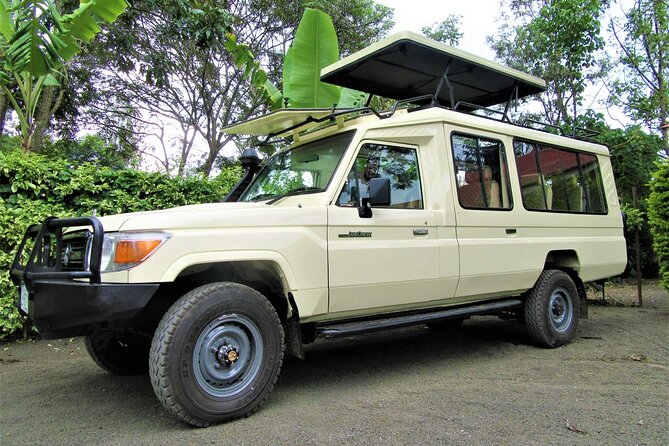
I would recommend it to you if you want the major wildlife names of northern Tanzania in a short period and are happy to camp. It suits couples, families, and small groups who value a private vehicle and want the freedom to shape the pace.
Families may appreciate that the trip can be private. A company account describes a five-day safari with two children and positive family participation, although that was not this exact three-day schedule. The shorter itinerary still includes early starts and long drives, so parents should decide if their children are comfortable with that rhythm.
This is less suitable if you want a relaxed holiday, luxury lodging, or a single park with plenty of time in one area. It is also not ideal for a rigid post-safari flight schedule unless you confirm the final timing carefully. The route covers a lot of ground, and the itinerary does not state the precise return time on Day 3.
The experience has a high overall rating of 4.9 from eight submitted ratings. That is encouraging, though eight is still a small sample. The strongest themes are service, food, organization, guide effort, and the excitement of camping close to the Serengeti.
Booking details worth checking
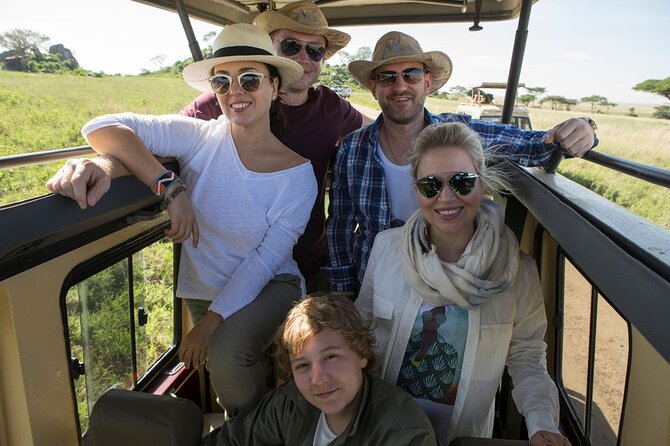
Pickup is offered, and roundtrip airport transfer is included. The experience is available any day, with operating hours listed from midnight to 11:30 p.m. Monday through Sunday. Confirmation is received at booking, and mobile tickets are supported.
All listed fees and taxes are included, and the tour is private. Personal expenses, souvenirs, travel insurance, visa fees, international flights, and tips are not included. Bring those costs into your total budget before deciding.
Free cancellation is available if you cancel at least 24 hours before the local start time. Cancellations made less than 24 hours ahead are not refunded, and late changes are not accepted.
Should you book it?
Book this safari if your priority is seeing Serengeti and Ngorongoro in three focused days while keeping your group private. The included gear, water, meals, park costs, transfers, and campsite facilities make the price easier to justify, especially for a small group that wants a practical arrangement.
I would pause if you dislike long road days or basic camping. Before paying, confirm the exact pickup time, the likely guide and cook, the final Day 3 schedule, and whether Olduvai or the shifting sands can fit without cutting into game viewing. With those points clear, this is a strong choice for an ambitious first safari, with real wildlife access and a useful balance between cost and privacy.
FAQ
Where does the safari begin?
The safari begins with pickup from your hotel in Arusha at around 7:00 a.m. on Day 1.
How long is the safari?
The experience lasts approximately three days.
Is the safari private?
Yes. Only your group participates in the activity.
Is airport transfer included?
Yes. Roundtrip airport transfer is included.
Is camping equipment provided?
Yes. The tour provides camping equipment.
What facilities are available at the public campsites?
The public campsites have solar electricity, built toilets, bathrooms, and hot or cold showers.
Are meals included?
Yes. The package includes three lunches, two breakfasts, and two dinners, as specified in the daily schedule.
Is drinking water included?
Yes. Drinking water is provided on all days.
Is Olduvai included?
Olduvai is an optional visit on Day 2, so it is not part of the required itinerary.
What is not included in the price?
International flights, personal items, souvenirs, travel insurance, visa fees, and tips are not included.
Can I cancel for a full refund?
Yes, if you cancel at least 24 hours before the experience start time. Cancellations made less than 24 hours before the start are not refunded.
Just added in Arusha
- Safari “Kifaru” – 5 days in the most famous Parks in the world★ 5.0 · 4 reviews
- Saadani Day Trip★ 5.0 · 13 reviews
- 3 Days Tanzania Short and Spicy★ 5.0 · 6 reviews
- 5 Day Tanzania Safari Camping Adventure Private Tour★ 5.0 · 2 reviews
- Day Trip to Ngorongoro Crater from Arusha★ 5.0 · 1 review
- SERENGETI NATIONAL PARK Tour★ 4.5 · 5 reviews
- 6 Days Tanzania Bush Experience Safari★ 5.0 · 6 reviews
- Private Group Serengeti Safari, Crater & Tarangire National Park★ 5.0 · 5 reviews
Serengeti & Ngorongoro Safaris, compared.
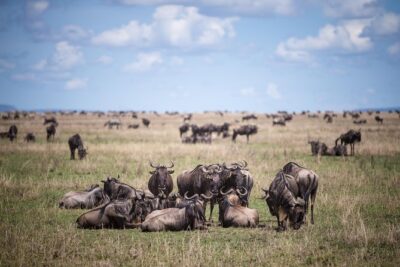
Serengeti Balloon Safari and authentic bush breakfast
Read our review →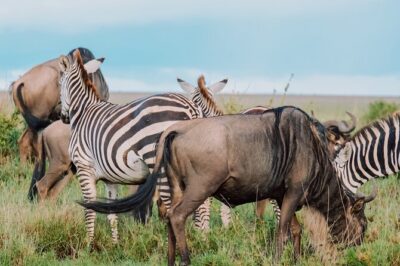
Balloon Safari & Bush Breakfast in Serengeti – Miracle Experience
Read our review →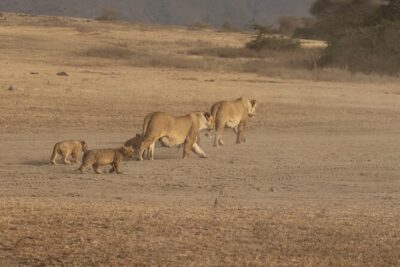
3 Days Serengeti & Ngorongoro Group Camping Safari
Read our review →
5-Day Highlights mid-Range Crater, Serengeti, Tarangire
Read our review →
Private 6-Day Tarangire Manyara Crater and Serengeti with Mid-Range Lodges
Read our review →
5 Days Camping Tarangire, Serengeti & Ngorongoro crater & Visiting Maasai
Read our review →Browse the lists this tour appears in