
Reviewed · SERENGETI & NGORONGORO SAFARIS
3 Days Tanzania group join safari – Serengeti & Ngorongoro crater
Wildlife begins before breakfast. This three-day safari links Serengeti National Park with Ngorongoro Crater, giving you two very different places in a short, budget-minded trip. I like the included park fees and professional guide, and I like that transport, meals, drinking water, and a cook are covered. The main drawback is the pace: you spend long hours on the road, with limited time for rest.
I also like the pop-top Toyota Land Cruiser, which gives you a better view during game drives than a closed vehicle. The safari is a good fit if you want Tanzania’s major wildlife sights without arranging every detail yourself. Just confirm the pickup time, since the itinerary mentions 6:00 AM while the meeting information lists 5:00 AM at Shoppers Supermarket in Arusha.
In This Review
- Key points to know before booking
- Why this short safari works for first-time visitors
- The 5:00 or 6:00 AM start from Arusha
- Day one: the long run from Arusha to Serengeti
- Day two: a Serengeti morning before the crater rim
- Day three: wildlife inside Ngorongoro Crater
- What the $962 price really covers
- Camping, food, and comfort on a tight schedule
- Group size and the reality of a join safari
- Who should choose this Serengeti and Ngorongoro trip?
- Practical questions to settle before departure
- Should you book this three-day safari?
- FAQ
- Where does the safari start?
- What time does the safari start?
- Where does the safari end?
- How long does the safari last?
- Which parks does the safari visit?
- Are meals included?
- Is transportation included?
- Are park fees included?
- What is not included in the price?
Key points to know before booking
- Two famous safari areas in three days: You visit Serengeti and Ngorongoro Crater, but the schedule is tight.
- Budget camping keeps the price practical: At $962 per person, park fees, meals, a cook, guide wages, and safari transport are included.
- The Toyota Land Cruiser has a pop-top roof: That matters when you are watching lions, elephants, giraffes, zebras, and other wildlife.
- The first and final days are travel-heavy: Day one runs from Arusha to Serengeti, and day three returns from Ngorongoro to Arusha.
- Morning game drives are the main event: The Serengeti morning drive on day two and the crater visit on day three offer the best planned wildlife time.
- Check the start time carefully: The published details give both 5:00 AM and 6:00 AM, so ask for the final pickup instruction.
Why this short safari works for first-time visitors
This trip makes sense if you want a quick introduction to northern Tanzania. You get Serengeti’s wide open plains and Ngorongoro’s enclosed crater in one compact itinerary, instead of spending days arranging separate park visits, vehicles, guides, meals, and entry fees.
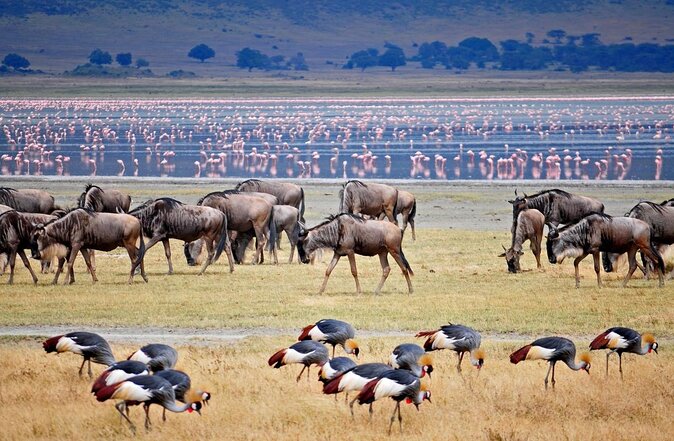
The two destinations feel different. Serengeti is broad and open, known for large animal populations and the annual wildebeest migration. Ngorongoro Crater is a dramatic natural bowl with a high concentration of wildlife. The contrast gives the trip variety, even though the schedule does not leave much room for slowing down.
At $962 per person, this is not a cheap day trip, but safari costs rise quickly once you add a 4×4 vehicle, a driver-guide, park charges, food, camping arrangements, and fuel. Here, the price includes the major operating costs. That makes it easier to compare with other budget safaris, since you are not being asked to add park fees or guide wages later.
Still, value depends on your expectations. You are paying for access to major parks and a functioning safari setup, not a leisurely lodge holiday. The word camping matters. You should expect a basic outdoor arrangement rather than a private room with lodge services.
More Serengeti and Ngorongoro safaris:
- Balloon Safari & Bush Breakfast in Serengeti – Miracle Experience
★ 5.0 · 1,646 reviews - 3 Days Serengeti & Ngorongoro Group Camping Safari
★ 5.0 · 574 reviews - 5-Day Highlights mid-Range Crater, Serengeti, Tarangire
★ 5.0 · 296 reviews
The 5:00 or 6:00 AM start from Arusha
The published information gives two different start times. One part says pickup from your Arusha hotel at 6:00 AM, while the meeting details list a 5:00 AM start at Shoppers Supermarket. This is the first thing I would settle before paying or, at the very least, before the evening before departure.
The listed meeting point is Shoppers Supermarket in Arusha, and the activity ends back there. Pickup is also offered, so ask exactly where the vehicle will collect you and when. A safari morning is not the time to guess, especially when the drive to Serengeti is long.
The early departure has a clear purpose. You need much of the day to reach Serengeti, and the route is part of the price of seeing these parks. Pack a small day bag with the items you need in the vehicle, since long road sections are easier when you are organized. Your main luggage should remain compact and secure.
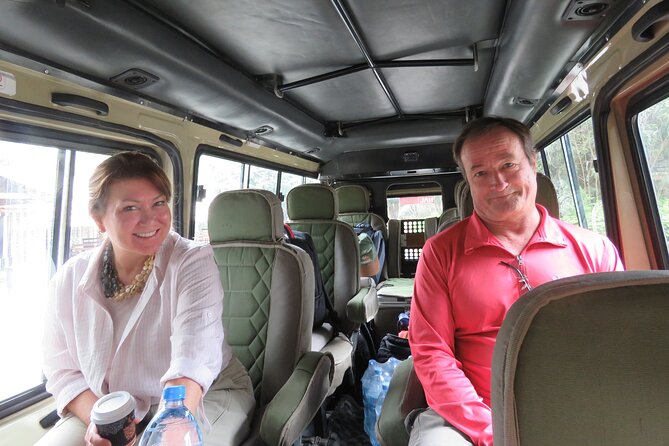
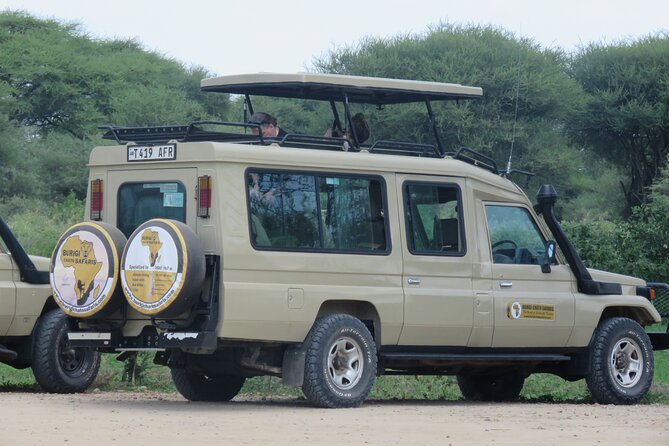
The safari uses a 4×4 Toyota Land Cruiser with a pop-top roof. That is an important feature, not decoration. The raised roof lets you look out while standing or sitting inside the vehicle, making it easier to scan for animals and take photographs.
Day one: the long run from Arusha to Serengeti
Day one is built around the journey from Arusha to Serengeti National Park. The program promises wildlife viewing, including gazelles and lions, once you reach the park area.
This is the day to set realistic expectations. You are not spending the entire day on game drives. The route from Arusha to Serengeti takes time, and the schedule has to carry you into the park and toward the camping area. The reward is access to one of Africa’s best-known wildlife areas, but the cost is a tiring first day.
Serengeti is famous for its huge open plains and the annual wildebeest migration. The migration is seasonal, and no short safari should promise that you will see it. You can still encounter plenty of wildlife outside migration periods, but sightings are never guaranteed.
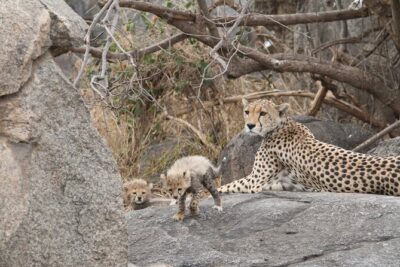
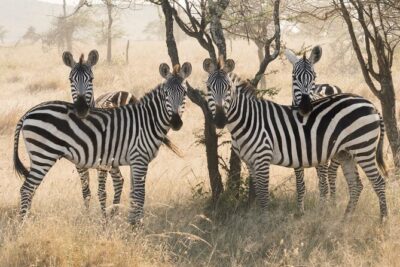
The animal list connected with the trip includes lions, elephants, giraffes, zebras, and many other species. The open setting can make animal spotting especially rewarding, since you may have long views across the grasslands. At the same time, open country means animals may be spread out, so patience matters.
The guide is an important part of this day. A professional guide can help with navigation, park rules, animal identification, and the timing of stops. The package includes the guide’s wage and the cook’s wage, which is useful because those costs are not left for you to calculate later.
Day two: a Serengeti morning before the crater rim
Day two starts with a cool morning game drive in Serengeti. This is likely to be the most appealing part of the schedule for wildlife fans, since the day begins inside the park rather than with a long departure from town.
The plan includes a packed lunch in the afternoon. That keeps the vehicle moving and avoids returning to a lodge or town for a midday meal. It also means you should be ready for a full day outdoors, with food and drinking water supplied during game drives.
I like the shape of this day. You get a fresh morning look at Serengeti, then move toward another major destination instead of repeating the same route. The drawback is that the transition to Ngorongoro takes place late in the day, so you will spend part of your afternoon and evening in transit.
The camp is near the crater rim. That location sets up the final day, when you enter Ngorongoro Crater for the main wildlife visit. Dinner is included at camp, and the night is described as being surrounded by the sounds of the African night. That is part of the appeal of budget camping: the setting is closer to the outdoors than a conventional hotel.
It is also the part of the trip that requires the most flexibility. Camping is more basic than lodge accommodation, and the short schedule gives you little spare time if road conditions or park logistics change. The available praise connected with this operator highlights well-organized outings, good meals, and satisfactory accommodation, but you should still ask what kind of tent and bedding are supplied for this specific safari.
A few more options to weigh up in Arusha
- Tanzania Classic – 7 Days
★ 5.0 · 1,151 reviews - 4 Days Group Camping Safari
★ 5.0 · 1,101 reviews - 5 Days Group Camping Safari
★ 5.0 · 730 reviews - Materuni Waterfalls, coffee tour & Kikuletwa Hot Springs
★ 5.0 · 643 reviews
Day three: wildlife inside Ngorongoro Crater
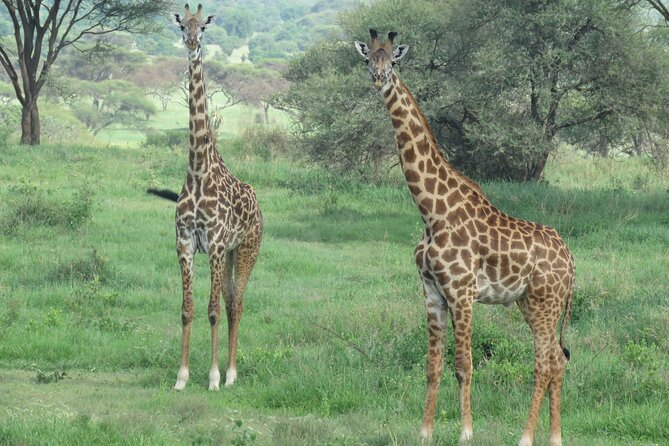
After breakfast, you head into Ngorongoro Crater. This is the signature stop for many people booking the trip, and for good reason. The crater is a UNESCO World Heritage Site and is often called the eighth wonder of the world.
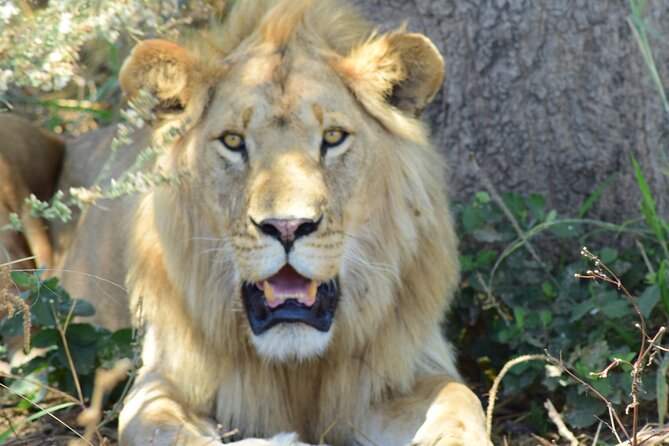
The crater’s great appeal is concentration. Instead of searching across a vast open plain, you explore a contained natural area known for a strong range of wildlife. The itinerary points to the Big Five and specifically mentions rhinos and lions, so this is the day to keep your eyes working from the moment the vehicle enters the crater.
The setting also gives the day a different feel from Serengeti. Serengeti offers distance and open views. Ngorongoro offers a dramatic natural formation and a greater sense of enclosure. I like having both in one trip because you see two distinct sides of Tanzania’s wildlife country.
Do not treat the Big Five reference as a guarantee. Wildlife is wild, and the trip cannot promise a particular animal on a particular day. The guide and the vehicle improve your chances, but luck remains part of the experience.
After the crater tour, the group checks out and begins the return to Arusha. This is another long travel section, and you should not book an important evening flight without checking the expected return time directly with the operator. The published details only state that the activity ends back at the Arusha meeting point.
What the $962 price really covers
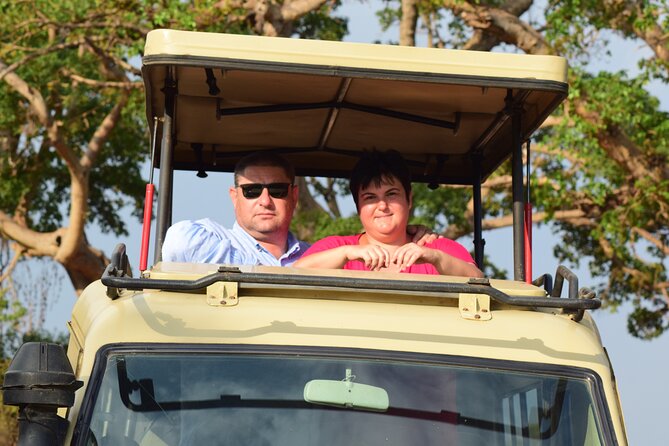
The price is $962 per person, with the trip generally booked about 12 days ahead. For a three-day safari, that figure should be judged against what is included rather than compared with an ordinary three-day tour.
The package covers:
- Breakfast, lunch, and dinner
- Drinking water during game drives
- An experienced professional guide
- Guide and cook wages
- A 4×4 Toyota Safari Land Cruiser with pop-top roof
- Taxes and national park fees
Those inclusions remove several common safari surprises. Park fees alone can make a large difference to the final cost, and a proper safari vehicle is not the same as a standard minibus. Including the cook’s wage also signals that meals are part of the camping setup rather than an afterthought.
You still need to budget for flights, visa costs, medical insurance, travel insurance, drinks and beverages at lodges, personal expenses, and a tip for the guide. Tips are not included, so plan for that separately.
The phrase lodge beverages is worth noting. The advertised safari is camping-based, but the exclusions use broad wording about drinks and beverages in lodges. Ask what drinks are supplied beyond the listed drinking water, and ask about the camping equipment before departure.
Camping, food, and comfort on a tight schedule
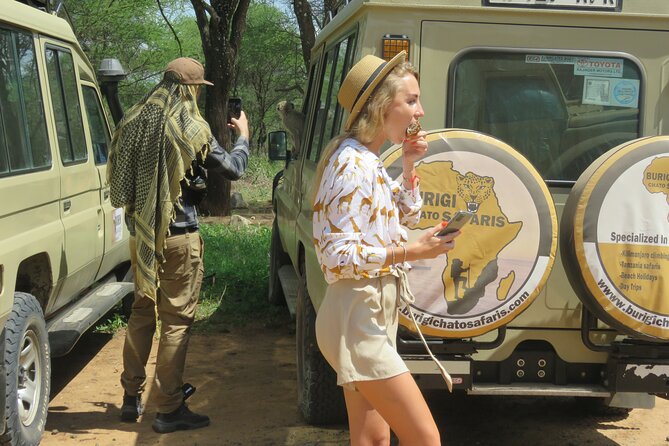
Food is one of the better-covered parts of this trip. Breakfast, lunch, dinner, and drinking water during game drives are included. Day two specifically uses a lunch box, which fits the long transfer from Serengeti toward Ngorongoro.
The operator’s broader feedback includes praise for meals and accommodation, which is encouraging, though you should not assume that a camping safari offers the same comfort as a lodge stay. The program calls itself budget camping, so simple facilities are part of the bargain.
One useful clue from the operator’s other outdoor work is that sleeping bags are available for rent on some trips. That does not confirm a sleeping bag for this safari, so ask directly if bedding is supplied or if you need to bring or rent it. This small question can make a very large difference at night.
You should also ask about the exact campsite, tent arrangement, and washing facilities. Those details are not provided, and they affect how comfortable you will feel after long hours in the vehicle.
Group size and the reality of a join safari
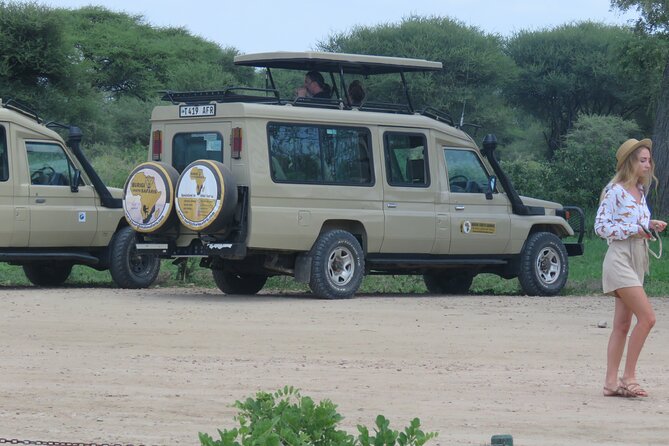
This is a group join safari, which normally means you share the vehicle and guide with other booked participants. The information allows up to 500 travelers to participate in the activity, but that figure may describe the maximum booking capacity rather than the size of one vehicle.
That distinction matters. A pop-top Land Cruiser has limited seats, and wildlife viewing is more enjoyable when everyone has a reasonable view. Ask the operator how many people are placed in each vehicle, whether groups can be combined, and how seating is handled.
The group format helps keep the cost below a private safari. It also adds a social element and removes some of the control you would have over departure times, stops, and the daily pace. If you want to linger at a lion sighting or change the plan around photography, a private booking may suit you better.
The published information says most people can participate. It does not provide detailed accessibility information, so anyone with mobility or medical concerns should ask before booking.
Who should choose this Serengeti and Ngorongoro trip?
I would recommend this safari to you if you want the major northern Tanzania highlights and have only three days available. It suits first-time safari visitors, budget-conscious couples or friends, and people who prefer having transport, meals, park fees, and a guide arranged in one package.
It is also a good choice if your priority is wildlife access rather than luxury. The pop-top vehicle, morning game drive, packed lunch, and crater tour all support that goal.
I would hesitate to recommend it to you if you dislike early starts, long road journeys, basic camping, or fixed group schedules. The itinerary is efficient, but it is not relaxed. You may spend much of day one and day three traveling, leaving day two and the crater visit to carry most of the wildlife time.
The trip is also less suitable if you need a guaranteed migration sighting, a particular animal, or high-end accommodation. The information promises the chance to see major species, not certainty.
Practical questions to settle before departure
Before booking, I would send the operator a short list of clear questions:
- Is pickup at 5:00 AM or 6:00 AM?
- Will pickup be from my hotel or from Shoppers Supermarket?
- How many people will share the Land Cruiser?
- What camping equipment and bedding are supplied?
- Is a sleeping bag available to rent for this safari?
- What drinks are included besides drinking water?
- What time should I expect to return to Arusha on day three?
The confirmation is provided at booking, but these details still deserve attention because the published start times conflict. The cancellation policy is strict: the experience is non-refundable and cannot be changed for any reason. That makes it especially important to confirm dates, pickup arrangements, and personal insurance before committing.
Should you book this three-day safari?
Book it if you want Serengeti and Ngorongoro Crater in one tightly planned trip, and you accept long drives and basic camping in exchange for a package that includes park fees, meals, a cook, a guide, and a proper safari vehicle.
Skip it if comfort, privacy, or a slower pace matters more than seeing both parks quickly. My strongest advice is to confirm the start time, group size, bedding, and exact camping arrangements before paying. If those points suit you, $962 can be a sensible price for a focused introduction to Tanzania’s best-known wildlife areas.
FAQ
Where does the safari start?
The listed meeting point is Shoppers Supermarket in Arusha, Tanzania. Pickup is also offered, so confirm the exact collection point with the operator.
What time does the safari start?
The information gives two times. The daily plan says pickup begins at 6:00 AM, while the meeting details list 5:00 AM. You should confirm the correct time before departure.
Where does the safari end?
The activity ends back at the meeting point in Arusha.
How long does the safari last?
The safari lasts approximately three days and includes two nights of accommodation.
Which parks does the safari visit?
The itinerary visits Serengeti National Park and Ngorongoro Crater.
Are meals included?
Yes. Breakfast, lunch, and dinner are included. Lunch is provided as a lunch box on day two, and drinking water is included during game drives.
Is transportation included?
Yes. The safari uses a 4×4 Toyota Safari Land Cruiser with a pop-top roof.
Are park fees included?
Yes. Taxes and national park fees are included in the price.
What is not included in the price?
Flights, guide tips, medical insurance, visa and travel insurance costs, lodge drinks and beverages, and personal expenses are not included.
Just added in Arusha
- Safari “Kifaru” – 5 days in the most famous Parks in the world★ 5.0 · 4 reviews
- Saadani Day Trip★ 5.0 · 13 reviews
- 3 Days Tanzania Short and Spicy★ 5.0 · 6 reviews
- 5 Day Tanzania Safari Camping Adventure Private Tour★ 5.0 · 2 reviews
- Day Trip to Ngorongoro Crater from Arusha★ 5.0 · 1 review
- SERENGETI NATIONAL PARK Tour★ 4.5 · 5 reviews
- 3 Days Serengeti Park & Ngorongoro Crater Adventure Safari★ 5.0 · 8 reviews
- 6 Days Tanzania Bush Experience Safari★ 5.0 · 6 reviews
Serengeti & Ngorongoro Safaris, compared.
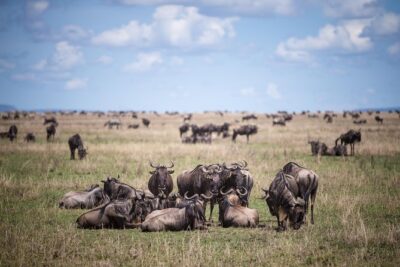
Serengeti Balloon Safari and authentic bush breakfast
Read our review →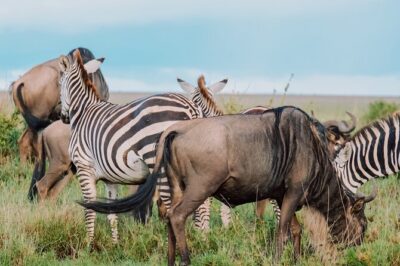
Balloon Safari & Bush Breakfast in Serengeti – Miracle Experience
Read our review →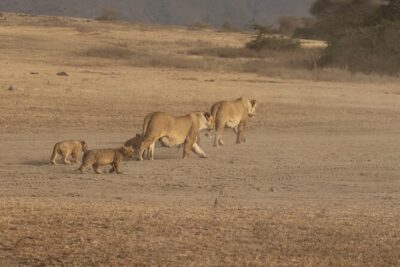
3 Days Serengeti & Ngorongoro Group Camping Safari
Read our review →
5-Day Highlights mid-Range Crater, Serengeti, Tarangire
Read our review →
Private 6-Day Tarangire Manyara Crater and Serengeti with Mid-Range Lodges
Read our review →
5 Days Camping Tarangire, Serengeti & Ngorongoro crater & Visiting Maasai
Read our review →Browse the lists this tour appears in