
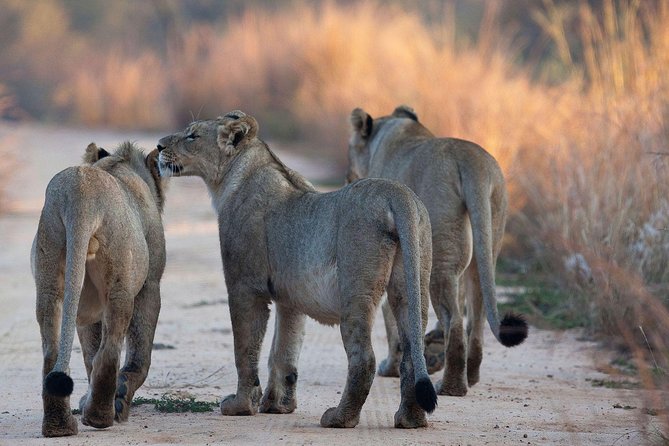
Reviewed · SERENGETI & NGORONGORO SAFARIS
3 Days Tanzania Safari Tarangire, Manyara, & Ngorongoro Crater.
Three days can deliver a lot of Africa. This small-group safari from Arusha links Lake Manyara, Ngorongoro Crater, and Tarangire, with transport, meals, camping, and park visits arranged for you. I like the seven-person limit, which keeps the vehicle social without turning it into a crowded bus, and I like the strong mix of scenery and wildlife packed into a short trip.
The price is $670 per person, a useful deal if you want a guided safari without paying for a private vehicle. The trade-off is time: each day runs about 10 hours, with long stretches in the vehicle and no Serengeti visit. This is an efficient Northern Circuit sampler, not a slow, luxury safari.
In This Review
- Key points to know before booking
- Why this three-day route works
- Day one at Lake Manyara National Park
- Day two inside Ngorongoro Crater
- Day three among Tarangire’s baobabs
- Camping, meals, and the budget trade-off
- The guides make or break the safari
- Is $670 a good value?
- Who should book this safari?
- Should you book the Signature Safari?
- FAQ
- How long is the safari?
- Which parks are included?
- How many people can join the tour?
- Are meals and accommodation included?
- Can I see the Big Five?
- What is the cancellation policy?
Key points to know before booking
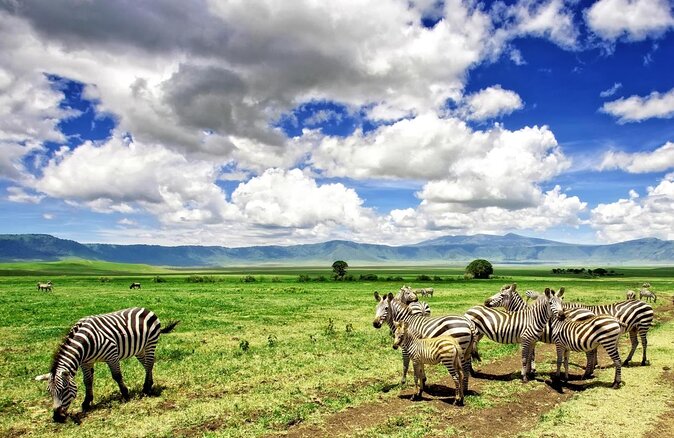
- Three famous parks in three days: You visit Lake Manyara, Ngorongoro Crater, and Tarangire in one compact route.
- A maximum of seven people: Shared costs keep the price down while preserving a more personal feel.
- Meals and camp accommodation are included: You do not need to arrange food or overnight stays separately.
- Big Five possibilities: Lions, elephants, buffalo, rhinos, and leopards may all be seen, though no safari can promise every animal.
- Long game-drive days: Each listed park visit lasts about 10 hours, so bring patience, water, and a willingness to sit in the vehicle.
- Strong guide reports: Guides named in the feedback include Malaki, Isaac, and Norelle, with particular praise for animal spotting, communication, and care.
Why this three-day route works
Tanzania’s Northern Circuit gives you several very different wildlife settings within a manageable distance of Arusha. Lake Manyara brings woodland and lake scenery, Ngorongoro offers a concentrated wildlife experience inside an ancient volcanic caldera, and Tarangire supplies baobabs, open grass, elephants, and a river that draws animals together.
That variety is the main reason to choose this trip. You are not spending all three days in one park hoping the scenery changes. Each stop has a different character, and each gives you a fresh chance to see animals behaving in a new setting.
The route also suits a first safari or a tight holiday schedule. You do not have to compare camps, arrange park transport, or work out where to eat. Your main job is to be ready for the morning briefing and keep your eyes open.
The seven-person maximum matters. A safari vehicle can feel awkward when too many people are trying to look through the same openings or take photographs at once. A smaller shared group gives you a better chance to ask questions, shift position, and enjoy the quiet moments between sightings.
Still, this is a budget safari. One of the clearest pieces of advice from the feedback is not to expect the same service level as a higher-priced operator. That does not mean the trip is poor value. It means you should choose it for access, wildlife, and practical organization rather than polished luxury.
More Serengeti and Ngorongoro safaris:
- Balloon Safari & Bush Breakfast in Serengeti – Miracle Experience
★ 5.0 · 1,646 reviews - 3 Days Serengeti & Ngorongoro Group Camping Safari
★ 5.0 · 574 reviews - 5-Day Highlights mid-Range Crater, Serengeti, Tarangire
★ 5.0 · 296 reviews
Day one at Lake Manyara National Park
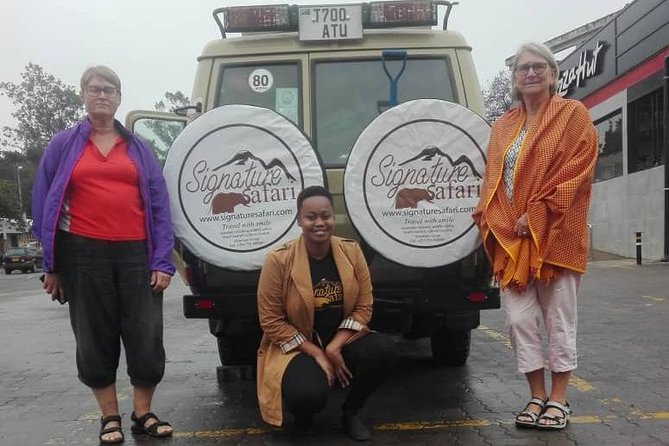
The first morning begins with a short briefing before the drive to Lake Manyara National Park. The park is one of Tanzania’s smaller protected areas, but its habitats change quickly. The shallow alkaline lake covers much of the park at certain times, while forest, grassy plains, and acacia woodland support a broad mix of animals.
The lake is known for flamingos. When conditions are right, thousands gather in pink bands along the water. The exact number and location will change with the season, so treat flamingos as a strong possibility rather than a fixed show. The park also supports more than 500 bird species, making it a good opening day for anyone who enjoys birds as much as large mammals.
The open-roof vehicle is important here. You can watch the trees and plains without a window between you and the view, and you have a better chance of spotting animals above the grass. Monkeys in the forest, giraffes on the plains, and elephants near the woodland all add variety to the drive.
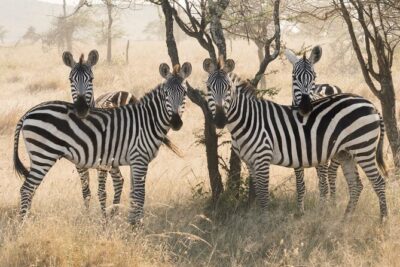
Lake Manyara also offers possible sightings of buffalo, zebras, wildebeests, and lions. The park’s compact size can make the day feel full, but it does not guarantee close animal encounters. Wildlife moves on its own schedule. You may spend a long stretch scanning before a guide points out something half-hidden in the trees.
That patience is part of the deal. One account warns that you can spend more than three hours at a time on the vehicle while looking for animals. Bring a hat, sun protection, and a camera strap. A long game drive sounds romantic until your back, neck, and phone battery start making their own plans.
Day two inside Ngorongoro Crater
Day two begins early, with a drive into the Ngorongoro Conservation Area and down into the crater. The crater is nearly 600 meters deep and about 20 kilometers across, creating an enclosed setting where large numbers of animals live across grassland, woodland, and wet areas.
This is the trip’s most concentrated wildlife day. The crater can offer the Big Five: lion, elephant, buffalo, rhino, and leopard. It also supports Grant’s gazelles, Thomson’s gazelles, mountain reedbucks, spotted hyenas, and a wide range of birds.
Rhinos are never guaranteed, and leopards are often difficult to locate. That is where a sharp guide makes a real difference. Isaac is praised for his ability to spot predators hidden in the grass, while Malaki is described as an excellent driver and guide who added humor and strong customer care to the day. Your assigned guide may be someone else, but the company’s guide team is clearly a major part of the experience.
You stop for a picnic lunch in the crater before more game viewing. Eating in the crater saves time and lets you stay focused on the park rather than driving out for a restaurant. It also makes day two feel properly like a full safari day, though you should expect basic picnic-style eating rather than a long sit-down meal.
The crater’s enclosed shape is visually striking, but it also brings more vehicles into a smaller area than you may find in a larger open park. At a popular animal sighting, several vehicles can gather. Your guide’s driving choices and ability to read the situation will help, but you should expect some busy moments.
Ngorongoro is the best chance on this itinerary for a high number of species in a short time. One party reported seeing the Big Five across two days, and another described sightings of lions, zebras, giraffes, rhinos, hippos, baboons, impalas, buffalo, hyenas, and wildebeests. These results are possible, not promised, but the crater gives you a strong chance of seeing plenty.
Day three among Tarangire’s baobabs
After breakfast, you continue to Tarangire National Park. This final park has a different feel from both Manyara and Ngorongoro. Its broad grasslands, giant baobab trees, seasonal swamps, and the permanent Tarangire River create a classic East African setting.
Tarangire is especially well known for elephants, including some of the largest herds in northern Tanzania. Animals gather around the river and water sources, particularly when other parts of the region are dry. You may see elephants, giraffes, bushbucks, hartebeests, dik-diks, waterbucks, warthogs, and reedbucks.
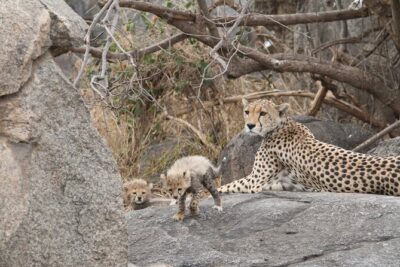
The park also holds buffalo, zebras, and wildebeests, followed by predators such as lions. Leopards appear occasionally, while cheetahs are rarely seen here. That distinction is useful because it keeps expectations realistic. Tarangire is a fine place to see elephants and general wildlife, but it is not the strongest choice if cheetah is your main target.
The baobabs give the day its visual identity. These huge trees rise above the grass in a way that makes Tarangire feel unlike the other two parks. I would keep some camera time for the scenery itself instead of treating every pause as a hunt for another animal.
After the game drive, you leave the park in the afternoon and return to Arusha by early evening. This final transfer makes day three another long one. It is practical if you need to continue your trip from Arusha, but tiring if you have a flight or major activity soon afterward. Leave some buffer rather than arranging an important connection too tightly.
More Tarangire safaris:
- Private 6-Day Tarangire Manyara Crater and Serengeti with Mid-Range Lodges
★ 5.0 · 238 reviews - 5 Days Camping Tarangire, Serengeti & Ngorongoro crater & Visiting Maasai
★ 5.0 · 229 reviews - 4 Days Join Group tour Tarangire Serengeti and Ngorongoro crater
★ 5.0 · 219 reviews - 4-Day Safari from Arusha: Tarangire, Serengeti and Ngorongoro
★ 5.0 · 173 reviews
Camping, meals, and the budget trade-off
Accommodation is provided in camps, with tents, cots, and a shared dining area. The setup is comfortable enough for a safari-focused trip, but it is not a lodge holiday. You should choose this option because you want to spend your money on park time and transport, not because you need hotel-style comfort.
The food receives some of the warmest praise. Chef Ben is specifically credited with delicious meals, and the wider feedback repeatedly points to good food and attentive service. Having meals handled is more valuable than it first sounds. After a 10-hour game drive, you will be glad not to search for dinner or negotiate another transfer.
The camp also adds a social side to the trip. With no more than seven people, you may share meals and compare the day’s sightings without the group becoming unwieldy. That makes this a good fit if you enjoy meeting people and are comfortable with shared arrangements.
There is a clear limit, though. The available details do not specify a particular camp name, room setup, bathroom arrangement, or exact meal menu. If those points matter to you, ask Signature Safari before paying. The information supports a clean, comfortable tented camp with cots and a dining room, but not a luxury-camp promise.
The guides make or break the safari
A safari vehicle is only as good as the person reading the bush. The strongest praise here goes to the guides. Malaki is described as funny, capable, and highly attentive. Isaac is singled out for sharp animal-spotting skills. Norelle is praised for explaining the animals well and providing thoughtful service.
Innocent handled communication for at least some bookings and is described as responsive and willing to find solutions. That matters when plans involve airport timing, group coordination, park fees, and several nights away from Arusha.
Guide assignments can change, so you should not book on the assumption that you will receive one particular person. Still, the repeated emphasis on guiding, communication, and care suggests that the company’s staff are among the tour’s biggest strengths.
Ask questions before departure about pickup time, the exact camp, the number of people already booked, and what happens if the group minimum is not met. The stated start time is 12:00 am, which is likely a booking-system setting rather than a useful meeting hour, so confirm the actual pickup time directly.
Is $670 a good value?
At $670 per person, this safari gives you three national park visits, transport, meals, camp accommodation, and a guide within a seven-person maximum. For someone who would otherwise need to arrange a vehicle, driver, park access, food, and overnight stays separately, that is a sensible package.
The real value is the amount of organization packed into a short trip. You can arrive in Arusha and have the main moving parts handled. That is particularly useful if you are combining the safari with a Kilimanjaro climb or another northern Tanzania activity.
The price also explains the compromises. You are sharing the vehicle, spending long hours on the road, and sleeping in camps rather than high-end lodges. If you want a private guide, custom pacing, more time in each park, or Serengeti, you will likely need a different itinerary and a higher budget.
I would compare the inclusions carefully before booking. Confirm whether all park fees, meals, camping equipment, and pickup details are covered exactly as you need them. The advertised package says meals and accommodation are provided, while Ngorongoro specifically includes an admission ticket. Clear questions now prevent awkward surprises later.
Who should book this safari?
I would recommend it to a first-time safari visitor with only three days, a moderate budget, and a preference for having the practical details handled. It also suits solo participants or pairs who want to share costs and meet a small group rather than pay for a private vehicle.
It is a good match for wildlife fans who want variety. Manyara offers birds and mixed habitats, Ngorongoro offers dense animal viewing, and Tarangire brings elephants and baobabs. That is a strong set of contrasts for a short trip.
I would think twice if you dislike early starts, rough roads, long drives, or basic camping. You should also choose a longer safari if Serengeti is a major goal. One person who enjoyed this route still wished for more time there, which is a fair criticism of any three-day Northern Circuit plan.
The cancellation terms are strict close to departure. You receive a full refund if you cancel at least three full days before the start time, but there is no refund inside that window. Poor weather or failure to reach the minimum group size can lead to a new date, another experience, or a full refund.
Should you book the Signature Safari?
Book it if you want a cost-conscious, tightly planned safari with three excellent wildlife areas and a small group. The strongest reasons are the seven-person limit, included meals and camping, helpful communication, and repeated praise for guides such as Malaki, Isaac, and Norelle.
Do not book it expecting a private luxury trip or relaxed pacing. This is three long days, with plenty of time on the vehicle and only brief overnight stops. For the right person, that is a fair bargain: a practical route, strong wildlife potential, and a real chance of seeing the Big Five without paying for a fully private safari.
FAQ
How long is the safari?
The experience lasts approximately three days. Each park day is listed at about 10 hours, followed by the relevant overnight arrangements and transfers.
Which parks are included?
The route includes Lake Manyara National Park on day one, Ngorongoro Crater on day two, and Tarangire National Park on day three.
How many people can join the tour?
The maximum group size is seven travelers, making it a shared safari with a relatively small group.
Are meals and accommodation included?
Yes. Meals and camp accommodation are included. The camp setup described includes tents, cots, and a dining room.
Can I see the Big Five?
You have the possibility of seeing lion, elephant, buffalo, rhino, and leopard, especially around Ngorongoro Crater. Wildlife sightings are never guaranteed.
What is the cancellation policy?
You can receive a full refund if you cancel at least three full days before the experience start time. Cancellations or changes made within three full days are not refunded or accepted.
More Lake Manyara Safaris
- 3 Days Tarangire, Ngorongoro & Lake Manyara Group Camping Safari
★ 5.0 · 102 reviews - 3 Days Private Safari – manyara, Ngorongoro & Tarangire
★ 5.0 · 94 reviews - 05 Days Tarangire, Serengeti, Ngorongoro and Lake Manyara
★ 5.0 · 54 reviews - 5 Days 4 Nights Tarangire, Serengeti , Ngorongoro & Manyara Wildlife Safari
★ 5.0 · 40 reviews
Just added in Arusha
- Safari “Kifaru” – 5 days in the most famous Parks in the world★ 5.0 · 4 reviews
- Saadani Day Trip★ 5.0 · 13 reviews
- 3 Days Tanzania Short and Spicy★ 5.0 · 6 reviews
- 5 Day Tanzania Safari Camping Adventure Private Tour★ 5.0 · 2 reviews
- Day Trip to Ngorongoro Crater from Arusha★ 5.0 · 1 review
- SERENGETI NATIONAL PARK Tour★ 4.5 · 5 reviews
- 3 Days Serengeti Park & Ngorongoro Crater Adventure Safari★ 5.0 · 8 reviews
- 6 Days Tanzania Bush Experience Safari★ 5.0 · 6 reviews
Serengeti & Ngorongoro Safaris, compared.
Serengeti Balloon Safari and authentic bush breakfast
Read our review →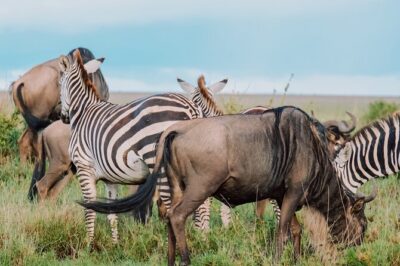
Balloon Safari & Bush Breakfast in Serengeti – Miracle Experience
Read our review →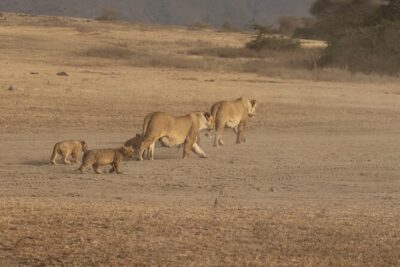
3 Days Serengeti & Ngorongoro Group Camping Safari
Read our review →
5-Day Highlights mid-Range Crater, Serengeti, Tarangire
Read our review →
Private 6-Day Tarangire Manyara Crater and Serengeti with Mid-Range Lodges
Read our review →
5 Days Camping Tarangire, Serengeti & Ngorongoro crater & Visiting Maasai
Read our review →Browse the lists this tour appears in