
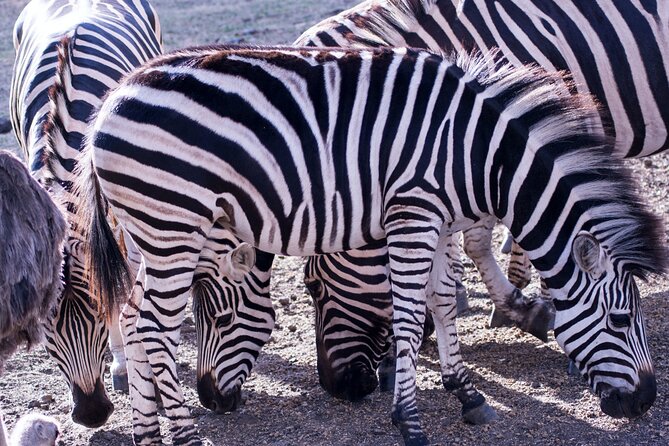
Reviewed · SERENGETI & NGORONGORO SAFARIS
4 Days Serengeti and Ngorongoro Joining Group Mid-range Safari
Wildlife begins before breakfast. This four-day safari links Serengeti National Park with Ngorongoro Crater, giving you a strong mix of open-country game viewing, dramatic scenery, and a short taste of Tanzania’s archaeological past. I like the full Serengeti game-drive day, which gives you time to search for lions, elephants, buffalo, hyenas, zebra, wildebeest, and other wildlife rather than rushing through the park.
I also like the final descent into Ngorongoro Crater, where animals gather on a compact crater floor and sightings can come quickly. The main consideration is the amount of driving: day one begins at 5:30 a.m. in Arusha and includes the long road to Serengeti, while the final day combines a crater visit with the return to Arusha.
In This Review
- Key points to know before booking
- Why this four-day route works
- Day 1: The long road from Arusha to Serengeti
- Day 2: A full Serengeti day with time to search
- Day 3: Early wildlife, Olduvai Gorge, and the crater rim
- Day 4: Down into Ngorongoro Crater
- What the $1,283 price covers
- Group size, timing, and daily comfort
- The wildlife experience you can reasonably expect
- Who should book this safari
- Should you book it?
- FAQ
- Where does the safari start?
- Where does the safari end?
- How long does the safari last?
- Which parks and sites are included?
- Is the Great Migration guaranteed?
- Are meals included?
- Are flights included?
- Are visas and tips included?
- Is pickup available?
- Can the booking be canceled for a refund?
Key points to know before booking
- The safari starts at 5:30 a.m. in Arusha, so plan for an early morning and a full first day on the road.
- Two full wildlife areas are included: Serengeti gives you broad-ranging game drives, while Ngorongoro offers concentrated viewing inside a volcanic crater.
- The Great Migration is seasonal, so wildebeest herds are not guaranteed on every departure.
- Olduvai Gorge adds a human-history stop between the Serengeti and Ngorongoro.
- Meals are included throughout the four days, with three breakfasts, four lunches, and three dinners.
- The advertised price is $1,283 per person, a useful value if you want park access, guiding, transport, lodging, and meals bundled together.
Why this four-day route works
Four days is short for a northern Tanzania safari, but the route makes sensible use of the time. You spend two nights around Serengeti, then one night on the Ngorongoro rim before the crater visit and return to Arusha.
I like this shape because it gives Serengeti enough room for a proper full-day drive. A quick pass through the park can feel like a scenic bus ride with occasional animals. Here, day two is reserved for exploring different parts of the park, stopping for a picnic lunch, and adjusting your search as your guide follows fresh wildlife clues.
Ngorongoro brings a different kind of safari. The crater floor is enclosed by steep walls, and its wildlife is concentrated within a relatively defined area. You may see elephants, lions, buffalo, hyenas, antelopes, zebra, wildebeest, and, with luck, black rhinos. One detailed account of the crater included two black rhinos, along with a wildcat and many birds.
This is also a joining group safari, not a private trip designed around your own timetable. The stated maximum is 200 people, which is a very large possible group size, although the actual vehicle arrangement is not explained. I would confirm the expected vehicle size and sleeping arrangements before paying. Those details matter more than the label mid-range.
More Serengeti and Ngorongoro safaris:
- Balloon Safari & Bush Breakfast in Serengeti – Miracle Experience
★ 5.0 · 1,646 reviews - 3 Days Serengeti & Ngorongoro Group Camping Safari
★ 5.0 · 574 reviews - 5-Day Highlights mid-Range Crater, Serengeti, Tarangire
★ 5.0 · 296 reviews
Day 1: The long road from Arusha to Serengeti
The day begins at 5:30 a.m. in Arusha, after which you travel toward Serengeti National Park. The drive is part of the experience, but it is also the toughest section for anyone who dislikes long road days.
The scenery changes as you leave Arusha and head toward the park. The first game viewing takes place en route, so you are not simply sitting in a vehicle until the afternoon. The planned arrival includes settling into a camp or lodge, dinner, and an evening in the bush.
The itinerary gives this day about eight hours. Treat that as an approximate activity length, not a promise that you will spend exactly eight hours driving or viewing animals. Road conditions, park entry procedures, and wildlife sightings can all affect the schedule.
I would keep your first evening simple. You may be tired after the early start and the road journey, so the value of the night is less about entertainment and more about getting into position for the next day. Dinner is included, and you spend the night in Serengeti.
The accommodation description allows for either a safari camp or lodge. That is not enough information to judge room style, private bathrooms, electricity, or tent quality. If comfort is important to you, ask for the exact property name before booking. Ngorongoro Sopa Lodge is associated with an especially good crater-rim view, but it should not be assumed as your assigned accommodation unless the operator confirms it.
Day 2: A full Serengeti day with time to search
Day two is the heart of the safari. You take a full-day game drive through Serengeti, with a picnic lunch in the park and an evening return to camp or lodge.
Serengeti is famous for open spaces and moving herds, but the key point is that wildlife is spread across a large area. You may spend time watching one animal, driving between sightings, or waiting for a promising scene to develop. A full day gives your guide more room to explore different zones instead of turning around after a few hours.
The Big Five are a central goal here: lion, leopard, elephant, buffalo, and rhinoceros. Seeing all five is never guaranteed, and the itinerary wisely includes the wider range of animals that makes a safari worthwhile even when one famous species stays out of sight.
The Great Migration is also seasonal. At the right time, you may see huge wildebeest herds, along with zebra and other grazing animals. At other times, Serengeti still has resident wildlife, so do not book this trip only on the hope of witnessing a specific river crossing or herd movement.
Your picnic lunch is taken amid the park’s natural setting. That sounds romantic, but keep expectations practical. A picnic in a safari park is about location and convenience, not a long restaurant meal. Follow your guide’s instructions, especially around food and wildlife.
The evening return provides a useful pause. You can review the day’s sightings, rest, and prepare for another early start. Three dinners, three breakfasts, and four lunches are included across the trip, so you will not need to budget separately for standard tour meals. Personal snacks and drinks are listed under personal needs, so ask what is supplied beyond the stated meals.
Day 3: Early wildlife, Olduvai Gorge, and the crater rim
The third day starts with an early morning game drive in Serengeti. Early hours are valuable because the itinerary specifically aims to catch wildlife in action before breakfast, then continue toward Ngorongoro.
After breakfast, you leave the park and travel to Ngorongoro Crater. The route includes Olduvai Gorge, a major archaeological site. This stop gives the safari a welcome change of subject. Instead of focusing only on animals, you get a connection to the long human story associated with the area.
The information provided does not state how long you spend at Olduvai Gorge or whether a separate entry fee is included. If archaeology interests you, ask about the stop before departure so you know how much time is planned there.
The day ends on the Ngorongoro rim. This is one of the trip’s strongest visual moments, with wide views over the crater below. The rim accommodation also reduces the early-morning road work needed for the crater visit on day four.
Still, day three is busy. It combines a morning game drive, breakfast, a park departure, Olduvai Gorge, and the route to the rim. The schedule again lists about eight hours. Pack a small day bag with water, sun protection, and anything you need during the transfer, rather than burying those items in larger luggage.
A few more options to weigh up in Arusha
- Tanzania Classic – 7 Days
★ 5.0 · 1,151 reviews - 4 Days Group Camping Safari
★ 5.0 · 1,101 reviews - 5 Days Group Camping Safari
★ 5.0 · 730 reviews - Materuni Waterfalls, coffee tour & Kikuletwa Hot Springs
★ 5.0 · 643 reviews
Day 4: Down into Ngorongoro Crater
After an early breakfast, you descend into Ngorongoro Crater for a full day of game viewing. The crater is the trip’s most concentrated wildlife stop, and the setting gives every sighting extra drama.
The crater floor supports a broad mix of animals. You may encounter elephants, rhinos, lions, buffalo, hyenas, zebra, wildebeest, antelopes, and many bird species. The supplied account also describes black rhinos, a wildcat, and large numbers of grazing animals. These sightings show why Ngorongoro is often the emotional high point of a northern Tanzania route.
The crater is not simply a place to count animals. Its walls create a huge natural bowl, and the view changes as your vehicle moves across the floor. Bring patience. A short stop for a lion may turn into a longer wait, while an apparently quiet stretch can suddenly produce an interesting bird or smaller mammal.
Lunch is a picnic in the crater area. After the game drive, you ascend and begin the return to Arusha. The tour ends back at the meeting point, with transfer to your accommodation or the airport mentioned as an option.
This final day demands stamina. You are combining an early start, a full crater visit, and the journey back to Arusha. If you have an international flight that evening, confirm the expected arrival time carefully and allow a generous margin. The tour does not state a guaranteed return hour.
What the $1,283 price covers
At $1,283 per person, this safari is not a budget day trip. It is priced for four days of transport, guiding, park access arrangements, accommodation, and meals across two major destinations.
The included services are private transfer to the activity area, an experienced professional guide, three breakfasts, four lunches, and three dinners. The wording about private transfer can sound confusing beside a joining group format, so ask whether the transfer is private only between Arusha and the group departure or part of the whole safari arrangement.
The strongest value comes from the route itself. Serengeti and Ngorongoro are the two headline stops in northern Tanzania, and fitting both into four days saves you from arranging separate park visits, transport, meals, and overnight stays.
The main unknown is accommodation. Mid-range can mean a comfortable lodge, a permanent tented camp, or something simpler, depending on the property. Ask for the names of the Serengeti and rim accommodations, the room setup, and whether bathrooms are private.
Flights, visas, tips for the crew, domestic and international airfare, and personal needs are excluded. Build those costs into your real budget. Tipping is specifically listed as separate, and the trip begins in Arusha, so you also need to arrange your own flights to Tanzania.
Group size, timing, and daily comfort
The maximum group size is listed as 200 people. That number may describe the total departure rather than the number in one safari vehicle, but the distinction is important. A small vehicle group can make wildlife stops calmer and gives you a better chance of choosing a useful viewing position. A larger vehicle group may mean more coordination and less flexibility.
Ask three direct questions before booking:
- How many people share one safari vehicle?
- Is the vehicle a dedicated four-wheel-drive safari vehicle?
- Which camp or lodge is assigned on each night?
The start time is 5:30 a.m., and every itinerary day is estimated at eight hours. This suits you if you enjoy early starts and would rather spend daylight hours in the parks than sleep late. It is less suitable if you need a relaxed holiday rhythm.
Pickup is offered, and the start and end point is in Arusha. The activity is also described as being near public transportation, but the safari itself depends on arranged road transport once the journey begins. Most people can participate, though no detailed mobility information is provided.
The booking terms are strict. The experience is non-refundable and cannot be changed for any reason after cancellation or an amendment request. Poor weather is treated differently: if weather forces cancellation, you are offered another date or a full refund. That makes travel insurance worth considering, especially because the booking terms do not offer a general refund.
The wildlife experience you can reasonably expect
I like this itinerary because it does not reduce the safari to one famous animal. The Great Migration is highlighted, but it is clearly seasonal, so your experience depends on the time of year. In other seasons, resident wildlife remains the focus.
Serengeti is where you have room to search. Ngorongoro is where sightings may feel more concentrated. That contrast gives the four days a useful rhythm, with one park offering scale and movement, and the crater offering close-packed wildlife within a dramatic setting.
The strongest praised features are the scenery, the number of animals, and the condition of the park. Specific sightings described include lions, buffalo, hyenas, wildebeest, zebra, antelopes, birds, a wildcat, and two black rhinos. No safari can promise that exact list, but it shows the range possible on this route.
The guide’s role is central. A professional local guide is included, and the itinerary says the guide explains the ecosystem and wildlife. No guide name is supplied, so you cannot compare individual guiding styles in advance. If natural history, photography, or birdlife matters to you, tell the operator what you care about before departure.
Who should book this safari
I would recommend this trip to you if you have only four days, want the two major northern Tanzania parks, and prefer one organized package over separate arrangements. It also suits first-time safari visitors who want a clear route and included meals.
It is a good fit for people who enjoy full days, early mornings, and long road transfers in exchange for access to major wildlife areas. The chance to see the Great Migration adds appeal during the correct season, while Ngorongoro gives the itinerary value at other times of year.
I would hesitate if you need guaranteed luxury lodging, a slow schedule, or complete control over each stop. I would also hesitate if a very large possible group size worries you. Confirm the vehicle group size and accommodation before booking, since those two details will shape your comfort more than the headline price.
Should you book it?
Book this safari if your priority is maximum wildlife variety in four days, with Serengeti, Ngorongoro, Olduvai Gorge, guiding, transport, and meals handled in one plan. The full Serengeti day and crater visit give the route real substance rather than a rushed park sampler.
Before paying, confirm the exact lodges, vehicle size, final return time, and the company operating the trip. The experience information names BURIGI CHATO SAFARIS CO LTD in its description and Tanzania Serengeti Safaris as the provider, so clarifying that business relationship is sensible.
If those details suit you, $1,283 can offer solid value for a compact northern Tanzania safari. Just arrive ready for early mornings, long drives, and the fact that nature keeps its own schedule.
FAQ
Where does the safari start?
The safari starts in Arusha, Tanzania, with a stated start time of 5:30 a.m.
Where does the safari end?
The activity ends back at the meeting point in Arusha. Transfer to your accommodation or the airport is mentioned after arrival.
How long does the safari last?
The safari lasts approximately four days.
Which parks and sites are included?
The route includes Serengeti National Park, Ngorongoro Conservation Area and Crater, and a visit to Olduvai Gorge.
Is the Great Migration guaranteed?
No. The Great Migration is seasonal. In other seasons, you can look for resident wildlife in Serengeti.
Are meals included?
Yes. The package includes three breakfasts, four lunches, and three dinners.
Are flights included?
No. Domestic and international flights are excluded.
Are visas and tips included?
No. Visas and crew tips are not included.
Is pickup available?
Yes. Pickup is offered, with Arusha listed as the starting location.
Can the booking be canceled for a refund?
The experience is non-refundable and cannot be changed for any reason. If poor weather forces the operator to cancel, you are offered a different date or a full refund.
Just added in Arusha
- Safari “Kifaru” – 5 days in the most famous Parks in the world★ 5.0 · 4 reviews
- Saadani Day Trip★ 5.0 · 13 reviews
- 3 Days Tanzania Short and Spicy★ 5.0 · 6 reviews
- 5 Day Tanzania Safari Camping Adventure Private Tour★ 5.0 · 2 reviews
- Day Trip to Ngorongoro Crater from Arusha★ 5.0 · 1 review
- SERENGETI NATIONAL PARK Tour★ 4.5 · 5 reviews
- 3 Days Serengeti Park & Ngorongoro Crater Adventure Safari★ 5.0 · 8 reviews
- 6 Days Tanzania Bush Experience Safari★ 5.0 · 6 reviews
Serengeti & Ngorongoro Safaris, compared.
Serengeti Balloon Safari and authentic bush breakfast
Read our review →
Balloon Safari & Bush Breakfast in Serengeti – Miracle Experience
Read our review →
3 Days Serengeti & Ngorongoro Group Camping Safari
Read our review →
5-Day Highlights mid-Range Crater, Serengeti, Tarangire
Read our review →
Private 6-Day Tarangire Manyara Crater and Serengeti with Mid-Range Lodges
Read our review →
5 Days Camping Tarangire, Serengeti & Ngorongoro crater & Visiting Maasai
Read our review →Browse the lists this tour appears in