
Reviewed · SERENGETI & NGORONGORO SAFARIS
4 DAYS TANZANIA GROUP CAMPING SAFARI – SERENGETI & NGOROGORO
The wild begins outside Arusha. This four-day camping safari links Tanzania’s two great wildlife areas, Serengeti National Park and Ngorongoro Crater, for $1,240 per person. I like the full day in the Serengeti, which gives you time to search for wildlife instead of treating the park as a quick stop. I also like that a chef prepares every included meal, a welcome comfort after long game drives. The main consideration is the basic camping setup: you sleep in pitched tents and use shared bathrooms.
The route is built for classic safari sightings, including lion, leopard, elephant, buffalo, cheetah, zebra, wildebeest, hippo, hyena, and the possibility of rhino. You also get a view of the Ngorongoro Crater Rim and a game drive on the crater floor. Since group size is not specified, ask how many people will share the vehicle before booking, especially if you care about window space and photography.
In This Review
- Key points at a glance
- Why this four-day route works
- Day one: Arusha to Serengeti through a long first day
- Day two: a full Serengeti day near Seronera
- Day three: early wildlife viewing and the Ngorongoro Crater Rim
- Day four: down into Ngorongoro Crater
- Camping, meals, and what the price really covers
- Who should book this safari
- Should you book the Serengeti and Ngorongoro camping safari?
- FAQ
- Where does the safari begin?
- How long does the safari last?
- Which parks and areas does the route visit?
- Is breakfast included on the first day?
- Where do I sleep?
- Are meals included?
- Is the Olduvai Gorge museum included?
- What language does the guide speak?
Key points at a glance
- Two nights in Serengeti Seronera: You have an arrival game drive and a full second day to search for the park’s famous wildlife.
- A proper crater-floor visit: Day four takes you down into Ngorongoro Crater for game viewing among the Big Five species.
- Camping with a private cook: Meals are prepared by a chef, but sleeping remains simple, with pitched tents and shared bathrooms.
- Migration-focused route: Your guide adjusts Serengeti game drives according to the movement of the wildebeest herds.
- Crater Rim scenery: The overnight stop at Ngorongoro Simba A Campsite places you near one of Tanzania’s most memorable views.
- Useful flexibility: You can cancel up to 24 hours before departure for a full refund, and reserve now while paying later.
Why this four-day route works
This is a compact safari with a clear purpose: put your time into the Serengeti and Ngorongoro rather than adding several parks and spending most of the trip on the road. You begin in Arusha, travel west toward the Serengeti, spend a full day in the park, then move to Ngorongoro for the crater experience before returning to Arusha.
I like that the itinerary includes both open-ended Serengeti searching and the concentrated wildlife viewing of Ngorongoro. The two areas feel different in practical terms. The Serengeti is enormous, covering about 14,763 square kilometers, so sightings depend on where animals are moving. Ngorongoro is much more contained, with a crater area of about 260 square kilometers and a dramatic 610-meter depth.
The price includes three nights of accommodation, park fees, meals listed in the schedule, bottled water, an English-speaking professional guide, hotel pickup in Arusha, and return drop-off. Those inclusions matter. Park fees can form a large part of an African safari bill, and having them covered makes the $1,240 price easier to judge.
This is not a luxury lodge safari. You are paying for access, guiding, park entry, food, and a practical camping base rather than polished rooms and private facilities. If you want a comfortable bed, private bathroom, and a quiet dining room each night, this will feel too basic. If you want to spend your money on major parks and game drives, the arrangement offers solid value.
More Serengeti and Ngorongoro safaris:
- Serengeti Balloon Safari and authentic bush breakfast
★ 5.0 · 2,480 reviews - Balloon Safari & Bush Breakfast in Serengeti – Miracle Experience
★ 5.0 · 1,646 reviews - 3 Days Serengeti & Ngorongoro Group Camping Safari
★ 5.0 · 574 reviews
Day one: Arusha to Serengeti through a long first day
Pickup is scheduled from your Arusha hotel at 8:00 a.m. The drive to Serengeti National Park is listed as 335 kilometers and about five hours, followed by a game drive en route to the campsite. You receive a picnic lunch, but breakfast on the first day is not included, so eat before pickup.
The first day asks a lot from you. You are covering a substantial distance, then continuing into the park for wildlife viewing. That means the day is less about relaxing at camp and more about reaching the Serengeti while making the most of the route.
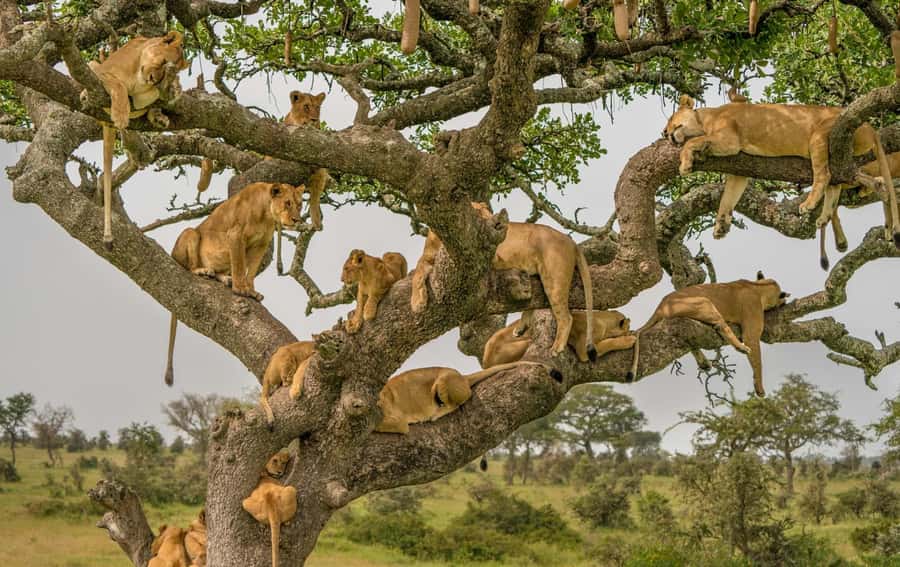
The reward is that your arrival is not simply a transfer. Once you enter the park, the drive becomes a game drive, and you may begin looking for the animals that make the Serengeti famous. The stated species list includes lion, leopard, elephant, cheetah, buffalo, zebra, wildebeest, eland, wild dog, gazelle, and crocodile. Sightings are never guaranteed, but the itinerary provides time to look.
You spend the night at Serengeti Seronera Campsite. This is pitched-tent camping with shared bathrooms. A chef prepares your dinner, which takes some work off your shoulders after the long drive. Still, bring a patient attitude. Safari days are early, roads can be tiring, and camp life is functional rather than pampered.
Birdlife is part of the experience, too. The park can offer eagles, vultures, secretary birds, ibis, storks, herons, kites, pelicans, cranes, guinea fowl, ducks, geese, and egrets. Eurasian migrant birds are also included in the wildlife description, so you are not limited to the large mammals.
Day two: a full Serengeti day near Seronera
Day two is the strongest part of the schedule for many people. After breakfast, you take morning and afternoon game drives in Serengeti National Park, with all meals included. Unlike a route that only crosses the park on the way to somewhere else, this day gives you a full block of time for wildlife viewing.
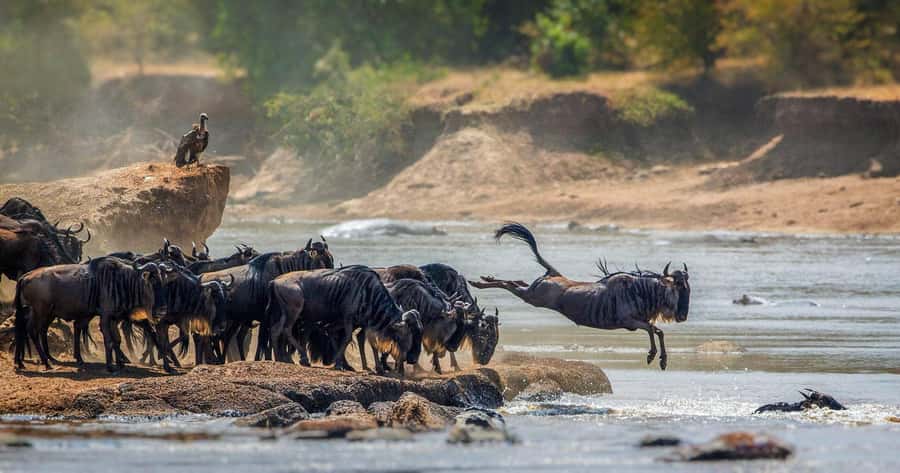
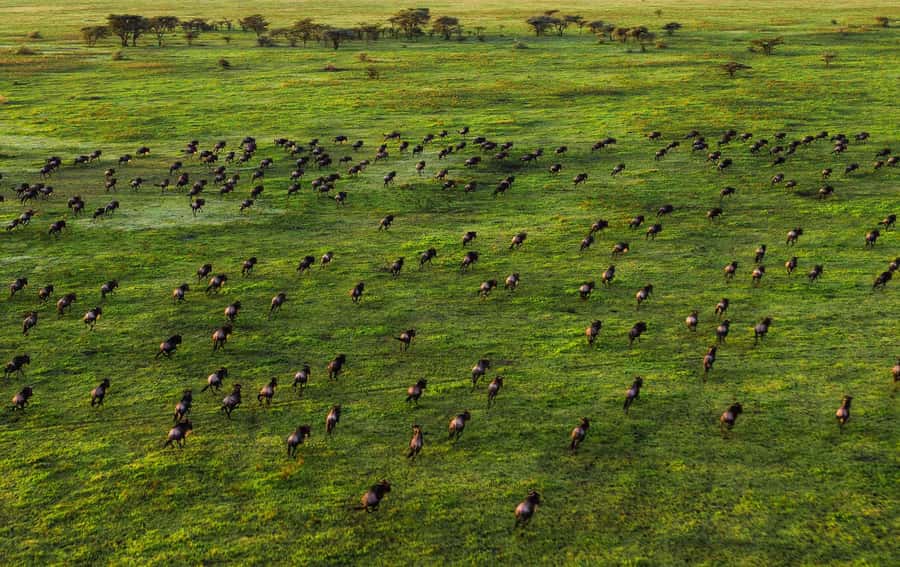
The Serengeti is so large that your guide’s decisions matter. This is described as a migration safari, and the game drives depend on where the herds are moving. You should understand that the word migration does not mean a fixed spectacle at one guaranteed viewpoint. The wildebeest herds move, and the daily plan changes with them.
I like this flexible approach. A guide who can adjust the route has a better chance of locating animals than someone following a rigid loop. At the same time, flexibility means you may spend long stretches driving and searching. That is normal for safari, not a flaw in the itinerary, but it is worth knowing before you arrive.
The morning and afternoon format also gives the day a natural rhythm. You have two main viewing periods rather than one continuous drive. Exact break arrangements are not specified, so ask your operator how lunch and rest periods are handled during the full-day schedule.
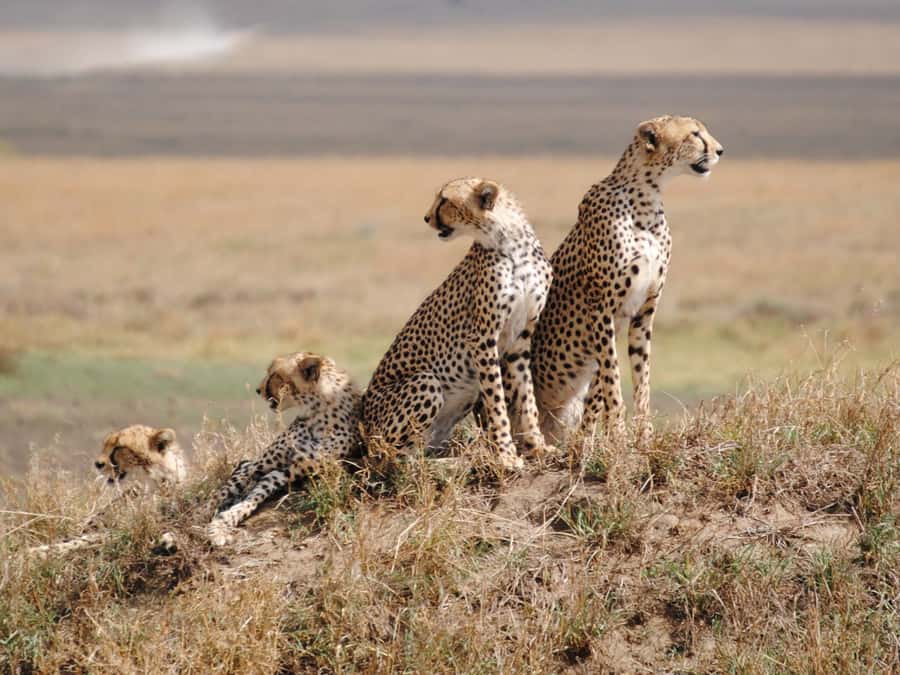
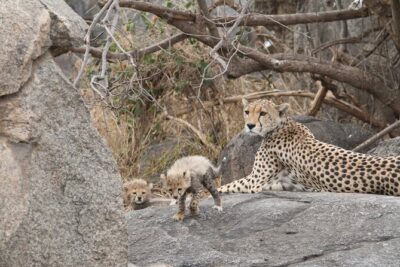
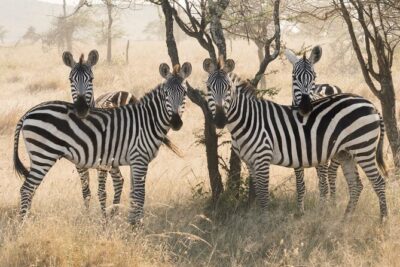
The animal list is broad, but you should keep expectations sensible. Lions, buffalo, zebra, wildebeest, gazelles, and many birds are among the species named for the park. Leopard, cheetah, elephant, and wild dog are also possible targets, but no safari can promise every species. The package promises game drives according to the itinerary, not a guaranteed sighting of the Big Five.
You return to Serengeti Seronera Campsite for another night. Having two nights at the same campsite is useful because you avoid packing up every morning. It also means the second day can focus almost entirely on the Serengeti rather than another transfer.
Day three: early wildlife viewing and the Ngorongoro Crater Rim
The third day begins early, with a 6:00 a.m. game drive in the Serengeti. You return to camp at 9:00 a.m. for breakfast, then check out and continue toward the Ngorongoro Crater Rim with lunch and game viewing along the way.
This is a full day with two different jobs. The early drive gives you another chance to see animals in the Serengeti, while the later journey takes you toward Ngorongoro. The early start may be tiring, but it gives you more time in the park before leaving.
The transfer to Ngorongoro is not dead time. The plan includes game viewing en route, so keep your camera ready and expect the day to move at safari pace. You will not have an entire second full day in the Serengeti, but the early drive helps compensate.
Ngorongoro Crater is the visual change you have been waiting for. It is the world’s largest unbroken caldera, formed by a huge volcanic collapse. The crater is described as about 260 square kilometers in area and 610 meters deep. From the rim, you get the broad view that makes Ngorongoro such a memorable part of northern Tanzania.
You spend the night at Ngorongoro Simba A Campsite. The crater-rim stop is valuable even before the crater-floor drive because it gives you the chance to see the caldera from above. The exact accommodation style remains camping, so do not confuse the scenic setting with hotel comfort.
There is an optional visit to Olduvai Gorge and its museum for an extra fee. The schedule does not include that cost, so treat it as an add-on rather than part of the $1,240 package. If you are interested in archaeology and human origins, ask about the timing and fee before deciding. If your priority is wildlife, you may prefer to protect your limited time for the crater.
More Camping Safaris in Tanzania:
- 4 Days Group Camping Safari
★ 5.0 · 1,101 reviews - 5 Days Group Camping Safari
★ 5.0 · 730 reviews - 2 Days Tarangire and Ngorongoro Group Camping Safari
★ 5.0 · 146 reviews - 6 Days Tanzania Budget Camping Safari
★ 5.0 · 145 reviews
Day four: down into Ngorongoro Crater
You have breakfast early, then leave at 7:30 a.m. for the descent into Ngorongoro Crater. The crater-floor game drive is the final major wildlife session of the trip, followed by lunch, more viewing while ascending, and the return to Arusha.
The crater offers a different type of safari from the Serengeti. Its enclosed setting concentrates many animals in a relatively limited area. The stated Big Five list includes rhino, lion, leopard, buffalo, and elephant. You may also look for zebra, hippo, wildebeest, hyena, and other species.
The crater’s compact shape can make the viewing feel more focused, but the day is still not a wildlife guarantee. Animal movements, weather, road conditions, and timing all affect what you see. Your guide’s role is to make sensible use of the available time.
Lunch is included, and you continue with game viewing as you ascend. After that, the vehicle returns you to Arusha town or Arusha Airport. Since the drop-off can be at the airport, this safari may fit well before a flight, but you should confirm your flight time directly with the operator. The schedule does not promise a specific arrival hour.
Camping, meals, and what the price really covers
The camping arrangement is the key practical detail. You sleep in pitched tents and use shared bathrooms. A chef prepares all your meals, and bottled water is included. This gives you a more self-contained safari setup without requiring you to find restaurants during the route.
The first day is the exception for breakfast. Eat at your Arusha hotel or arrange food before the 8:00 a.m. pickup. Breakfast is included on later days according to the schedule.
Drinks and beverages are not included. Bring extra money for those purchases, and do not assume that every drink beyond the supplied bottled water is covered. The tour also excludes the Olduvai Gorge museum fee.
At $1,240 per person, the value depends on what you want from accommodation. The price is easier to justify if you care most about park access, guiding, meals, water, and the two major wildlife areas. It is less attractive if you compare it with a lodge-based safari and expect private bathrooms or upgraded rooms.
The inclusions are useful because they reduce the number of separate costs you must arrange. You receive park fees, three nights of accommodation, meals as scheduled, hotel transport in Arusha, and guide support. Before paying, ask about group size, vehicle arrangements, tent equipment, and the exact camping setup. Those details are not provided and can change how comfortable the trip feels.
Who should book this safari
I would point this trip toward an active visitor who wants a short, wildlife-heavy route and accepts simple camping. It suits you if you want the Serengeti and Ngorongoro in one compact journey, especially if a full Serengeti day matters more to you than visiting several different parks.
It also suits photographers and wildlife watchers who prefer time in the field over expensive rooms. The morning and afternoon drives on day two, the early drive on day three, and the crater-floor drive on day four give you several chances to search for animals.
I would think twice if you have back problems, since the tour is specifically not suitable for people with back problems. It is also not suitable for pregnant women. Long drives, early starts, tent sleeping, and shared bathrooms require physical comfort with basic conditions.
Drones and pets are not allowed. Bring your passport or ID card, and confirm any other packing requirements with the operator before departure.
English is the listed guiding language, and the experience is operated by Excellent Gamespotting Adventures. Pickup is from hotels in Arusha town, with drop-off at an Arusha hotel or Arusha Airport.
Should you book the Serengeti and Ngorongoro camping safari?
Book it if your main goal is to see Tanzania’s headline parks within four days and you are comfortable trading lodge comfort for better access and a lower overall cost. The strongest parts are the full Serengeti day, the migration-focused routing, the crater-rim stop, and the final game drive inside Ngorongoro.
Do not book it expecting luxury, a private bathroom, or guaranteed Big Five sightings. Ask about group size and vehicle details before confirming, then pack for early mornings, long drives, and simple camp life. For the right kind of safari guest, $1,240 buys a focused route with the essential parks, fees, meals, and guiding already arranged.
FAQ
Where does the safari begin?
Pickup is from hotels in Arusha town at 8:00 a.m. on the first day.
How long does the safari last?
The safari lasts four days and includes three nights of accommodation.
Which parks and areas does the route visit?
The route visits Serengeti National Park and the Ngorongoro Crater area, including the crater rim and crater floor.
Is breakfast included on the first day?
No. Breakfast is not included on the first day. Meals are provided according to the remaining itinerary.
Where do I sleep?
You sleep in pitched tents at Serengeti Seronera Campsite and Ngorongoro Simba A Campsite. Bathrooms are shared.
Are meals included?
Yes. Meals are included according to the itinerary, and a chef prepares the meals. Drinks and beverages are not included.
Is the Olduvai Gorge museum included?
No. A visit to the Olduvai Gorge museum is optional and costs extra.
What language does the guide speak?
The live tour guide speaks English.
Just added in Tanzania
- Safari “Kifaru” – 5 days in the most famous Parks in the world★ 5.0 · 4 reviews
- Saadani Day Trip★ 5.0 · 13 reviews
- 3 Days Tanzania Short and Spicy★ 5.0 · 6 reviews
- 5 Day Tanzania Safari Camping Adventure Private Tour★ 5.0 · 2 reviews
- Day Trip to Ngorongoro Crater from Arusha★ 5.0 · 1 review
- SERENGETI NATIONAL PARK Tour★ 4.5 · 5 reviews
- 6 Days Tanzania Bush Experience Safari★ 5.0 · 6 reviews
- 3 Days Serengeti Park & Ngorongoro Crater Adventure Safari★ 5.0 · 8 reviews
Serengeti & Ngorongoro Safaris, compared.
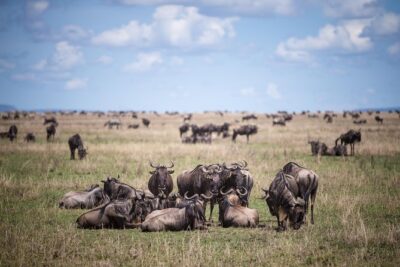
Serengeti Balloon Safari and authentic bush breakfast
Read our review →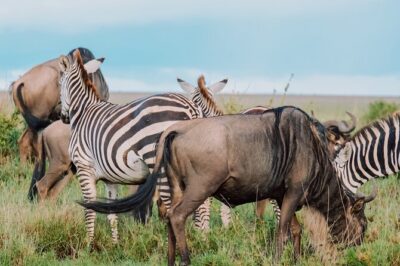
Balloon Safari & Bush Breakfast in Serengeti – Miracle Experience
Read our review →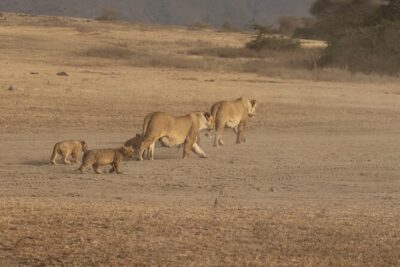
3 Days Serengeti & Ngorongoro Group Camping Safari
Read our review →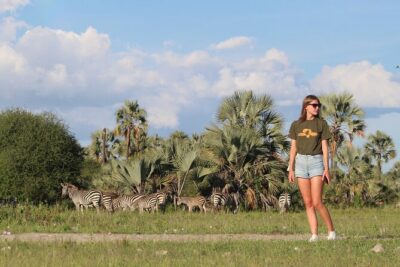
5-Day Highlights mid-Range Crater, Serengeti, Tarangire
Read our review →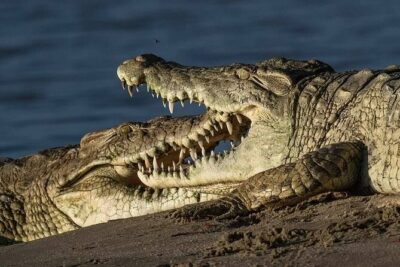
Private 6-Day Tarangire Manyara Crater and Serengeti with Mid-Range Lodges
Read our review →
5 Days Camping Tarangire, Serengeti & Ngorongoro crater & Visiting Maasai
Read our review →Browse the lists this tour appears in