
Reviewed · 5-DAY EXPERIENCES
5-Day Tanzania Safaris (living Among lions-mid-range)
The crater is only the beginning. This five-day safari links Lake Manyara, Serengeti, and Ngorongoro, giving you three very different wildlife settings in one compact trip. I like the route because it includes both the broad plains of the Serengeti and the enclosed world of Ngorongoro Crater. I also like that park fees, meals, lodging, transport, airport transfers, and a professional guide are included. The main consideration is the long amount of time spent on the road, especially on the transfer between Manyara and the Serengeti.
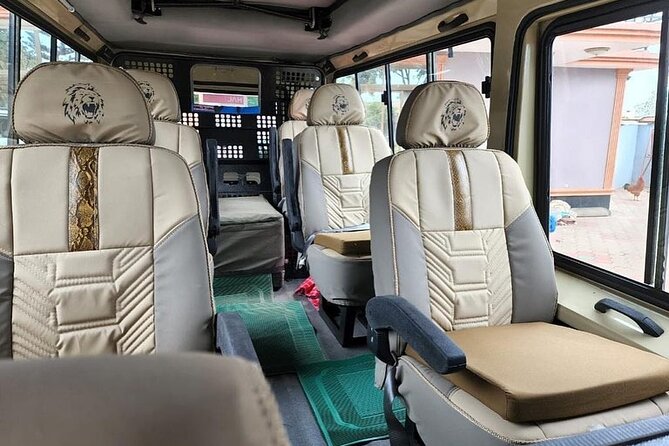
You pay about $2,700 per person for the mid-range package. That is a serious sum, but it covers the costly parts of a Tanzanian safari: park access, a private tour arrangement, accommodation, food, and a dedicated safari vehicle and guide according to the tour details. One account connected with this trip describes sharing a vehicle with four other people, so I would confirm the vehicle setup before paying if a fully private ride matters to you. Guides named in the feedback include Rafael and Salim, with particular praise for careful wildlife viewing and respect for Tanzania’s animals.
In This Review
- Five details that shape the safari
- What $2,700 buys you in Tanzania
- Day 1: elephants and flamingos at Lake Manyara
- Day 2: entering the Serengeti through the highlands
- Day 3: a full Serengeti morning around Seronera
- Day 4: Olduvai Gorge and the approach to Ngorongoro
- Day 5: descending into Ngorongoro Crater
- The rhythm of transport, meals, and game drives
- The guides and the wildlife ethic
- Who will get the most from this route
- Small details to settle before booking
- Should you book this five-day safari?
- FAQ
- Where does the safari start?
- Where does the safari end?
- How long does the safari last?
- Which parks and areas are included?
- Are park fees included?
- Are meals included?
- Is the hot-air-balloon flight included?
- What is not included in the price?
Five details that shape the safari
- Lake Manyara begins the wildlife story: You may see elephants, flamingos, and the park’s famous tree-climbing lions on the first afternoon.
- Seronera is the main wildlife base: The central Serengeti area has water from the Seronera River, which helps draw many species.
- Olduvai Gorge adds human history: The stop connects your safari with the discoveries of Nutcracker Man and Handy Man.
- Ngorongoro Crater packs animals into one setting: A half-day drive can produce sightings of herbivores and predators in close quarters.
- A balloon flight is optional: You can arrange a hot-air-balloon ride over the Serengeti for an extra charge.
- The package covers most daily costs: Four breakfasts, five lunches, four dinners, accommodation, park fees, taxes, transport, and airport transfers are included.
What $2,700 buys you in Tanzania
The price makes more sense when you look at what is bundled together. A five-day safari needs a vehicle, fuel, park permits, conservation fees, several nights of lodging, meals, airport transfers, and someone who knows the roads and wildlife areas. Here, those main costs are included, along with accommodation and a professional guide.
I would still read mid-range with care. The details supplied do not name the lodges, camps, room types, or exact accommodation locations. That makes it hard to judge comfort, distance from park gates, or whether you will sleep in a lodge or tent. One account describes tented accommodation every night, but that account also gives a slightly different route and says the vehicle was shared with four other people.
That difference is worth clearing up. The advertised arrangement is a private activity for your group, while the detailed account describes a shared vehicle. It may reflect different booking options or a change in the operating plan. Ask three direct questions before booking: Is the vehicle private? What are the accommodation names? Is the $2,700 rate based on one room, a shared room, or a specific group size?
The included meals are useful on a route where you cannot simply stop for lunch whenever you wish. Four breakfasts, five lunches, and four dinners are covered. Tips and international flights are not included, so keep those outside your main budget.
A few more options to weigh up in Arusha
- Balloon Safari & Bush Breakfast in Serengeti – Miracle Experience
★ 5.0 · 1,646 reviews - Tanzania Classic – 7 Days
★ 5.0 · 1,151 reviews - 4 Days Group Camping Safari
★ 5.0 · 1,101 reviews
Day 1: elephants and flamingos at Lake Manyara
The safari starts with pickup in Arusha or Moshi, followed by transfer to Lake Manyara National Park. You arrive in time for lunch at the lodge, then head into the park for an afternoon game drive. The stated stop lasts about seven hours, including the day’s park visit and movement into the area.
Lake Manyara is a strong opening act because it looks and feels different from the Serengeti. A shallow soda lake covers roughly two-thirds of the park, pressed against the western escarpment of the Great Rift Valley. That mix of water, woodland, and steep slopes gives you more than one kind of scenery during a single drive.
The park is known for one of Tanzania’s larger concentrations of elephants. You may also see large groups of flamingos feeding on algae near the lake. The unusual prize is the tree-climbing lion. Seeing one is never guaranteed, but the possibility gives this first afternoon a clear purpose beyond simply checking off a park.
There is a practical catch. An afternoon drive offers limited time compared with a full day, and the transfer from Arusha or Moshi takes part of your schedule. If your main goal is lions and big cats, Lake Manyara is a fine introduction, but the Serengeti and Ngorongoro are likely to be the stronger sections of the trip.
Day 2: entering the Serengeti through the highlands
After breakfast, you travel through the farmland around Karatu and the Ngorongoro Conservation Area before reaching the Serengeti. The route changes gradually. High ground and cultivated areas give way to open plains, and the sense of distance grows as you continue toward the central park.
The plan is to reach the Seronera area in time for lunch and an afternoon game drive. Seronera is one of the most productive wildlife areas in the park because the Seronera River provides a dependable water source. That water helps attract animals, so you have a reasonable chance of seeing a broad mix of species in one part of the park.
This is also the day when you need patience. The seven-hour estimate does not mean seven hours of constant animal watching. It includes a substantial transfer, lunch, and the game drive. The road portion can feel long, but it buys you access to the central Serengeti, rather than limiting the safari to a park closer to Arusha.
The Serengeti’s scale is part of the appeal. You can look across open country and feel the distance in a way that a small reserve cannot provide. It also means sightings may be spread far apart. Your guide’s ability to read tracks, watch animal behavior, and communicate with other vehicles matters greatly here. Rafael and Salim are specifically named in the supplied feedback, with praise for dedicated guiding and respect for wildlife.
Day 3: a full Serengeti morning around Seronera
Day 3 keeps you in the Serengeti, which is a smart use of time. You are not packing up immediately for another long transfer, so the morning can focus on game viewing around the Sogore River Circuit, south of the Seronera River.
The route is associated with possible sightings of lion, Thomson’s gazelle, topi, ostrich, and cheetah. The wording matters: these are possibilities, not promises. Wildlife moves, and no ethical guide can guarantee a leopard, cheetah, or river crossing on a set schedule.
After the morning drive, the Serengeti Visitor Centre near Seronera Lodge and the public campsites offers a change of pace. It can help you understand the park beyond the vehicle window, though the supplied details do not specify how much time is allocated there. Ask your guide whether the visit is built into the day or depends on the timing of the game drive.
A hot-air-balloon flight is available by advance arrangement for an extra fee. From above, you can watch the bush wake up and see the plains, rivers, and small villages from a different angle. The cost is not included, and the itinerary does not give a price, so treat it as an optional splurge rather than part of the $2,700 value calculation.
The strongest feature of this day is simply having another morning in the Serengeti. One account connected with the operator describes seeing four wildebeest crossings at the Mara River during a five-day safari. That is not part of the fixed route or a promise for your dates, but it shows how much luck and timing can add to a short visit.
A different kind of day out entirely:
- 5 Days Group Camping Safari
★ 5.0 · 730 reviews - Materuni Waterfalls, coffee tour & Kikuletwa Hot Springs
★ 5.0 · 643 reviews - 3 Days Serengeti & Ngorongoro Group Camping Safari
★ 5.0 · 574 reviews - 7-Day Premium Luxury Tanzania Safari All-Inclusive
★ 5.0 · 426 reviews
Day 4: Olduvai Gorge and the approach to Ngorongoro
After breakfast, you leave the Serengeti for the Ngorongoro Conservation Area. The route includes a stop at Olduvai Gorge, one of the most important archaeological sites connected with early human evolution.
The gorge is tied to the work of Drs. Louis and Mary Leakey, who discovered skulls identified as Nutcracker Man and Handy Man. This stop gives the trip a human dimension. You are not only watching animals in a protected area; you are also passing through a place central to the study of where humans came from.
The supplied schedule assigns about seven hours to this day, but it does not spell out the overnight accommodation or exact time at Olduvai Gorge. That is another point to confirm in advance. If the gorge visit is important to you, ask whether an entrance charge, museum visit, or guided interpretation is included. The itinerary marks admission as free, but it does not explain the full arrangement.
Ngorongoro is more than a park stop. It is a conservation area with its own rules and setting, and the crater visit happens the next morning. The overnight position matters because an early start is needed for the descent into the crater. Ask where you sleep on Day 4 and how early the vehicle leaves on Day 5.
Day 5: descending into Ngorongoro Crater
The final morning begins with an early breakfast and a descent of more than 600 meters into Ngorongoro Crater. The planned game drive lasts about half a day, although the day’s listed activity duration is approximately seven hours when transfers and other movements are counted.
Ngorongoro works well as the finale because animals are concentrated in a contained setting with year-round water and grazing. You may see wildebeest, zebra, buffalo, eland, warthog, hippo, and large African elephants. The crater also supports many predators, including lions, hyenas, jackals, cheetahs, and the elusive leopard.
Lake Magadi is one of the crater’s main features. It is a large, shallow alkaline lake in the southwestern part of the crater, and it can attract wildlife and birds. Again, conditions determine what you see. A crater drive improves your odds of varied sightings, but it does not turn wild animals into scheduled performers.
The day ends back in Arusha, which makes the route useful if you are continuing from there or need to finish near your starting point. The material also says airport pickup and return transfer are included. It does not specify which airport, so confirm the pickup point and drop-off timing if you have a flight on the same day.
The rhythm of transport, meals, and game drives
A safari is not a city tour with neat hourly blocks. The listed seven-hour durations include road travel, meals, park entry, and animal watching. Some stretches will feel active and full; others may involve long drives over rough roads while you search the horizon.
Pickup is offered from Arusha or Moshi, with the meeting point listed as Arusha. The tour ends back at the meeting point. Transport, park fees, and taxes are included, which removes much of the daily payment fuss.
The private-tour description suggests a more personal setup, but the account describing a shared vehicle with four other people should not be ignored. Sharing can lower the cost and make sightings more social, but it also means waiting when someone else wants a different pace. If quiet viewing and control over stops are important, get the group size in writing.
The food plan is practical rather than a selling point. Breakfast, lunch, and dinner are included on the stated schedule, but no menu or dietary information is provided. If you have special food needs, ask the operator before departure instead of assuming the lodge or camp can handle them.
The guides and the wildlife ethic
A safari guide shapes the trip more than a glossy description does. The strongest praise attached to this experience goes to the guides’ effort, wildlife awareness, and ability to help with major sightings. Rafael is credited with meticulous attention during a five-day safari, while Salim is praised for respecting Tanzania’s wildlife.
That matters because a good sighting is not only about finding an animal. It is also about how close the vehicle gets, how long it stays, and whether the guide gives the animal room. The comments about Salim respecting wildlife are especially encouraging for anyone who wants a safari that treats the park as a living place rather than a photo set.
You should still ask who your actual guide will be. Named guides may not be assigned to every departure. Confirm the guide’s name, vehicle arrangement, and whether the same guide remains with you across all five days.
Who will get the most from this route
I would choose this safari if you want a first taste of northern Tanzania without building a longer custom itinerary. It covers three major wildlife areas and includes a useful balance of open plains, woodland near a lake, and the crater’s enclosed setting.
It suits you best if you can handle long road days and early starts. The route is active, and the wildlife schedule depends on nature. You need to be comfortable with changing conditions, dusty roads, and the possibility that a hoped-for animal will not appear.
It is also a good fit if you value an all-in-one price. With lodging, meals, park fees, transport, and transfers included, the package is easier to budget than a trip assembled piece by piece. It may not suit you if you want luxury lodges, a slow pace, or a fully specified accommodation plan.
Most people can participate, according to the supplied information. The activity is private according to the booking details, but the shared-vehicle account makes confirmation essential for anyone with mobility, comfort, or personal-space concerns.
Small details to settle before booking
The cancellation terms are generous if your plans change early: you can receive a full refund by canceling at least 24 hours before the local start time. Inside that window, the payment is not refunded, and changes are not accepted.
The experience is offered daily, with operating hours listed from 8:00 a.m. to 11:30 p.m. Confirmation is provided at booking. International flights and tips are extra.
I would ask for the following in one written message:
- The names of every lodge or camp
- The exact vehicle and group size
- The airport covered by the transfer
- The planned overnight location after Olduvai Gorge
- The guide assigned to your departure
- The price and timing of the optional balloon flight
Should you book this five-day safari?
I would book it if your priority is seeing a lot of northern Tanzania in a short period and keeping the main costs together. Lake Manyara gives you elephants and possible tree-climbing lions, the Serengeti provides open-country wildlife viewing, and Ngorongoro offers a concentrated final game drive.
I would pause before booking if the accommodation standard, private vehicle, or daily driving time is crucial to your decision. The route is attractive, but several practical details are not specified, and one account describes a shared vehicle and tented nights. Get those points confirmed, then judge the $2,700 price against what is actually supplied.
For a first safari, this is a strong, wildlife-heavy plan. Just remember that the best moments come from patience, timing, and a guide who puts the animals first.
FAQ
Where does the safari start?
The listed meeting point is Arusha, Tanzania. Pickup is also offered from Moshi or Arusha.
Where does the safari end?
The activity ends back at the meeting point in Arusha.
How long does the safari last?
The safari lasts approximately five days.
Which parks and areas are included?
The route includes Lake Manyara National Park, Serengeti National Park, the Ngorongoro Conservation Area, Olduvai Gorge, and Ngorongoro Crater.
Are park fees included?
Yes. All park fees and taxes are included.
Are meals included?
Yes. The package includes four breakfasts, five lunches, and four dinners.
Is the hot-air-balloon flight included?
No. The Serengeti balloon flight is available at an additional cost and must be arranged in advance.
What is not included in the price?
International flights and tips are not included.
Just added in Arusha
- Safari “Kifaru” – 5 days in the most famous Parks in the world★ 5.0 · 4 reviews
- Saadani Day Trip★ 5.0 · 13 reviews
- 3 Days Tanzania Short and Spicy★ 5.0 · 6 reviews
- 5 Day Tanzania Safari Camping Adventure Private Tour★ 5.0 · 2 reviews
- Day Trip to Ngorongoro Crater from Arusha★ 5.0 · 1 review
- SERENGETI NATIONAL PARK Tour★ 4.5 · 5 reviews
- 3 Days Serengeti Park & Ngorongoro Crater Adventure Safari★ 5.0 · 8 reviews
- 6 Days Tanzania Bush Experience Safari★ 5.0 · 6 reviews
5-Day Experiences, compared.
5-Day Highlights mid-Range Crater, Serengeti, Tarangire
Read our review →
5 Days Camping Tarangire, Serengeti & Ngorongoro crater & Visiting Maasai
Read our review →
5-Day Private Northern Tanzania Safari from Arusha
Read our review →
5 Days Best of Tanzania Luxury Safari Northern Circuit
Read our review →
5-Day Private midrange Tour in Arusha with Airport Pickup
Read our review →Browse the lists this tour appears in