
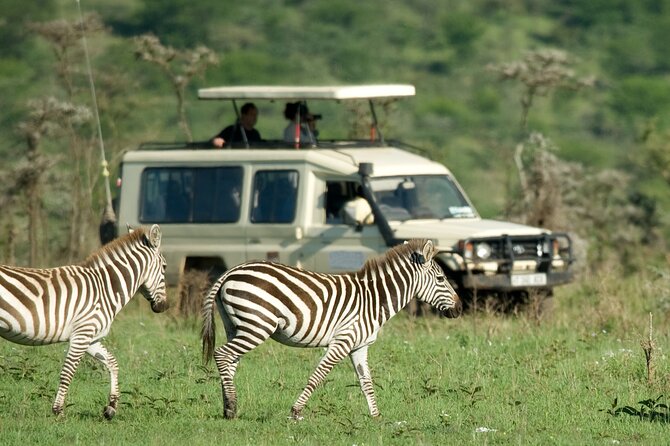
Reviewed · 5-DAY EXPERIENCES
5 Days Budget Safari in Tanzania
Wildlife comes first on this compact safari. From Arusha, you visit four of northern Tanzania’s best-known parks, with meals, camps, park fees, and daily game drives arranged for you. I especially like the excellent park lineup and the small group limit of seven people. I also like that the route includes both the wide-open Serengeti and the very different Ngorongoro Crater.
The main tradeoff is time on the road. Day 2 includes a long, bumpy drive toward the Serengeti, and the schedule moves quickly from one camp to the next. If you want a soft bed, long stays, and slow mornings, this budget safari may feel demanding. If you want to see a lot in five days without planning every meal and transfer yourself, it offers strong value.
In This Review
- Key points at a glance
- What $1,200 buys you in five days
- Day 1: Tarangire’s elephants and baobabs
- Day 2: The long road to the Serengeti
- Day 3: Sunrise in the Serengeti
- Day 4: Down into Ngorongoro Crater
- Day 5: Lake Manyara and the return to Arusha
- The guide and vehicle can shape the whole trip
- The pace, comfort, and road conditions
- What the strongest praise tells you
- Who should book this safari?
- Booking details worth knowing
- Should you book the five-day Tanzania safari?
- FAQ
- Where does the safari begin?
- How much does the safari cost?
- How long does the safari last?
- Which national parks are included?
- Are park fees included?
- Are meals included?
- Are flights and visa fees included?
- How many people can join the safari?
- Can I cancel for a full refund?
Key points at a glance
- Four major wildlife areas: Visit Tarangire, Serengeti, Ngorongoro Crater, and Lake Manyara in five days.
- Small group size: The vehicle can carry a maximum of seven people, which gives you a better chance of seeing and hearing the guide.
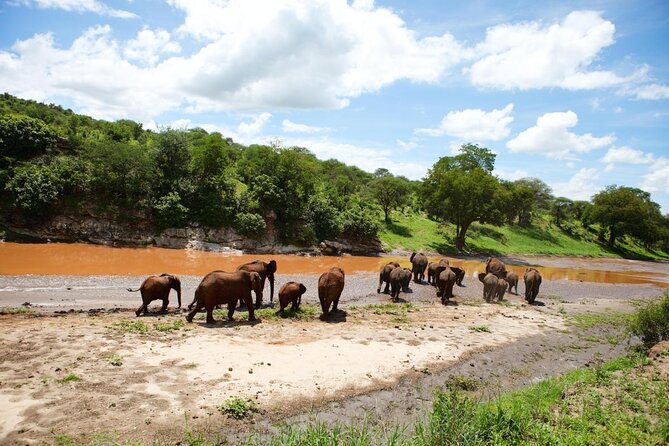
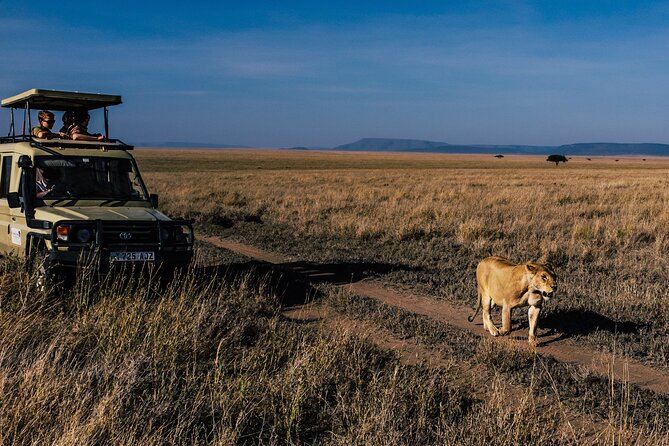
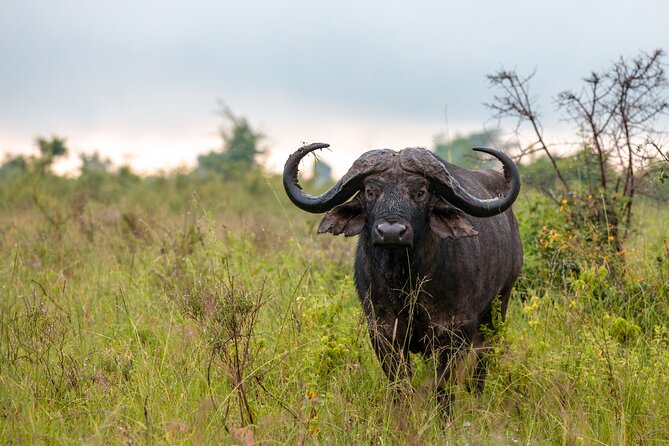
- Big wildlife focus: The route is built around elephants, lions, leopards, rhinos, buffalo, giraffes, zebras, and many bird species.
- Camping and lodge mix: Overnight stops include Fig Tree Lodge and camps at Seronera and Simba.
- Meals are arranged: Four breakfasts, four lunches, and four dinners are included, reducing the daily planning burden.
- Good budget value: At $1,200 per person, park fees, food, transport, and a tightly planned route are bundled together.
What $1,200 buys you in five days
At $1,200 per person, this is not simply a five-day drive through Tanzania. The price covers all park fees, four breakfasts, four lunches, and four dinners, along with the planned safari transport and overnight arrangements described for the route.
That matters because national park fees can add up quickly, especially when you visit several protected areas. You are paying for access to Tarangire, Serengeti, Ngorongoro Crater, and Lake Manyara, rather than spending the whole trip in one park.
The value also comes from the planning. You do not need to arrange separate transfers between Arusha, the camps, and each park gate. Meals are built into the schedule, and the route has been arranged so you finish back in Arusha at about 5pm on the last day.
There are limits. Flights, visa fees, and tips are not included. Accommodation is part of the arranged safari plan, with Fig Tree Lodge, Seronera campsite, and Simba campsite named in the schedule, but you should confirm the exact room or tent setup before paying.
This is a budget safari, so expect practical accommodation rather than a luxury lodge circuit. The tradeoff is more time in the parks and a lower total price.
A few more options to weigh up in Arusha
- Balloon Safari & Bush Breakfast in Serengeti – Miracle Experience
★ 5.0 · 1,646 reviews - Tanzania Classic – 7 Days
★ 5.0 · 1,151 reviews - 4 Days Group Camping Safari
★ 5.0 · 1,101 reviews
Day 1: Tarangire’s elephants and baobabs
The safari starts with a 7:30am pickup from your hotel in Arusha. The drive to Tarangire National Park takes about two hours, making this a fairly gentle first morning compared with the longer road stretches later in the trip.
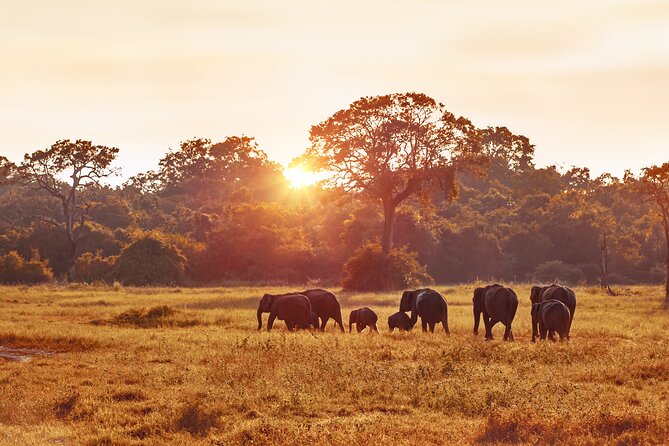
Tarangire is known for its large elephant herds and ancient baobab trees. These giant trees give the park a strong sense of place, and the scenery changes as you move through seasonal swamps, open savanna, and areas near the Tarangire River.
That river is important to the day’s wildlife viewing. You might see elephants, giraffes, impalas, zebras, lions, leopards, elands, warthogs, and a wide range of birds. The open-roof vehicle gives you a clear view above the grass and allows better sightlines when animals are close by.
Lunch is served at a picnic site with a notable view. You then continue with an afternoon game drive before heading to Fig Tree Lodge for dinner and the night.
I like this opening day because it gives you a real safari setting without immediately wearing you out with a full day of driving. The drawback is that Tarangire receives only one game-drive day on this route. If elephants are your main interest, you may wish you had more time here.
Day 2: The long road to the Serengeti
After breakfast, you leave for the Serengeti. The drive takes around four to five hours and passes through the crater highlands before reaching the huge open plains of the park.
This is the day to set realistic expectations. The road is described as long and bumpy, and the schedule combines transport with game viewing. You are not spending the whole day sitting still in a camp, but the distance is part of the price of reaching the Serengeti from the Arusha area.
A picnic lunch comes before checking into the park, followed by an afternoon game drive. The day ends with sunset viewing and a night at Seronera campsite.
The timing works well if you want to reach the Serengeti quickly. Seronera is a useful base for the central part of the park, and arriving in time for an afternoon drive gives you a first look at the plains before dinner.
Pack patience for this day. The safari vehicle is doing two jobs: carrying you between parks and serving as your game-viewing platform. Keep water, sun protection, and anything you need during a long road stretch close at hand.
Day 3: Sunrise in the Serengeti
Day 3 begins early, around 6am, with a sunrise game drive. Early morning is a sensible time for a game drive because the schedule is designed to find animals when they are most active.
You stop for breakfast at a picnic site in the bush, then continue watching wildlife before returning to camp around noon. A hot lunch follows at camp, after which you load the vehicle and leave for the Ngorongoro area.
This is one of the strongest days for anyone who wants a classic Serengeti experience. You get a full morning in the park rather than only a short stop, and the sunrise timing gives the day a special rhythm. You should also expect a busy schedule, since the afternoon includes a transfer toward Ngorongoro.
Dinner and overnight accommodation are at Simba campsite. The change from Seronera to Simba means you are not staying put for several nights, but it keeps the five-day route moving toward the crater.
Several reviews praise the organization, food, and guides on this safari. Names connected with the operation include Khaled or Khalid, Abushir, and Ben, while Guga and Hussein are mentioned for arranging trips. The names vary between accounts, so confirm your assigned guide before departure. One particularly useful point is that a guide may make a major difference in how much you see and how much you learn during the long drives.
A different kind of day out entirely:
- 5 Days Group Camping Safari
★ 5.0 · 730 reviews - Materuni Waterfalls, coffee tour & Kikuletwa Hot Springs
★ 5.0 · 643 reviews - 3 Days Serengeti & Ngorongoro Group Camping Safari
★ 5.0 · 574 reviews - 7-Day Premium Luxury Tanzania Safari All-Inclusive
★ 5.0 · 426 reviews
Day 4: Down into Ngorongoro Crater
After an early breakfast, you descend into Ngorongoro Crater. This is the day when the itinerary shifts from broad Serengeti plains to a more enclosed setting with a high concentration of East African wildlife.
The crater is presented as a place where you might see nearly every species native to the region, including the rare black rhino. A rhino sighting is never something to count on, but the possibility is one of the main reasons this stop matters.
You choose between a picnic lunch at Hippo Lake or a hot lunch at camp. That choice gives you a little control over the day. The picnic option keeps you out in the crater longer, while the hot meal offers a more conventional break.
After the crater drive, you continue to Fig Tree Lodge for dinner and the night. The schedule lists the crater admission ticket as included, while the other park entries are shown as free in the daily descriptions. The overall inclusion list confirms that all park fees are covered.
Ngorongoro is likely to be one of the most memorable parts of the route, but the day is not leisurely. An early breakfast, a descent, a full wildlife drive, lunch, and another transfer make this another full day. If you prefer unhurried photography, five days may feel too short.
Day 5: Lake Manyara and the return to Arusha
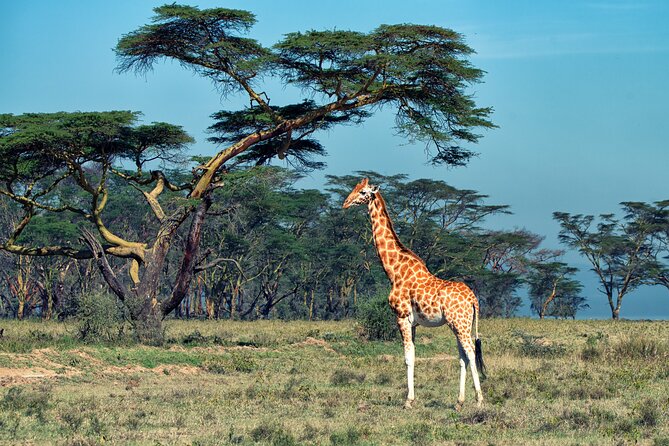
On the final morning, breakfast is followed by a short drive of about five minutes to Lake Manyara National Park’s gate. This is a convenient finish because you do not begin with a long transfer before entering the park.
Lake Manyara is a relatively small park with a surprising mix of habitats. A salt lake covers much of the park, changing with the seasons and supporting thousands of flamingos. More than 300 other bird species are also associated with the park.
The scenery includes grassy plains, woodlands filled with primates, and cliffs dotted with baobabs. Lake Manyara is also known for tree-climbing lions, though the schedule presents them as something you hope to find rather than a guaranteed sighting.
You spend about six hours in the park and expect to reach Arusha around 5pm. That return time is useful if you have an evening departure, but do not book a flight without allowing extra margin. The stated arrival is an estimate, and game viewing and road conditions can affect the day.
I like the final stop because it adds birds, primates, lake scenery, and a different setting after the larger parks. It also prevents the safari from ending with only a long drive back to Arusha.
The guide and vehicle can shape the whole trip
On a safari, the guide is not just a driver. Your guide handles park roads, spots animals, explains behavior, and helps the group make decisions about timing. Several accounts give high praise to guides including Khaled, Khalid, Abushir, and Ben, with particular attention to friendly service, animal knowledge, and good judgment during game drives.
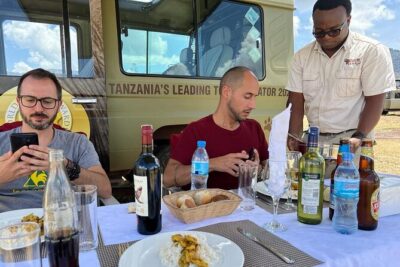
The operation also receives praise for its English-speaking guides, organization, and cooking. Omary is named as a chef in one account, and the food is described as varied and enjoyable. That is useful information for a camping safari, where good meals can make a long day much easier.
The vehicle has an open roof, which is essential for viewing animals and taking photographs. You share the vehicle with up to six other people, so personal space is limited. The small maximum group size is a clear advantage, but it does not mean a private safari.
I would ask three questions before booking:
- Who will be the guide?
- How many people are currently booked?
- What exact accommodation is planned for each night?
Those answers will help you understand the comfort level and the group dynamic before you arrive.
The pace, comfort, and road conditions
This safari covers a lot of ground. You spend about six to seven hours on most listed days, with Day 2 involving the longest road journey. The road toward the Serengeti is specifically described as bumpy, so anyone with back problems or a strong dislike of rough roads should think carefully about the pace.
The early starts are part of the wildlife strategy. Day 3 begins around 6am, and Day 4 starts with an early breakfast before descending into the crater. You will have less time for sleeping late, but more time to see animals during the cooler morning hours.
Accommodation is split between Fig Tree Lodge and campsites. That mix suits someone who wants a budget price and does not mind simpler nights. It may not suit you if private, high-comfort lodging is the main reason you are visiting Tanzania.
The food plan is practical. Four breakfasts, four lunches, and four dinners are included, with both picnic meals and hot meals appearing in the schedule. You should still confirm how meals are handled if you have dietary restrictions, since no special menu details are provided.
What the strongest praise tells you
The most repeated strengths are clear: good organization, helpful guides, satisfying food, fair pricing, and a safari that reaches the major parks without wasting days on administration.
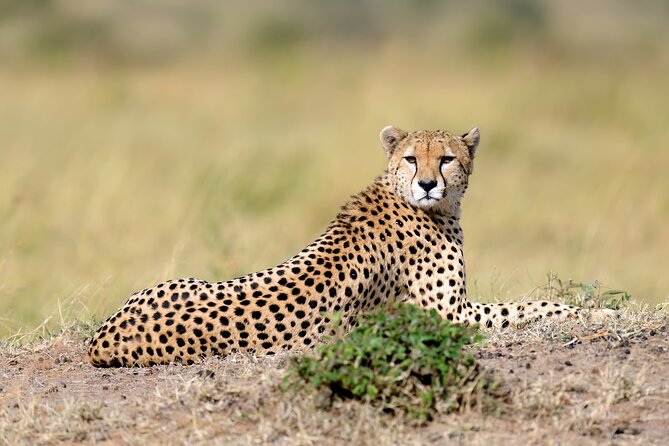
The guides receive the warmest praise. Accounts describe guides as friendly, helpful, and skilled at finding animals. One account credits the guide with helping the group see the Big Five, including lion, leopard, elephant, buffalo, and rhino. That is an impressive result, but wildlife sightings are never guaranteed, so treat it as a possible outcome rather than a promise.
The cooking also gets strong attention. Breakfast, lunch, and dinner are described as varied, which is valuable when you are spending long hours outdoors and sleeping at camps.
The organization is another strong point. Guga is praised for quick, reassuring communication, while Hussein is credited with arranging a trip from start to finish at a fair price. These details suggest that the booking process can be helpful, though you should still get the final schedule and accommodation details in writing.
Who should book this safari?
I would recommend this tour to you if you want a first Tanzania safari with the main planning handled for you. It fits someone who wants four major parks, a small group, included meals, and a clear five-day schedule at a lower price than a luxury safari.
It is also a good match if you care more about wildlife access than polished accommodation. The route gives you elephants in Tarangire, open plains in the Serengeti, a chance at black rhino in Ngorongoro, and flamingos and tree-climbing lions at Lake Manyara.
I would be more cautious if you need a slow pace, a private vehicle, or upscale lodging. You should also think twice if long, rough road journeys are a serious concern. The route is efficient, but efficiency here means early starts, substantial driving, and several changes of camp.
Booking details worth knowing
Pickup is offered, and the listed start time is 7:30am. Confirmation is provided at booking, and the activity is near public transportation. Most people can participate, but no detailed accessibility information is provided.
The maximum group size is seven. The mobile ticket is convenient for keeping your booking details on your phone.
Tips, visa fees, and flights are not included. Cancellation is free if you cancel at least 24 hours before the local start time. Within 24 hours, the payment is not refunded, and late changes are not accepted.
Should you book the five-day Tanzania safari?
Book it if you want a practical, wildlife-heavy route and you are comfortable with camping, early mornings, and long drives. The combination of four parks, included park fees and meals, a group capped at seven, and a $1,200 price makes this a sensible starting point for a first safari.
Before you commit, confirm the guide’s name, the number of people in your vehicle, and the exact lodging. If those details suit you, Pazuri Africa’s five-day plan offers a lot of Tanzania in a short time. If you want more comfort or more time in each park, pay extra for a slower itinerary instead.
FAQ
Where does the safari begin?
The safari begins in Arusha, Tanzania, with hotel pickup offered. The listed start time is 7:30am.
How much does the safari cost?
The price is $1,200 per person.
How long does the safari last?
The safari lasts approximately five days.
Which national parks are included?
The route visits Tarangire National Park, Serengeti National Park, Ngorongoro Crater, and Lake Manyara National Park.
Are park fees included?
Yes. All park fees are included in the tour price.
Are meals included?
Yes. The price includes four breakfasts, four lunches, and four dinners.
Are flights and visa fees included?
No. Flights and visa fees are not included. Tips are also excluded.
How many people can join the safari?
The maximum group size is seven people.
Can I cancel for a full refund?
Yes. You can cancel at least 24 hours before the experience start time for a full refund. Cancellations within 24 hours are not refunded.
Just added in Arusha
- Safari “Kifaru” – 5 days in the most famous Parks in the world★ 5.0 · 4 reviews
- Saadani Day Trip★ 5.0 · 13 reviews
- 3 Days Tanzania Short and Spicy★ 5.0 · 6 reviews
- 5 Day Tanzania Safari Camping Adventure Private Tour★ 5.0 · 2 reviews
- Day Trip to Ngorongoro Crater from Arusha★ 5.0 · 1 review
- SERENGETI NATIONAL PARK Tour★ 4.5 · 5 reviews
- 3 Days Serengeti Park & Ngorongoro Crater Adventure Safari★ 5.0 · 8 reviews
- 6 Days Tanzania Bush Experience Safari★ 5.0 · 6 reviews
5-Day Experiences, compared.
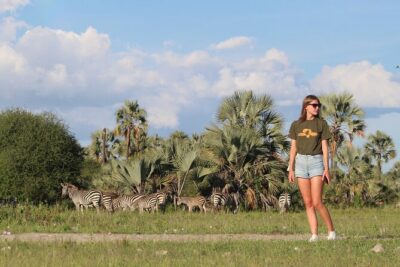
5-Day Highlights mid-Range Crater, Serengeti, Tarangire
Read our review →
5 Days Camping Tarangire, Serengeti & Ngorongoro crater & Visiting Maasai
Read our review →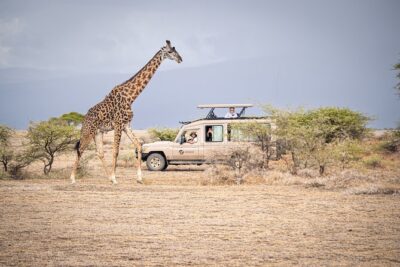
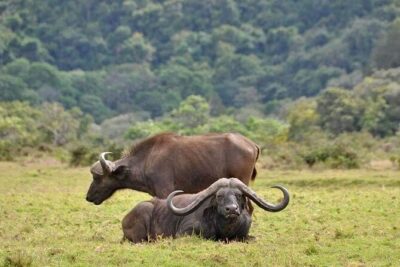
5-Day Private Northern Tanzania Safari from Arusha
Read our review →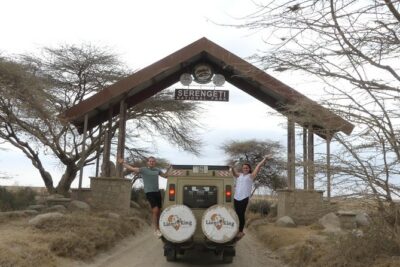
5 Days Best of Tanzania Luxury Safari Northern Circuit
Read our review →
5-Day Private midrange Tour in Arusha with Airport Pickup
Read our review →Browse the lists this tour appears in