
Reviewed · 5-DAY EXPERIENCES
5 Days Exclusive Camping Adventure in Northern Tanzania
Big wildlife, simple camping, four famous parks. This five-day safari packs Tarangire, Serengeti, Ngorongoro Crater, and Lake Manyara into one fast-moving route through northern Tanzania. I like the small group limit of six, which should make game-viewing easier than it is in a crowded vehicle. I also like the chance to sleep at Seronera Campsite in the middle of the Serengeti, rather than treating the park as a quick drive-through.
The main trade-off is the pace. You cover long distances and change camping areas several times, so this suits you if you want a concentrated safari rather than slow mornings at one lodge. The advertised price is $1,200 per person, with meals included, but international flights, visas, insurance, tips, souvenirs, and extra nights before or after the safari cost more.
In This Review
- Six details worth knowing before you book
- Why this route works for a first Tanzania safari
- Tarangire gives you a strong first day
- Serengeti camping puts you in the middle of the action
- An early Serengeti drive earns its place
- Ngorongoro Crater is the trip’s grand finale
- Lake Manyara ends the trip with birds and water
- What the $1,200 price really covers
- The guiding and camp experience
- Who should choose this safari?
- Should you book the five-day route?
- FAQ
- How long is the safari?
- Where does the safari start?
- What is the stated start time?
- How many people can join the group?
- Which parks and protected areas are included?
- What meals are included?
- What is not included in the price?
Six details worth knowing before you book
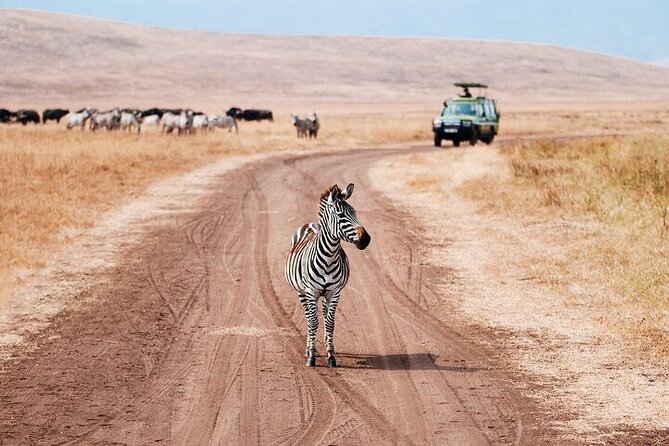
- Four major wildlife areas in five days: You visit Tarangire, Serengeti, Ngorongoro Crater, and Lake Manyara.
- A maximum of six people: A smaller vehicle group can mean better views and less crowding at animal sightings.
- Two nights around the Serengeti and Ngorongoro: You camp at Seronera and Simba Campsite rather than returning to Arusha each evening.
- Big Five potential, not a guarantee: The route is built around major animal country, and past trips have included cheetahs, leopards, and rhinos.
- Meals are part of the package: Five lunches, four dinners, and four breakfasts are listed as included.
- Check the pickup time: The day-one plan says 8:00 a.m., while the general meeting information gives a 7:30 a.m. start.
Why this route works for a first Tanzania safari
I like the route because each park brings a different setting and wildlife focus. Tarangire gives you a strong first taste of safari country, Serengeti provides the largest sense of open space and migration drama, Ngorongoro delivers an intense concentration of animals, and Lake Manyara finishes with birds, water, forest, and Rift Valley scenery.
You do not need to arrange separate trips between these parks. Pickup is offered, and the safari uses a 4-wheel-drive vehicle. With only five days, that matters. You spend your time moving through Tanzania’s northern safari circuit instead of losing days to separate transfers.
Still, this is not a leisurely schedule. Day two includes an en-route game drive to Serengeti, an evening drive, and a night at Seronera. Day three begins with another early game drive before the move toward Ngorongoro. I would choose this trip for variety and coverage, not for sleeping late or settling into a single camp.
The small group size is one of the best features. A maximum of six people gives you a better chance of finding a comfortable window seat and sharing sightings without a packed cabin. It also makes a difference when you want to pause for a photograph or ask the guide to explain animal behavior.
A few more options to weigh up in Arusha
- Balloon Safari & Bush Breakfast in Serengeti – Miracle Experience
★ 5.0 · 1,646 reviews - Tanzania Classic – 7 Days
★ 5.0 · 1,151 reviews - 4 Days Group Camping Safari
★ 5.0 · 1,101 reviews
Tarangire gives you a strong first day
The safari leaves Arusha in the morning for Tarangire National Park, with the day-one park visit listed at about six hours. That is enough time for a proper game drive rather than a brief stop on the way to another destination.
Tarangire is a good opening act because you get wildlife quickly, along with broad views and striking vegetation. The park is especially useful for setting your expectations: this is not a zoo visit with guaranteed appearances. Your guide must read the road, animal tracks, recent sightings, and the changing conditions to decide where to spend time.
The schedule says departure at 8:00 a.m., but the general start time says 7:30 a.m. I would confirm the exact pickup hour before the day begins. Pickup is offered, but the precise meeting point should also be clear in your booking confirmation.
The first day is likely to feel full but manageable. You get a complete park visit, then continue into the safari rhythm of vehicle time, wildlife watching, meals, and camping. If you have never been on safari, this first day helps you learn the practical basics: keep your camera ready, listen for changes in the guide’s tone, and accept that some stretches of road are simply part of reaching the next sighting.
Serengeti camping puts you in the middle of the action
After breakfast on day two, you pack your belongings into the safari jeep and travel toward Serengeti with a packed lunch. The route includes an en-route game drive, so the journey itself becomes part of the park visit rather than a plain transfer.
Central Serengeti receives the most attention later that day. An evening drive timed around sunset can be a fine way to see the plains change color and watch animals become active as the heat softens. You then eat dinner and spend the night at Seronera Campsite, in the center of the park.
That overnight location is a major reason to choose this trip. Sleeping inside the Serengeti gives the day a stronger sense of place. You are not simply ticking off a famous park from a vehicle window, then disappearing to a town outside the gates.
Camping also means you should be comfortable with a simpler setup. The information provided confirms campsites and meals, but it does not describe tent types, showers, bedding, or toilet arrangements. Ask those questions before paying if camp comfort matters to you.
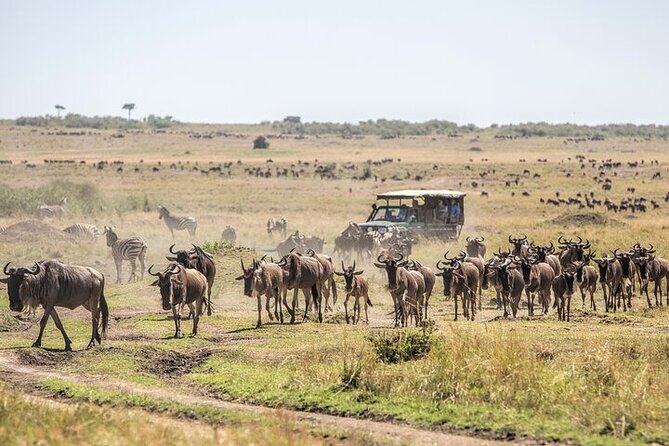
The Serengeti is the trip’s main wildlife stage. Its open plains support large herbivore herds and the predators that follow them. The wildebeest migration moves in response to rainfall, grazing, and dry conditions, so the location and timing of the herds can change. A guide can improve your chances of seeing part of the migration, but no responsible safari can promise a particular animal on a particular day.
The route also has a strong record of rare sightings. Cheetahs, leopards, and a rhino have been seen on earlier seven-day safaris with the company, and one past trip included the northern migration. That is encouraging, but five days gives you less time than a longer safari to wait patiently for elusive cats or a rhino.
An early Serengeti drive earns its place
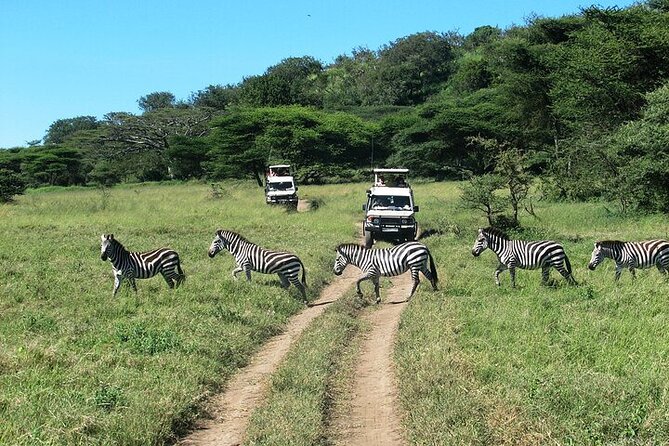
Day three starts with an early morning game drive in Serengeti. I consider this one of the smartest parts of the schedule because early hours give you another chance to catch wildlife before the day becomes hot and before the long transfer toward Ngorongoro.
You then leave Serengeti for the Ngorongoro Conservation Area and spend the night at Simba Campsite. The day is listed at about six hours, though the real feel will depend on animal sightings, road conditions, and how long the group stops.
This is a day of contrast. The morning is devoted to open plains and wildlife. By afternoon, the route shifts toward the volcanic highlands and the crater region. You get two distinct parts of northern Tanzania in one day, but the price is more time in the vehicle.
The first look at Ngorongoro Crater comes before the full descent on day four. That preview helps build anticipation, especially if you reach the crater rim with clear views. Weather can affect what you see from above, so keep your expectations flexible.
The Simba Campsite location is useful because it positions you near the next morning’s crater visit. The information confirms dinner and overnight accommodation there, but not the exact facilities. I would ask whether you need to bring personal camping equipment or whether the operator provides it.
A different kind of day out entirely:
- 5 Days Group Camping Safari
★ 5.0 · 730 reviews - Materuni Waterfalls, coffee tour & Kikuletwa Hot Springs
★ 5.0 · 643 reviews - 3 Days Serengeti & Ngorongoro Group Camping Safari
★ 5.0 · 574 reviews - 7-Day Premium Luxury Tanzania Safari All-Inclusive
★ 5.0 · 426 reviews
Ngorongoro Crater is the trip’s grand finale
After breakfast with views toward the crater, you descend about 2,000 feet by 4-wheel-drive vehicle. The caldera covers roughly 8,300 square kilometers and is the central feature of the Ngorongoro Conservation Area.
The crater is special because its enclosed setting can bring many large mammals into a relatively compact area. You may see grazing animals, predators, and water-loving species during the drive, although animal sightings always depend on the day. The crater’s volcanic walls also give the experience a strong visual frame that you will not find on the open Serengeti plains.
This is the day most likely to satisfy someone who wants a high chance of seeing many major safari animals in one place. It is also the day when the vehicle schedule can feel busiest, since the crater is one of northern Tanzania’s best-known sights.
Lunch follows the crater drive, then you leave the park area and return to your lodge for dinner and the night. The supplied details refer to a lodge on this evening, but they do not name it or describe its room standards. If you are comparing this trip with a luxury safari, confirm exactly what accommodation is included.
I like the order of the route. Serengeti receives the long open-country treatment first, then Ngorongoro arrives as a concentrated wildlife day. That progression makes the crater feel like a finale rather than just another stop.
Lake Manyara ends the trip with birds and water
The final day heads to Lake Manyara National Park for a full-day game drive. This park changes the mood again. Instead of only looking across dry plains, you see the Great Rift Valley setting, the lake, streams, waterfalls, thermal springs, woodland, grassland, and water edges.
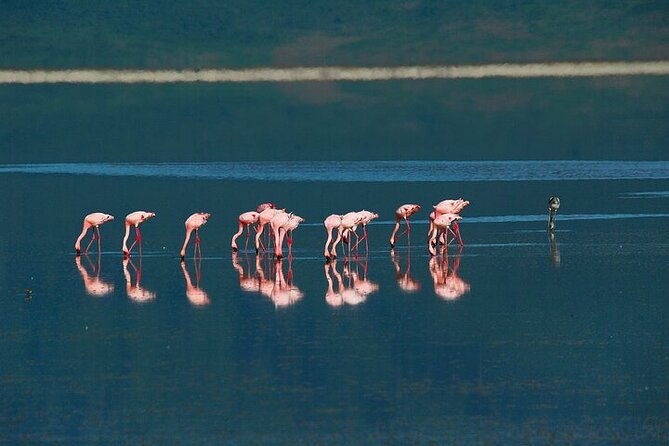
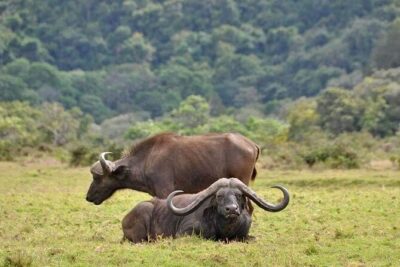
Lake Manyara is particularly appealing if you enjoy birdlife. More than 400 bird species are associated with the park, including flamingos and pelicans. The lake also supports hippos, while elephants, giraffes, and buffalo add the larger-animal interest you expect from a northern Tanzania safari.
The park’s variety makes it a good final stop. After several days centered on plains and crater country, Manyara gives you a different set of colors, sounds, and habitats. You might find this day especially rewarding if you like mixing mammals with scenery and birds.
The drawback is timing. A full-day drive at Lake Manyara comes after several demanding safari days and long road transfers. If you are tired by day five, the concentration required for one more full game drive may be a challenge. On the other hand, ending with Manyara means the final day is not just a long ride back to Arusha.
The provided details say the activity ends back at the meeting point. They do not give a precise return hour, so avoid scheduling a tight evening flight or another fixed appointment on the same day.
What the $1,200 price really covers
At $1,200 per person, this trip offers solid value if you want the main northern circuit in a short period. The price includes five lunches, four dinners, and four breakfasts, as well as parking fees. Admission is specifically shown as included for Ngorongoro Crater, while the other park entries are not described in the same way, so I would ask the operator to confirm every park fee before booking.
The package also includes the safari vehicle and guided game drives in practical terms, since the route depends on a safari jeep and an expert driver-guide. However, the supplied inclusions do not spell out every transport or accommodation detail. Clarify what kind of camp setup, vehicle, and lodging you receive.
Your extra costs include:
- Visa fees
- International flights
- Tips
- Travel insurance
- Personal items and souvenirs
- Accommodation before and after the safari
This is not an all-inclusive holiday. I would budget for those items separately, along with any drinks or services not specifically listed.
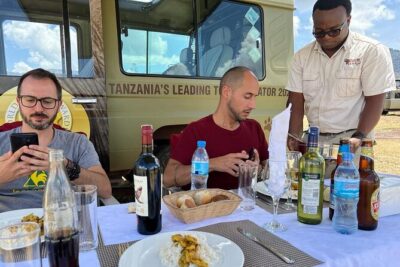
The five included lunches are useful on a route with long drives. You do not need to stop the group to find food during every transfer. Four breakfasts and four dinners also match a five-day trip with four overnight periods, though the meal listing should be checked against your final schedule.
The guiding and camp experience
The strongest praise attached to this company centers on organization, kindness, and the people running the trip. Heavenlight and Gasto are specifically remembered for taking excellent care of a safari participant, while the guide and chef were praised as good people who helped make the trip memorable.
That human side matters on a camping safari. Long drives, early starts, changing plans, and close quarters can test a group. A caring guide and capable cook can make the difference between a tiring trip and a good one.
The five posted ratings are all at the top level, with particular praise for seeing the main safari animals and for smooth pickup and organization. One account describes a seven-day trip rather than this exact five-day schedule, so I would treat those animal sightings as evidence of the company’s wider safari ability, not a promise for this shorter route.
You should also ask who your specific guide and cook will be, since only some staff names are provided. A good question before departure is how the guide handles animal sightings, radio information, group preferences, and changes caused by weather or road conditions.
Who should choose this safari?
I would recommend this trip to you if you want:
- A first visit to Tanzania’s best-known northern parks
- A small group with no more than six participants
- Camping inside or near the main safari areas
- A strong chance to see major African mammals
- A five-day schedule that covers a lot of ground
- Meals organized during long days in the vehicle
I would be more cautious if you want slow travel, high-end lodging, or a relaxed camp routine. The route changes location often, and several days involve about six hours of activity or travel. You should also confirm camping facilities if you are particular about bathrooms, showers, bedding, or privacy.
The trip can suit couples, friends, and first-time safari visitors who value variety. The small group setup may also work well if you want to ask questions and share decisions with the guide. Families should confirm age rules and vehicle arrangements directly, since those details are not provided.
Free cancellation is available if you cancel at least 24 hours before the local start time. Inside that window, the amount paid is not refunded, and changes are not accepted.
Should you book the five-day route?
I would book this safari if your priority is seeing the greatest range of northern Tanzania within five days. Tarangire, Serengeti, Ngorongoro, and Lake Manyara give you four very different settings, and the Seronera camping night adds a real sense of being in the park rather than simply passing through it.
I would not book without confirming the exact pickup time, park fees, accommodation standards, camping equipment, and final-day return time. Those details matter more here than a glossy promise of the Big Five.
For $1,200 per person, the trip looks strongest as a practical, wildlife-heavy introduction to Tanzania. Choose it for the route, the small group, the included meals, and the chance to camp near the action. Choose a longer safari instead if you want more time for patient wildlife watching, fewer long transfers, or better odds of finding rare animals.
FAQ
How long is the safari?
The experience lasts approximately five days.
Where does the safari start?
The tour starts in Arusha, Tanzania. Pickup is offered, and the activity ends back at the meeting point.
What is the stated start time?
The general meeting information gives a 7:30 a.m. start. The Tarangire day description says departure is at 8:00 a.m., so confirm the exact pickup time before the safari.
How many people can join the group?
The maximum group size is six people.
Which parks and protected areas are included?
The route visits Tarangire National Park, Serengeti National Park, the Ngorongoro Conservation Area and Crater, and Lake Manyara National Park.
What meals are included?
The package lists five lunches, four dinners, and four breakfasts.
What is not included in the price?
Visas, tips, international flights, personal items, souvenirs, travel insurance, and accommodation before and after the safari are not included.
Just added in Arusha
- Safari “Kifaru” – 5 days in the most famous Parks in the world★ 5.0 · 4 reviews
- Saadani Day Trip★ 5.0 · 13 reviews
- 3 Days Tanzania Short and Spicy★ 5.0 · 6 reviews
- 5 Day Tanzania Safari Camping Adventure Private Tour★ 5.0 · 2 reviews
- Day Trip to Ngorongoro Crater from Arusha★ 5.0 · 1 review
- SERENGETI NATIONAL PARK Tour★ 4.5 · 5 reviews
- 3 Days Serengeti Park & Ngorongoro Crater Adventure Safari★ 5.0 · 8 reviews
- 6 Days Tanzania Bush Experience Safari★ 5.0 · 6 reviews
5-Day Experiences, compared.
5-Day Highlights mid-Range Crater, Serengeti, Tarangire
Read our review →
5 Days Camping Tarangire, Serengeti & Ngorongoro crater & Visiting Maasai
Read our review →
5-Day Private Northern Tanzania Safari from Arusha
Read our review →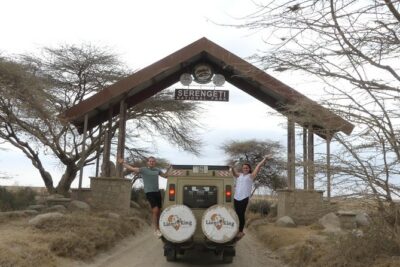
5 Days Best of Tanzania Luxury Safari Northern Circuit
Read our review →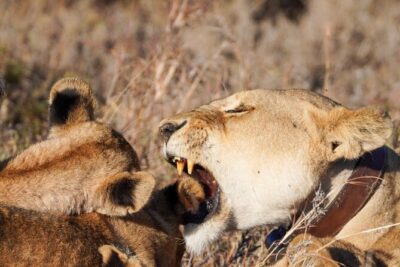
5-Day Private midrange Tour in Arusha with Airport Pickup
Read our review →Browse the lists this tour appears in