
Reviewed · SERENGETI & NGORONGORO SAFARIS
5 Days Tanzania Safari with Serengeti
Five days, four parks, and one serious animal mission. This compact Tanzania safari gives you two days in the Serengeti, plus Tarangire, Ngorongoro Crater, and Lake Manyara, with park fees, camping, meals, water, and airport transfers included. I like the small custom jeep, which is designed for a maximum of six clients, and I like that the route leaves enough time for real game drives rather than treating the parks as quick photo stops.
The main consideration is the amount of driving. The trip includes a roughly six-hour transfer from the Mto wa Mbu area to the Serengeti, long days in the vehicle, and basic tent camping. Also, the details give both a maximum of six clients and a general maximum of 50 for the activity, so I would confirm your actual group size before paying.
In This Review
- Key points at a glance
- What the $1,200 price really covers
- A small jeep makes the game drives easier
- Day 1: Tarangire brings elephants and baobabs first
- Day 2: The long road from Mto wa Mbu to Serengeti
- Day 3: A proper Serengeti morning
- Day 4: Ngorongoro Crater is the visual highlight
- Day 5: Lake Manyara closes the circuit
- Food, water, and camp life
- Who will get the most from this safari
- Booking details worth confirming
- Should you book this five-day Tanzania safari?
- FAQ
- How long is the safari?
- Where does the safari begin?
- Which national parks and conservation areas are included?
- How many days are spent in the Serengeti?
- Is accommodation included?
- Are meals and water included?
- What is not included in the price?
Key points at a glance
- Two full Serengeti days: You get an afternoon arrival game drive and an early game drive the next day, giving you a better chance to see predators and larger herds.
- Big Five potential: The route includes Serengeti and Ngorongoro Crater, and the available feedback describes repeated sightings of all five.
- Elephants at Tarangire: Ancient baobabs and large elephant families are the main attraction on the opening day.
- Ngorongoro at sunrise: A 6:15 am crater descent is planned to improve your chances of seeing black rhinos and other animals on the crater floor.
- Camping and meals included: Tents, sleeping bags, mattresses, breakfast, lunch, dinner, and at least three liters of bottled water per day are covered.
- Strong value at $1,200: Park fees, four nights of accommodation, meals, water, airport transfers, and camping gear make the price competitive for a five-day northern circuit safari.
What the $1,200 price really covers
At $1,200 per person, this is not simply a vehicle rental with a few park visits attached. The price includes all park entrances and taxes, airport transfers, tent accommodation, camping equipment, meals, and bottled water. You also have a guide and driver, plus a chef, which matters on a camping trip where meals can make or break the rhythm of the day.
You receive breakfast five times, lunch five times, and dinner four times. Bottled water is supplied at three liters or more per day, a useful allowance for long game drives in a hot, dry setting. Flights, tips, and visa fees are not included, so keep those separate when setting your total budget.
The value is strongest if you want a classic northern Tanzania route without arranging each park and campsite yourself. Serengeti permits and Ngorongoro fees can make a safari expensive before food and transport are added. Having these costs grouped together gives you a clearer price from the start.
The tradeoff is comfort. This is a tent-based safari, not a lodge circuit. Sleeping bags and mattresses are included, but the information does not promise private bathrooms, electricity, or permanent rooms. If you enjoy simple camping and would rather spend money on park time than polished accommodation, the arrangement makes sense. If you need hotel-style comfort each night, look for a lodge-focused option.
More Serengeti and Ngorongoro safaris:
- Balloon Safari & Bush Breakfast in Serengeti – Miracle Experience
★ 5.0 · 1,646 reviews - 3 Days Serengeti & Ngorongoro Group Camping Safari
★ 5.0 · 574 reviews - 5-Day Highlights mid-Range Crater, Serengeti, Tarangire
★ 5.0 · 296 reviews
A small jeep makes the game drives easier
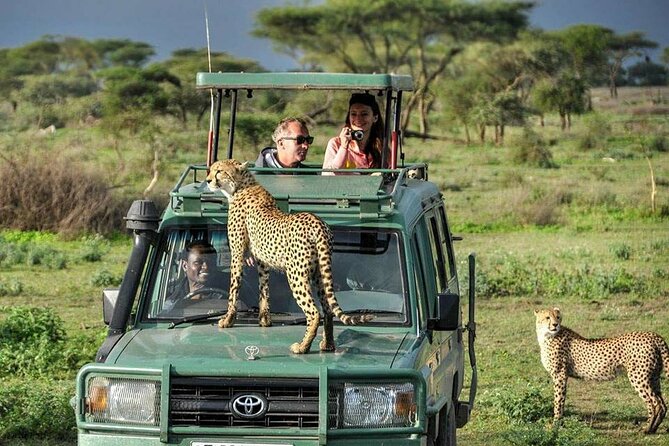
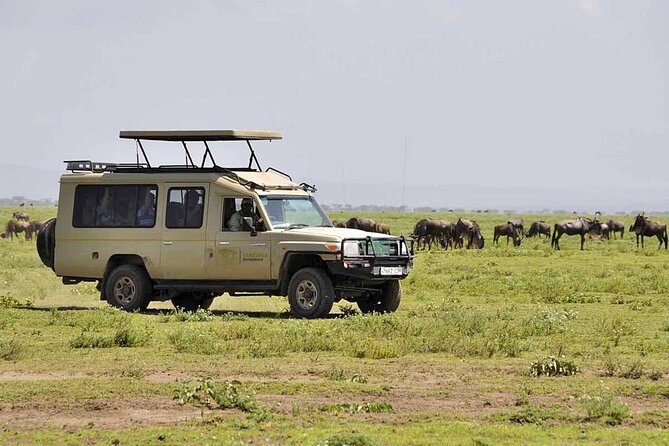
The tour uses a custom safari jeep with a pop-up roof. That roof is important because it lets you stand or sit upright while looking for animals, taking photographs, and watching a scene develop around the vehicle.
The planned group size is a maximum of six clients, accompanied by the guide and driver and the chef. A smaller vehicle usually means fewer people competing for window space and less crowding around sightings. You can also ask the guide to pause when there is something worth watching, rather than rushing from one animal to the next.
One practical note deserves attention. The main description says the jeep holds no more than six clients, while the general activity information gives a maximum of 50 participants. Those figures may refer to the overall booking pool rather than one jeep, but I would ask for written confirmation of your vehicle size and group before departure.
Pickup information also gives two times: a 7:00 am start and a 7:30 am hotel pickup. Confirm the exact meeting time with Safari Journal Tanzania. A half-hour difference matters on a day that begins with a two-hour drive.
Day 1: Tarangire brings elephants and baobabs first
The opening drive from Arusha takes about two hours to Tarangire National Park. That is a manageable start, and you reach one of the northern circuit’s most distinctive parks without spending the entire first day on the road.
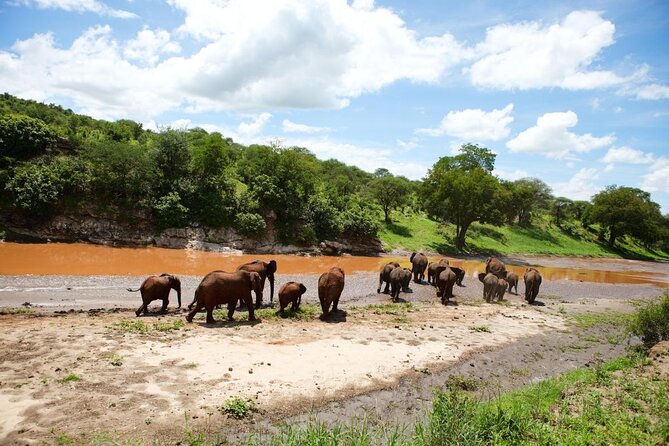
Tarangire is known for its ancient baobab trees and large elephant population. The park is especially good for watching elephant families interact, so pay attention to the group rather than only searching for a single animal. Young elephants, adults, and protective family behavior can make an ordinary roadside sighting last much longer than expected.
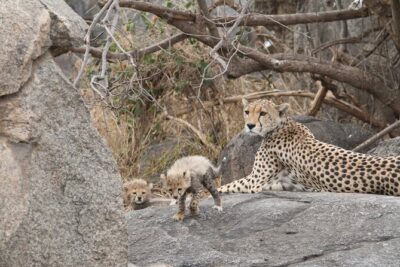
The game drive follows reported animal sightings. Predators such as lions, cheetahs, and leopards receive special attention because they are harder to find. Giraffes, wildebeest, zebras, and other herbivores should be easier to spot across the park.
I like the order of this route. Tarangire gives you a strong first day without using the Serengeti too soon, and its baobabs create a setting that feels different from the open grasslands ahead. The limitation is time. About six hours is enough for a useful game drive, but it is not an exhaustive visit, especially if animal sightings require long detours.
Day 2: The long road from Mto wa Mbu to Serengeti
After breakfast, you travel toward the Serengeti. The stated drive takes about six hours, including stops, and passes through the Ngorongoro area. This is the least relaxed transfer day, so bring patience, water, and a sense that the drive itself is part of the route.
There is a brief stop at the Ngorongoro gate and viewpoint for a look across the crater. This is not the full crater visit. Your proper crater game drive comes on Day 4, so treat this earlier stop as an introduction rather than a replacement.
An optional Maasai village visit may also be offered, lasting about 20 to 45 minutes. It is not included in the price, and you can choose not to go. The visit is intended to introduce Maasai culture and traditions, including older accounts of hunting and warrior customs. Since the stop is optional, ask about the additional cost and what it includes before agreeing.
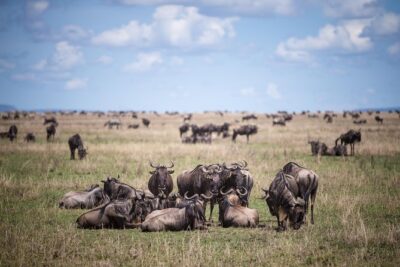
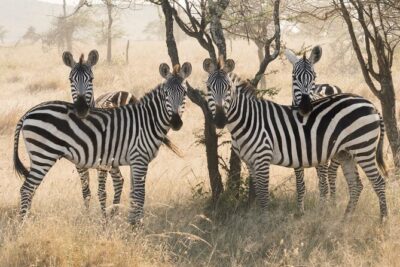
You should arrive in the Serengeti later in the day and begin a game drive. The park is famous for the annual movement of more than one million wildebeest alongside roughly 250,000 zebras, though the exact location of herds changes with the season. The Serengeti is much more than the migration, however. The route is also aimed at lions, cheetahs, leopards, giraffes, zebras, wildebeest, and other animals.
A key point is timing. With a long transfer on Day 2, you should not expect a full day of animal viewing. The reward comes from having another Serengeti game drive on Day 3.
A few more options to weigh up in Arusha
- Tanzania Classic – 7 Days
★ 5.0 · 1,151 reviews - 4 Days Group Camping Safari
★ 5.0 · 1,101 reviews - 5 Days Group Camping Safari
★ 5.0 · 730 reviews - Materuni Waterfalls, coffee tour & Kikuletwa Hot Springs
★ 5.0 · 643 reviews
Day 3: A proper Serengeti morning
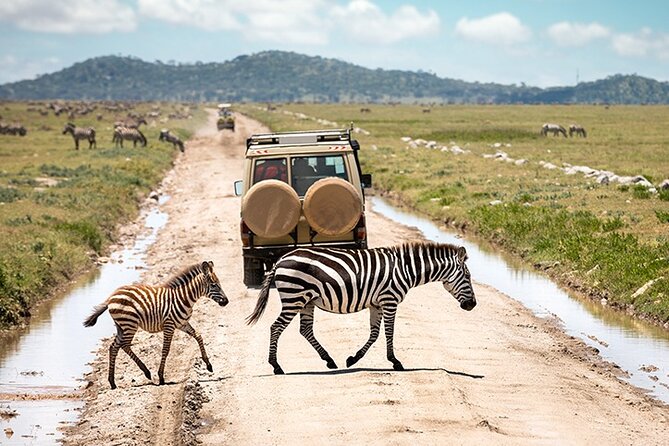
Day 3 begins with an early breakfast and an early game drive around Seronera. This is one of the best-designed parts of the trip because early hours give you a longer stretch of park time before returning to camp for lunch and packing.
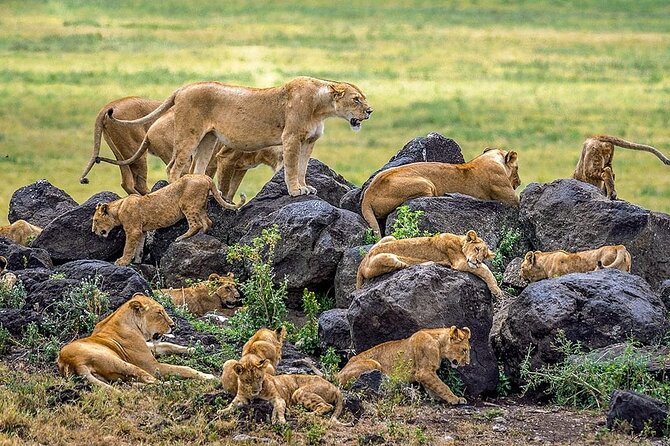
Seronera is a central Serengeti area, and the guide will work from current animal reports. You might spend time watching a pride, following a predator sighting, or simply scanning the open grassland for movement. No safari can promise a particular animal, but two game-drive periods in the Serengeti give you more chances than a single afternoon visit.
After lunch, you continue toward Simba campsite near the Ngorongoro Crater rim. The drive takes roughly two hours, with more game viewing as you exit the Serengeti. Keep watching during this transfer. Animals can be spotted around campsites, and the final drive is not automatically a dead period.
The camping location is useful because it positions you for the early crater descent the next morning. You will not need to make the entire approach from farther away before dawn. The drawback is that this is another packed day: early game drive, lunch, packing, an exit drive, and a transfer to camp.
The available feedback gives this part of the trip strong marks for campsite quality and food, and specifically praises repeated Big Five sightings. There is only one published rating, so I would treat that as encouraging rather than proof that every departure will be identical. Wildlife changes by season, weather, and luck.
Day 4: Ngorongoro Crater is the visual highlight
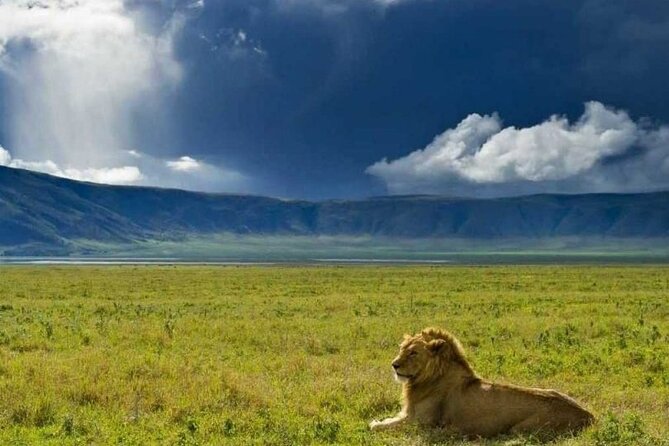
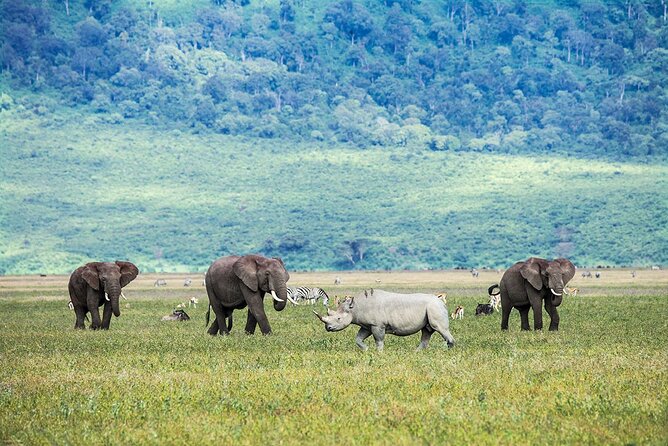
The crater descent is scheduled for about 6:15 am. That early start is sensible. You reach the crater floor while the day is still fresh, and the main goal is to look for black rhino, one of the hardest animals to spot in the area.
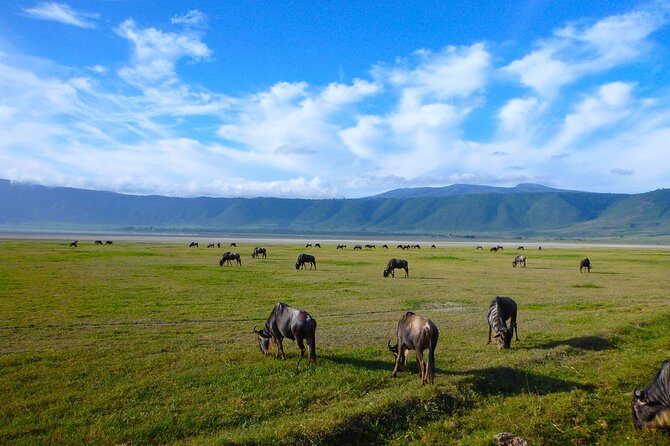
Ngorongoro is special because the crater floor concentrates many animals in a contained setting. That does not make sightings guaranteed, but it can make animal watching feel more immediate than in a huge open park. The crater also provides the dramatic views many people picture when they imagine a Tanzania safari.
You will have breakfast, lunch, and dinner included on this day. After the crater game drive and lunch, you ascend to camp, pack, and continue toward Fig Lodge and campsite near Lake Manyara National Park.
The schedule gives you meaningful time in Ngorongoro, yet it is not a private full-day crater expedition. You descend early, search for wildlife, eat lunch, and then leave for the next area. If the crater is your main reason for visiting Tanzania, ask how many hours you will spend on the floor and how long the drive to the next campsite will be.
Day 5: Lake Manyara closes the circuit
The final park is Lake Manyara National Park. The area is associated with flamingoes, tree-climbing lions, hippos, and a wide mix of birds and mammals.
The tree-climbing lions are a famous draw, but the itinerary is clear that they are rarely seen. You should enjoy the possibility without treating it as a promise. A game drive may also bring buffaloes, wildebeest, warthogs, vultures, eagles, and monkeys.
A stop at the hippo pool gives you a close look at hippos, and the hot spring adds another point of interest. The park is also useful for birdwatching, especially if you enjoy watching species beyond the large mammals that dominate safari advertising.
You receive breakfast and lunch on the last day. The schedule lists about six hours in the park, but it does not specify a final drop-off time or exact return point. Ask where the day ends if you have a flight, hotel booking, or onward transfer.
Lake Manyara is a good final stop because it changes the pace and scenery after the Serengeti and Ngorongoro. Still, some people may prefer an extra Serengeti day instead of adding another park. This route is best for someone who wants variety across the northern circuit.
Food, water, and camp life
A chef travels with the group, and the price includes all listed meals. The available feedback specifically praises the food, which is a meaningful detail on a five-day camping trip. You are not expected to organize every meal after a long drive or game viewing session.
The included water allowance is at least three liters per day. That is practical in Tanzania’s heat, but you should still confirm how the water is distributed and bring a reusable bottle if you use one.
The camping equipment includes tents, sleeping bags, and mattresses. The word tent covers a range of comfort levels, so ask what type of tent is used and whether it is shared or private. The information provided confirms tent accommodation but does not specify bathroom arrangements, power, or shower facilities.
Camping also changes how you experience the parks. You may notice animal sounds around camp, and you remain close to the rhythms of the bush rather than retreating to a hotel room. That can be memorable, but it is not the right fit for everyone. Pack with practical comfort in mind, including warm layers for early starts and clothes suited to dust and sun.
Who will get the most from this safari
I would recommend this trip to you if wildlife is the main reason you are visiting Tanzania. The route gives you two Serengeti days, a full Ngorongoro focus, Tarangire elephants, and Lake Manyara birds and hippos. The published experience also reports seeing the Big Five several times, which matches the tour’s strong focus on animal viewing.
It suits people who want a small vehicle, an active schedule, and camping rather than expensive lodges. The included chef, meals, water, equipment, and park charges remove much of the planning work.
You may want another option if you dislike long road transfers or if your priority is luxury accommodation. The drive to Serengeti takes about six hours, several days begin early, and the itinerary combines game drives with packing and campsite changes.
This is also not ideal if you need a highly fixed wildlife result. Tree-climbing lions, cheetahs, leopards, and black rhinos are all possible targets, but animal sightings depend on conditions. The route improves your chances by visiting several strong parks and allowing two Serengeti days, but no responsible safari can guarantee every sighting.
Booking details worth confirming
Safari Journal Tanzania offers pickup and airport transfers, and confirmation is received at booking. The tour is listed as suitable for most people and near public transportation. Free cancellation is available if you cancel at least 24 hours before the local start time. Cancellations or changes inside that window are not accepted for a refund.
Before booking, I would confirm four practical points:
- The exact pickup time, since both 7:00 and 7:30 am appear in the details.
- The actual number of clients in your jeep.
- The kind of tent and campsite facilities provided.
- The final drop-off time and location after Lake Manyara.
The optional Maasai village visit should also be priced in advance. It is not part of the $1,200 package.
Should you book this five-day Tanzania safari?
Book it if you want a serious wildlife itinerary at a clear mid-range price and you are comfortable with camping and long drives. The strongest reasons are the two Serengeti days, the early Ngorongoro crater visit, the elephant focus at Tarangire, and the practical inclusion of meals, water, equipment, park fees, and airport transfers.
I would be more cautious if comfort, privacy, or a slow pace matter most. Confirm the group size and camping arrangements before you commit, especially because the information gives conflicting maximum numbers.
For an animal-first trip, this is a strong five-day outline. The single published experience praises the food, campsites, and repeated Big Five sightings, and specifically thanks Minja. That is a good sign, but the real value comes from the route itself: four distinct parks, two Serengeti days, and enough time to give wildlife a fair chance.
FAQ
How long is the safari?
The safari lasts approximately five days.
Where does the safari begin?
The tour begins in Arusha, Tanzania, with pickup offered from your hotel.
Which national parks and conservation areas are included?
The route includes Tarangire National Park, Serengeti National Park, the Ngorongoro Conservation Area and Crater, and Lake Manyara National Park.
How many days are spent in the Serengeti?
The itinerary provides two days in the Serengeti, with arrival game viewing on Day 2 and an early game drive on Day 3.
Is accommodation included?
Yes. Tent accommodation is included, along with tents, sleeping bags, mattresses, and other listed camping equipment.
Are meals and water included?
Yes. Breakfast, lunch, dinner, and bottled water are included. The listed water allowance is three liters or more per person per day.
What is not included in the price?
Flights, tips, visa fees, and the optional Maasai village visit are not included.
Just added in Arusha
- Safari “Kifaru” – 5 days in the most famous Parks in the world★ 5.0 · 4 reviews
- Saadani Day Trip★ 5.0 · 13 reviews
- 3 Days Tanzania Short and Spicy★ 5.0 · 6 reviews
- 5 Day Tanzania Safari Camping Adventure Private Tour★ 5.0 · 2 reviews
- Day Trip to Ngorongoro Crater from Arusha★ 5.0 · 1 review
- SERENGETI NATIONAL PARK Tour★ 4.5 · 5 reviews
- 3 Days Serengeti Park & Ngorongoro Crater Adventure Safari★ 5.0 · 8 reviews
- 6 Days Tanzania Bush Experience Safari★ 5.0 · 6 reviews
Serengeti & Ngorongoro Safaris, compared.
Serengeti Balloon Safari and authentic bush breakfast
Read our review →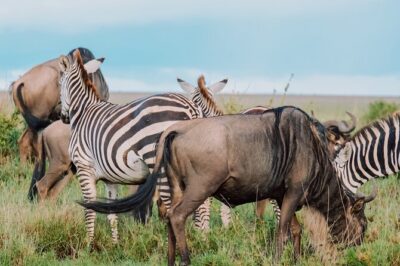
Balloon Safari & Bush Breakfast in Serengeti – Miracle Experience
Read our review →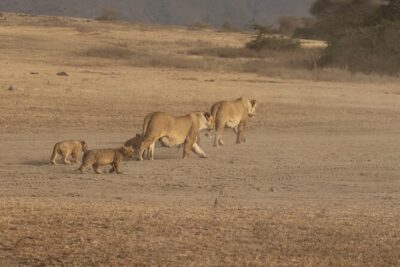
3 Days Serengeti & Ngorongoro Group Camping Safari
Read our review →
5-Day Highlights mid-Range Crater, Serengeti, Tarangire
Read our review →
Private 6-Day Tarangire Manyara Crater and Serengeti with Mid-Range Lodges
Read our review →
5 Days Camping Tarangire, Serengeti & Ngorongoro crater & Visiting Maasai
Read our review →Browse the lists this tour appears in