
Reviewed · SERENGETI & NGORONGORO SAFARIS
5 Days Tarangire ,Serengeti.Ngorongoro and Lake manyara
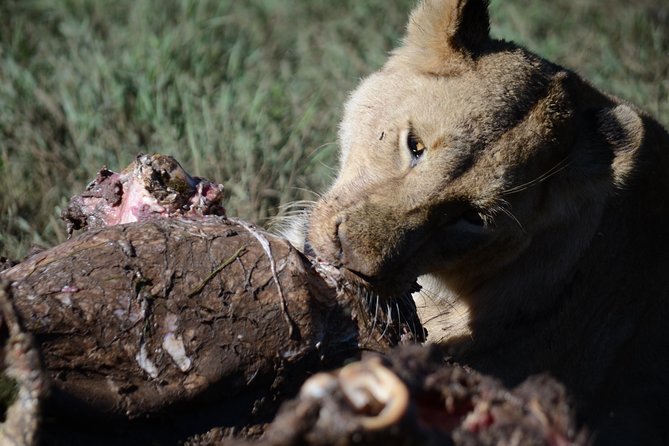
Four parks, five days, one serious wildlife sampler. This safari gives you camping gear, meals, game drives, and transport in one price, which makes Tanzania’s Northern Safari Circuit far easier to afford. I especially like the small maximum group of six and the chance to see elephants, big cats, rhinos, flamingos, hippos, and Maasai culture on one tightly planned route.
The main tradeoff is time. You will cover long distances, including about six hours between Mto wa Mbu and the Serengeti, and camping conditions are practical rather than polished. If you want a budget-focused safari with plenty of wildlife, this is a strong choice. If you want slow mornings and lodge comfort, look elsewhere.
In This Review
- Key points at a glance
- Why this five-day route works
- Day 1: Tarangire’s elephants and baobabs
- Day 2: The long road into the Serengeti
- Day 3: An early Serengeti game drive
- Day 4: A 6:15 am descent into Ngorongoro Crater
- Day 5: Flamingos, hippos, and Lake Manyara’s variety
- Camping, meals, and the real comfort level
- What $1,270 per person really buys
- The guide can shape the whole safari
- Who should choose this safari
- Useful booking questions before you pay
- Should you book it?
- FAQ
- Where does the safari begin?
- How long does the safari last?
- How many people can join the tour?
- Is camping equipment included?
- Are meals included?
- Which national parks are visited?
- Is the Maasai village visit required?
- What time does the Ngorongoro Crater visit begin?
- What is the cancellation policy?
Key points at a glance
- Tarangire opens the safari with elephants and ancient baobabs, plus good chances for giraffes, zebras, wildebeest, and predators.
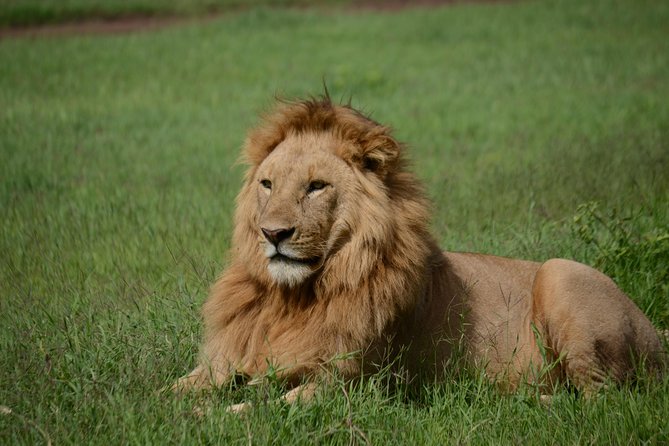
- The Serengeti gets the longest wildlife focus, with an early game drive and another drive while leaving the park.
- Ngorongoro Crater is the rhino day, with a 6:15 am descent and a concentrated wildlife setting on the crater floor.
- Lake Manyara adds a different final chapter, with flamingos, birds, hippos, monkeys, hot springs, and the possibility of tree-climbing lions.
- The price of $1,270 per person includes the costly basics, such as park visits, camping equipment, meals, and round-trip transport from Arusha.
- Guide quality matters greatly here, and guides named Elias, Champion, and Fredy have been praised for animal spotting, driving, humor, and care.
Why this five-day route works
Tanzania’s Northern Safari Circuit is popular for good reason. Four major parks sit within reach of Arusha, but they are not next door to one another. A short safari can quickly become expensive once you add park fees, a vehicle, fuel, a cook, tents, food, and places to sleep.
This tour brings those pieces together. You begin and end with transport connected to Arusha, travel in a small group of no more than six, and have camping equipment and meals arranged for you. That makes the experience less about managing logistics and more about watching for wildlife.
I like the route because each park offers something different. Tarangire is especially strong for elephants and baobabs. Serengeti gives you wide-open wildlife country and the best chance of spending serious time on game drives. Ngorongoro concentrates animals into a smaller area, while Lake Manyara adds birds, forest animals, hippos, and hot springs.
The schedule is full. You will spend many hours on rough park roads and in the vehicle. That is normal for a safari covering this much ground, but you should know what you are buying: breadth and value, not a slow luxury retreat.
More Serengeti and Ngorongoro safaris:
- Balloon Safari & Bush Breakfast in Serengeti – Miracle Experience
★ 5.0 · 1,646 reviews - 3 Days Serengeti & Ngorongoro Group Camping Safari
★ 5.0 · 574 reviews - 5-Day Highlights mid-Range Crater, Serengeti, Tarangire
★ 5.0 · 296 reviews
Day 1: Tarangire’s elephants and baobabs
Pickup is scheduled for 7:30 am from your hotel. After meeting the guide, chef, and other people in the vehicle, you drive for about two hours to Tarangire National Park.
Tarangire is a fine first stop because it offers an immediate change from town roads to open bush, seasonal river country, and tall baobabs. The park is especially known for its large elephant population. You may see family groups feeding, moving between trees, or gathering near water.
The baobabs are not just scenery. Their thick trunks and strange shapes give Tarangire a look you will not get in the Serengeti. Keep your camera ready, but also watch the smaller details around the trees. Giraffes, wildebeest, zebras, and other grazing animals are common sights on the game drive.
The guide will use reported animal sightings to decide where to go, with extra attention to lions, cheetahs, and leopards. Predators are harder to find than herbivores, so this flexible approach matters. You might see a lion resting in shade or a leopard tucked into a tree, but no safari can promise a particular animal.
The park portion lasts about six hours. That is enough for a useful introduction, though not enough to explore every corner. If elephants are high on your list, this first day gives you a particularly good reason to be excited.
Day 2: The long road into the Serengeti
After breakfast near Mto wa Mbu, you set off for the Serengeti. The drive takes about six hours, including stops, and passes through the Ngorongoro Conservation Area.
This is the least relaxed transport day of the trip. The distance is part of the price of reaching the Serengeti, and the scenery helps break up the road time. Still, you should expect a full day with several hours in the vehicle.
A brief stop at the Ngorongoro Crater gate and viewpoint gives you a first look at the vast crater below. The scheduled viewpoint stop is about 20 minutes, so treat it as a quick orientation and photo pause rather than a full crater visit. The main crater game drive comes later, on Day 4.
There is also an optional Maasai village visit. This gives you a chance to learn about Maasai culture and community life, but it is not required. The description includes traditional subjects such as warrior customs and hunting lions, while also noting that many of these practices belong to the past. If cultural visits are important to you, ask what the visit includes and how long it will take before agreeing.
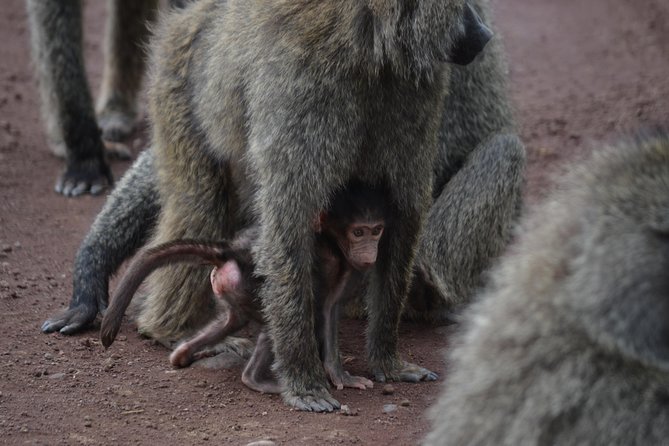
The main prize is the Serengeti. Once you arrive, you are in one of Africa’s best-known wildlife areas, with the possibility of seeing lions, cheetahs, leopards, hyenas, and large herds of grazing animals. Arrival timing can affect how much game-drive time you get, so this day is partly a transfer and partly your entrance into the park.
Day 3: An early Serengeti game drive
Day 3 begins with an early breakfast and an early game drive around Seronera. This is one of the strongest parts of the program because early hours often give you the best safari rhythm: cooler conditions, active animals, and a full morning before the midday break.
The plan is to look for wildlife until the afternoon, return to camp for lunch and packing, then continue driving as you leave the Serengeti. The route to Simba campsite near the Ngorongoro Crater rim takes about two hours.
The second game drive is useful. You are not simply leaving the Serengeti on a road with your head down. The vehicle keeps looking for animals while moving toward camp, and the camp itself may attract wildlife. That means you should follow campsite rules closely and listen to your guide and camp staff.
This is also the day when a good guide can make a major difference. Elias has been praised for sharp animal spotting, friendly conversation, and a funny, flexible manner. Champion has also been singled out for energy and care during a five-day safari, while Fredy has been praised for handling rough roads and spotting animals. Guide assignments can change, so treat these names as examples of the company’s praised guiding team, not a guarantee.
Seronera is a good place to hope for big cats, but expectations need to stay sensible. Some people see a remarkable number of lions, while others spend more time with herbivores and birds. The excitement comes from the search as much as the result.
More Tarangire safaris:
- Private 6-Day Tarangire Manyara Crater and Serengeti with Mid-Range Lodges
★ 5.0 · 238 reviews - 5 Days Camping Tarangire, Serengeti & Ngorongoro crater & Visiting Maasai
★ 5.0 · 229 reviews - 4 Days Join Group tour Tarangire Serengeti and Ngorongoro crater
★ 5.0 · 219 reviews - 4-Day Safari from Arusha: Tarangire, Serengeti and Ngorongoro
★ 5.0 · 173 reviews
Day 4: A 6:15 am descent into Ngorongoro Crater
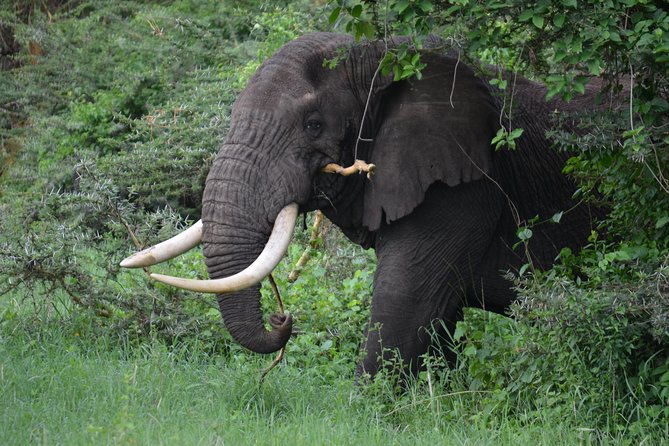
The Ngorongoro day begins early. After breakfast, the vehicle descends into the crater at about 6:15 am in search of black rhinos.
Rhinos are among the most difficult animals to spot in the crater, so the early start is worthwhile. Ngorongoro is a compact wildlife setting compared with the wide Serengeti. Animals are easier to concentrate on because the crater floor is enclosed by steep walls, though sightings still depend on distance, vegetation, weather, and luck.
You may also see many other animals during the day. The itinerary allows for a game drive after lunch before ascending to camp. This gives you a long look at the crater rather than a short viewpoint stop.
The crater is a highlight, but it can also be a busy part of the safari. Several vehicles may be looking toward the same animal, especially when a rare sighting is reported. Your guide’s judgment helps here. A patient driver may wait for a better view, while a practical one may move on when the scene becomes crowded.
After leaving the crater, you pack and continue toward Sunbright Lodge and campsite near Lake Manyara National Park. Swimming is mentioned as an option, so bring a swimsuit if that appeals to you. This overnight stop breaks up the route before the final park visit.
Day 5: Flamingos, hippos, and Lake Manyara’s variety
After breakfast, you enter Lake Manyara National Park for the final game drive. The park gives you a different feel from the Serengeti and Ngorongoro, with particular attention to birds and water-based wildlife.
Flamingos are one of the park’s signature sights, though their presence and numbers can vary. You may also visit the hippo pool for a close look at hippos from the permitted viewing area. Hippos can look sleepy, but they are powerful animals, so you should remain with the guide and follow all park instructions.
Lake Manyara is also associated with tree-climbing lions. The tour description rightly keeps expectations in check by noting that they are rarely seen. If you do spot one resting in a tree, it can become one of the trip’s most memorable moments. If not, there is still plenty to watch.
The day can include buffaloes, wildebeest, warthogs, vultures, eagles, monkeys, and other birds. A hot spring adds another point of interest during the drive. The final game drive lasts about six hours, giving you a substantial last look at the park before the safari ends.
I like this ending because it avoids repeating the same experience four days in a row. Lake Manyara brings water, woodland, birdlife, and primates into the picture. It is a fitting final stop for anyone who enjoys variety.
Camping, meals, and the real comfort level
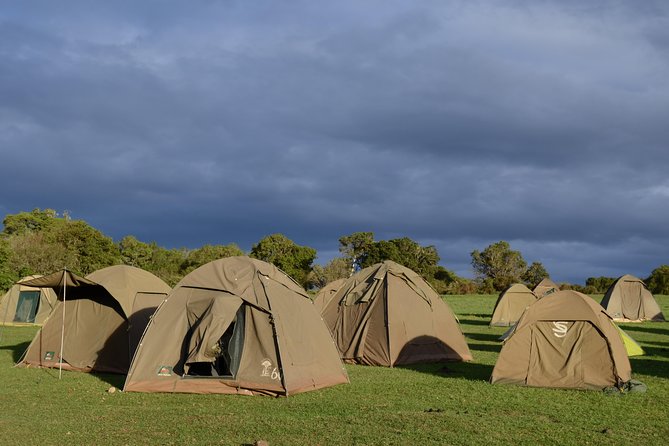
The value of this safari rests heavily on its camping setup. Camping equipment is included, and a chef prepares meals. That removes two major costs and saves you from carrying a full camp kitchen across Tanzania.
Food has received especially warm praise, with descriptions of meals as excellent and the crew as attentive to dietary and personal needs. The exact menu is not specified, so you should ask about special diets before departure. The presence of a chef is a real advantage on a five-day route with early starts.
Do not expect lodge-style comfort. One past account makes the tradeoff clear: the lower price comes with basic living conditions. That is not a flaw if you choose this tour for the parks, animals, and outdoor experience. It matters if you need polished rooms, private facilities, or a quiet luxury camp every night.
The itinerary also refers to a mix of campsites and Sunbright Lodge and campsite. Confirm the exact sleeping arrangements, number of nights, and facilities before booking, especially because the tour is described both as five days and as a five-night experience. That small wording difference can affect your planning.
What $1,270 per person really buys
At $1,270 per person, this is not a cheap day trip. It is a substantial safari price, but the comparison that matters is not with a local park excursion. You are paying for a multi-day vehicle, fuel, park access arrangements, camping gear, meals, guiding, and the long route from Arusha through four major parks.
That package can offer very good value. Paying separately for equipment, food, vehicle hire, and several park entries would make the trip harder to organize and could push costs higher. A group limit of six also helps keep the experience more personal than a large coach tour.
The strongest value comes if you want to see as much as possible in five days. You get elephants, baobabs, big-cat country, crater wildlife, rhinos, flamingos, hippos, monkeys, and the option of a Maasai cultural visit.
The weaker value appears if you dislike long drives or basic camping. You may spend a large part of Day 2 on the road, and several days begin early. The tour works best when you see driving as part of reaching the parks rather than wasted time.
The guide can shape the whole safari
The most repeated praise has focused on the guides and crew. Elias has been described as a strong animal spotter, friendly driver, and good company. Champion has been praised for determination, humor, and effort, while Fredy has earned praise for driving over rough ground and finding wildlife.
Those personal qualities matter. A guide does more than point at animals. The guide decides how to respond to reports, how long to wait, when to leave a crowded sighting, and how to explain what you are seeing. A calm guide also makes long drives and early mornings easier.
You should not book on the promise of a particular guide unless the operator confirms it. Still, the positive comments about Elias, Champion, and Fredy suggest that guide selection is one of the company’s strengths.
Food and organization also receive strong praise. The crew is described as warm, attentive, and flexible, and the booking process has been praised for clear answers to questions. That is useful before a safari, when small uncertainties about luggage, food, pickup, and camping can become large worries.
Who should choose this safari
I would point this tour toward you if:
- You want to visit four major parks in a short time.
- You care more about wildlife than polished accommodation.
- You want camping equipment and meals included.
- You are comfortable with long drives and early starts.
- You prefer a small group of no more than six.
- You want a local operator and a guide-led experience.
- You are looking for a lower-cost route through the Northern Safari Circuit.
I would be more cautious if you want private rooms, slow mornings, or a quiet schedule. Five days is enough to see a lot, but the program does not leave much spare time for delays, long stops, or extended stays in one park.
The optional Maasai village visit may suit you if culture is part of your goal, but ask for clear details about the visit. The main focus remains wildlife and national parks.
Useful booking questions before you pay
Ask the operator to confirm whether the package includes all park fees, the exact camping nights, and the night near Lake Manyara. The supplied details say admission is included for Ngorongoro Crater and describe other park admissions as part of the package, but a written cost breakdown is still sensible.
Also confirm:
- The exact pickup point in Arusha.
- The return point and expected end time.
- The camping facilities at each stop.
- The luggage limit for the vehicle.
- What meals are provided each day.
- Whether the Maasai visit costs extra.
- Whether a specific guide can be requested.
Confirmation is issued at booking, and most people can participate. Pickup is offered, and the ticket is mobile, so you do not need to manage paper tickets for the experience.
Free cancellation is available when you cancel at least 24 hours before the start time. Inside 24 hours, refunds are not provided, and changes are not accepted. Poor weather can lead to a different date or a full refund.
Should you book it?
Book this safari if your priority is maximum wildlife value in a small group, and you are happy to trade lodge comfort for camping. The route covers four of northern Tanzania’s biggest names, and the schedule gives you real game-drive time rather than a quick photo stop at each park.
I would choose it for a first safari on a controlled budget, especially if elephants, lions, rhinos, flamingos, and the Serengeti all sit on your wish list. I would skip it only if the long transfers and basic accommodation sound more tiring than exciting.
The best advice is simple: go for the parks, the food, the crew, and the chance of a sharp-eyed guide such as Elias, Champion, or Fredy. Just confirm the overnight details first, pack for early mornings, and remember that wild animals do not follow the itinerary.
FAQ
Where does the safari begin?
The tour is based in Arusha, Tanzania, and round-trip transportation from Arusha is offered. Pickup is available from your hotel.
How long does the safari last?
The itinerary is arranged over five days. The tour information also describes it as a five-night camping tour, so confirm the exact number of nights when booking.
How many people can join the tour?
The maximum group size is six people.
Is camping equipment included?
Yes. Camping gear and camping accommodation are included in the package.
Are meals included?
Yes. Meals are included, and the safari includes a chef. Ask in advance about any special dietary requirements.
Which national parks are visited?
The route includes Tarangire National Park, Serengeti National Park, Ngorongoro Crater, and Lake Manyara National Park.
Is the Maasai village visit required?
No. The Maasai village visit on Day 2 is optional.
What time does the Ngorongoro Crater visit begin?
The descent into Ngorongoro Crater is scheduled for about 6:15 am on Day 4.
What is the cancellation policy?
You can receive a full refund if you cancel at least 24 hours before the experience starts. Cancellations or changes made within 24 hours are not accepted for a refund. If poor weather causes the operator to cancel, you will be offered another date or a full refund.
More Lake Manyara Safaris
- 3 Days Tarangire, Ngorongoro & Lake Manyara Group Camping Safari
★ 5.0 · 102 reviews - 3 Days Private Safari – manyara, Ngorongoro & Tarangire
★ 5.0 · 94 reviews - 05 Days Tarangire, Serengeti, Ngorongoro and Lake Manyara
★ 5.0 · 54 reviews - 5 Days 4 Nights Tarangire, Serengeti , Ngorongoro & Manyara Wildlife Safari
★ 5.0 · 40 reviews
Just added in Arusha
- Safari “Kifaru” – 5 days in the most famous Parks in the world★ 5.0 · 4 reviews
- Saadani Day Trip★ 5.0 · 13 reviews
- 3 Days Tanzania Short and Spicy★ 5.0 · 6 reviews
- 5 Day Tanzania Safari Camping Adventure Private Tour★ 5.0 · 2 reviews
- Day Trip to Ngorongoro Crater from Arusha★ 5.0 · 1 review
- SERENGETI NATIONAL PARK Tour★ 4.5 · 5 reviews
- 3 Days Serengeti Park & Ngorongoro Crater Adventure Safari★ 5.0 · 8 reviews
- 6 Days Tanzania Bush Experience Safari★ 5.0 · 6 reviews
Serengeti & Ngorongoro Safaris, compared.
Serengeti Balloon Safari and authentic bush breakfast
Read our review →
Balloon Safari & Bush Breakfast in Serengeti – Miracle Experience
Read our review →
3 Days Serengeti & Ngorongoro Group Camping Safari
Read our review →
5-Day Highlights mid-Range Crater, Serengeti, Tarangire
Read our review →
Private 6-Day Tarangire Manyara Crater and Serengeti with Mid-Range Lodges
Read our review →
5 Days Camping Tarangire, Serengeti & Ngorongoro crater & Visiting Maasai
Read our review →Browse the lists this tour appears in