
Reviewed · SERENGETI & NGORONGORO SAFARIS
5 Days Wildlife Midrange Safari to Tarangire, Serengeti, Ngorongoro and Manyara
Five days, four famous parks, one big adventure. This private Tanzania safari links Tarangire, Serengeti, Ngorongoro Crater, and Lake Manyara in a fast but rewarding circuit from Arusha. I like the private vehicle and flexible game-drive schedule, which let you shape each day around wildlife activity and your energy. I also like the strong mix of scenery, including baobabs, open Serengeti plains, crater country, and Lake Manyara’s birdlife.
The main caution is the pace. You cover a lot of ground in five days, with long drives and early starts built into the route. The $1,900 per person price can be good value if accommodation, meals, park fees, and transport are all included as described, but you should confirm the exact lodging and the meaning of optional meals before paying.
In This Review
- Key points to know before booking
- Why this five-day safari works
- Tarangire: elephants beneath the baobabs
- Serengeti: two nights in the country of big cats
- Central Serengeti and the Seronera River
- Ngorongoro Crater: a half-day wildlife bowl
- Lake Manyara: birds, baboons, and tree-climbing lions
- What the $1,900 price covers
- Comfort, pace, and practical preparation
- Who should book this safari?
- Should you book it?
- FAQ
- Where does the safari start and finish?
- How long does the safari last?
- Is this a private safari?
- Which parks are visited?
- Are park fees and accommodation included?
- What is the cancellation policy?
Key points to know before booking
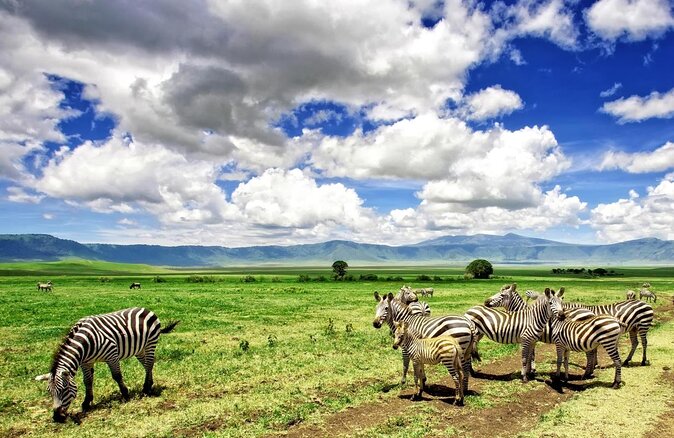
- Tarangire begins the safari with elephant country, baobab trees, acacia woodland, and views toward the Masai Steppe.
- Two nights in the Serengeti give you more than a brief pass through the park and improve your chance of seeing lions, leopards, cheetahs, and migrating herds.
- Ngorongoro Crater offers a concentrated half-day safari, with water, grass, predators, flamingos, hippos, and large herds in one enclosed setting.
- Lake Manyara adds a different habitat, with forests, hot springs, swamps, baboons, flamingos, and tree-climbing lions.
- The tour is private, so only your group joins the vehicle and you can discuss wake-up times and game-drive plans with your guide.
- The package includes park fees, taxes, transport, accommodation, water, and meals as listed, but breakfast, lunch, and dinner are marked optional in the supplied details, so confirm this point.
Why this five-day safari works
This route makes sense because each park offers a different kind of wildlife setting. Tarangire is known for elephants and baobabs. Serengeti provides the grand scale and famous predators. Ngorongoro gives you a compact wildlife-filled crater, while Manyara finishes with forest, lake, and bird habitats.
You begin and end in Arusha, which keeps the trip practical if you are using the city as your safari base. Pickup is offered, and the activity operates as a private tour. That matters more than it may sound. You do not need to fit your day around strangers, and you can discuss the best time for a game drive with your guide each morning.
The route is still ambitious. A five-day safari does not give you endless time in every park. You will spend part of each day driving between areas, and the Serengeti section requires enough time on the road to reach the central park. I would choose this trip if you want a strong first look at northern Tanzania and prefer one organized package rather than arranging several separate transfers.
More Serengeti and Ngorongoro safaris:
- Balloon Safari & Bush Breakfast in Serengeti – Miracle Experience
★ 5.0 · 1,646 reviews - 3 Days Serengeti & Ngorongoro Group Camping Safari
★ 5.0 · 574 reviews - 5-Day Highlights mid-Range Crater, Serengeti, Tarangire
★ 5.0 · 296 reviews
Tarangire: elephants beneath the baobabs
The first morning begins with an early breakfast and a drive from Arusha to Tarangire National Park. You travel with a picnic lunch, then spend roughly six hours on the day’s park visit before continuing to your accommodation.
Tarangire is a fine opening act because the wildlife is easy to connect with visually. Large elephant families gather around old baobab trunks, and the contrast between the animals and the thick, sculptural trees creates some of the safari’s most memorable scenes. During the dry season, elephants are especially common, and you may see them feeding on acacia bark or moving between water and shade.
The park also gives you a first look at the Masai Steppe and mountains to the south. The scenery changes as you drive, so this is not simply a search for animals beside one road. Baobab-studded areas, thorn trees, and open views make the drive itself part of the day.
One detail I appreciate is the connection made between the park and the traditional Maasai way of life. The tour description presents Tarangire as a place where nature and the original life of Maasai people share the same wider region. That does not replace a dedicated cultural visit, but it gives you useful context for the human setting beyond the park gates.
The drawback is timing. After an early start and the drive from Arusha, you may feel the day in your bones by the time the evening game drive ends. Pack a hat, water, sun protection, and patience. A picnic lunch is practical, but it also means you should not expect a long restaurant break during the park visit.
Serengeti: two nights in the country of big cats
Day two takes you toward Serengeti National Park. The schedule is intentionally flexible. You may take a morning game drive, return to camp for lunch and rest, then go out again in the afternoon. Or you may spend the full day in the park with a picnic lunch and return later for a campfire, shower, dinner, and sleep.
That flexibility is one of the strongest features of the safari. Wildlife does not follow a timetable, and neither do people. If you have already had a long day, returning to camp for a break can make the next drive more enjoyable. If the morning is active, staying out with a picnic may be the better choice.
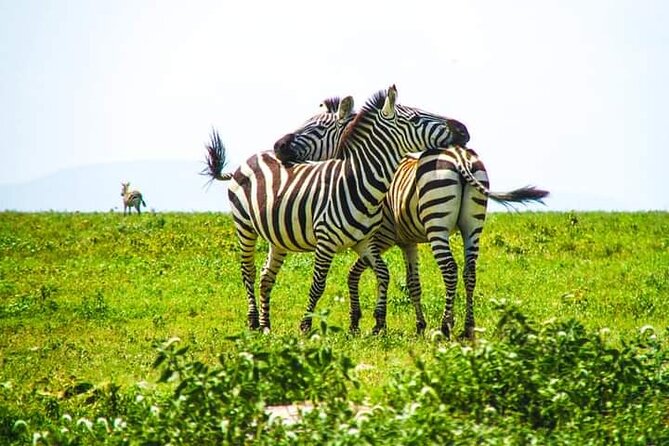
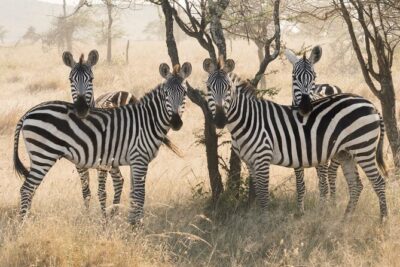
The Serengeti is famous for its huge grassland setting and the annual movement of wildebeest and zebra. The migration takes place throughout the year, but the animals do not remain in one place. Your guide’s timing and local conditions matter more than a promise of seeing a particular crossing or herd at a particular spot.
I would keep expectations sensible. The Serengeti is not a wildlife theater where every animal appears on cue. Some drives bring close elephant or lion sightings, while others reward you with broad views, scattered antelope, or birds of prey. The scale is part of the appeal. You are not only checking species off a list. You are seeing how animals use a vast open area.
A second Serengeti day is important. It gives you a full day in central Serengeti rather than treating the park as a road between other destinations. You have time for another morning or full-day drive, and that extra time increases your chances of seeing different behavior and habitats.
Central Serengeti and the Seronera River
Day three focuses on central Serengeti, particularly the Seronera area. After breakfast, you take a full-day game drive, stop for lunch, and continue in the afternoon before returning to camp for the evening.
The Seronera River is central to this part of the route. Its water attracts many species, which helps explain why the area is known for lions, leopards, and cheetahs. Predators are never guaranteed, but a dependable water source gives your guide a sensible place to search.
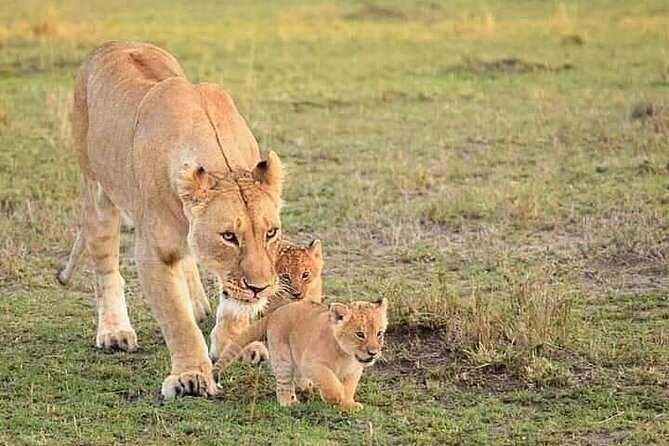
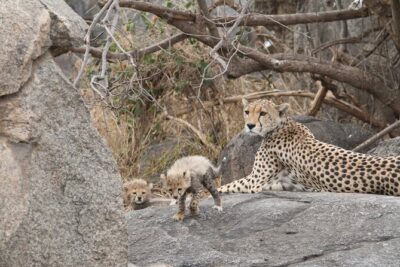
Lions may be easier to spot when they rest in open areas, while leopards often demand closer attention. Cheetahs can blend into the grass and may be seen sitting low against the ground. The supplied details also mention the central Serengeti as a home for big cats generally, so this is the part of the safari where you should allow time for careful observation rather than rushing from sighting to sighting.
The full-day format has a clear benefit: you avoid breaking the wildlife day into a short morning and short afternoon visit. You can carry a picnic lunch and remain in the park. The tradeoff is comfort. Eight hours in a safari vehicle can be tiring, particularly after the long transfer into the Serengeti. Ask your guide about the day’s plan and use the flexible scheduling to balance time outside the vehicle with rest at camp.
The evening campfire, shower, dinner, and overnight stay provide a welcome reset. Accommodation details are not specified, so ask for the name and location of the camp or lodge before booking. That information will tell you more about the night’s comfort, distance from the park areas, and transfer times.
More Tarangire safaris:
- Private 6-Day Tarangire Manyara Crater and Serengeti with Mid-Range Lodges
★ 5.0 · 238 reviews - 5 Days Camping Tarangire, Serengeti & Ngorongoro crater & Visiting Maasai
★ 5.0 · 229 reviews - 4 Days Join Group tour Tarangire Serengeti and Ngorongoro crater
★ 5.0 · 219 reviews - 4-Day Safari from Arusha: Tarangire, Serengeti and Ngorongoro
★ 5.0 · 173 reviews
Ngorongoro Crater: a half-day wildlife bowl
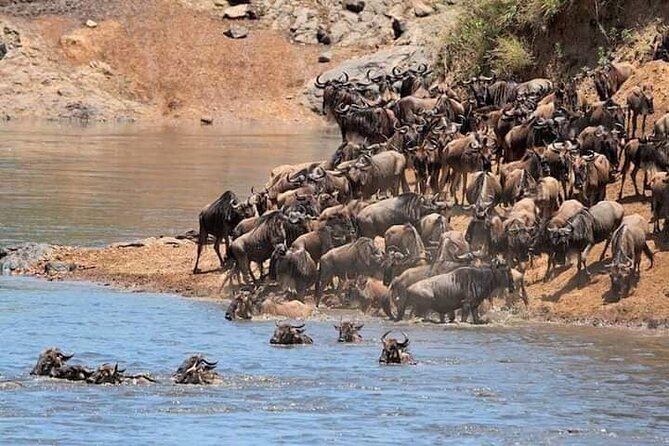
On day four, you leave the Serengeti after breakfast and travel to Ngorongoro Crater. The vehicle descends more than 600 meters into the crater for a half-day safari, with a picnic lunch served below the rim.
Ngorongoro’s appeal is concentration. The crater has a year-round water supply and grazing areas, so it supports large numbers of animals in a relatively contained setting. You may see wildebeest, zebra, buffalo, eland, warthog, hippo, and African elephants during the drive.
Predators are another major reason to value this stop. Lions, hyenas, jackals, cheetahs, and sometimes leopards live in the area. A leopard sighting can require a trained eye, so listen closely when your guide stops and scans the trees or distant grass.
The crater also changes the rhythm of the safari. After the broad Serengeti, you are in a more enclosed setting with the crater walls rising around you. Water birds and flamingos may gather near the lakes, while hippos remain in wet areas. The combination of open grazing ground, water, and high crater walls creates a very different view from Tarangire or Serengeti.
You should know that the crater visit is only a half day. That is enough for a useful wildlife circuit, but not enough to explore every corner. The descent and return drive also take time. After the crater, you continue to accommodation in Karatu for the evening.
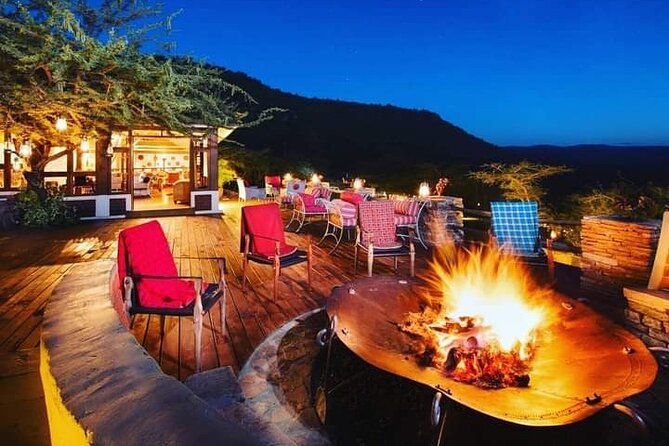
The itinerary describes a campfire, shower, dinner, and overnight stay in Karatu. Karatu is a practical base after Ngorongoro, but the exact accommodation is not named. I would confirm whether your $1,900 package includes all meals and the specific midrange property, since the inclusion list marks meals as optional in places.
Lake Manyara: birds, baboons, and tree-climbing lions
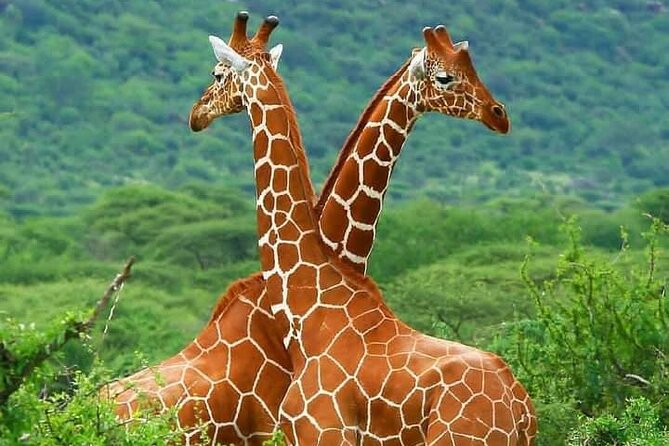
The final park is Lake Manyara National Park. After breakfast, you spend the day among several habitats before driving back to Arusha in the late afternoon.
Manyara is smaller than the other major parks on this route, but its variety makes it a worthwhile finish. You may pass through acacia woodland, water forest, baobab-lined cliffs, swamps, and areas near the lake. Algae-streaked hot springs add another visual detail, while the lake supports birdlife and flamingo colonies.
The park is particularly known for its baboons. Large troops can appear along the road or in the woodland, giving you a different kind of wildlife encounter from the big cats and elephants seen earlier.
Manyara’s tree-climbing lions are the headline sight. They are famous for resting in branches, though no wildlife sighting is guaranteed. You might see them overhead, or you might spend the day enjoying the park’s other habitats and birds. A good guide will help you look, but should not promise an animal that may be resting elsewhere.
Finishing here works well because Manyara offers visual variety without asking you to repeat the same type of Serengeti drive. The challenge is the return to Arusha after a full day in the park. If you have a flight or another fixed plan, allow plenty of time and confirm the expected arrival schedule with the operator.
What the $1,900 price covers
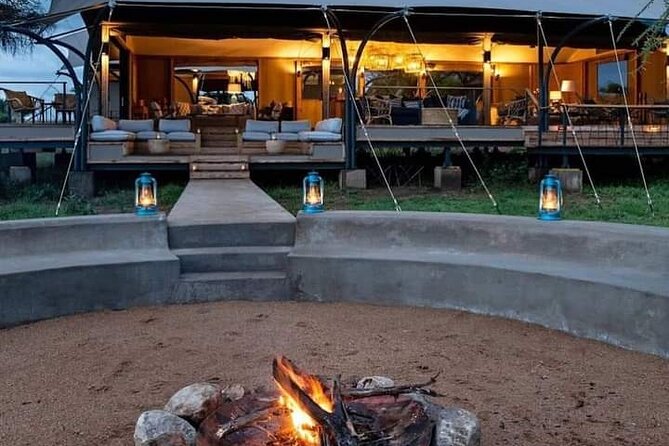
At $1,900 per person, this is not a budget safari, but it may offer fair value for a private five-day route through four major northern Tanzania parks. The package lists private transportation, accommodation, park fees, taxes, bottled water, and breakfast, lunch, and dinner, with some meals marked optional. Those inclusions cover many of the large costs that can make a safari expensive.
Private transport is especially valuable here. You are not sharing the vehicle with a larger group, and the tour is limited to your own party. You can discuss the timing of game drives and decide between a full-day outing or a break at camp when the schedule allows.
The unknown is the accommodation. No camp or lodge names are provided, and midrange can mean different things from one property to another. Before booking, ask for:
- The names of all overnight properties
- Whether breakfast, lunch, and dinner are included or optional
- The vehicle arrangement and number of people in your private group
- The expected timing for the long transfers
- Any extra charge for accommodation requests beyond the offered package
Visa costs, personal items, alcoholic drinks, and other drinks are excluded. Additional accommodation is also not included. Keep room in your budget for those items.
Comfort, pace, and practical preparation
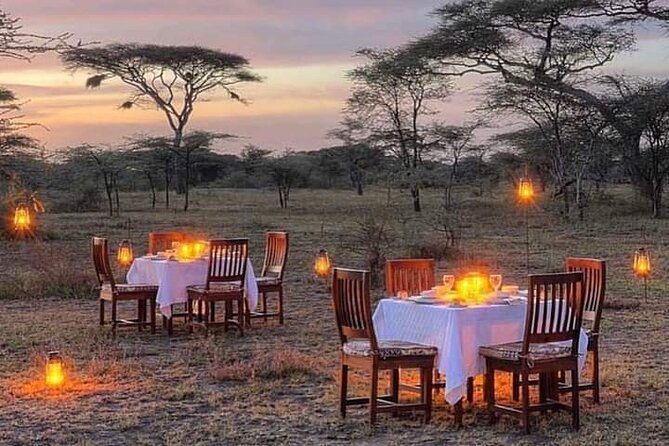
This safari is best for someone who accepts early starts, long road days, and a full schedule in exchange for seeing several headline parks. The itinerary includes days of about six to eight hours, and some transfer days may feel longer because the listed duration appears to describe the park activity rather than every minute of road travel.
I would pack light but sensibly. Bring sun protection, comfortable clothing, a reusable layer for cool mornings, and a small day bag for your picnic lunch and water. Bottled water is included, but personal snacks and drinks may be useful if you prefer something beyond the supplied meals.
The operator’s strongest service points are the basic ones that matter on safari: the car, driver, accommodation, service, and organization. The experience is designed to be handled from the first contact through the return to Arusha, rather than leaving you to arrange separate park entries and transfers.
Confirmation is provided at booking, and most people can participate. The tour operates daily from 6:00 AM to 11:30 PM according to the supplied opening information, though your actual start and return times will depend on the day’s plan. Free cancellation is available if you cancel at least 24 hours before the start time. Inside that window, the amount paid is not refunded.
Who should book this safari?
I would recommend it to a first-time safari visitor who wants the major northern Tanzania highlights in one compact trip. It suits couples, families, and small private groups who value control over the daily schedule and want more time in Serengeti than a one-night stop allows.
It is also a good match if elephants, big cats, crater wildlife, flamingos, and varied scenery all matter to you. You get a broad sample of Tanzania rather than one specialist park.
I would hesitate if you dislike long drives or want slow mornings and several nights at each property. A longer safari would allow more rest and more time in individual areas. I would also wait for clearer accommodation and meal details if those are central to your decision.
Should you book it?
Book this safari if you want a private, wildlife-focused introduction to northern Tanzania and can handle a brisk five-day pace. Tarangire’s elephants, Serengeti’s open plains, Ngorongoro’s concentrated wildlife, and Manyara’s birds and tree-climbing lions give you a strong range of experiences.
Before you commit, confirm the accommodation names, meal inclusions, vehicle details, and transfer timing. If those answers match your expectations, the price can be sensible for a private package covering park fees, transport, lodging, and four major destinations. If you want a slower safari, choose a longer option instead.
FAQ
Where does the safari start and finish?
The safari is based in Arusha. Pickup is offered, and the final day includes a drive back to Arusha after visiting Lake Manyara National Park.
How long does the safari last?
The experience lasts approximately five days.
Is this a private safari?
Yes. Only your group participates in the tour, and private transportation is included.
Which parks are visited?
The route includes Tarangire National Park, Serengeti National Park, Ngorongoro Crater, and Lake Manyara National Park.
Are park fees and accommodation included?
Yes, park fees, taxes, accommodation, and private transportation are included. The supplied details list breakfast, lunch, and dinner as inclusions but also mark some meals as optional, so confirm the exact meal arrangement before booking.
What is the cancellation policy?
You can cancel at least 24 hours before the experience starts for a full refund. Cancellations or changes made within 24 hours are not accepted and are not refunded.
More Wildlife Trips in Arusha
- Tanzania Wildlife Encounters – 6 Days
★ 5.0 · 277 reviews - 6 Day Tanzania Wildlife Mid range Safari
★ 5.0 · 54 reviews - 4 Days Wildlife Safari and Cultural Experience in Tanzania
★ 5.0 · 23 reviews - 6 Day: Magnificent Wildlife Adventure
★ 5.0 · 12 reviews
More Lake Manyara Safaris
- 3 Days Tarangire, Ngorongoro & Lake Manyara Group Camping Safari
★ 5.0 · 102 reviews - 3 Days Private Safari – manyara, Ngorongoro & Tarangire
★ 5.0 · 94 reviews - 05 Days Tarangire, Serengeti, Ngorongoro and Lake Manyara
★ 5.0 · 54 reviews - 5 Days 4 Nights Tarangire, Serengeti , Ngorongoro & Manyara Wildlife Safari
★ 5.0 · 40 reviews
Just added in Arusha
- Safari “Kifaru” – 5 days in the most famous Parks in the world★ 5.0 · 4 reviews
- Saadani Day Trip★ 5.0 · 13 reviews
- 3 Days Tanzania Short and Spicy★ 5.0 · 6 reviews
- 5 Day Tanzania Safari Camping Adventure Private Tour★ 5.0 · 2 reviews
- Day Trip to Ngorongoro Crater from Arusha★ 5.0 · 1 review
- SERENGETI NATIONAL PARK Tour★ 4.5 · 5 reviews
- 3 Days Serengeti Park & Ngorongoro Crater Adventure Safari★ 5.0 · 8 reviews
- 6 Days Tanzania Bush Experience Safari★ 5.0 · 6 reviews
Serengeti & Ngorongoro Safaris, compared.
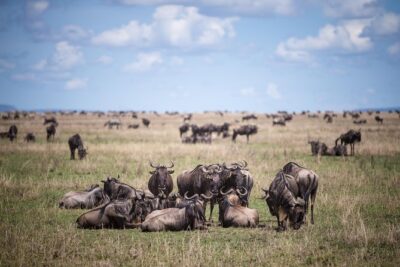
Serengeti Balloon Safari and authentic bush breakfast
Read our review →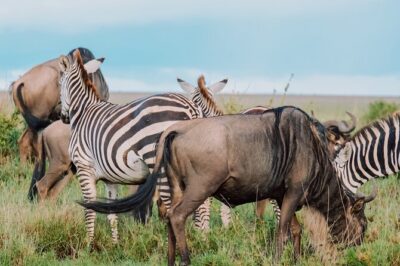
Balloon Safari & Bush Breakfast in Serengeti – Miracle Experience
Read our review →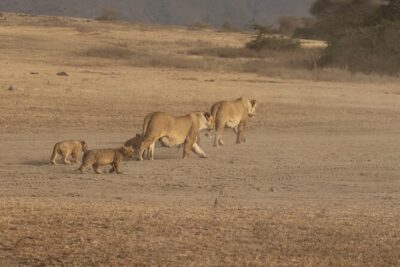
3 Days Serengeti & Ngorongoro Group Camping Safari
Read our review →
5-Day Highlights mid-Range Crater, Serengeti, Tarangire
Read our review →
Private 6-Day Tarangire Manyara Crater and Serengeti with Mid-Range Lodges
Read our review →
5 Days Camping Tarangire, Serengeti & Ngorongoro crater & Visiting Maasai
Read our review →Browse the lists this tour appears in