
Reviewed · SERENGETI & NGORONGORO SAFARIS
6 -Day Tarangire, Manyara, Serengeti & Ngorongoro
Big wildlife needs big skies. This six-day private safari links four of Tanzania’s best-known wildlife areas, from elephant country in Tarangire to the open plains of the Serengeti and the enclosed world of Ngorongoro Crater. I like the two nights planned in the Serengeti, and I also like the mix of wildlife, scenery, and Maasai culture. The main consideration is the price: at $4,800 per person, you will want clear answers about lodging, vehicle standards, and exactly what is included before paying.
The route is active, with early starts, long hours in a safari vehicle, and several major parks packed into less than a week. Private touring means your group has the vehicle and schedule to itself, which matters when you want extra time at a lion sighting or need a short break.
In This Review
- Five things to know before booking
- What $4,800 buys you in six days
- Day 1: Tarangire and its elephant country
- Day 2: The long move toward the Serengeti
- Day 3: Sunrise on the Serengeti plains
- Day 4: Ngorongoro Crater’s compact wildlife world
- Day 5: Lake Manyara’s forest and pink horizon
- Day 6: A quiet end with details to confirm
- The guide and service matter as much as the parks
- Who should choose this safari?
- Should you book it?
- FAQ
- Is hotel pickup included?
- Is this a private safari?
- Which parks does the safari visit?
- Are meals included?
- Can dietary requirements be accommodated?
- Are visas and tips included in the price?
Five things to know before booking
- Two Serengeti nights give you real time on the plains: One travel day leads into a full game-drive day, rather than treating the park as a quick photo stop.
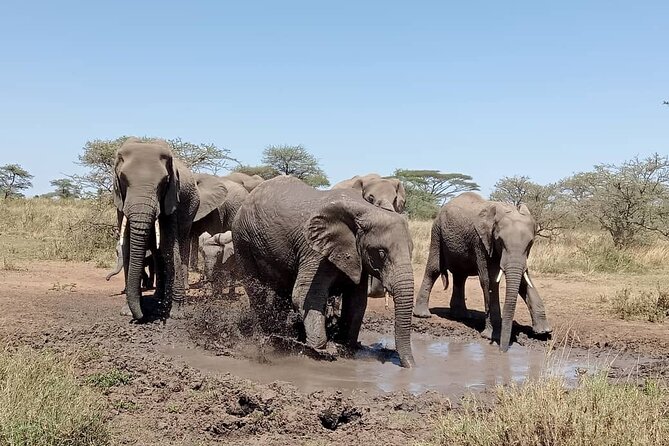
- Tarangire is especially strong for elephants: The Tarangire River provides a vital dry-season water source, drawing large herds and other wildlife.
- Ngorongoro packs variety into one crater: Lions, hyenas, buffalo, zebra, birds, and possibly rhinos can appear within a compact area.
- The safari is private: Only your own group participates, with hotel pickup offered from Arusha.
- Meals cover most of the six days: Five breakfasts, five dinners, and six lunches are included, but visas, tips, and gratuities are extra.
- The schedule starts early: The Serengeti game drive begins around 6 a.m., with a breakfast box taken out into the park.
What $4,800 buys you in six days
The price is substantial. At $4,800 per person, this is not a budget safari, and the value depends heavily on the accommodation, guide, vehicle, park fees, and level of service behind the scenes. The published details confirm meals, private participation, hotel pickup, and admission for some parks, but they do not spell out the lodges or camps.
That missing information matters. A safari price can vary widely depending on where you sleep, how long you spend driving between parks, and whether the vehicle is reserved just for your party. Before booking, I would ask for the names and locations of every overnight stay, the number of people in the vehicle, and a full list of included park and conservation fees.
The meal package is useful. You receive five breakfasts, five dinners, and six lunches, so most daily food is covered. You still need to budget for a visa, tips, and gratuities. The tour accepts vegetarian, vegan, and gluten-free dietary needs if you add them under special requirements when booking.
The private format adds genuine value. You are not sharing every decision with a large coach group, and that can make a difference during a long wildlife sighting. It also gives you more room to discuss whether to stay with a pride of lions, move on to find elephants, or pause for a packed breakfast.
More Serengeti and Ngorongoro safaris:
- Balloon Safari & Bush Breakfast in Serengeti – Miracle Experience
★ 5.0 · 1,646 reviews - 3 Days Serengeti & Ngorongoro Group Camping Safari
★ 5.0 · 574 reviews - 5-Day Highlights mid-Range Crater, Serengeti, Tarangire
★ 5.0 · 296 reviews
Day 1: Tarangire and its elephant country
After breakfast, you are picked up from your hotel and driven to Tarangire National Park for a full day of game viewing. The listed park time is about eight hours, so this is not a brief introduction. It is a full first day in the bush.
Tarangire takes its name from the Tarangire River, the park’s key water source during the dry season. That simple fact explains much of the wildlife activity. Large elephant herds are the park’s signature sight, and you may also look for lions, leopards, giraffes, and a wide range of birds.
I like this opening day because it offers more than the standard open-grassland view. Tarangire includes different types of country, with the Silale Swamp noted as a particularly good area for wildlife. The change in scenery keeps the day from feeling like a long drive across one unbroken plain.
You should also pace yourself. An eight-hour game drive on the first day can be tiring after an international flight or an early hotel pickup. Bring a hat, water, sunscreen, and a light layer. The tour provides lunch, but the schedule means much of the day is spent outside the vehicle only during planned stops.
Tarangire is a particularly good fit if elephants are high on your list. The park is also useful for bird lovers, though animal sightings remain dependent on season, weather, and luck. Nobody can promise a leopard, and the Big Five are a possibility, not a guarantee.
Day 2: The long move toward the Serengeti
After breakfast, you head toward Serengeti National Park. The drive is described as taking roughly three to four hours, with game viewing along the way. In practice, you should think of this as a transfer day that also includes wildlife opportunities.
The Serengeti is enormous, about the size of Switzerland. That scale is thrilling, but it also explains why a safari here involves driving. Most short visits focus on the central Seronera area and one additional zone, depending on the month. The northern area can be important in the dry season for the Mara crossings, while the western part may suit the green season and the herds around the Grumeti River. Ndutu can be relevant between the short rains and the next migration phase.
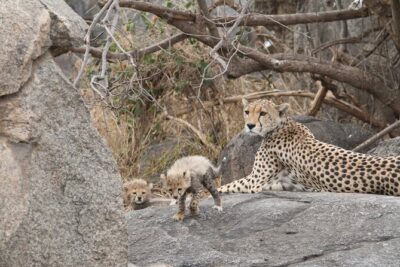
The central Serengeti is known for its broad plains, acacia trees, and rocky kopjes. Those stone outcrops are more than attractive scenery. They can provide high resting places for lions and useful lookout points for animals in the surrounding grass.
The route also includes an optional 45-minute visit to Olpopongi, a Maasai cultural village and museum in the Ngorongoro Highlands. You can meet elders, warriors, women, and children, and learn about Maasai beliefs and daily traditions. Because the visit is optional, confirm whether it carries an additional charge or requires a change to the day’s timing.
This cultural stop can add an important human dimension to a safari that otherwise focuses on wildlife. It is best approached with respect and attention rather than as a staged photo opportunity. You are visiting a community setting, so listen carefully and ask before taking photographs.
One point deserves clarification before departure: the route description places the Maasai village visit alongside the Serengeti transfer, even though Olpopongi is described as being in the Ngorongoro Highlands. Ask the operator to confirm the exact order and driving plan. Clear routing is especially important when you are paying for a short safari with limited spare time.
Day 3: Sunrise on the Serengeti plains
Day three is the safari’s longest wildlife day, with about ten hours in the park. You leave camp around 6 a.m. with breakfast boxes, aiming to see animals when they are most active and to catch sunrise across the plains.
This early start is one of the strongest parts of the schedule. Dawn gives you a different Serengeti from the one you see later in the day. The light is softer, temperatures are cooler, and animals may be moving before the heat encourages them to rest.
You stop around 8 or 9 a.m. for breakfast, then continue the game drive before returning to camp in the late afternoon. The plan gives you a full day rather than a token morning outing. Two nights in the Serengeti also reduce the feeling that you have arrived only to pack up again.
Still, ten hours in a safari vehicle is a serious stretch. If you have back problems, ask what type of vehicle is used and how often you can stop. A private tour helps because your group can discuss the pace, but the park itself remains large and animal sightings can require patience.
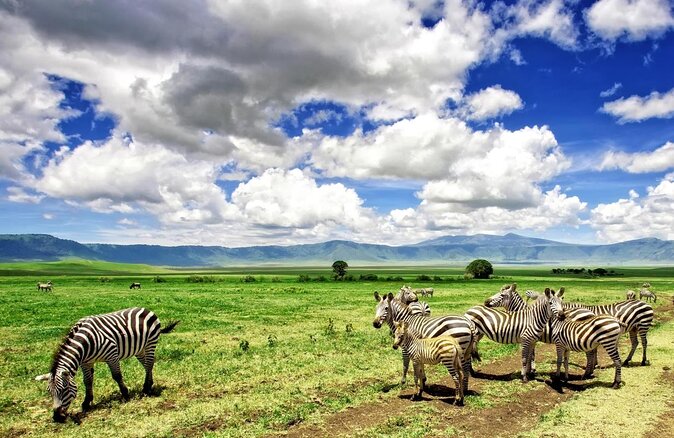
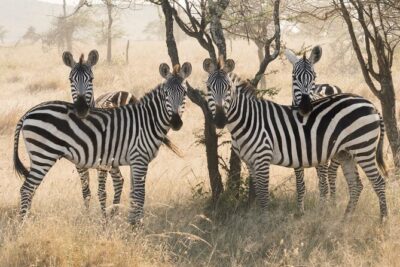
The Serengeti is where luck and timing matter most. You may see lions, elephants, cheetahs, hyenas, giraffes, zebras, or other animals, but the exact mix cannot be promised. The tour description points to lions in trees and the possibility of seeing the Big Five. Treat those as hopeful targets, not a checklist.
More Tarangire safaris:
- Private 6-Day Tarangire Manyara Crater and Serengeti with Mid-Range Lodges
★ 5.0 · 238 reviews - 5 Days Camping Tarangire, Serengeti & Ngorongoro crater & Visiting Maasai
★ 5.0 · 229 reviews - 4 Days Join Group tour Tarangire Serengeti and Ngorongoro crater
★ 5.0 · 219 reviews - 4-Day Safari from Arusha: Tarangire, Serengeti and Ngorongoro
★ 5.0 · 173 reviews
Day 4: Ngorongoro Crater’s compact wildlife world
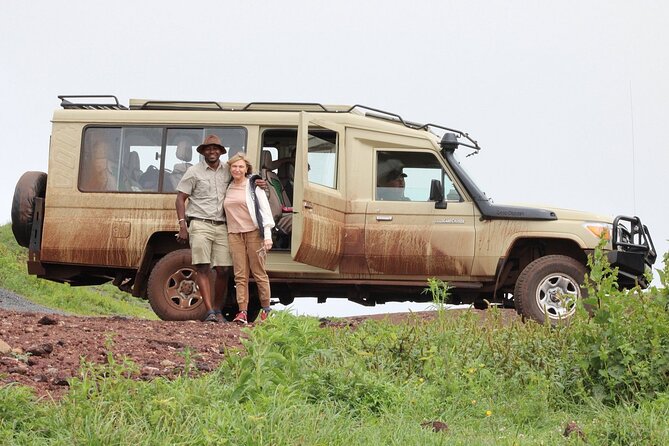
The drive from the Serengeti to Ngorongoro Crater takes about two hours, followed by a listed ten-hour day that includes the crater game drive, lunch, and the later trip to Karatu town. Ngorongoro is the most concentrated wildlife setting on this route.
The crater is the world’s largest intact collapsed caldera. Its enclosed form creates a self-contained wildlife area with grassland, water, and striking volcanic scenery. You may see lions, hyenas, Cape buffalo, zebra, serval, and many birds. Rhino sightings are possible, but they are never assured.
I like Ngorongoro because it gives you a strong chance to see several types of wildlife in one outing. The crater’s compact setting can feel more immediately rewarding than the wide Serengeti, where animals may be spread across enormous distances.
The trade-off is crowding and a tightly controlled route. You are entering a famous natural attraction, so other safari vehicles may be present, especially around notable sightings. The private format gives you control over your own group, but not over the number of vehicles in the crater.
Lunch is taken in the crater before you continue the game drive. You then travel to Karatu for the night. That final transfer makes this another long day, so keep your evening simple. You will likely be ready for a shower, dinner, and sleep rather than another activity.
Day 5: Lake Manyara’s forest and pink horizon
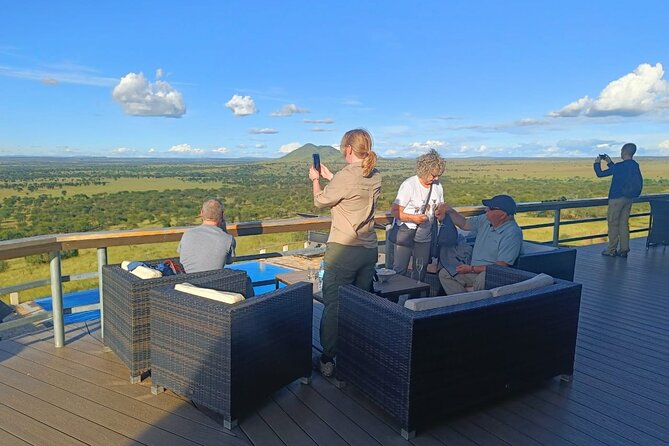
Lake Manyara National Park is the final major wildlife stop. The park time is about seven hours, and the setting changes again. Instead of the open Serengeti plains or the crater floor, you enter a groundwater forest and move toward a lake often colored pink in the distance by flamingos.
The forest is known for blue monkeys, and you may also see giraffes, elephants, lions, leopards, and birds. The variety is the attraction. Lake Manyara is smaller than the Serengeti, but its forest and lake edge give the safari a different feel.
I especially like the blue monkey detail because it shows why this park is not simply a spare day added between larger destinations. The groundwater forest creates a habitat you will not find in the same form on the open plains.
The park entrance is near Mto wa Mbu, where village visits and local school visits can be arranged. Coffee plantations in the area may also offer tours. Those activities are not clearly included in the six-day price, so ask before making plans. If you want local contact beyond wildlife viewing, Mto wa Mbu may be the place to request it.
Lake Manyara can be a good final park because it provides visual variety without asking you to spend another full day crossing the Serengeti. The possible drawback is that seven hours may feel short if your main goal is to search for every major animal. The park rewards attention to smaller details, birds, monkeys, and forest views as much as headline sightings.
Day 6: A quiet end with details to confirm
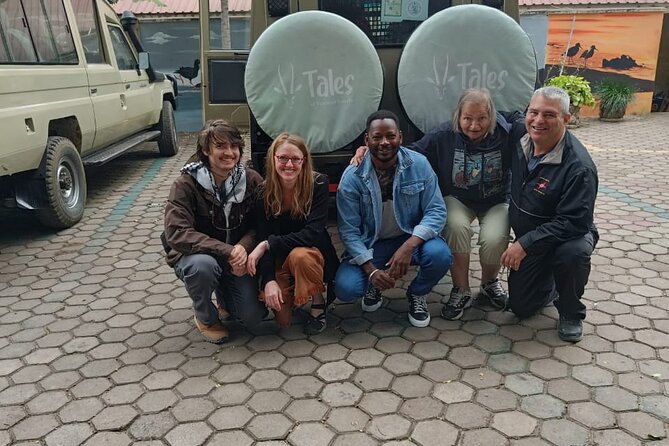
The final day is described only as the end of the safari. No departure time, transfer arrangement, or final destination is provided. That is a practical gap, especially if you have a flight, a hotel in Arusha, or a connection to another part of Tanzania.
Ask in advance where you will be dropped off and what time you should expect to arrive. Also confirm whether the final breakfast is included, since five breakfasts are listed across a six-day experience. Small details like this are easy to settle before departure and awkward to solve on the last morning.
The guide and service matter as much as the parks
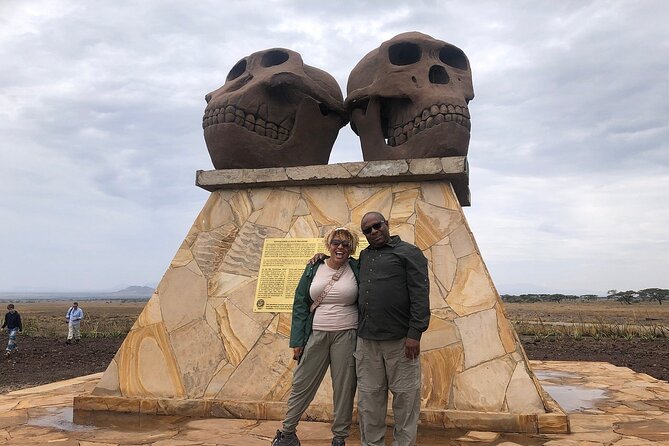
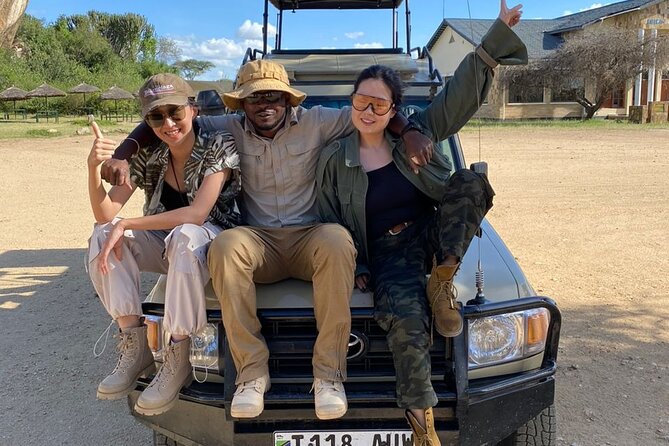
A safari can visit famous parks and still disappoint if communication is poor. Here, Pendo is identified as the organizer, and the service has been described as professional and responsive. That is useful reassurance when you need help with airport arrival, hotel changes, dietary requirements, or a last-minute question.
One account describes arriving at Kilimanjaro Airport already tired after a safari in Kenya, then being taken to a comfortable first stay by a driver who understood the need for a gentler start. That detail is worth noting if your Tanzania trip follows another demanding journey.
The same feedback praises the accommodation and describes the safari as unforgettable, with wildlife seen in natural surroundings rather than at a zoo-like attraction. Another account mentions seeing many species, including the Big Five. Those are encouraging signs, though your own sightings will depend on conditions and timing.
I would still request the name of your guide and the vehicle details before booking. The operator’s responsiveness is valuable, but the guide’s field experience and your vehicle’s comfort will shape every long day.
Who should choose this safari?
This route suits you if you want a compact introduction to northern Tanzania with four major wildlife areas. It works well for first-time safari visitors who want elephants, open plains, a volcanic crater, forest, lake views, and a possible Maasai cultural visit in one trip.
It is also a good match for people who value a private group. You have more say in the pace, and you are not tied to strangers’ priorities during long game drives.
I would be cautious if you dislike early mornings, bumpy roads, long transfers, or uncertain wildlife sightings. Six days is enough to see a lot, but not enough to explore every part of the Serengeti. If your main goal is the Great Migration, ask the operator to match the route and month to the herd location rather than relying on the general promise of the Serengeti.
The price also makes this better for someone who values convenience and a private arrangement more than the lowest possible cost. Compare the $4,800 rate with the exact accommodation, park fees, vehicle type, and guide services before deciding.
Should you book it?
I would consider booking this safari if you want a private, high-comfort route through Tanzania’s best-known northern parks and you are happy to pay for a tightly organized trip. The two Serengeti nights, full-day game drives, Tarangire elephants, Ngorongoro’s concentrated wildlife, and Lake Manyara’s forest make a strong six-day package.
Before you commit, get the missing details in writing: every overnight property, the exact Day 2 route, the Day 6 drop-off, the number of people in your vehicle, and the full breakdown of included fees. If those answers are clear and the accommodation matches the price, this could be a memorable safari with a sensible mix of wildlife and culture.
Free cancellation is available if you cancel at least 24 hours before the start time. Cancellations within 24 hours are not refunded, and changes inside that window are not accepted.
FAQ
Is hotel pickup included?
Yes. Pickup is offered, and the daily plan begins with collection from your hotel after breakfast.
Is this a private safari?
Yes. Only your own group participates in the tour.
Which parks does the safari visit?
The route includes Tarangire National Park, Serengeti National Park, Ngorongoro Crater, and Lake Manyara National Park.
Are meals included?
Yes. The package includes five dinners, five breakfasts, and six lunches.
Can dietary requirements be accommodated?
Yes. Vegetarian, vegan, and gluten-free meals can be accommodated if you provide the details under special requirements when booking.
Are visas and tips included in the price?
No. Visa costs, tips, and gratuities are not included.
More Lake Manyara Safaris
- 3 Days Tarangire, Ngorongoro & Lake Manyara Group Camping Safari
★ 5.0 · 102 reviews - 3 Days Private Safari – manyara, Ngorongoro & Tarangire
★ 5.0 · 94 reviews - 05 Days Tarangire, Serengeti, Ngorongoro and Lake Manyara
★ 5.0 · 54 reviews - 5 Days 4 Nights Tarangire, Serengeti , Ngorongoro & Manyara Wildlife Safari
★ 5.0 · 40 reviews
Just added in Arusha
- Safari “Kifaru” – 5 days in the most famous Parks in the world★ 5.0 · 4 reviews
- Saadani Day Trip★ 5.0 · 13 reviews
- 3 Days Tanzania Short and Spicy★ 5.0 · 6 reviews
- 5 Day Tanzania Safari Camping Adventure Private Tour★ 5.0 · 2 reviews
- Day Trip to Ngorongoro Crater from Arusha★ 5.0 · 1 review
- SERENGETI NATIONAL PARK Tour★ 4.5 · 5 reviews
- 3 Days Serengeti Park & Ngorongoro Crater Adventure Safari★ 5.0 · 8 reviews
- 6 Days Tanzania Bush Experience Safari★ 5.0 · 6 reviews
Serengeti & Ngorongoro Safaris, compared.
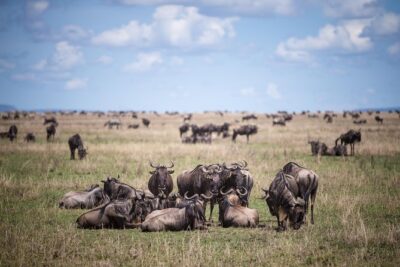
Serengeti Balloon Safari and authentic bush breakfast
Read our review →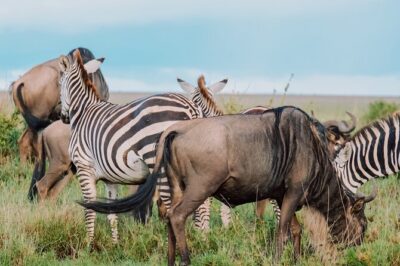
Balloon Safari & Bush Breakfast in Serengeti – Miracle Experience
Read our review →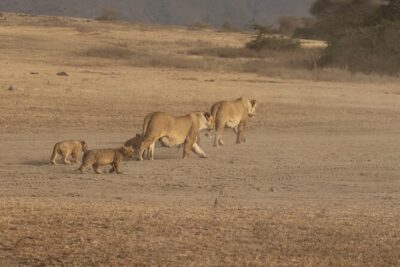
3 Days Serengeti & Ngorongoro Group Camping Safari
Read our review →
5-Day Highlights mid-Range Crater, Serengeti, Tarangire
Read our review →
Private 6-Day Tarangire Manyara Crater and Serengeti with Mid-Range Lodges
Read our review →
5 Days Camping Tarangire, Serengeti & Ngorongoro crater & Visiting Maasai
Read our review →Browse the lists this tour appears in