
Reviewed · SERENGETI & NGORONGORO SAFARIS
6 Days lodge &camping tour Serengeti ,Tarangire ,Ngorongoro Crater and Manyara
Four parks, one busy week. This six-day northern Tanzania safari packs Tarangire, Serengeti, Ngorongoro Crater, and Lake Manyara into a sensible route from Arusha. I like the mix of big wildlife areas and changing scenery, and I like that the small group is limited to six people. The main catch is the pace: you will spend long hours on rough park roads and in the safari vehicle.
The $1,600 per-person price looks strong for a six-day trip that includes several of Tanzania’s best-known parks, camping, and two nights in lodge accommodation. I also find the repeated praise for the guides, especially Elias, encouraging. Still, this is a budget safari, so you should confirm exactly which nights are in tents, which are in lodges, and what meals and park fees are included before paying.
In This Review
- Key points worth knowing
- Why this route works from Arusha
- Day 1: Tarangire’s elephants and baobabs
- Day 2: From the crater rim to the Serengeti plains
- Day 3: An early Serengeti game drive
- Day 4: Leaving the Serengeti for Simba Campsite
- Day 5: Down into Ngorongoro Crater
- Day 6: Forest, water, and birds at Lake Manyara
- Camping, lodges, and the small-group setup
- What $1,600 per person buys in value
- Guide quality can make or break this safari
- Who should book this six-day safari?
- Should you book it?
- FAQ
- Where does the safari start?
- How long does the safari last?
- Which national parks and areas are included?
- How many people can join the tour?
- Does the trip include camping and lodges?
- What time does the early Serengeti game drive begin?
- Is the Great Wildebeest Migration guaranteed?
- What is the cancellation policy?
Key points worth knowing
- Four major parks in six days: You visit Tarangire, Serengeti, Ngorongoro Crater, and Lake Manyara without adding internal flights.
- A maximum of six people: The smaller vehicle group should make it easier to see, hear, and speak with your guide.
- An early start in the Serengeti: The 6:30 morning drive gives you a better chance of seeing predators active before the heat of the day.
- Two different kinds of safari sleep: The trip combines camping with lodge stays, giving you a taste of both styles.
- Elias receives especially warm praise: Several detailed accounts single out his driving, patience, animal knowledge, and friendly manner.
- A clear budget tradeoff: At $1,600 per person, the value is attractive, but the schedule leaves little spare time for rest.
Why this route works from Arusha
Northern Tanzania is well suited to a road safari. Arusha gives you a practical starting point, and the route links four very different wildlife areas rather than repeating the same kind of park every day.
Tarangire brings giant baobabs and large elephant herds. The Serengeti gives you wide open plains and the possibility of seeing the Great Wildebeest Migration, depending on the month. Ngorongoro Crater concentrates wildlife in a remarkable enclosed setting, while Lake Manyara changes the mood with forest, water, cliffs, and birds.
The route also gives you a useful introduction to Tanzania’s changing scenery. On the first morning, you pass villages and the Masai Steppe along the Great Northern Highway. Later, the road climbs through the farmland around Karatu and crosses the Ngorongoro Conservation Area before reaching the Serengeti.
That variety is one of the best reasons to choose this trip. You are not simply ticking off four names. You are moving through several habitats, each with its own animals, light, and feel.
More Serengeti and Ngorongoro safaris:
- Balloon Safari & Bush Breakfast in Serengeti – Miracle Experience
★ 5.0 · 1,646 reviews - 3 Days Serengeti & Ngorongoro Group Camping Safari
★ 5.0 · 574 reviews - 5-Day Highlights mid-Range Crater, Serengeti, Tarangire
★ 5.0 · 296 reviews
Day 1: Tarangire’s elephants and baobabs
The safari starts after breakfast in Arusha. There is a practical stop at a supermarket in town for last-minute purchases. Use it for snacks, bottled drinks, personal items, or anything you forgot. Once you leave Arusha, the drive continues through villages and the Masai Steppe toward Tarangire National Park.
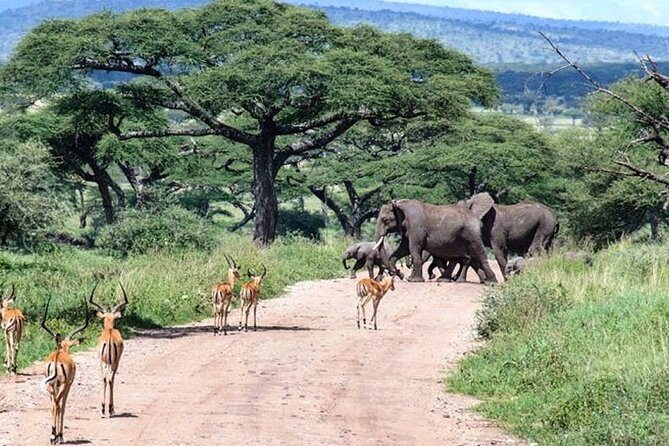
The park is best known for its large elephant population and huge baobab trees. Those two features alone make the first day different from the Serengeti. Baobabs give the scenery a dramatic, almost upside-down look, and elephants often provide close, memorable sightings.
You might also see wildebeest, buffalo, zebra, giraffe, hippos, baboons, and several antelope species. The park has recorded more than 400 bird species, so Tarangire is especially appealing if you enjoy birds as much as mammals. The itinerary also mentions Ashy Starling, Great Kudu, and fringe-eared oryx among the less common possibilities.
The listed game drive lasts about six hours. That is enough time for a useful first look at the park, though it is not an entire day of exploration. You should expect the drive from Arusha, park formalities, and the game viewing itself to fill most of the day.
Tarangire is a good opening act because elephants are a realistic possibility and the park’s scenery is immediately distinctive. The drawback is that the day begins with a road journey, so you should not expect to arrive at the gate at dawn.
Day 2: From the crater rim to the Serengeti plains
Day two is a transfer day with a major scenic reward. After breakfast at the campsite, you travel through the high farmland around Karatu and into the Ngorongoro Conservation Area.
The route includes a stop at the Ngorongoro gate for check-in, followed by a stop at the crater viewpoint. From the rim, you can look down across the crater floor and take photographs before continuing along the rim and through the Malanja Depression.
This is a smart way to introduce Ngorongoro before the full crater visit later in the trip. You get the first elevated view, then save the close-up wildlife experience for day five.
At Naabi Hills Gate, you may eat your packed lunch or stop near the kopjes, the rocky outcrops scattered across the plains. These rocks are more than scenic landmarks. They are classic Serengeti features and often provide useful resting or lookout points for animals.
The central Serengeti area, known as Seronera, is the day’s destination. Seronera is one of the strongest areas in the park for wildlife because several habitats meet there. The itinerary describes it as particularly good for spotting big cats and other animals.
This is also the day when the journey can feel long. The listed activity lasts about six hours, but road travel between parks adds to the time in the vehicle. You will want a good camera battery, water, sun protection, and patience for the stretches between sightings.
Day 3: An early Serengeti game drive
Day three is the safari’s main wildlife day. You leave as early as 6:30 with packed breakfast and lunch boxes, heading into the Serengeti plains while the air is still cool.
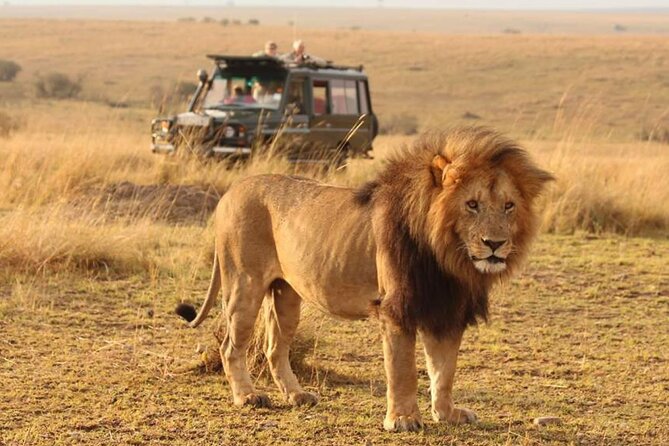
Early drives are valuable because predators may still be returning from a night hunt. Lions may be active near the road, and lionesses might be moving into position for a morning ambush. The itinerary also points to the possibility of seeing members of the cat family before the day becomes hot.
Breakfast in the bush is a memorable touch, though it is worth keeping expectations practical. You are eating outdoors during a long game drive, not sitting down to a full hotel breakfast. The reward is time in the park, with no need to return to camp simply to eat.
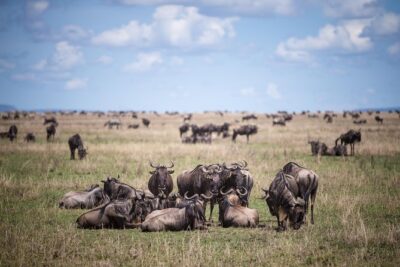
The Serengeti is also the setting for the Great Wildebeest Migration. Your chance of following the herds depends entirely on your travel dates. The route may take you toward the animals, but the migration is seasonal and constantly moving, so nobody can promise a particular sighting.
The day runs for about ten hours, making it the longest and most demanding part of the trip. You could see herds eating, animals interacting, or predators near a kill, but wildlife never follows a timetable. The guide’s judgment matters here, especially when deciding where to spend time and when to move on.
The strongest praise attached to this operator centers on guiding and driving. Elias is repeatedly described as calm, attentive, professional, and willing to do what suited the group. Those qualities matter most on a long Serengeti day, when road choices and timing can shape the quality of your sightings.
More Tarangire safaris:
- Private 6-Day Tarangire Manyara Crater and Serengeti with Mid-Range Lodges
★ 5.0 · 238 reviews - 5 Days Camping Tarangire, Serengeti & Ngorongoro crater & Visiting Maasai
★ 5.0 · 229 reviews - 4 Days Join Group tour Tarangire Serengeti and Ngorongoro crater
★ 5.0 · 219 reviews - 4-Day Safari from Arusha: Tarangire, Serengeti and Ngorongoro
★ 5.0 · 173 reviews
Day 4: Leaving the Serengeti for Simba Campsite
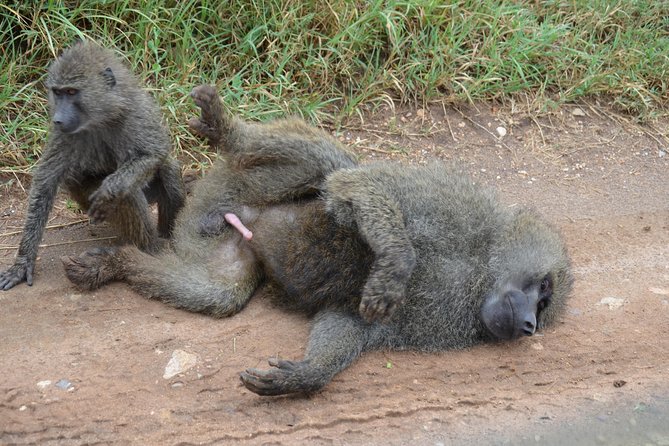
After an early breakfast, you take another game drive through the Serengeti before beginning the exit toward the Ngorongoro area. This arrangement gives you one more chance for wildlife rather than treating the morning as a simple transfer.
The route takes around two hours from the Serengeti toward Simba Campsite near the Ngorongoro Crater rim, with game viewing along the way. You return to camp for lunch and packing, then continue out of the Serengeti.
This day is less packed with headline attractions, but it serves an important purpose. You get a final look at the Serengeti, then move into position for the early crater descent the next morning.
The camping element becomes more noticeable here. If you enjoy being close to the outdoors, sleeping at a campsite near the crater rim can feel like an honest match for the setting. If you prefer comfort and privacy every night, ask for the exact accommodation plan before booking. The published description says the trip includes camping and two lodge nights, but it does not identify every property or assign each night in detail.
Day 5: Down into Ngorongoro Crater
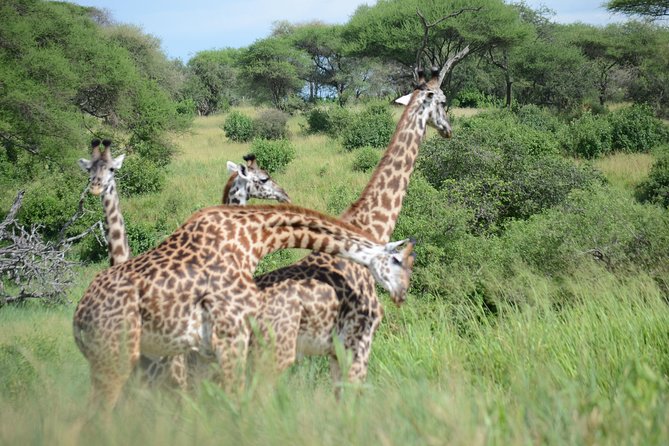
The Ngorongoro Crater is the trip’s most concentrated wildlife experience. You start at about 6:30 after breakfast and descend more than 600 meters from the rim to the crater floor.
The crater formed roughly three million years ago after internal forces beneath the earth’s crust caused the original volcanic structure to collapse. Today, a dependable water supply and open grazing areas support large numbers of animals in a relatively contained area.
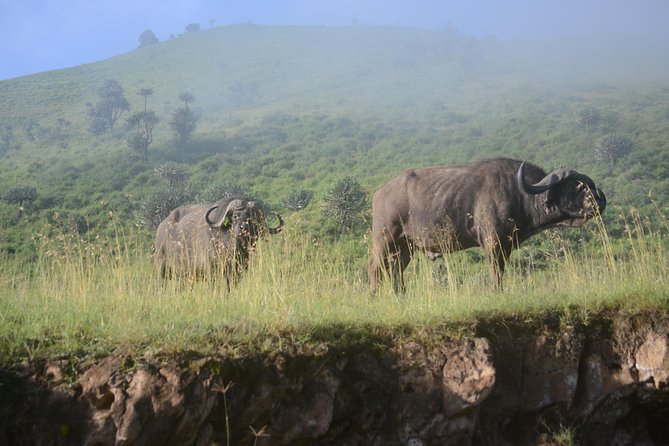
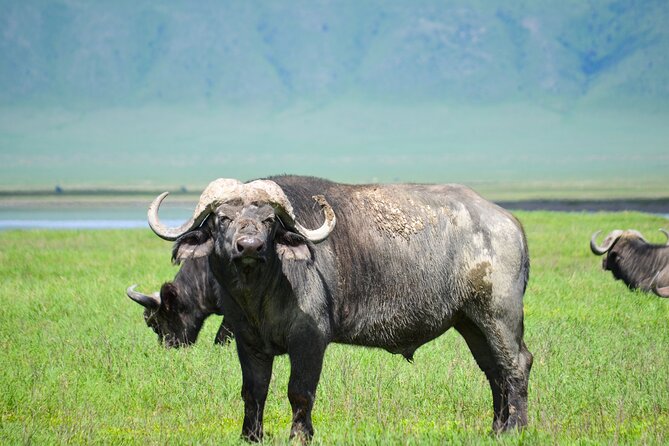
You might see buffalo, zebra, wildebeest, eland, topi, warthog, hippo, and elephant. The crater is also known for its high number of predators, which makes it one of the better places on this route to look for lions and other hunters.
The setting is the great pleasure here. You are not only watching animals. You are looking across a vast natural bowl framed by steep walls, with different habitats gathered close together.
The game drive lasts about six hours. Since the crater is a major attraction, it can feel busier than more remote parts of the Serengeti. The early start is important, both for wildlife activity and for making the most of your time before the day grows hot.
After the crater visit, the route continues toward the final park. The description says Lake Manyara follows on day six, so you should confirm where you spend the night after the crater and how the accommodation change fits into the two lodge nights.
Day 6: Forest, water, and birds at Lake Manyara
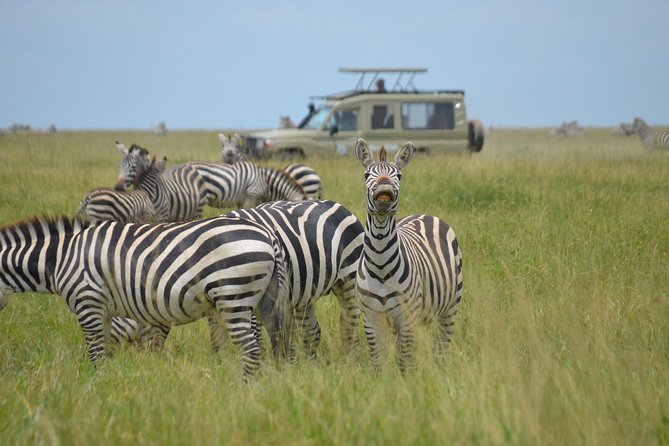
The final day begins with breakfast and a short drive to Lake Manyara National Park. After park formalities, you start the last game drive.
Manyara differs sharply from Tarangire and the Serengeti. The park includes groundwater forest, acacia woodland, swamps, baobab-covered cliffs, hot springs streaked with algae, and the broad lake itself.
That mix supports a wide range of wildlife and birdlife. The park is particularly noted for its large baboon population, sizeable flamingo flocks, and the famous tree-climbing lions. You might also see other mammals along the forest edge, in the woodland, or near the water.
Lake Manyara is a fitting final stop because it brings more visual variety after several days of open plains. The drawback is time. With about six hours scheduled, you may get a good sample rather than a complete exploration of every habitat.
Tree-climbing lions are an important expectation to manage. They are a signature possibility, not a guarantee. The same is true of flamingos, since bird numbers and water conditions can change.
Camping, lodges, and the small-group setup
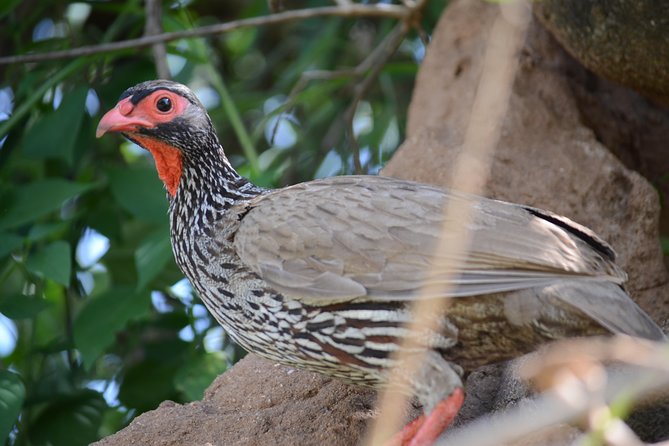
This is not presented as a luxury safari. It is a budget-minded trip with a combination of campsites and lodges. That can be a good choice if your priority is spending money on park access and time in the vehicle rather than on high-end rooms.
Two lodge nights add some comfort to a schedule that otherwise includes camping. The mix also lets you compare two sides of a Tanzania safari: the simplicity of a campsite and the easier rest offered by a lodge.
The group maximum is six people. That is a useful limit. A packed vehicle can make photography awkward and conversation with the guide harder. With fewer people, you should have more room to adjust your seat, ask questions, and share decisions about sightings.
Still, the small group does not remove the physical demands of the route. You will have early breakfasts, packed meals, long drives, and several days of rough park roads. This suits people who want wildlife first and who can cope with a full schedule.
What $1,600 per person buys in value
At $1,600 per person, the price is appealing for a six-day northern circuit covering four famous parks. You are paying for access to places that would be difficult to connect independently, along with a guide, vehicle arrangements, park visits, and accommodation across camping and lodge settings.
The value is strongest if you want breadth. In less than a week, you see elephants and baobabs in Tarangire, big-cat country in the Serengeti, the enclosed wildlife setting of Ngorongoro, and the forests and birds of Manyara.
The value is less clear if you want slow travel. The itinerary has little free time, and several days combine game drives with transfers. A more expensive private itinerary might give you extra nights in one park, but this trip offers a wide first taste of northern Tanzania at a lower cost.
Because the accommodation details are not fully specified, I would ask these questions before booking:
- Which two nights are in lodges?
- What type of tent or campsite is used?
- Are meals included on every day?
- Are park fees included throughout, or only specifically listed for Ngorongoro?
- Is the $1,600 price based on a shared vehicle and six-person group?
Those questions do not weaken the offer. They simply help you compare like with like.
Guide quality can make or break this safari
A safari guide is not just a driver. Your guide controls the pace, explains animal behavior, handles the long roads, and helps you decide when a sighting deserves ten minutes or an hour.
The strongest personal praise connected with this company focuses on Elias. He is described as a great driver, friendly companion, patient guide, and professional presence. Other accounts also praise guides such as Hassan and Sam, while David and Faith receive credit for planning and personal communication.
That pattern suggests the company’s service is not limited to a fixed script. The itinerary can be adapted to family needs and special requests, at least according to the available account of longer trips. A family traveling with children aged 11 and 13 found the experience positive, which is useful if you are considering this safari with older children or teenagers.
The displayed rating information shows a five-star score, a 100 percent recommendation rate, and 15 reviews. The individual accounts praise organization, communication, guides, vehicle comfort, and careful accommodation choices. Since some of the published review text is shortened or translated, I would still treat the perfect score as encouraging rather than as proof that every detail will suit every person.
Who should book this six-day safari?
I would recommend it to a first-time safari visitor who wants the classic northern Tanzania route without paying luxury prices. It is also a good fit for small groups, families with older children, and people who want a strong mix of elephants, big cats, crater wildlife, birds, and varied scenery.
You should be comfortable with early starts and long days. The Serengeti day lasts about ten hours, and the transfer days involve substantial road travel. If you need frequent rest days, private bathrooms every night, or a slower schedule, ask for a tailored version instead.
The tour also suits anyone who wants a genuine camping component without giving up lodges entirely. You will need an open mind about comfort, dust, heat, and changing accommodation.
Booking is flexible up to 24 hours before the start time, when a full refund is available. Cancellations inside 24 hours are not refunded, and weather-related cancellations offer either another date or a full refund.
Should you book it?
Book this safari if you want four headline parks in six days, a small group, a budget-friendly price, and a guide-led experience with strong praise for personal service.
Think twice if you want a relaxed itinerary or high-end accommodation throughout. Before committing, get the lodge and campsite names, meal details, park-fee inclusions, and vehicle arrangements in writing.
For the right person, this is a lively and efficient introduction to northern Tanzania. You may return tired, dusty, and very happy with a camera full of elephants, crater views, Serengeti plains, and one especially good guide story.
FAQ
Where does the safari start?
The tour is based in Arusha, Tanzania, and pickup is offered.
How long does the safari last?
The experience lasts six days, approximately.
Which national parks and areas are included?
The route includes Tarangire National Park, Serengeti National Park, Ngorongoro Crater within the Ngorongoro Conservation Area, and Lake Manyara National Park.
How many people can join the tour?
The tour has a maximum of six participants.
Does the trip include camping and lodges?
Yes. The experience combines camping with lodge accommodation and includes two lodge nights. The exact night-by-night accommodation details are not specified.
What time does the early Serengeti game drive begin?
The early Serengeti drive on day three begins at approximately 6:30 in the morning.
Is the Great Wildebeest Migration guaranteed?
No. The migration is seasonal, so the chance of seeing the herds depends on the time of year you visit.
What is the cancellation policy?
You can cancel at least 24 hours before the start time for a full refund. Cancellations or changes made less than 24 hours before the start time are not accepted for a refund. If poor weather cancels the experience, you are offered another date or a full refund.
More Lake Manyara Safaris
- 3 Days Tarangire, Ngorongoro & Lake Manyara Group Camping Safari
★ 5.0 · 102 reviews - 3 Days Private Safari – manyara, Ngorongoro & Tarangire
★ 5.0 · 94 reviews - 05 Days Tarangire, Serengeti, Ngorongoro and Lake Manyara
★ 5.0 · 54 reviews - 5 Days 4 Nights Tarangire, Serengeti , Ngorongoro & Manyara Wildlife Safari
★ 5.0 · 40 reviews
Just added in Arusha
- Safari “Kifaru” – 5 days in the most famous Parks in the world★ 5.0 · 4 reviews
- Saadani Day Trip★ 5.0 · 13 reviews
- 3 Days Tanzania Short and Spicy★ 5.0 · 6 reviews
- 5 Day Tanzania Safari Camping Adventure Private Tour★ 5.0 · 2 reviews
- Day Trip to Ngorongoro Crater from Arusha★ 5.0 · 1 review
- SERENGETI NATIONAL PARK Tour★ 4.5 · 5 reviews
- 6 Days Tanzania Bush Experience Safari★ 5.0 · 6 reviews
- 3 Days Serengeti Park & Ngorongoro Crater Adventure Safari★ 5.0 · 8 reviews
Serengeti & Ngorongoro Safaris, compared.
Serengeti Balloon Safari and authentic bush breakfast
Read our review →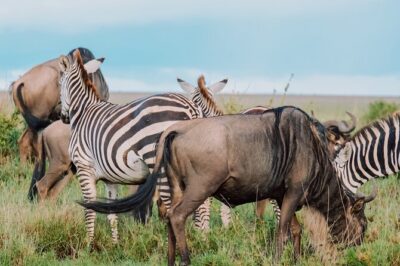
Balloon Safari & Bush Breakfast in Serengeti – Miracle Experience
Read our review →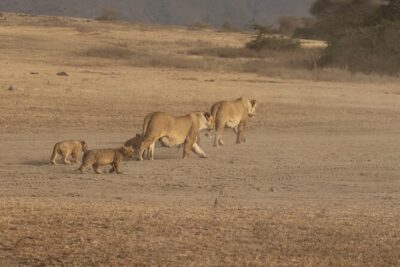
3 Days Serengeti & Ngorongoro Group Camping Safari
Read our review →
5-Day Highlights mid-Range Crater, Serengeti, Tarangire
Read our review →
Private 6-Day Tarangire Manyara Crater and Serengeti with Mid-Range Lodges
Read our review →
5 Days Camping Tarangire, Serengeti & Ngorongoro crater & Visiting Maasai
Read our review →Browse the lists this tour appears in