
Reviewed · VIP
6 Days Luxury Northern Circuit Safari – A Glimpse of Tanzania Adventure
Tanzania rewards early starts. This six-day private safari packs Tarangire, Lake Manyara, the Serengeti, Ndutu, and Ngorongoro Crater into one focused route. I like the strong mix of wildlife habitats and the chance to see the Great Migration calving season, though the schedule is demanding, with several nine- and ten-hour days on rough park roads.
I also like that the tour includes private 4WD transport, park fees, meals, airport pickup, and Flying Doctors insurance. You get your own group rather than sharing the vehicle with strangers, but the $6,341.54 per-person price means you should confirm the exact lodges, room arrangements, and vehicle setup before paying.
In This Review
- What makes this safari worth considering
- A six-day route with a clear purpose
- Day 1: Arriving in Arusha beneath Mount Meru
- Day 2: Tarangire and the best early wildlife introduction
- Day 3: Lake Manyara’s forest, escarpment, and soda lake
- Day 4: From Karatu to Ndutu and the southern Serengeti
- Day 5: An early start around Lake Ndutu
- Day 6: Ngorongoro Crater’s compact wildlife theater
- The private 4WD setup and guide quality
- Luxury value at $6,341.54 per person
- Who will enjoy this route most
- Practical details to settle before departure
- Should you book this six-day safari?
- FAQ
- Where does the safari start?
- Where does the safari end?
- How long does the safari last?
- Is this a private tour?
- Which parks and conservation areas are included?
- When is the best time to see the migration around Ndutu?
- What meals are included?
- Is the hot-air balloon ride included?
What makes this safari worth considering
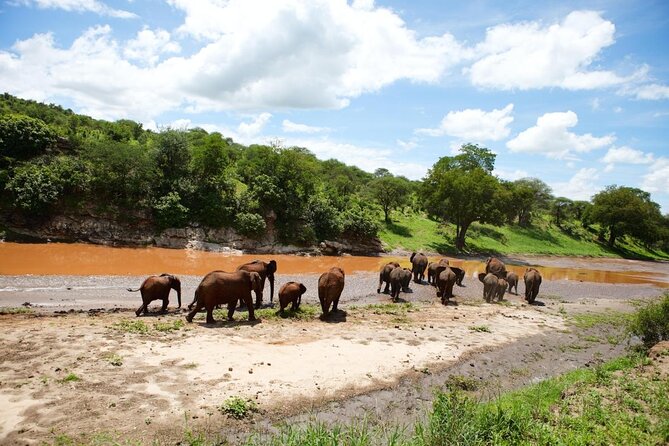
- Ndutu during calving season: From December through April, wildebeest, zebra, and gazelle gather around the southern Serengeti and Ngorongoro area.
- Four major wildlife areas: Tarangire, Lake Manyara, Serengeti, and Ngorongoro Crater each offer a different kind of game viewing.
- Private safari vehicle: Your group participates alone, allowing more control over stops and daily pacing.
- Elephants in Tarangire: Large herds are one of the park’s defining sights, along with baobabs, predators, and plains game.
- A full crater-floor drive: Ngorongoro offers a compact setting where rhino, lions, elephants, flamingos, and other animals may appear in one day.
- A locally operated company: Off the Beaten Path Safaris has received strong praise for attentive service, guides, food, accommodations, and custom planning.
A six-day route with a clear purpose
This is not a slow, lodge-based holiday. It is a concentrated safari designed to show you several of northern Tanzania’s headline areas in less than a week.
The route begins in Arusha and then moves west through Tarangire and Lake Manyara before reaching the Ndutu and Serengeti region. The final day is dedicated to Ngorongoro Crater. That order gives you a good progression from elephant country to forest, open plains, migration country, and the crater’s enclosed wildlife zone.
The trade-off is time in the vehicle. The itinerary lists days of about nine or ten hours, and those estimates include game drives and road travel. You should be comfortable sitting for long periods, rising early, and handling bumpy roads. A moderate fitness level is requested, though this is not a hiking trip.
A few more options to weigh up in Arusha
- Balloon Safari & Bush Breakfast in Serengeti – Miracle Experience
★ 5.0 · 1,646 reviews - Tanzania Classic – 7 Days
★ 5.0 · 1,151 reviews - 4 Days Group Camping Safari
★ 5.0 · 1,101 reviews
Day 1: Arriving in Arusha beneath Mount Meru
Your first day begins with pickup at Kilimanjaro International Airport and a road transfer to Arusha. The city sits below Mount Meru and serves as the practical starting point for many northern Tanzania safaris.
The plan is simple: reach Arusha, rest, and prepare for the park route. That pause matters because the following mornings start early. You are not spending this first day sightseeing in Arusha, so treat it as an arrival and recovery day.
One practical detail needs clarification before booking: the stated start time is 11:30 pm, which does not fit neatly with the described airport arrival and transfer. Ask the operator to confirm your actual pickup time, especially if you arrive during the night or are staying elsewhere in Arusha.
The tour ends back at the meeting point. Pickup is offered, and the experience provides a mobile ticket, which is useful when you are moving between airport, hotel, and safari arrangements.
Day 2: Tarangire and the best early wildlife introduction
After breakfast, you travel to Tarangire National Park for a full game-viewing day with a packed lunch. Tarangire is especially appealing if elephants are high on your list. Large family groups are a major attraction, and the park also supports predators and fast-running prey animals.
The park’s wildlife follows a local seasonal pattern rather than simply disappearing at the end of the dry season. That helps make Tarangire a reliable stop across much of the year. Its scenery is also distinctive, with broad open areas, woodland, and the famous baobab trees associated with the park.
You stop at a picnic site for lunch before returning to the roads. Eating in the bush keeps the day moving, but it also means you should expect a straightforward packed meal rather than a leisurely restaurant break.
The listed duration is about nine hours. That sounds long, but Tarangire is doing useful work here: it gives you a strong first chance at elephants and general game before the route moves toward the larger Serengeti system.
Day 3: Lake Manyara’s forest, escarpment, and soda lake
Lake Manyara National Park is smaller than the other parks on this route, but it changes the mood completely. Instead of wide grass plains alone, you find groundwater forest, the Rift Valley escarpment, and an alkaline lake.
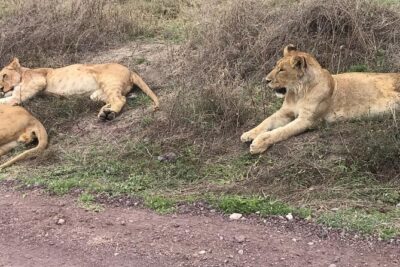
The park is known for elephant herds and its unusual tree-climbing lions. A sighting is never guaranteed, but the possibility gives the stop its character. Even without climbing lions, the forest and escarpment make this a worthwhile contrast with Tarangire.
You take another picnic lunch during the park day, then continue exploring before an evening drive near the escarpment. The sunset portion is one of the more scenic parts of the itinerary, offering broad views over the park and lake area.
I would keep expectations measured here. Lake Manyara is compact, and the day may feel less dramatic than the Serengeti if wildlife is quiet. Its value is variety. You see a different habitat, a different type of scenery, and a park that can fit neatly into the route toward Karatu and Ngorongoro.
The day is again estimated at nine hours. That makes it a full outing, not a short stopover.
A different kind of day out entirely:
- 5 Days Group Camping Safari
★ 5.0 · 730 reviews - Materuni Waterfalls, coffee tour & Kikuletwa Hot Springs
★ 5.0 · 643 reviews - 3 Days Serengeti & Ngorongoro Group Camping Safari
★ 5.0 · 574 reviews - 7-Day Premium Luxury Tanzania Safari All-Inclusive
★ 5.0 · 426 reviews
Day 4: From Karatu to Ndutu and the southern Serengeti
Day four is where the safari becomes especially seasonal. After breakfast, you travel from Karatu toward the Ngorongoro Ndutu area, which sits near the unfenced boundary between the Ngorongoro Conservation Area and southern Serengeti.
This is important geography. Ndutu is not simply one more stop on a standard park circuit. It is a meeting point between two protected areas, and wildlife moves across the boundary without paying attention to the signs or administrative lines.
The best window for the migration here runs from December through April. During the early part of the year, with a peak around February, wildebeest gather on grassy plains to give birth. Zebra and gazelle are also part of the movement.
Calving season can be thrilling and difficult to watch. Thousands of newborn animals may appear, while lions, leopards, cheetahs, and hyenas search for easy prey. You should be ready for both tenderness and hard natural drama. That is the real appeal of this period: the plains are not just full of animals, they are full of movement and risk.
This is the longest travel and game-viewing day on the schedule, at about ten hours. The route can be tiring, but the seasonal payoff is substantial. If you are visiting outside December through April, the Ndutu section may still offer wildlife around Lake Ndutu, forests, and granite kopjes, but you should not expect the same concentration of migrating herds.
Day 5: An early start around Lake Ndutu
The fifth day begins with an early morning game drive. In Ndutu, timing matters. Early hours offer a chance to see animals when the day is cooler and the plains are active.
The prime area named in the itinerary is around Lake Ndutu, where large herds gather between December and April. Outside migration months, the nearby woodland and granite kopjes can still support plenty of wildlife.
After the morning drive, you return to camp or lodge for rest and free time before heading out again in the afternoon. That break is welcome after several long days. It gives you time to eat, recover, sort photographs, and simply enjoy a few quiet hours.
The afternoon drive ends with a sunset outing before dinner and overnight accommodation. The itinerary does not name the specific camp or lodge, so ask for those details in advance. Luxury means different things in safari country, and the room, location, power supply, dining style, and tent or lodge setup all affect the experience.
This is another ten-hour day on paper, but it is split into morning and afternoon drives. That rhythm is easier than spending the entire day on one continuous road journey.
Day 6: Ngorongoro Crater’s compact wildlife theater
The final safari day takes you into the Ngorongoro Conservation Area for a full game drive on the crater floor. The crater formed when a huge volcano collapsed, leaving the world’s largest intact caldera.
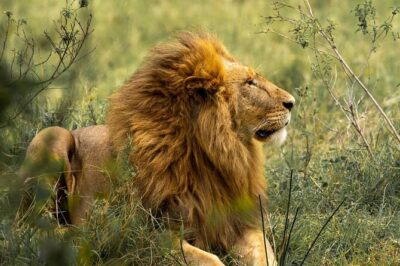
The setting is unusually concentrated. Within the crater walls, you may see black rhino, large-tusked elephants, lions with heavy manes, and flamingos gathered around soda lakes. More than 30,000 protected animals are associated with the conservation area, giving this final day serious wildlife potential.
The crater is also a strong closing act because it reduces the need for long searches across open plains. Animals can still be spread out, and sightings are never guaranteed, but the enclosed geography often creates a more contained game-viewing experience.
Lunch is taken at a picnic site while you look toward the crater rim and surrounding scenery. That sounds memorable, though you should expect the same practical picnic format used earlier in the trip.
The day lasts around nine hours. Afterward, the activity returns to the meeting point. Since the itinerary does not give a precise arrival time, do not schedule a tight onward flight or evening connection without confirming the timing first.
The private 4WD setup and guide quality
Private transport is one of the strongest features here. Only your group participates, so you avoid the compromises that come with a shared vehicle. You can discuss photo stops, viewing time, and the balance between driving and resting with your guide.
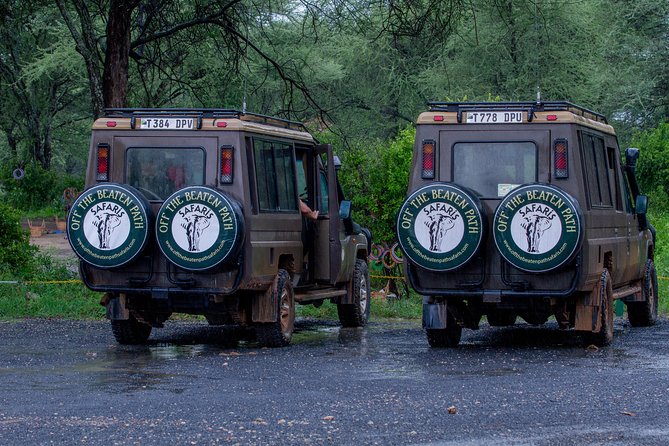
The information supplied does not specify the exact vehicle model or the number of people in your group. Ask those questions before booking. A private safari is most comfortable when everyone has enough room for cameras, bags, and water.
The company’s guides have been praised for animal knowledge, humor, patience, and sharp spotting skills. Humphrey, sometimes called Boghart, is associated with especially warm feedback for identifying mammals, migration behavior, and animal details such as gender. Salim, Wilson, Charles, Joel, and Ken are also named in connection with highly praised safari experiences.
That does not mean one of these guides will automatically lead your departure. Request a guide by name if that matters to you, and ask what happens if that person is unavailable.
The company is also described as locally owned, with a strong focus on personal care. That matters in Tanzania, where a good guide can shape the entire trip. A guide who explains animal behavior and adjusts the day to conditions gives you much more than transport between park gates.
Luxury value at $6,341.54 per person
At $6,341.54 per person, this is a major purchase. The price is easier to justify if you value privacy, a dedicated 4WD, a full meal plan, airport transfer, park fees, and a carefully arranged route through several premier destinations.
Included are private transportation, a safari-equipped 4WD, taxes and fees, game activities, Flying Doctors insurance, five breakfasts, six lunches, and six dinners. The inclusion of Flying Doctors insurance is a useful safety feature, though you should check its exact coverage and still carry suitable travel insurance.
The largest unknown is accommodation. The itinerary refers to a camp or lodge but does not list names or room categories. Before paying, request a day-by-day accommodation schedule and confirm whether the quoted price covers all lodging, conservation fees, and any transfers needed at the end.
The company has received strong praise for magnificent accommodations, good food, airport transfers, and careful attention to detail on longer custom safaris. Those comments support confidence in the operator’s service, but your exact six-day package still deserves its own written confirmation.
The optional hot-air balloon ride over the Serengeti is not included. Champagne, cognac, fine wine, premium spirits, personal items, and anything not listed are also extra. If you want the balloon flight, ask about availability, cost, pickup arrangements, and how it changes the morning game drive.
Who will enjoy this route most
I would recommend this safari to you if you want Tanzania’s major northern parks in one compact trip and prefer a private vehicle. It suits first-time safari visitors who want elephants, big cats, migration country, and the crater without building a complicated itinerary themselves.
It is particularly attractive from December through mid-April, with February offering a strong chance of seeing calving activity around Ndutu. Outside that season, Tarangire, Lake Manyara, Serengeti, and Ngorongoro still provide a varied route, but the migration focus becomes less certain.
This is less suitable if you want slow mornings, long stays at one lodge, or a physically light holiday. The early breakfasts, rough roads, long drives, and repeated picnic lunches require stamina.
The tour is private, but not necessarily leisurely. That distinction is worth keeping clear.
Practical details to settle before departure
Confirmation is provided at booking, and cancellation is free if you cancel at least 24 hours before the local start time. Cancellations or changes made inside that window are not accepted for a refund.
You should confirm the actual start time because 11:30 pm appears alongside an airport-transfer plan that may operate differently. Also ask for the precise pickup location in Arusha, the final accommodation list, vehicle capacity, guide assignment, and end-of-day return time.
The activity is near public transportation, though the safari itself is built around private road transport. A moderate fitness level is required. Most of the effort comes from long sitting, early starts, getting in and out of the vehicle, and dealing with uneven roads rather than strenuous walking.
Should you book this six-day safari?
Book it if your priority is a private, high-end introduction to northern Tanzania with a real chance of seeing the Ndutu calving season. The route covers an impressive amount in six days, and the combination of private transport, meals, park activities, airport pickup, and insurance gives the package practical value.
I would pause before booking if the $6,341.54 price stretches your budget or if the accommodation details remain vague. Ask for the lodge list and clarify the strange start-time information first.
For a focused safari with strong wildlife variety, experienced local support, and a particularly promising December through April route, this is a compelling choice. Just understand that you are buying an active road safari, not a restful resort holiday.
FAQ
Where does the safari start?
The safari starts in Arusha, Tanzania. Pickup is offered, including transfer from Kilimanjaro International Airport to Arusha.
Where does the safari end?
The activity ends back at the meeting point in Arusha.
How long does the safari last?
The experience lasts six days and five nights.
Is this a private tour?
Yes. Only your group participates in the activity.
Which parks and conservation areas are included?
The route includes Tarangire National Park, Lake Manyara National Park, Serengeti National Park, the Ndutu area, and the Ngorongoro Conservation Area.
When is the best time to see the migration around Ndutu?
The migration is found around the Ndutu area from December through mid-April. Calving is especially notable in the early months of the year, with February described as the peak period.
What meals are included?
The package includes five breakfasts, six lunches, and six dinners.
Is the hot-air balloon ride included?
No. A hot-air balloon ride over the Serengeti is optional and costs extra.
Just added in Arusha
- Safari “Kifaru” – 5 days in the most famous Parks in the world★ 5.0 · 4 reviews
- Saadani Day Trip★ 5.0 · 13 reviews
- 3 Days Tanzania Short and Spicy★ 5.0 · 6 reviews
- 5 Day Tanzania Safari Camping Adventure Private Tour★ 5.0 · 2 reviews
- Day Trip to Ngorongoro Crater from Arusha★ 5.0 · 1 review
- SERENGETI NATIONAL PARK Tour★ 4.5 · 5 reviews
- 3 Days Serengeti Park & Ngorongoro Crater Adventure Safari★ 5.0 · 8 reviews
- 6 Days Tanzania Bush Experience Safari★ 5.0 · 6 reviews
VIP, compared.
7-Day Premium Luxury Tanzania Safari All-Inclusive
Read our review →
5 Days Best of Tanzania Luxury Safari Northern Circuit
Read our review →
12 days Luxury Tanzania Honeymoon Safari and Zanzibar
Read our review →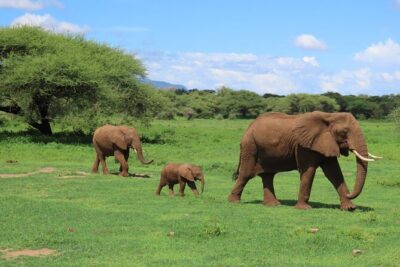
Top Best 5 Days Tanzania Luxury Safari to Serengeti
Read our review →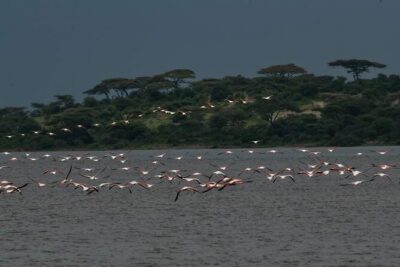
Browse the lists this tour appears in