
Reviewed · MACHAME ROUTE CLIMBS
6 days Machame route climbing Mt.Kilimanjaro
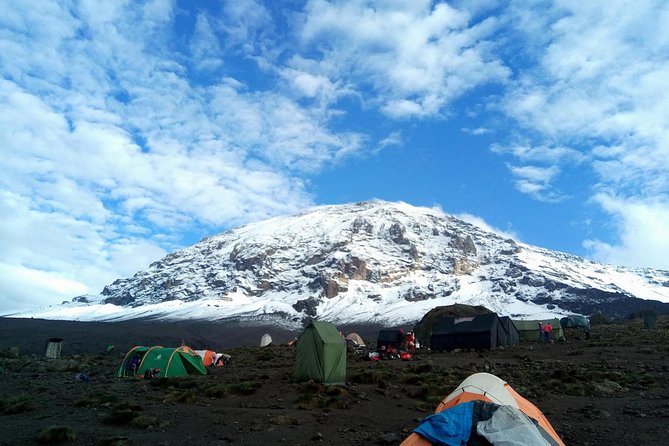
Kilimanjaro rewards steady feet. This six-day Machame Route climb takes you from Moshi through rainforest, moorland, rocky high country, and the ice-capped summit of Uhuru Peak. I like the careful acclimatization plan, which takes you up to Lava Tower before dropping to Barranco, and I like the strong support package: airport transfers, Moshi accommodation, mountain tents, meals, treated water, guides, cooks, and porters are all covered.
The main catch is simple: six days is demanding. You spend long hours walking, sleep at high altitude, and face a summit night that begins around 11:30 p.m. You need good physical fitness, proper clothing, and a willingness to move slowly when the trail gets tough.
In This Review
- Key Things to Know Before You Book
- Why the Machame Route Works Well in Six Days
- Day 1: Machame Gate and the Wet Montane Forest
- Day 2: From Forest to the Shira Plateau
- Day 3: Lava Tower and the Acclimatization Drop
- Day 4: Barranco Wall, Karanga Valley, and Barafu Camp
- Day 5: Stella Point, Uhuru Peak, and the Long Descent
- Day 6: Mweka Gate, Certificates, and a Hot Lunch
- What the $2,290 Price Really Covers
- Food, Staff, Safety, and Daily Comfort
- Who Should Choose This Climb?
- Booking, Cancellation, and Practical Details
- Should You Book the Machame Route With Kilisa?
- FAQ
- How long is the Kilimanjaro climb?
- What route does the climb use?
- How high is Uhuru Peak?
- How high is Stella Point?
- What time does summit night begin?
- How long does it take to reach Uhuru Peak?
- Are meals included?
- Is drinking water provided?
- Is airport transportation included?
- Is travel insurance included?
- What happens after reaching the summit?
- What is the maximum group size?
- Can I cancel for a full refund?
Key Things to Know Before You Book
- Machame gives you changing scenery: You pass through montane forest, moorland, semi-desert, alpine desert, and summit scree in only a few days.
- Lava Tower helps with acclimatization: You climb to about 4,630 meters on Day 3, then sleep lower at Barranco Camp.
- Summit night is the hardest part: The climb to Stella Point takes about six hours, followed by another two hours to Uhuru Peak.
- The price covers most major costs: The $2,290 fee includes park charges, camping, meals, airport transfers, mountain staff, rescue fees, VAT, and two nights in Moshi.
- The group can reach 15 people: That is large enough for a social trip but small enough to remain manageable on the trail.
- Kilisa provides safety equipment: Portable oxygen tanks, an oxygen meter, and an emergency first-aid kit are included.
Why the Machame Route Works Well in Six Days
Machame is a serious walking route, not a scenic bus ride with a short stroll at the end. You cover roughly 80 kilometers when the ascent and descent are counted, with several days lasting six or seven hours.
The route earns its popular nickname, the Whiskey Route, through variety and effort. You begin in damp forest, cross open moorland, walk across the Shira Plateau, pass Lava Tower, climb the Barranco Wall, and then make your summit attempt over stone scree and snow.
The route also uses a useful climb-high, sleep-lower pattern. On Day 3, you reach Lava Tower at 4,630 meters before descending to Barranco Camp. That arrangement cannot prevent altitude sickness, but it gives your body a better chance to adjust than a route that keeps pushing higher each day.
You should also understand the pace. Guides typically ask climbers to walk slowly, especially at altitude. The point is not to win the first three days. The point is to arrive at summit night with enough strength left to keep going.
More Machame Route climbs:
- Kilimanjaro climb, Machame Route (7-day)
★ 5.0 · 262 reviews - Climbing Kilimanjaro – Machame Route
★ 5.0 · 170 reviews - Climbing Kilimanjaro through 7 days Machame Route
★ 5.0 · 151 reviews
Day 1: Machame Gate and the Wet Montane Forest
Your day begins with an early breakfast at your Moshi hotel and pickup at about 8:30 a.m. Transport takes you toward Machame Village, where you can buy mineral water and receive a packed lunch.
Road conditions decide how close the vehicle gets to Machame Gate. If the road is muddy, you may walk the final three kilometers, which takes about an hour. That detail matters. Your first mountain walk may begin before the official trail, and wet conditions can make those three kilometers slow and slippery.
After registration at the gate, you enter the montane forest almost at once. The first official hike lasts about seven hours and covers roughly 18 kilometers. Expect thick vegetation, damp ground, roots, mud, and a strong chance of rain.
This is not the most dramatic day for views, but the forest gives the climb a proper beginning. You leave roads and buildings behind and settle into the rhythm of walking, resting, eating, and listening to your guide. A lunch stop comes around the middle of the route, and you reach Machame Camp late in the day.
The main nuisance is mud. Bring footwear with reliable grip and keep rain protection close, not buried at the bottom of your bag. A wet first day can drain your energy faster than the distance alone suggests.
Day 2: From Forest to the Shira Plateau
Day 2 covers about nine kilometers and takes roughly six hours. You leave Machame Camp after breakfast, climb for around an hour through the upper forest, and then move into moorland.
The change is quick and memorable. Trees thin out, the trail opens, and the walking becomes less enclosed. After about two hours at a gentler gradient, you stop for lunch and a rest before continuing along a rocky ridge toward the Shira Plateau.
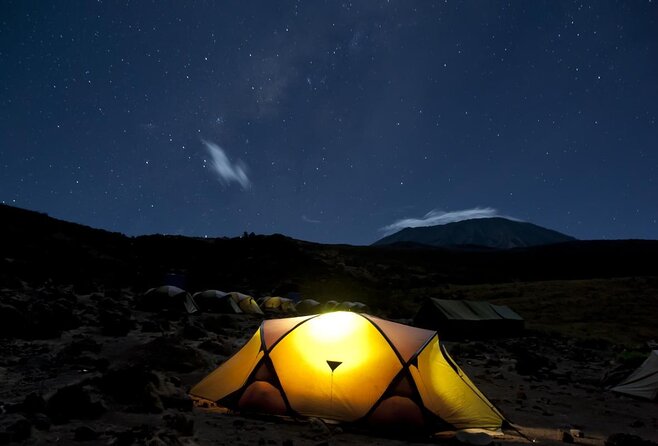
At about 3,840 meters, Shira Camp is exposed and cold. Temperatures can fall well below freezing, so your sleeping bag, warm layers, hat, gloves, and dry socks are not optional comforts. They are part of the equipment that helps you recover for the next day.
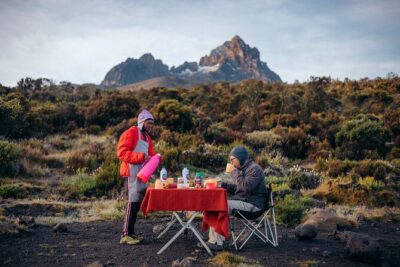
From the plateau, you can see toward the Western Breach and its glaciers, with Kibo farther east. These views give you a clear sense of the mountain’s scale. You are no longer simply walking uphill through trees. You are crossing a high volcanic world.
The camp routine is practical. Porters boil water for drinking and washing, then dinner is served. Hot water for washing is included, which will not replace a shower, but it makes a cold evening much more pleasant.
Day 3: Lava Tower and the Acclimatization Drop
Day 3 is about 15 kilometers and takes around seven hours. It is also the first day when altitude becomes a major part of the story.
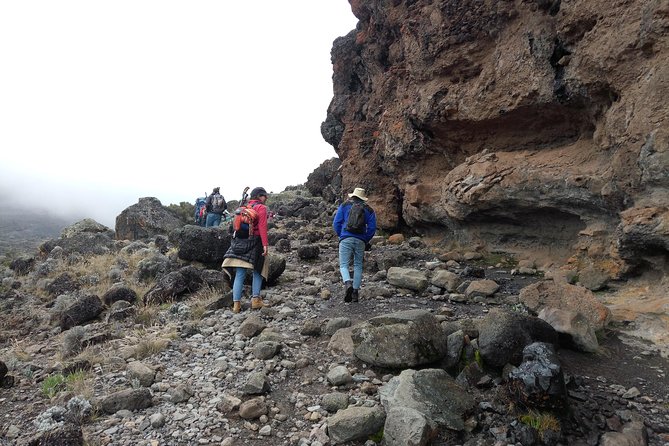
The route turns east through a semi-desert of rock and sparse vegetation. After about five hours, you reach Lava Tower at roughly 4,630 meters. Lunch is served in a designated area before or around the rocky climb to the tower.
This is usually the toughest walking day before the summit push. At this height, you might notice breathlessness, a headache, irritability, or a slower pace. Tell your guide about symptoms early. Trying to hide them helps nobody, least of all you.
After Lava Tower, you descend by about 680 meters to Barranco Camp, which takes around two hours. That drop is the clever part of the day. You have walked high, then sleep lower, giving your body useful altitude exposure without spending the night at the highest point reached.
The descent also brings impressive views, including the Barranco Wall and the upper mountain. Barranco Camp sits in a dramatic high-altitude setting, and the contrast between the harsh rock and the changing light can make this one of the most memorable nights.
You will be tired here. The day combines a long approach, a high point, and a descent. Eat what is served, drink regularly, and keep the next morning in mind.
A different kind of day out entirely:
- Serengeti Balloon Safari and authentic bush breakfast
★ 5.0 · 2,480 reviews - Balloon Safari & Bush Breakfast in Serengeti – Miracle Experience
★ 5.0 · 1,646 reviews - From Zanzibar: Mikumi Safari Day Trip with Flights and Meal
★ 4.7 · 1,470 reviews - Zanzibar: Quad Bike Adventure departing from Kendwa or Nungwi
★ 4.9 · 1,233 reviews
Day 4: Barranco Wall, Karanga Valley, and Barafu Camp
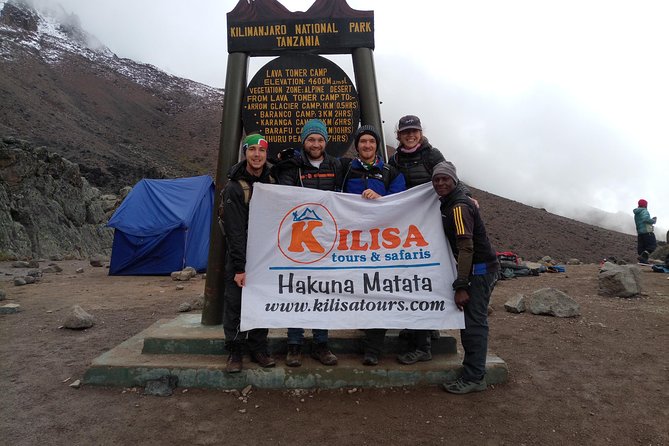
Day 4 covers about 13 kilometers and takes roughly seven hours. It begins with the Barranco Wall, which looks more intimidating than it usually feels once you are on it.
The climb is not a technical rock-climbing pitch, but you will use your hands in places and move carefully. Your guide will help with the route and pace. At the top, just below the Heim Glacier, the mountain opens up again.
The path then drops through the Karanga Valley, crossing ridges and valleys before joining the Mweka descent route. This is useful to remember because Mweka is the route used after the summit.
You climb again toward Barafu Camp, the launch point for summit night. Barafu means ice in Swahili, and the camp is cold, exposed, and functional rather than cozy. There is no water at Barafu, so the last water stop is in the Karanga Valley.
That makes the porters’ work especially important. Kilisa supplies treated and filtered drinking water throughout the trek, along with hot water for washing. You should still carry your own bottle or hydration system and drink often.
At Barafu, you need to eat and sleep as much as possible. The schedule can feel strange because you arrive during the day, have an early meal, and then try to rest before leaving around 11:30 p.m. Do not expect a full night’s sleep. The goal is simply to lie down and conserve energy.
Day 5: Stella Point, Uhuru Peak, and the Long Descent
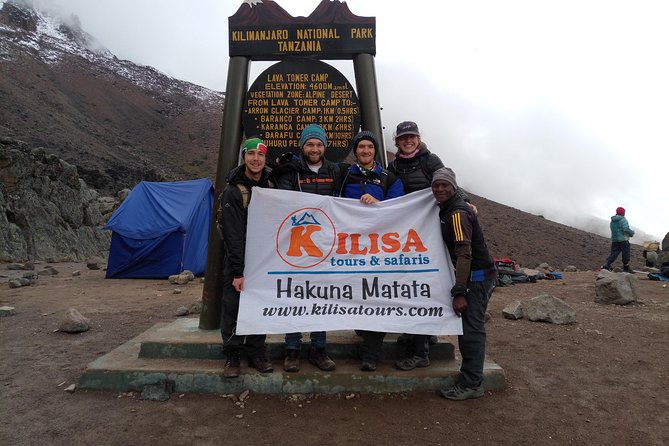
Day 5 is the physical test. You wake around 11:30 p.m., have tea and biscuits, and begin walking in darkness.
The ascent to Stella Point takes about six hours and covers roughly seven kilometers. The trail heads northwest through heavy scree, and the combination of cold, darkness, steep ground, and altitude makes this section mentally difficult.
You may feel as if progress is painfully slow. That is normal for this schedule. Keep your pace controlled, follow your guide, and focus on the next safe step rather than the full height still above you.
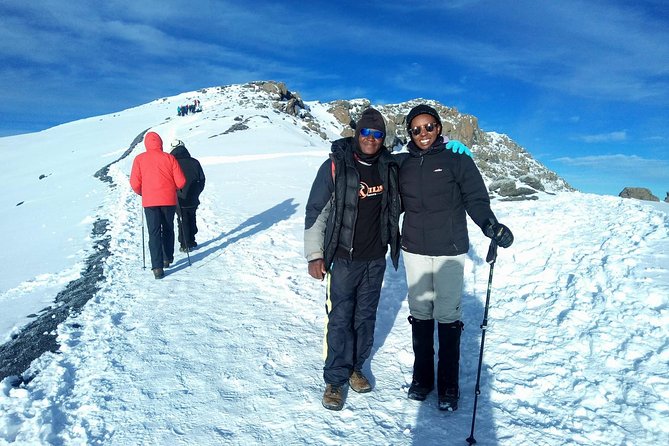
At Stella Point, about 5,685 meters, you pause on the crater rim. If weather allows, sunrise here can be extraordinary, with the light spreading across the summit and surrounding glaciers.
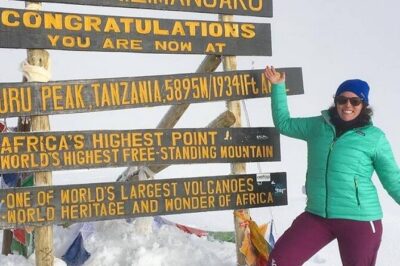
From Stella Point, it is another two hours to Uhuru Peak at 5,895 meters. Snow is normally present on this section. The final approach can feel both exciting and strangely quiet, since most climbers are concentrating on breathing and footing.
The summit is not the end of the day. After reaching Uhuru Peak, you descend toward Barafu and continue down to Mweka Camp. The full descent to Mweka takes about seven to eight hours, with a total descent distance of roughly 23 kilometers.
That is a very long day. Knees, feet, and energy levels take a beating. Trekking poles can be useful, and your daypack should contain only what you need for the summit attempt. After the high, cold summit zone, the lower forest at Mweka can feel almost luxurious.
Day 6: Mweka Gate, Certificates, and a Hot Lunch
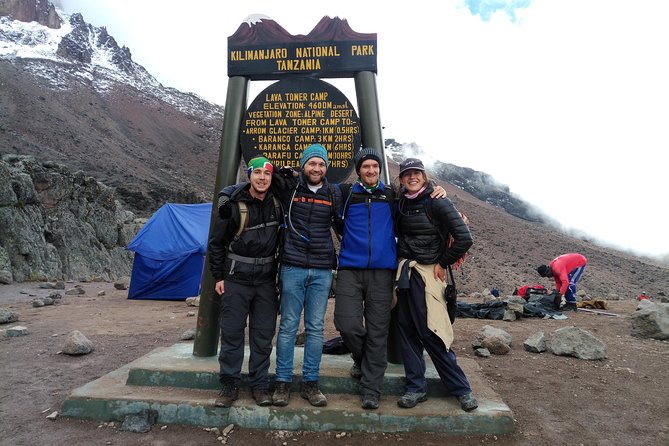
The final hiking day takes about three hours and covers around 15 kilometers through forest. You begin with breakfast, followed by a celebration with dancing and singing from the mountain crew.
There is also a tipping moment for your guide, assistant guides, cooks, and porters. Tips are not included in the $2,290 price, so plan for that separately. The staff carry much of the equipment and keep the camp running, making this an important part of the mountain experience.
At Mweka Gate, hikers sign their names and receive completion certificates. Reaching Stella Point earns a green certificate. Reaching Uhuru Peak earns a gold certificate.
After the gate, you continue about one hour, or three kilometers, to Mweka Village. A hot lunch is served there before transport returns you to Moshi for a shower and further celebration.
The contrast with summit night is welcome. You go from cold rock and thin air to food, washing, transport, and a bed in town. Two nights of accommodation in Moshi are included in the package, which helps make the arrival and recovery period easier.
What the $2,290 Price Really Covers
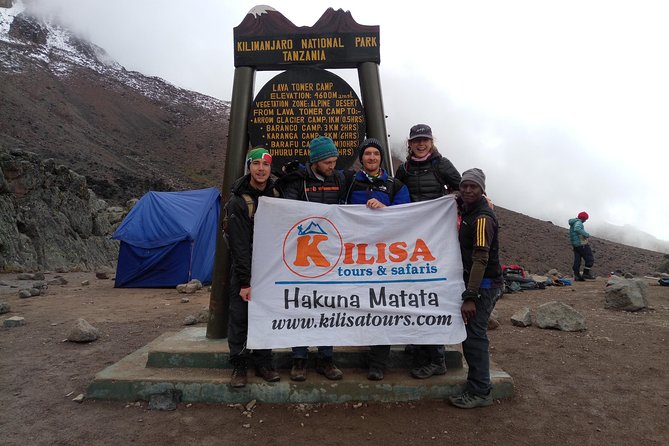
At $2,290 per person, this is not a cheap mountain outing, but the inclusions make the price easier to assess. The fee covers:
- Airport transfers between Kilimanjaro International Airport and your Moshi accommodation
- Two nights of accommodation in Moshi
- Transport to and from the Kilimanjaro gate
- Park entry and camping charges
- Team Kilimanjaro Rescue fees
- Government taxes and 18 percent VAT
- Four-season mountain tents
- Double-layer sleeping mats
- Guides, assistant guides, cooks, and porters
- Three hot meals each day on the mountain
- Treated and filtered drinking water
- Hot water for washing
- Portable oxygen tanks, an oxygen meter, and an emergency first-aid kit
Flights and travel insurance are not included. Tips are also extra, so do not treat the advertised price as your complete trip budget.
The value is strongest for climbers who want a local operator to handle the complicated parts. You are not only paying for a tent and a route. You are paying for permits, staff, food supply, transfers, rescue-related fees, and a team that manages camp while you focus on walking.
Food, Staff, Safety, and Daily Comfort
Three hot meals are provided each day on the mountain. Food quality matters more than people expect because appetite can drop at altitude while your body still needs fuel. Strong feedback about Kilisa’s cooking includes meals described as delicious and comforting, with one climber comparing the overall service to feeling at home.
Kilisa also receives repeated praise for friendly staff, smooth airport pickup, and careful support from arrival through the end of the trip. Naick helped one booking run smoothly with prompt advice, while Nicholson, a driver, was happy to give a short walking tour of Moshi when there was spare time.
Those details suggest a company that pays attention outside the formal hike, not just on the trail. Still, your safety depends on honest communication. Tell the guide if you have a headache, unusual fatigue, nausea, or trouble breathing. Oxygen equipment is included, but it is not a substitute for assessment or descent when altitude becomes dangerous.
The maximum group size is 15. That keeps the operation social and may offer a range of walking speeds, but it is not a private climb. Ask about group arrangements if you want a smaller party.
Who Should Choose This Climb?
This route suits you if you have a strong fitness level and want a demanding but organized Kilimanjaro experience. You should be comfortable walking for six to eight hours, sleeping in mountain camps, and starting the summit attempt near midnight.
It is also a good fit if you value support. Airport transfers, Moshi lodging, tents, meals, water, porters, and safety equipment are already arranged. You can spend less time coordinating details and more time preparing your body and gear.
I would hesitate to recommend it to anyone seeking a relaxed holiday or a gentle introduction to high-altitude walking. The route is beautiful, but the schedule is tight, and the summit day is especially strenuous.
The six-day duration also gives you less time to adjust than longer Kilimanjaro itineraries. That does not make success impossible, but it makes pacing, hydration, rest, and honest communication with the guide even more important.
Booking, Cancellation, and Practical Details
Pickup is offered, with the listed starting point on Kilimanjaro Airport Road. The activity ends back at the meeting point, and confirmation is provided at booking.
Free cancellation is available if you cancel at least 24 hours before the 8:30 a.m. start time. Cancellations or changes made within 24 hours are not refunded or accepted. If poor weather forces cancellation, you are offered another date or a full refund.
The activity is near public transportation, but airport pickup and arranged transfers are already part of the package. You should carry travel insurance, since it is not included.
Should You Book the Machame Route With Kilisa?
I would choose this climb if you want a well-supported local operation with a clear route, strong staff support, and most major costs included. The best parts are the changing mountain zones, the Lava Tower acclimatization day, and the practical care from the guides, cooks, drivers, and porters.
Book it only if you accept the effort involved. Six days means long walking days, a cold summit night, a high-altitude ascent to 5,895 meters, and a very long descent on Day 5.
For a fit climber who prepares properly and wants Kilimanjaro without arranging every permit, transfer, meal, and camp detail alone, this is a solid choice. For anyone wanting more time at altitude or a softer pace, compare it with a longer route before paying.
FAQ
How long is the Kilimanjaro climb?
The mountain portion lasts six days, approximately. The itinerary includes two nights of accommodation in Moshi as part of the overall service.
What route does the climb use?
The climb uses the Machame Route, with camps at Machame, Shira, Barranco, Barafu, and Mweka.
How high is Uhuru Peak?
Uhuru Peak reaches approximately 5,895 meters.
How high is Stella Point?
Stella Point is located at approximately 5,685 meters on the crater rim.
What time does summit night begin?
You rise at around 11:30 p.m. for tea and biscuits before starting the summit attempt.
How long does it take to reach Uhuru Peak?
The climb to Stella Point takes about six hours, followed by another two hours to Uhuru Peak.
Are meals included?
Yes. Breakfast, lunch, and dinner are provided during the mountain trek. The package includes six breakfasts, five lunches, and five dinners.
Is drinking water provided?
Yes. Treated and filtered drinking water is provided throughout the trek.
Is airport transportation included?
Yes. Private transport between Kilimanjaro International Airport and your Moshi accommodation is included, along with transport to and from the Kilimanjaro gate.
Is travel insurance included?
No. Travel insurance and flights are not included in the price.
What happens after reaching the summit?
You descend toward Mweka Camp on Day 5, then continue to Mweka Gate on Day 6. Hikers reaching Stella Point receive green certificates, while those reaching Uhuru Peak receive gold certificates.
What is the maximum group size?
The group can include a maximum of 15 people.
Can I cancel for a full refund?
You can cancel at least 24 hours before the experience start time for a full refund. Cancellations made less than 24 hours before the start are not refunded.
Just added in Tanzania
- ZANZIBAR:Stone Town,Prison island and Jozani forest★ 5.0 · 2 reviews
- Zanzibar:Sunset Dhow Cruise nungwi★ 5.0 · 1 review
- ZANZIBAR:Jozani Forest,Visit turtles sanctuary,mtende beach★ 5.0 · 1 review
- Zanzibar:Ngoma local culture workshop,The Knowledge of Ngoma★ 5.0 · 1 review
- ZANZIBAR:Mnemba island, Baraka aquarium and Kendwa beach★ 5.0 · 1 review
- Zanzibar:Jozani forest, Spice farm with Swahili Cuisine clas★ 4.2 · 3 reviews
- ZANZIBAR:Jozani Forest, Swahili cave and mtende beach★ 5.0 · 2 reviews
- ZANZIBAR:Mnemba island, Spice farm and Jozani Forest★ 5.0 · 1 review
Machame Route Climbs, compared.

Climbing Kilimanjaro through 7 days Machame Route
Read our review →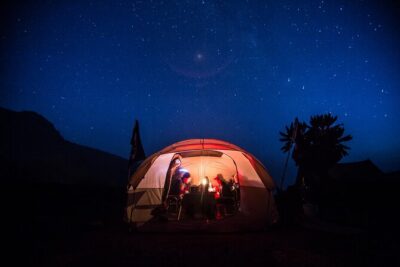
7-Day Machame Kilimanjaro Summit Tour from Arusha
Read our review →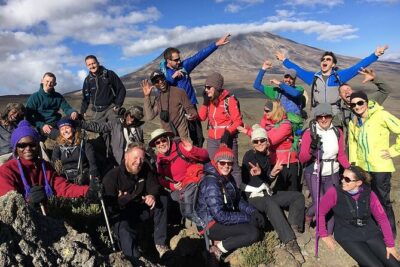
7 Days Kilimanjaro via Machame route affordable price
Read our review →
#1. Best Kilimanjaro Day hike Tour-Machame Route-ISMANI
Read our review →
The Best of Machame Route in 6 Days: Your World’s Summit Guide
Read our review →Browse the lists this tour appears in