
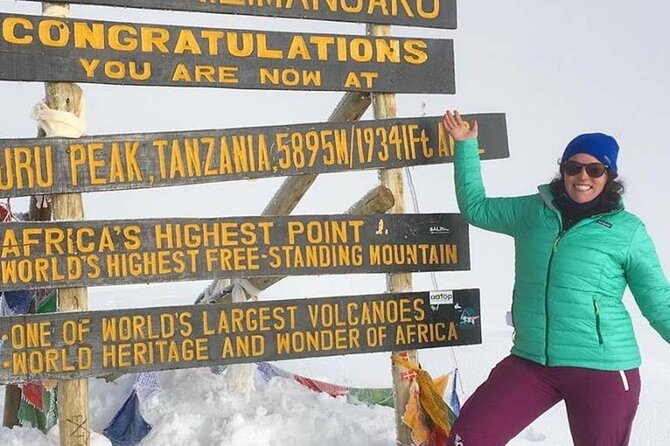
Reviewed · MACHAME ROUTE CLIMBS
Climbing Kilimanjaro – Machame Route
The mountain saves its best for dawn. This six-day Machame Route climb gives you Kilimanjaro’s changing scenery, from rainforest to ice, while guides, porters, and a cook handle the hard logistics. I like the strong support system and the route’s fine variety, especially the sunset views around Shira and the sunrise from Stella Point.
I also like that the $2,322.06 price covers much more than a basic walk: park fees, mountain transport, camping equipment, meals, rescue fees, airport transfers, and two hotel nights in Moshi are included. The main catch is simple but serious: six days is a hard schedule, with a long day before the summit and very little spare time for rest or altitude adjustment.
The route suits an adventurous hiker with moderate fitness who wants a well-organized expedition rather than a do-it-yourself climb. You sleep in tents, eat in a mess tent, and spend most of the week walking slowly uphill. It is demanding, but the scenery keeps changing often enough to make the effort feel worthwhile.
In This Review
- Five things to know before you book
- What the $2,322.06 price really covers
- Day one: from Moshi into the montane forest
- Day two: leaving the forest for Shira Plateau
- Day three: Lava Tower, altitude, and Barranco Wall
- Day four: Barranco Wall and the exposed Barafu ridge
- Day five: Stella Point, Uhuru Peak, and the long descent
- Day six: forest descent and a proper hot lunch
- Food, camping, and the human side of the climb
- How difficult is the six-day Machame Route?
- Group size, timing, and practical details
- Who should book this climb?
- Should you book the Machame Route?
- FAQ
- How long is the Machame Route experience?
- What is the highest point reached?
- Are meals included?
- Are porters and guides included?
- Is camping equipment provided?
- Is airport transportation included?
- What is not included in the price?
Five things to know before you book
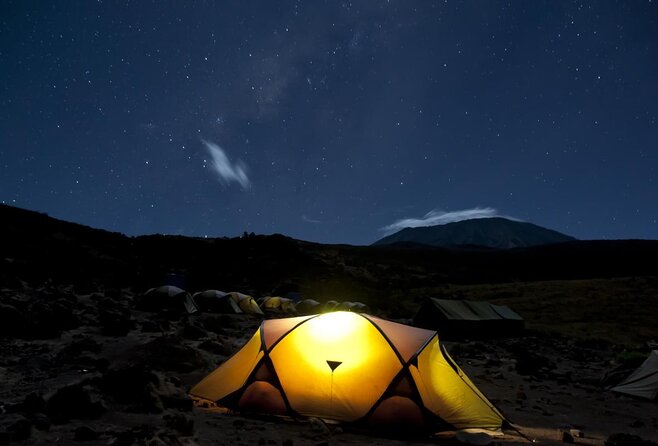
- You reach 4,630 meters before sleeping lower. Day three uses the important climb-high, sleep-lower pattern, taking you to Lava Tower before descending to Barranco Camp.
- The summit push begins around midnight. From Barafu Camp, you hike through the dark toward Stella Point, then continue to Uhuru Peak at 5,895 meters.
- The Machame Route changes habitat almost every day. Expect montane forest, moorland, semi-desert, alpine desert, stone scree, and an ice-capped summit.
- The crew carries the practical burden. Porters move equipment and supplies, while the cook prepares breakfast, lunch, and dinner on the mountain.
- The six-day plan is not a gentle introduction. People in good shape can still find the pace punishing, particularly on the summit day and the long descent afterward.
What the $2,322.06 price really covers
At first glance, this is a large sum for six days of walking. The value becomes clearer once you look at what is bundled into it. You receive transport from Moshi to the mountain and back, return transfers to Kilimanjaro International Airport, two nights at Springlands Hotel, national park fees, rescue fees, tents, sleeping mattresses, meals, boiled water, and a full mountain crew.
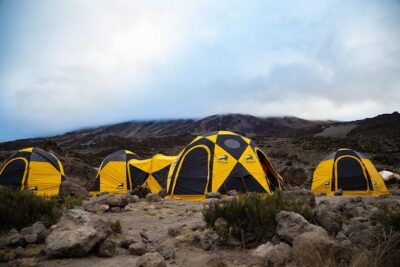
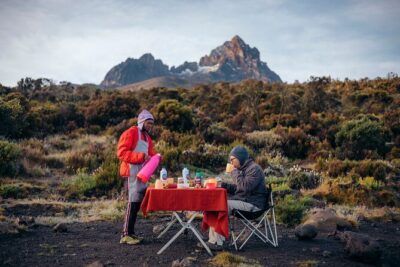
The crew includes qualified guides, porters, a cook, and a waiter. Their accommodation and mountain entry fees are also covered. A mess tent, small camping chairs, tables, candles, crockery, and eating utensils make camp life more orderly than simply rolling out a sleeping bag beside the trail.
You also get pulse oximeters and a first aid kit. That matters at altitude, where a guide’s careful attention can be more useful than fancy equipment. The package is designed so you can concentrate on walking, eating, drinking, resting, and paying attention to how your body feels.
Still, the price is not all-inclusive. You must budget for tips to the guides, porters, cook, and waiters. Climbing gear, visas, personal items, unspecified drinks and meals, extra hotel nights, and emergency oxygen are also outside the stated price. A single-room supplement applies at Springlands Hotel, except on the one-person rate.
The biggest value question is not just cost. It is the level of support you want. If you tried to arrange transport, permits, food, camp equipment, porters, and safety support separately, the package would look more reasonable. You are paying for coordination as well as the climb.
More Machame Route climbs:
- Kilimanjaro climb, Machame Route (7-day)
★ 5.0 · 262 reviews - Climbing Kilimanjaro through 7 days Machame Route
★ 5.0 · 151 reviews - 7 Days Kilimanjaro via Machame route affordable price
★ 5.0 · 110 reviews
Day one: from Moshi into the montane forest
The morning begins with a briefing, breakfast, and a roughly 45-minute drive from Moshi to Machame village. Moshi sits at about 910 meters, while the village is around 1,490 meters. At the village, the guides and porters sort and pack the food, camping supplies, and personal equipment.
The road condition affects how close the vehicle can get to Machame Gate. If the road is passable, you may drive farther. If it is muddy, you walk roughly three kilometers from the village to the gate, taking about an hour. That small detail can change the feel of the morning, so do not treat the stated hiking distance as the whole physical effort.
After registration at the gate, you enter the rainforest. The first day covers about 18 kilometers and takes roughly seven hours, ending at Machame Camp at 2,980 meters. You receive a packed lunch at the gate, and the forest provides shade during much of the climb.
This is a long opening day, but the gain in height is steady rather than extreme. At camp, porters boil water for drinking and washing, and dinner is served after you settle in. The forest section is a good reminder that Kilimanjaro is not simply a bare rock climb. You begin among trees, damp paths, and thick mountain vegetation.
Day two: leaving the forest for Shira Plateau
After breakfast, you climb for about an hour to the top of the forest. The trail then eases for a couple of hours as you move through moorland toward the Shira Plateau. The route is shorter than day one, about nine kilometers, but you finish at approximately 3,840 meters.
The change in scenery is one of the best reasons to choose Machame. The dense forest gives way to open ground, rocky ridges, and broad views. Looking east, you can see the Western Breach and its glaciers. Kibo, the main summit cone, is now to the east, and the scale of the mountain becomes easier to understand.
The hike takes about six hours, though the schedule also allows time for lunch and rest. Shira Camp is exposed, and the temperature can fall well below freezing at night. This is where warm sleeping gear stops being a nice extra and becomes essential.
I like this camp for its sense of space, but you should not expect comfort in the hotel sense. Wind, cold, and basic tent living are part of the deal. The crew boils drinking and washing water, then serves dinner before you turn in early.
Day three: Lava Tower, altitude, and Barranco Wall
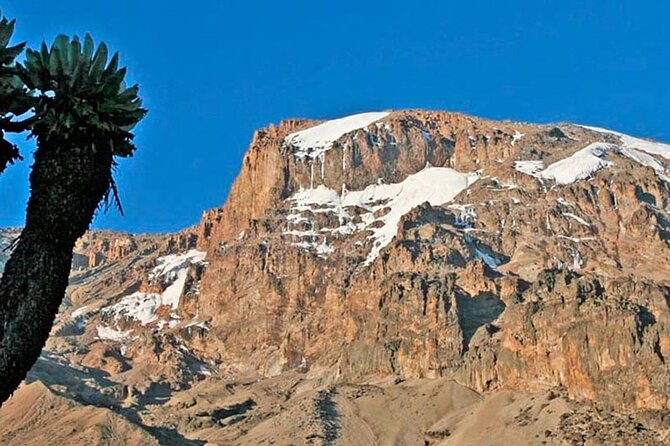
Day three is the route’s key acclimatization day and one of its toughest. You leave Shira and head east through a rocky semi-desert toward Lava Tower, reaching about 4,630 meters after roughly five hours of walking. The total distance is approximately 15 kilometers.
At Lava Tower, you eat lunch in a designated area. You may notice breathlessness, a headache, or irritability at this height. The important design of the day is that you do not sleep at Lava Tower. Instead, you descend almost 680 meters to Barranco Camp, which sits around 3,950 meters.
That climb high, sleep lower pattern is valuable because it gives your body time at greater altitude without forcing you to spend the night at the highest point reached. The descent is not easy, especially after the upward section, but it is one of the smarter parts of the route.
Barranco Camp brings the great Barranco Wall into view. The wall can look intimidating through the mist, but the following morning gives you a chance to tackle it directly. You finish the day tired, and this is often the point when the climb becomes a real test rather than an attractive mountain walk.
A few more options to weigh up in Moshi
- Kilimanjaro climb by Lemosho Route (7-day)
★ 5.0 · 651 reviews - Safari Serengeti And Ngorongoro
★ 5.0 · 288 reviews - Kilimanjaro Climbing Lemosho Route 8 Days.
★ 5.0 · 186 reviews - Kilimanjaro climb, Lemosho Route (8-day)
★ 5.0 · 148 reviews
Day four: Barranco Wall and the exposed Barafu ridge
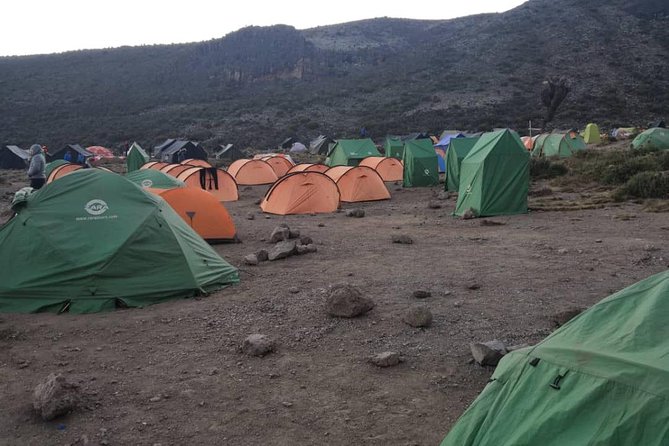
The path from Barranco leads toward Karanga Valley and then on to Barafu Camp at about 4,550 meters. The day covers roughly 13 kilometers and takes around seven hours through alpine desert.
The Barranco Wall is the memorable feature. You use hands and feet in places, but the route description presents it as a climbable trail rather than technical rock climbing. The mist can make the wall feel more dramatic, and the reward is a succession of views across the mountain.
Barafu Camp is a more severe place to sleep. The tents sit on a narrow, stony ridge exposed to strong winds. You should inspect the surrounding ground before darkness arrives, since moving around camp can be awkward and hazardous.
This is not a relaxed evening. The summit attempt begins later that night, so you need to organize thermal clothing, trekking poles, headlamp, camera batteries, and water before trying to sleep. Keep water close to your body to reduce the chance of freezing, and carry a spare set of headlamp and camera batteries.
The schedule here is one of the main weaknesses of the six-day version. You have just completed a substantial hike, yet you must prepare for the hardest night of the trip. The crew can make the process smoother, but it cannot remove the physical cost.
Day five: Stella Point, Uhuru Peak, and the long descent
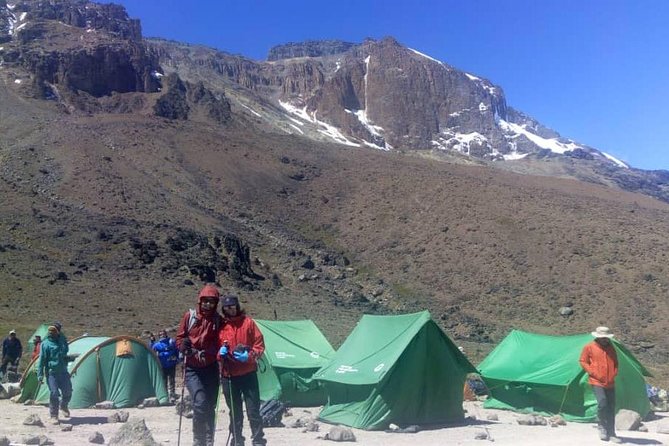
Around 11:30 p.m., you wake for tea and biscuits. The summit push starts in darkness, with a slow climb over heavy scree toward Stella Point on the crater rim at 5,685 meters.
The ascent to Stella Point takes about six hours and is often the hardest mental section. Progress can feel painfully slow, and the air is thin. You need patience more than speed. The goal is to keep moving at the pace set by the guides and to pay attention to any symptoms of altitude trouble.
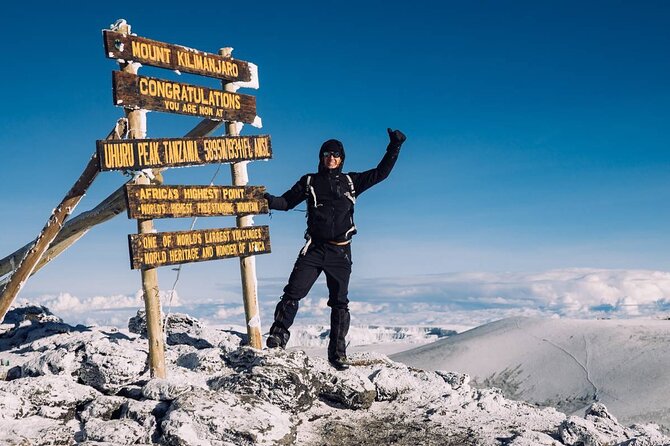
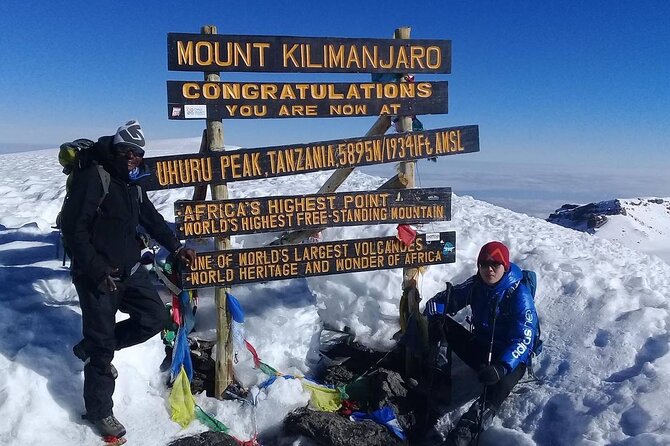
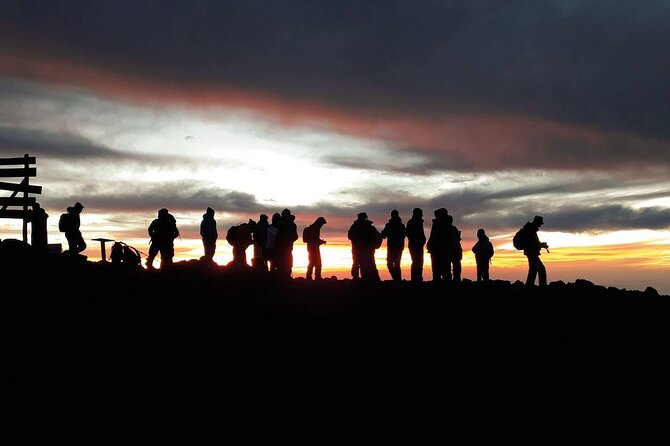
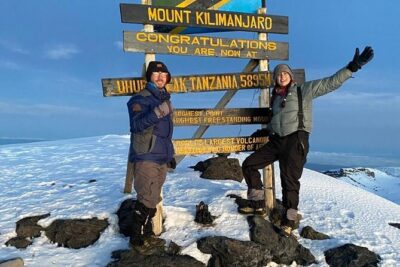
At Stella Point, you pause for a short rest and may see the sunrise over the crater rim. From there, the trail continues around the rim to Uhuru Peak, the highest point on Kilimanjaro, at 5,895 meters. The summit views are the emotional high point of the trip, but you should not confuse a photograph at the sign with the end of the day.
The stated plan includes about eight hours to Uhuru Peak, followed by seven or eight hours descending to Mweka Camp. The total is around 30 kilometers when the ascent and descent are combined. That is a huge day, even for a fit hiker.
You descend through stone scree and eventually reach Mweka Camp at about 3,100 meters. The lower altitude usually feels welcome, but your legs may be exhausted. This is why the six-day schedule deserves careful thought. The summit is not only a high point, it is followed by a long walk down.
Day six: forest descent and a proper hot lunch
After breakfast, you descend through forest to Mweka Gate at approximately 1,980 meters. The walk takes about three hours and covers roughly 15 kilometers. The trail can be muddy, and the final walk into Mweka village may feel longer than expected.
From the village, you drive to Springlands Hotel for a hot lunch, then return to Moshi for a well-earned shower. The hotel stop is more than a formality. After several nights in cold camps, a bed, hot water, and a cooked meal provide a clear finish to the mountain portion.
Successful climbers receive summit certificates at Springlands Hotel. Those who reach Stella Point receive green certificates, while those who reach Uhuru Peak receive gold certificates. That distinction gives the certificate a practical meaning: it records how high you actually climbed.
Food, camping, and the human side of the climb
Meals are included throughout the mountain stay, with breakfast, lunch, and dinner provided. The cook works in camp while the waiter helps with service. The supplied details do not give a fixed menu, but the food has been praised for its variety and quality, and several people were surprised by how good it was in a mountain setting.
The mess tent, tables, chairs, candles, and eating utensils make a real difference. You still camp, but you do not have to balance a bowl on your knees outside the tent every night. Boiled water is provided for drinking and washing, though you should bring your own suitable bottle or hydration system.
The crew is central to the experience. Guides such as Salim, Yesse Lema, Julius, Godlisten, and Abdallah Chombo, also known as Soap, have been singled out for strong personal support. Festo and Mike were also praised for helping climbers feel cared for. One particularly kind touch involved crew members giving honey for a cough.
Those details matter because the mountain is not just about scenery. A calm guide, a hot drink, encouragement during the final push, and careful attention to your condition can change the outcome. Tips are not included, so plan for them as a major part of your expedition budget.
How difficult is the six-day Machame Route?
The tour describes the required fitness level as moderate, but I would treat that as a floor rather than a promise of ease. You need to be comfortable walking for around six or seven hours, handling uneven ground, sleeping in cold conditions, and continuing after a poor night’s rest.
The hardest points are clear:
- The long approach through the forest on day one
- The high climb to Lava Tower
- The exposed, cold camp at Barafu
- The midnight summit departure
- The combined ascent and descent on day five
- The muddy final walk from Mweka Gate toward the village
A six-day climb is attractive because it uses less vacation time and costs less than a longer plan in many cases. The tradeoff is recovery time. One group found the six-day version too hard physically, with too little time to rest and regain energy. An additional day on the mountain may make the experience more manageable, so ask Zara Tours about a longer Machame schedule if you are unsure.
Group size, timing, and practical details
The maximum group size is 12 people. That is large enough to provide a social atmosphere but small enough for the guides to keep track of the group. Different hiking speeds can still create waiting, and one person reported some extra waiting time, though not enough to spoil the trip.
Pickup is offered, mobile tickets are available, and confirmation is provided at booking. The stated meeting location is Kilimanjaro Airport and Kilimanjaro National Park, with operating availability listed every day from midnight to 11:30 p.m.
Free cancellation is available if you cancel at least 24 hours before the local start time. Cancellations or changes inside that window are not refunded or accepted.
Who should book this climb?
I would choose this experience if you want Kilimanjaro’s major scenery in a compact plan and you value having the transport, food, permits, tents, and crew arranged for you. It is especially suited to hikers who like a real physical challenge and do not mind cold nights, basic camping, and an early summit start.
I would pause if you are new to long-distance walking, anxious about altitude, or mainly attracted by the summit photograph. The six-day schedule gives you little spare capacity. A longer version may be a wiser choice if your priority is a calmer pace and more time to adjust.
At $2,322.06 per person, the package offers solid practical value for the level of support included. Just add tips, climbing gear, visas, personal expenses, and any extra hotel nights to your real budget. Also remember that emergency oxygen is not included.
Should you book the Machame Route?
Book it if you want a scenic, demanding Kilimanjaro climb with a strong support crew and a clear beginning and end in Moshi. The changing habitats, Lava Tower acclimatization day, Barranco Wall, summit sunrise, and organized camp life give you a full mountain experience rather than a simple race to the top.
Do not book the six-day version casually. Train for long walking, prepare for cold nights, and take the summit day seriously. If you can afford extra time, ask about adding an acclimatization day. If you are ready for the challenge and understand the tradeoffs, this Machame climb offers excellent scenery, thoughtful logistics, and a meaningful certificate at the end.
FAQ
How long is the Machame Route experience?
The experience lasts approximately six days. It includes the mountain climb plus accommodation at Springlands Hotel before and after the climb.
What is the highest point reached?
The highest point is Uhuru Peak at 5,895 meters. Climbers who reach Stella Point at 5,685 meters receive green certificates, while those who reach Uhuru Peak receive gold certificates.
Are meals included?
Yes. Breakfast, lunch, and dinner are included on the mountain. The package also includes six listed breakfasts, six lunches, and six dinners.
Are porters and guides included?
Yes. Qualified guides, porters, a cook, and a waiter are included. Their salaries, accommodation, and mountain entry fees are covered, but tips are not included.
Is camping equipment provided?
Yes. Tents and sleeping mattresses are provided. The package also includes a mess tent, small camping chairs, tables, candles, cutlery, crockery, and eating utensils.
Is airport transportation included?
Yes. Return airport transfers to Kilimanjaro International Airport are included, along with transport from Moshi to and from the mountain starting and finishing points.
What is not included in the price?
The price does not include tips, climbing gear, visas, personal items, unspecified meals and drinks, extra hotel nights, single-room supplements where applicable, or emergency oxygen.
Just added in Moshi
- THE BEST 2 DAYS ON TREK – MARANGU ROUTE TOUR ADVENTURES★ 5.0 · 1 review
- Mount Kilimanjaro National Park Day Trip★ 5.0 · 7 reviews
- Mount Kilimanjaro Climbing in Tanzania Full-Day Trip★ 5.0 · 1 review
- Mount Kilimanjaro Day Hike – All-Inclusive, No Hidden Fees★ 4.0 · 7 reviews
- Mount Kilimanjaro Trekking Tour – Climb with Local Guides★ 5.0 · 1 review
- Mount Kilimanjaro: 7 Days Hike Lemosho Route★ 5.0 · 1 review
- Moshi:Chemka Hot Springs, Materuni Waterfalls & Coffee Tour★ 5.0 · 1 review
- Moshi/Arusha kikuletwa Hot Springs Tour★ 5.0 · 1 review
Machame Route Climbs, compared.
Climbing Kilimanjaro through 7 days Machame Route
Read our review →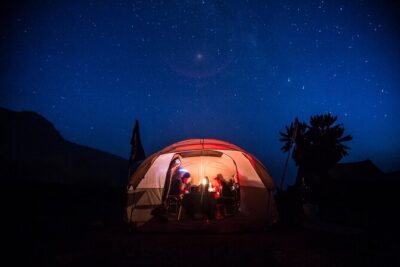
7-Day Machame Kilimanjaro Summit Tour from Arusha
Read our review →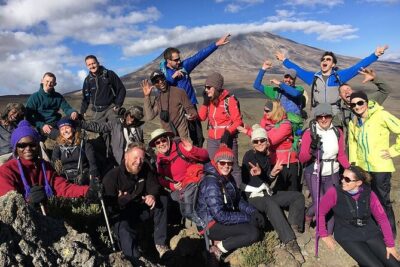
7 Days Kilimanjaro via Machame route affordable price
Read our review →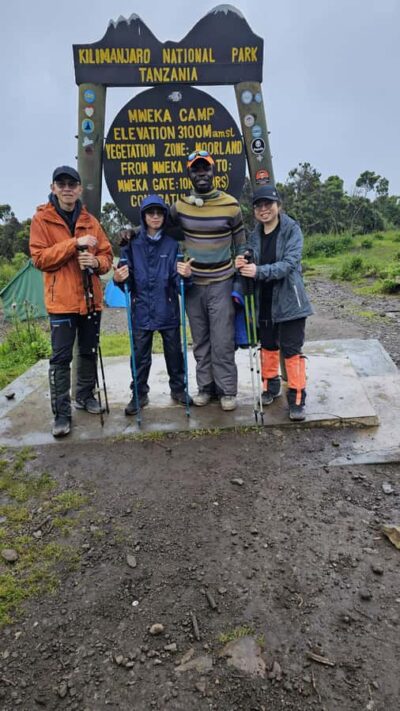
#1. Best Kilimanjaro Day hike Tour-Machame Route-ISMANI
Read our review →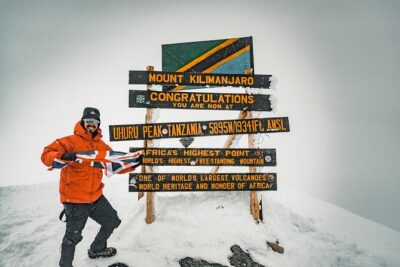
The Best of Machame Route in 6 Days: Your World’s Summit Guide
Read our review →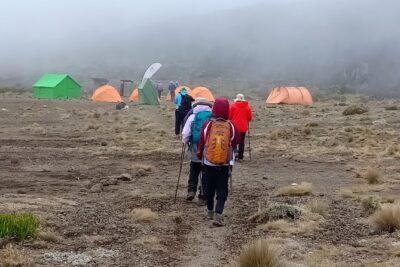
Best Kilimanjaro Adventure 7 days Machame route Trekking
Read our review →Browse the lists this tour appears in