
Reviewed · MACHAME ROUTE CLIMBS
Kilimanjaro climb, Machame Route (7-day)
Africa’s highest summit demands respect. This 7-day Machame Route climb from Moshi combines careful altitude planning, a full mountain support crew, and a clear route to Uhuru Peak at 5,895 meters. I like the included airport transfers and two hotel nights, which remove much of the usual arrival-day fuss. I also like the professional medical setup, with Wilderness First Responder guides, oxygen, oximeters, and regular checkups. The main drawback is simple: seven climbing days still make this a serious physical challenge, and summit night is long, cold, and tiring.
You pay $3,377 per person for about nine days, including six nights on the mountain and two nights at Aishi Machame Hotel. The Machame Route gives you rainforest, the Shira Plateau, Lava Tower, Barranco Wall, and a night ascent, but it is not a casual walk in a big park. You need moderate fitness, proper gear, travel insurance for mountain trekking, and enough patience to walk slowly.
In This Review
- Key points to know before booking
- Arrival in Moshi and the Aishi Machame Hotel
- Day 1: Getting ready without the usual scramble
- Day 2: Machame Gate to Machame Camp
- Day 3: Shira Camp and the first acclimatization hike
- Day 4: Lava Tower, Barranco Camp, and the altitude test
- Day 5: Barranco Wall to Karanga Camp
- Day 6: Barafu Camp and the quiet before summit night
- Day 7: Uhuru Peak and the long descent
- Day 8: Millennium Camp to Mweka Gate
- Day 9: A quiet finish and airport transfer
- Food, tents, and the mountain crew
- Safety, fitness, and the real cost
- What the strongest praise tells you
- Who should book this climb?
- Should you book the Altezza Machame Route climb?
- FAQ
- Where does the climb begin?
- How long does the full experience last?
- What is the highest point of the climb?
- Are Kilimanjaro National Park fees included?
- Are airport transfers included?
- What meals are included?
- Can dietary requirements be accommodated?
- Do I need to bring my own climbing equipment?
- What fitness level is required?
Key points to know before booking
- Acclimatization is built into the route: You climb high to Lava Tower, then sleep lower at Barranco Camp, a useful high-altitude pattern.
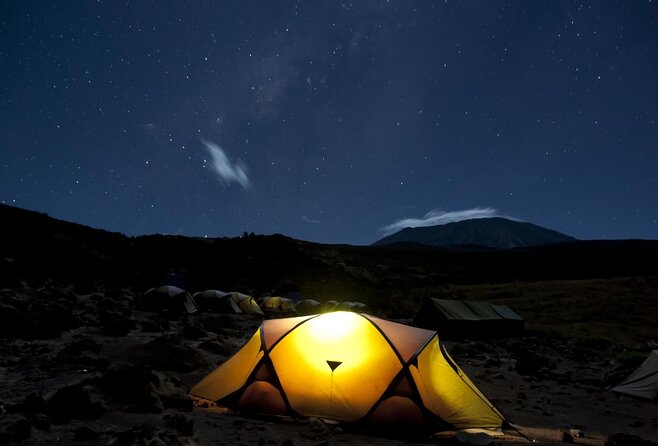
- The summit climb begins at night: You leave Barafu Camp at 4,640 meters and aim for Uhuru Peak at 5,895 meters.
- A personal guide supports each pair on summit night: The guide watches your physical and mental condition during the hardest hours.
- Meals are planned for the mountain: Vegetarian, vegan, lactose-free, gluten-free, halal, and other meal plans are available.
- The crew carries the camp and cooking equipment: Porters, cooks, camp staff, and guides handle the heavy work while you carry your personal items.
- The package includes more than the hike: Airport transfers, hotel stays, park fees, tents, meals, drinks, medical checks, and mountain equipment are covered.
Arrival in Moshi and the Aishi Machame Hotel
Your trip begins with pickup at Kilimanjaro International Airport. An Altezza Travel representative meets you at JRO and takes you to Aishi Machame Hotel, where you have a room, hot water, Internet access, a swimming pool, and breakfast.
Check-in begins at 2:00 PM. That timing matters if your flight arrives early, so plan to confirm how you will spend the waiting time. The first evening includes a briefing with the company managers. This is when you should ask about the route, weather, gear, meals, health checks, and any personal concerns.
You get a second hotel night after the climb, as well as the first night. That is a useful comfort, not a throwaway extra. After several nights in a tent and a demanding summit push, a hot shower and proper bed feel like part of the reward.
Hotel lunches and dinners are not included. Budget about $15 per person for each meal at the hotel. Single hotel rooms and single tents are available for an extra charge, while the standard arrangement places two people in a room and two hikers in a tent.
More Kilimanjaro climbs:
- Kilimanjaro climb by Lemosho Route (7-day)
★ 5.0 · 651 reviews - Kilimanjaro Climbing Lemosho Route 8 Days.
★ 5.0 · 186 reviews - Kilimanjaro climb, Lemosho Route (8-day)
★ 5.0 · 148 reviews
Day 1: Getting ready without the usual scramble
The arrival day is short on sightseeing and long on practical value. You are not being rushed straight from the airport to the trailhead. Instead, you have time for a hotel check-in, briefing, and final preparation.
That setup is especially helpful if you are coming from a long international flight. Use the evening to check every item in your daypack and make sure your rain protection is easy to reach. The climb begins the next morning, and small problems with clothing or equipment become much bigger problems above the forest.
Day 2: Machame Gate to Machame Camp
The mountain phase starts with a morning transfer to Machame Gate, at about 1,800 meters. Your guide and support crew meet you at the hotel, and the group completes permits, registration, and search and rescue formalities before walking.
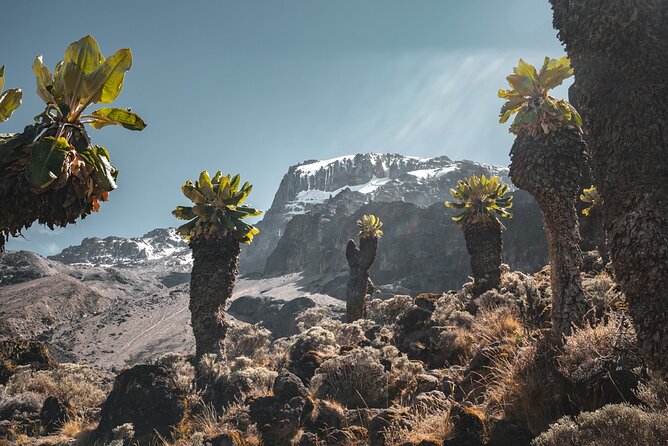
The first trail climbs through rainforest to Machame Camp at 3,010 meters. The walk takes about six hours. This is a beautiful opening to the route, but it is also a wet one. Tropical showers are highly likely, so spare clothes and a raincoat belong near the top of your pack, not buried under everything else.
Your first day at altitude should be treated as a pacing lesson. Walk slowly, listen to your guide, and do not try to prove anything early. The mountain does not care how quickly you leave the gate.
The support crew sets up camp, and meals are prepared for you. That lets you focus on walking, drinking, eating, and resting rather than handling tents or cooking after a full day on the trail.
Day 3: Shira Camp and the first acclimatization hike
From Machame Camp, you climb toward Shira Camp at 3,845 meters. The rainforest falls away, and the route opens onto views across the Shira Plateau. The scenery changes quickly, which makes this one of the more rewarding days for anyone who likes seeing the mountain shift from thick forest to open high ground.
The hike lasts about seven hours. The trail is not described as especially difficult from a technical point of view, but the altitude begins to make itself known. You may feel short of breath, tired, or headachy. Your best tool is a slow, steady pace.
After lunch and rest at Shira Camp, you take an acclimatization hike toward Lava Tower, gaining about 300 meters, then return to camp. This extra walk is important because it gives your body more time at higher altitude without forcing you to sleep there immediately.
I like this part of the plan. The route does not simply push you higher every night. It gives you a controlled taste of the next altitude, then brings you back down to sleep.
More Machame Route climbs:
- Climbing Kilimanjaro – Machame Route
★ 5.0 · 170 reviews - Climbing Kilimanjaro through 7 days Machame Route
★ 5.0 · 151 reviews - 7 Days Kilimanjaro via Machame route affordable price
★ 5.0 · 110 reviews - #1. Best Kilimanjaro Day hike Tour-Machame Route-ISMANI
★ 4.2 · 47 reviews
Day 4: Lava Tower, Barranco Camp, and the altitude test
Day four is one of the key days on the Machame Route. You leave Shira Camp at 3,845 meters and climb toward Lava Tower at 4,630 meters. The trail includes repeated ascents and descents, and the high point can feel rough even if you are fit.
You spend at least one or two hours at Lava Tower, where lunch is served, before descending to Barranco Camp at 3,960 meters. This is the classic climb high, sleep lower pattern. It gives you valuable altitude exposure while allowing you to rest at a lower camp that night.
The day takes about eight hours. You may feel discomfort at Lava Tower, and that is exactly why guides monitor your condition and adjust the pace. The supplied safety program includes medical checkups, oximeters, oxygen tanks, and medical kits. Those tools do not remove altitude risk, but they give the crew a way to identify trouble and respond.
Barranco Camp also brings you face to face with the Barranco Wall. It looks steep and imposing, but the route up is described as a straightforward hiking trail rather than a technical climbing section. You do not need ropes or mountaineering skills for this part according to the supplied itinerary, but you should still expect a steady, hands-on walk in places.
Day 5: Barranco Wall to Karanga Camp
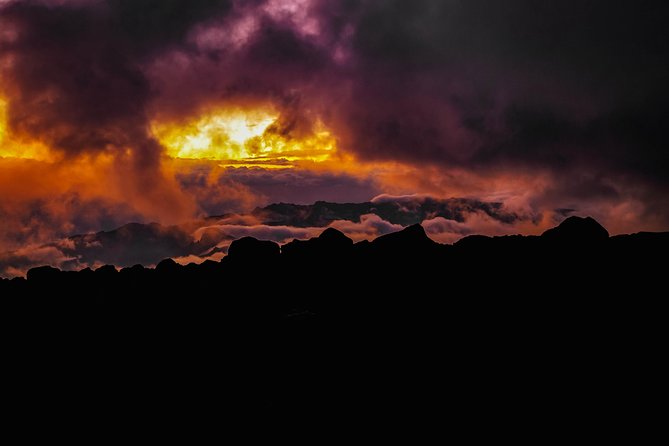
You start early, which is wise because the Barranco Wall can become crowded when several groups reach it at once. The climb up the gorge wall takes about an hour. Afterward, there is time to rest and take photographs with Kibo volcano behind you.
The trail to Karanga Camp at 4,035 meters is more tiring than the wall itself. It includes repeated climbs and descents, so this is not a day when distance alone tells the story. Your guides set the pace, and that matters more than trying to match the fastest person in the group.
After reaching camp, you receive a warm lunch. Later, you take an acclimatization hike in the direction of Barafu Camp before returning to Karanga. Again, the goal is to expose your body to higher ground without rushing the sleeping altitude.
This day can feel like a strange mixture of progress and repetition. You climb, drop, climb again, and return to camp. That is good mountain planning, even if your legs are less impressed.
Day 6: Barafu Camp and the quiet before summit night
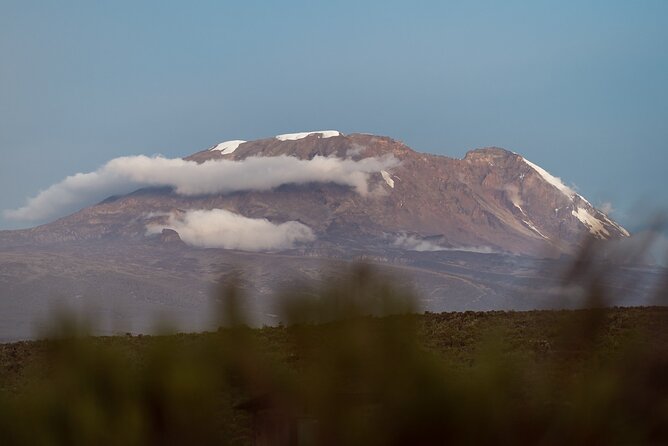
You leave Karanga Camp and climb to Barafu Summit Camp at 4,640 meters. The walk takes about seven hours. Barafu is the launch point for the night ascent, so the day is less about sightseeing and more about getting ready.
The crew prepares the tents and sleeping bags ahead of time. After lunch and rest, you complete another acclimatization hike toward Kosovo Summit Camp at roughly 4,800 meters, then return to Barafu for a hot dinner.
The schedule is demanding because you must sleep during the day before the summit attempt. Some people find that difficult, especially at altitude. Treat rest as an assignment. Keep your evening simple, organize your clothes, and place the items you need for the night climb where you can reach them quickly.
Day 7: Uhuru Peak and the long descent
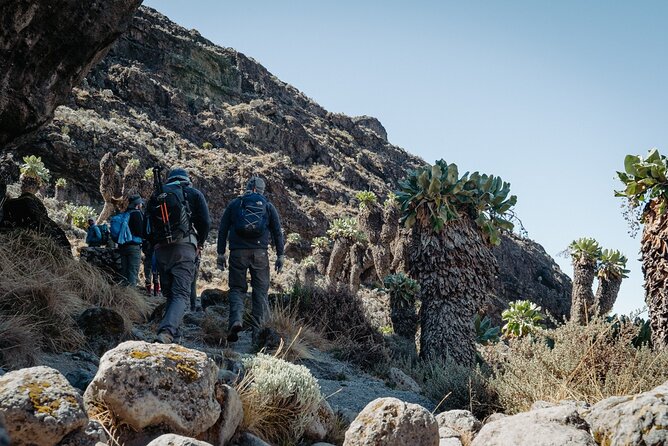
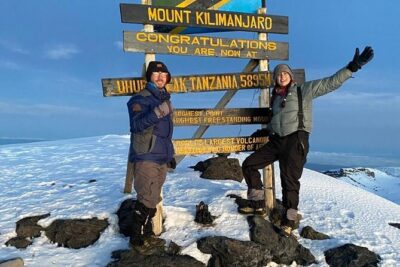
Summit day begins at night from Barafu Camp. You climb from 4,640 meters to Uhuru Peak at 5,895 meters. Technically, the route is described as relatively simple, but the altitude makes it the hardest part of the trip.
Each pair of climbers receives a personal guide for the ascent. That guide monitors your physical and mental state, an important level of attention during the cold, dark hours before sunrise. The pace is slow, and patience becomes more useful than strength.
After reaching Uhuru Peak, you can descend to the nearest glacier if desired. The route then returns to Barafu Camp, where you rest for about two hours before continuing to Millennium Camp at 3,820 meters.
Do not underestimate the descent. Feet become sore, concentration drops, and loose or uneven ground can cause problems. The trip information warns that most accidents happen on the way down, including broken arms and legs. Watch every step, keep your boots secure, and do not let the excitement of summiting turn into careless walking.
The entire day takes about 12 hours. You should expect a very long physical effort, even if the summit itself goes well.
Day 8: Millennium Camp to Mweka Gate
You wake in tropical rainforest at Millennium Camp, now at 3,820 meters. The lower altitude should bring relief, and breakfast gives you a chance to recover before the final walk.
The descent to Mweka Gate at 1,640 meters covers about 12 kilometers and takes four to five hours. At the gate, the group gathers to celebrate, share feedback in the company guestbook, and receive commemorative certificates at the Altezza office.
A transfer takes you back to the hotel. This is a practical ending because you are not sent directly from the trail to the airport. You get time to shower, rest, and process what you have just done.
Day 9: A quiet finish and airport transfer
The final day is for rest at the hotel and transfer to the airport. Check-out is at 11:00 AM. If your flight leaves in the evening, a late check-out can be arranged for an extra fee.
The package includes airport drop-off, but not airfare. Most nationalities can obtain a visa at JRO for $50, while US passport holders pay $100. Confirm the requirements for your nationality before departure.
Food, tents, and the mountain crew
The practical care on this climb is one of its strongest features. The package includes six lunches, eight breakfasts, and six dinners, along with drinks such as tea, coffee, juice, and soda on the mountain.
Special meal plans are available for vegetarian, vegan, lactose-free, gluten-free, halal, and other dietary needs. You should provide those requirements when booking and repeat them during the arrival briefing.
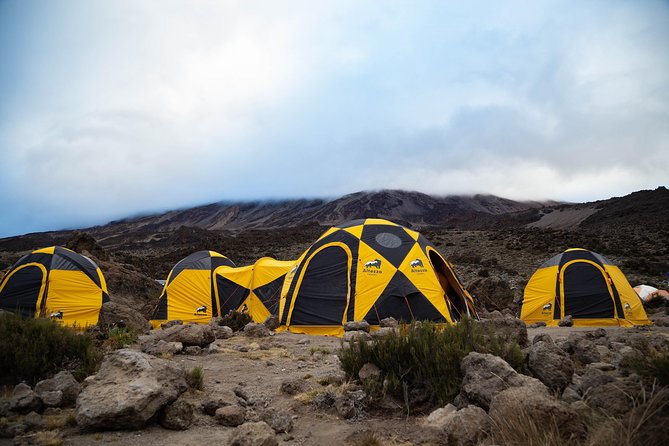
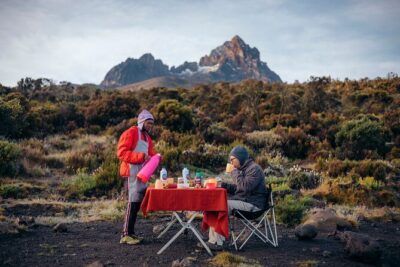
The crew includes professional guides, porters, camp staff, and cooks. North Face VE-25 tents are shared by two hikers, and group equipment includes a dining tent, sleeping pads, tables, chairs, crockery, and cutlery.
The dining setup means you are not eating every meal on the ground with your knees under your chin. That small touch can make a real difference after a long day.
The cost also includes all Kilimanjaro National Park fees, medical checks, oxygen tanks, oximeters, and medical kits. Personal gear is not included, so you still need hiking clothing, boots, and a sleeping bag, though rental equipment is available.
Safety, fitness, and the real cost
At $3,377 per person, this is not a budget hike. The value comes from what is bundled into the price: transfers, two hotel nights, park fees, tents, meals, drinks, camp equipment, guides, porters, cooks, medical monitoring, and airport service.
You still need to budget for airfare, visa fees, hotel lunches and dinners, insurance, personal equipment, and crew tips. Insurance is strongly recommended and should cover mountain trekking activities.
The operator describes the required fitness level as moderate. That should not be read as easy. The route includes long hiking days, high altitude, steep sections, repeated ascents and descents, and a 12-hour summit day. You do not need technical climbing experience based on the supplied route details, but you do need stamina and the ability to walk for many hours.
The private-tour format means only your group participates. That can make pacing and communication easier, especially if your group has similar fitness levels. Group discounts are available, and the trip can also accommodate solo climbs at an extra accommodation charge.
What the strongest praise tells you
The highest praise focuses on organization, food, pacing, and the mountain team. Specific guides and crew leaders named in the feedback include Stanford, Victor, Joseph, Rashid, Nolasco, Justin, John, and Francis.
The repeated practical theme is that the crew handles the difficult background work. Porters carry equipment, camp staff set up and take down camp, cooks provide hot meals, and guides keep the group moving at a sensible pace.
Food receives unusually warm praise. A tablecloth, varied meals, hot tea, and snacks at trail junctions may sound like small comforts, but they matter when you are cold, tired, and eating at altitude.
One group of six climbed during the rainy season and found the mountain quieter than expected. Rainy conditions can still make the trail wet and less comfortable, so I would not book that season simply to avoid crowds. But a quieter route can be an attractive bonus if your dates are fixed.
A solo female climber also described receiving support from the booking stage through the summit and return. That does not guarantee every departure will feel identical, but it points to the value of having an organized company handling transfers, briefings, equipment checks, and mountain logistics.
Who should book this climb?
I would recommend it to you if you want a structured Kilimanjaro experience with strong logistical support and a clear acclimatization plan. It suits people who value reliable meals, medical monitoring, professional guides, and a hotel night on each side of the mountain.
It also works well for families and friend groups, provided everyone understands the physical demands. One reported group included a 69-year-old father, showing that age alone is not the deciding factor, but you should still assess your own fitness honestly.
I would hesitate if you dislike shared tents, long hiking days, early starts, wet conditions, or the idea of climbing through the night. You should also think carefully if your schedule cannot allow a full recovery day after the summit.
The cancellation terms are generous up to 24 hours before the experience begins, with a full refund. Cancellations or changes inside that window are not refunded or accepted.
Should you book the Altezza Machame Route climb?
Yes, if you want Kilimanjaro handled as a serious expedition rather than a loose collection of trail days. The price is substantial, but the included transport, park fees, support staff, meals, medical equipment, and hotel stays make the package easier to budget.
Book it because the seven-day route gives your body repeated chances to adjust, not because seven days makes the mountain easy. Arrive prepared, bring proper rain gear and footwear, follow the slow pace, and save your energy for the descent after Uhuru Peak. If those terms suit you, this is a well-supported way to take on Kilimanjaro.
FAQ
Where does the climb begin?
The experience begins with pickup at Kilimanjaro International Airport, followed by a transfer to Aishi Machame Hotel in Moshi. The mountain trek begins the next morning at Machame Gate.
How long does the full experience last?
The experience lasts approximately nine days. This includes two hotel nights, six nights on Kilimanjaro, the climb, return to the hotel, and airport transfer.
What is the highest point of the climb?
The highest point is Uhuru Peak, at 5,895 meters. You attempt the summit during the night after departing Barafu Camp.
Are Kilimanjaro National Park fees included?
Yes. All fees collected by Kilimanjaro National Park are included in the price.
Are airport transfers included?
Yes. Pickup and drop-off at Kilimanjaro International Airport, along with ground transportation, are included.
What meals are included?
The package includes six lunches, eight breakfasts, and six dinners. Drinks on the mountain include tea, coffee, juice, and soda.
Can dietary requirements be accommodated?
Yes. Vegetarian, vegan, lactose-free, gluten-free, halal, and other meal plans are available.
Do I need to bring my own climbing equipment?
Personal equipment is not included. You need to arrange items such as hiking clothing, boots, and a sleeping bag. Equipment rental is available.
What fitness level is required?
The stated requirement is moderate physical fitness. You should be prepared for long hiking days, high altitude, repeated climbs and descents, and a summit day lasting about 12 hours.
Just added in Moshi
- THE BEST 2 DAYS ON TREK – MARANGU ROUTE TOUR ADVENTURES★ 5.0 · 1 review
- Mount Kilimanjaro National Park Day Trip★ 5.0 · 7 reviews
- Mount Kilimanjaro Climbing in Tanzania Full-Day Trip★ 5.0 · 1 review
- Mount Kilimanjaro Day Hike – All-Inclusive, No Hidden Fees★ 4.0 · 7 reviews
- Mount Kilimanjaro Trekking Tour – Climb with Local Guides★ 5.0 · 1 review
- Mount Kilimanjaro: 7 Days Hike Lemosho Route★ 5.0 · 1 review
- Moshi:Chemka Hot Springs, Materuni Waterfalls & Coffee Tour★ 5.0 · 1 review
- Moshi Town: Walking Tour: Theme Urban lifestyle★ 3.1 · 4 reviews
Machame Route Climbs, compared.
Climbing Kilimanjaro through 7 days Machame Route
Read our review →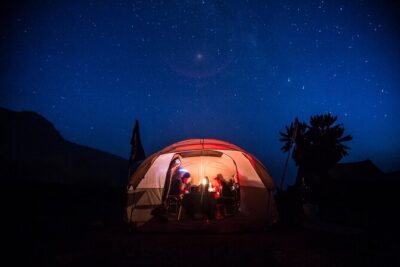
7-Day Machame Kilimanjaro Summit Tour from Arusha
Read our review →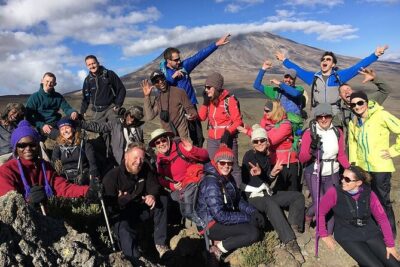
7 Days Kilimanjaro via Machame route affordable price
Read our review →
#1. Best Kilimanjaro Day hike Tour-Machame Route-ISMANI
Read our review →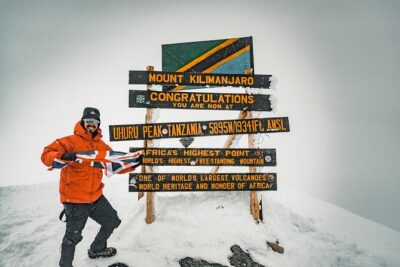
The Best of Machame Route in 6 Days: Your World’s Summit Guide
Read our review →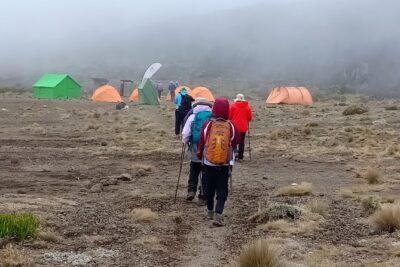
Best Kilimanjaro Adventure 7 days Machame route Trekking
Read our review →Browse the lists this tour appears in