
Reviewed · MACHAME ROUTE CLIMBS
Climbing Kilimanjaro through 7 days Machame Route
Kilimanjaro rewards patience. This seven-day Machame climb gives you a full mountain journey, from rainforest to the summit, with experienced guides, daily health checks, fresh meals, and a descent by a different trail. I especially like the walk-high, sleep-low profile, which gives your body more time to adjust, and the care built into the operation, including wilderness first responder guides and emergency oxygen. The main catch is simple: Machame is the busiest route, and its steeper sections demand solid fitness.
You pay $2,425 per person for a private climb with transport, camping equipment, meals, guides, porters, and park fees included. That is not a small amount, but it covers the costly parts of a Kilimanjaro expedition. I would still budget separately for accommodation in Moshi before and after the trek, since that is available only on request.
In This Review
- Key points to know before you book
- What the seven-day Machame Route feels like
- Day 1: Machame Gate and the rainforest
- Day 2: Moving toward Shira Camp
- Day 3: The Lava Tower approach and Barranco
- Day 4: Barranco Wall and the road to Barafu
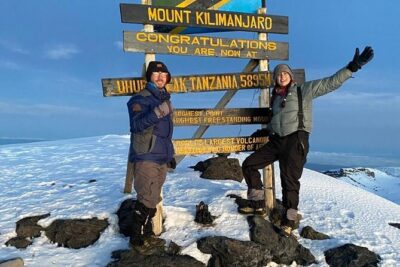
- Day 5: Summit day on Kilimanjaro
- Day 6: Descending by the Mweka Trail
- Day 7: Completing the descent and returning to Moshi
- Meals, tents, and the human side of the climb
- Is $2,425 good value?
- Who should choose this climb?
- Practical details before you commit
- Should you book the ZAFS Machame climb?
- FAQ
- Where does the Kilimanjaro climb start?
- How long is the Machame Route experience?
- Is this a private tour?
- What meals are included?
- Is camping equipment included?
- Are guides and porters included?
- Do the guides provide health support?
- Is accommodation in Moshi included?
- Can I cancel for a full refund?
Key points to know before you book
- The route starts in rainforest at Machame Gate, then crosses several mountain zones before reaching the summit.
- Seven days gives you a better acclimatization plan than a shorter Machame itinerary, with the chance to climb high and sleep lower.
- A qualified mountain crew is included, with guides who have at least eight years of mountain experience and wilderness first responder certification.
- Meals are cooked on the mountain, with breakfast, lunch, dinner, tea, and coffee provided throughout the trek.
- The summit day is only one part of the challenge, since the route also includes the steep Great Barranco Wall and long days at altitude.
- The experience has a 100 percent recommendation rate and a five-star average from 151 ratings, with repeated praise for support, food, organization, and motivation.
What the seven-day Machame Route feels like
Machame is called the Whiskey Route, a playful contrast with Marangu’s Coca Cola Route. The nickname can make Machame sound technical or extreme, but the real difference is route shape. It is longer and steeper in places, not a technical climbing route requiring ropes or mountaineering skills according to the supplied trip details.
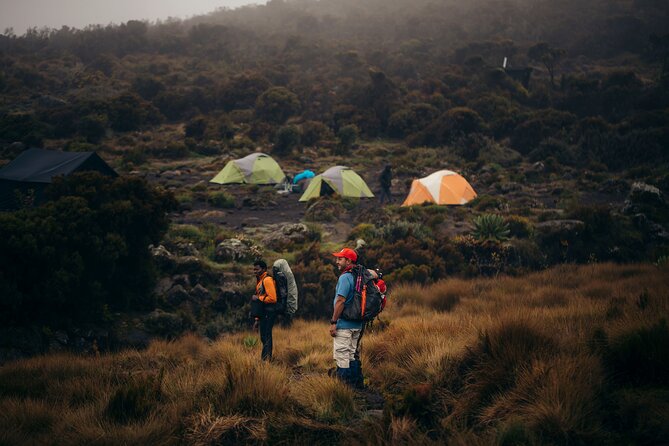
You begin at Machame Gate, at 1,800 meters, on the southwest side of Kilimanjaro. The first major reward is the rainforest, where the mountain feels green, shaded, and alive. This opening section is not just scenery. It gives you a gradual start before the trail climbs into higher, more exposed country.
The route then reaches Shira Camp, where the Lemosho route joins from the west. From there, you cross the southern side of Kilimanjaro and approach Barranco by way of Lava Tower. The route later takes you over the Great Barranco Wall to Barafu Camp, the launch point for the summit attempt.
After reaching the top, you descend by the Mweka Trail rather than walking back along your ascent route. That change of scenery matters after several days on the mountain. It also gives the trip a proper sense of progression: forest at the start, high camps in the middle, summit above you, and a separate route down.
More Machame Route climbs:
- Kilimanjaro climb, Machame Route (7-day)
★ 5.0 · 262 reviews - Climbing Kilimanjaro – Machame Route
★ 5.0 · 170 reviews - 7 Days Kilimanjaro via Machame route affordable price
★ 5.0 · 110 reviews
Day 1: Machame Gate and the rainforest
The climb begins with transport from the Moshi meeting point at Moshi Leopard Hotel on Market Street. Pickup is offered, and private transportation is included, but the stated start time is 12:00 am. That midnight time looks unusual for a gate transfer, so I would confirm the exact pickup hour with ZAFS before you arrive.
At Machame Gate, the trail starts at 1,800 meters. The first walking section passes through rainforest, which provides a memorable introduction to Kilimanjaro and a softer beginning than the bare upper slopes.
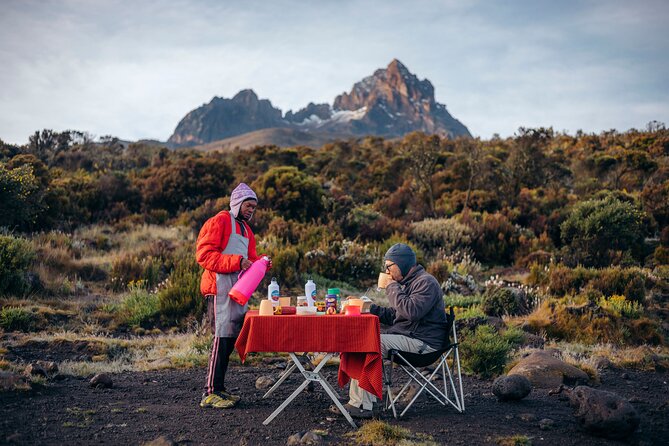
Your crew carries the camping setup and prepares the meals. The package includes private tents, a dining tent, tents for the crew, tables, chairs, mattresses, cutlery, and cooking equipment. You are not expected to organize a campsite from scratch after a day of walking.
This first day is also when the pace matters most. The guides use the Swahili phrase pole pole, meaning slowly slowly, as a reminder not to race the early trail. You should follow that rhythm even if you feel fresh. Altitude rewards restraint.
Day 2: Moving toward Shira Camp
The route continues upward from the rainforest toward Shira Camp. This is where the mountain begins to feel less like a forest walk and more like a high-altitude trek.
Shira is important because the Lemosho route joins here from the west. You get a sense of how several routes share the upper mountain even though their lower approaches differ. The camp also marks a clear change in surroundings, with less shelter from the forest and more open mountain terrain.
Breakfast, lunch, and dinner are freshly prepared on the mountain. Tea and coffee are included as well. That may sound like a small comfort, but hot food and regular meals become practical fuel when your appetite, energy, and sleep are all affected by altitude.
The crew includes guides, a chef, a waiter, and porters. The repeated praise for the food and camp service is worth taking seriously, because meals and camp routine can make a major difference during a seven-day climb. The operation is designed to let you focus on walking, hydration, rest, and health checks.
Day 3: The Lava Tower approach and Barranco
The route crosses the southern side of Kilimanjaro and goes toward Barranco via Lava Tower. This is one of the most useful parts of the itinerary for acclimatization. You gain altitude during the day, then sleep at a lower camp, a pattern commonly described as walk high, sleep low.
That pattern does not remove the risks of altitude sickness, and it cannot guarantee a summit. It does give your body a more helpful adjustment schedule than simply climbing higher every day.
The guides carry emergency oxygen and conduct daily health checks. They also provide personal guidance about staying healthy on the mountain. This is one of the strongest features of the trip, particularly for anyone who has never spent several days at altitude.
You should take those checks seriously and speak honestly if you feel unwell. A guide cannot make a medical decision based on a brave face. The stated guide qualifications include wilderness first responder certification, which adds a useful layer of safety support, but this remains a demanding high-altitude trek.
A few more options to weigh up in Moshi
- Kilimanjaro climb by Lemosho Route (7-day)
★ 5.0 · 651 reviews - Safari Serengeti And Ngorongoro
★ 5.0 · 288 reviews - Kilimanjaro Climbing Lemosho Route 8 Days.
★ 5.0 · 186 reviews - Kilimanjaro climb, Lemosho Route (8-day)
★ 5.0 · 148 reviews
Day 4: Barranco Wall and the road to Barafu
The Great Barranco Wall is one of the route’s most memorable challenges. The supplied information describes it as a climb on the way to Barafu Camp, so you should expect a steeper section rather than a flat walk between camps.
This is a good point to think about the difference between a hike and a Kilimanjaro expedition. You are not simply walking toward a scenic viewpoint. Your body is adjusting to altitude, your legs are working for several consecutive days, and the summit effort is still ahead.
Barafu Camp is the high camp used before the summit attempt. From here, the focus shifts. Earlier days build distance and acclimatization. At Barafu, the question becomes whether you are rested, healthy, and ready for the final ascent.
The guides’ role is especially important here. Direct support, a controlled pace, and close attention to your condition can matter more than motivational speeches. Several accounts tied to this operator praise guides by name, including Alex, Gabriel, Mushi, Farooq, Musa, Danis, and Frank. You may not have those exact guides, but the company describes a senior team with more than 100 mountain trips between them.
Day 5: Summit day on Kilimanjaro
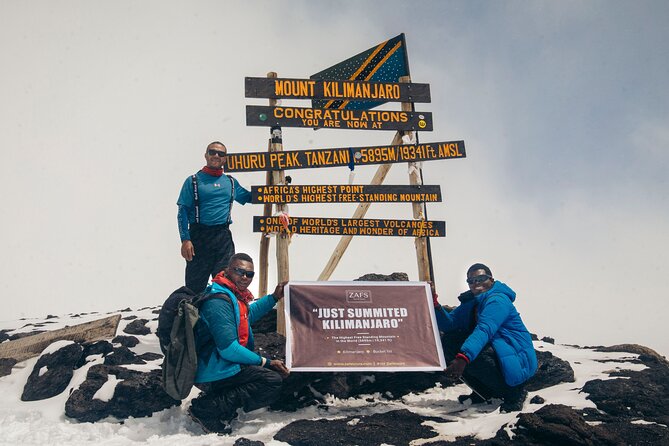
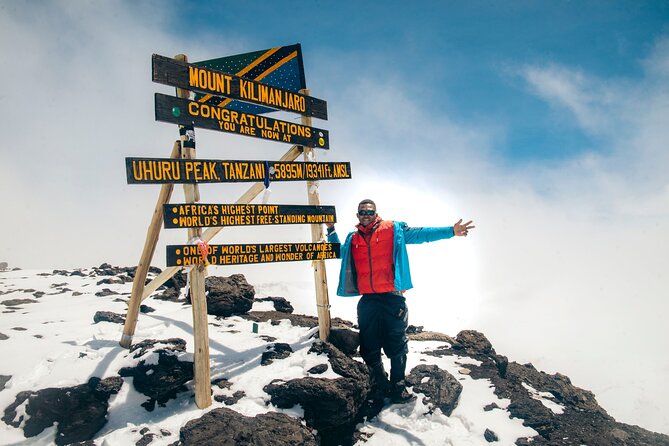
The summit is the emotional center of the trip, but it is not a short add-on. You have already spent days walking uphill, sleeping in tents, and adjusting to altitude. The final push is physically and mentally serious.
The route description promises a strong chance of summiting, not a certainty. That distinction matters. A high success rate reflects the seven-day schedule, the route profile, the support crew, and careful pacing, but no operator can control weather, altitude response, or your health.
Your guide’s job is to keep the group moving at a safe pace and to monitor your condition. You should expect encouragement, but you should also accept that turning around can be the correct decision if your health deteriorates.
Emergency oxygen is carried on every climb. It is reassuring, but it should not be treated as a substitute for proper acclimatization or medical judgment. Your best tools are still slow walking, honest communication, following guide instructions, and allowing enough time for rest.
Reaching the summit is followed by a descent, so the day does not end at the top. This is where preparation matters. You want warm layers, suitable footwear, and a daypack arranged so you can reach essential items without unpacking everything.
Day 6: Descending by the Mweka Trail
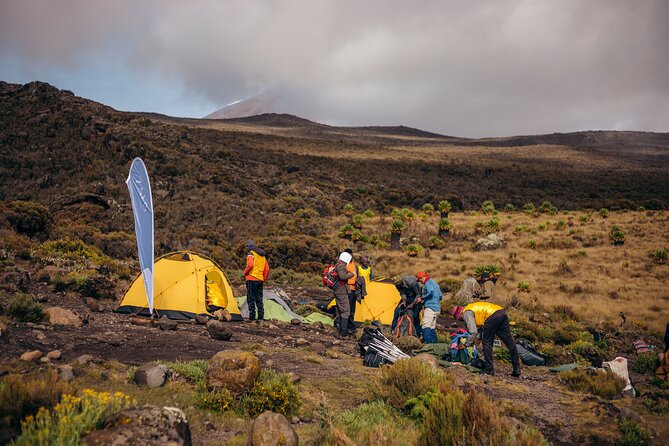
After the summit, you descend by the Mweka Trail. You do not retrace the Machame approach, which keeps the return visually different and avoids repeating the same route.
Descending can feel easier because you are going down, but tired knees and accumulated fatigue can make it demanding. The mountain does not become effortless after the summit. Keep your pace controlled and use your walking poles if you bring them.
The lower route also gives you time to process the climb. Kilimanjaro is unusual in that its changing plant zones and camp settings create a strong sense of movement over a relatively short trip. The rainforest at Machame, the open high sections, the Barranco Wall, and the summit approach each feel like separate chapters.
Your crew remains part of the experience through this stage. The package continues to cover the mountain team, meals, tents, and camp equipment. That is a real advantage over trying to arrange each service separately.
Day 7: Completing the descent and returning to Moshi
The final day brings the trek back toward the meeting point in Moshi. The activity ends where it starts, and private transportation is included.
Accommodation before and after the hike is not included in the listed price, although Moshi lodging can be arranged on request. I would plan those nights carefully. A night before the climb gives you time to get organized, while a night after the descent is useful if you want to rest before a flight or continue with another Tanzanian activity.
The exact end time is not supplied, so do not schedule a tight onward connection without checking with the operator. Mountain days can change with pace, conditions, and health decisions.
Meals, tents, and the human side of the climb
The food receives unusually strong praise in the available feedback. The chef prepares breakfast, lunch, and dinner on the mountain, with tea and coffee also included. You should not expect restaurant variety at altitude, but freshly cooked meals are a major advantage when you need steady energy.
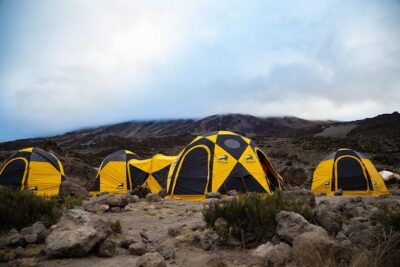
The camp setup is also more complete than a basic tent-only package. Private sleeping tents, a dining tent, mattresses, tables, chairs, utensils, and crew tents are all included. A dining tent gives you a place to eat and regroup instead of treating every meal as a quick bite outside your sleeping tent.
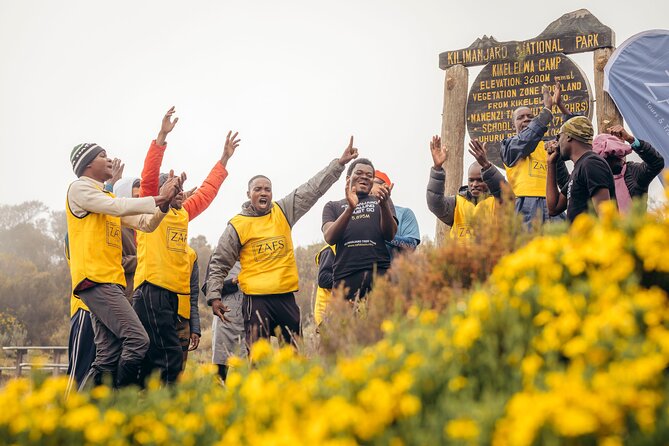
The porters, waiter, chef, and guides make the climb possible, and the strongest praise centers on their kindness, encouragement, and willingness to adjust the pace. One useful point comes through clearly: some climbers felt they reached the summit because the guides and porters stayed patient when the walking became difficult.
That does not make the route easy. It does mean you are buying an organized support system, not just a permit and a map.
Is $2,425 good value?
At $2,425 per person, this is a serious purchase. The price includes all fees and taxes, private transport, camping equipment, three daily meals on the mountain, hot drinks, and the mountain crew.
For a seven-day private Kilimanjaro climb, those inclusions matter. Park charges, food, porters, tents, guides, cooking equipment, and camp logistics would be difficult to arrange on your own. The price also reflects the safety structure: daily health checks, qualified guides, and emergency oxygen.
The value is strongest if you want a supported climb and do not want to handle mountain logistics yourself. It is less attractive if you are comparing it with a basic budget trek or if you already have camping equipment and prefer a stripped-down approach.
Remember to add Moshi accommodation, flights, personal gear, and any gratuities or other costs not stated in the package. The supplied details do not specify group size, tipping arrangements, equipment rental, or a gear list, so ask about these before paying.
The trip is booked an average of 65 days ahead. That suggests you should not leave planning until the last minute, especially if you need matching flights and hotel nights.
Who should choose this climb?
This route suits you if you want the classic Machame approach, a seven-day schedule, full camp support, and a strong focus on reaching the summit safely. It is a sensible choice for a fit first-time high-altitude hiker who values experienced guidance more than a bare-bones price.
You need a moderate level of physical fitness. The route is longer and steeper in places, and the summit day comes after several days on foot. You do not need to be an expert climber based on the information provided, but you should be ready for sustained physical effort.
It may not suit you if you dislike camping, want a quiet route, or prefer a short, simple mountain walk. Machame is described as the busiest route on Kilimanjaro. Its popularity brings a lively shared trail atmosphere, but solitude is not the main reason to choose it.
Practical details before you commit
The activity is private, meaning only your group participates. Group discounts are available, and mobile tickets are offered. Pickup is available, with the listed starting point at Moshi Leopard Hotel, Market Street, Tanzania.
Confirmation is received at booking. The activity is near public transportation, though private transportation is included for the climb. The stated start time is 12:00 am, which should be confirmed because it may be a platform display issue or a very early transfer time.
Free cancellation applies when you cancel at least 24 hours before the local start time. Cancellations or changes inside that window are not accepted for a refund. If the minimum number of participants is not met and the operator cancels, you are offered another date or experience, or a full refund.
Should you book the ZAFS Machame climb?
I would choose this seven-day Machame Route if your priority is a well-supported summit attempt with a sensible acclimatization profile. The strongest reasons are the experienced guide team, daily health checks, emergency oxygen, fresh mountain meals, and the different descent route.
I would pause before booking if you want a quiet trail or if the total cost stretches your budget once Moshi lodging and personal gear are added. Ask for the full day-by-day schedule, group size, gear list, tipping guidance, and exact pickup time first.
For a fit hiker who accepts the crowds and wants substantial help on Kilimanjaro, this package offers a solid balance of route quality, safety support, and comfort. The mountain remains the boss, but ZAFS gives you a capable team and a well-shaped seven-day chance to reach the top.
FAQ
Where does the Kilimanjaro climb start?
The climb starts at Machame Gate, at an altitude of 1,800 meters, after transport from the Moshi meeting point at Moshi Leopard Hotel on Market Street.
How long is the Machame Route experience?
The experience lasts approximately seven days.
Is this a private tour?
Yes. Only your group participates in this private activity.
What meals are included?
Breakfast, lunch, and dinner are provided each day on the mountain. Coffee and tea are also included.
Is camping equipment included?
Yes. The package includes private tents, a dining tent, crew tents, tables, chairs, mattresses, cutlery, and utensils.
Are guides and porters included?
Yes. The mountain crew includes experienced guides, a chef, a waiter, and porters.
Do the guides provide health support?
Yes. Guides conduct daily health checks, provide health guidance, and are certified as wilderness first responders. Emergency oxygen is carried on the climb.
Is accommodation in Moshi included?
No. Pre-hike and post-hike accommodation in Moshi is available on request but is not included in the stated package.
Can I cancel for a full refund?
You can receive a full refund if you cancel at least 24 hours before the experience start time. Changes or cancellations made less than 24 hours before the local start time are not accepted for a refund.
Just added in Moshi
- THE BEST 2 DAYS ON TREK – MARANGU ROUTE TOUR ADVENTURES★ 5.0 · 1 review
- Mount Kilimanjaro National Park Day Trip★ 5.0 · 7 reviews
- Mount Kilimanjaro Climbing in Tanzania Full-Day Trip★ 5.0 · 1 review
- Mount Kilimanjaro Day Hike – All-Inclusive, No Hidden Fees★ 4.0 · 7 reviews
- Mount Kilimanjaro Trekking Tour – Climb with Local Guides★ 5.0 · 1 review
- Mount Kilimanjaro: 7 Days Hike Lemosho Route★ 5.0 · 1 review
- Moshi:Chemka Hot Springs, Materuni Waterfalls & Coffee Tour★ 5.0 · 1 review
- Moshi Town: Walking Tour: Theme Urban lifestyle★ 3.1 · 4 reviews
Machame Route Climbs, compared.
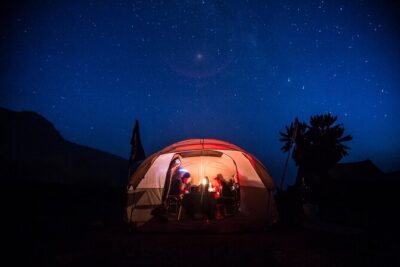
7-Day Machame Kilimanjaro Summit Tour from Arusha
Read our review →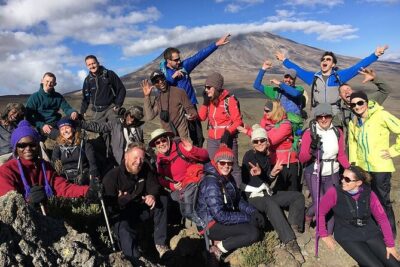
7 Days Kilimanjaro via Machame route affordable price
Read our review →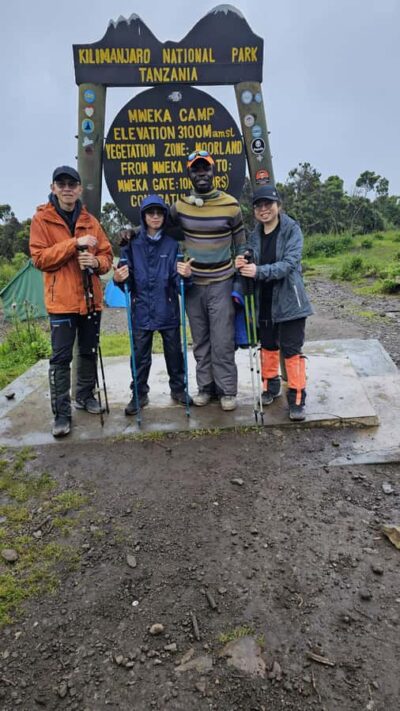
#1. Best Kilimanjaro Day hike Tour-Machame Route-ISMANI
Read our review →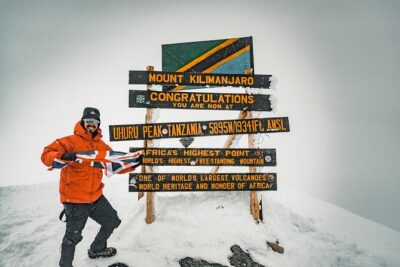
The Best of Machame Route in 6 Days: Your World’s Summit Guide
Read our review →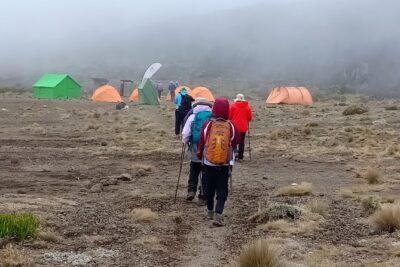
Best Kilimanjaro Adventure 7 days Machame route Trekking
Read our review →Browse the lists this tour appears in