
Reviewed · MACHAME ROUTE CLIMBS
7-Day Machame Kilimanjaro Summit Tour from Arusha
Africa’s highest summit demands patience. This seven-day Machame route gives you a serious, scenic climb through rainforest, moorland, alpine desert, and Arctic conditions before the final push to Uhuru Peak. I like the small maximum group of six, which should give your lead guide time to watch your pace and condition. I also like that the price includes park fees, camping equipment, meals, and hotel transfers, so the main costs are gathered in one package.
The route is not a gentle walking holiday. Machame is tougher than the Marangu route, and you need a strong level of fitness plus previous hiking experience. The price, $2,695 per person, is reasonable for a guided climb with food, gear, crew, transport, and park access, but one point deserves attention: the included hotels may feel basic for the price.
In This Review
- Key points to know before booking
- Why the Machame route is worth the effort
- Day 1: Machame Gate to Machame Camp
- Day 2: Machame Camp to Shira Camp
- Day 3: Shira, Lava Tower, and Barranco Camp
- Day 4: Barranco Wall and Karanga Valley
- Day 5: Karanga to Kosovo Camp
- Day 6: Kosovo Camp to Uhuru Peak and Mweka Camp
- Day 7: Mweka Camp to the gate
- What the $2,695 price really covers
- The crew and the human side of the climb
- Who should book this Machame climb?
- Booking details and cancellation
- FAQ
- How long is the Kilimanjaro tour?
- Where does the tour start?
- Does the tour provide hotel pickup?
- How many people can join the group?
- Is camping equipment included?
- Are meals included?
- How high is Uhuru Peak?
- Is the Machame route suitable for beginners?
- What happens after the summit?
- Should you book this seven-day Machame tour?
Key points to know before booking
- A six-person maximum keeps the climb personal: A small group can mean closer attention from your guide, especially when altitude or fatigue becomes a concern.
- The Machame route changes dramatically each day: You walk from rainforest to heather, moorland, high desert, and an Arctic summit zone.
- Day six is the real test: Expect a midnight start, a steep 6 to 7-hour ascent to Stella Point, then Uhuru Peak and a long descent.
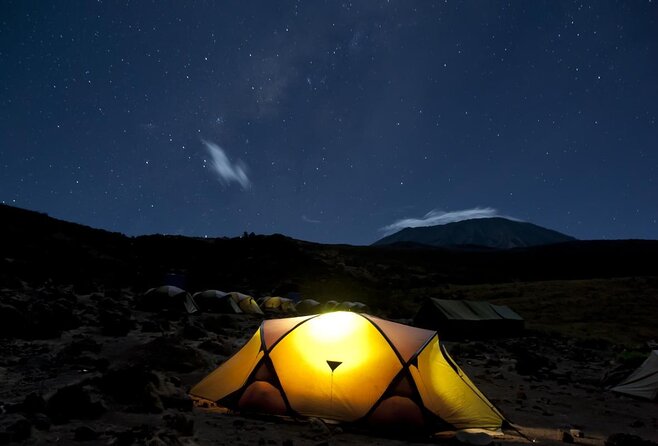
- Lava Tower helps with acclimatization: The route climbs high to about 15,000 feet before dropping to Barranco Camp.
- Most practical costs are included: Camping equipment, meals, park admission, and round-trip hotel transfers are part of the package.
- The crew earns much of the tour’s value: Names praised in recent accounts include Herment, Florian, Godlove, Steve, James, Daniel, Manny, Singer, and others on the mountain team.
Why the Machame route is worth the effort
Machame is popular for good reason. It gives you a changing series of mountain environments rather than one long climb through similar scenery. Your first day begins in forest, where the path can be muddy and slippery. By the end, you are walking across exposed high-altitude terrain with little shelter.
That variety comes with a cost. Machame is physically harder than Marangu, and the schedule keeps you moving for several hours each day. You will not need technical climbing skills on the route described here, but steep sections, loose scree, cold, altitude, and long descents still demand preparation.
The seven-day length is important. It gives you more time to adjust than a rushed climb, and the third day includes a high-altitude acclimatization walk to Lava Tower followed by a descent to Barranco Camp. That pattern, going high and sleeping lower, is one of the most useful parts of the plan.
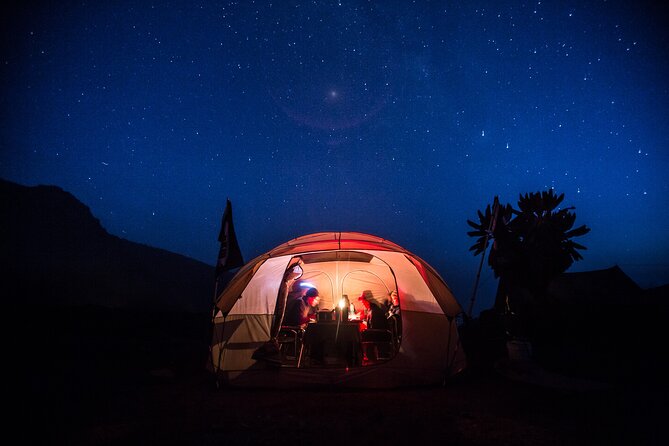
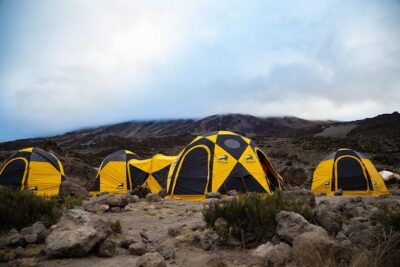
You should also understand what kind of comfort you are buying. This is a camping expedition with tents, cooked meals, porters, guides, and organized transfers. It is not a luxury lodge-to-lodge trek. You pay for a supported mountain experience, not for resort comforts.
More Machame Route climbs:
- 6 Days: Hiking Kilimanjaro via Machame Route
★ 5.0 · 24 reviews - 6-Day Guided Tour in Machame Route Mt Kilimanjaro
★ 5.0 · 17 reviews - KILIMANJARO MACHAME ROUTE, (Climb 7days)
★ 5.0 · 16 reviews
Day 1: Machame Gate to Machame Camp
Your morning begins with breakfast at the hotel, followed by pickup from the Arusha area and transfer to Machame Gate. The listed meeting point is Summit Lodge in Sakina, Raskazone, Arusha, with an 8:00 a.m. start.
The first walking section enters Kilimanjaro’s rainforest. You follow a winding trail up a ridge, with the lower part often muddy and slick. This is a short but useful warning about the route: even before altitude becomes a concern, wet ground can make the climb tiring.
The day covers about 6.8 miles and takes roughly five to seven hours, though the schedule also lists four hours in its timing field. I would plan for the longer estimate. Mountain pace, breaks, weather, and trail conditions can all stretch the day.
Gaiters and trekking poles are especially sensible here. Gaiters help keep mud and water out of your boots, while poles give you extra balance on slippery ground. At Machame Camp, your tent is set up, your belongings are prepared, and dinner is served.
That camp support matters. After a full day on foot, you do not want to spend the evening organizing every piece of equipment. Still, camping means you should expect a basic night and changing conditions rather than hotel-style ease.
Day 2: Machame Camp to Shira Camp
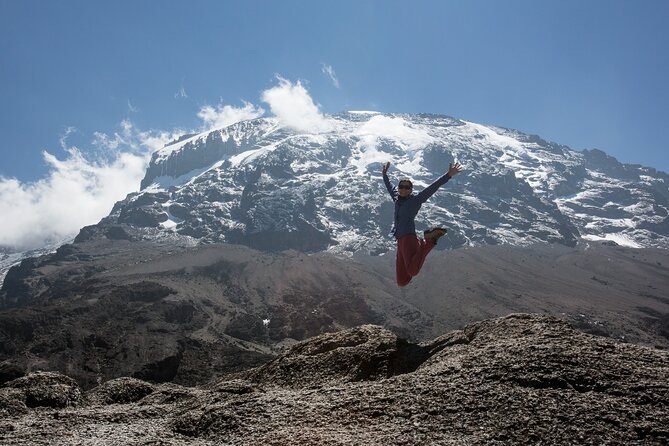
Day two leaves the forest behind and enters the heather and moorland zone. The route climbs through open ground, crosses a small valley, and follows a steep rocky ridge. The trail then turns west toward a dry river gorge before reaching Shira Camp.
The walking distance is about 2.8 miles, with four to six hours on foot. That looks short on paper, but the combination of climbing, uneven rock, and increasing altitude can make it feel substantial.
Shira Camp sits at about 12,500 feet, or 3,810 meters. You are now high enough for altitude to become a central concern, even if your legs still feel strong. Go slowly, drink as directed by your crew, and do not treat an easy first impression as proof that you are fully adjusted.
The open moorland offers a different experience from day one. You lose the enclosed feel of the forest and begin to see the mountain’s upper zones more clearly. The tradeoff is less protection from wind and weather.
Dinner and overnight camping follow the walk. This is a good point to settle into the group routine: walk, eat, rest, and prepare for the next morning. The small group format should make it easier for the guide to notice differences in pace and energy.
Day 3: Shira, Lava Tower, and Barranco Camp
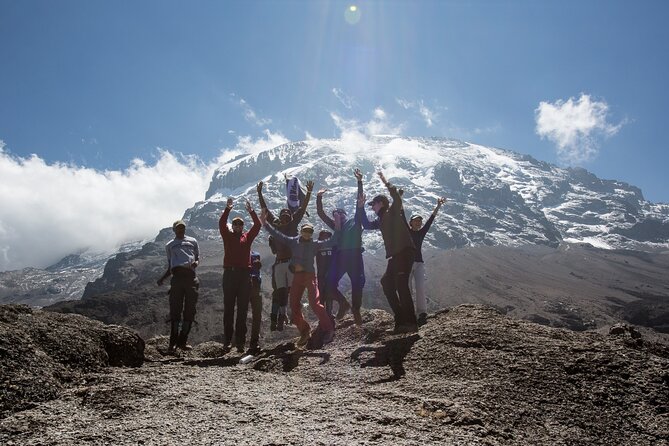
Day three is the most useful acclimatization day of the climb. From Shira, you walk toward Lava Tower at roughly 15,000 feet, or 4,500 meters. After resting there, the route descends toward Barranco Camp.
The published details contain two distance and timing descriptions for this day, one showing about 4.3 miles and four to six hours, and another showing 5.6 miles and six to eight hours. I would prepare for a full mountain day and avoid planning anything else around it.
The high point at Lava Tower is not simply a sightseeing stop. It gives your body time at greater altitude before you sleep lower at Barranco. That can feel uncomfortable, especially if you notice a headache, nausea, unusual tiredness, or shortness of breath. Tell your guide promptly if you feel unwell.
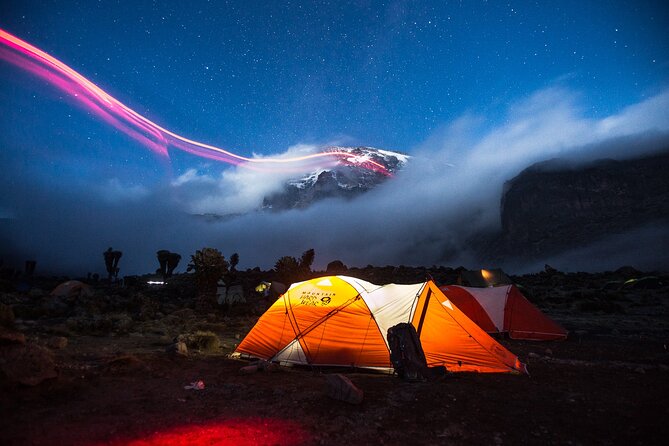
After Lava Tower, the route passes through a large Senecio forest and continues toward a waterfall before Barranco Camp. The camp sits beneath the Barranco Wall, with clouds often moving up from the valley. This is one of the more memorable camps because the wall gives the area a dramatic sense of enclosure and scale.
You may find day three mentally tricky. The route rises, then drops, which can seem inefficient when you are tired. In fact, that high-and-low pattern is one of the strongest reasons to choose a seven-day schedule instead of trying to force the mountain into fewer days.
A few more options to weigh up in Arusha
- Balloon Safari & Bush Breakfast in Serengeti – Miracle Experience
★ 5.0 · 1,646 reviews - Tanzania Classic – 7 Days
★ 5.0 · 1,151 reviews - 4 Days Group Camping Safari
★ 5.0 · 1,101 reviews - 5 Days Group Camping Safari
★ 5.0 · 730 reviews
Day 4: Barranco Wall and Karanga Valley
Day four covers only about 2.2 miles and takes four to five hours, but distance is not a good measure of difficulty here. The main feature is the Barranco Wall, an adventurous climb that leads you into the mountain’s higher, colder zone.
This is not described as a technical rock climb, but you should expect hands-on movement and steep sections. A calm pace matters more than speed. Follow your guide’s line and keep your pack secure.
After the wall, the trail follows the South Circuit toward the Karanga Valley. The group camps at Karanga Camp, at about 13,100 feet, or 3,992 meters.
The shorter walking day gives you time to rest, eat, and keep an eye on how your body is handling altitude. Do not waste that recovery time by pushing yourself to prove something. Kilimanjaro rewards steady effort, not dramatic bursts of energy.
This is also where the route begins to feel more exposed and serious. The forest is far below, and the summit push is no longer an abstract idea. You are moving through a high mountain environment where cold, wind, and fatigue can shape the day.
Day 5: Karanga to Kosovo Camp
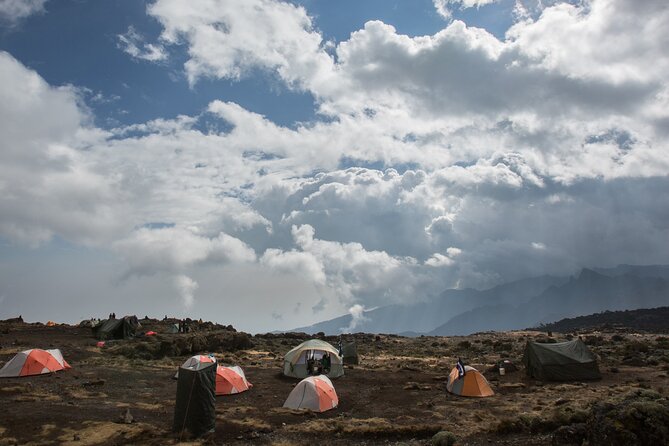
Day five is another relatively short walking day, about 2.6 miles and five to six hours. The group travels slowly toward Kosovo Camp, passing Barafu Camp on the way.
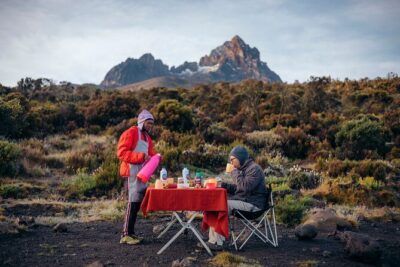
Barafu is known as an important high camp, and the route gives you views of Kibo and Mawenzi, Kilimanjaro’s two major volcanic peaks. Kosovo Camp is at about 16,000 feet, or 4,876 meters, on an exposed ridge.
The exposed position is worth taking seriously. You are advised to become familiar with the area before dark, which is practical advice for a camp where wind, cold, and low light can make simple movement harder.
Most of this day is about preparation. You rest, continue acclimatization, and organize what you need for the summit night. Keep your essential layers, water, headlamp, and other personal items ready. The exact equipment supplied should be confirmed before departure, even though camping equipment is included overall.
The summit schedule starts around midnight, so this is not a normal evening at camp. Try to rest early, though sleeping at high altitude before a midnight departure can be difficult.
Day 6: Kosovo Camp to Uhuru Peak and Mweka Camp
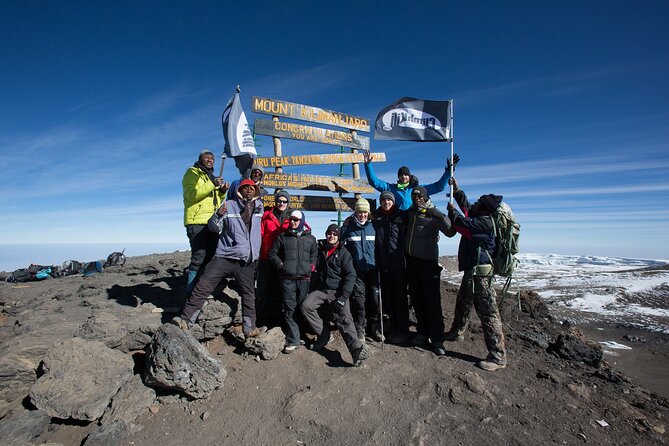
This is the day that defines the climb. You start around midnight and walk through one of the steepest sections of the non-technical routes on Kilimanjaro.
The ascent to Stella Point takes about six to seven hours. The route climbs through heavy scree toward the crater rim between the Rebmann and Ratzel glaciers. Scree is loose volcanic gravel, and each step can slide slightly backward. That makes the ascent slow and mentally demanding.
The schedule gives the full day about 13 miles, with roughly 5 kilometers of ascent and 12 kilometers of descent. The listed time is about 6 to 7 hours up and 4 to 6 hours down, or around 11 hours of walking in total. I would treat that as a minimum-to-typical range, not a promise.
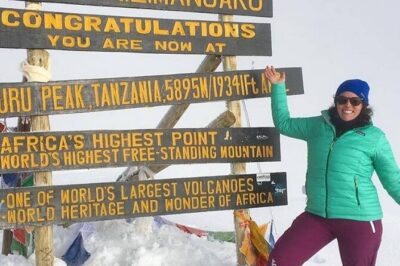
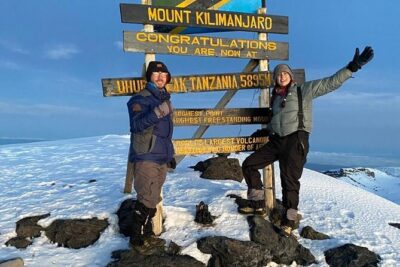
Reaching Stella Point gives you a major psychological lift. From there, Uhuru Peak is about another hour. You continue along the crater rim to the summit at 19,340 feet, or 5,895 meters, the highest point in Africa.
The summit moment can be short. Cold, altitude, wind, and fatigue may limit how long you stay. The goal is to reach the top safely, take in the view, and begin the descent before your energy drops too far.
You then descend to Mweka Camp for dinner and celebration. The descent is not an easy afterthought. It is long, hard on the knees, and often performed after a sleepless or nearly sleepless night. Trekking poles are useful, and your footwear needs to be dependable.
This is the point where strong guiding matters most. Recent praise centers on guides such as Herment Mosha, Florian, Godlove, Steve, and others who monitored pace, health, and morale closely. A good guide does not simply point toward the summit. The guide helps you make sensible decisions when excitement and exhaustion compete.
Day 7: Mweka Camp to the gate
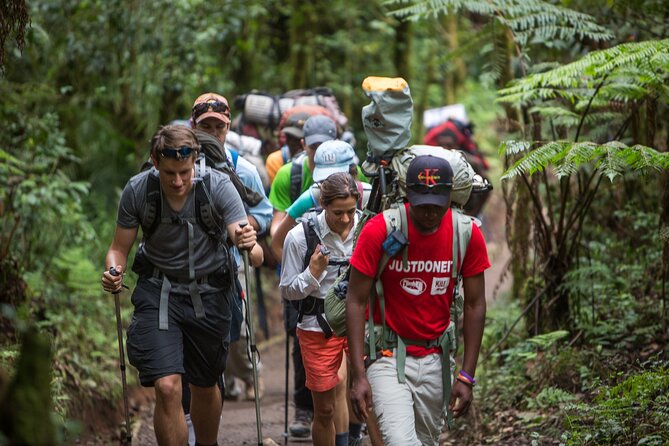
The final morning is a walk to Mweka Gate, about 6.4 miles and three to four hours. The trail drops to around 5,400 feet, or 1,645 meters.
After the high camps and summit night, this descent may feel both easy and surprisingly tiring. Your legs have already done the hardest work, but downhill walking can expose every sore muscle.
At Mweka Gate, the Climb Kili vehicle takes you back to the hotel for a much-needed shower. The return transfer is a small but valuable detail. You do not need to arrange your own transport while tired and carrying mountain gear.
The tour ends back at the original meeting point. Pickup and return transfers from the Arusha hotel area make the whole plan simpler, especially if you are arriving without a private vehicle.
What the $2,695 price really covers
At $2,695 per person, this is a major purchase, but the package includes several costly and important elements:
- Round-trip transfers from your Arusha hotel
- Kilimanjaro park admission
- Camping equipment
- Meals during the climb
- Guides and mountain crew
- A small group with a maximum of six people
That makes the price easier to understand. You are not paying only for walking. You are paying for permits, food, camp support, transport, route management, and a crew that helps carry out the expedition.
The value is strongest if you want a guided, organized climb and do not want to arrange each piece separately. It is less compelling if you expect high-end lodging or a polished luxury experience before and after the mountain. One account rated the company four out of five mainly because the hotels did not match expectations for the price.
I would ask about the exact hotel arrangements before paying. The information identifies Summit Lodge as the meeting point, but it does not promise a particular room category or hotel standard beyond the transfer arrangement.
The crew and the human side of the climb
The strongest praise focuses on the staff. Guide names appearing repeatedly in the available feedback include Herment, Florian, Godlove, Steve, James, Daniel, Manny, Singer, Dismiss, and others. The repeated themes are safety checks, encouragement, careful pacing, help with gear, and strong organization from arrival through departure.
That support is not decorative. On a mountain like Kilimanjaro, your guide’s judgment can matter as much as your fitness. You want people who notice when you are struggling and who can keep the group moving without treating the summit as more important than your health.
The crew can also shape the social side of the trip. A maximum of six climbers gives you a better chance of getting to know the people around you, while the wider guide, porter, and cooking team creates the working structure behind the trek.
If you book, ask how tips are handled and how the crew is organized. Those details are not provided here, but they are sensible questions for any supported mountain trip.
Who should book this Machame climb?
You are a good fit if you:
- Have previous hiking experience
- Maintain a strong level of physical fitness
- Want to reach Uhuru Peak by a non-technical route
- Prefer a small group
- Are comfortable camping for several nights
- Can accept basic accommodation around the climb
- Want meals, equipment, permits, and transfers included
You may want a different plan if you dislike steep trails, exposed camps, mud, long descents, or starting at midnight. The seven-day schedule is more forgiving than a rushed climb, but it is still a demanding physical challenge.
The route also suits people who care about changing mountain environments. The move from rainforest to moorland, high desert, volcanic scree, and Arctic conditions gives the climb a strong sense of progression.
Booking details and cancellation
Confirmation is provided within 48 hours of booking, subject to availability. The activity starts at 8:00 a.m. from Summit Lodge in Arusha, and pickup is offered.
Free cancellation is available if you cancel at least 24 hours before the local start time. Cancellations made less than 24 hours before departure are not refunded, and late changes are not accepted.
FAQ
How long is the Kilimanjaro tour?
The tour lasts approximately seven days, with six days of ascent and descent on the mountain plus the final return to the gate and hotel transfer.
Where does the tour start?
The stated meeting point is Summit Lodge, Sakina Raskazone, Arusha, Tanzania. The start time is 8:00 a.m.
Does the tour provide hotel pickup?
Yes. Round-trip transfers from your Arusha hotel are included.
How many people can join the group?
The activity has a maximum of six participants.
Is camping equipment included?
Yes. Camping equipment is included in the tour price.
Are meals included?
Yes. Meals during the climb are included.
How high is Uhuru Peak?
Uhuru Peak is listed at 19,340 feet, or 5,895 meters.
Is the Machame route suitable for beginners?
The route is described as suitable for people with previous hiking experience and a strong level of physical fitness. It is tougher than the Marangu route.
What happens after the summit?
After reaching Uhuru Peak, you descend to Mweka Camp. The following morning, you walk to Mweka Gate, where a Climb Kili vehicle transfers you back to your hotel.
Should you book this seven-day Machame tour?
I would book it if your main goal is a well-supported summit attempt with a small group and a route that shows off Kilimanjaro’s changing mountain zones. The high points are clear: experienced guides, organized transfers, included meals and camping support, and a schedule that allows a useful acclimatization day at Lava Tower.
I would pause if your idea of $2,695 includes stylish hotels or a relaxed walking holiday. It does not. Machame is steep, cold, muddy in places, and especially demanding on summit day.
For a fit hiker who wants the rooftop of Africa and values careful support more than luxury, this is a strong choice. Go prepared, ask about hotel standards and equipment before departure, and save your energy for the midnight climb to Stella Point.
Just added in Arusha
- Safari “Kifaru” – 5 days in the most famous Parks in the world★ 5.0 · 4 reviews
- 3 Days Tanzania Short and Spicy★ 5.0 · 6 reviews
- 5 Day Tanzania Safari Camping Adventure Private Tour★ 5.0 · 2 reviews
- Saadani Day Trip★ 5.0 · 13 reviews
- Day Trip to Ngorongoro Crater from Arusha★ 5.0 · 1 review
- SERENGETI NATIONAL PARK Tour★ 4.5 · 5 reviews
- 3 Days Serengeti Park & Ngorongoro Crater Adventure Safari★ 5.0 · 8 reviews
- 6 Days Tanzania Bush Experience Safari★ 5.0 · 6 reviews
Machame Route Climbs, compared.
Climbing Kilimanjaro through 7 days Machame Route
Read our review →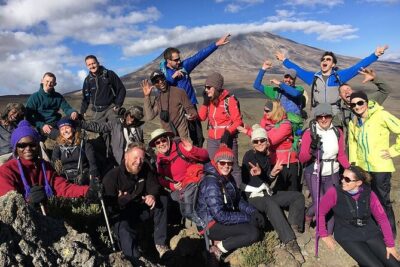
7 Days Kilimanjaro via Machame route affordable price
Read our review →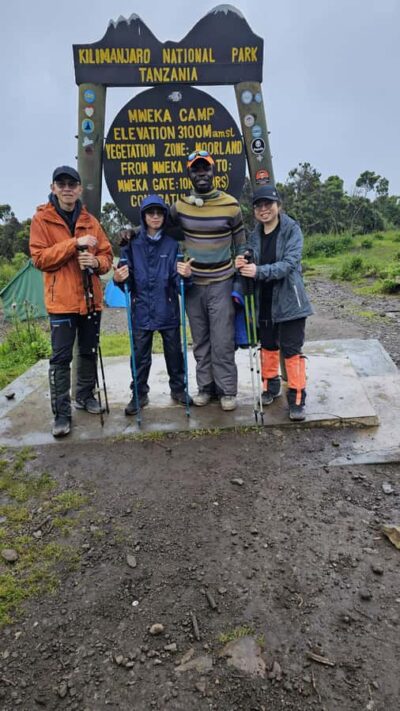
#1. Best Kilimanjaro Day hike Tour-Machame Route-ISMANI
Read our review →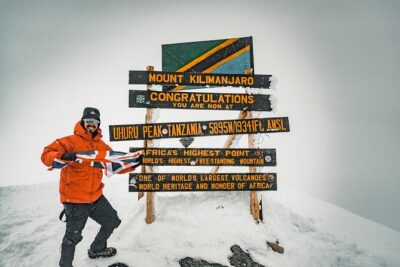
The Best of Machame Route in 6 Days: Your World’s Summit Guide
Read our review →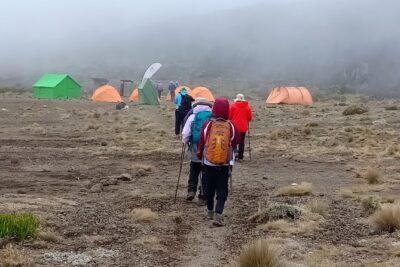
Best Kilimanjaro Adventure 7 days Machame route Trekking
Read our review →Browse the lists this tour appears in