Reviewed · ARUSHA TOURS
6-days Safari in Northern Tanzania
Wildlife comes first here. This six-day private safari from Arusha links four major Northern Tanzania sights with a very different cultural visit to Lake Eyasi. You will search for elephants in Tarangire, birds at Lake Manyara, big cats and herds in the Serengeti, and crater wildlife at Ngorongoro. The visit with the Hadzabe and Datoga communities adds something beyond the usual safari route.
I especially like the wide range of habitats packed into six days, and I like the chance to meet the Hadzabe and learn about traditional bow hunting. Guide Hosa earns special praise for adjusting the game drives to his group’s wishes, while Kevin is noted for providing consistently good food. The main caution is the pace: early starts, long drives, and full days in the vehicle will test your energy.
At $3,282.06 per person, this is a serious investment. The value depends on what is included in your final booking, especially accommodation, park fees, meals, transport, and the private vehicle. The route itself covers a lot, but you should confirm those inclusions before paying.
In This Review
- Key points to know before booking
- Why this route works in six days
- Day 1: Tarangire’s river, swamps, and giant baobabs
- Day 2: Birds, forest, and Lake Manyara
- Day 3: A very early start at Lake Eyasi
- Day 4: Entering the Serengeti
- Day 5: A second Serengeti search
- Day 6: Down into Ngorongoro Crater
- Guide, food, and the private format
- Is $3,282.06 good value?
- Who should book this safari?
- FAQ
- Where does the safari begin?
- How long is the safari?
- Which national parks are included?
- What happens at Lake Eyasi?
- Is the safari private?
- Is pickup available?
- Will the safari include the Great Migration?
- Where do you stay near Ngorongoro?
- Can I cancel for a full refund?
- Should you book it?
Key points to know before booking
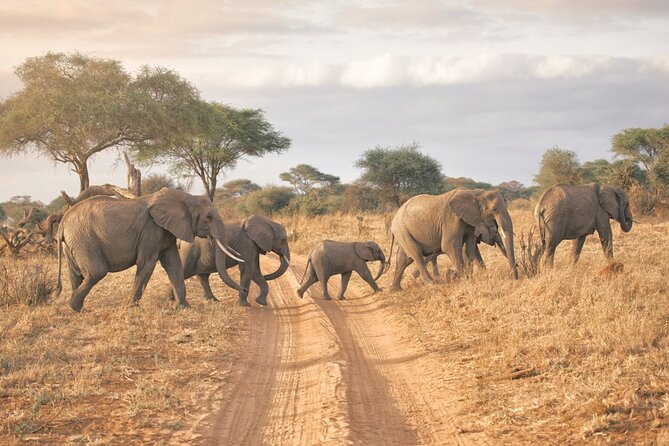
- Tarangire begins the safari with elephants and baobabs: The park is especially noted for large elephant herds from June through October, when animals gather near the Tarangire River and swamps.
- Lake Eyasi adds a human story: You spend the morning with the Hadzabe on a bow-and-arrow hunt, then meet Datoga artisans and learn about jewelry making.
- Two Serengeti days improve your odds: One afternoon is not enough for a huge park. A second full day gives you more time to search for wildlife from another area.
- Ngorongoro starts early and ends dramatically: The crater descent leads into forests and open grassland where elephants, buffaloes, and other animals may appear.
- The safari is private: Only your own group participates, which gives Hosa more room to respond to your interests.
- Expect a demanding schedule: The Lake Eyasi day begins around 5:00 or 6:00 a.m., and several days include long drives plus game viewing.
Why this route works in six days
Northern Tanzania gives you an unusually strong mix of wildlife settings in a short period. Tarangire has dry woodland, baobabs, river corridors, and swamps. Lake Manyara adds forest and a large alkaline lake. Serengeti brings open plains and immense herds, while Ngorongoro compresses a remarkable variety of animals into a volcanic crater.
The route also avoids making the safari only about famous animals. Lake Eyasi changes the rhythm. You are not just sitting in a vehicle looking for lions. You are meeting local communities and seeing how hunting and craftwork fit into daily life.
That variety is the strongest reason to consider this trip. You get classic safari scenery, bird-rich wetlands, a major cultural encounter, and one of Africa’s best-known wildlife areas. The tradeoff is time on the road. You move from Arusha to Tarangire, then Lake Manyara, Lake Eyasi, Serengeti, and Ngorongoro. This is a moving safari, not a slow stay at one camp.
Because the activity is private, your group can focus on the animals or subjects that matter most to you. Hosa is described as friendly, informative, and willing to follow requests. That flexibility matters when wildlife viewing is unpredictable. One group may want to spend longer with elephants, while another may prefer to keep searching for big cats.
A few more options to weigh up in Arusha
- Balloon Safari & Bush Breakfast in Serengeti – Miracle Experience
★ 5.0 · 1,646 reviews - Tanzania Classic – 7 Days
★ 5.0 · 1,151 reviews - 4 Days Group Camping Safari
★ 5.0 · 1,101 reviews
Day 1: Tarangire’s river, swamps, and giant baobabs
Pickup begins in Arusha in the morning, followed by the drive to Tarangire National Park. The park follows the Tarangire River and spreads across low hills on the floor of the Great Rift Valley.
The setting changes sharply with the dry season. The sun dries the grass and turns the soil dusty red, while acacia woodland and enormous baobab trees give the park its shape. In the south, large swamp areas hold water and help draw animals in.
This water pattern explains why Tarangire can be such a strong opening day. During the dry period, animals gather around the river and wetlands. The park is particularly known for large elephant herds between June and October. You might also see other wildlife moving through the woodland, though exact sightings can never be promised.
The listed game drive is about three hours, while the full day also includes pickup and the road from Arusha. That makes Day 1 shorter than some later days, but it still gives you a useful first taste of safari life. You will learn quickly that spotting animals takes patience. The reward is seeing them in a setting shaped by water, heat, and seasonal movement.
I like starting here because Tarangire does not look like the postcard version of Africa at every turn. The baobabs, dry earth, and river make it feel distinct from Serengeti’s open plains. If elephants are high on your list, the timing of your visit matters, with June through October specifically noted as a strong period.
Day 2: Birds, forest, and Lake Manyara
The next morning takes you to Lake Manyara National Park. The park covers the northwest shore and part of alkaline Lake Manyara, with the Great Rift Valley providing the wider setting.
This is the bird day. Flamingos, pelicans, and cormorants are among the best-known species here, but the park supports hundreds of other bird species. If you enjoy identifying birds, this stop deserves your attention rather than being treated as a quick break between larger parks.
Mammals add another layer. Elephants may appear in the wooded areas, and the park is associated with tree-climbing lions. Baboons and velvet monkeys are also found here. The lion behavior is unusual enough to make a sighting especially memorable, but it remains a matter of luck.
The published visit lasts about nine hours, so you should prepare for a full day in the vehicle. The long stop gives you more time to watch the changing setting, from wooded sections to the lake edge. It also means you should be ready for heat, dust, and a slower pace.
Lake Manyara earns its place on this route because it feels different from the other parks. The combination of water, forest, and birds gives you a more varied day than a simple search across open grassland. I would not book this safari expecting every famous animal at every stop, but I would value Manyara for its birdlife and unusual scenery.
Day 3: A very early start at Lake Eyasi
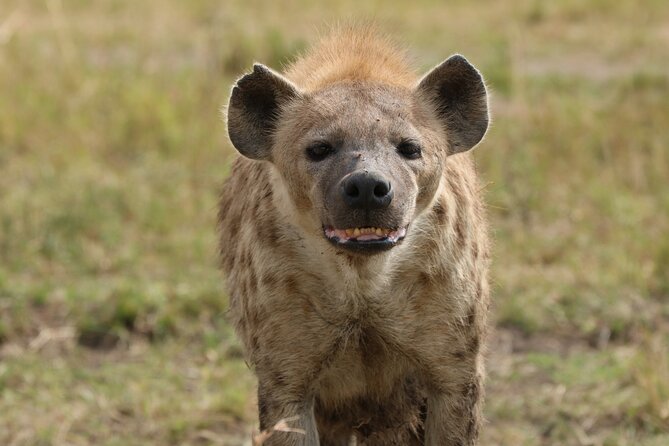
Day 3 is the trip’s most distinctive change of pace. After breakfast at your lodge in Karatu, departure is scheduled for around 5:00 or 6:00 a.m. The drive to Lake Eyasi takes about two hours, bringing you to the village around 7:00 a.m.
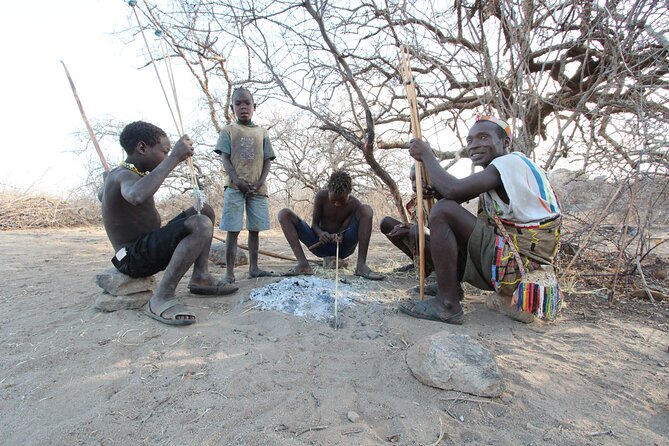
There, a local guide introduces you to the Hadzabe community. You join an early morning hunt using bow and arrow, an experience that focuses on traditional hunting culture rather than a standard wildlife drive. The hunt usually lasts a few hours.
Later, you meet members of the Datoga community and learn how jewelry is made. This gives the day two different cultural encounters. The Hadzabe visit centers on hunting, while the Datoga visit focuses on craftwork and metal jewelry.
After lunch, the program shifts again to an afternoon game drive around Lake Eyasi itself. The lake is seasonal and salty, with birdlife that makes it especially appealing if you enjoy watching birds. The surrounding setting is described as almost tropical, giving you a sharp contrast with Serengeti and Ngorongoro.
You should treat this as a demanding but worthwhile day. The early departure comes after a full day at Lake Manyara, and the schedule keeps going through the afternoon. The reward is a side of Tanzania that a standard park circuit does not provide.
The cultural portion also calls for respect. Listen to the local guide, pay attention to how the visit is organized, and remember that you are entering a community rather than watching a staged wildlife display. The available information does not specify every detail of the interaction, so ask your operator what is included and how the visit supports the local people.
A different kind of day out entirely:
- 5 Days Group Camping Safari
★ 5.0 · 730 reviews - Materuni Waterfalls, coffee tour & Kikuletwa Hot Springs
★ 5.0 · 643 reviews - 3 Days Serengeti & Ngorongoro Group Camping Safari
★ 5.0 · 574 reviews - 7-Day Premium Luxury Tanzania Safari All-Inclusive
★ 5.0 · 426 reviews
Day 4: Entering the Serengeti
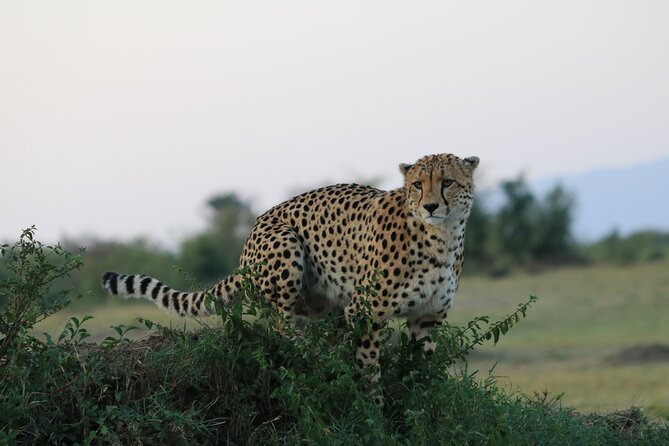
After breakfast, you continue toward Serengeti National Park. From Karatu, the drive takes several hours, with lunch on the way or just before entering the park. The afternoon continues with a game drive once you arrive.
Serengeti covers about 14,763 square kilometers. Its name comes from the Maasai language and means endless plains, a fitting description for a place where the horizon can seem to go on forever.
The park is famous for the Great Migration, when more than a million wildebeests make an annual journey north and later return south. The cycle includes a major calving period, with more than 8,000 calves born daily during the brief population explosion described for the southern return.
Those figures help explain why Serengeti is not just another stop on the schedule. It is a huge ecological system, and the animals you see depend on season and location. Migration sightings cannot be guaranteed at a particular point, but the park holds large numbers of hoofed animals throughout the year.
The afternoon drive is a good introduction, though it is only a beginning. The park is too large to understand in a single outing. That is why the second Serengeti day matters so much.
Day 5: A second Serengeti search
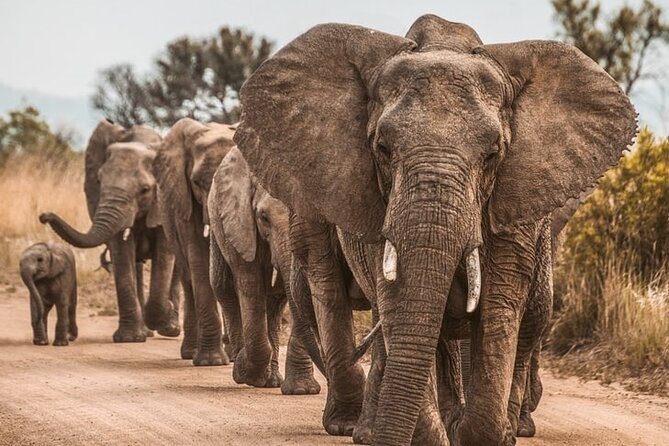
Day 5 gives you another full wildlife day from a different part of the Serengeti. This is one of the most practical choices in the plan. Instead of spending all your Serengeti time on one long approach and one afternoon drive, you get another chance to search for animals in a new area.
The park is home to hundreds of thousands of hoofed animals. You may spend part of the day looking across open grassland, then stop when your guide finds something worth watching. Hosa’s willingness to follow requests is useful here. If you want more time with a particular animal or need help understanding what you are seeing, a responsive guide can make the day much better.
The itinerary then continues toward Ngorongoro, with an overnight near the crater rim at Rhino Safari Lodge. Dinner is also planned near the rim. This transition is practical because it places you close to the next morning’s crater drive.
The downside is another long day. You will have already spent several days in a safari vehicle, and the route from Serengeti toward Ngorongoro adds more road time. Still, I would keep this second Serengeti day. Cutting it would weaken one of the safari’s best features.
Day 6: Down into Ngorongoro Crater
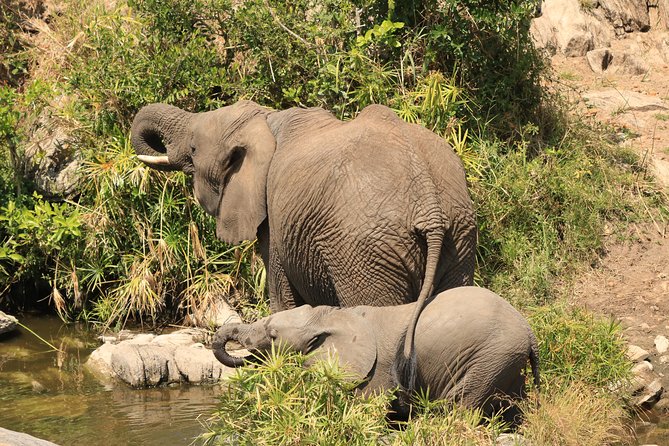
The final day begins early with a game drive in Ngorongoro Crater. The main feature is a huge volcanic caldera formed when a giant volcano exploded and collapsed two to three million years ago.
The crater floor is mostly open grassland, with two smaller wooded areas. The descent is scenic, passing through lush forest where elephants and buffaloes may be seen. Once inside, the route continues across the grassland and through a fever tree forest, with the banks of Lake Magadi also forming part of the setting described for the drive.
Ngorongoro is powerful because the crater walls make the wildlife area feel contained. You are not looking across an endless park. You are entering a vast natural bowl with forest, grass, water, and animals in close relation to one another.
The published crater visit lasts about ten hours, so this is not a quick final stop. Safari vehicles have pop-up roofs, allowing you to watch from above while remaining protected inside the vehicle. The long day also means your final hours may be tiring, particularly after the early start.
Ending at Ngorongoro works well. The crater gives the safari a clear final scene, with a dramatic descent and a concentrated wildlife setting. It also differs from Serengeti in scale and shape, so the trip does not finish with a repeat of the previous day.
Guide, food, and the private format
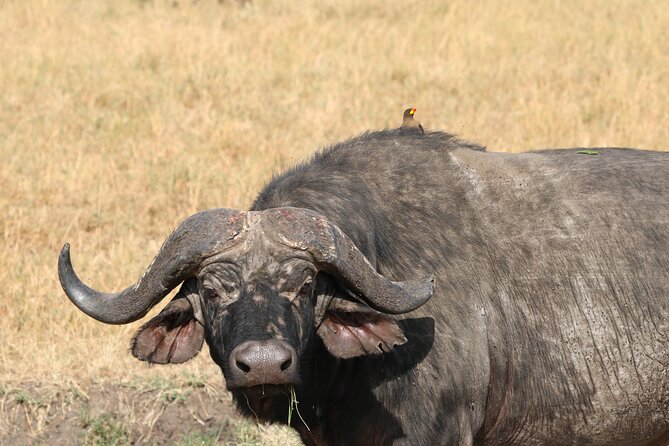
The strongest personal praise goes to Hosa, the guide. He is described as friendly, informative, and attentive to requests. He also tried to show as many animals as possible and added facts and humor along the way.
Those details matter more than a polished vehicle or a long list of park names. A safari guide controls the day’s rhythm, explains animal behavior, and decides when a sighting deserves more time. Since only your own group participates, you have a better chance of shaping the experience around your interests.
Kevin is praised for providing good food each day. That is useful information on a six-day route with several long drives and early departures. Meals become part of your stamina, not just a minor convenience.
Accommodation is described as good, with everything needed. The named overnight is Rhino Safari Lodge near the Ngorongoro Crater. Because the available details do not list every lodge or room feature, ask for the full accommodation plan before booking, especially if comfort level matters to you.
Is $3,282.06 good value?
The price is $3,282.06 per person. That is not a budget safari, but the route covers six days and includes several major parks plus Lake Eyasi. The private format also adds value if you want more control over the pace and interests of your group.
The fair question is not simply whether the price is high or low. Ask what the amount covers. The supplied details confirm pickup is offered, Lake Eyasi and Ngorongoro include admission tickets, and the activity is private. They do not provide a complete breakdown of park fees, meals, lodging categories, or vehicle costs.
I would compare the price based on four things:
- The quality and location of the accommodation
- Whether all meals and park entry costs are included
- The type of safari vehicle and its condition
- The number of people in your private group
The route has real value for someone who wants variety without arranging several separate bookings. You get Tarangire, Manyara, Serengeti, Ngorongoro, and Lake Eyasi in one organized trip. If you mainly want a relaxed stay at one lodge, this is not the right use of your money.
Who should book this safari?
I would recommend it to you if you want a broad first look at Northern Tanzania and do not mind moving often. It suits people who care about elephants, birds, large herds, volcanic scenery, and cultural contact in equal measure.
It is also a strong choice if you prefer a private trip. Hosa’s flexible approach should help if your group has specific wildlife goals. Bird lovers will appreciate Lake Manyara and Lake Eyasi, while anyone interested in traditional cultures will value the Hadzabe and Datoga visits.
I would think twice if you dislike pre-dawn departures or long road days. The Lake Eyasi morning begins around 5:00 or 6:00 a.m., and the Serengeti approach takes several hours. The schedule is full by design.
Free cancellation is available if you cancel at least 24 hours before the start time. Changes made within 24 hours are not accepted, and a minimum group size is required. If the operator cancels because that minimum is not met, you should be offered another date or experience, or a full refund.
FAQ
Where does the safari begin?
The safari begins with pickup from your hotel in Arusha, Tanzania.
How long is the safari?
The experience lasts approximately six days.
Which national parks are included?
The route includes Tarangire National Park, Lake Manyara National Park, Serengeti National Park, and Ngorongoro Crater.
What happens at Lake Eyasi?
You visit the Hadzabe community for an early morning bow-and-arrow hunt, meet the Datoga community to learn about jewelry making, and take an afternoon game drive around the seasonal salt lake.
Is the safari private?
Yes. Only your own group participates in this private tour and activity.
Is pickup available?
Yes. Pickup is offered from your hotel in Arusha.
Will the safari include the Great Migration?
The Serengeti is home to the Great Migration, but the supplied details do not guarantee that you will see it during this six-day trip.
Where do you stay near Ngorongoro?
The itinerary includes an overnight near the crater rim at Rhino Safari Lodge, with dinner near the rim.
Can I cancel for a full refund?
Yes, if you cancel at least 24 hours before the experience’s start time. Cancellations made less than 24 hours before the start time are not refunded.
Should you book it?
Book this safari if you want a busy, wildlife-heavy route with a real cultural element. The best features are the two Serengeti days, the elephant country of Tarangire, and the unusual Lake Eyasi visit. Hosa’s flexible guiding and Kevin’s well-regarded food add welcome personal care.
Before committing $3,282.06 per person, confirm exactly what the price includes and ask for the full lodging plan. If the inclusions match your expectations, this is a strong choice for a private introduction to Northern Tanzania.
Just added in Arusha
- Safari “Kifaru” – 5 days in the most famous Parks in the world★ 5.0 · 4 reviews
- Saadani Day Trip★ 5.0 · 13 reviews
- 3 Days Tanzania Short and Spicy★ 5.0 · 6 reviews
- 5 Day Tanzania Safari Camping Adventure Private Tour★ 5.0 · 2 reviews
- Day Trip to Ngorongoro Crater from Arusha★ 5.0 · 1 review
- SERENGETI NATIONAL PARK Tour★ 4.5 · 5 reviews
- 3 Days Serengeti Park & Ngorongoro Crater Adventure Safari★ 5.0 · 8 reviews
- 6 Days Tanzania Bush Experience Safari★ 5.0 · 6 reviews
Arusha Tours, compared.
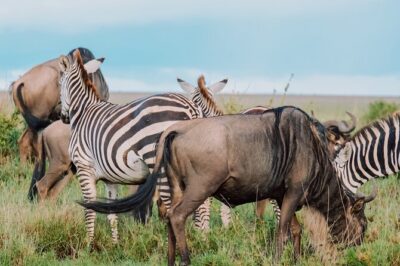
Balloon Safari & Bush Breakfast in Serengeti – Miracle Experience
Read our review →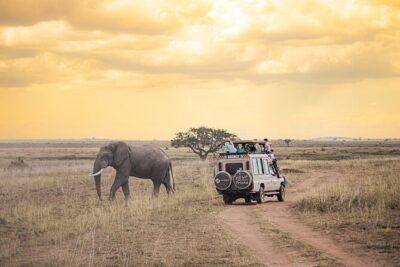
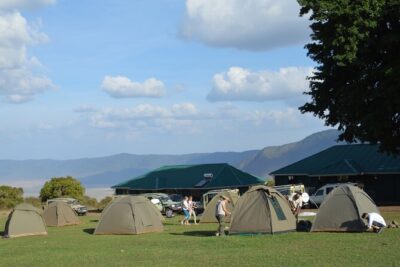
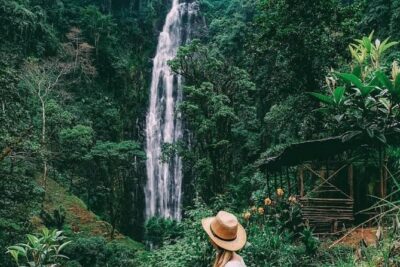
Materuni Waterfalls, coffee tour & Kikuletwa Hot Springs
Read our review →
3 Days Serengeti & Ngorongoro Group Camping Safari
Read our review →
7-Day Premium Luxury Tanzania Safari All-Inclusive
Read our review →