
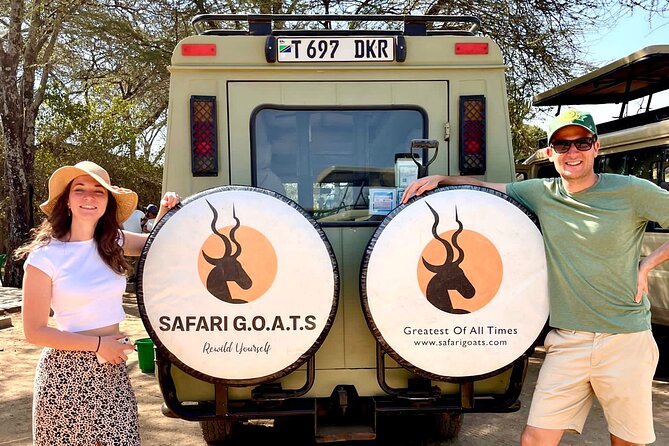
Reviewed · SERENGETI & NGORONGORO SAFARIS
6 Days Tarangire, Serengeti, Ngorongoro & Manyara Joining Tour
Wildlife comes close in northern Tanzania. This six-day safari links four famous parks in a custom jeep with a pop-up roof, a guide-driver, a chef, and no more than seven people. I like the generous three days in the Serengeti, and I like that park fees, camping gear, meals, bottled water, and soft drinks are included. The main drawback is the amount of time spent driving, especially the six-hour transfer into the Serengeti and the long park-to-park days.
This is built for people who want animals first and comfort second. You will camp for at least part of the trip, rise early, and spend many hours watching the bush from the vehicle. The small group helps, but the schedule is still full, and the exact balance between camping and lodge stays is not fully explained before booking.
In This Review
- Six things that shape this safari
- What your $1,600 covers
- Day 1: Tarangire’s elephants and ancient baobabs
- Day 2: The long road from Manyara to Serengeti
- Days 3 and 4: Why three Serengeti days matter
- Day 5: Down into Ngorongoro Crater
- Day 6: Flamingoes, hippos, and Manyara’s unusual lions
- The vehicle, group size, and daily rhythm
- Camping, meals, and what to pack
- Who will get the most from this route
- Booking details worth checking first
- Should you book this six-day safari?
- FAQ
- Where does the safari begin?
- How long does the safari last?
- How many people can join the tour?
- What vehicle is used?
- Which national parks are included?
- How much time is spent in the Serengeti?
- Are park entrance fees included?
- Are meals included?
- Is camping equipment provided?
- Is the Maasai village visit required?
- Are flights and visas included?
- Can I cancel for a full refund?
Six things that shape this safari
- Three full Serengeti days give you a better chance of following changing animal movements rather than rushing through one game drive.
- A custom safari jeep with a pop-up roof gives you a raised view for wildlife and photography.
- Ngorongoro Crater offers unusually concentrated animal viewing on a crater floor, including a chance to search for black rhino.
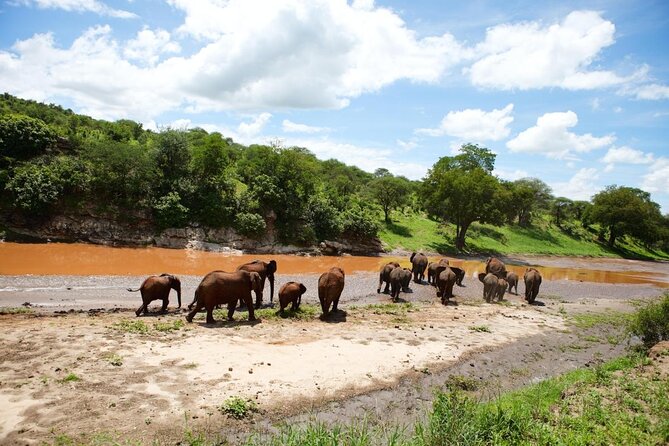
- Tarangire is elephant country, with old baobabs, giraffes, zebras, wildebeest, and possible lion, cheetah, and leopard sightings.
- Lake Manyara adds birds, hippos, monkeys, and hot springs, with tree-climbing lions as a possible bonus rather than a promise.
- A maximum of seven people keeps the group smaller than a large coach-style safari, while the chef handles five dinners and six breakfasts and lunches.
What your $1,600 covers
At $1,600 per person, this is not a budget bus ride, but the price includes many of the costs that can quickly build up on safari. Park entrances and taxes are covered, as are breakfast each morning, six lunches, five dinners, bottled water of at least three litres per day, soft drinks, a sleeping bag, and a sleeping mattress.
That package gives you a clear value advantage. The parks are the reason you come, and entry fees are a major part of any northern Tanzania safari. You also avoid arranging separate meals and carrying camping equipment from home.
The price does not include flights, a visa, or tips. Set aside room for those expenses. Tips are not a fixed charge here, so you can decide what feels fair after considering the guide-driver’s work, the chef’s cooking, vehicle care, and the quality of the safari.
The accommodation deserves a careful question before you pay. The trip is described as a camping and lodge safari, and it includes camping equipment, but the supplied details do not give a night-by-night list of lodge names or the exact number of lodge nights. You should confirm where you sleep each night, what facilities are available, and if the tent is set up for you.
More Serengeti and Ngorongoro safaris:
- Balloon Safari & Bush Breakfast in Serengeti – Miracle Experience
★ 5.0 · 1,646 reviews - 3 Days Serengeti & Ngorongoro Group Camping Safari
★ 5.0 · 574 reviews - 5-Day Highlights mid-Range Crater, Serengeti, Tarangire
★ 5.0 · 296 reviews
Day 1: Tarangire’s elephants and ancient baobabs
Pickup is at about 7:30 a.m. from your hotel in Arusha. You meet the guide-driver, chef, and other members of the group before the roughly two-hour drive to Tarangire National Park.
Tarangire makes a strong opening act because it feels distinct from the parks that follow. Its old baobab trees give the scenery a strange, sculptural look, while elephants are the main attraction. The park is known for large elephant numbers, and you may see family groups feeding, moving together, or reacting to one another.
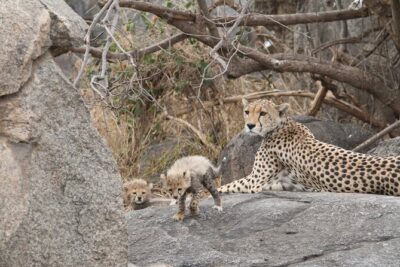
The game drive lasts about six hours. Giraffes, wildebeest, and zebras should be easier to find than predators, while lions, cheetahs, and leopards require more patience and luck. The guide follows reported animal sightings, which is sensible, but it also means the exact route is not fixed.
This first day is a useful test of safari life. You will spend much of the day seated in the vehicle, looking for movement among trees and grass. The pop-up roof lets you stand for a better view, but bring patience, sun protection, and a camera with enough battery power.
Day 2: The long road from Manyara to Serengeti
After breakfast near Mto wa Mbu, you set out for the Serengeti. The transfer takes about six hours, including stops, and passes through the Ngorongoro area.
This is one of the trip’s less glamorous stretches, but it serves a purpose. You are moving from the southern parks into the larger Serengeti, and the route gives you a first look at the Ngorongoro region before the main game drives begin.
There is a short stop at the Ngorongoro gate and viewpoint, with about 20 minutes to see the crater from above. The view is a fine preview of the next major stop, though you should not expect a full crater visit on this day.
An optional Maasai village visit lasts about 20 to 45 minutes. It is meant as a cultural stop, with a chance to learn about Maasai customs and changing traditions. The description notes that many people choose not to take this option, so treat it as an add-on, not a central part of the safari.
The key trade-off is simple: much of Day 2 is transport, not wildlife viewing. If you want to reach the Serengeti without sacrificing three nights of access, this is the price in time.
Days 3 and 4: Why three Serengeti days matter
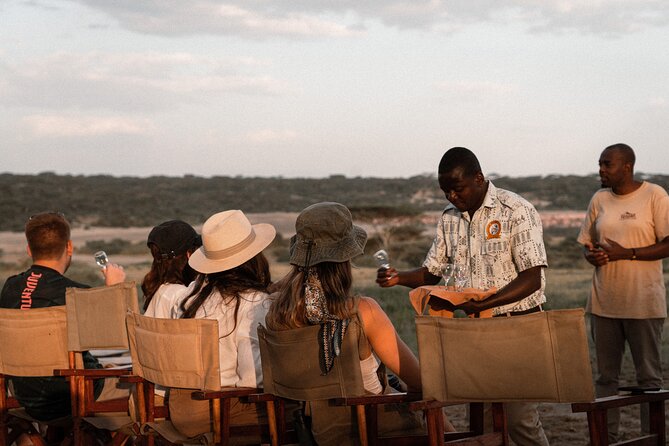
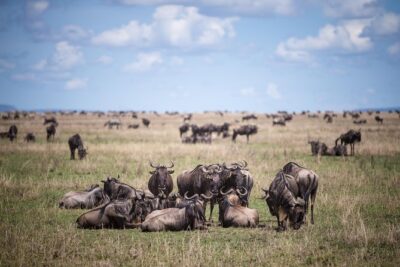
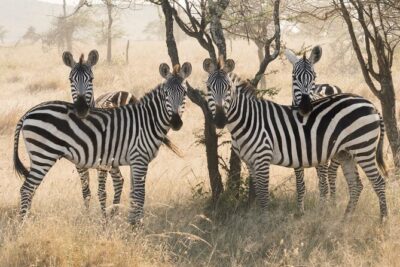
The Serengeti is the heart of this route. It is famous for the movement of more than one million wildebeest alongside more than 250,000 zebras, although the location of the animals changes with the season and migration cycle.
Day 3 starts with an early breakfast and an early game drive. The route may head north, south, east, or west depending on recent wildlife sightings. You continue after lunch until evening, then return to camp for dinner and sleep.
That flexible approach is one of the strongest parts of the plan. A safari is not a zoo visit, and the animals do not follow a timetable. Three days give the guide more chances to adjust the search instead of treating the Serengeti as a quick box to tick.
You may also see wildlife around the campsite. That does not mean you should wander out looking for animals. Follow camp rules and listen to your guide, especially after dark.
Day 4 begins with another early game drive. Around the afternoon, you return to camp for lunch and packing, then continue your drive while leaving the Serengeti for Simba Campsite near the Ngorongoro rim. The trip description gives the final approach as about two hours.
This day can feel compressed. You have a morning game drive, packing, lunch, more wildlife viewing, and a transfer to the next overnight stop. Still, it avoids wasting a full day on a direct transfer and may produce more animal sightings as you leave the park.
The Serengeti is also the best part of the trip for photographers. The safari has already been praised for careful organization, shared-vehicle photo opportunities, and close wildlife encounters. Bring spare storage and protect your equipment from dust, because you may be taking pictures for hours.
More Tarangire safaris:
- Private 6-Day Tarangire Manyara Crater and Serengeti with Mid-Range Lodges
★ 5.0 · 238 reviews - 5 Days Camping Tarangire, Serengeti & Ngorongoro crater & Visiting Maasai
★ 5.0 · 229 reviews - 4 Days Join Group tour Tarangire Serengeti and Ngorongoro crater
★ 5.0 · 219 reviews - 4-Day Safari from Arusha: Tarangire, Serengeti and Ngorongoro
★ 5.0 · 173 reviews
Day 5: Down into Ngorongoro Crater
You leave early after breakfast and descend into Ngorongoro Crater. The crater floor is one of the easiest places on this route for concentrated animal viewing because the enclosed setting brings many species into a relatively compact area.
The main target is black rhino, one of the hardest animals to spot. That makes the search exciting, but it is important to keep expectations realistic. A safari can place you in the right habitat without guaranteeing a sighting.
You will also have time to look for other crater wildlife during the morning and after lunch. The crater’s appeal is not only the animals. From the rim, the broad bowl and surrounding views give the stop a sense of scale that differs from the open Serengeti.
After the game drive, you ascend, return to camp, pack, and continue toward Big Fig Tree Lodge and Campsite near Lake Manyara National Park. Swimming is mentioned as an option, so bring suitable clothing if you want to use it. The day contains a major game drive plus another transfer, so it may be tiring.
The Ngorongoro stop is worth the effort, but it also shows the limits of a six-day route. You get an important visit, yet the day is packed with an early start, crater driving, packing, and onward travel.
Day 6: Flamingoes, hippos, and Manyara’s unusual lions
After breakfast, you enter Lake Manyara National Park for the final game drive. The park adds a different mix of scenery and wildlife to the route, especially birds and water-loving animals.
Flamingoes are a major reason for the visit. Their numbers and location can vary, but the lake is known for colourful flocks. You may also visit the hippo pool for a close look at hippos, always from the safe viewing arrangements directed by the safari team.
The park is also known for tree-climbing lions. They are rarely seen, so regard them as a lucky extra rather than the main reason to book the day. A guide can search likely areas, but no responsible safari should promise this sighting.
Other possible sightings listed for the drive include buffaloes, wildebeest, warthogs, vultures, eagles, and monkeys. A hot spring is also part of the route. After several days focused on big mammals, Manyara gives birdlife and smaller details more room.
A six-hour final visit is generous enough to avoid a rushed farewell. Still, you should confirm the final drop-off arrangements when booking, since the stated pickup information gives a start time but does not spell out every end-of-trip detail.
The vehicle, group size, and daily rhythm
The safari uses a custom jeep with a pop-up roof. That design matters. You can rise above the vehicle for a wider view, and the open roof is especially useful when animals are nearby or when you want a clear angle for photographs.
The group maximum is seven people. That is small enough to feel more personal than a large sightseeing vehicle, though a full jeep can still feel busy when everyone wants the same side or the same photograph. The vehicle is shared unless you arrange otherwise.
The guide-driver and chef are central to the experience. The guide handles routes, sightings, park timing, and wildlife viewing, while the chef prepares the included meals. The strongest praise attached to this trip focuses on organization, thoughtful planning, close animal encounters, and the way the safari works for people who care about photos and video.
The schedule follows the normal safari pattern: early breakfast, early game drive, a midday meal or return to camp, then more viewing. Early starts are not optional in spirit. They offer cooler hours and a better chance of seeing active animals, but you should be comfortable waking early for several consecutive days.
Camping, meals, and what to pack
The included sleeping bag and mattress reduce the amount of equipment you need to bring. Water is also covered at a useful level, with at least three litres of bottled water per person each day, plus soft drinks.
Six breakfasts and six lunches are included, along with five dinners. That means the food plan covers nearly the entire route, but you should ask what happens on the sixth evening if your schedule extends beyond the listed dinner service.
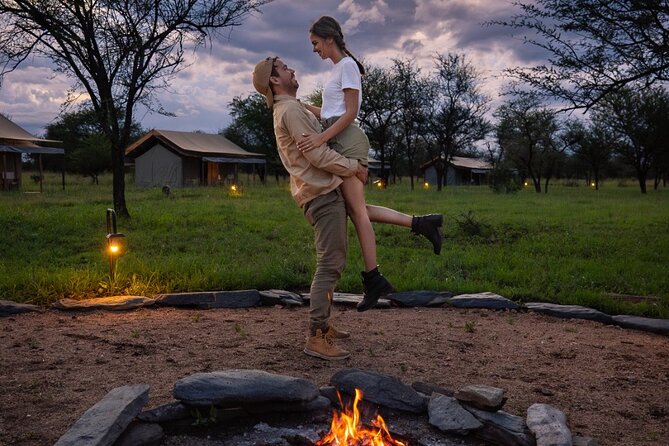
The trip combines camping and lodge accommodation. Because the exact room and campsite details are not provided, ask about bathrooms, showers, electricity, mosquito protection, and whether tents are already pitched. These are not minor questions after a long game-drive day.
Pack light, with clothes that can handle dust, a warm layer for early mornings, sun protection, comfortable shoes, and a camera charging plan. The supplied details do not state a luggage limit, so confirm that before arrival rather than assuming the vehicle has unlimited space.
Who will get the most from this route
I would choose this safari if your priority is wildlife time across several major parks. It suits a solo participant who is happy to share a vehicle, a couple who wants a broad northern circuit, and a photographer who values repeated game drives over a luxurious room every night.
It is especially good for someone who wants more than a single glimpse of the Serengeti. Three days there give you a real chance to follow changing sightings, while Tarangire, Ngorongoro, and Manyara each add something different.
I would hesitate if you dislike early mornings, long drives, camping, or uncertain animal sightings. The route is active and tightly scheduled. You may see extraordinary wildlife, but you cannot order a rhino, leopard, or tree-climbing lion like a menu item.
The optional Maasai village stop also calls for a personal choice. Take it if you want a brief cultural visit and are comfortable with the format. Skip it if you would rather use the time for the road or the parks.
Booking details worth checking first
Pickup is offered, with a stated start time of 7:30 a.m. Confirmation is provided at booking, and the tour is near public transportation. Most people can participate, and the group is capped at seven.
The cancellation terms are generous if your plans change: cancel at least 24 hours before the local start time for a full refund. Cancellations or changes made inside that 24-hour window are not accepted for a refund.
Before paying, I would ask four practical questions: the precise accommodation plan, the final drop-off point, the luggage allowance, and the additional cost or arrangements for the optional Maasai village visit. The supplied information does not answer those points clearly.
Should you book this six-day safari?
Book it if you want a serious wildlife schedule, a small group, and access to the four headline parks of Tanzania’s northern circuit. The best value comes from the included park fees, meals, water, camping gear, and three Serengeti days.
Skip it if you want a slow luxury holiday with short transfers and guaranteed sightings. This is an active safari with long road sections and a camping element. For an animal-focused first visit to northern Tanzania, though, the route is thoughtfully assembled, varied, and packed with genuine chances to see the country’s famous wildlife.
FAQ
Where does the safari begin?
The experience is based in Arusha, Tanzania, and pickup is offered from your hotel. The stated start time is 7:30 a.m.
How long does the safari last?
The safari lasts approximately six days.
How many people can join the tour?
The maximum group size is seven people.
What vehicle is used?
The safari uses a custom safari jeep with a pop-up roof, accompanied by a guide-driver and a chef.
Which national parks are included?
The route includes Tarangire National Park, Serengeti National Park, Ngorongoro Conservation Area and Crater, and Lake Manyara National Park.
How much time is spent in the Serengeti?
The itinerary gives you three days in the Serengeti area, including the arrival day, a full game-drive day, and the departure day.
Are park entrance fees included?
Yes. All park entrances and taxes are included in the tour price.
Are meals included?
Yes. The package includes six breakfasts, six lunches, and five dinners.
Is camping equipment provided?
Yes. A sleeping bag and sleeping mattress are included. The experience combines camping and lodge accommodation.
Is the Maasai village visit required?
No. The visit is optional and takes about 20 to 45 minutes. The stated itinerary notes that many people choose not to take it.
Are flights and visas included?
No. Flights and visas are not included.
Can I cancel for a full refund?
Yes, if you cancel at least 24 hours before the experience start time. Cancellations made less than 24 hours before the start are not refunded.
More Lake Manyara Safaris
- 3 Days Tarangire, Ngorongoro & Lake Manyara Group Camping Safari
★ 5.0 · 102 reviews - 3 Days Private Safari – manyara, Ngorongoro & Tarangire
★ 5.0 · 94 reviews - 05 Days Tarangire, Serengeti, Ngorongoro and Lake Manyara
★ 5.0 · 54 reviews - 5 Days 4 Nights Tarangire, Serengeti , Ngorongoro & Manyara Wildlife Safari
★ 5.0 · 40 reviews
Just added in Arusha
- Safari “Kifaru” – 5 days in the most famous Parks in the world★ 5.0 · 4 reviews
- Saadani Day Trip★ 5.0 · 13 reviews
- 3 Days Tanzania Short and Spicy★ 5.0 · 6 reviews
- 5 Day Tanzania Safari Camping Adventure Private Tour★ 5.0 · 2 reviews
- Day Trip to Ngorongoro Crater from Arusha★ 5.0 · 1 review
- SERENGETI NATIONAL PARK Tour★ 4.5 · 5 reviews
- 3 Days Serengeti Park & Ngorongoro Crater Adventure Safari★ 5.0 · 8 reviews
- 6 Days Tanzania Bush Experience Safari★ 5.0 · 6 reviews
Serengeti & Ngorongoro Safaris, compared.
Serengeti Balloon Safari and authentic bush breakfast
Read our review →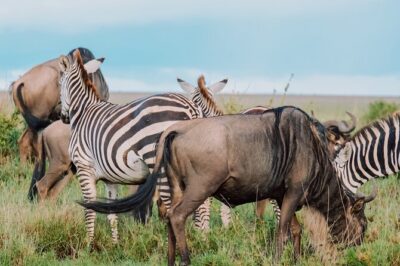
Balloon Safari & Bush Breakfast in Serengeti – Miracle Experience
Read our review →
3 Days Serengeti & Ngorongoro Group Camping Safari
Read our review →
5-Day Highlights mid-Range Crater, Serengeti, Tarangire
Read our review →
Private 6-Day Tarangire Manyara Crater and Serengeti with Mid-Range Lodges
Read our review →
5 Days Camping Tarangire, Serengeti & Ngorongoro crater & Visiting Maasai
Read our review →Browse the lists this tour appears in