
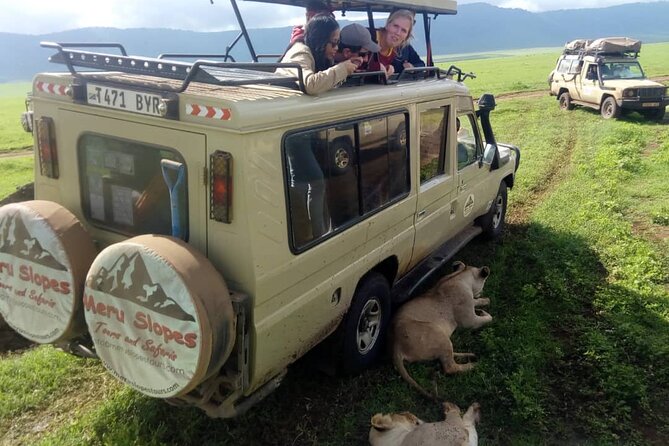
Reviewed · SERENGETI & NGORONGORO SAFARIS
7-Day Group Camping Tarangire/Serengeti/Ngorongoro/lake Manyara
The migration is only part of the story. This seven-day safari links four of northern Tanzania’s best-known wildlife areas, moving from elephant country in Tarangire to the wide grasslands of the Serengeti, then down into Ngorongoro Crater and on to Lake Manyara. I like the long Serengeti stay, which gives you more than a quick drive-through, and I like that airport transfers, Arusha hotel nights, meals, a cook and a pop-up-roof 4×4 are included. The main caution is the migration timing: the description highlights October to December, but its own itinerary discusses the Mara River crossings from July to October. Confirm the exact route and dates before paying.
This is camping, but not wilderness survival. You sleep at established campsites, eat cooked meals, and spend most days in a safari vehicle. The trip is sold at $1,790 per person and is aimed at people who want a broad, classic Tanzania safari without changing hotels every night. The schedule is full, with early breakfasts, long drives and several days in the vehicle, so comfort with dust, heat, rough roads and basic camp life matters.
In This Review
- Key points at a glance
- What $1,790 buys you in practical terms
- Day 1: Elephants and baobabs in Tarangire
- Day 2: The road from Tarangire to central Serengeti
- Days 3 and 4: Give the Serengeti the time it deserves
- Day 5: Sunrise, one last Serengeti drive and the move to Ngorongoro
- Day 6: Inside Ngorongoro Crater
- Day 7: Lake Manyara and the return to Arusha
- The guide and cook can make or break the week
- Who should book this safari?
- My booking verdict
- FAQ
- What parks does the seven-day safari visit?
- Is camping included?
- Are meals included?
- Are airport transfers included?
- When is the safari offered?
- Can I cancel for a full refund?
Key points at a glance
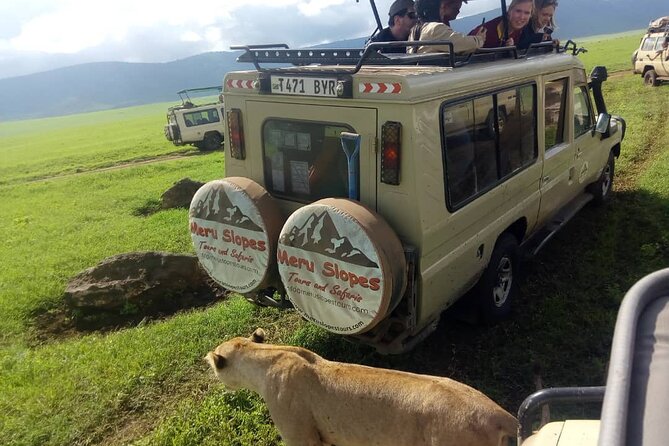
- Four major wildlife areas in seven days: Tarangire, Serengeti, Ngorongoro Crater and Lake Manyara give you a broad picture of northern Tanzania.
- Three full or near-full Serengeti days: The extra time improves your odds of finding predators, big herds and migration activity.
- Camping with practical support: A cook prepares breakfast, lunch and dinner, while the safari vehicle carries luggage and supplies.
- Guides make a real difference: Names praised for their spotting and driving include Jacob, Mohamed, Nuru and Freddy, though your assigned team may differ.
- Added local contact: The Mto wa Mbu walk and Maasai boma visit bring people and daily life into a trip otherwise focused on wildlife.
- Check the migration plan carefully: October to December is advertised, but the itinerary also describes northern Serengeti crossings in July through September.
What $1,790 buys you in practical terms
At $1,790 per person, this is not a bare-bones park transfer with a few game drives added. The price covers park fees and taxes, airport transfers in both directions, two nights in Arusha, seven breakfasts, seven lunches, seven dinners, and use of an extended 4×4 safari vehicle with a pop-up roof.
That package has real value. Park fees alone can make northern Tanzania expensive, and the food provision means you are not buying restaurant meals every day. You also avoid arranging a separate airport pickup, a pre-safari Arusha hotel and a post-safari room.
The word camping still matters. The information provided does not promise luxury tented camps or private bathrooms at every stop. You should expect group-style campsite accommodation and a routine built around tents, shared facilities and early starts. The vehicle is described as a luxury safari jeep, but the sleeping arrangements are a separate matter.
There is also a small inconsistency worth clearing up. The experience is presented as group camping, while the additional information calls it a private activity for only your group. Some past departures included another couple and a solo participant, forming a small shared party. Ask whether you are booking a private vehicle or joining a scheduled group, and how many seats will be occupied.
More Serengeti and Ngorongoro safaris:
- Balloon Safari & Bush Breakfast in Serengeti – Miracle Experience
★ 5.0 · 1,646 reviews - 3 Days Serengeti & Ngorongoro Group Camping Safari
★ 5.0 · 574 reviews - 5-Day Highlights mid-Range Crater, Serengeti, Tarangire
★ 5.0 · 296 reviews
Day 1: Elephants and baobabs in Tarangire
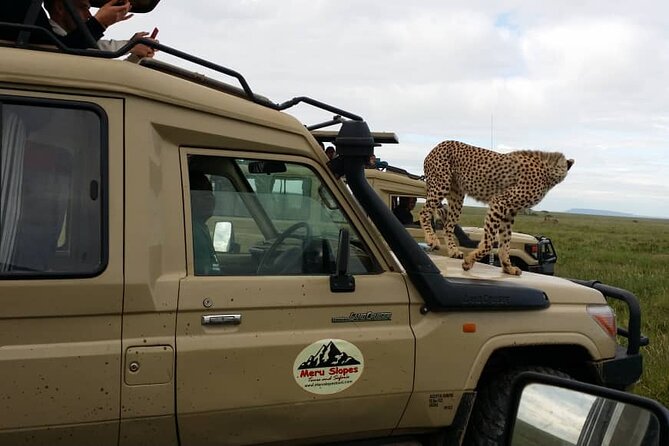
Pickup from your Arusha hotel is scheduled around 8:00 a.m., with a roughly three-hour drive to Tarangire National Park. The park lies about 115 kilometers from Arusha and covers around 2,800 square kilometers, so the day is not simply a short introduction before dinner.
The main draw is Tarangire’s elephant population. The Tarangire River gives animals a vital water source, and the park is also known for its striking baobab trees. Those two features give the first game drive a clear character: large mammals gathered around water, framed by ancient-looking trees.
You may also look for lions, leopards, other plains animals and pythons that climb trees. The promise of a leopard should always be treated as a possibility rather than a guarantee, but Tarangire gives your guide a good setting in which to search. The park is especially useful early in the trip because you begin with a different type of scenery and animal concentration than you will find in the Serengeti.
After a full day in the park, you drive to Jambo Lodge for dinner and overnight accommodation. That first day is long, yet the timing makes sense: you get a proper safari day instead of spending the afternoon settling into camp.
Day 2: The road from Tarangire to central Serengeti
Day two combines transport with wildlife viewing. After breakfast, you pack your luggage into the jeep and begin an en-route game drive toward the Serengeti, carrying lunch in the vehicle.
The journey includes views of the Rift Valley and Ngorongoro Crater. The route is part of the experience, but it also means you spend many hours on the road. Arrival in the Serengeti is expected around 3:00 p.m., followed by an evening drive in central Serengeti and a sunset before dinner at Seronera campsite.
This is one of the more demanding days. You are changing areas, covering substantial distance and still expected to enjoy a game drive at the end. I would pack water, sunglasses, a light layer and anything you need within easy reach, since your main luggage may be stored in the vehicle.
Central Serengeti is a sensible base because it allows access to a large portion of the park. The benefit is location. The tradeoff is that a central campsite can feel busy during a popular season, and you have little free time after reaching camp.
Days 3 and 4: Give the Serengeti the time it deserves
The strongest part of this itinerary is the amount of time devoted to the Serengeti. You have two full days after arrival, followed by another morning and afternoon as you leave for Ngorongoro.
On day three, an early breakfast is followed by a long game drive toward northern Serengeti. The stated focus is the movement of wildebeest and the dramatic river-crossing areas, particularly Kogatende and the Mara River. The itinerary also names Ndutu Plains, although Ndutu is associated with a different part of the annual cycle and should be confirmed against your travel dates.
Here is the key point: the Great Migration does not run on a fixed timetable. The provided schedule says the best chance for river crossings is generally July through September, with crossings beginning in the Kogatende area around July. It also says the advertised trip operates from October to December. Those details do not line up neatly, so you should ask the operator which region you will actually visit during your dates and what migration activity is realistic.
The herds can cross back and forth rather than making one tidy march. Rain and fresh grass influence their movement, and no guide can order a crossing to happen at a particular hour. A skilled driver can improve your position, though. Mohamed is specifically praised for getting into the right place before other vehicles arrived, while Jacob is praised for sharp animal spotting. Your guide may be someone else, but these comments show what you should value: good communication with other drivers, patience and a strong eye.
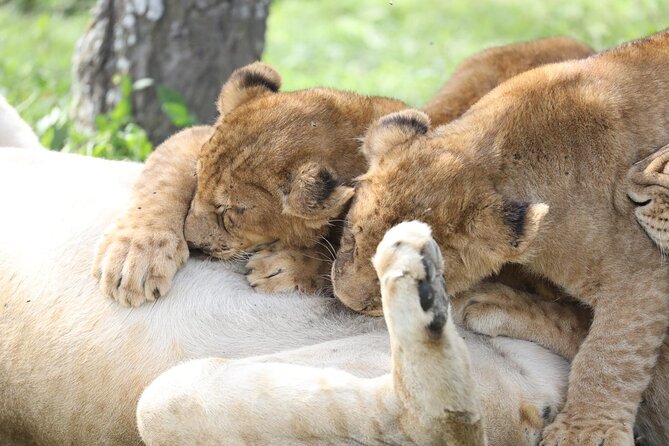
Day four is another full Serengeti game-drive day. You may spend much of it tracking the herds, but the Serengeti is not only about wildebeest. You could also search for lions, cheetahs, leopards and the many other animals found across the park. The great advantage of staying longer is flexibility. If the first drive produces little action, the guide has another day to adjust the search.
The drawback is physical. Ten-hour game-drive days can be tiring, especially on rough tracks. You will spend a lot of time seated, with dust and sun coming through the open roof. For most people, the wildlife payoff is worth it, but this is not a gentle sightseeing holiday.
More Tarangire safaris:
- Private 6-Day Tarangire Manyara Crater and Serengeti with Mid-Range Lodges
★ 5.0 · 238 reviews - 5 Days Camping Tarangire, Serengeti & Ngorongoro crater & Visiting Maasai
★ 5.0 · 229 reviews - 4 Days Join Group tour Tarangire Serengeti and Ngorongoro crater
★ 5.0 · 219 reviews - 4-Day Safari from Arusha: Tarangire, Serengeti and Ngorongoro
★ 5.0 · 173 reviews
Day 5: Sunrise, one last Serengeti drive and the move to Ngorongoro
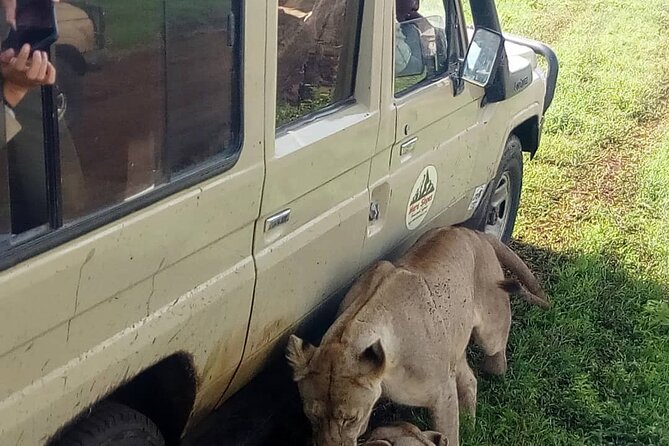
The schedule begins at about 5:45 a.m. with breakfast, followed by an early morning game drive until around 11:30 a.m. Sunrise is one of the best times to be out. The cooler air and soft light can make the drive feel very different from the hot middle of the day.
You return to camp for a hot lunch, pack the vehicle and continue with another game drive while heading toward Ngorongoro Crater. Dinner and overnight accommodation are at Simba campsite.
This is another day when the itinerary prioritizes coverage over rest. You get one final Serengeti search, but the transfer to Ngorongoro takes time. The benefit is that you do not waste a full day simply driving between parks. The cost is that you may arrive at camp ready to sleep rather than socialize.
The cook is an important part of this kind of trip. Salim, described as a stomach engineer, received particular praise for preparing fresh meals and helping when someone felt unwell. Gadi is also named as a cook and supplier on another departure. These individual staff assignments are not guaranteed, but the pattern is clear: food can shape your mood on a camping safari, and a good cook is worth appreciating.
Day 6: Inside Ngorongoro Crater
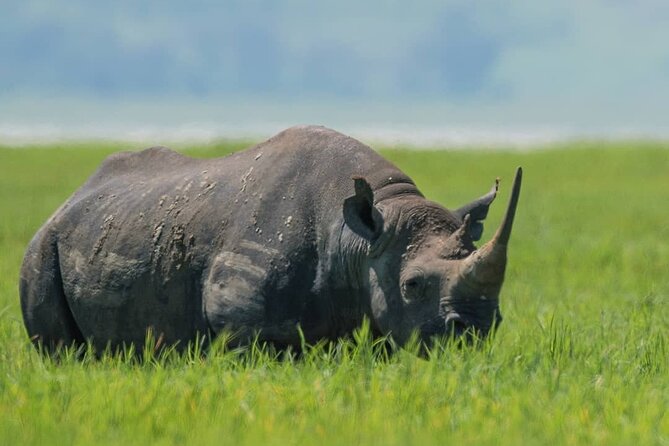
You rise around 5:30 a.m., eat breakfast and descend to the crater floor. The drive down is more than a scenic change. Ngorongoro’s enclosed setting supports a high concentration of wildlife, making it one of the best places on this route to look for the Big Five.
The day includes a six to seven-hour game drive. Black rhinos are specifically mentioned, as are many bird species and flamingos around the water. You eat lunch inside the crater while continuing to watch the natural activity around you.
The crater is one of the trip’s most efficient wildlife stops. In a relatively compact area, you may see a strong mix of large mammals, predators and birds. That concentration also means more vehicles can gather around sightings, particularly during busy periods.
After the crater drive, you ascend and pass through the campsite to collect your luggage. You then return to Jambo Lodge for dinner and overnight accommodation. Before or after this, the schedule includes a walking tour in Mto wa Mbu village, with banana plantations and the chance to taste local food.
This village visit helps balance the safari. You are not only looking through a vehicle window at animals; you also get a small look at how local people live and work. The timing may feel packed after a long crater day, so confirm the exact order with your operator.
Day 7: Lake Manyara and the return to Arusha
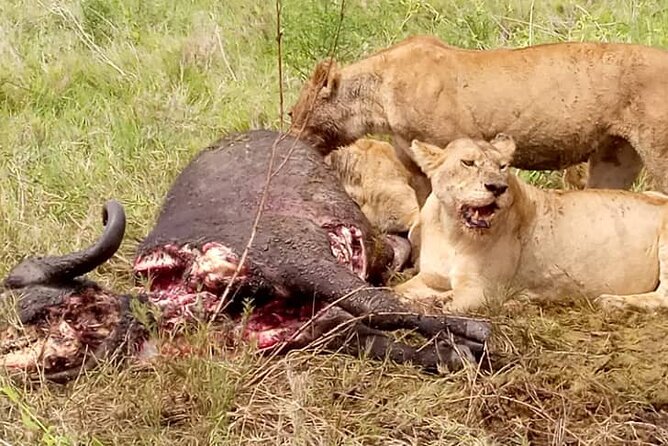
After breakfast, you head to Lake Manyara National Park for a full-day game drive. The park is known here for tree-climbing lions, flamingos attracted by algae in the lake and a hot spring.
As with any wildlife claim, tree-climbing lions are a possibility, not a scheduled performance. Still, the park offers a change from the Serengeti’s open plains. Lake, woodland and birdlife give the final game drive a different feel, and the hot spring adds a simple geological stop to the day.
The itinerary also includes a Maasai boma visit. You can see how residents live and learn about culture and traditions. This is a valuable addition if it is handled respectfully and explained clearly. Ask what the visit includes and whether photography is appropriate before taking pictures.
After Lake Manyara, you drive back to Arusha for dinner and overnight accommodation. The included second Arusha night is useful if you are flying the next day or continuing with another activity. The wording also says airport transfers are included, so confirm whether the transfer is tied to a specific departure time.
The guide and cook can make or break the week
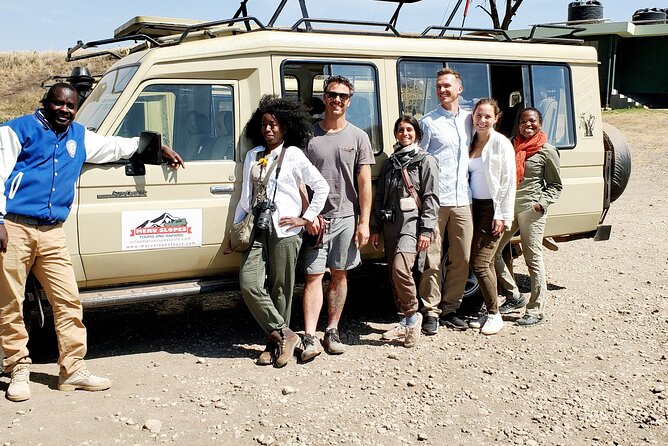
A safari vehicle is only as useful as the people operating it. In the wide Serengeti, finding the right sighting requires more than driving from one marked point to another. You want a guide who can spot small movement, explain animal behavior and judge when to wait.
Several guide names connected with strong departures include Jacob, Mohamed, Nuru and Freddy. Jacob is praised for an eagle eye, Mohamed for positioning the vehicle at the right time, Nuru for helping create a friendly small group and Freddy for guiding in both English and Spanish. You cannot assume one of them will lead your trip, so ask who is assigned before departure if language or guiding style matters to you.
The cook is just as important during seven days of camping. Breakfast before sunrise, packed or vehicle-based lunches and hot evening meals require planning. All seven breakfasts, lunches and dinners are included, which keeps the daily budget under control.
Tips and gratuities are not included. Set aside money for the safari guide and cook, and ask the company for its preferred tipping guidance before you leave home.
Who should book this safari?
I would recommend this trip to you if you want the major northern Tanzania parks in one week and prefer a single package with meals, transport, park fees and Arusha nights included. It suits first-time safari visitors who want a broad introduction rather than a trip focused on just one park.
It also suits people who care about keeping the price below many high-end lodge safaris. The locally owned Meru Slopes Tours and Safaris is presented as a way to support a Tanzanian operator, and several past departures praised the company’s communication, flexibility and value.
I would think twice if you dislike early starts, long vehicle days or basic camping. I would also avoid booking without clarification if seeing the migration is your top goal. The timing and northern Serengeti routing need to match the season, and even a well-run safari cannot guarantee a river crossing.
The trip is described as suitable for most people, with pickup offered and mobile ticketing. It is near public transportation, but the practical setup is hotel pickup in Arusha at around 7:30 or 8:00 a.m. Confirm the precise pickup time, accommodation standard and group size.
My booking verdict
This is a strong-value, wildlife-heavy route with an excellent amount of Serengeti time. I especially like the combination of elephant country, open plains, crater wildlife and lake scenery, plus the useful local stops in Mto wa Mbu and at a Maasai boma.
I would book it if you are happy with camping and can treat the migration as a possible highlight rather than a guaranteed show. Before booking, get written confirmation of your travel dates, the migration route, the exact group arrangement, the campsite facilities and the names of your guide and cook. If those details suit you, $1,790 buys a remarkably full week.
FAQ
What parks does the seven-day safari visit?
The route visits Tarangire National Park, Serengeti National Park, the Ngorongoro Conservation Area and Lake Manyara National Park.
Is camping included?
Yes. The trip includes group camping accommodation, with campsite stays in Serengeti and near Ngorongoro, along with an overnight at Jambo Lodge.
Are meals included?
Yes. The package includes seven breakfasts, seven lunches and seven dinners.
Are airport transfers included?
Yes. Transfers in both directions between the international airport and Arusha are included.
When is the safari offered?
The experience is advertised during the Great Migration from October to December. The itinerary also refers to Mara River crossings from July to October, so confirm the exact seasonal route before booking.
Can I cancel for a full refund?
Yes, if you cancel at least 24 hours before the experience start time. Cancellations made less than 24 hours in advance are not refunded, and poor weather may result in a different date or a full refund.
More Lake Manyara Safaris
- 3 Days Tarangire, Ngorongoro & Lake Manyara Group Camping Safari
★ 5.0 · 102 reviews - 3 Days Private Safari – manyara, Ngorongoro & Tarangire
★ 5.0 · 94 reviews - 05 Days Tarangire, Serengeti, Ngorongoro and Lake Manyara
★ 5.0 · 54 reviews - 5 Days 4 Nights Tarangire, Serengeti , Ngorongoro & Manyara Wildlife Safari
★ 5.0 · 40 reviews
Just added in Arusha
- Safari “Kifaru” – 5 days in the most famous Parks in the world★ 5.0 · 4 reviews
- 3 Days Tanzania Short and Spicy★ 5.0 · 6 reviews
- 5 Day Tanzania Safari Camping Adventure Private Tour★ 5.0 · 2 reviews
- Saadani Day Trip★ 5.0 · 13 reviews
- Day Trip to Ngorongoro Crater from Arusha★ 5.0 · 1 review
- SERENGETI NATIONAL PARK Tour★ 4.5 · 5 reviews
- 3 Days Serengeti Park & Ngorongoro Crater Adventure Safari★ 5.0 · 8 reviews
- 6 Days Tanzania Bush Experience Safari★ 5.0 · 6 reviews
Serengeti & Ngorongoro Safaris, compared.
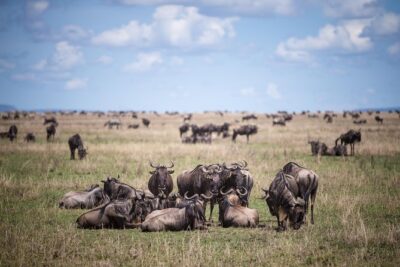
Serengeti Balloon Safari and authentic bush breakfast
Read our review →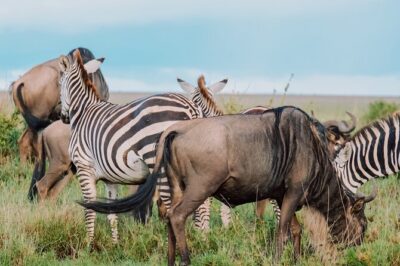
Balloon Safari & Bush Breakfast in Serengeti – Miracle Experience
Read our review →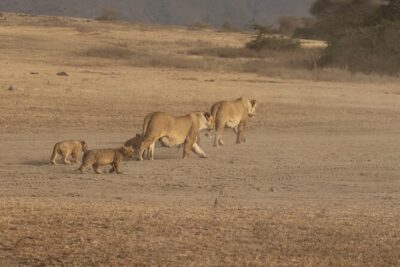
3 Days Serengeti & Ngorongoro Group Camping Safari
Read our review →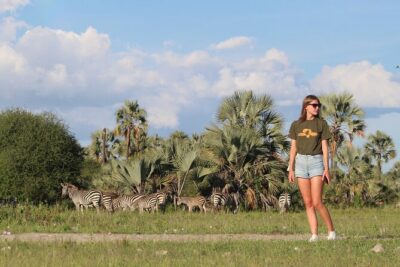
5-Day Highlights mid-Range Crater, Serengeti, Tarangire
Read our review →
Private 6-Day Tarangire Manyara Crater and Serengeti with Mid-Range Lodges
Read our review →
5 Days Camping Tarangire, Serengeti & Ngorongoro crater & Visiting Maasai
Read our review →Browse the lists this tour appears in